Pretend Play Toys That Keep Toddlers Busy Alone
A parent-friendly guide to pretend play toys that support independent play for ages 1–2, with tips on safety, age fit, and toy types that encourage everyday role play.
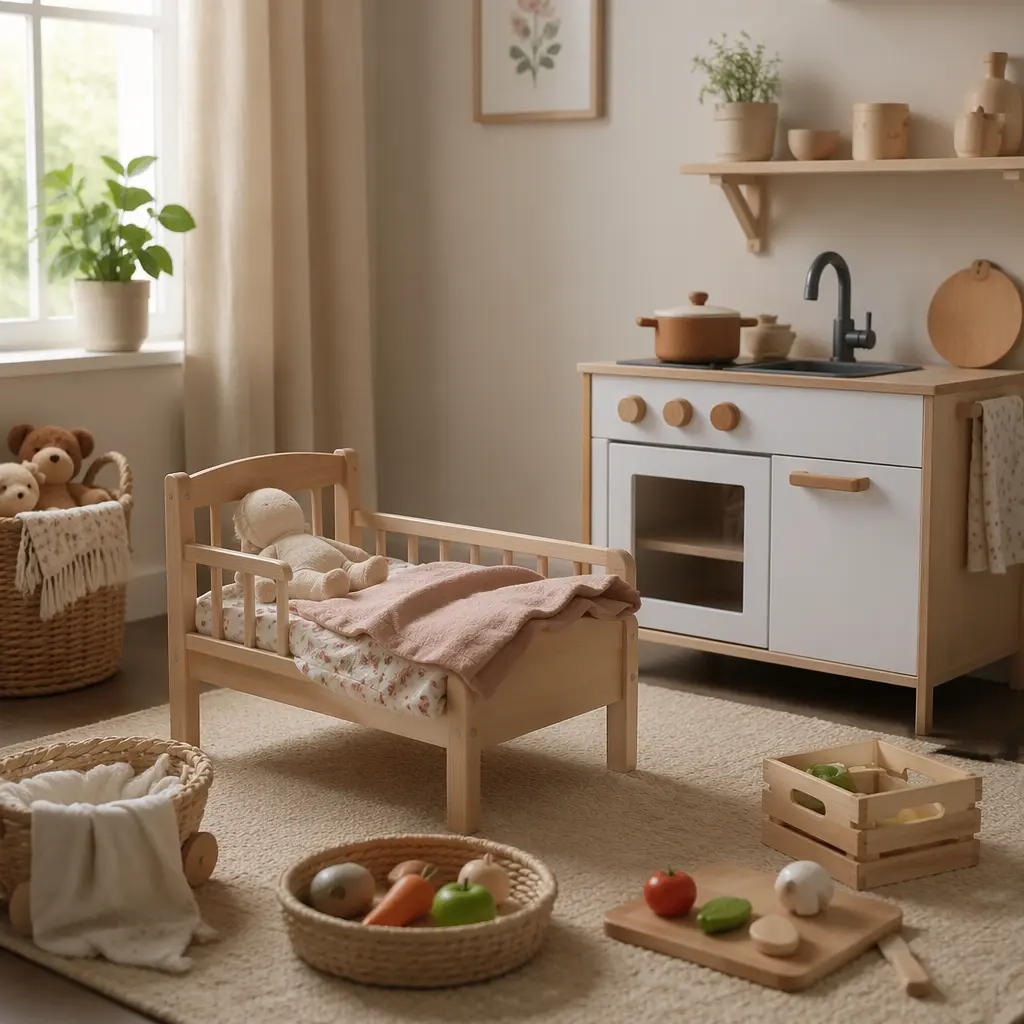
Compare prices and availability
Check current prices and availability for this guide on eBay.
As an eBay Partner, we may be compensated if you make a purchase.
Pretend play toys can give toddlers a chance to explore everyday routines on their own terms. For children ages 1–2, the right role-play toys can support short stretches of independent play while building language, problem-solving, and confidence. This guide focuses on simple, familiar pretend play options that encourage toddlers to stay engaged without constant adult direction.
What to look for
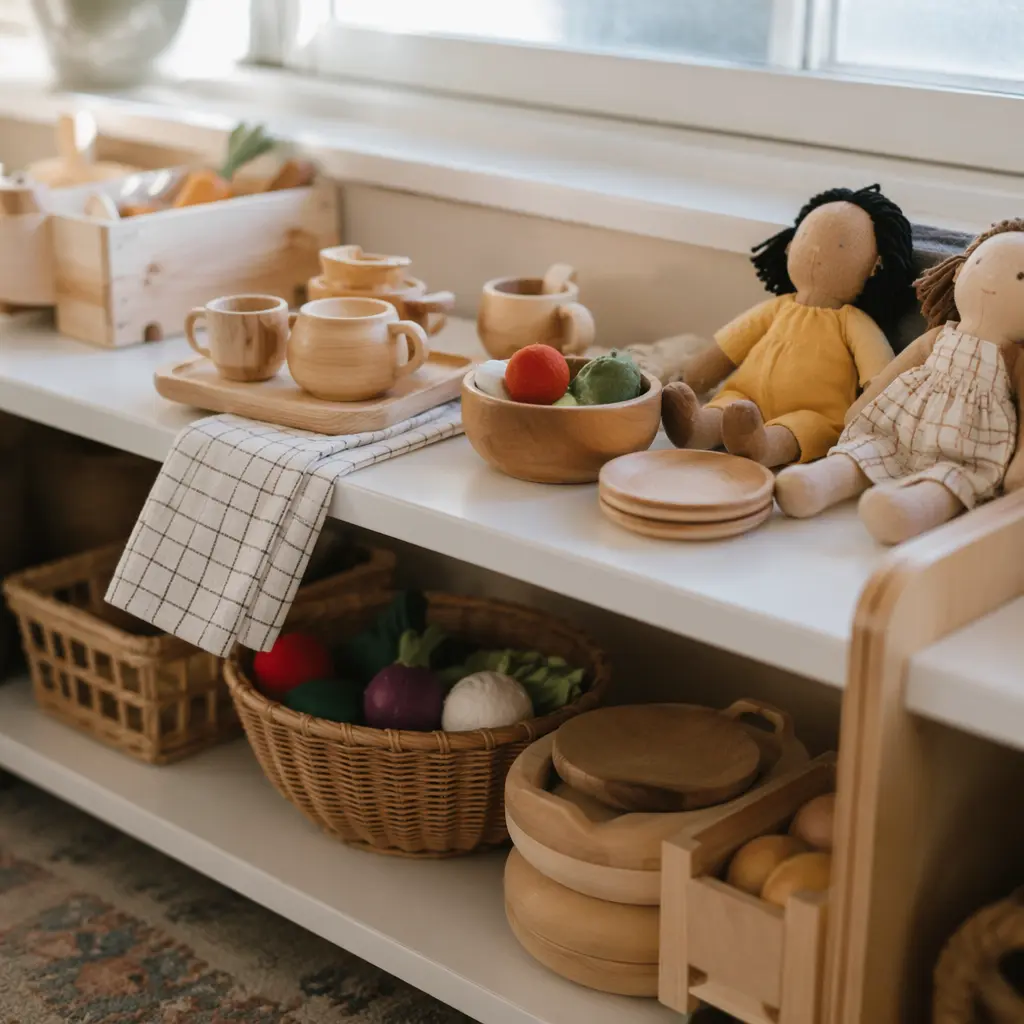
Toddlers play differently from older children. At this age, pretend play is less about acting out long stories and more about copying familiar actions. Choosing toys designed for simple, repeatable play helps toddlers feel successful and interested.
- Simple actions: Toys that allow scooping, feeding, opening, or putting items in and out
- Sturdy construction: Thick plastic, wood, or soft materials that can handle drops and rough handling
- Familiar themes: Everyday activities like cooking, caring for a doll, or cleaning
- Open-ended pieces: Items that can be used in more than one way, rather than toys with one fixed outcome
- Easy access: Toys that don’t require batteries, switches, or adult setup to get started
Age suitability
For ages 1–2, pretend play toys should match toddlers’ motor skills and attention spans. Large pieces are easier to grasp and safer for mouthing. At this stage, independent play may last only a few minutes at a time, which is developmentally normal. Toys that support short, repeatable play sessions can still feel engaging and meaningful without overwhelming a young child.
Standout categories or types
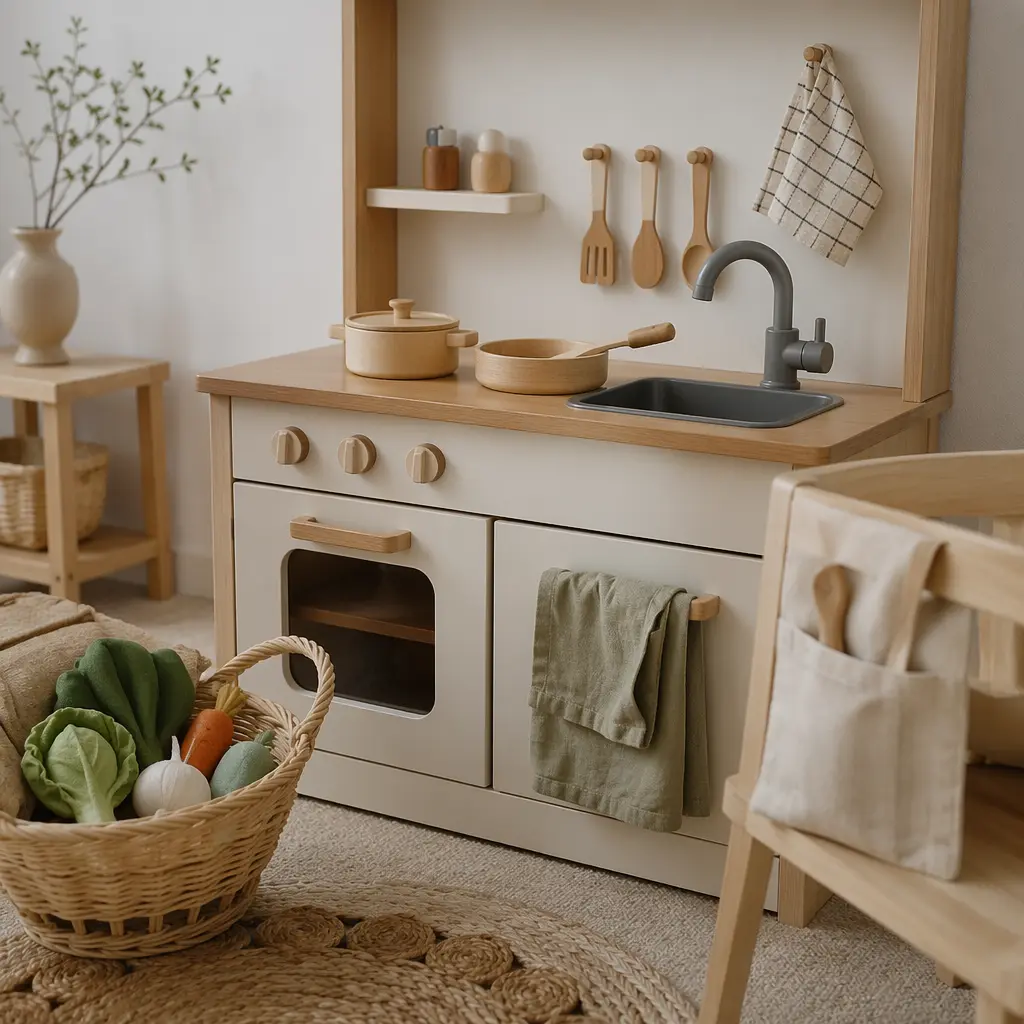
Certain types of pretend play toys are especially well suited to independent play for young toddlers. These categories focus on everyday routines that children already see and experience, making it easier for them to jump into play without instructions.
- Toy kitchens and food sets: Encourage imitation of mealtime routines like stirring, serving, and stacking
- Dolls and soft figures: Support nurturing play such as feeding, rocking, or putting a doll to bed
- Cleaning role-play toys: Items like toy brooms or cloths let toddlers copy household tasks
- Animal care play: Simple farm or pet sets that involve placing animals in spaces or making sounds
- Dress-up basics: Soft hats or simple accessories that are easy to put on and take off
Frequently asked questions
Can a 1-year-old really play pretend alone?
Yes, in short bursts. Independent pretend play at this age often looks like copying one action repeatedly, such as feeding a doll or placing items into a container. Even a few minutes of focused play counts.
How long should independent play last for toddlers?
Many toddlers can manage 5–10 minutes of independent play, sometimes longer on a good day. Attention span varies widely, and it’s normal for children to move between toys or seek adult interaction.
Do pretend play toys need to be realistic?
They don’t need to be highly detailed. Simple, recognizable shapes often work better than complex or noisy toys, allowing toddlers to focus on the action rather than features.
Should parents show toddlers how to use the toys?
A brief demonstration can help get play started, especially for new toys. After that, stepping back allows toddlers to explore and repeat actions independently.
Pretend play toys that support independent play don’t need to be flashy or complicated. For toddlers ages 1–2, the most engaging options reflect everyday life, feel easy to use, and invite repetition. With the right setup and expectations, these toys can offer meaningful moments of focused, self-directed play.