Playmobil FunPark: When a Toy Brand Became a Place to Play
Playmobil FunPark turned a familiar toy line into a physical play experience, blending oversized playsets, active exploration, and brand storytelling for families.
Compare prices and availability
Check current prices and availability for this guide on eBay.
As an eBay Partner, we may be compensated if you make a purchase.
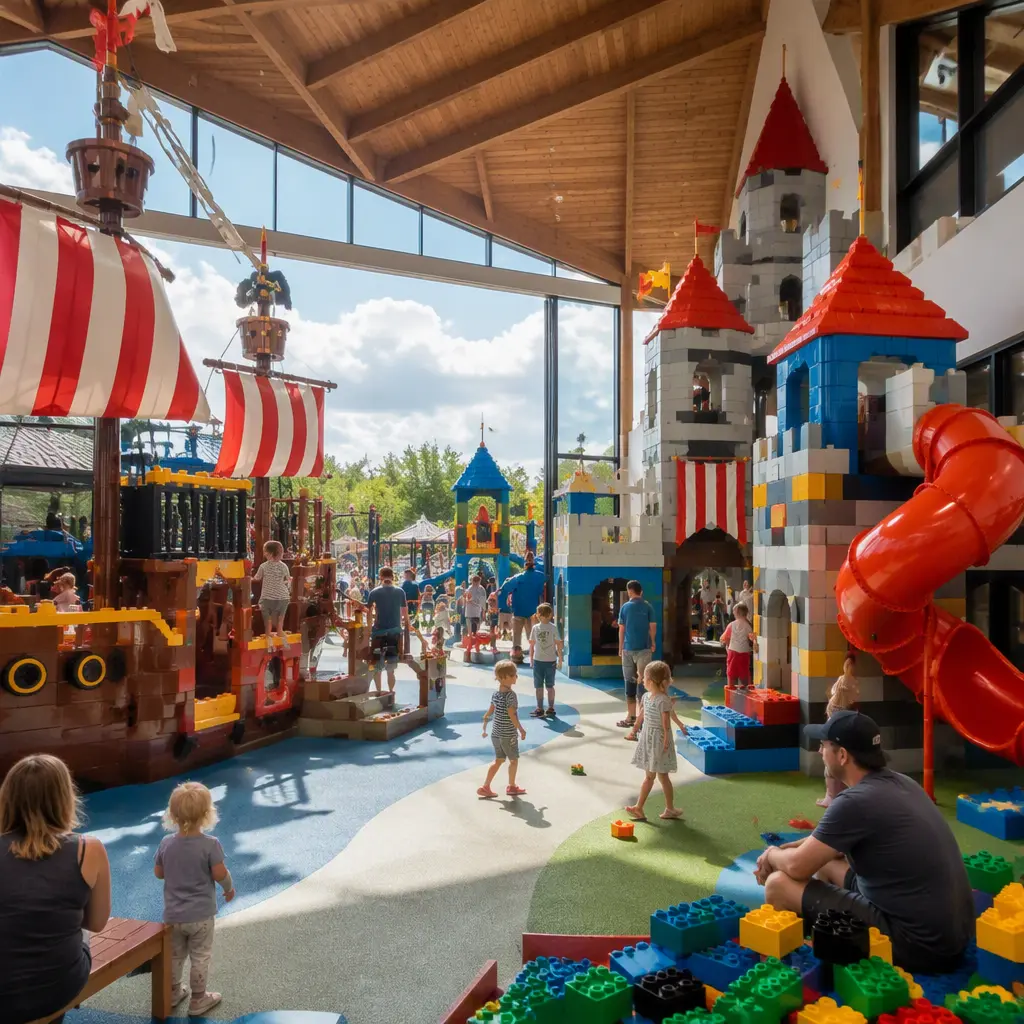
Playmobil spent decades building its reputation on compact plastic worlds: castles, farms, pirate ships, construction crews, and everyday city scenes sized for tabletop storytelling. With Playmobil FunPark, the German toy brand expanded that idea into something larger and more unusual — a physical destination where children could step inside the style of play the toys encouraged at home. Rather than operating like a traditional amusement park filled with rides, the FunPark concept focused on climbing, role-play, exploration, and hands-on activity. It became part showroom, part playground, and part brand experience, designed to translate imaginative toy play into real movement and social interaction.
Where it came from
Playmobil itself dates back to the 1970s, when inventor Hans Beck developed a simplified 7.5-centimeter figure with movable arms and an approachable, neutral expression. The toys became known for encouraging open-ended storytelling rather than fixed narratives. Unlike heavily character-driven toy lines tied to television or films, Playmobil centered on occupations, history, fantasy themes, and everyday environments that children could rearrange endlessly.
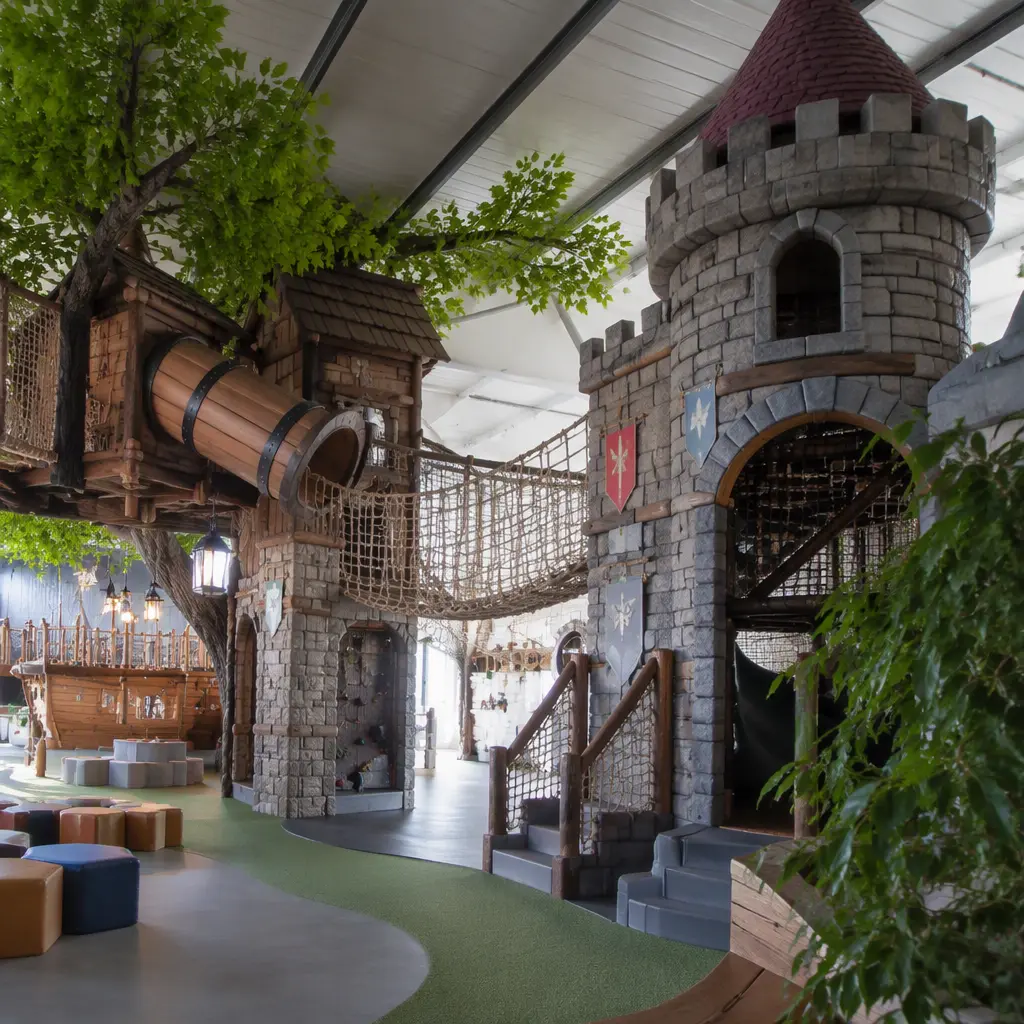
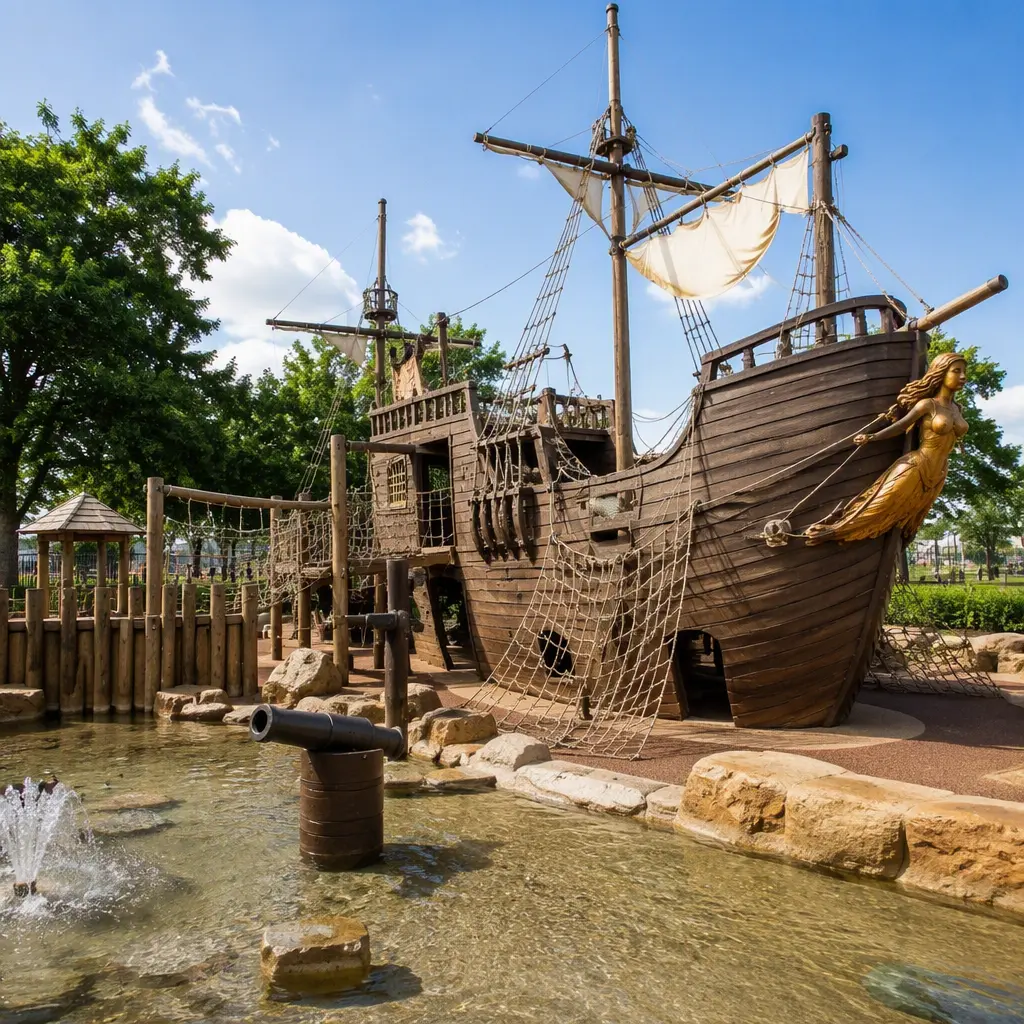
The first Playmobil FunPark opened in Germany around 2000 as the company explored ways to deepen its connection with families beyond retail shelves. The idea reflected a broader trend in toy culture at the time: brands were beginning to create immersive spaces where children could physically engage with familiar worlds. What made Playmobil's approach different was its emphasis on active play instead of thrill rides. Giant pirate forts, western towns, farms, police stations, and water-play zones mirrored the structure of Playmobil sets while encouraging children to climb, crawl, invent stories, and interact with one another. The parks functioned as extensions of the toy philosophy itself — imaginative systems designed to be completed by the child.
Why it works
The strongest part of the FunPark concept is how closely it reflects the original strengths of the toys. Playmobil sets have always relied on modularity and scenario-building rather than competition or electronic feedback. A child does not “win” at Playmobil; instead, they create narratives. The parks preserve that rhythm by offering spaces that invite pretending rather than directing it too rigidly. A pirate ship becomes a stage for invented adventures. A construction zone becomes collaborative problem-solving. The physical environment supports imaginative freedom without requiring screens or complicated instructions.
Another reason the concept endured is its balance between recognizable branding and broad accessibility. Even children unfamiliar with specific Playmobil products can understand the environments immediately. Castles, farms, airports, and rescue stations are intuitive settings for pretend play. Parents often respond positively to the parks because they encourage movement and social interaction in a way that feels closer to a giant playground than a commercial attraction.
- Oversized versions of familiar pretend-play themes like castles, pirate ships, and farms
- Hands-on environments focused on climbing, building, and role-playing
- Limited dependence on screens or electronic effects
- Open-ended play that works across different age groups
- Indoor and outdoor activity zones designed for repeat exploration
Who it's for
Playmobil FunPark attractions are generally aimed at younger children, especially those in preschool and elementary age ranges, though older siblings often participate in climbing and themed activities as well. The experience works particularly well for children who enjoy imaginative play, miniature worlds, or cooperative games. Adults familiar with Playmobil toys from childhood may also appreciate the parks as examples of how a long-running toy brand adapted to changing family entertainment trends without abandoning its original identity. Because the spaces prioritize active play over rides, they tend to feel less overwhelming than large amusement parks for many families.
Variants and what to look for today
Not every Playmobil FunPark location is identical. Different sites emphasize different themes, indoor versus outdoor activities, and seasonal programming. Some focus heavily on climbing structures and water areas, while others include interactive exhibitions, miniature displays, or indoor role-play spaces based on popular Playmobil themes. Over time, the parks have also evolved alongside the toy line itself, incorporating newer settings such as modern city environments and adventure themes.
Families interested in visiting one today should pay attention to the balance between physical play and themed attractions. The experience is typically strongest when approached as an active play destination rather than a ride-based theme park. Indoor sections can be especially useful during colder seasons, while outdoor zones are often more expansive during warmer months. Since the parks are tied closely to the brand identity, visitors will also encounter retail areas featuring current Playmobil products and themed souvenirs.
- Look for locations with both indoor and outdoor play areas if visiting with mixed age groups
- Water-play sections may require spare clothes or towels
- Some attractions are designed specifically for younger children and may have height or age guidance
- Official locations generally maintain the recognizable modular style associated with the toy line
- Crowded holiday periods can significantly change the pace of play spaces
Frequently asked questions
Is Playmobil FunPark a traditional amusement park?
Not in the usual sense. The parks focus far more on interactive play areas and themed exploration than on mechanical rides or roller coasters. The atmosphere is closer to a giant themed playground built around imaginative storytelling.
Do children need to know Playmobil toys beforehand?
No. The environments are designed around familiar ideas like pirates, castles, farms, and rescue vehicles, so children can engage with them even without previous experience with the toy line.
What age range fits the experience best?
Younger children usually get the most from the parks, especially preschool and early elementary ages. Older children may still enjoy larger climbing structures and outdoor activity areas, but the overall design is centered on family-friendly pretend play.
Why did Playmobil expand into physical attractions?
The parks allowed the company to extend the core idea of its toys into a real-world setting. Instead of simply selling miniature environments, Playmobil created spaces where children could physically act out the same kinds of stories and adventures.
Playmobil FunPark represents an unusual chapter in toy history because it treats play itself as the attraction. Rather than relying on fast rides, digital spectacle, or licensed movie characters, the concept builds on the same quiet strengths that made Playmobil successful in the first place: simple figures, flexible storytelling, and environments designed to be shaped by imagination. In an entertainment landscape increasingly dominated by screens, the parks stand out for turning a tabletop toy philosophy into a physical space built for movement, creativity, and shared family play.