Pop-Up Play Tents vs Playhouses for Shared Bedrooms
Choosing between a pop-up play tent and a playhouse for a shared bedroom? Compare space needs, setup time, sibling play, storage, noise and durability for ages 3–5.
Compare prices and availability
Check current prices and availability for this guide on eBay.
As an eBay Partner, we may be compensated if you make a purchase.
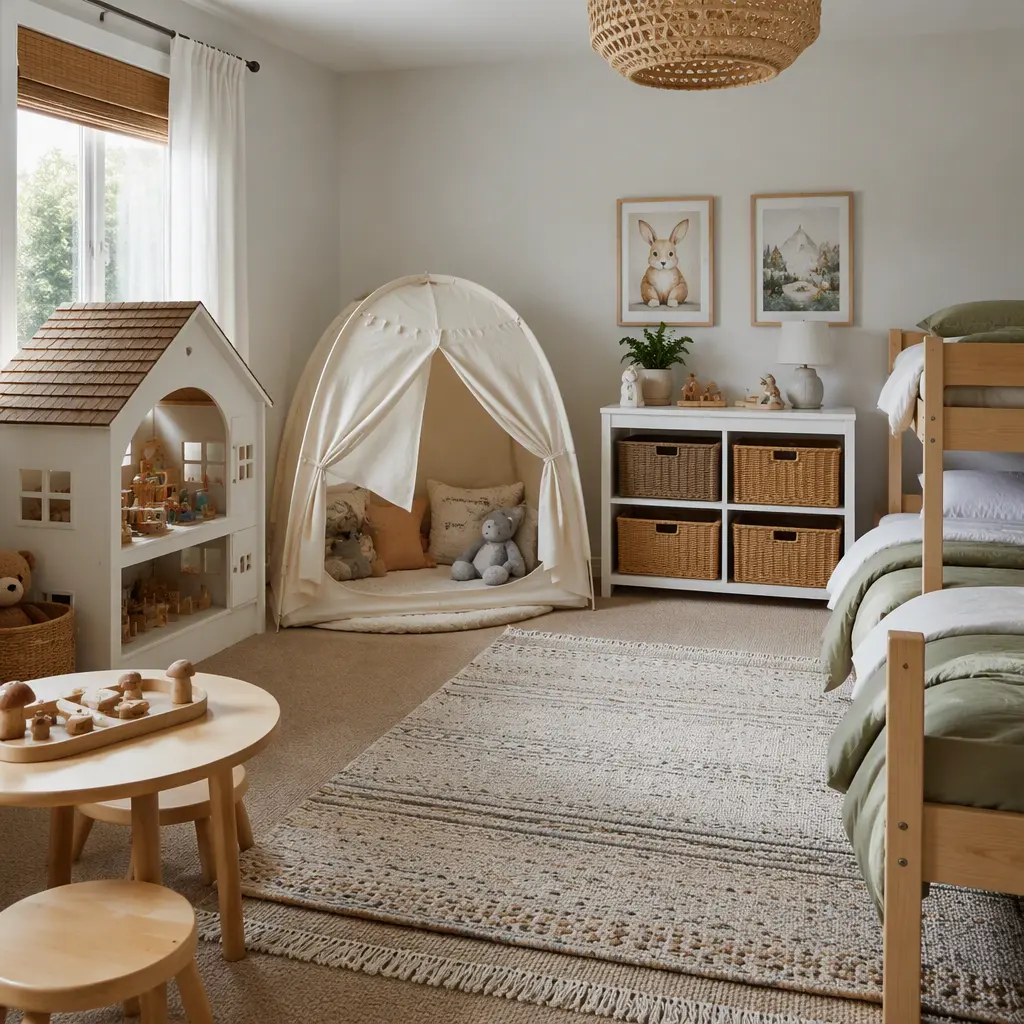
Pop-up play tents and indoor playhouses both give preschool children a space for pretend play, quiet time and simple sibling games, but they work very differently in a shared bedroom. The right choice usually depends less on appearance and more on practical details such as how quickly the toy can be packed away, how much floor space it permanently occupies and how well it handles two children playing at once. For children aged 3–5, both options can support imaginative play without screens, but shared rooms add extra pressure around clutter, noise and storage. Parents comparing the two often find that the best fit comes down to balancing flexibility against sturdiness.
What to look for
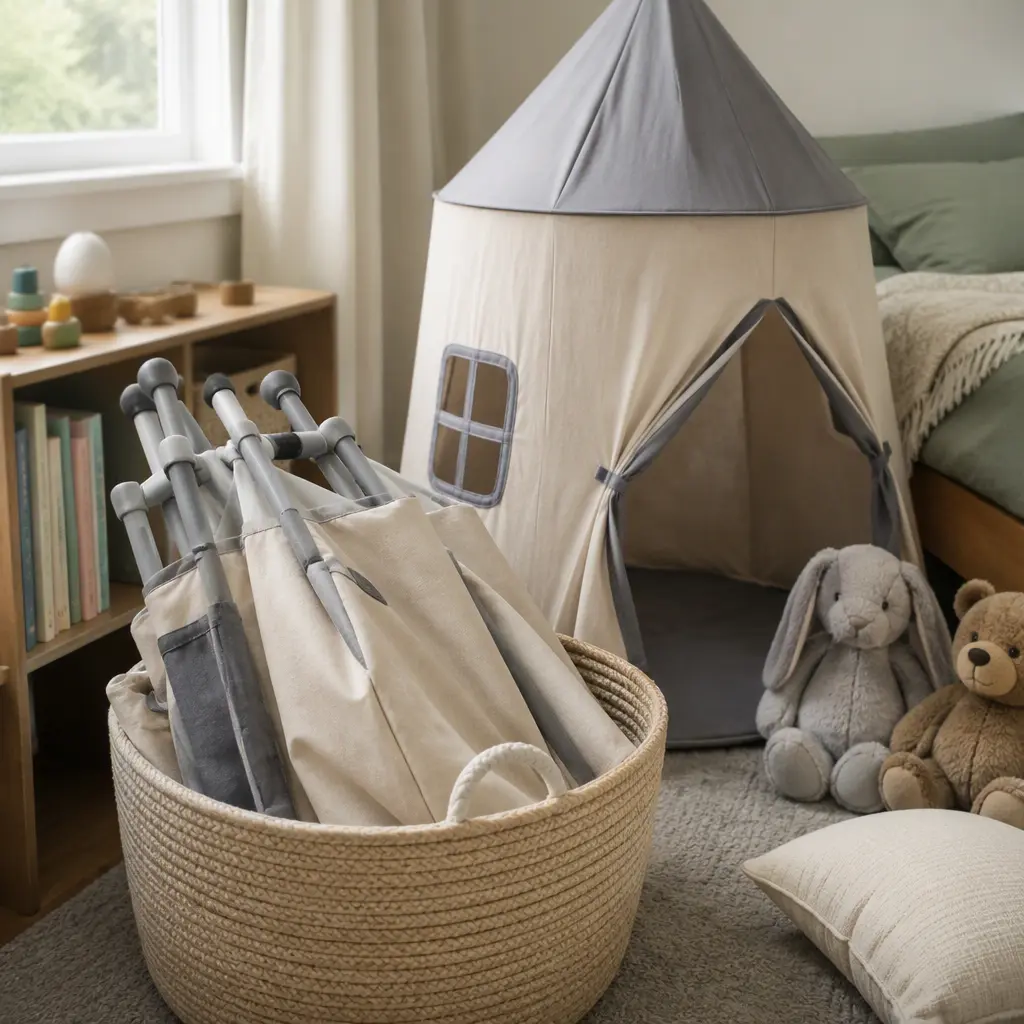
Shared bedrooms usually have limited open floor space, so size matters as much as play value. A pop-up tent can often be folded and stored under a bed or inside a closet, while a playhouse typically stays assembled. Some families prefer permanent play zones because they reduce setup frustration, but others need flexible floor space for sleepovers, reading or active indoor play. Materials also make a difference. Lightweight fabric tents are easier to move but may collapse during rough sibling play, while sturdier playhouses can better handle repeated use but are heavier and harder to reposition. Ventilation, washable surfaces and entry size are also worth checking, especially when two children want to play together.
- Choose a size that leaves enough walking space around beds and storage furniture.
- Check whether the structure folds flat or requires partial disassembly for storage.
- Look for mesh windows or open panels to improve airflow and visibility.
- Consider noise levels: rigid plastic playhouses can become loud indoors during energetic play.
- Fabric tents are usually lighter but may wear faster with frequent sibling use.
- Think about cleanup: wipe-clean surfaces are easier after snack play, crafts or messy pretend games.
- Avoid overly complex designs that are difficult to move during room cleaning or furniture changes.
Age suitability
For ages 3–5, both play tents and playhouses can support cooperative pretend play, simple role-play games and quiet solo downtime. Younger three-year-olds may prefer open, easy-entry tents without rigid doors or complicated features. Older preschoolers often enjoy more structured playhouse setups that feel like miniature rooms or shops. In shared bedrooms, sibling age gaps matter too. Two children close in age may use the space cooperatively, while older preschoolers sometimes become territorial if the structure feels too small. Compact tents can suit short bursts of imaginative play, while larger playhouses may better support longer group play sessions with dolls, stuffed animals or toy kitchens.
Options compared
Pop-up play tents are usually the easier option for families dealing with tight bedrooms or changing layouts. Their biggest advantage is flexibility. Many can be assembled in minutes and folded away when extra floor space is needed. This makes them useful in rooms that double as sleeping, reading and play areas throughout the day. Lightweight tents also tend to be easier for adults to move during cleaning. The trade-off is durability. Repeated roughhousing, leaning or pulling can bend support poles or stretch fabric seams over time. In sibling play, this matters because two children often enter and exit at the same time, putting more stress on lightweight structures.
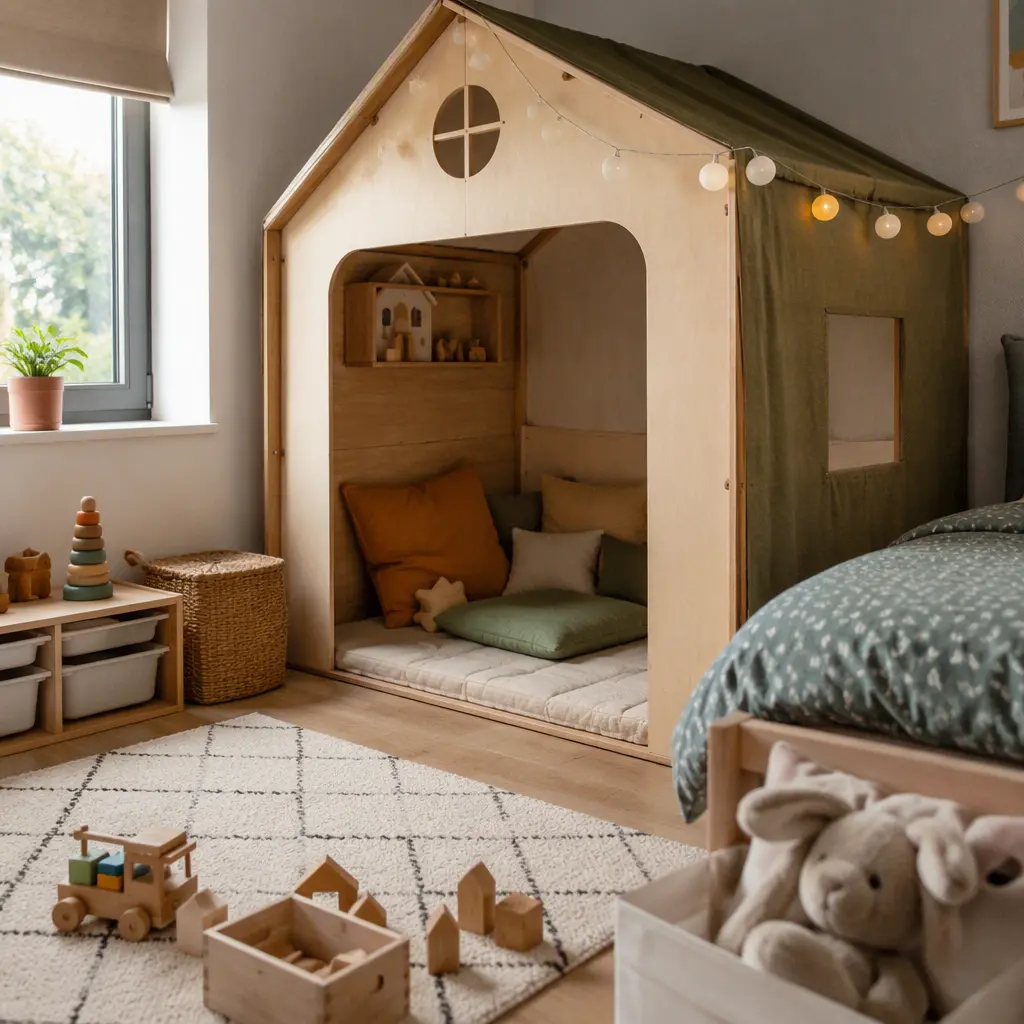
Indoor playhouses are usually better for children who enjoy extended pretend play sessions and shared role-play. Their more stable shape can feel room-like, which encourages games involving shops, homes, cafés or hideouts. They may also stay tidier inside because children can leave props or stuffed toys in place between play sessions. The downside is their permanent footprint. In a shared bedroom, a rigid playhouse can dominate the available floor area and make furniture rearrangement difficult. Plastic versions can also become noisy on hard flooring. Families in apartments or smaller homes often prefer tents for this reason, while homes with larger bedrooms may find a compact playhouse easier to integrate long term.
- Pop-up tents suit families needing fast setup, compact storage and flexible floor space.
- Playhouses suit children who prefer longer pretend-play sessions with siblings or friends.
- Fabric tents are usually quieter on hard floors than rigid plastic structures.
- Playhouses generally handle repeated shared use better than lightweight tents.
- Smaller bedrooms often benefit from foldable options that can disappear between playtimes.
- Children who enjoy cozy reading corners may prefer enclosed tents with soft furnishings.
- Parents who dislike visual clutter may prefer simpler structures with fewer built-in accessories.
Frequently asked questions
Are pop-up play tents durable enough for siblings?
They can work well for sibling play if children are reasonably gentle, but lightweight poles and fabric panels are not designed for climbing or rough physical games. Tents generally last longer when used for imaginative play, reading or stuffed-animal games rather than energetic movement.
Do indoor playhouses take up too much bedroom space?
In smaller shared bedrooms, they can feel bulky quickly. Measuring the room before buying is important, especially once beds, toy storage and walking paths are considered. Compact corner placement usually works better than positioning a playhouse in the center of the room.
Which option is easier to clean?
Playhouses with smooth plastic surfaces are usually easier to wipe down after messy play, while fabric tents may need spot cleaning or removable covers. However, tents are often easier to move completely out of the room for vacuuming or rearranging.
Are these toys suitable for quiet play?
Yes. Both can become calm reading nooks or quiet spaces when paired with cushions, books or soft toys. Fabric tents often create a softer, more enclosed atmosphere that some children find calming before bedtime.
What works best for temporary setups?
Pop-up tents are usually the better fit for temporary play areas because they assemble and store quickly. Families who regularly rotate toys or need open floor space during parts of the day often find tents easier to manage.
For most shared bedrooms, the choice comes down to whether flexibility or stability matters more. Pop-up tents are typically easier to store, quieter and more adaptable to changing room layouts. Indoor playhouses usually support longer-lasting sibling pretend play and withstand repeated use better, but they require more permanent space. Measuring the available room carefully and thinking about daily routines can prevent a play area from becoming a storage problem later.