Pretend Play Sets Kids Can Start Without Setup
A parent-friendly guide to low-friction pretend play sets for ages 3–5—what to look for, age fit, safety notes, and categories that invite instant, independent play without assembly.
Compare prices and availability
Check current prices and availability for this guide on eBay.
As an eBay Partner, we may be compensated if you make a purchase.
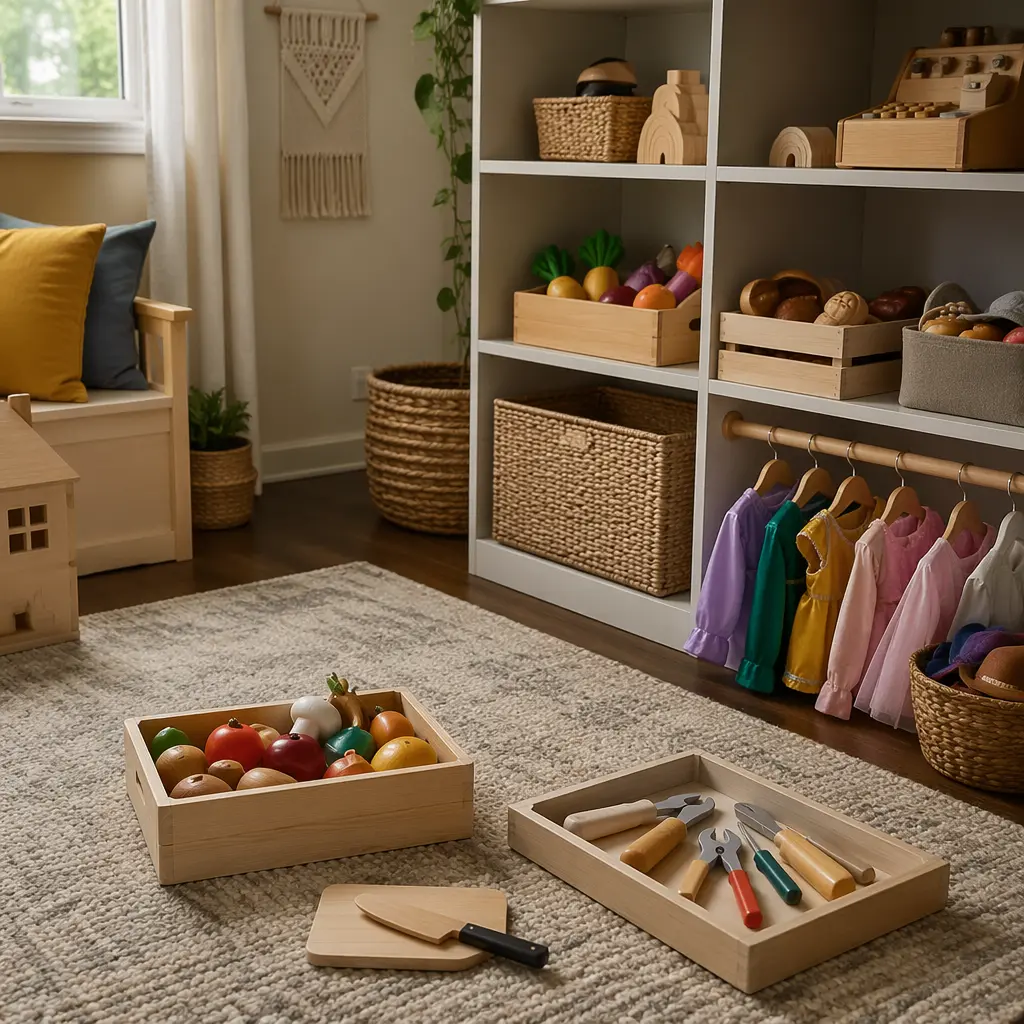
Pretend play works best when kids can jump in right away. For ages 3–5, low‑friction role‑play sets remove barriers like assembly, batteries, or complicated rules. These toys invite children to start playing independently, build stories on the fly, and reset the scene without adult help. This guide focuses on pretend play sets that are ready the moment they’re opened—or after a quick tidy—so playtime stays simple and satisfying.
What to look for
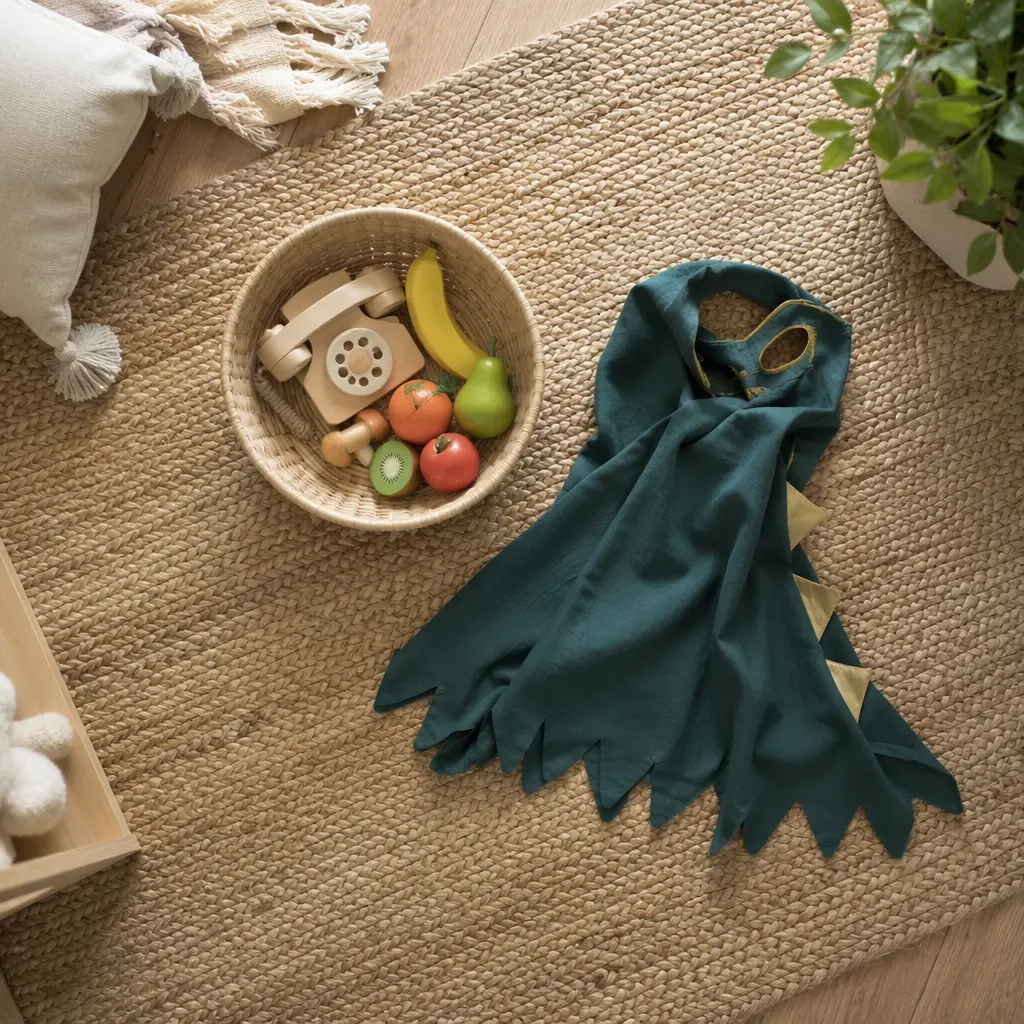
When the goal is instant play, the best pretend sets share a few practical traits. These features help kids get started on their own and keep play flowing without constant resets or instructions.
- No assembly or minimal setup: Pieces should work straight out of the box, without snapping parts together or building a scene first.
- Open‑ended pieces: Items that can stand in for many roles encourage longer, more flexible play.
- Easy storage and reset: Baskets, trays, or simple containers help kids put items away and start again quickly.
- Durable materials: Sturdy wood, thick plastic, or fabric pieces handle frequent handling and drops.
- Clear visual cues: Objects that look like their real‑world counterparts help children understand how to use them without explanation.
Age suitability
For children ages 3–5, pretend play is shifting from simple imitation to more imaginative storytelling. At this stage, kids benefit from sets that are concrete enough to recognize but flexible enough to adapt. Avoid tiny accessories that frustrate small hands or require precise placement. Instead, look for pieces that are easy to grasp, lightweight, and forgiving if play gets energetic. Sets designed for this age band often balance realism with simplicity, helping kids feel confident starting play on their own.
Standout categories or types
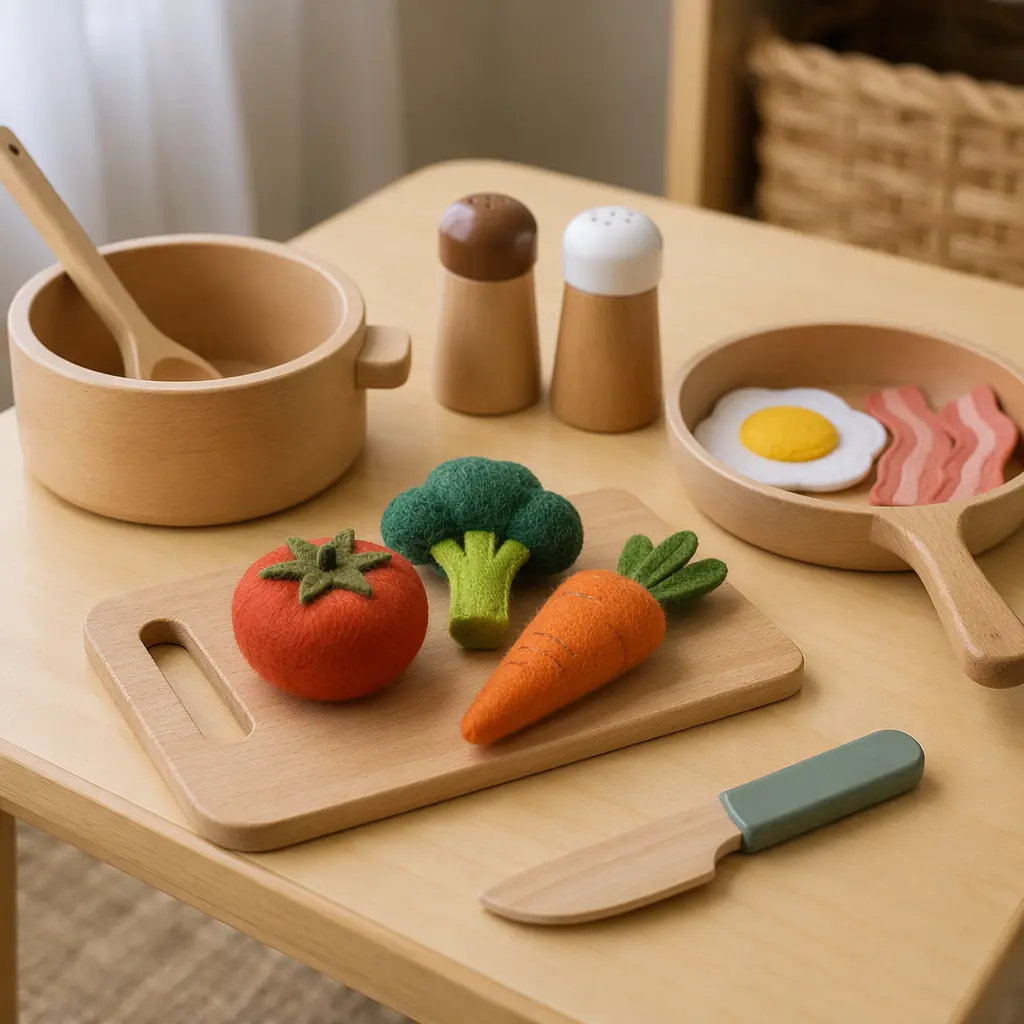
Some pretend play categories naturally lend themselves to instant engagement. These sets rely on familiar routines and don’t need a built environment to make sense, which keeps play accessible for younger kids.
- Everyday life kits: Cooking, shopping, cleaning, or doctor themes mirror daily routines kids already understand.
- Dress‑up essentials: Simple costumes or accessories that slip on easily encourage quick role changes.
- Mini worlds without assembly: Small collections of figures or props that work on the floor or table without a backdrop.
- Tool and fix‑it sets: Chunky tools and parts that can be used anywhere without building a structure first.
Across these categories, the common thread is flexibility. The fewer steps between opening the box and starting a story, the more likely kids are to play independently and return to the set again and again.
Frequently asked questions
What does “no setup” really mean?
No setup means children can begin playing immediately, without adult assembly, charging batteries, or following instructions. At most, it may involve placing items in a basket or on the floor.
Are simpler sets less educational?
Not at all. Open‑ended pretend play supports language development, social skills, and problem‑solving. Simpler sets often encourage deeper imagination because kids supply the story themselves.
How many pieces are ideal for this age?
A small to medium number of pieces works best. Too few can limit play, while too many can overwhelm. Look for sets that feel complete but manageable for cleanup.
Can these sets grow with my child?
Yes. Open‑ended pretend play items often stay relevant as children’s stories become more complex. Pieces can mix with other toys or be used in new ways over time.
Pretend play sets that require little to no setup make it easier for kids to start playing—and easier for parents to support independent play. By focusing on open‑ended design, age‑appropriate pieces, and simple storage, you can choose options that fit naturally into daily routines and invite imagination without extra work.