Pretend Play Toys That Don’t Need Screens
A parent-friendly guide to modern pretend play toys that work without apps or screens, covering what to look for, age suitability, safety notes, and popular categories that encourage imagination.
Compare prices and availability
Check current prices and availability for this guide on eBay.
As an eBay Partner, we may be compensated if you make a purchase.
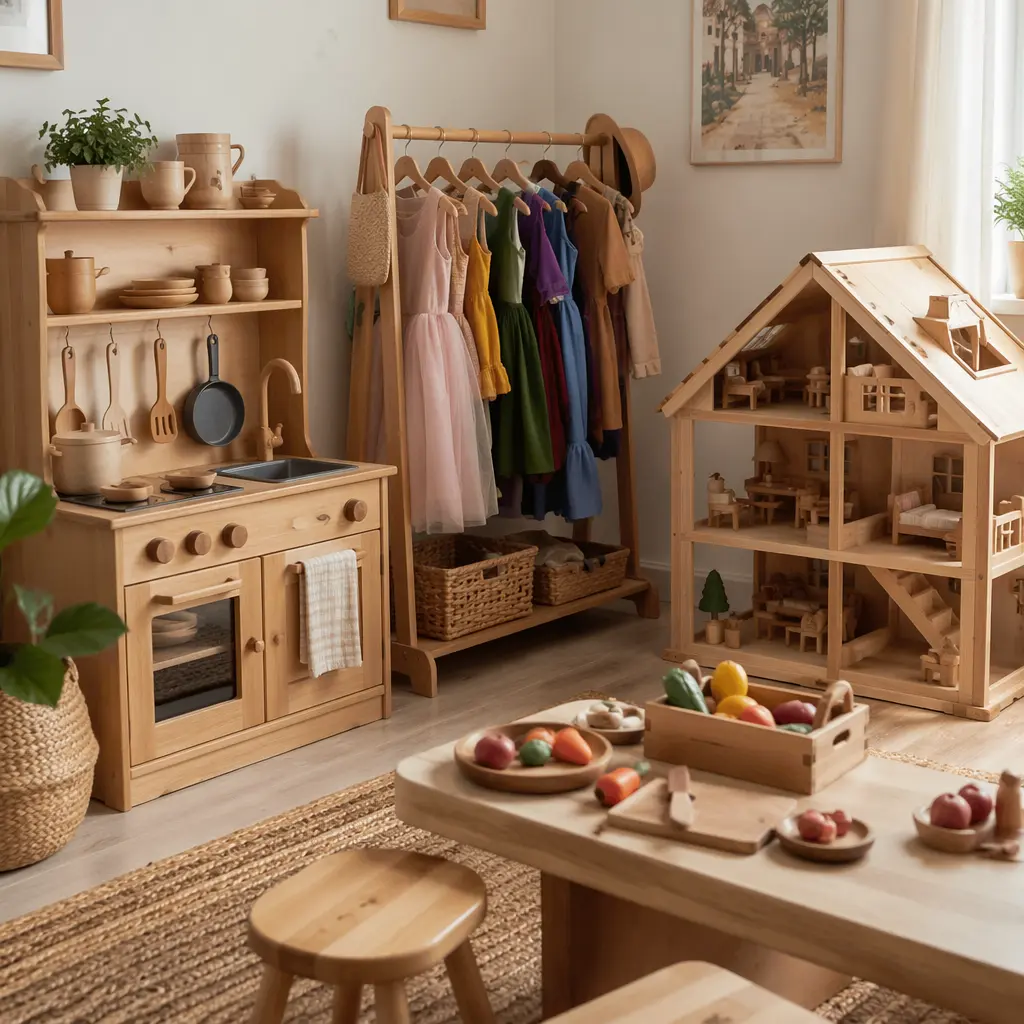
Pretend play has changed in style over the years, but its purpose has not. Children still learn by acting out stories, roles, and everyday experiences. Today’s pretend play toys often look simpler than app-connected alternatives, yet they support creativity, language development, and problem-solving without relying on screens. This guide looks across categories to help parents choose modern pretend play toys that work on imagination alone.
What to look for
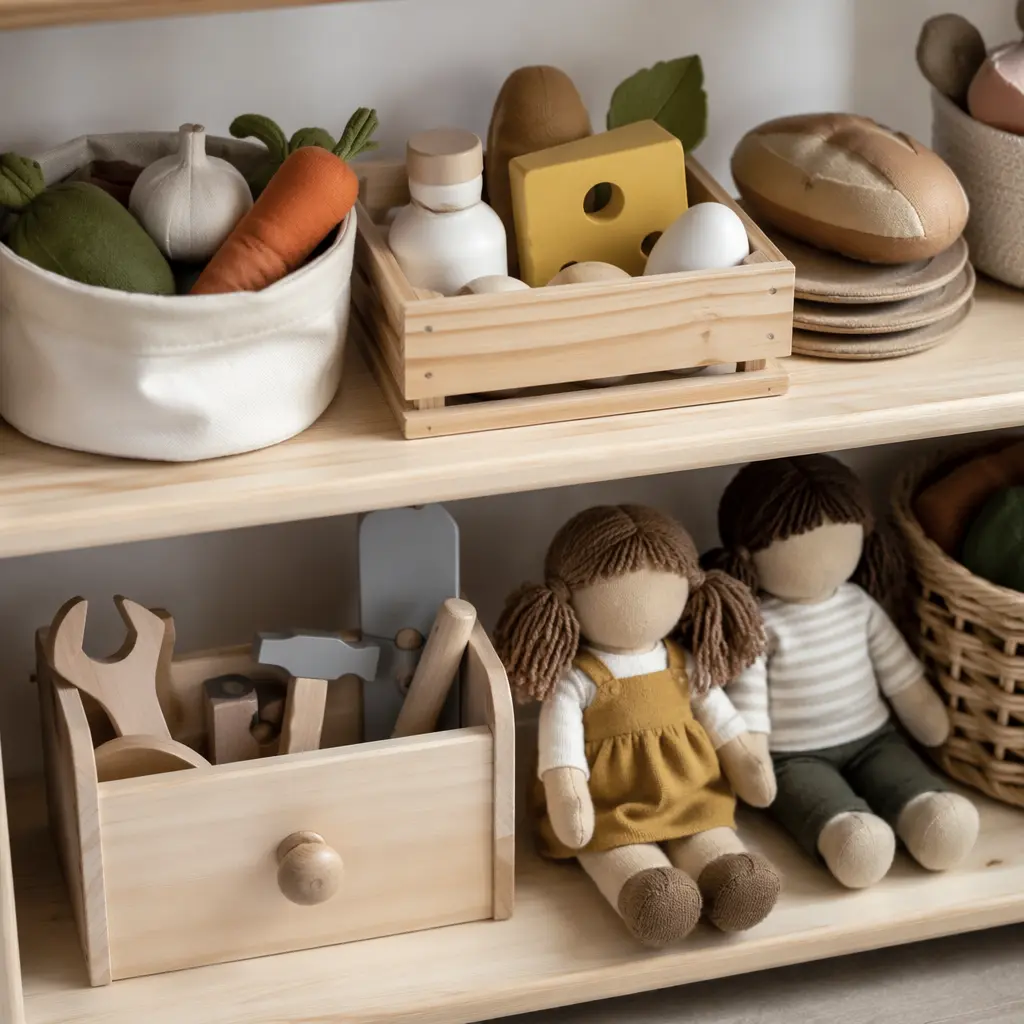
Screen-free pretend play toys come in many forms, but strong options tend to share a few core traits. Focusing on these basics can help you compare choices across different styles and price ranges.
- Open-ended design that allows multiple ways to play, rather than one fixed outcome
- Simple materials such as wood, fabric, or sturdy plastic that do not require batteries or charging
- Durability for repeated use, including parts that can handle drops and rough handling
- Neutral or realistic details that encourage storytelling instead of directing it
- Easy storage and setup so children can start and stop play independently
Age suitability
Pretend play evolves as children grow. Younger toddlers often focus on imitating familiar actions, such as cooking or caring for a doll, using simple props with larger pieces. Preschool-age children typically build longer stories, combine toys from different sets, and enjoy role switching. Older children may prefer themed play that includes planning, negotiation, and rules they create themselves. Checking age guidance helps ensure pieces are safe and sized appropriately, but flexibility matters more than strict age labels.
Standout categories or types
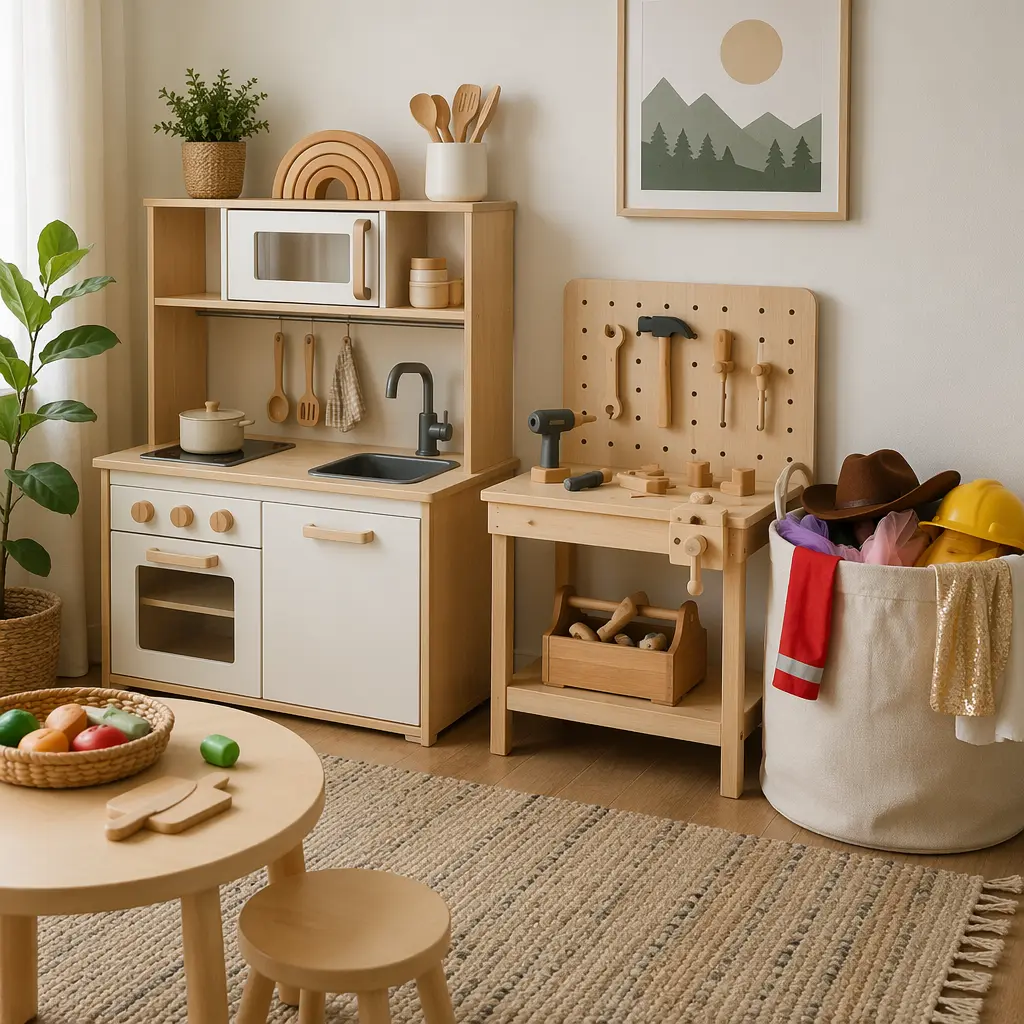
Pretend play toys without screens span many categories, making it easier to match a child’s interests. Role-play sets based on everyday life, such as kitchens, workshops, or medical themes, support social understanding and vocabulary. Because these sets mirror real experiences, children often return to them repeatedly.
Dress-up and storytelling toys encourage expressive play. Simple costumes, puppets, and dolls let children experiment with emotions, perspectives, and narratives. Construction-based pretend play, including dollhouses or play scenes, blends imaginative storytelling with spatial skills. Across all categories, toys that mix well together tend to hold attention longer than single-purpose items.
Frequently asked questions
Why choose pretend play toys without screens?
Screen-free pretend play encourages children to supply their own ideas, voices, and storylines. Without programmed responses, play can adapt to a child’s mood, interests, and developmental stage, supporting creativity and communication.
Do these toys hold attention as long as digital ones?
They can, especially when children are given time to explore them freely. While screen-based toys may offer immediate stimulation, open-ended pretend play often supports longer, deeper play sessions once children become familiar with the materials.
Are simpler toys better for imagination?
Often, yes. Toys with fewer built-in features leave more room for interpretation. A simple prop can become many things across different games, while highly detailed toys may suggest only one way to play.
How many pretend play toys does a child need?
Quantity matters less than variety and compatibility. A small collection of well-chosen items that work together can support more play ideas than many isolated sets.
Pretend play toys that do not rely on screens remain relevant across ages and trends. By focusing on open-ended design, age-appropriate safety, and categories that match a child’s interests, parents can build a play environment that supports imagination now and adapts as children grow.