Pretend Play Toys That Build Language Without Electronics
A parent-friendly guide to pretend play toys that support early speech in toddlers ages 1–2, focusing on simple, non-electronic options that encourage words, turn-taking, and imagination.
Compare prices and availability
Check current prices and availability for this guide on eBay.
As an eBay Partner, we may be compensated if you make a purchase.
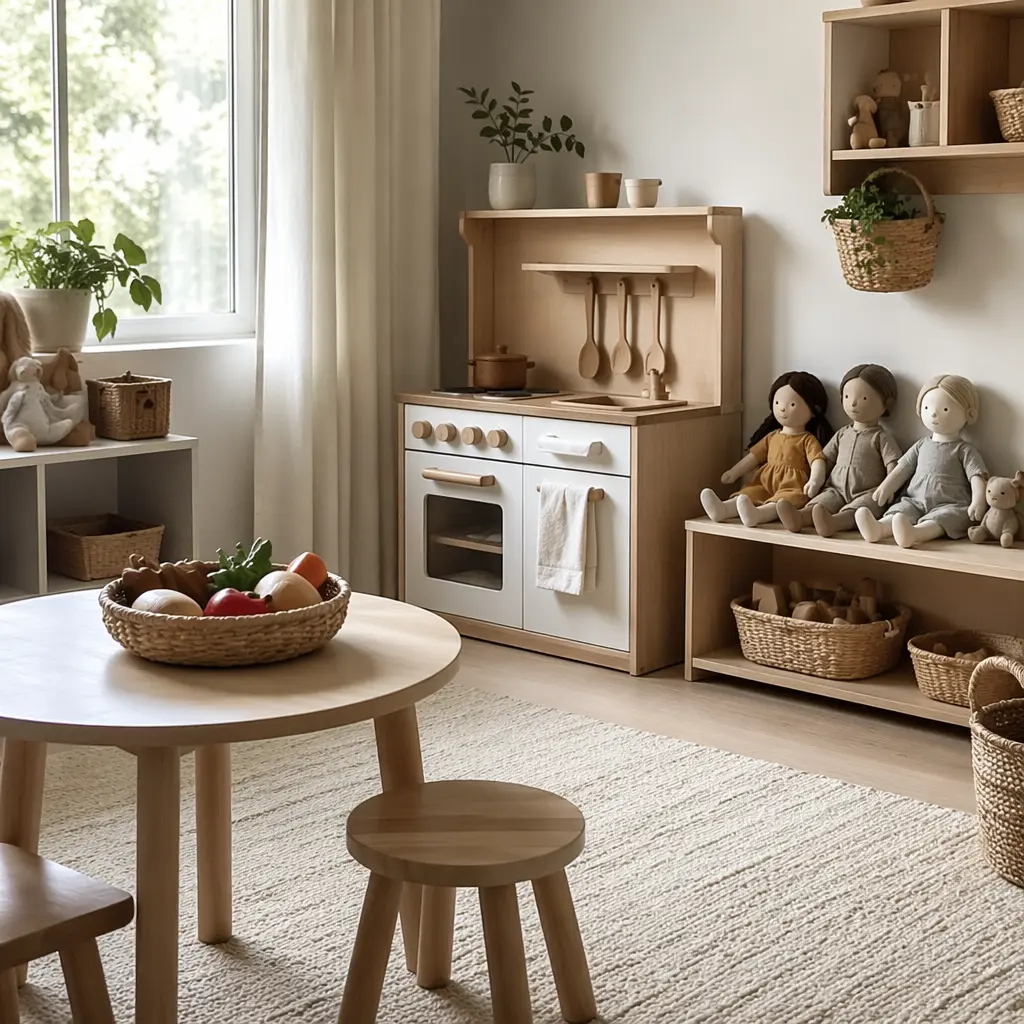
For toddlers ages 1–2, learning to talk is closely tied to everyday play. While many toys promise language growth through buttons, songs, or recorded phrases, research and early-childhood experts consistently point to something simpler: pretend play. Toys that invite role-play without electronics give young children more chances to hear real words, try them out, and use them in back-and-forth interactions with adults.
What to look for
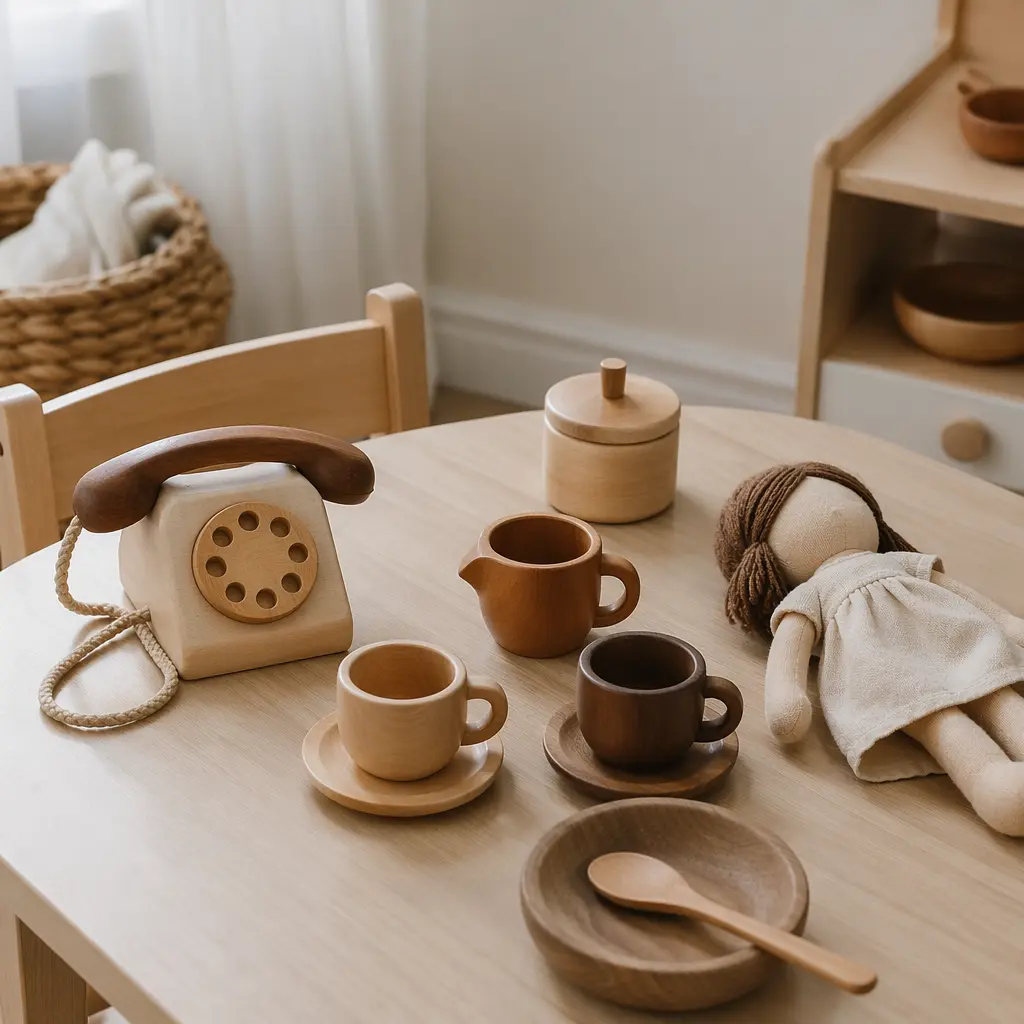
When choosing pretend play toys for language development, the goal is to spark interaction rather than deliver scripted speech. The best options are simple, flexible, and easy for a toddler to explore with an adult nearby.
- Open-ended design: Toys that can be used in many ways encourage more words and longer play.
- Real-life connections: Items that mirror daily routines help toddlers link words to experiences.
- Hands-on features: Turning, opening, stacking, or feeding actions invite narration and labeling.
- Durable and safe materials: Sturdy construction supports repeated use and close supervision.
- Minimal or no sound effects: Quiet toys leave space for adult speech and child responses.
Age suitability
Toddlers between 1 and 2 years old are just beginning to understand symbols, such as pretending a block is food or a doll is a baby. At this stage, pretend play is often simple and repetitive. A child might feed a doll over and over or hold a toy phone to their ear without speaking. This is normal and valuable. Toys designed for this age should match limited fine motor skills, avoid small parts, and support short but frequent play sessions that grow alongside the child’s vocabulary.
Standout categories or types
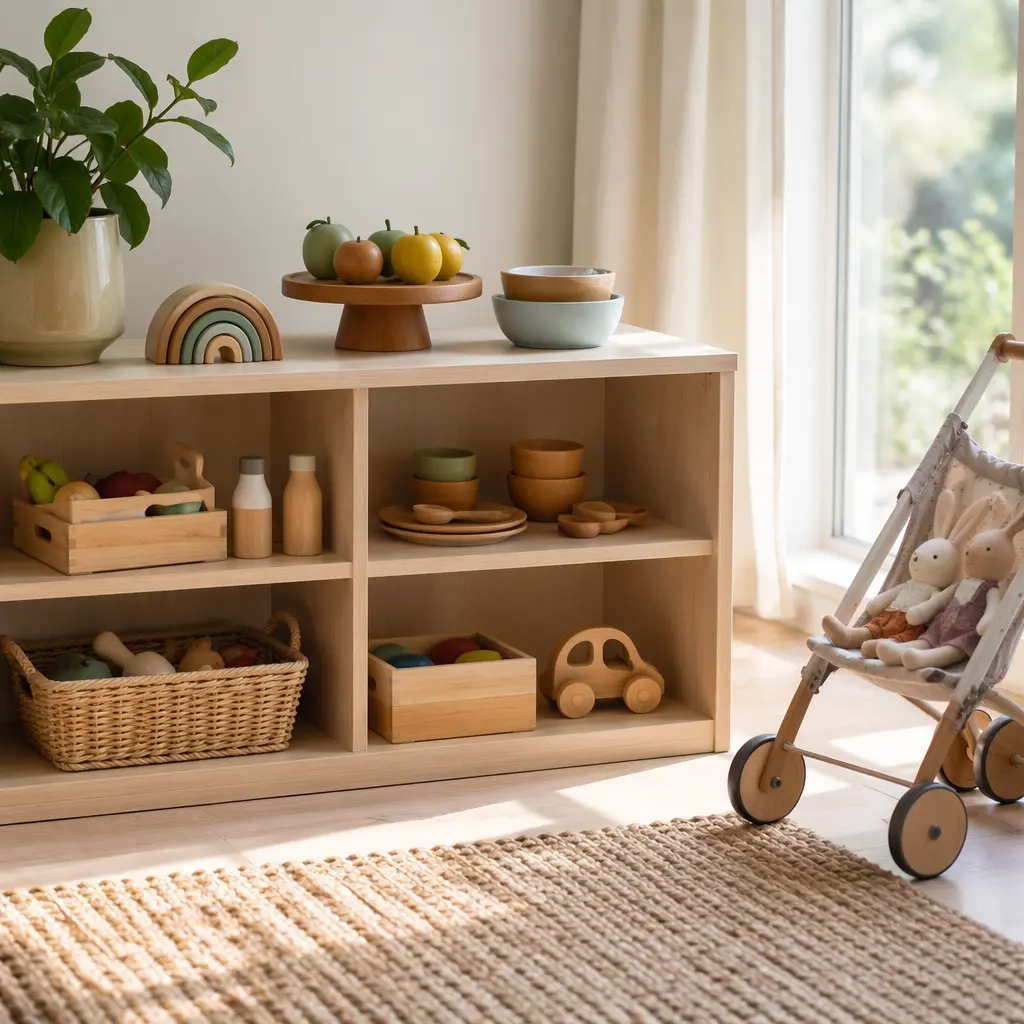
Different types of pretend play toys support language in slightly different ways. Offering one or two categories, rather than many complex sets, often leads to deeper play and more repeated words.
- Dolls and stuffed figures: These encourage naming body parts, emotions, and daily routines like eating or sleeping.
- Toy kitchens and food: Great for practicing nouns, simple verbs, and early phrases such as “more,” “hot,” or “all done.”
- Toy phones and everyday tools: Familiar objects help toddlers imitate adult speech patterns, even before clear words emerge.
- Animal figures: Animal sounds and names are often among the first words toddlers attempt.
- Simple vehicles: Pushing and parking toys supports action words like “go,” “stop,” and “in.”
Frequently asked questions
Why are non-electronic toys better for early language?
Non-electronic toys don’t compete with adult voices. Instead of listening to pre-recorded phrases, toddlers hear real speech that can adjust to their level, interests, and attempts to communicate.
Do toddlers need to talk during pretend play for it to help?
No. Pointing, babbling, and repeating actions are all part of early language development. Adults can model words and short phrases even when the child is not yet speaking.
How long should pretend play sessions last?
At this age, play may last only a few minutes. Short, repeated sessions throughout the day are more effective than trying to extend play beyond a toddler’s attention span.
Can pretend play replace books or songs?
Pretend play works best alongside books, songs, and everyday conversation. Each supports language in a different way, and variety helps toddlers learn words in many contexts.
For parents of young toddlers, pretend play toys without electronics offer a simple, effective way to support early speech. By choosing open-ended toys and staying engaged during play, families can turn ordinary moments into meaningful language-building opportunities.