Pretend Play Toys That Help Kids Act Out Daily Routines
Buyer’s guide to pretend play toys for ages 3–5 that mirror daily routines. Learn what to look for, age fit, safety tips, and toy types that support longer, independent play.
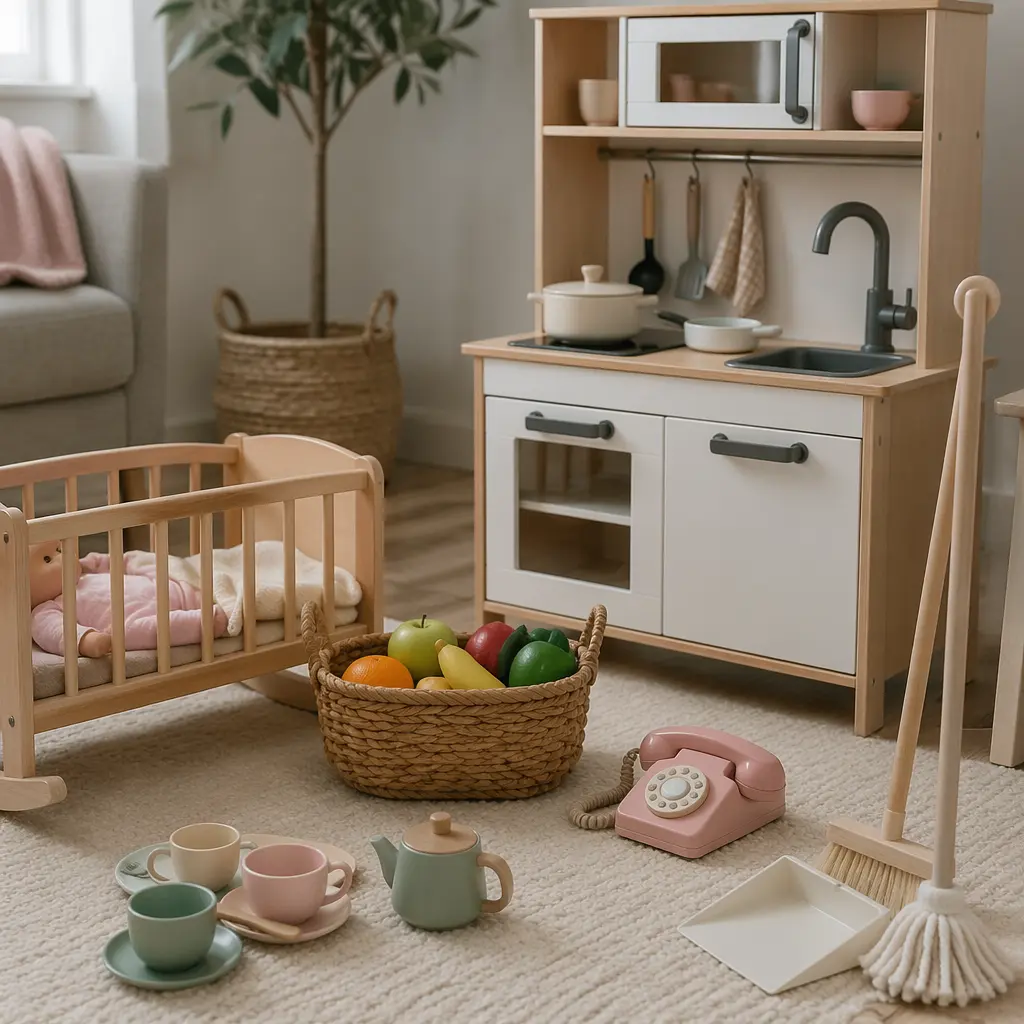
Compare prices and availability
Check current prices and availability for this guide on eBay.
As an eBay Partner, we may be compensated if you make a purchase.
Pretend play toys that mirror everyday routines help young children make sense of the world they see around them. For ages 3–5, familiar scripts—like cooking dinner, caring for a baby, or heading out to work—can spark longer stretches of independent play. These toys don’t just entertain; they support language growth, social understanding, and confidence as kids practice real-life roles in a low-pressure way.
What to look for
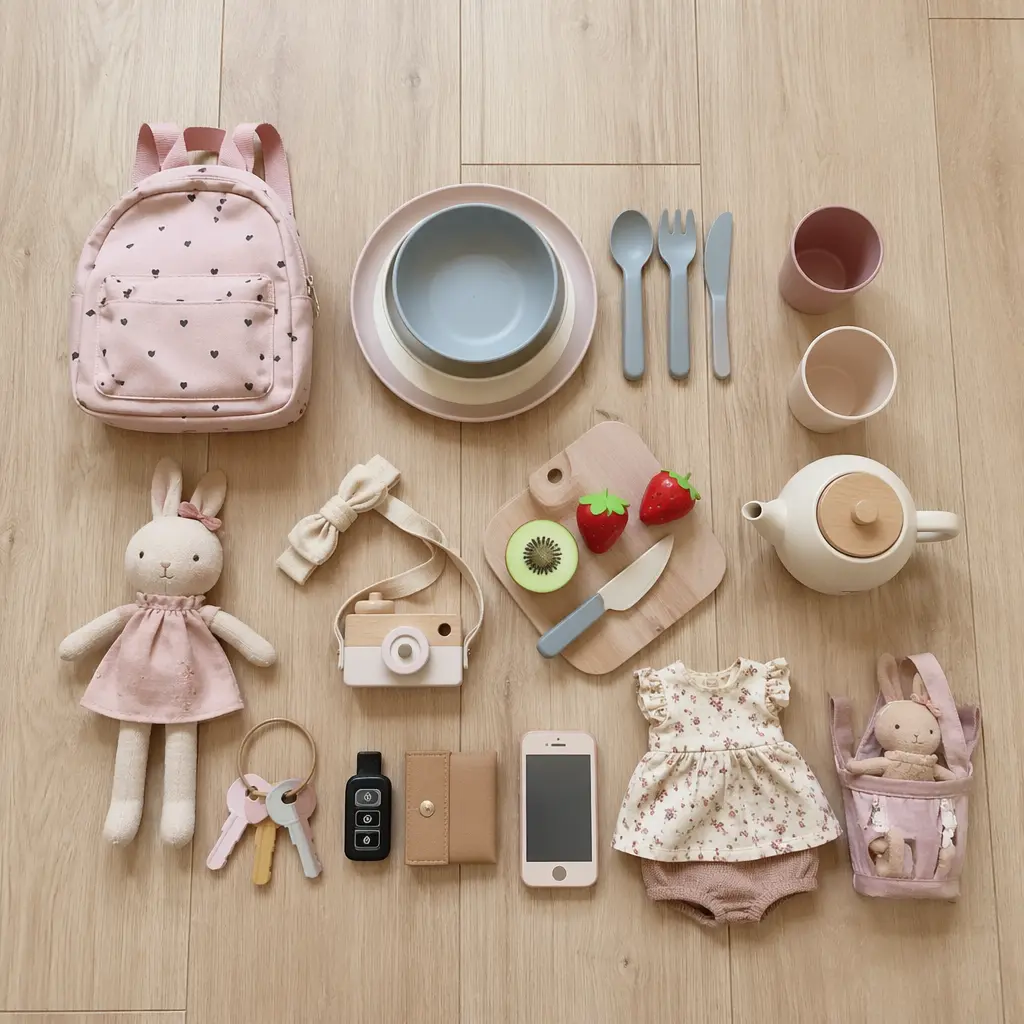
When shopping for pretend play toys based on daily routines, focus on how easily a child can recognize and use the items. The goal is to support open-ended play that grows with your child rather than toys that dictate every action.
- Familiar themes: Household, caregiving, shopping, or travel routines are easiest for children to understand and replay.
- Open-ended pieces: Simple props encourage imagination more than toys with fixed outcomes or too many electronic features.
- Durable materials: Sturdy wood or thick plastic stands up to repeated use and sharing.
- Right-size accessories: Pieces should be easy for small hands to grasp without being too tiny.
- Room to expand: Sets that work with other toys or household items tend to hold attention longer.
Age suitability
Children ages 3–5 are moving from simple imitation toward more complex storytelling. At this stage, they can remember sequences (first we cook, then we eat, then we clean up) and may assign roles to dolls, stuffed animals, or siblings. Look for toys that match this growing ability without overwhelming them. Fewer, well-chosen pieces often lead to deeper play than large sets packed with small extras.
Standout categories or types
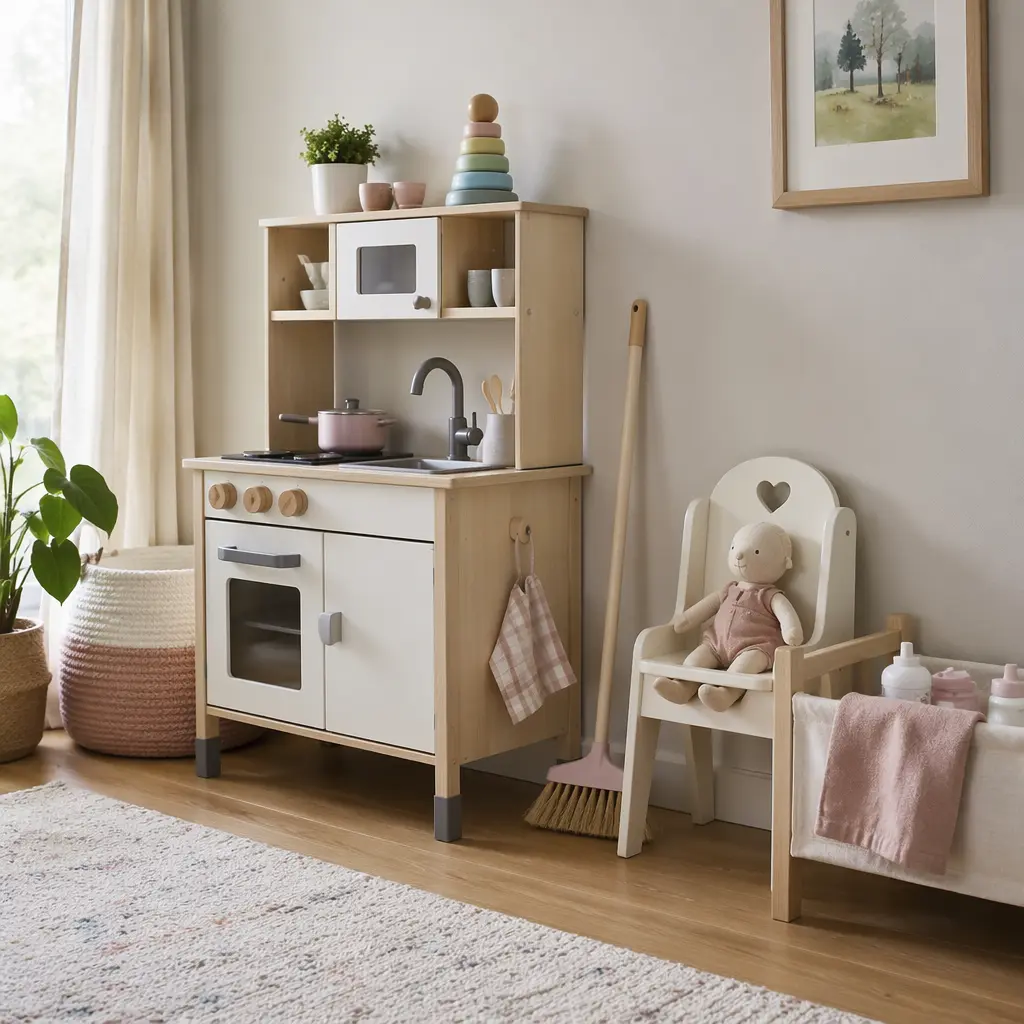
Some pretend play categories are especially effective at supporting daily-routine storytelling. These toy types reflect tasks children see adults do every day, making it easier for them to jump into play without instructions.
- Kitchen and food play: Supports sequencing, vocabulary, and cooperative play during shared “meals.”
- Caregiving toys: Dolls or plush animals paired with bottles, beds, or strollers encourage empathy and nurturing behavior.
- Cleaning and home care sets: Toy brooms, vacuums, or laundry items let kids imitate household chores in a playful way.
- Dress-up and work role props: Simple costumes or accessories help children explore jobs and responsibilities they observe.
- Travel and errand play: Toy keys, bags, or pretend groceries allow kids to act out leaving the house and coming back.
Frequently asked questions
Why are daily-routine toys good for independent play?
Because the actions are familiar, children don’t need constant guidance. They already know the “story,” which helps them play longer on their own and repeat scenarios with small variations.
Do pretend play toys need to be realistic?
They should be recognizable, but not perfectly realistic. Slightly simplified designs leave room for imagination and reduce frustration if a toy doesn’t work exactly like the real thing.
How many pieces are ideal for this age?
For ages 3–5, a small to medium set is usually enough. Too many pieces can lead to short attention spans or messy play rather than meaningful storytelling.
Can these toys support learning beyond play?
Yes. Daily-routine pretend play supports language development, problem-solving, and social skills. Children practice turn-taking, planning, and expressing emotions through their stories.
Pretend play toys rooted in daily routines give young children a comfortable starting point for imagination. By choosing simple, familiar, and well-made options, parents can encourage longer independent play while supporting skills that carry into everyday life. The best choices are the ones kids return to again and again, finding new stories in the routines they already know.