Pretend Play Toys Kids Can Reset Themselves
A parent-friendly guide to pretend play sets for ages 3–5 that kids can start, pause, and reset on their own—supporting independence, imagination, and calmer playtime without adult setup.
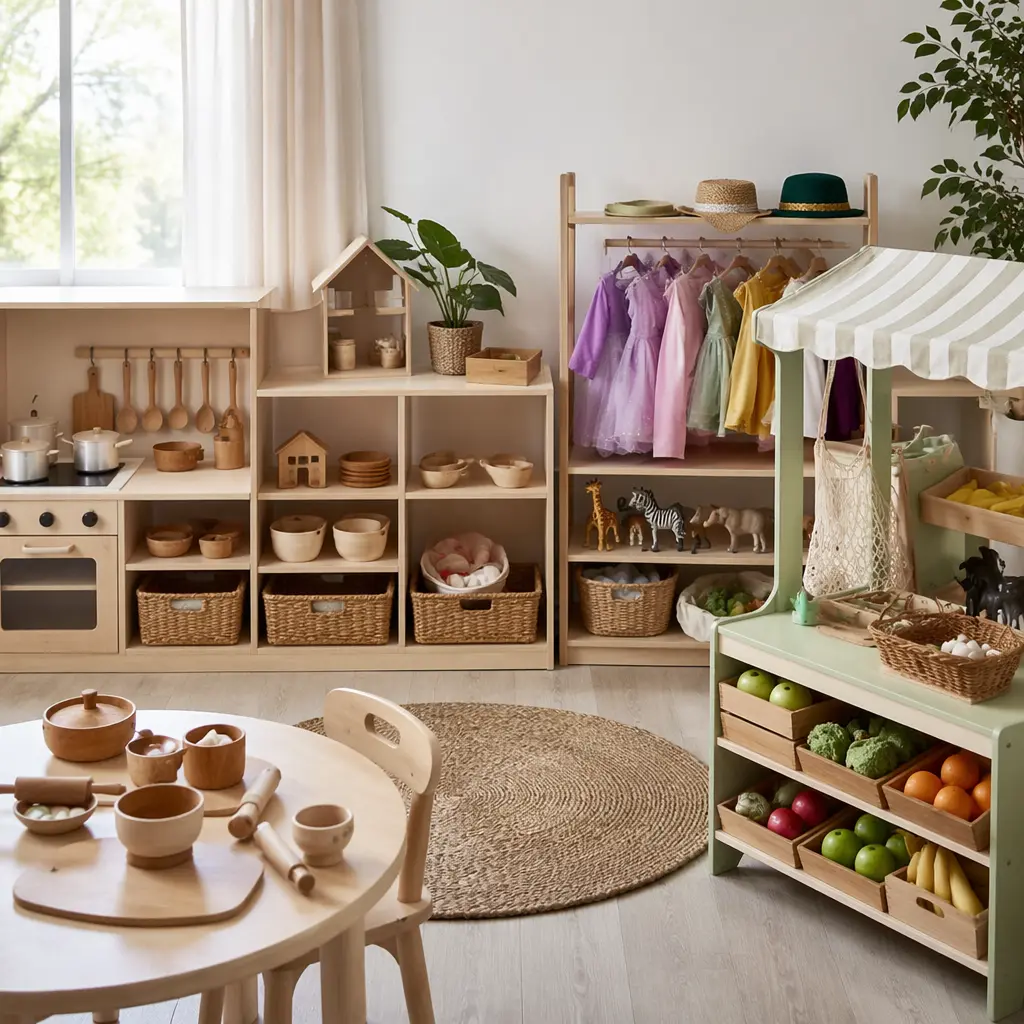
Compare prices and availability
Check current prices and availability for this guide on eBay.
As an eBay Partner, we may be compensated if you make a purchase.
Pretend play toys that kids can reset themselves help turn playtime into something more independent and less adult-directed. For children ages 3–5, the best sets are open-ended, easy to organize, and simple to understand without instructions. When kids can start a scenario, change it, and put things back on their own, they practice decision-making, problem-solving, and confidence—often staying engaged longer without asking for help.
What to look for
Not all pretend play toys support independence in the same way. Some sets rely on complex assembly or adult explanations, while others naturally guide kids through play and cleanup. These features make it easier for children to reset and replay without frustration.
- Open-ended pieces: Items that can be used in many ways instead of one fixed script.
- Simple storage: Bins, trays, or shelves that clearly show where pieces belong.
- Durable materials: Toys that hold up to repeated use and frequent resetting.
- Minimal setup: Little to no assembly required before play can begin.
- Clear visual cues: Shapes, matching pieces, or color coding that help kids organize independently.
Age suitability
For ages 3–5, pretend play toys should balance freedom with structure. At this stage, children enjoy role-playing familiar experiences—like cooking, caring for animals, or running a shop—but still benefit from clear boundaries. Sets that are too complex can interrupt play, while overly simple toys may not hold attention. Look for options sized for small hands, with manageable numbers of pieces and themes that connect to everyday life.
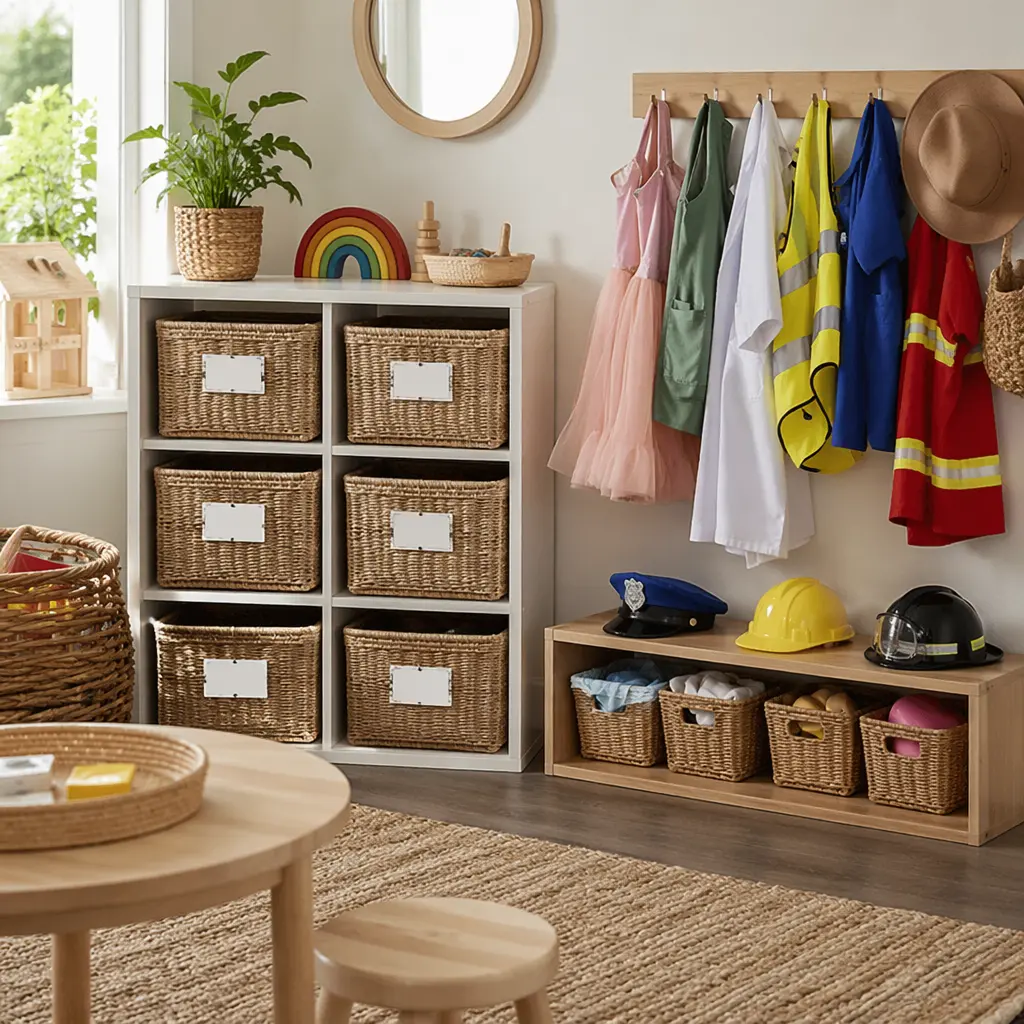
Standout categories or types
Certain types of pretend play toys naturally encourage kids to reset and replay without adult help. These categories focus on familiar routines and flexible storytelling rather than strict rules.
- Play kitchens and food sets: Loose pieces can be rearranged endlessly and stored in simple containers.
- Dress-up and role-play props: Capes, hats, and soft costumes invite imagination and are easy to hang back up.
- Small-world play sets: Animals, vehicles, or figures paired with simple scenery support storytelling and quick resets.
- Pretend shops and markets: Baskets, play money, and goods can be sorted and re-sorted by kids.
- Caregiving themes: Dolls, plush toys, and accessories that mirror daily routines encourage repeat play.
Frequently asked questions
What does “reset themselves” really mean?
It means children can return the toy to a starting point—or create a new one—without adult assistance. This could be as simple as putting pieces back in a bin or rearranging props for a new story.
Are open-ended toys better than themed sets?
Open-ended toys tend to last longer because they grow with a child’s imagination. Themed sets can still work well if they don’t rely on strict instructions or fixed outcomes.
How many pieces are too many?
For most preschoolers, fewer well-chosen pieces are better than large, cluttered sets. Enough variety to spark ideas, but not so much that cleanup feels overwhelming.
Do these toys really reduce the need for adult involvement?
They can. While kids still enjoy sharing their play, toys designed for easy setup and cleanup often lead to longer stretches of independent play.
Choosing pretend play toys that kids can reset themselves is about supporting independence while keeping play joyful. When toys are intuitive and flexible, children feel capable and creative—and parents gain a little breathing room during the day.