Pretend Play Toys That Don’t Need Adult Setup
A buyer’s guide to low-effort pretend play toys for ages 3–5. Learn what to look for, age fit, and easy categories kids can start using right away—no tools or assembly required.
Compare prices and availability
Check current prices and availability for this guide on eBay.
As an eBay Partner, we may be compensated if you make a purchase.
Pretend play is a big part of learning between ages 3 and 5—but not every toy needs adult setup, batteries, or instructions to be fun. For many families, the best role-play toys are the ones kids can open and start using right away. This guide focuses on low-effort pretend play options that encourage imagination, storytelling, and independence without turning playtime into a project for adults.
What to look for
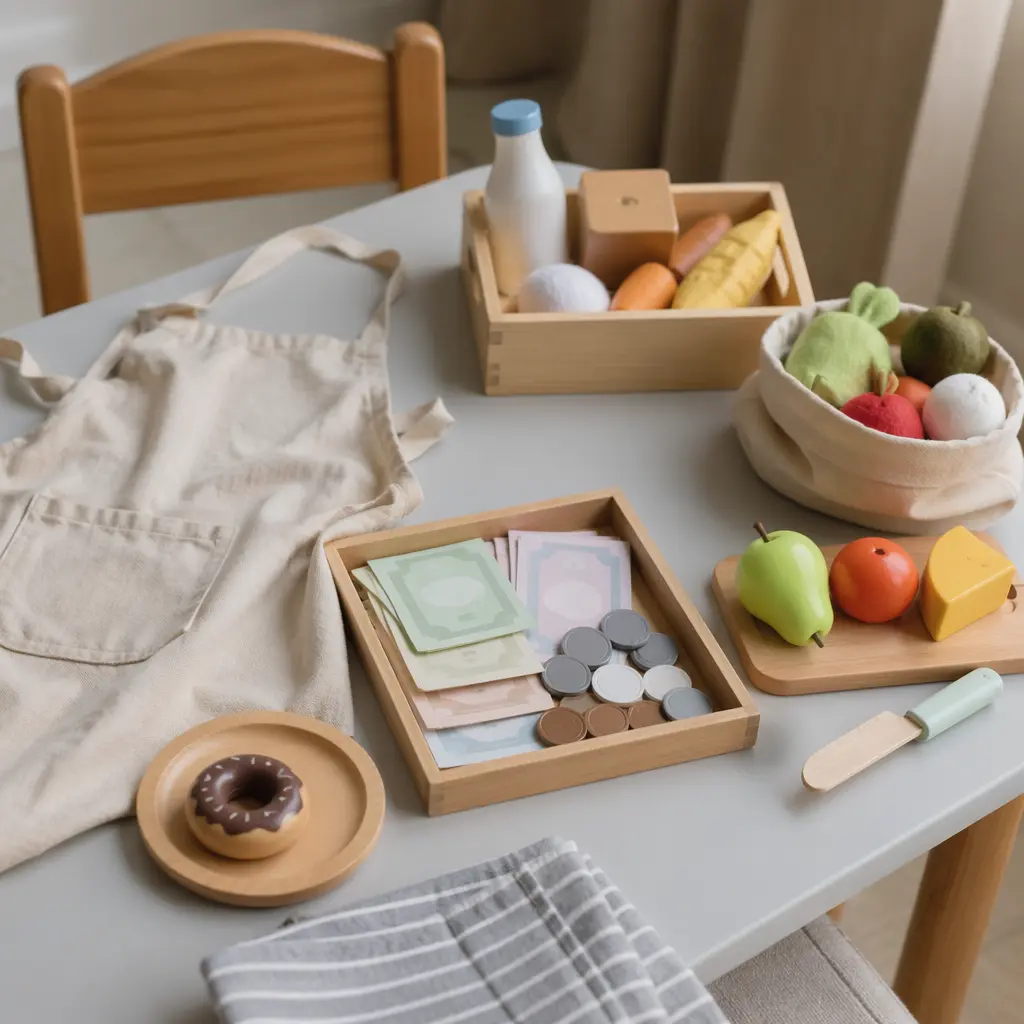
When shopping for pretend play toys that don’t require adult setup, focus on simplicity and flexibility. These toys should work straight out of the box and invite kids to decide how play unfolds. The fewer steps between opening the package and starting play, the more likely kids are to use them independently.
- No assembly or tools required: Avoid items with screws, stickers, or multi-step builds.
- Open-ended pieces: Items that can be used in many ways support longer, more creative play.
- Durable materials: Sturdy wood, thick plastic, or reinforced fabric stand up to daily use.
- Clear visual cues: Realistic shapes or familiar themes help kids understand how to play without instructions.
- Easy storage: Pieces that fit in a bin or bag make cleanup manageable for kids.
Age suitability
For ages 3–5, pretend play toys should match developing motor skills and attention spans. Pieces should be large enough to handle easily and safe for younger preschoolers, while still offering enough variety to stay interesting for older children. At this age, kids enjoy copying real-world routines—like shopping, cooking, or caring for others—so toys that reflect everyday life tend to get the most use. Simple sets that don’t lock children into one “right” way to play can grow with them over several years.

Standout categories or types
Some pretend play categories naturally lend themselves to zero-setup fun. These types typically rely on loose pieces or wearable items rather than built structures, making them easy for kids to manage on their own.
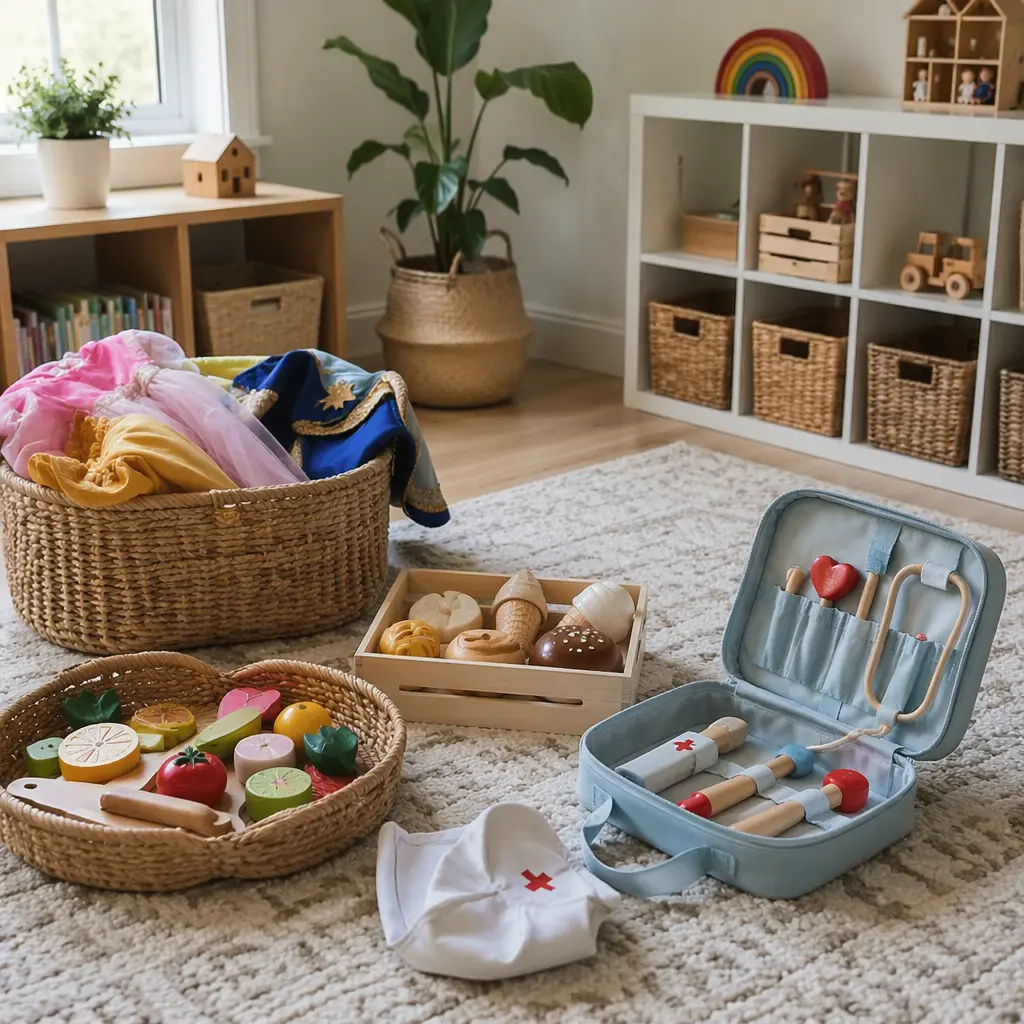
- Dress-up and costumes: Simple clothing items like capes, vests, or hats can be put on instantly and mixed with everyday clothes.
- Pretend food and kitchen accessories: Individual food pieces, dishes, and utensils encourage role-play without needing a full play kitchen.
- Career role-play kits: Doctor, vet, or shop-themed accessories often come as ready-to-use tools stored in a bag or case.
- Dolls and figures with accessories: Small sets that focus on storytelling rather than furniture assembly.
- Puppets and soft toys: Hand or finger puppets start working as soon as kids slip them on.
Frequently asked questions
Do no-setup toys limit creativity?
Not usually. In fact, fewer built-in rules often lead to more imaginative play. When toys don’t dictate a specific outcome, kids create their own stories and scenarios.
Are these toys suitable for solo play?
Many are ideal for independent play, especially items like costumes, figures, or pretend tools. They also work well for group play, where kids can negotiate roles and storylines together.
How can I tell if a toy really needs no setup?
Check product photos and descriptions for words like “ready to play” or “no assembly required.” Avoid sets that mention construction, installation, or adult-only steps.
What about storage and cleanup?
Low-setup toys often double as low-cleanup toys. Look for sets that include a storage bag or container, or plan a simple bin system kids can manage themselves.
Pretend play toys that don’t need adult setup can make everyday playtime smoother and more kid-led. By choosing simple, open-ended options designed for ages 3–5, families can support imagination and independence—without adding extra work for grown-ups.