Simple Pretend Play Toys Toddlers Use Every Day
A buyer-friendly guide to low-cost, no-battery pretend play toys for ages 1–2. Learn what to look for, age fit, and simple categories that blend naturally into everyday toddler routines.
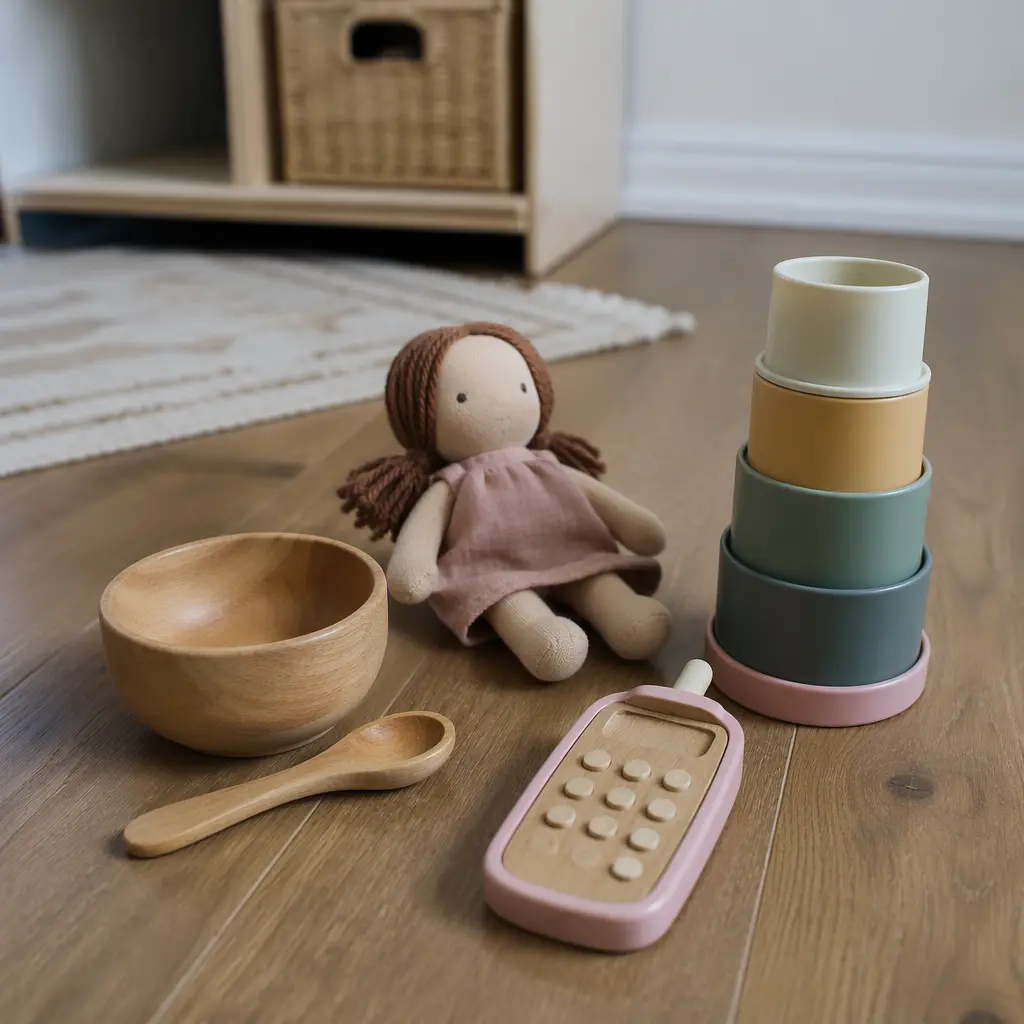
Compare prices and availability
Check current prices and availability for this guide on eBay.
As an eBay Partner, we may be compensated if you make a purchase.
Pretend play starts earlier than many parents expect. For toddlers ages 1–2, it often looks less like acting out stories and more like copying everyday moments: stirring, feeding, talking, and carrying. The best pretend play toys at this stage are simple, low-cost, and easy to fold into daily routines without batteries, screens, or complicated rules.
What to look for
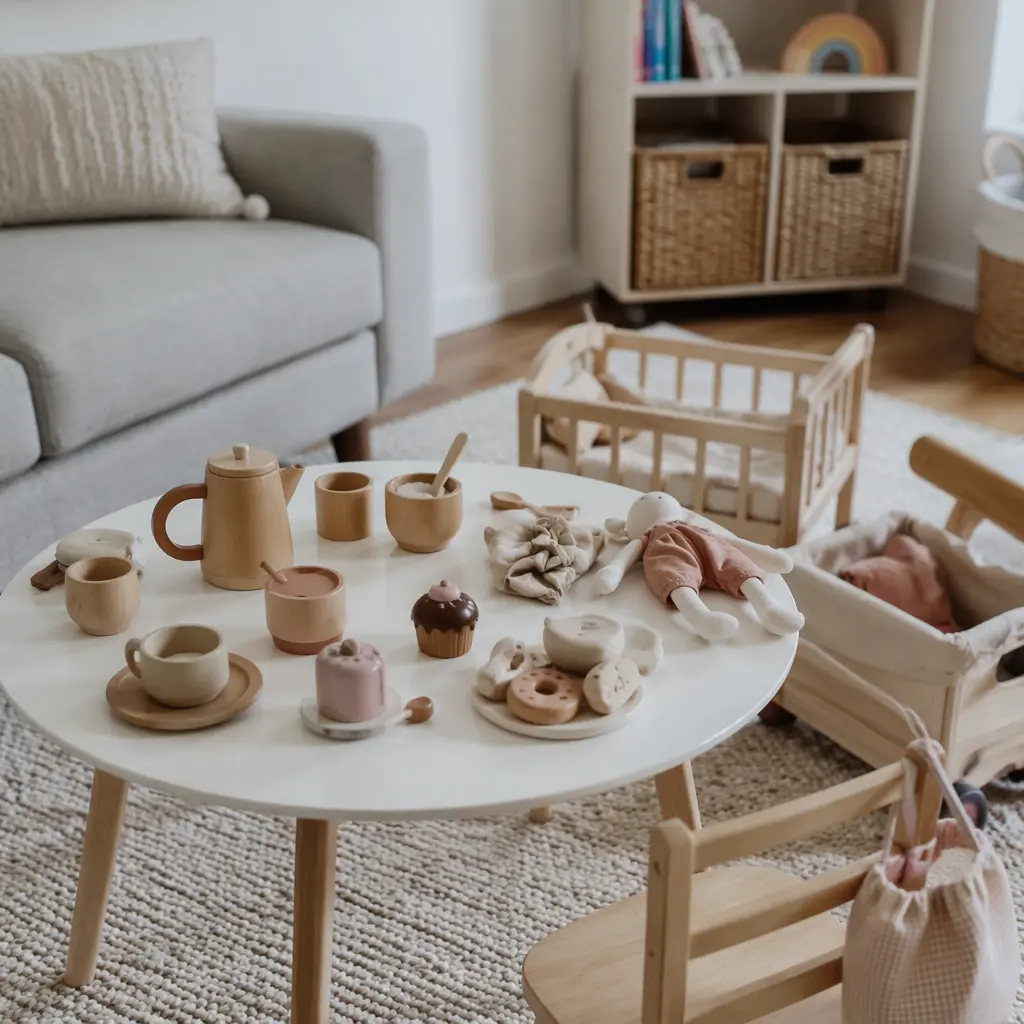
For young toddlers, pretend play toys work best when they are open-ended and familiar. At this age, children are learning by imitation, so toys that mirror daily life help play feel natural rather than forced.
- Simple designs with one clear purpose, such as a cup, spoon, or phone
- No batteries, lights, or sounds, allowing the child to control the play
- Durable materials that can handle mouthing, dropping, and rough handling
- Lightweight pieces sized for small hands
- Easy cleanup and storage, especially for shared family spaces
Age suitability
Toddlers between 1 and 2 years old are just beginning to engage in pretend play. Early on, play may involve copying a single action, like pretending to drink from a cup or holding a phone to the ear. As language and motor skills grow, these actions may connect into short routines, such as feeding a doll and then putting it to bed. Toys that grow with these small steps tend to stay relevant longer than highly themed or complex sets.
Standout categories or types
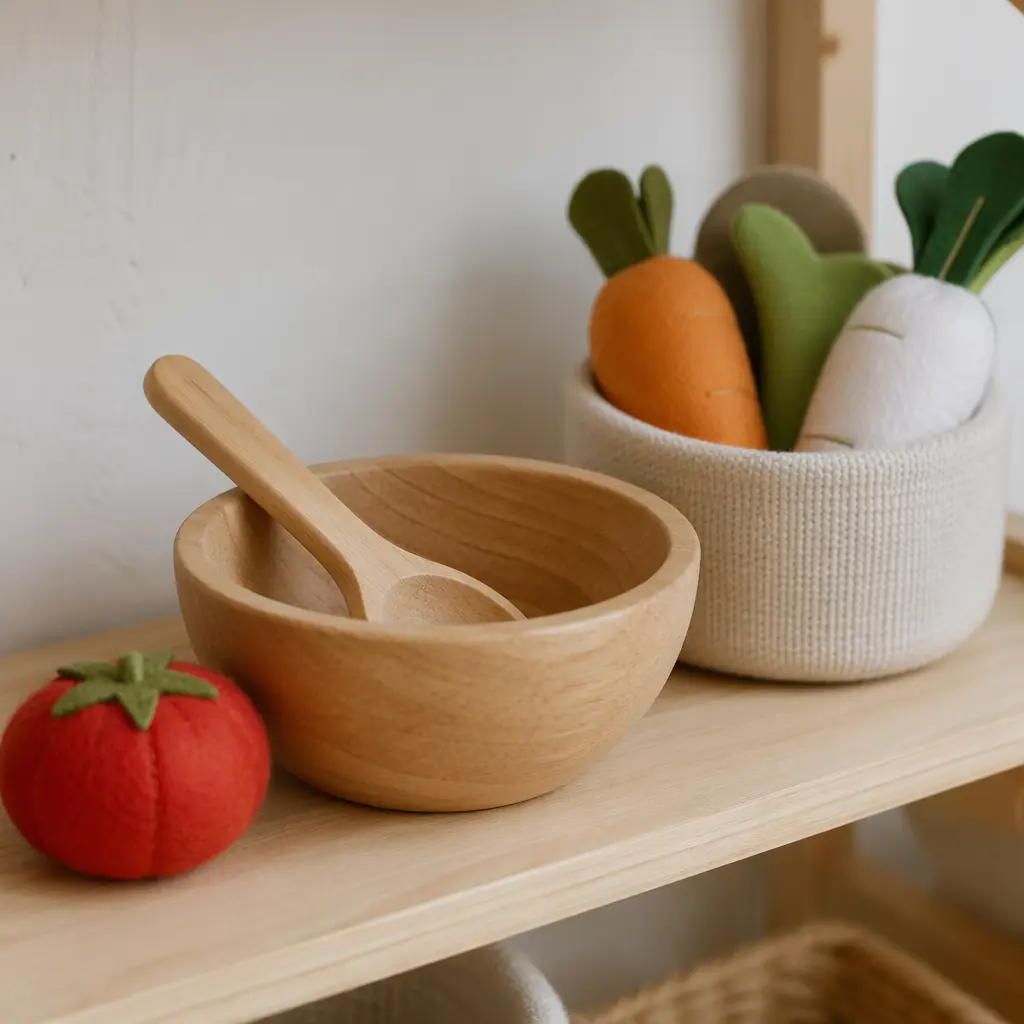
Everyday pretend play toys tend to fall into a few practical categories. These types are popular with parents because they blend easily into routines like meals, errands, and quiet playtime, without overstimulating young children.
- Kitchen and food play items that match real mealtime actions
- Dolls or soft figures that support nurturing behaviors like feeding and comforting
- Toy phones, keys, or bags that mirror common adult objects
- Cleaning or household tools that allow safe imitation of chores
- Open-ended containers such as baskets, cups, or boxes for carrying and sorting
Frequently asked questions
Do toddlers really understand pretend play at this age?
Toddlers do not need to fully understand pretending for it to be valuable. Copying simple actions helps build language, memory, and social understanding. What looks like basic imitation is an important foundation for later imaginative play.
How many pretend play toys does a 1–2 year old need?
A small selection is usually enough. A few well-chosen items that match daily routines often get more use than large sets. Rotating toys every few weeks can also help keep interest high without buying more.
Are everyday household items just as good as toys?
Safe household items can support pretend play, but toys designed for toddlers are typically more durable and sized appropriately. Using both together can be a practical approach, as long as safety guidelines are followed.
Should pretend play toys be realistic or playful?
At this age, realistic shapes and functions are usually more helpful than novelty features. Simple, familiar designs make it easier for toddlers to connect play actions to real-life experiences.
Simple pretend play toys do not need to be expensive or elaborate to be effective. For toddlers, the best options are often the ones that fit quietly into everyday life, encouraging imitation, language, and confidence through play that feels natural and familiar.