Pretend Play Toys That Help Kids Play Alone Longer
A parent-focused guide to pretend play toys for ages 3–5 that support longer stretches of independent storytelling, with tips on choosing simple sets that spark imagination without constant adult input.
Compare prices and availability
Check current prices and availability for this guide on eBay.
As an eBay Partner, we may be compensated if you make a purchase.
Many parents look for pretend play toys that can hold a child’s attention long enough to encourage independent play. For children ages 3–5, the goal isn’t flashy features or scripted actions. It’s giving them just enough structure to spark stories they can return to again and again. The right pretend play sets can help kids play alone longer by inviting imagination, repetition, and problem-solving without requiring constant adult direction.
What to look for
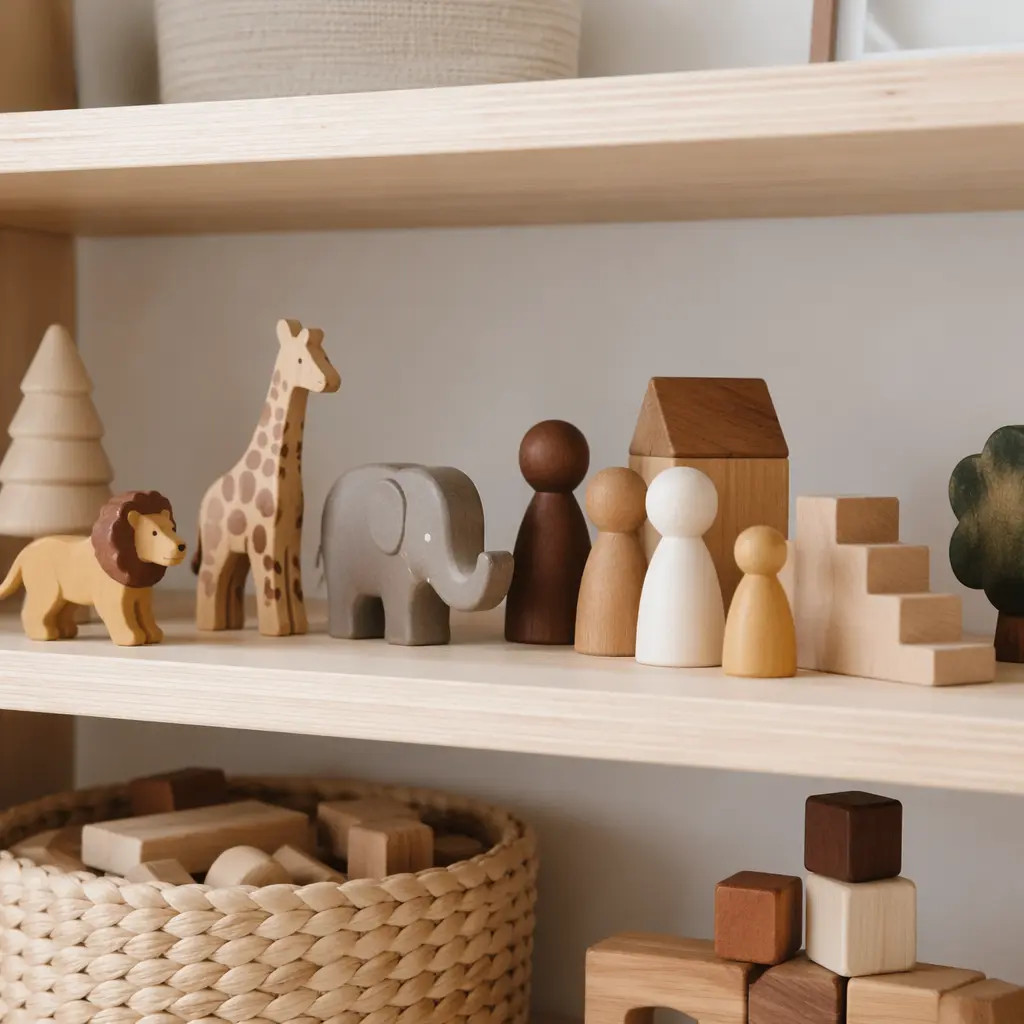
Pretend play toys that support longer solo play tend to be simple, flexible, and easy for children to manage on their own. Instead of guiding a child through a fixed story, they leave room for kids to invent characters, settings, and outcomes. When evaluating options, focus on how the toy supports storytelling rather than how many features it includes.
- Open-ended pieces that can be used in multiple ways, such as figures, vehicles, or props
- Minimal sound or electronic features that might interrupt imaginative flow
- Durable materials that can handle repeated play sessions
- Clear themes kids already understand, like home life, animals, or community helpers
- Easy setup and cleanup so children can start and end play independently
Age suitability
For ages 3–5, pretend play is becoming more detailed and story-driven. Younger preschoolers may repeat simple actions, while older ones build longer narratives with roles and rules. Toys for this age band should avoid small parts and complicated instructions, while still offering enough variety to grow with the child. A good sign of age-appropriate design is when a toy feels inviting without needing an adult to explain how it works.
Standout categories or types
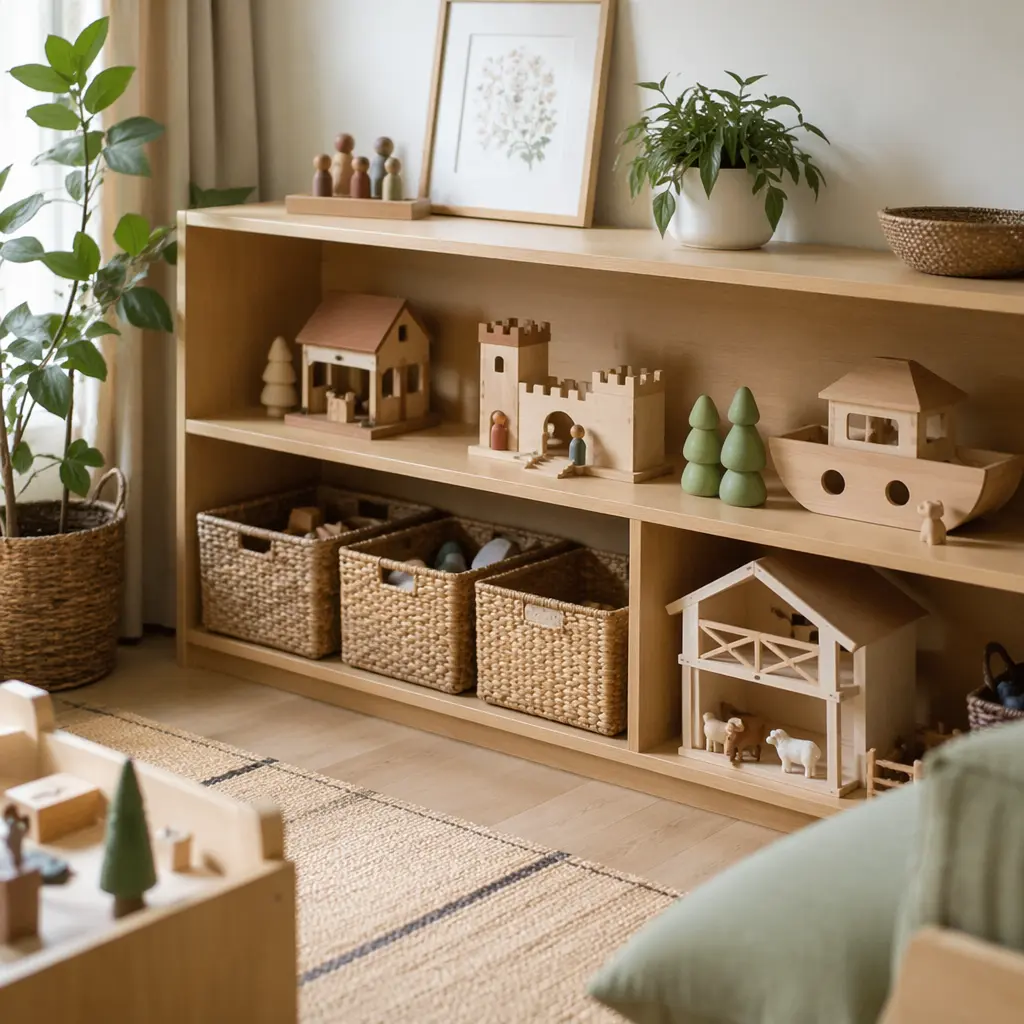
Some types of pretend play toys are especially effective at supporting longer stretches of independent play. These categories tend to balance familiarity with freedom, helping kids know where to start while leaving the story open-ended.
- Everyday life sets, such as kitchens or dollhouses, that mirror routines kids see daily
- Animal and nature themes that encourage caretaking, exploration, and simple storytelling
- Vehicle-based play that allows movement, problem-solving, and role play
- Loose-figure sets that can be mixed with blocks or other toys to create new scenes
Across these categories, the common thread is flexibility. Toys that work well together across themes often keep children engaged longer, because yesterday’s story can evolve into something new today. Fewer pieces that do more tend to outperform large, highly specialized sets when it comes to independent play.
Frequently asked questions
How do pretend play toys help with independent play?
Pretend play toys give children a framework for storytelling without prescribing exact actions. This allows kids to practice making decisions, solving problems, and extending play on their own, which naturally leads to longer independent play sessions.
Are simpler toys really better than detailed ones?
Often, yes. Simpler toys leave more room for imagination. Highly detailed or electronic toys can limit how a child plays by steering them toward one outcome, while open-ended toys adapt to many different stories.
What if my child loses interest quickly?
Short attention spans are normal at this age. Rotating pretend play toys, pairing them with familiar items like blocks, or setting up a simple starting scene can help re-engage interest without adult-led play.
Do pretend play toys need to match my child’s interests exactly?
It helps, but it’s not required. Broad themes give children room to explore new ideas. Many kids adapt toys to fit their interests, especially when the pieces are flexible and easy to combine with other playthings.
Pretend play toys that support independent storytelling don’t have to be complicated or overwhelming. By choosing simple, open-ended sets that fit your child’s developmental stage, you create opportunities for longer, richer play sessions. Over time, these toys can help build confidence, creativity, and the ability to play independently.