Simple Pretend Play Toys Kids Use Every Day (Ages 3–5)
A buyer-friendly guide to low-cost pretend play toys that fit daily routines. Learn what to look for, age suitability, and classic categories that spark imagination for ages 3–5.
Compare prices and availability
Check current prices and availability for this guide on eBay.
As an eBay Partner, we may be compensated if you make a purchase.
Pretend play toys don’t need to be flashy or expensive to earn a place in everyday play. For children ages 3–5, the best options are often simple, familiar items that mirror daily life. These toys invite kids to act out routines they see at home, at school, or in the community, supporting imagination, language, and social skills through regular, self-directed play.
What to look for
When choosing pretend play toys for daily use, focus on versatility and durability rather than novelty. Toys that can be used in many different scenarios tend to stay in rotation longer and grow with your child’s ideas.
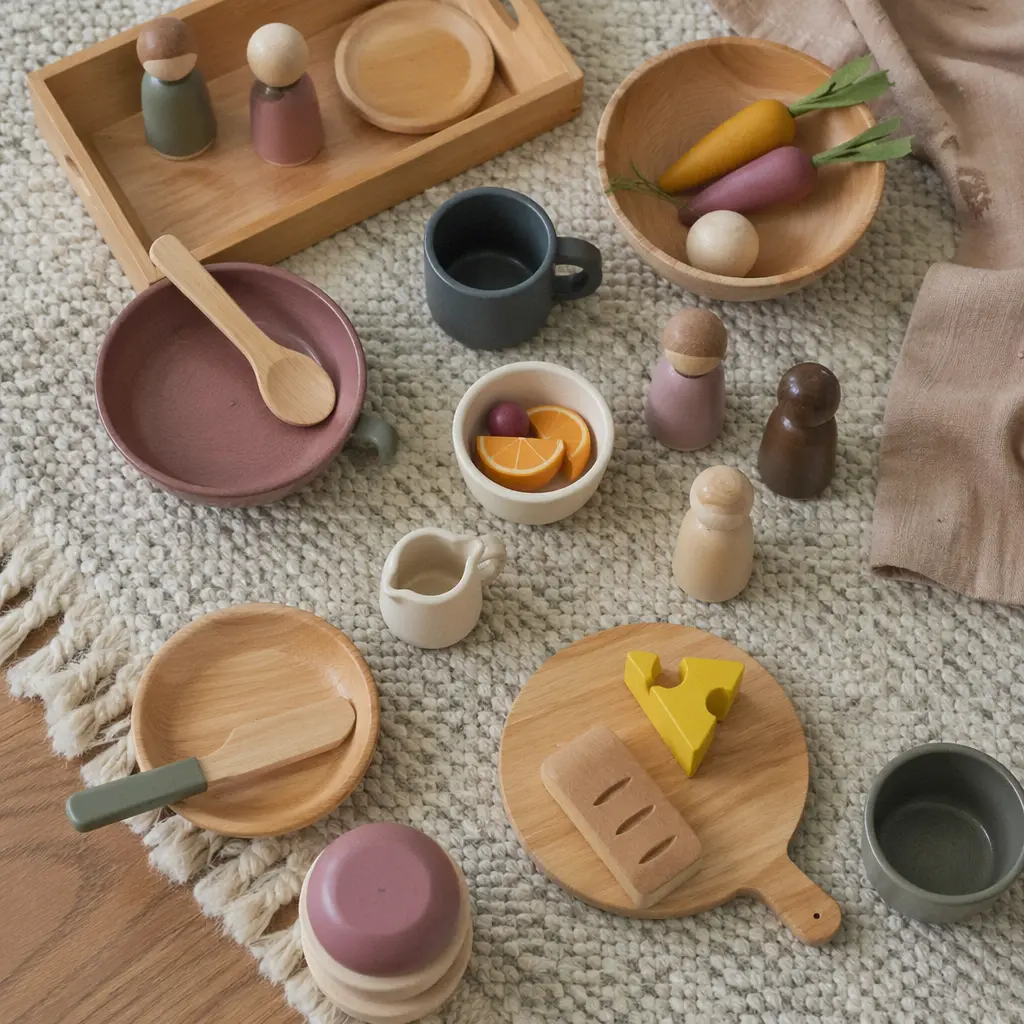
- Open-ended design that allows children to decide how the toy is used
- Simple details that reflect real-life objects without being overly specific
- Sturdy construction that holds up to frequent handling
- Materials that are easy to clean and safe for indoor play
- Size and weight appropriate for small hands and developing coordination
Age suitability
For ages 3–5, pretend play becomes more complex and social. Children start creating short storylines, assigning roles, and using objects symbolically. Toys in this age band should be easy to manipulate but not babyish, offering enough realism to connect with daily life while leaving room for imagination. Sets with a few key pieces often work better than large collections that can feel overwhelming.
Standout categories or types
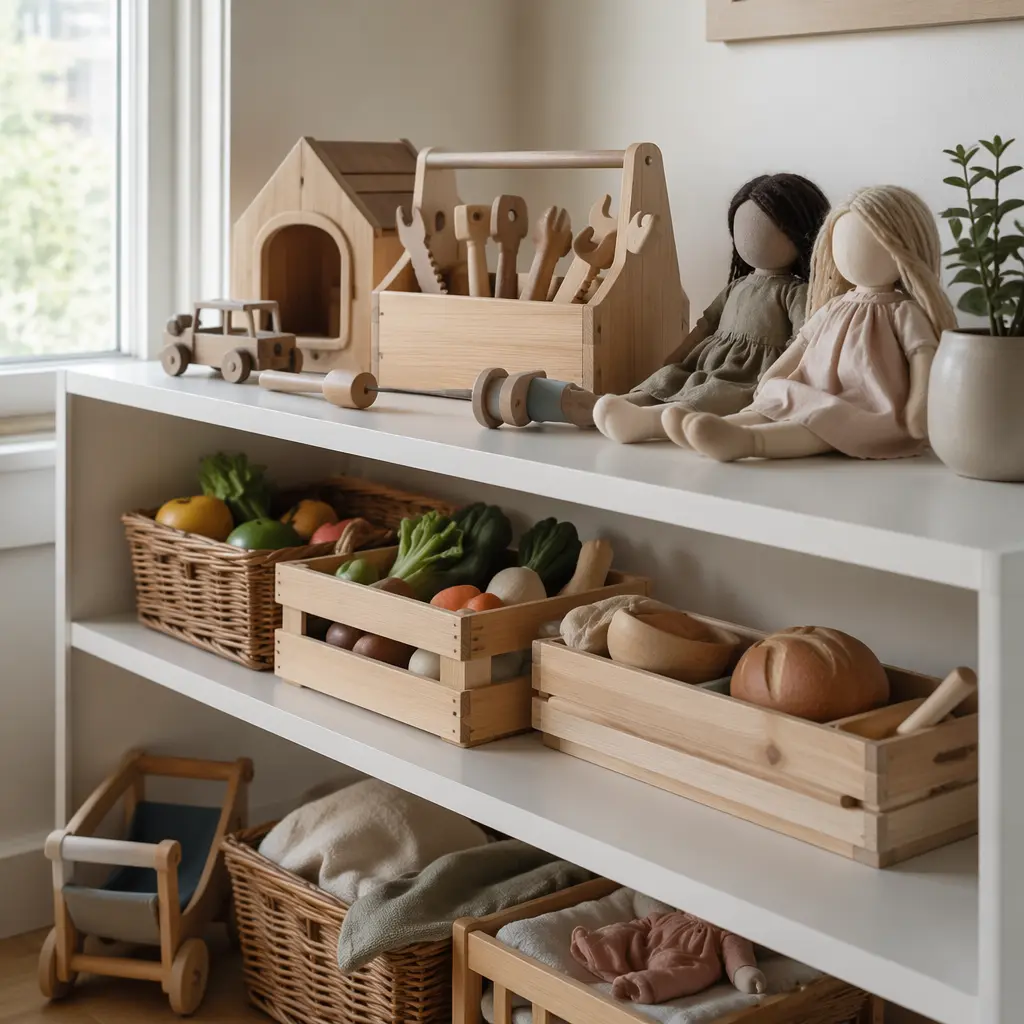
Some pretend play categories consistently support daily, repeat play because they reflect routines children see every day. These toys help kids make sense of the world around them while practicing communication and problem-solving.
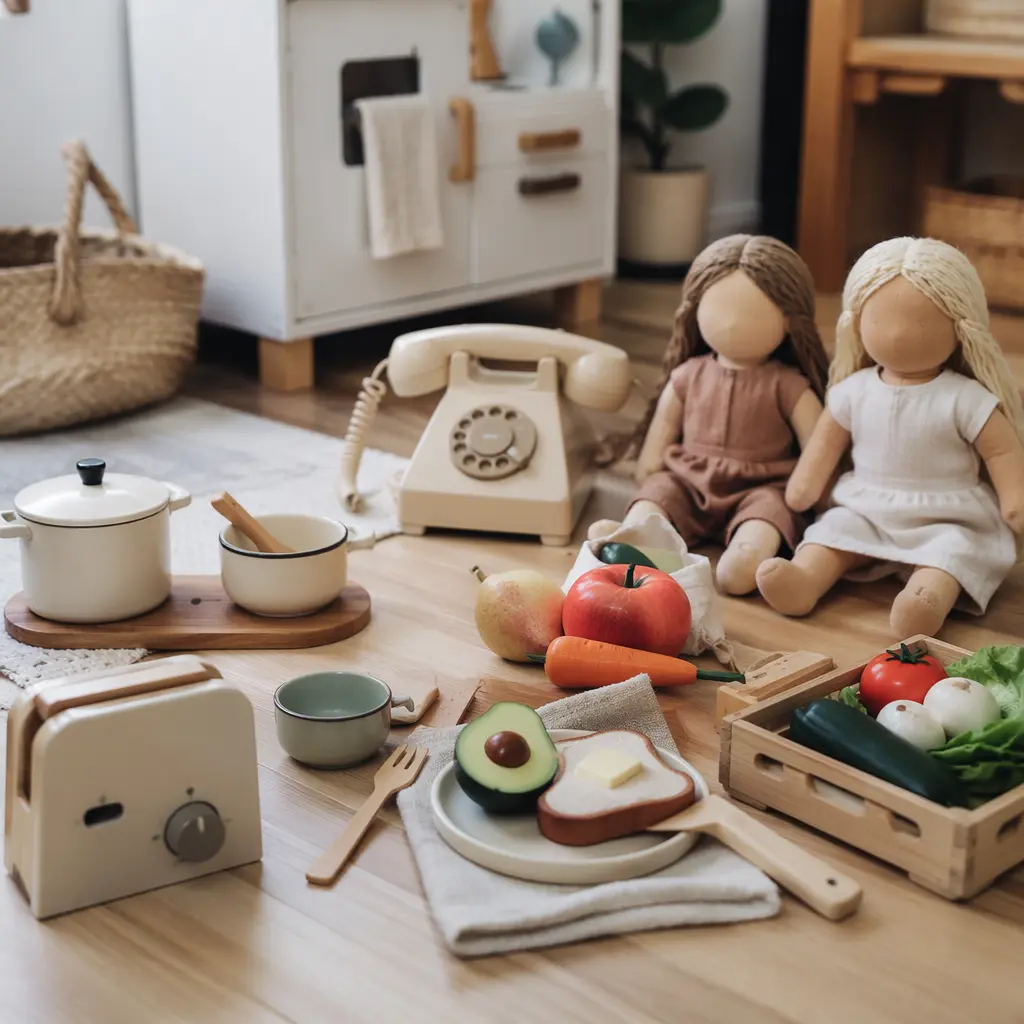
- Home and kitchen play items that mimic cooking, cleaning, and caregiving routines
- Dress-up basics like simple hats or accessories tied to familiar roles
- Toy tools and workbenches that encourage building and fixing scenarios
- Dolls or figures with neutral features that can represent many characters
- Play food and shopping accessories that support sorting, counting, and role play
These categories tend to be affordable and easy to expand over time. Adding one or two new pieces can refresh play without replacing what a child already enjoys.
Frequently asked questions
Why are simple pretend play toys better for daily use?
Simple toys place fewer limits on how they can be used. Without built-in sounds or fixed storylines, children supply their own ideas, which often leads to longer and more frequent play sessions.
How many pretend play toys does a child need?
A small selection of versatile items is usually enough. Too many options can reduce focus, while a few well-chosen toys encourage deeper, more creative play.
Do pretend play toys help with learning?
Yes. Pretend play supports language development, social skills, and emotional understanding. Acting out everyday situations also helps children practice problem-solving in a low-pressure way.
Can these toys be shared between siblings?
Many classic pretend play toys work well for mixed ages, as long as all pieces are safe for the youngest child. Older kids often add complexity, while younger ones imitate.
Simple pretend play toys earn their value through regular use, not special occasions. By choosing everyday classics that match your child’s world, you support imagination that shows up again and again in daily play.