Best Quiet Pretend Play Toys for Shared Bedrooms
A parent-focused guide to low-noise pretend play toys for ages 3–5, with practical advice on storage, durability, supervision and imaginative play in shared bedrooms.
Compare prices and availability
Check current prices and availability for this guide on eBay.
As an eBay Partner, we may be compensated if you make a purchase.
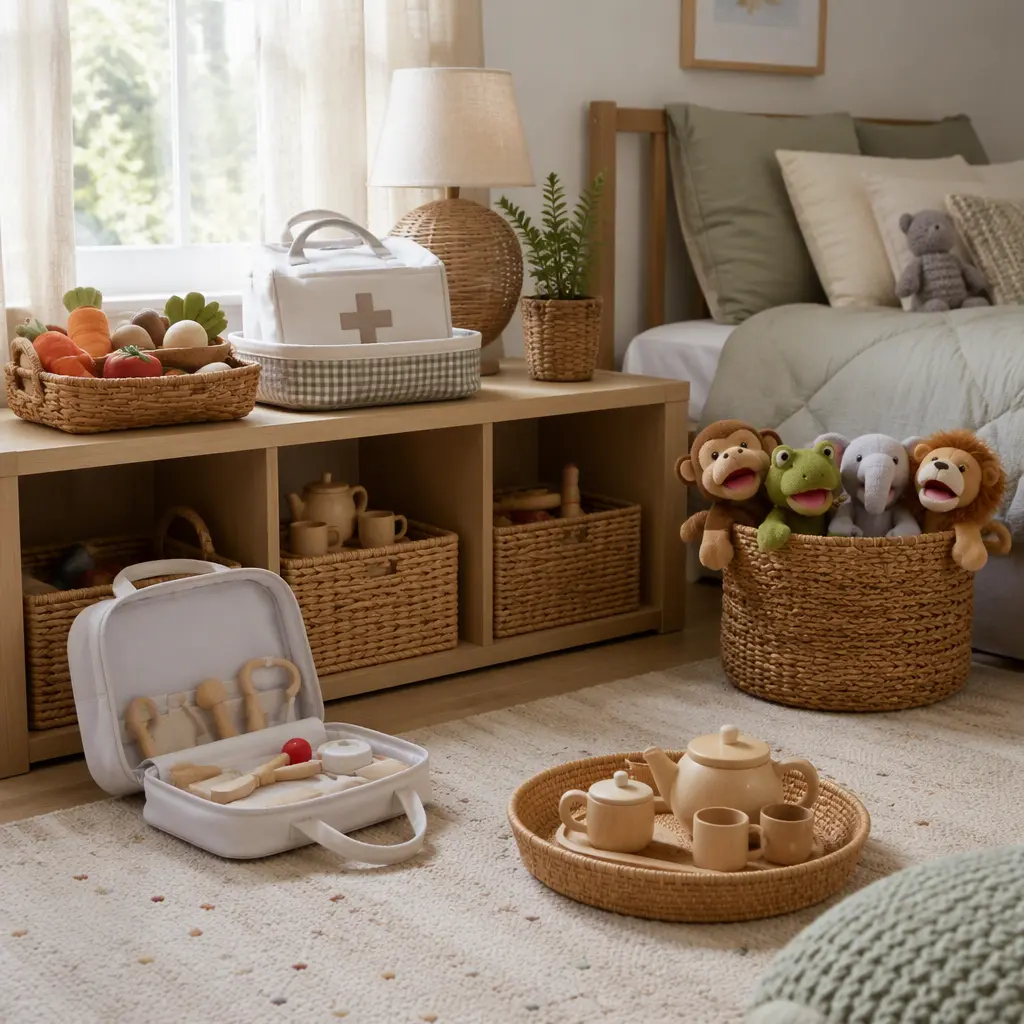
Pretend play toys can keep preschoolers engaged for long stretches, but some role-play sets are much easier to live with in shared bedrooms than others. Large plastic kitchens with electronic sounds, toy instruments and battery-powered cash registers may hold attention, yet they can quickly become overwhelming in small spaces or homes with different sleep schedules. For children aged 3–5, quieter pretend play toys often work best when they encourage open-ended storytelling without relying on flashing lights or repeated sound effects. The most practical choices are compact, easy to tidy and durable enough for daily use.
What to look for
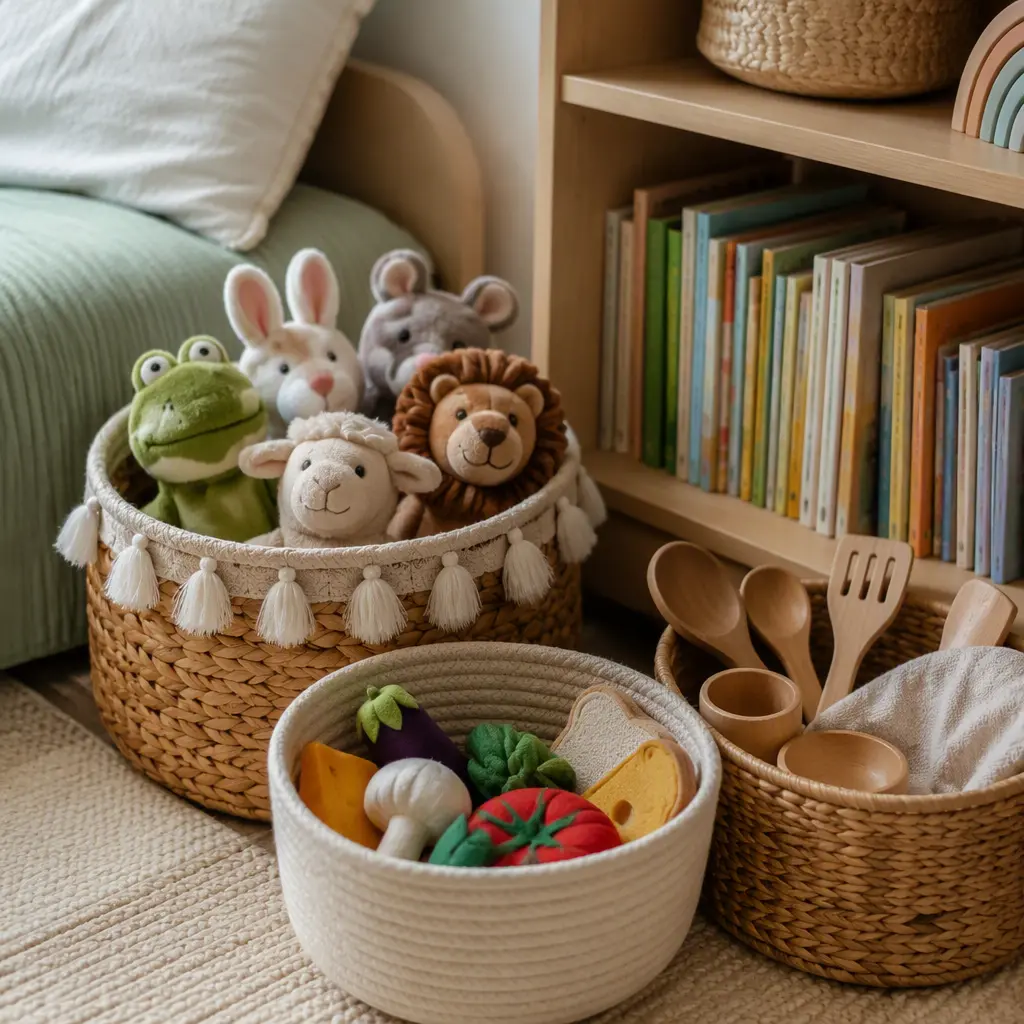
The best quiet pretend play toys for shared bedrooms balance imagination with practicality. Preschoolers often repeat the same scenarios again and again, so toys that allow flexible storytelling tend to stay useful longer than highly scripted electronic sets. Storage matters too. A toy that spreads into multiple bulky parts can become frustrating in a room shared with siblings. Soft materials, simple accessories and fold-away designs usually create less noise and less clutter.
- Choose toys without electronic sound effects or recorded voices if noise reduction is the main priority.
- Look for fabric, felt, silicone or wood components that make less impact noise than hard plastic pieces.
- Compact sets with baskets, carry cases or foldable storage are easier to manage in shared bedrooms.
- Open-ended themes such as kitchens, doctor kits, camping sets or puppet play usually stay engaging longer than novelty gimmicks.
- Avoid toys with many tiny accessories if younger siblings are nearby or storage space is limited.
- Check whether pieces can be wiped clean or machine washed, especially for soft pretend food and costumes.
- Simple role-play toys often encourage cooperative play better than highly interactive electronic toys.
Age suitability
Children between 3 and 5 years old usually enjoy role-play that imitates everyday routines. Doctor kits, tea sets, pretend cleaning tools and toy food are popular because they connect directly to familiar experiences. At age 3, larger pieces and simple matching activities are generally easier to manage independently. By ages 4 and 5, many children start creating longer storylines involving multiple characters, shops or rescue scenarios. Toys with interchangeable accessories, puppets or dress-up items can support that stage without adding much noise. Parents should still check for small detachable parts, especially in homes with babies or toddlers sharing the same room.
Options compared
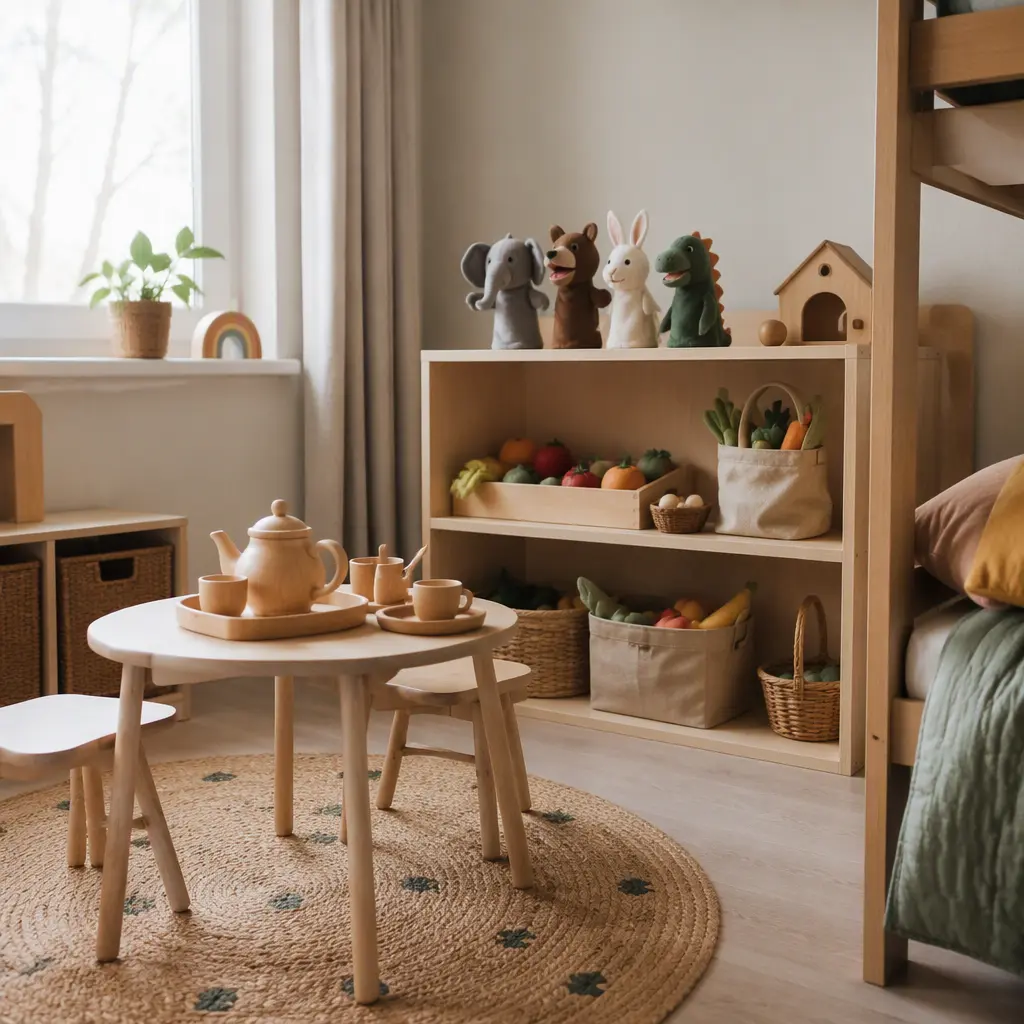
Soft pretend food sets are among the quietest role-play options for preschoolers. Felt or fabric food creates very little noise when dropped and usually stores easily in baskets or small bins. These sets suit children who enjoy kitchen play, pretend cafés or shopping games. They may not hold the attention of children looking for more physical movement, however, and some sets include many small pieces that require frequent tidying.
Wooden tea sets and simple wooden cooking accessories often feel more durable than lightweight plastic versions while staying relatively quiet during play. They work well for calm cooperative play between siblings. The trade-off is that wooden pieces can still create knocking sounds on hard floors, so rugs or foam mats may help in apartments or upstairs bedrooms.
- Fabric doctor kits support imaginative role-play with minimal noise and usually pack away neatly into small bags or cases. These suit children who enjoy caring or helper-style play.
- Hand puppets encourage storytelling and social interaction without requiring large play areas. They are especially useful for quieter evening play before bedtime.
- Play scarves, capes and simple dress-up items offer flexible pretend play without bulky plastic structures. Soft fabrics also reduce noise during movement.
- Toy cleaning sets with fabric dusters or lightweight brooms can appeal to children who like copying household routines, though larger handles may be awkward in tight bedrooms.
- Cardboard playhouses and pop-up tents create immersive pretend spaces but may take up too much floor area in small shared rooms unless folded away daily.
- Miniature shop or market sets encourage counting and communication skills, but cash registers with electronic sounds are often louder than expected.
Frequently asked questions
Are wooden pretend play toys quieter than plastic ones?
Often, but not always. Wooden toys avoid the sharp rattling sounds of thin plastic and usually skip electronic sound effects. However, hard wooden pieces can still create noticeable knocking noises on floors or furniture. Soft accessories and rugs help reduce this.
What pretend play toys work well before bedtime?
Puppets, soft toy food, tea sets and gentle storytelling props are usually calmer choices for evening play. Toys with flashing lights, loud buttons or highly active movement games may make winding down more difficult in shared sleeping spaces.
How much storage space do pretend play toys need?
Compact sets with fewer accessories are often easier to manage than large themed stations. Many parents find that one medium basket or under-bed bin works better than several oversized toy structures in a shared bedroom.
Do preschoolers still enjoy pretend play without electronic features?
Yes. Many children in the 3–5 age range create detailed imaginative scenarios using simple objects and open-ended props. Toys that leave room for invention can sometimes stay interesting longer because the child controls the story.
Which quiet pretend play toys travel well?
Fabric play food, puppets, compact doctor kits and lightweight dress-up items are usually easy to pack for trips or visits to relatives. Bulky kitchens, workbenches and large role-play stations are less practical for transport or temporary storage.
Quiet pretend play toys can make shared bedrooms feel more manageable while still supporting creativity, communication and independent play. For most families, the most useful options are compact, durable and flexible enough to grow with a child's imagination. Choosing lower-noise materials and avoiding oversized electronic features can help preserve both play value and household peace.