Best Puzzle Toys for Babies 6–12 Months
A parent-focused guide to safe, chunky puzzle toys for babies 6–12 months, explaining what to look for, age fit, and how puzzles support early cause-and-effect learning.
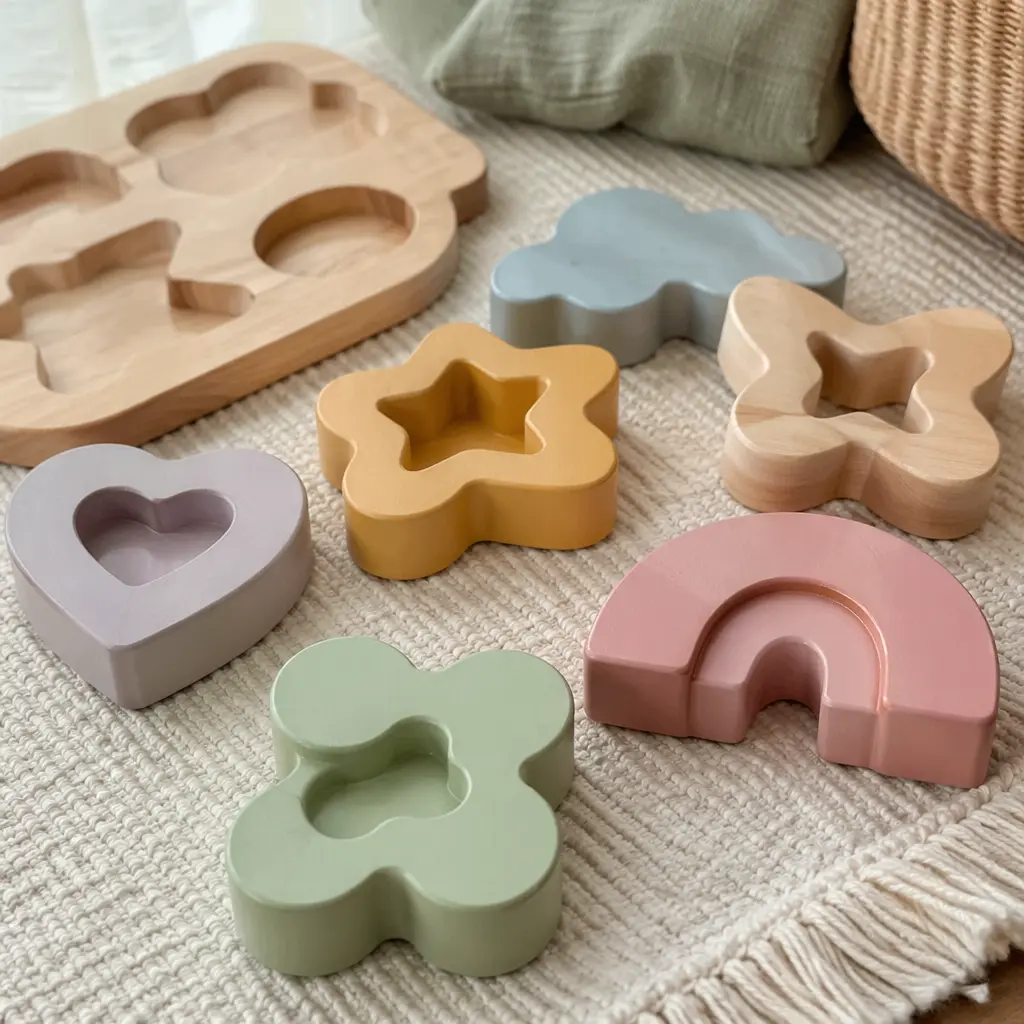
Compare prices and availability
Check current prices and availability for this guide on eBay.
As an eBay Partner, we may be compensated if you make a purchase.
Puzzle toys for babies aged 6–12 months look very different from the jigsaw puzzles older kids enjoy. At this stage, puzzles are about grasping, exploring, and understanding simple cause-and-effect rather than matching complex shapes. The best options are chunky, easy to hold, and designed with safety and early development in mind. This guide explains what makes a puzzle toy suitable for babies in the second half of their first year and how parents can choose options that support learning without frustration.
What to look for
Babies between 6 and 12 months are still developing hand strength, coordination, and an understanding of how objects interact. Puzzle toys for this age should feel approachable and forgiving, encouraging exploration rather than precision.
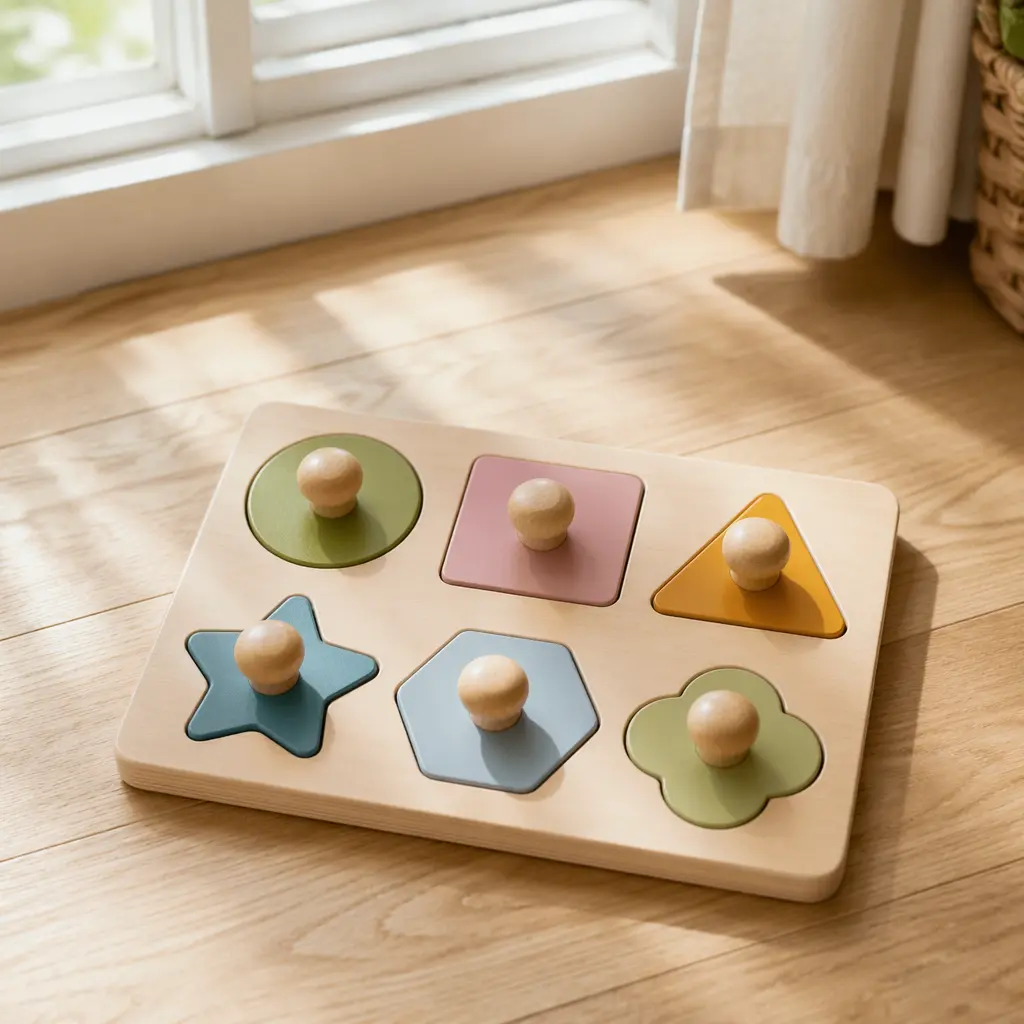
- Chunky, graspable pieces: Large knobs or thick pieces are easier for small hands to pick up and manipulate.
- Simple cause-and-effect: One-piece or few-piece puzzles help babies learn that an action, like lifting or placing, leads to a result.
- Smooth, rounded edges: All parts should be free from sharp corners and splinters.
- Non-toxic materials: Look for water-based paints, food-grade silicone, or unfinished wood labeled safe for mouthing.
- Secure construction: Pieces should be too large to be choking hazards and firmly made so they do not break apart.
Age suitability
Within the 6–12 month range, abilities can vary widely. Around 6–8 months, many babies enjoy removing a single piece from a board or exploring textures and shapes with their mouths. By 9–12 months, babies may begin attempting to place pieces back into their spaces, especially if the puzzle has clear visual cues or pegs. Parents may notice that what starts as a take-apart toy gradually becomes a put-back-together activity. Choosing puzzles labeled for babies, rather than toddlers, helps ensure the challenge level matches developing skills.
Standout categories or types
Puzzle toys for babies often fall into a few broad categories, each supporting development in slightly different ways. Understanding these types can help parents choose toys that match their baby’s current interests.
- Single-piece lift-out puzzles: These introduce the basic idea of removing and replacing an object, building confidence and cause-and-effect understanding.
- Peg puzzles with a few shapes: Large pegs encourage grasping and early hand-eye coordination without requiring precise alignment.
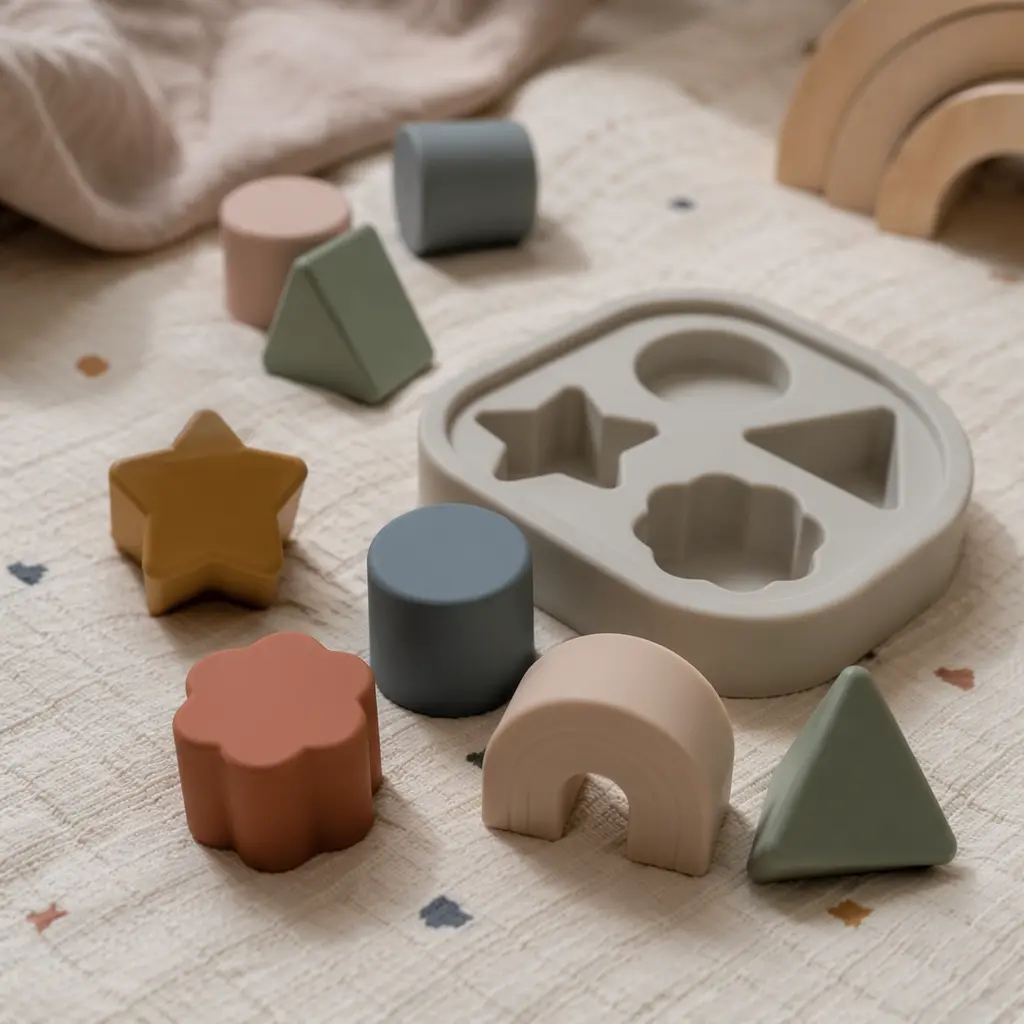
- Shape sorters with puzzle elements: While full sorting may come later, babies enjoy exploring shapes and openings.
- Soft or silicone puzzles: Flexible materials are gentle on gums and often double as teething toys.
- Textured puzzles: Different surface feels add sensory interest and keep engagement high.
Frequently asked questions
Are puzzles really useful for babies this young?
Yes, when they are designed for infants. Baby puzzles help develop fine motor skills, hand-eye coordination, and early problem-solving. At this age, learning comes from repetition and exploration rather than completing a task correctly.
How many pieces should a baby puzzle have?
Fewer is better. One to three pieces is often ideal for babies under 12 months. Too many pieces can overwhelm or frustrate a child who is still learning basic movements.
What materials are safest for baby puzzles?
Common safe options include solid wood with non-toxic finishes, food-grade silicone, and sturdy plastic labeled free from harmful chemicals. Avoid puzzles with small detachable parts or weak joints.
My baby only takes the pieces out. Is that normal?
Completely normal. Removing pieces is often the first stage of puzzle play. Placing pieces back usually develops later, sometimes closer to the toddler years.
The best puzzle toys for babies 6–12 months focus on simple actions, safe materials, and easy-to-handle designs. When chosen thoughtfully, these toys support early learning while fitting naturally into everyday play. By keeping expectations age-appropriate and prioritizing safety, parents can make puzzle play a positive and developmentally supportive experience.