Buckyballs: The Magnetic Desk Toy That Sparked a Debate
Buckyballs turned tiny magnetic spheres into a viral desk toy in the late 2000s, blending puzzle play, sculpture, and stress relief while also triggering major safety concerns.
Compare prices and availability
Check current prices and availability for this guide on eBay.
As an eBay Partner, we may be compensated if you make a purchase.
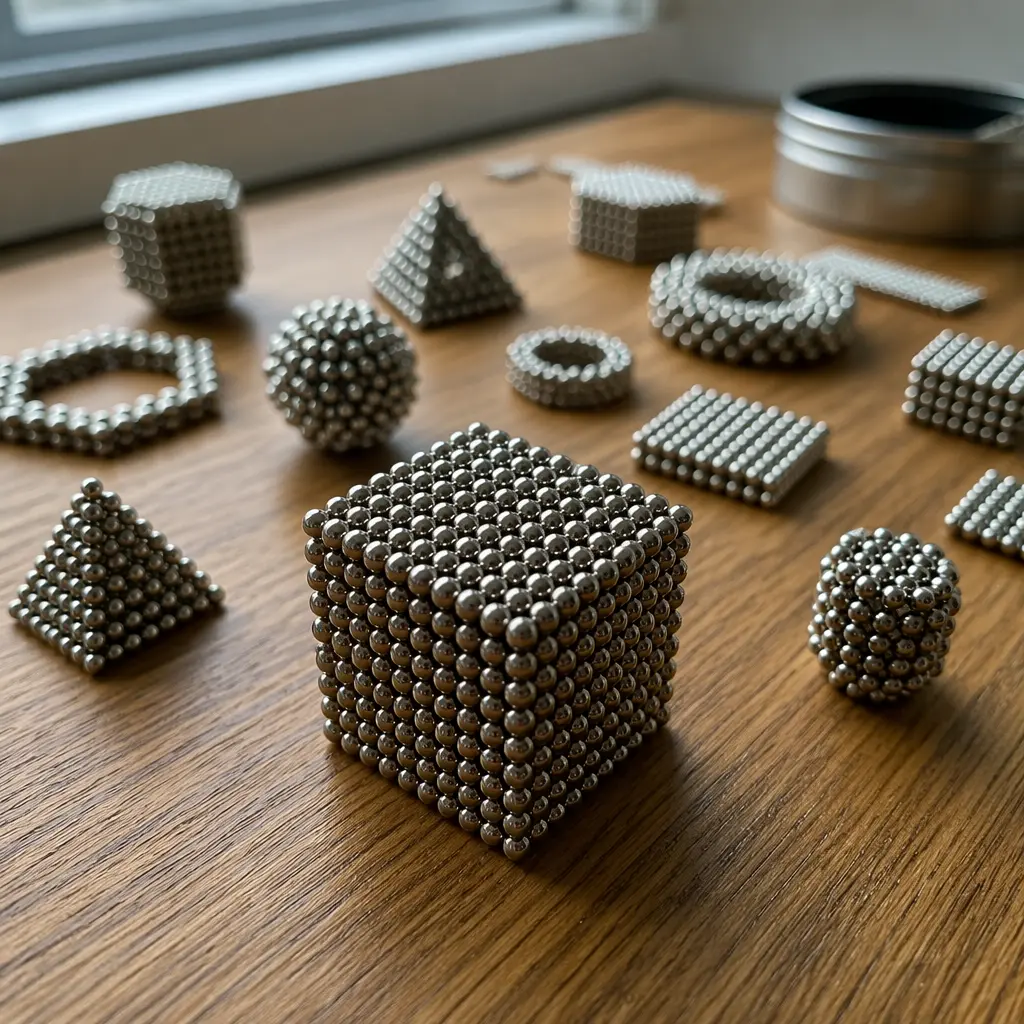
Buckyballs arrived at the perfect moment for office desk toys. Small enough to fit in a pocket but strangely difficult to put down, the shiny magnetic spheres became part puzzle, part sculpture kit, and part stress-relief gadget. In the late 2000s and early 2010s, they spread quickly through online videos and gift shops as adults discovered they could click, stack, roll, and reshape the magnets into everything from cubes to spirals. At the same time, the toy became the center of one of the most visible toy-safety debates of its era, with regulators warning about the dangers posed when the tiny magnets were swallowed.
Where it came from
Buckyballs launched in 2009 during a wave of modern desktop gadgets aimed more at teens and adults than young children. The toy took its name from the carbon molecule nicknamed the buckyball, a soccer-ball-shaped structure formally known as buckminsterfullerene. While the science connection gave the product a clever identity, the real appeal came from the magnets themselves: tiny, smooth neodymium spheres strong enough to snap together into surprisingly stable structures.
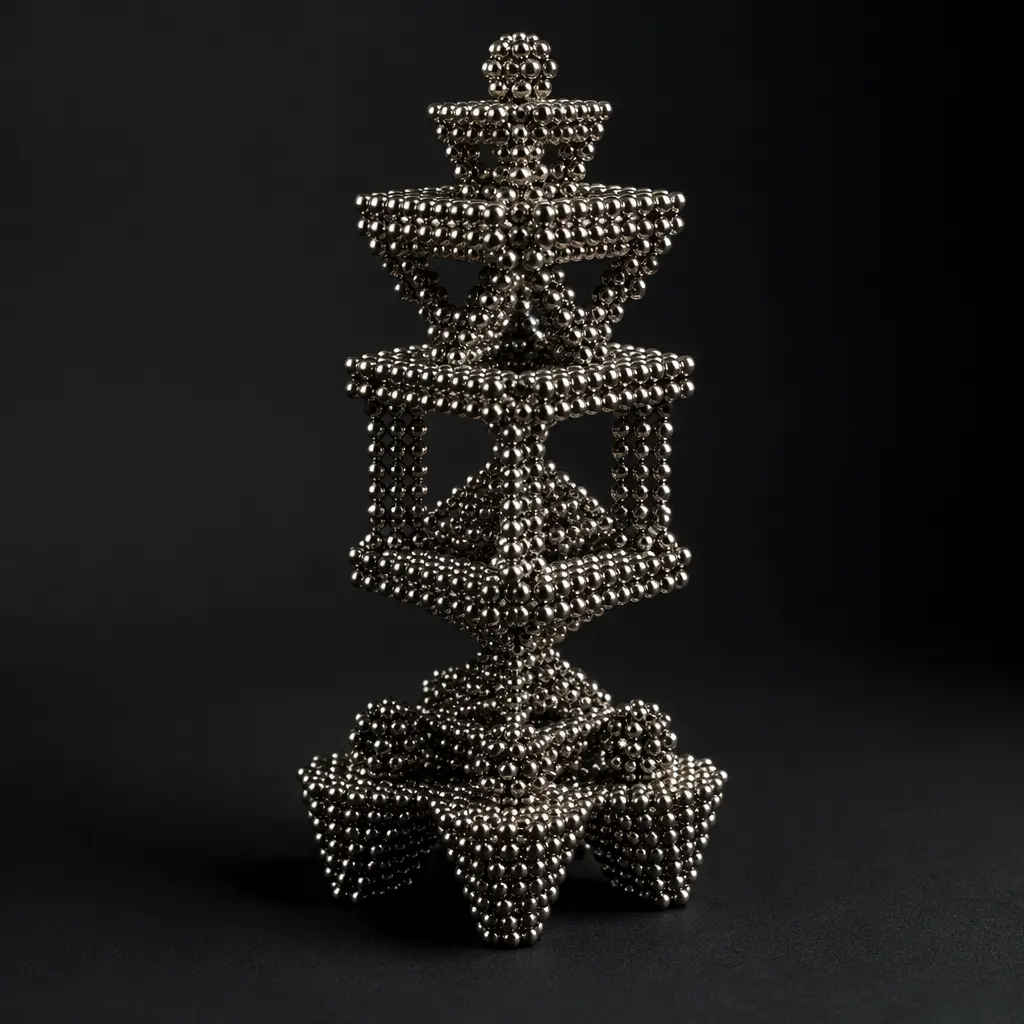
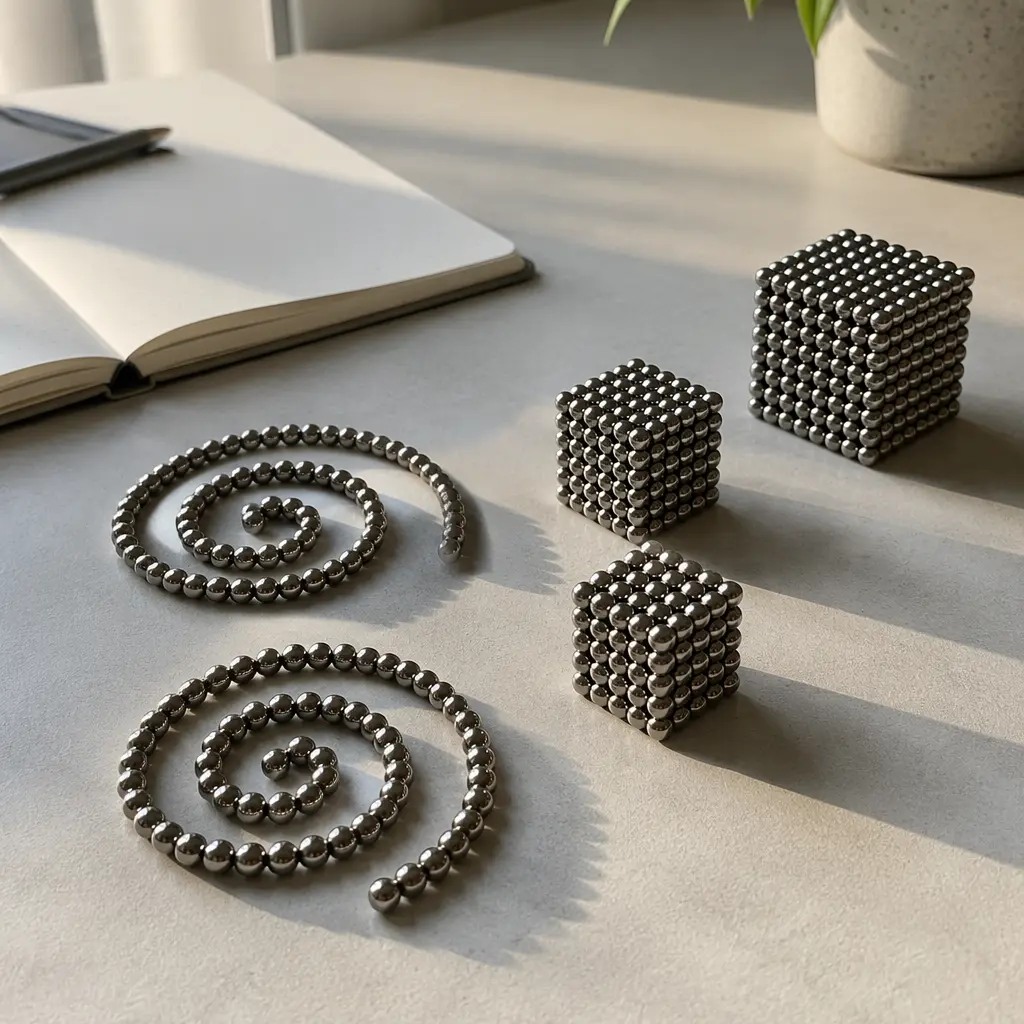
Neodymium magnets had already been used in electronics and industrial products for years, but Buckyballs helped introduce many consumers to just how powerful rare-earth magnets could be at small sizes. Early marketing leaned heavily into creativity and desk play. Users built chains, cubes, bracelets, and abstract sculptures, often treating the toy as a fidget object before the word “fidget toy” became common. The product spread through internet culture quickly because it looked satisfying on camera, with formations collapsing and reconnecting in neat, mechanical ways.
Why it works
The appeal of Buckyballs is easy to understand once they are in your hands. Unlike a traditional puzzle with one correct solution, the magnetic spheres encourage open-ended experimentation. The magnets constantly pull and resist each other, creating a tactile feedback loop that makes even simple movements feel engaging. Building shapes requires just enough concentration to occupy the mind without demanding full attention, which is part of why the toy became popular in offices and dorm rooms.
The design also rewards curiosity. Because every sphere is identical, users can transition smoothly from simple patterns into surprisingly complex geometric forms. Some people treat the toy like a miniature engineering set, while others use it more like a stress ball or idle habit toy. The clicking sound and smooth metallic finish became part of the sensory appeal.
- Strong neodymium magnets create satisfying snap-together movement
- Open-ended play allows sculptures, patterns, and puzzle-style experimentation
- Compact size makes the toy portable for desks or travel
- Uniform spherical pieces encourage symmetry and geometric building
- The tactile feel appeals to both puzzle fans and fidget-toy users
Who it's for
Buckyballs were primarily marketed toward older teens and adults, and that remains the safest audience for high-powered magnetic sphere sets today. The tiny parts are not suitable for young children, particularly in households where small objects may end up within reach. For adults, though, the toy still has a strong following among puzzle enthusiasts, office workers, artists, and collectors of unusual tactile gadgets. Some users enjoy the mathematical and geometric side of magnetic construction, while others simply like having something physical to manipulate during breaks or while thinking through ideas.
Variants and what to look for today
The original Buckyballs brand became difficult to separate from the wider debate around magnet safety, and over time many similar products entered the market under different names. Today, shoppers will mostly encounter generic magnetic sphere sets rather than one dominant brand. Sizes, magnetic strength, coating quality, and storage containers can vary considerably.
For buyers interested in modern versions, the biggest difference is usually material quality. Better sets tend to have smoother coatings and more consistent magnet strength, which helps structures hold together cleanly. Lower-quality versions may chip, lose coating over time, or have uneven magnetic pull. Many modern products also package the magnets in secure tins or containers designed to reduce accidental spills.
- Look for storage cases that securely contain loose magnets
- Check recommended age ranges carefully before purchase
- Higher-quality coatings help prevent scratching and flaking
- Larger magnetic pieces are generally easier to handle than ultra-small sets
- Avoid poorly made sets with inconsistent sizing or weak magnetic connections
Frequently asked questions
Why were Buckyballs controversial?
The controversy centered on safety risks associated with swallowing multiple high-powered magnets. If more than one magnet is ingested, the magnets can attract each other inside the body and cause serious internal damage. This led to recalls, legal disputes, and stronger regulatory scrutiny during the early 2010s.
Are magnetic sphere toys still sold today?
Yes, though availability and safety standards vary by region. Many products now include stronger warnings, age recommendations, and more secure packaging. Some are marketed specifically as adult desk toys rather than children's products.
Do people use them more as puzzles or fidget toys?
Both. Some users enjoy building structured geometric forms or solving shape challenges, while others simply like rolling and reshaping the magnets in their hands. The toy sits somewhere between a puzzle set, construction toy, and tactile stress-relief object.
What made Buckyballs stand out from earlier desk toys?
The combination of strong rare-earth magnets and identical metal spheres created a very different experience from older executive toys. The magnets could form stable three-dimensional structures while remaining easy to rearrange, giving users a level of flexibility that felt both technical and playful.
More than a decade after their peak popularity, Buckyballs still represent a very specific moment in modern toy culture: the rise of clever, internet-friendly desk gadgets that blurred the line between novelty item and genuine creative tool. Their legacy is complicated by the safety concerns that followed, but the fascination remains easy to understand. Few toys of the era combined science, tactile play, visual appeal, and controversy quite so effectively.