Beginner Electronics Toys That Work Without Screens
A parent-friendly guide to offline electronics toys for ages 9–12, focusing on hands-on kits that teach circuits and logic without apps, screens, or subscriptions.
Compare prices and availability
Check current prices and availability for this guide on eBay.
As an eBay Partner, we may be compensated if you make a purchase.
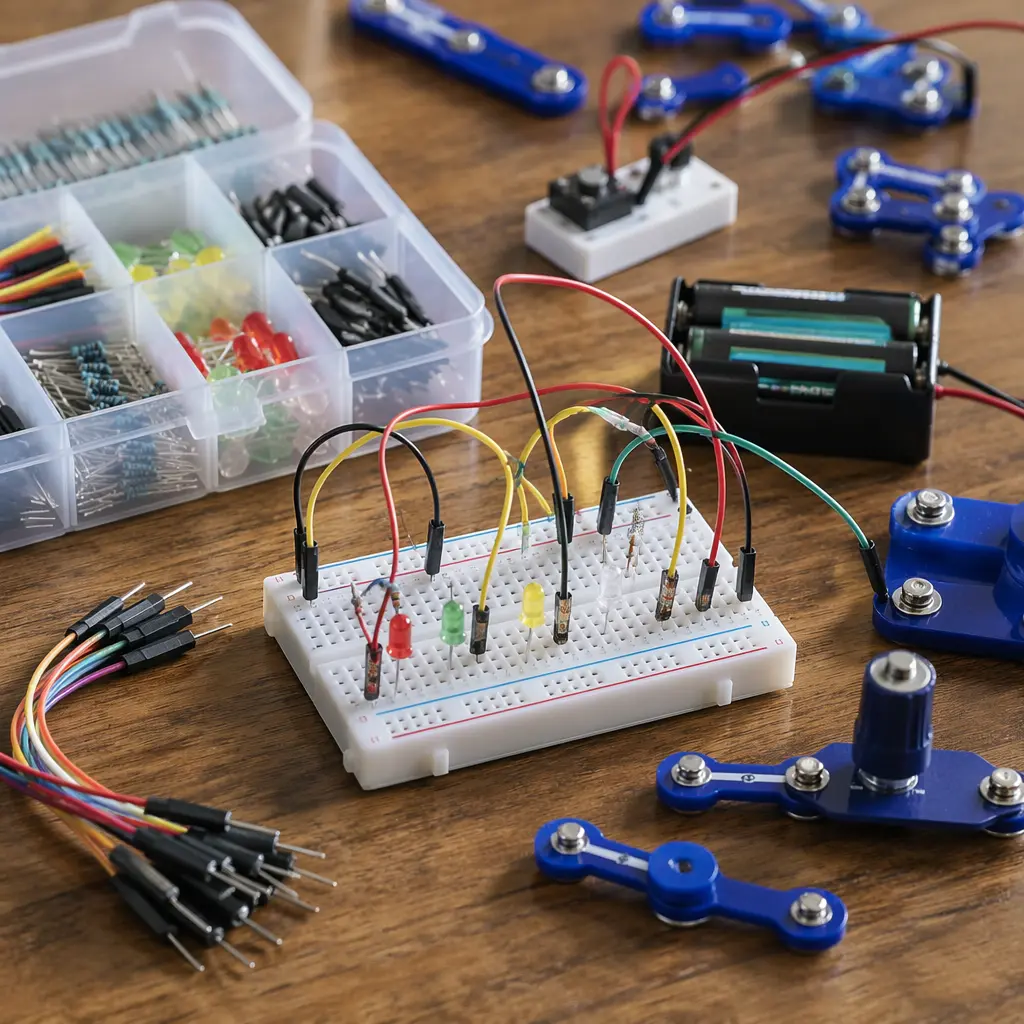
For parents looking to introduce electronics without adding more screen time, offline electronics toys can be a strong option. These kits focus on real components—wires, switches, lights, and sensors—so kids learn how circuits and logic actually work. For ages 9–12, the best choices balance hands-on building with clear instructions and room to experiment, all without apps, tablets, or computers.
What to look for
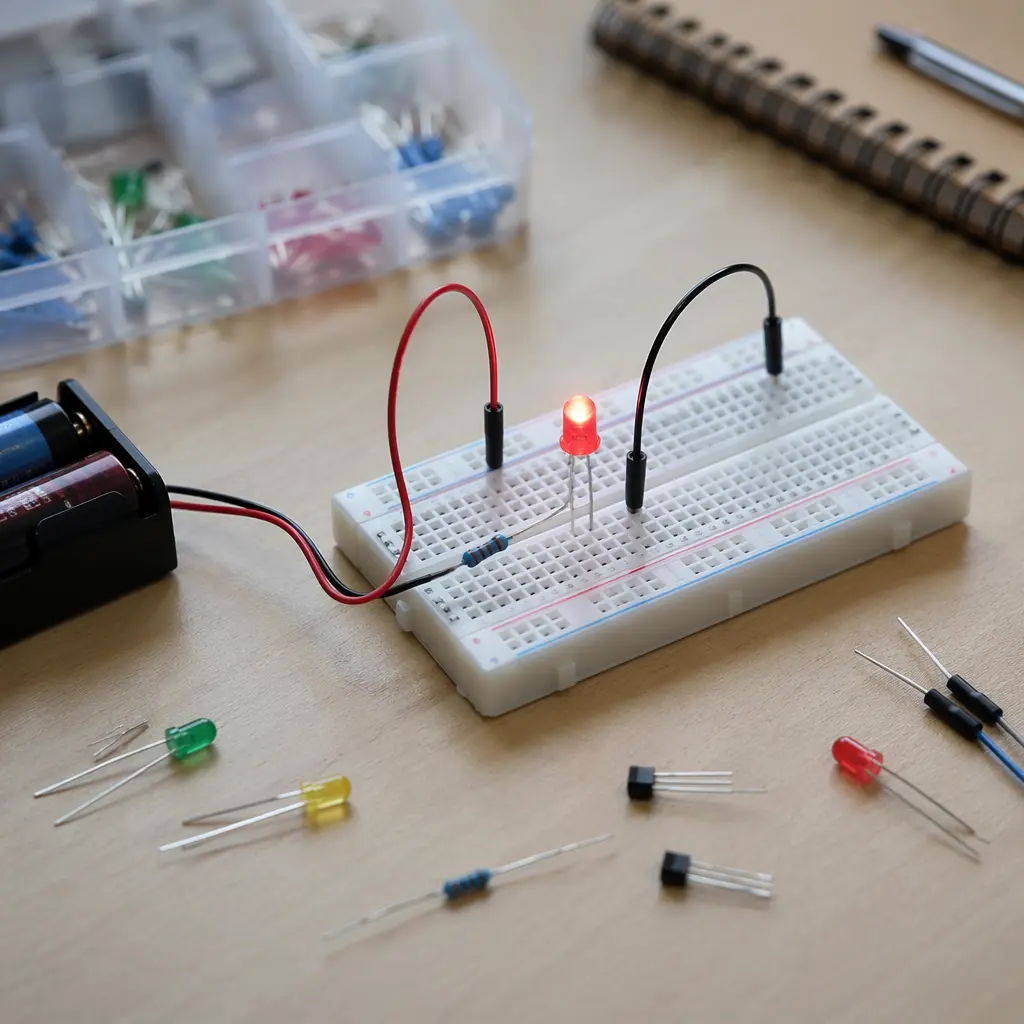
Screen-free electronics toys vary widely in complexity and teaching style. Before choosing one, it helps to think about how your child learns best and how much guidance they will need at the start. The features below tend to matter most for beginners in the 9–12 age range.
- Clear, printed instructions with diagrams rather than digital guides
- Components designed for repeated use, such as snap-together parts or sturdy breadboards
- Projects that show cause and effect, like lights turning on or buzzers sounding
- Gradual difficulty, starting with basic circuits and moving toward simple logic
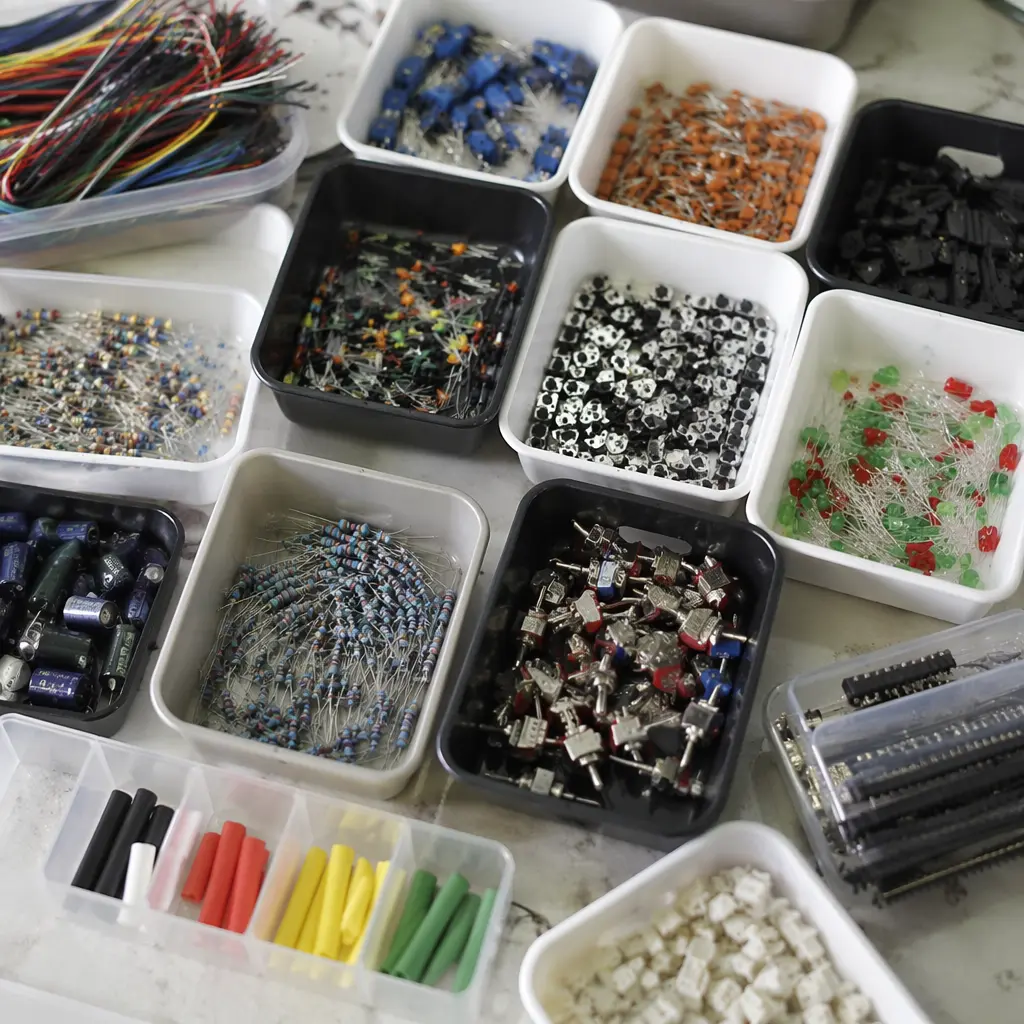
- Storage that keeps small parts organized between sessions
Age suitability
For children ages 9–12, beginner electronics toys should be challenging enough to feel like real technology, but not so complex that they require constant adult intervention. At this stage, kids can usually follow multi-step instructions, understand basic safety rules, and start experimenting beyond the example projects. Kits that encourage trial and error—without fragile parts—tend to hold attention longer and build confidence.
Standout categories or types
Offline electronics toys generally fall into a few broad categories. Each type teaches slightly different skills, so the right choice depends on whether your child prefers structured building, open-ended tinkering, or puzzle-style challenges.
- Snap-circuit kits that use labeled pieces to demonstrate basic electrical paths
- Breadboard-based kits that introduce real-world wiring and component placement
- Logic and puzzle sets that focus on switches, signals, and problem-solving
- Electromechanical projects that combine simple circuits with movement or sound
Frequently asked questions
Do these toys really teach electronics without a screen?
Yes. Screen-free electronics toys rely on physical feedback—lights, sounds, or motion—to show how circuits work. This hands-on approach can make abstract ideas like current and resistance easier to understand.
Will my child need prior experience?
Most beginner kits are designed for first-time learners. Clear instructions and guided projects help children get started, while optional challenges support kids who want to go further.
How much adult help is usually required?
Early projects may benefit from some adult guidance, especially when learning to read diagrams. Many children become more independent once they understand the basics of connecting components.
Are these toys safe for home use?
Beginner electronics toys typically use low-voltage batteries and are designed with safety in mind. Following the manufacturer’s instructions and supervising younger users helps reduce risk.
Screen-free electronics toys can be a practical way to introduce technology concepts while encouraging focus and hands-on problem solving. By choosing a kit that matches your child’s age and learning style, you can support curiosity about how everyday electronics work—without adding another screen to the mix.