UK AI Toys With Family-Safe Voice Controls for Ages 3–5
A practical guide to AI toys for UK families with preschoolers, covering mute switches, recording indicators, parental controls, app dependence and which connected features are genuinely useful.
Compare prices and availability
Check current prices and availability for this guide on eBay.
As an eBay Partner, we may be compensated if you make a purchase.
AI toys for preschool children now range from simple voice-responsive plush toys to connected robots that answer questions, tell stories or guide learning games through an app. For UK families with children aged 3 to 5, the most important buying decision is often not the toy’s intelligence but how much control parents actually have over microphones, recordings and online features. Many products marketed as “AI” are closer to scripted voice assistants or cloud-connected chat systems than true conversational companions, and that difference matters when deciding how much connectivity belongs in a child’s play space. A good family-friendly option should still offer useful play value when offline, provide clear microphone controls and avoid turning every interaction into a screen-based activity.
What to look for
For children aged 3 to 5, connected features should support simple, short interactions rather than unrestricted internet-style conversations. Physical controls matter more than advanced features because preschool children cannot reliably manage privacy settings themselves. Parents should also check whether the toy depends on a companion app, whether cloud services are required and whether core play features continue to work if the internet connection drops or support eventually ends. UK buyers may also notice differences in regional support, accents and content availability compared with US-focused marketing materials.
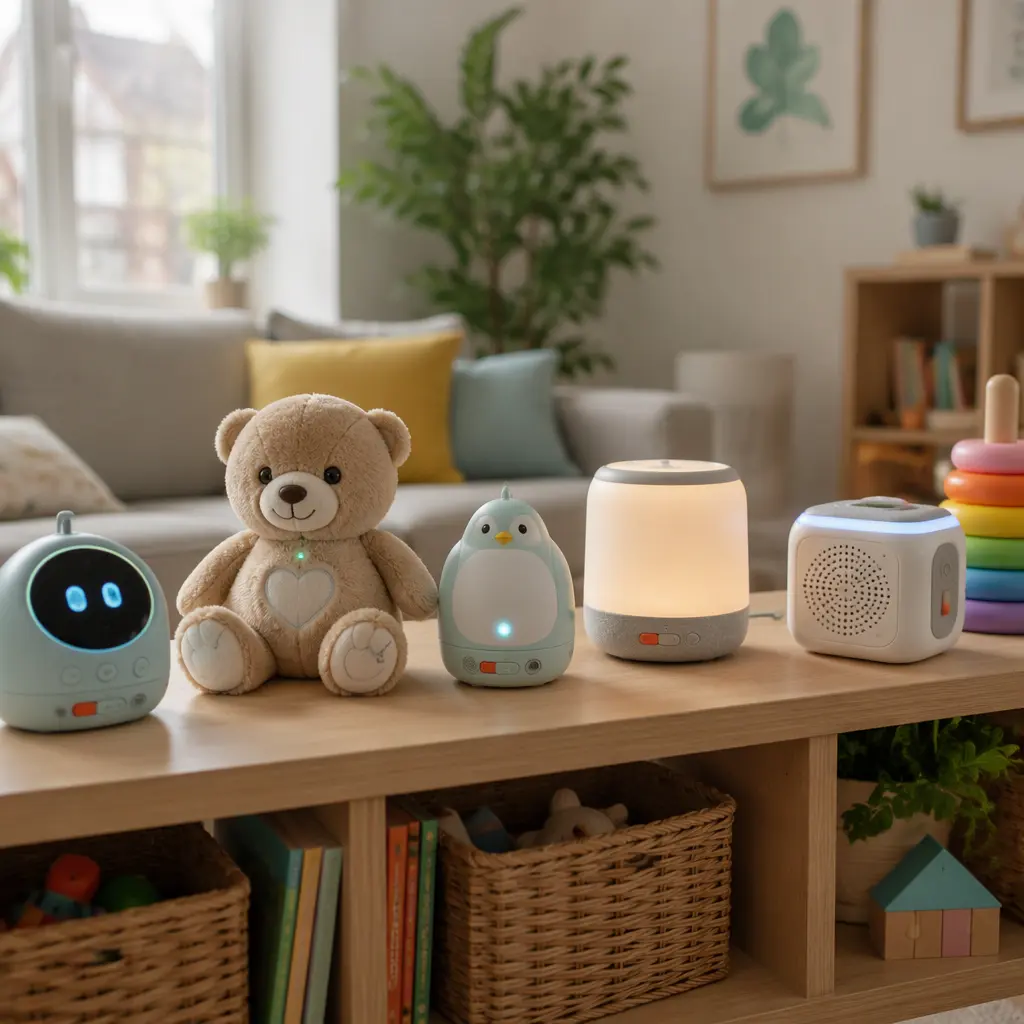
- A physical mute switch that clearly disconnects the microphone rather than only lowering volume
- Visible recording or listening indicators such as lights or sounds when voice capture is active
- Parental controls that allow adults to review permissions, disable features or limit contacts
- Child accounts separated from adult accounts where apps or subscriptions are involved
- Useful offline play modes including stories, music, movement or educational games without cloud access
- Clear information from manufacturers about data storage, voice recordings and account deletion
- Simple setup for non-technical households and compatibility with common UK devices
- Reasonable ongoing costs if subscriptions, credits or premium content are required
Age suitability
Most AI toys marketed for ages 3 to 5 work best with adult involvement nearby, even when manufacturers describe them as independent play products. Preschool children often repeat phrases, ask unpredictable questions and test boundaries, which can expose the limits of conversational systems. Younger children within this range usually benefit more from toys with short prompts, songs and guided activities rather than open-ended chat. Older preschoolers may enjoy simple coding-style robots or interactive storytelling toys, especially if they already use voice assistants at home. Families wanting mostly screen-free play should look for toys that use voice features sparingly instead of relying on tablets for every activity.
Options compared
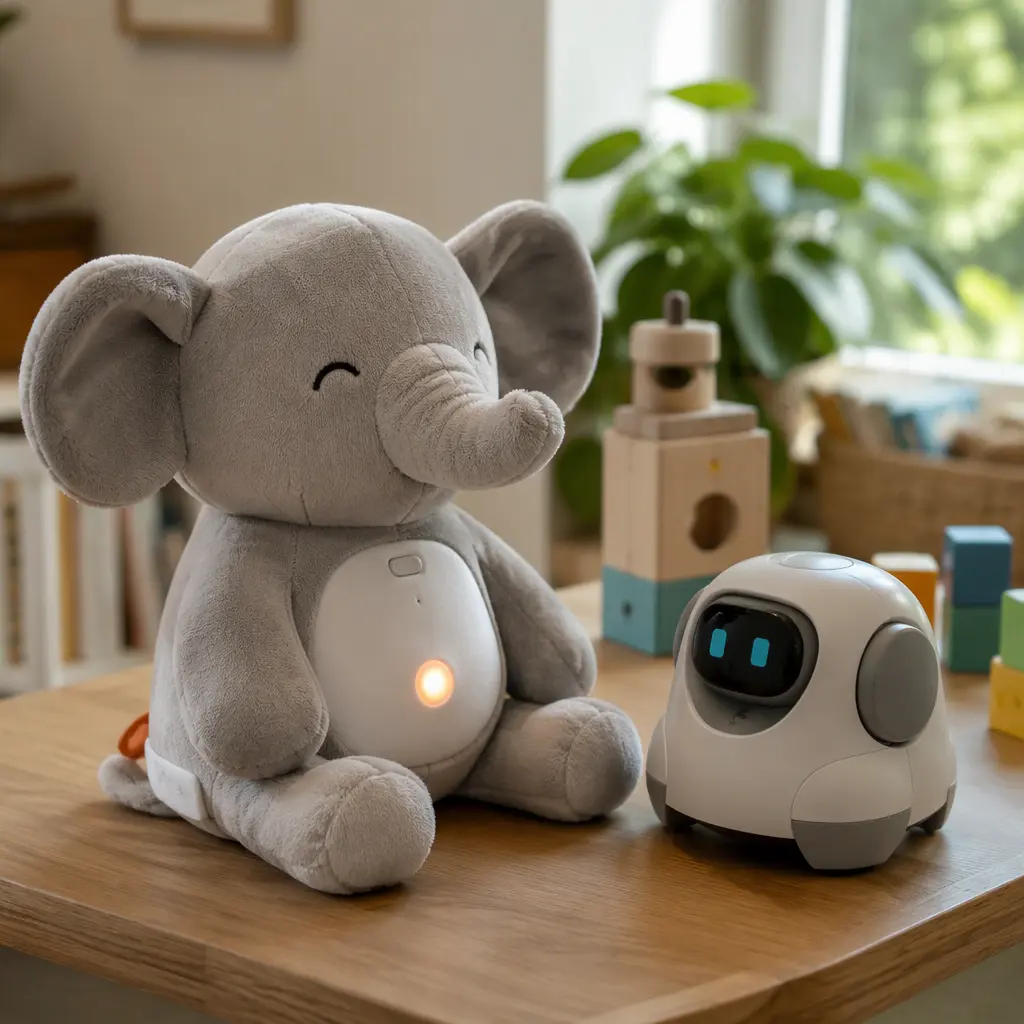
Voice-responsive plush toys are often the simplest entry point for this age group. Many use limited scripted responses, songs or bedtime routines rather than full conversational AI. These tend to suit families wanting comfort-focused play with lower complexity and fewer setup demands. Physical buttons and obvious controls are common, although some products still connect to apps for updates or content packs. Storage is easy, noise levels are usually moderate and younger preschoolers often find them less intimidating than moving robots.
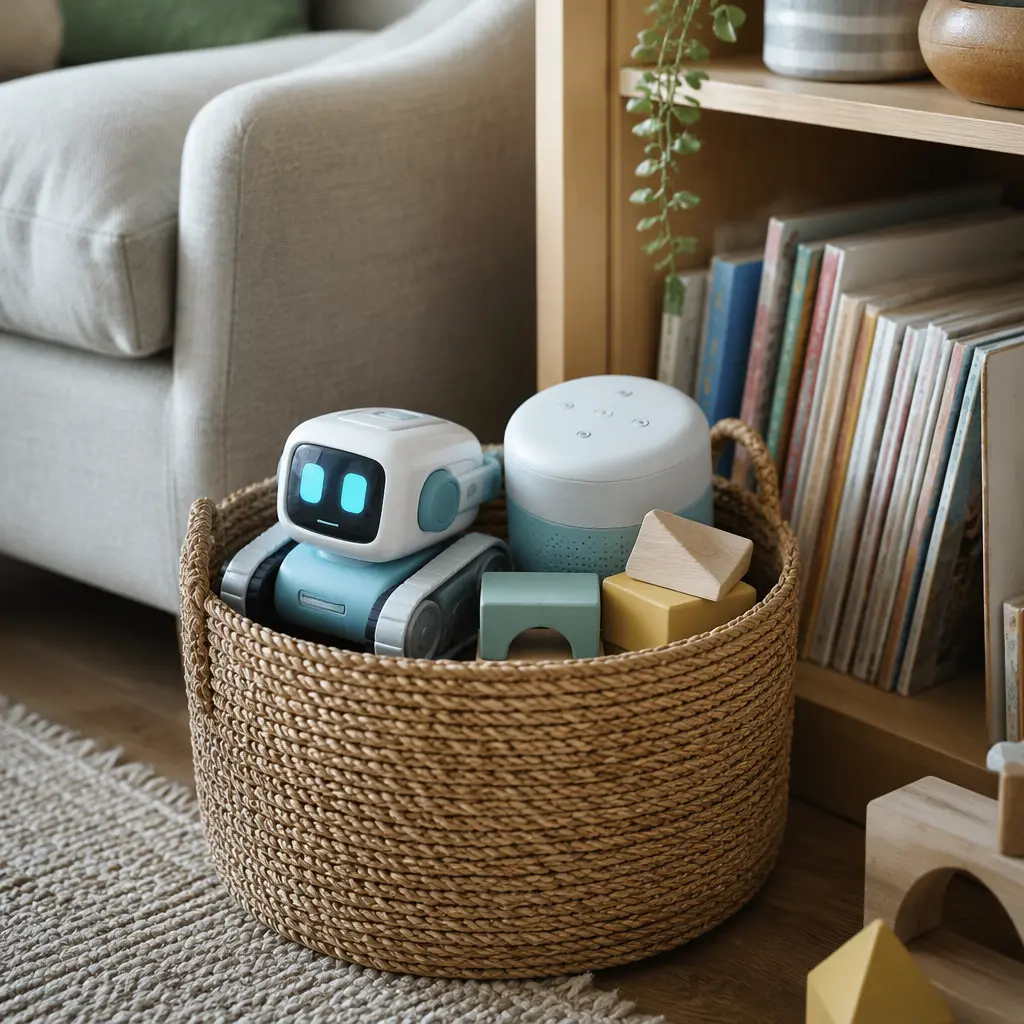
Connected robots and interactive learning companions usually offer more educational variety, including quizzes, stories, movement games or beginner coding concepts. Some products rely heavily on cloud processing, meaning responses may improve over time but also depend on internet access and long-term company support. These toys can suit older preschoolers who enjoy routines, structured activities and repeated interaction. However, they are often louder, require charging space and may involve subscriptions or app-based account management. Families concerned about privacy may prefer products where most interactions happen locally on the device instead of through remote servers. Simpler animatronic pets with sound sensors are different again: they may react to touch or voices without storing recordings or using AI systems at all. For some households, that lighter level of interactivity is enough.
- Plush AI companions: softer play style, easier storage, usually calmer volume levels, better for comfort and bedtime routines
- Interactive robots: more educational features and movement-based games, but often more expensive and app-dependent
- Screen-linked learning systems: broad content libraries but can shift play toward tablet time rather than independent toy play
- Animatronic pets with sensors: limited intelligence but often fewer privacy concerns and simpler setup
- DIY coding robots for preschoolers: suitable for older children closer to school age with strong adult guidance
Frequently asked questions
Do AI toys always record children’s voices?
Not always. Some toys process simple commands locally while others send recordings or transcripts to cloud services. Manufacturers may store voice interactions temporarily to improve speech recognition or personalise content. Parents should review privacy policies carefully and look for products with clear deletion controls and visible recording indicators.
Are subscriptions necessary?
Some connected toys work fully without subscriptions, while others lock extra stories, educational content or AI conversations behind monthly plans or credit systems. It is worth checking what remains available after any free trial ends, especially for younger children who may only use a few favourite features repeatedly.
Can these toys work without Wi‑Fi?
Many AI toys still offer basic offline activities such as songs, movement games or preloaded stories. More advanced question-answering and conversational features often require internet access. Families wanting long-term usefulness should prioritise toys that remain enjoyable even if cloud support changes later.
Are child accounts important?
Child-specific profiles can help separate toy settings from adult smart-home accounts and may limit data sharing or purchases. They are especially useful when multiple family members use the same app ecosystem. Clear parental dashboards and permission controls are more valuable than large numbers of features for this age group.
What matters most for UK families?
Regional support can affect accents, content libraries, customer service and app availability. UK buyers should check whether the manufacturer officially supports UK English, whether replacement parts or updates are available locally and whether the toy complies with local app store requirements.
For most families with preschool children, the safest and most practical AI toys are the ones that keep connected features limited and understandable. A toy with a reliable mute switch, visible recording indicators and enjoyable offline play is usually a better long-term choice than one promising unrestricted conversation or constant cloud interaction. The best fit depends less on how advanced the AI sounds in marketing and more on whether the toy works comfortably within everyday family routines, supervision levels and privacy expectations.