Soft Climbing Blocks vs Ride-On Toys for Indoor Toddlers
Compare soft climbing blocks and ride-on toys for toddlers aged 1–2. Learn the trade-offs around supervision, noise, storage, durability and indoor play space before buying.
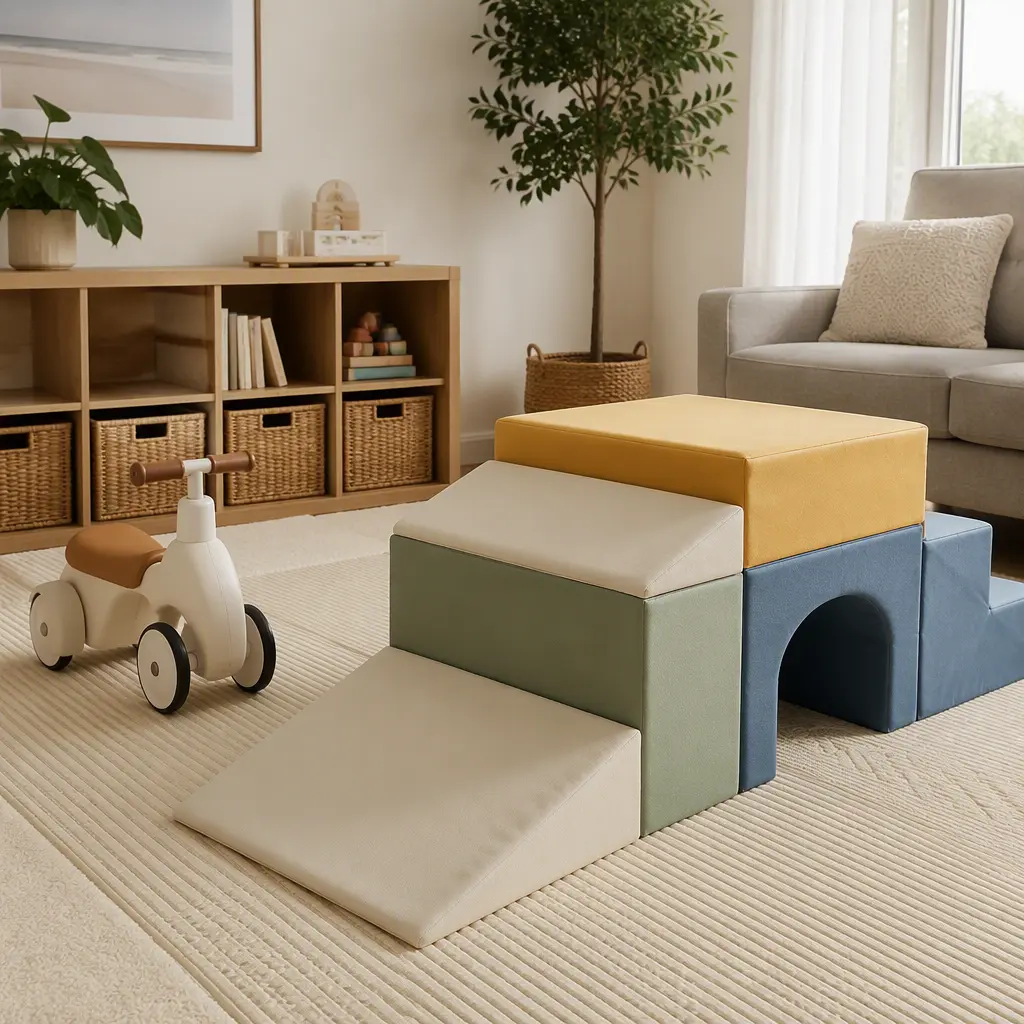
Compare prices and availability
Check current prices and availability for this guide on eBay.
As an eBay Partner, we may be compensated if you make a purchase.
Many parents looking for indoor active toys for 1–2 year olds narrow the choice down to two categories: soft climbing blocks or ride-on toys. Both support movement and help toddlers burn energy indoors, but they suit different homes, play styles and supervision levels. Soft climbing sets encourage climbing, crawling and stacking in one area, while ride-on toys focus more on pushing, scooting and moving across the room. The better fit often depends less on the toy itself and more on your available floor space, noise tolerance, storage options and how closely an adult can supervise during play.
What to look for
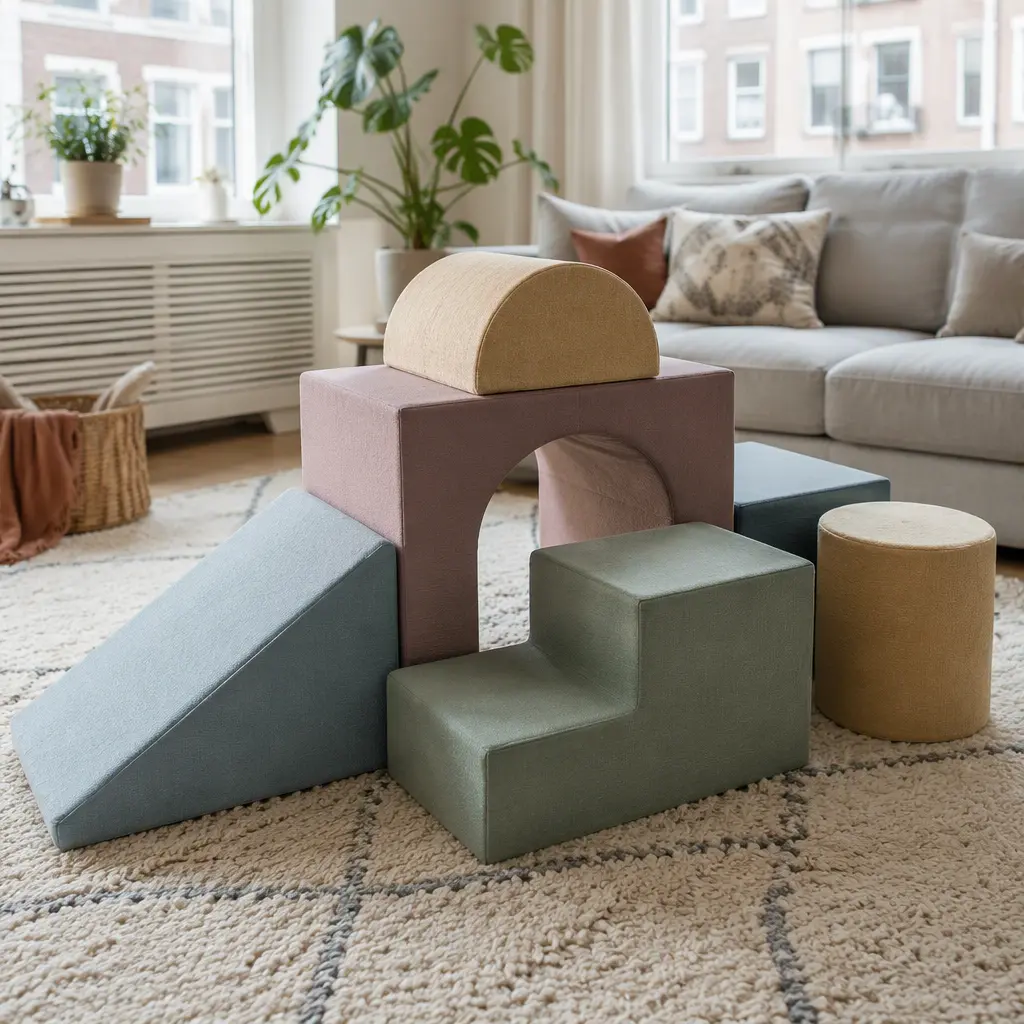
For toddlers between 1 and 2 years old, indoor active toys work best when they match both developmental stage and household setup. A toy that works well in a large playroom may become frustrating in a small apartment or shared living area. Parents often overlook practical issues such as daily setup time, floor protection and how noisy wheels or foam pieces become during repeated play.
- Floor space: Ride-on toys need open paths to move safely, while climbing blocks need a defined floor area with soft surroundings.
- Noise level: Plastic ride-on wheels can become loud on wood or tile floors. Foam climbing sets are usually quieter during everyday play.
- Storage: Modular foam pieces can stack or zip together, but larger sets still take up visible space. Ride-ons are harder to fold away and may live permanently in a hallway or corner.
- Supervision needs: Early climbers may attempt unsafe jumps or standing moves on foam shapes. Ride-on toys need monitoring near furniture, stairs and hard surfaces.
- Durability and cleaning: Wipe-clean surfaces matter for this age group. Fabric-covered foam may show wear faster in homes with pets or rough use.
- Weight and portability: Lighter toys are easier to move between rooms, but lightweight ride-ons may tip more easily during early balance practice.
- Multi-use play: Climbing blocks often double as forts, seating or obstacle courses. Ride-ons usually focus on one main movement pattern.
Age suitability
Most soft climbing block sets are aimed at toddlers who can crawl confidently and are beginning to pull up, cruise or climb. Younger 1-year-olds often use them for crawling and supported climbing before progressing to more complex movement. Ride-on toys vary more widely. Push-along walkers and low ride-ons can suit early walkers, while foot-powered ride-ons are usually better once balance and steering improve closer to age 2. Checking seat height, stability and recommended developmental stage matters more than focusing only on age labels. A toy that is slightly too advanced may create frustration or increase fall risk indoors.
Options compared
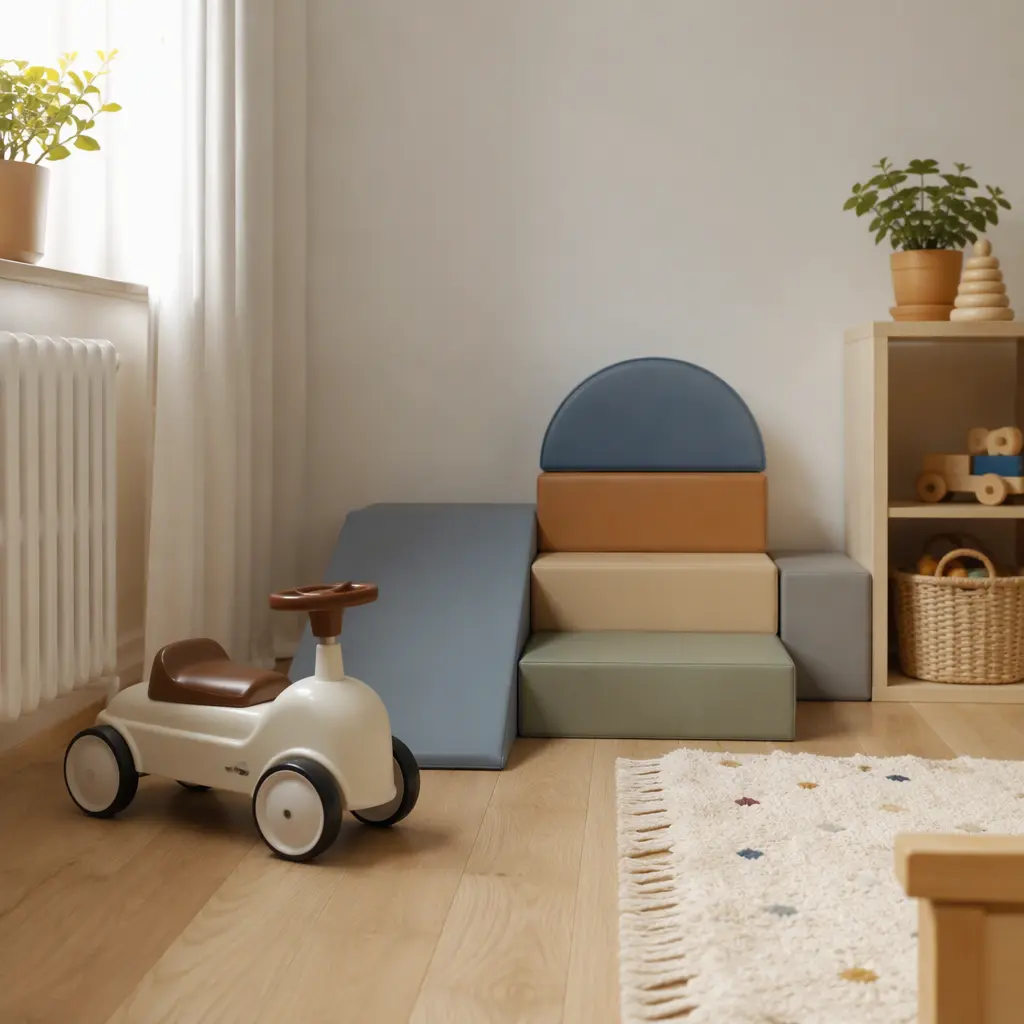
Soft climbing blocks are usually the quieter and more flexible option for shared indoor spaces. They encourage whole-body movement without requiring long running paths, which can make them easier to use in apartments or smaller homes. Many toddlers also return to them in different ways over time, using the same shapes for climbing, stacking, pretend play and obstacle courses. The trade-off is that larger foam sets can dominate a room visually, and active climbing often needs closer supervision than parents initially expect.
Ride-on toys tend to appeal to toddlers who enjoy constant movement and repetition. They support coordination, leg strength and directional movement, especially for confident walkers. They also create a clearer activity pattern: toddlers move from place to place rather than staying in one play zone. However, indoor ride-ons can become noisy on hard flooring, and collisions with walls or furniture are common during the early learning stage. Some families find ride-ons easier to tidy because they are a single object rather than multiple foam pieces, but they usually require uninterrupted floor space to feel useful.
- Choose soft climbing blocks if you want quieter play, flexible movement activities or a toy that works well in one contained area.
- Choose ride-on toys if your toddler already walks confidently and enjoys fast movement, pushing or scooting across rooms.
- Avoid large climbing sets if storage is already limited or if there is no safe open floor area available.
- Avoid bulky ride-ons in narrow apartments, homes with many hard furniture edges or spaces where noise carries easily.
- For shared sibling play, climbing blocks often support cooperative play more naturally than single-seat ride-ons.
Frequently asked questions
Which option is quieter for apartment living?
Soft climbing blocks are usually quieter than ride-on toys, especially on wood or laminate flooring. Foam absorbs impact better, while ride-on wheels can create repeated rolling and bumping sounds during active play.
Do toddlers lose interest in climbing blocks quickly?
Many toddlers use climbing blocks in different ways as their movement skills develop. Early crawling and climbing often turns into stacking, jumping games and pretend play later on. Smaller sets may feel repetitive sooner than modular sets with multiple shapes.
Are ride-on toys safe for new walkers?
Some low, stable ride-ons designed for beginners can suit new walkers, but speed and steering control develop gradually at this age. Toys that move too freely or tip easily may frustrate less confident toddlers indoors.
Which toy type is easier to store?
Compact ride-ons are simpler to move quickly into a corner, but they remain bulky single items. Foam climbing blocks can sometimes stack neatly, although larger sets still need dedicated storage space or permanent floor space.
Can these toys replace outdoor play?
Indoor active toys help toddlers stay moving during bad weather or limited outdoor time, but they do not fully replace outdoor experiences. Outdoor play usually offers more varied surfaces, larger movement opportunities and sensory experiences.
For most families, the better indoor energy toy comes down to space and daily routine rather than trends. Soft climbing blocks suit quieter, contained movement play and often adapt well as toddlers grow. Ride-on toys work best for confident movers with enough indoor room to scoot safely. Thinking through storage, supervision and household noise before buying usually leads to a more useful long-term choice than focusing only on novelty or appearance.