Do Smart Toys Really Teach Problem-Solving?
An evidence-based look at whether app-connected smart toys build problem-solving skills as well as hands-on classics for kids ages 9–12, with tips on what to look for.
Compare prices and availability
Check current prices and availability for this guide on eBay.
As an eBay Partner, we may be compensated if you make a purchase.
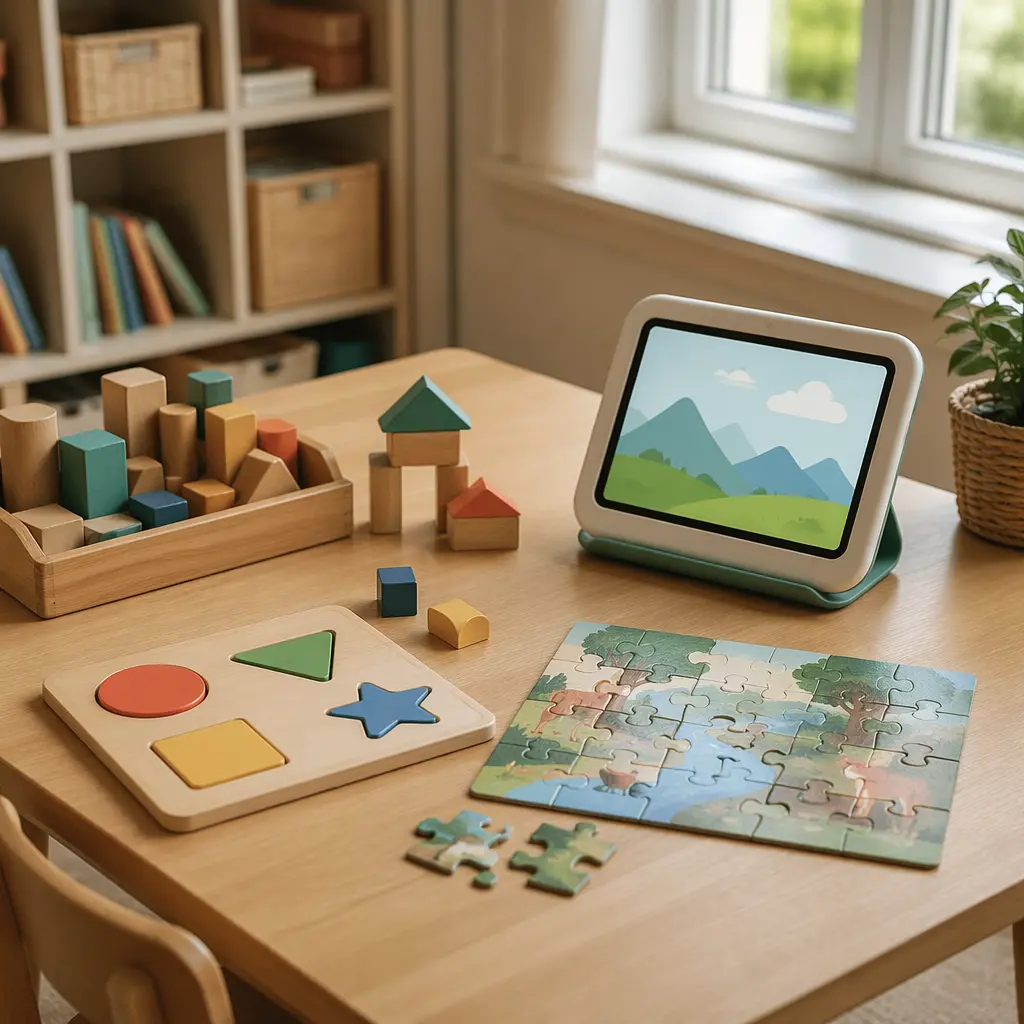
Parents shopping for educational toys often face a big question: do smart, app-connected toys actually teach problem-solving, or do classic hands-on toys do the job better? For kids ages 9–12, problem-solving skills are becoming more complex, involving planning, logic, persistence, and creative thinking. This guide looks at what research suggests, how different toy styles support learning, and how to choose toys that truly help kids think, not just tap.
What to look for
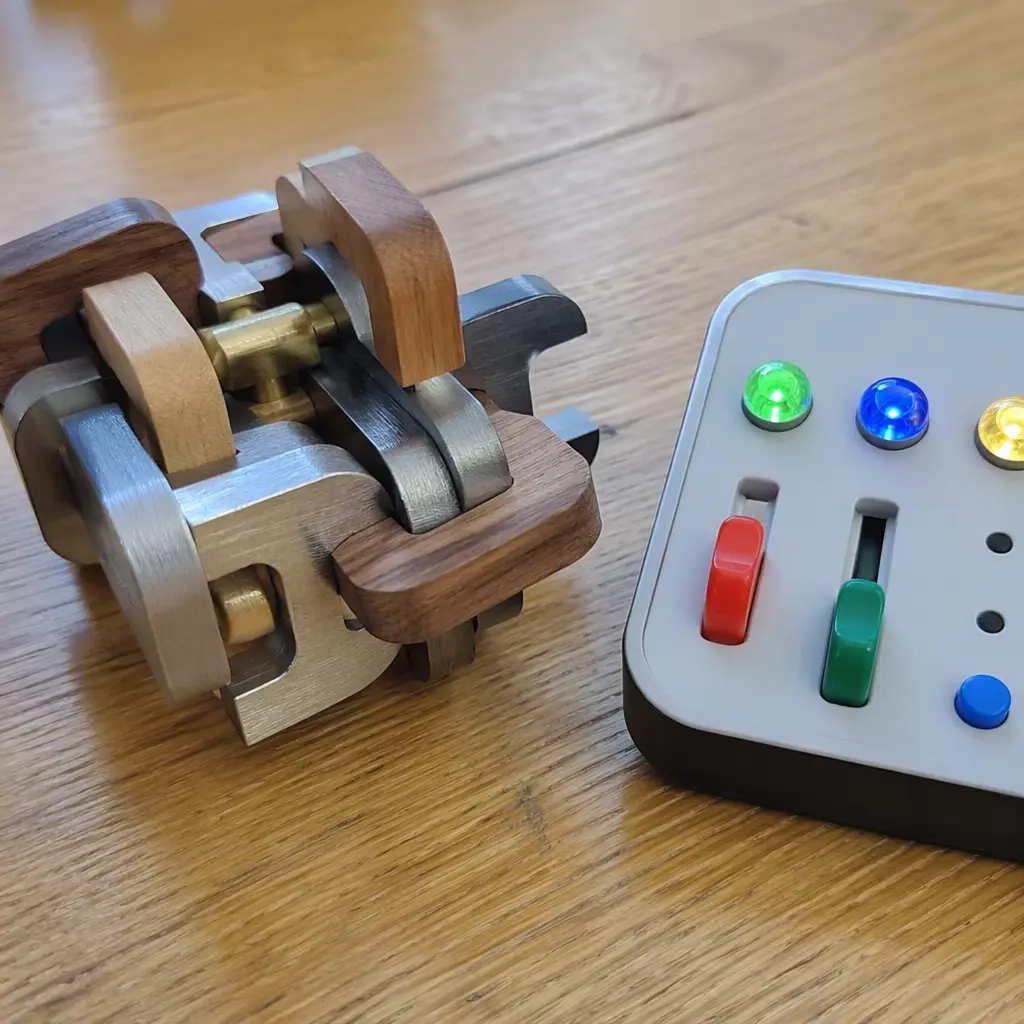
Problem-solving toys work best when they require kids to think actively rather than follow step-by-step prompts. Whether a toy is high-tech or low-tech, certain features matter more than flashy effects or connectivity.
- Open-ended challenges that allow more than one solution
- Opportunities for trial and error instead of instant correction
- A level of difficulty that can grow with the child
- Clear cause-and-effect relationships
- Minimal reliance on rewards, points, or constant hints
Age suitability
Between ages 9 and 12, kids are moving from concrete thinking toward more abstract reasoning. They can plan multiple steps ahead, test hypotheses, and reflect on what worked or failed. Toys aimed at this age group should respect that growing independence. Overly guided smart toys may feel babyish or limiting, while well-designed challenges can stretch attention spans and encourage persistence. Hands-on classics often naturally scale with age, while smart toys need adjustable difficulty settings to stay engaging.
Standout categories or types
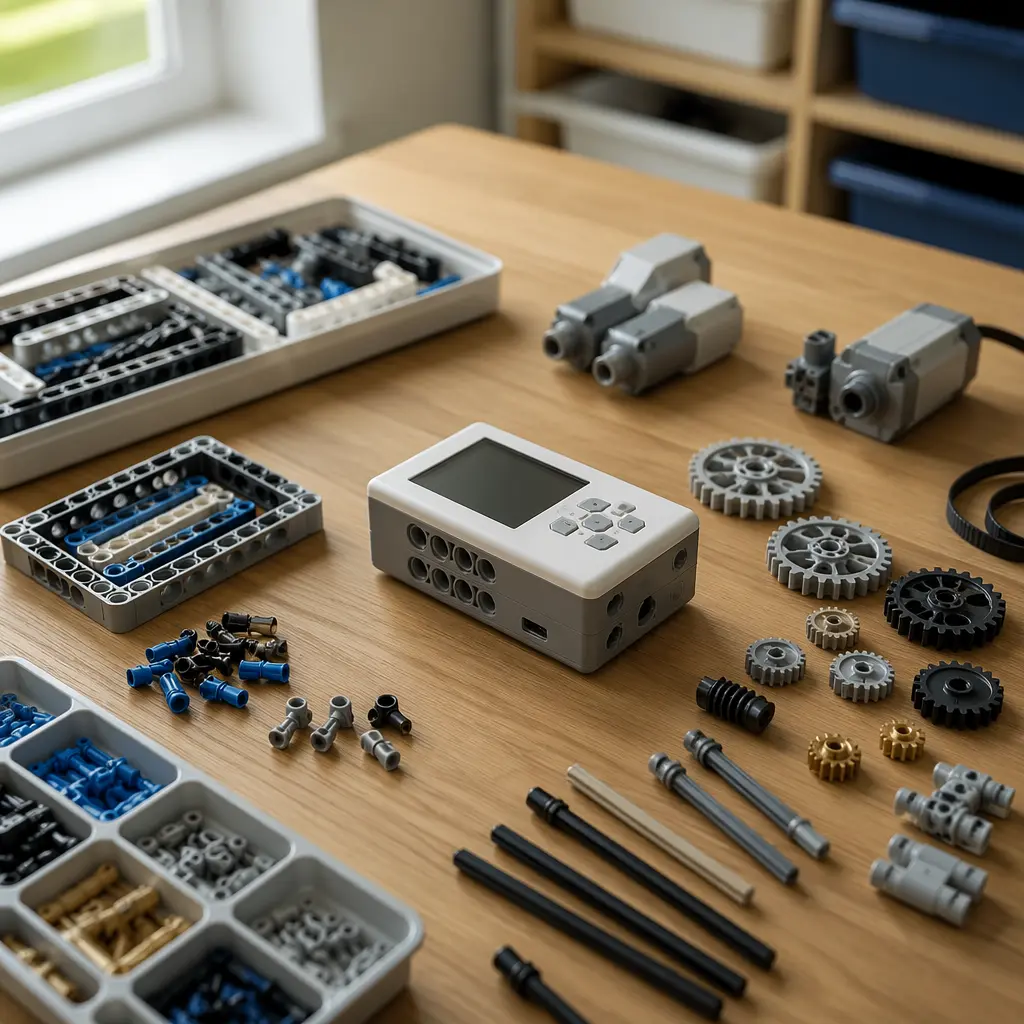
Smart toys often shine in areas where feedback and simulation matter. Coding-based toys, for example, can help kids learn sequencing, logic, and debugging. When designed well, they encourage kids to predict outcomes, test ideas, and revise their approach. The strongest options limit on-screen distractions and let kids control the pace.
Hands-on classics—such as construction sets, strategy games, and mechanical puzzles—tend to promote deeper focus. Research in child development suggests that physical manipulation supports spatial reasoning and long-term understanding. These toys also leave more room for imagination and self-directed challenges, which are key parts of real-world problem-solving.
Frequently asked questions
Are smart toys better because they use technology?
Not automatically. Technology can add value when it provides meaningful feedback or simulates complex systems. However, if a toy mainly entertains or walks kids through every step, it may limit independent thinking.
Do hands-on toys still matter for older kids?
Yes. For ages 9–12, hands-on toys remain important for developing planning skills, patience, and spatial reasoning. Many older kids enjoy increasing the difficulty themselves, which supports self-motivation.
What does research say about learning transfer?
Studies suggest that skills learned through play transfer best when the toy closely matches real-world thinking. Open-ended building and strategy play tend to transfer more easily than closed digital tasks focused on points or speed.
Can smart toys and classic toys work together?
Absolutely. A mix often works best. Smart toys can introduce concepts or systems, while hands-on toys let kids explore those ideas more deeply without screens.
In the end, problem-solving grows through challenge, curiosity, and practice. Smart toys can support those goals when thoughtfully designed, but they are not automatically better teachers. For many families, a balanced toy shelf—combining selective tech with rich hands-on play—offers the strongest foundation for confident, capable problem-solvers.