Are STEM Subscription Kits Worth the Cost for Tweens?
A parent-focused guide to STEM subscription kits for ages 9–12, comparing learning depth, value, and replayability so families can decide if monthly science and coding boxes fit their goals and budget.
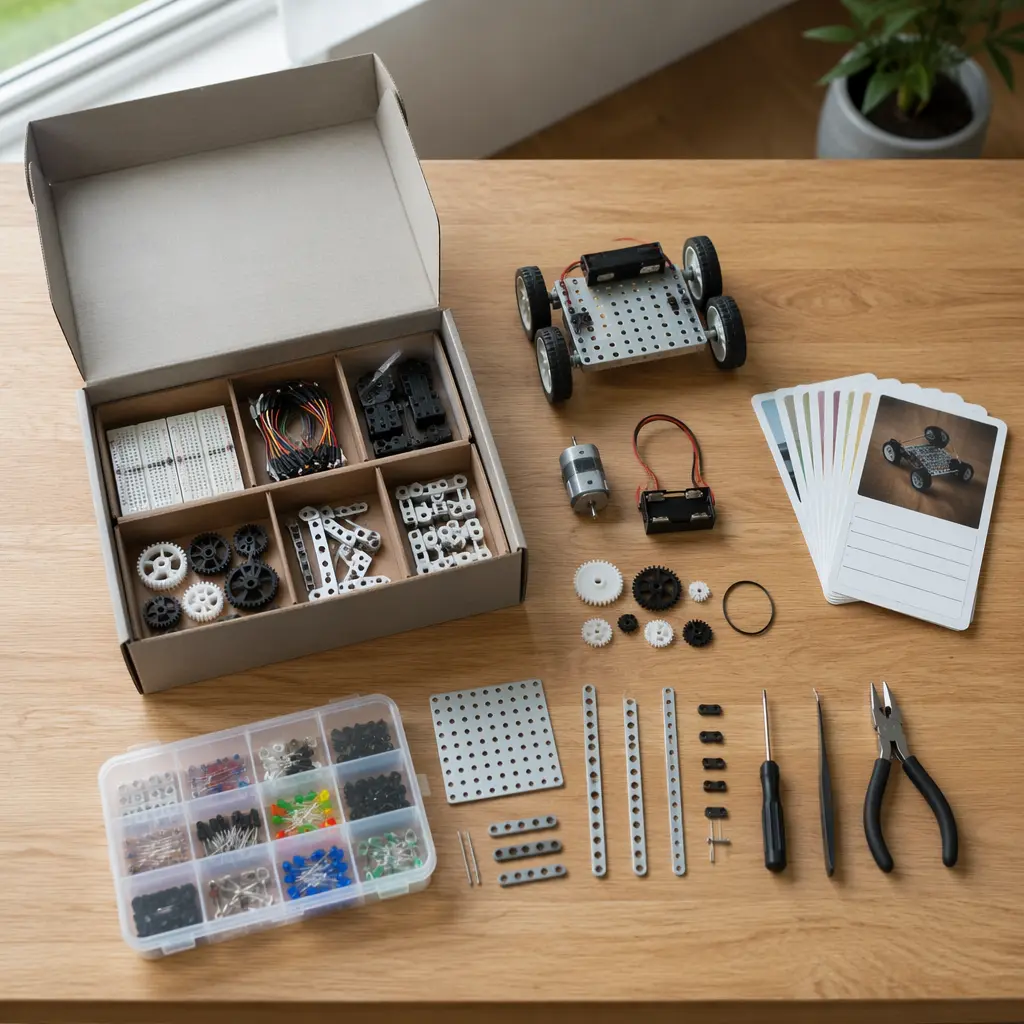
Compare prices and availability
Check current prices and availability for this guide on eBay.
As an eBay Partner, we may be compensated if you make a purchase.
STEM subscription kits promise hands-on learning delivered to your door, often with experiments or builds that line up with science, technology, engineering, and math skills. For tweens ages 9–12, the appeal is clear: projects feel grown-up, instructions are more detailed, and topics can range from chemistry to coding. The big question for parents is whether the ongoing cost matches the educational value and how long kids actually stay engaged once the box is opened.
What to look for
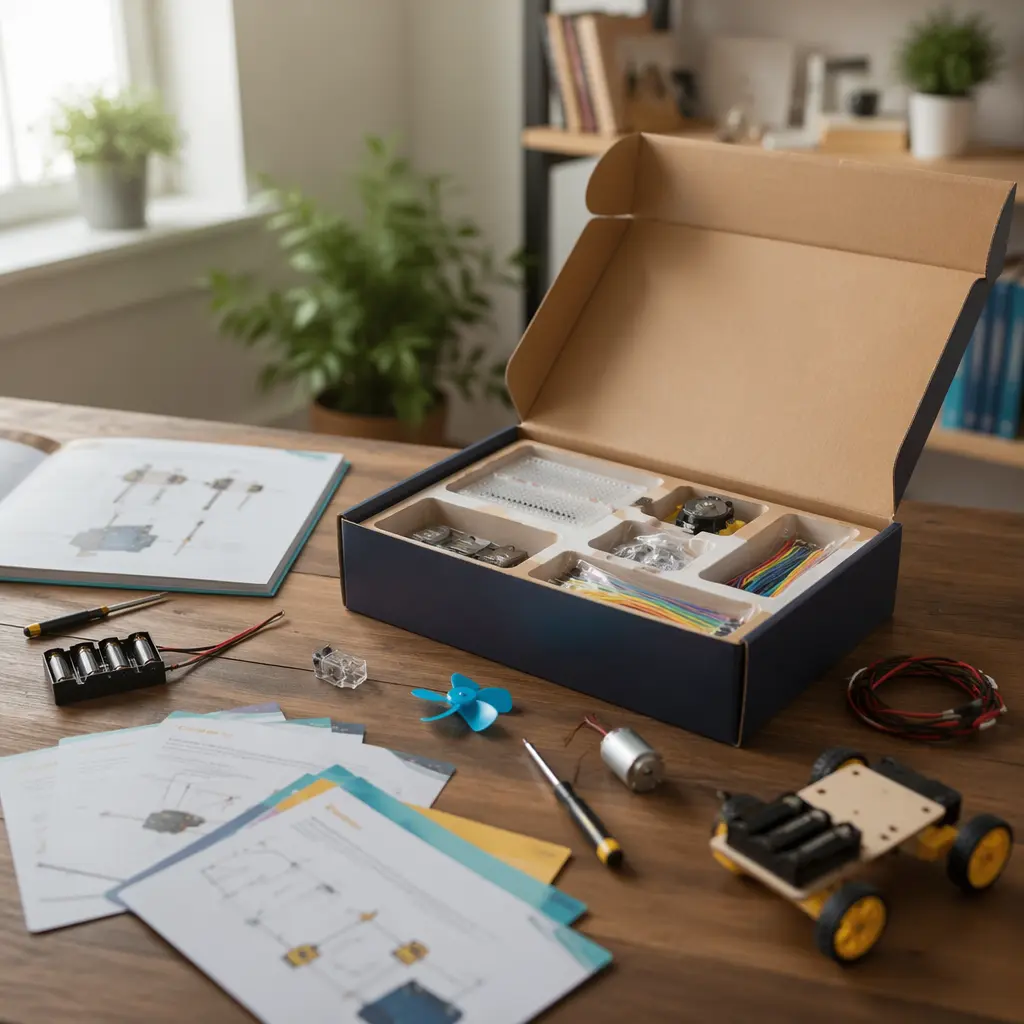
Not all STEM kits are built the same. Some emphasize fun over depth, while others aim to teach concepts that connect to school subjects. Looking closely at what’s included and how lessons are structured can help you judge whether a subscription makes sense for your child and your budget.
- Learning depth: Look for explanations that go beyond step-by-step instructions and explain why something works, not just how.
- Project length: Consider whether activities take an afternoon or stretch over several sessions, which often leads to better retention.
- Materials quality: Durable parts that can be reused tend to offer better long-term value.
- Skill progression: Kits that build on past concepts month to month often feel more meaningful than stand-alone activities.
- Support resources: Access to videos, diagrams, or troubleshooting tips can make a big difference for independent learners.
Age suitability
For tweens, age recommendations matter more than they might for younger kids. Ages 9–12 span a wide range of reading levels, math skills, and attention spans. A kit aimed at the lower end may feel too simple for an 11- or 12-year-old, while more advanced boxes can frustrate kids who are new to STEM concepts. Checking sample activities or preview pages can help you gauge whether the challenges will feel motivating rather than overwhelming.
Standout categories or types
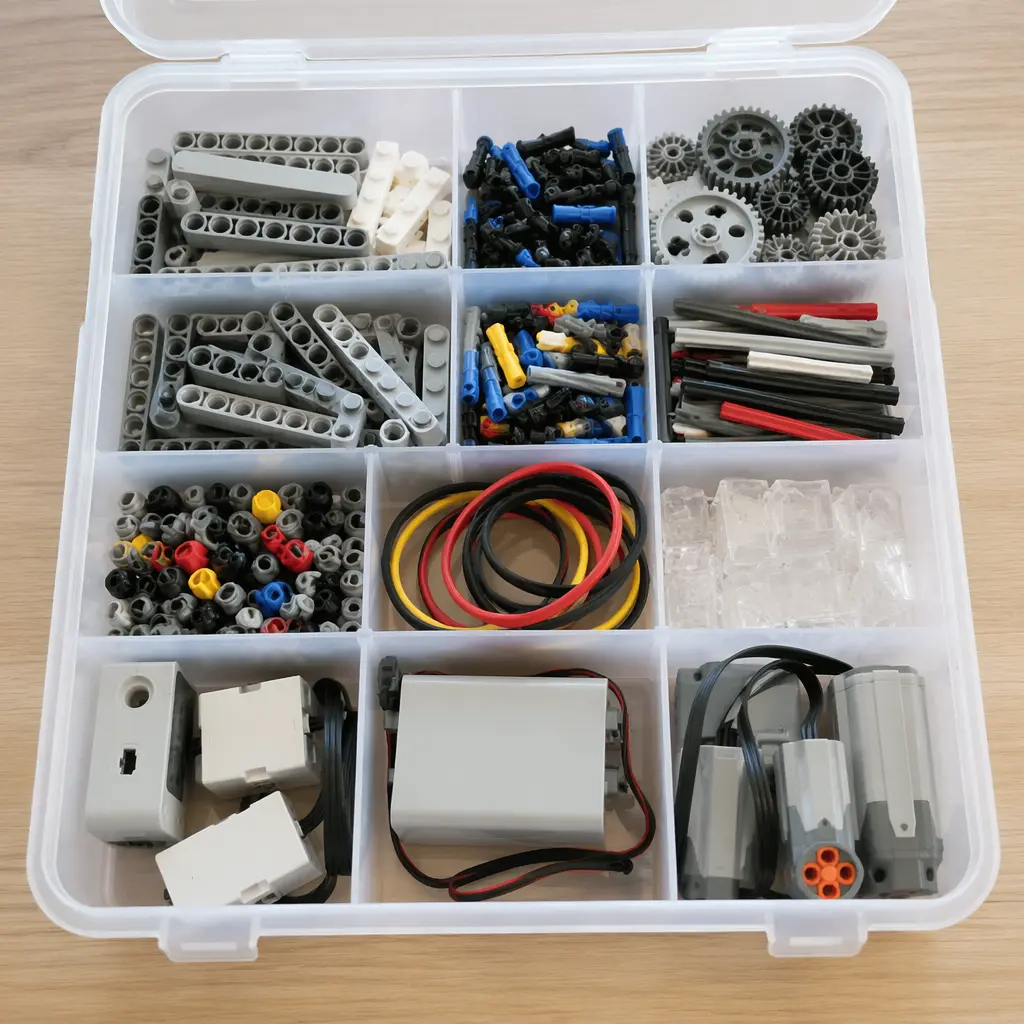
STEM subscription kits generally fall into a few broad categories, each with different strengths when it comes to value and replayability. Knowing which type matches your child’s interests can help avoid boxes that sit unused after the first build.
- Experiment-focused kits: Often centered on chemistry or physics concepts, these can be exciting but may have limited replay value once supplies are used.
- Engineering and building kits: These usually include reusable parts, making them better for repeated play and creative redesigns.
- Coding and logic kits: Some rely on screen-based components, while others use physical puzzles; both can build problem-solving skills over time.
- Mixed-topic kits: Covering a new subject each month, these are good for exploration but may not go deep into any single area.
From a cost perspective, subscriptions with reusable components and open-ended challenges tend to offer more lasting value. Kits that encourage kids to modify designs or invent their own experiments often stay relevant longer than single-use projects.
Frequently asked questions
Do STEM subscription kits replace school learning?
These kits are best seen as a supplement, not a replacement. They can reinforce concepts taught in school and spark interest, but they typically don’t follow a formal curriculum closely enough to stand alone.
Are they worth the monthly price?
Value depends on how engaged your child is and how often the materials get reused. If projects are completed once and forgotten, the cost can feel high. Reusable kits or those with multi-week challenges usually stretch the value further.
How much adult involvement is needed?
Most tween-focused kits aim for independence, but younger tweens or beginners may need help with setup and troubleshooting. Over time, many kids become more self-sufficient as they learn the basics.
What if my child loses interest after a few months?
Look for subscriptions with flexible plans or easy cancellation. Sampling a single box or a short-term plan can help you test interest without committing long-term.
STEM subscription kits can be a worthwhile investment for tweens who enjoy hands-on challenges and problem-solving. The key is matching the kit’s depth, format, and cost to your child’s interests and learning style. With the right fit, these boxes can offer more than novelty—they can become a meaningful part of how kids explore science and technology at home.