Connected STEM Kits With the Lowest Ongoing Costs
Compare connected STEM kits for ages 9–12 with a focus on subscriptions, refill packs, app dependence and long-term value before buying.
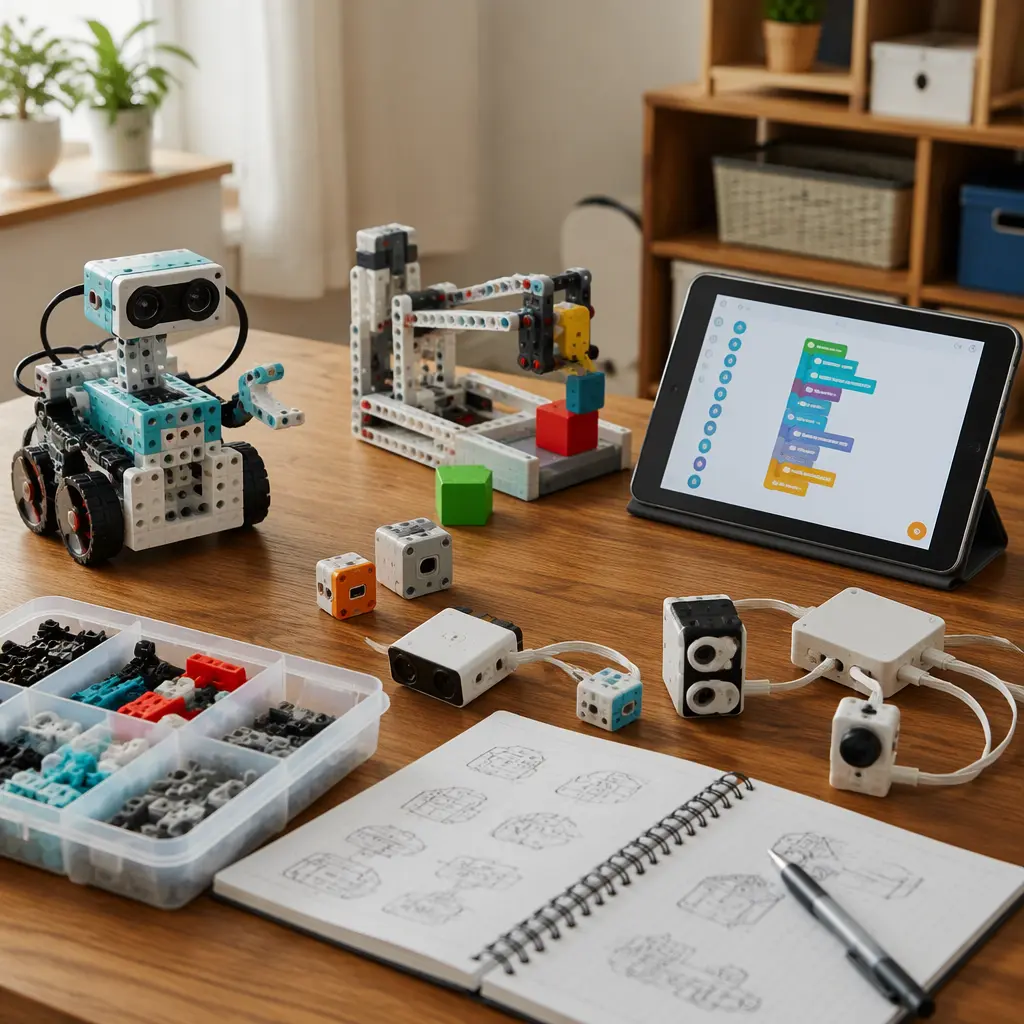
Compare prices and availability
Check current prices and availability for this guide on eBay.
As an eBay Partner, we may be compensated if you make a purchase.
Connected STEM kits can look affordable at first and become expensive later through app subscriptions, replacement consumables, cloud features or paid lesson libraries. For families shopping for ages 9–12, the long-term cost matters as much as the starter box. Some kits continue working offline for years with standard craft supplies or reusable electronics, while others depend heavily on accounts, app support or recurring purchases. Before buying, it helps to separate genuine learning tools from products that mainly lock advanced features behind ongoing payments.
What to look for
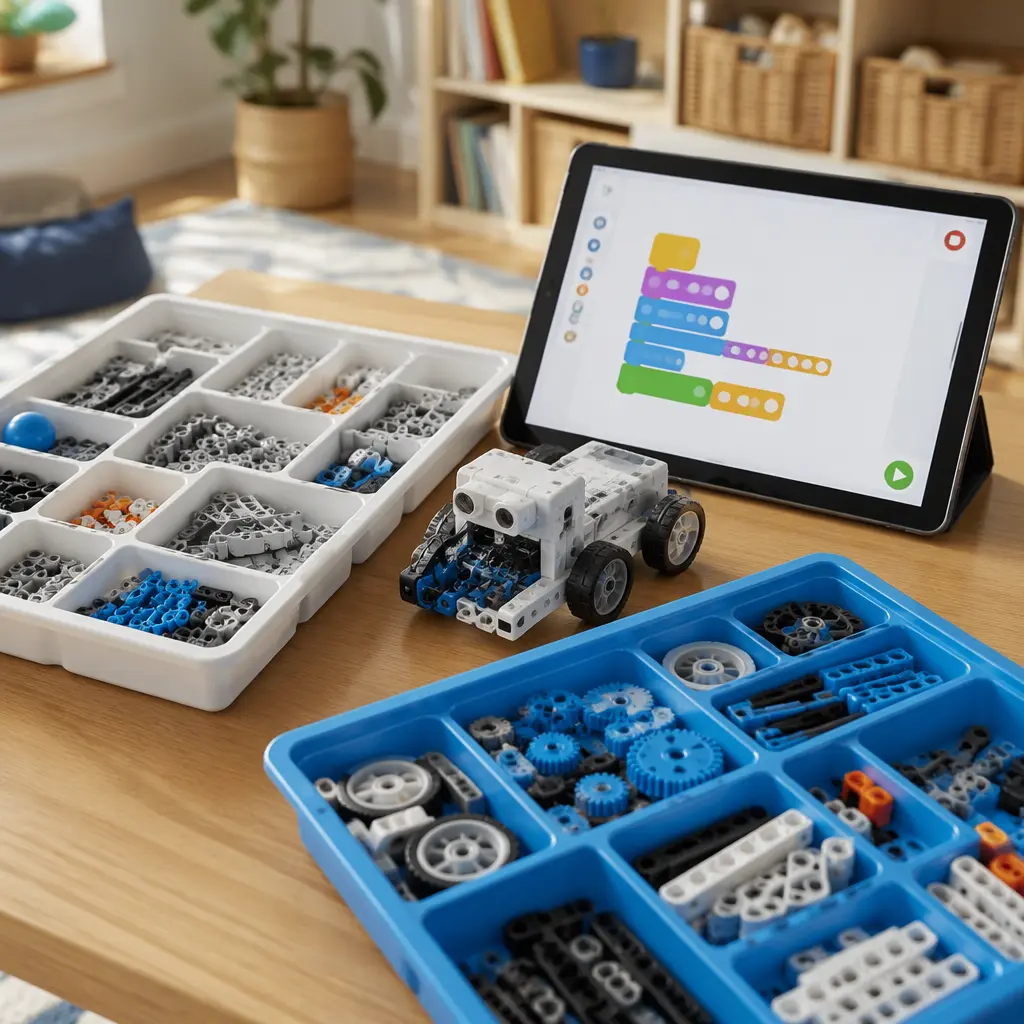
The cheapest connected STEM kit over time is usually the one that keeps working without paid upgrades. Families should check whether the app is optional or essential, whether projects can be saved locally, and whether the kit still functions if cloud services eventually close. Some manufacturers position subscriptions as bonus content, while others place core coding lessons, multiplayer features or AI tools behind monthly plans. Refill packs can also change the true cost, especially for chemistry, electronics or craft-based kits.
- Check whether the core lessons and coding tools work without a subscription after setup.
- Look for reusable components instead of single-use experiment materials or branded refill packs.
- Confirm device compatibility across iOS, Android, Windows or Chromebook before buying.
- See whether the kit stores projects locally or depends on cloud accounts and internet access.
- Review parental controls, account requirements and whether microphones or cameras are built into companion apps or robots.
- Consider storage needs for loose parts, motors, wires and sensors that are easy to lose.
- Look for active offline play value so the kit remains useful even if app support changes later.
- Watch for hidden costs such as batteries, replacement sensors, expansion packs or multiplayer subscriptions.
Age suitability
For ages 9–12, connected STEM kits work best when they balance guided learning with room for experimentation. Children in this age group can usually handle beginner coding systems, modular electronics and structured engineering challenges independently after initial setup. Kits that rely entirely on touchscreen instructions may feel limiting after the novelty wears off, while open-ended robotics and coding systems often stay interesting longer. Parents should also consider attention span and frustration tolerance. Some advanced robotics kits promise sophisticated programming but require substantial troubleshooting, firmware updates or adult help. Simpler systems with clear tutorials may deliver more consistent value for families who want independent play rather than a parent-managed project.
Options compared
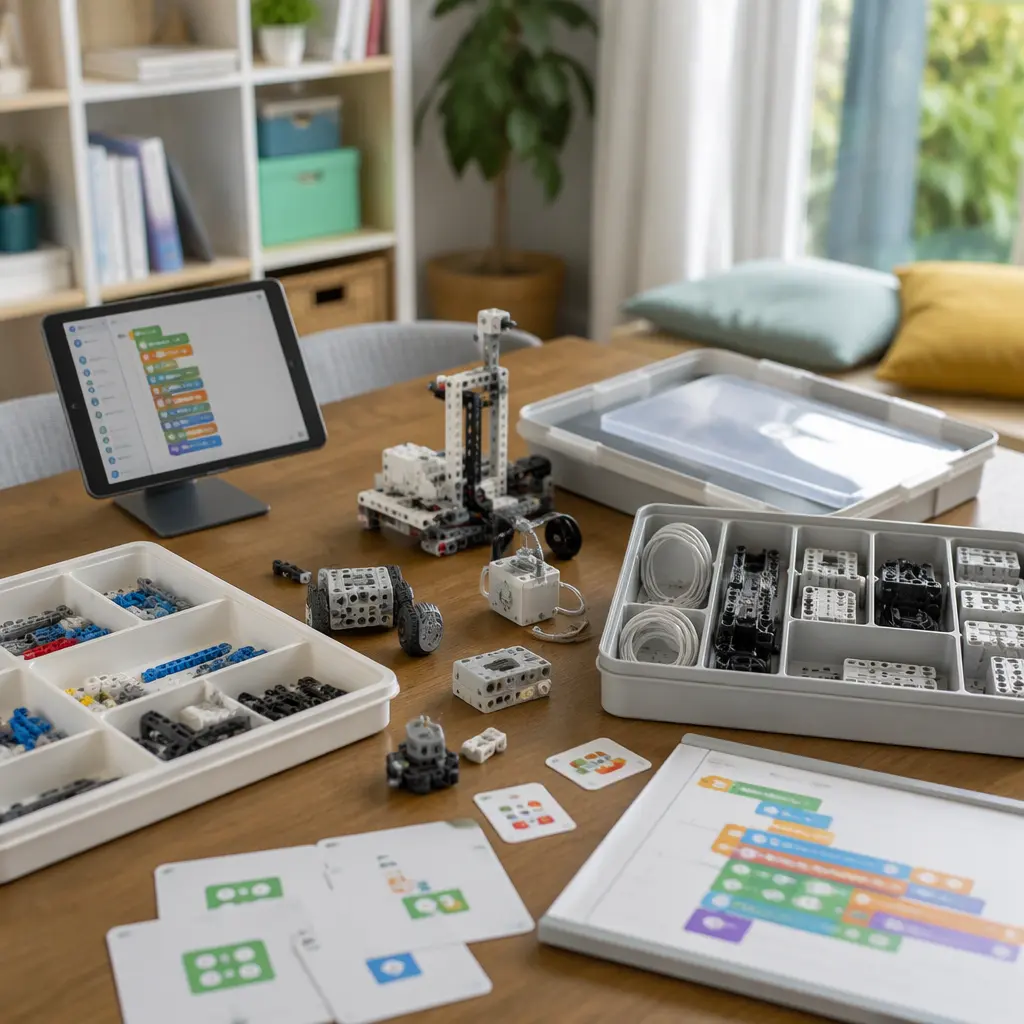
Robotics kits usually offer the strongest long-term value when they include reusable motors, sensors and programmable blocks without mandatory subscriptions. Systems from brands such as LEGO Education, Sphero or Makeblock often use expandable hardware that can support years of projects if the companion apps remain supported. However, some advanced lessons, coding paths or classroom-style content libraries may require paid accounts. These kits tend to suit children who enjoy engineering challenges and iterative building rather than quick experiments.
Coding subscription boxes work differently. Many provide monthly projects, electronic components or game-building lessons that arrive regularly after the starter kit. These can keep engagement high but may become costly over a year. Families who prefer predictable spending may be better served by a one-time programmable robot or electronics platform with free online resources. Chemistry and science experiment kits can also create ongoing costs through refill chemicals, disposable materials or proprietary cartridges. They suit children who enjoy guided experiments but are less practical for households focused on long-term reuse and low clutter.
- Reusable robotics kits: Higher upfront cost, lower long-term cost if subscriptions are optional; best for children who enjoy sustained building projects.
- Coding tablets and app-led systems: Often easy to start but may depend heavily on subscriptions or cloud services.
- Electronics and circuit kits: Good value when they use standard components that work beyond the official app.
- Science experiment kits with consumables: Engaging but usually create repeat refill costs and more supervision needs.
- AI-enabled coding companions: Some include chat or voice features powered through cloud accounts, which may require ongoing service support or usage limits.
Frequently asked questions
Are subscriptions necessary for connected STEM kits?
Not always. Some manufacturers include optional lesson libraries or extra coding challenges through subscriptions while keeping the main hardware functional without payment. Others restrict important features, project saving or advanced tutorials unless a subscription remains active. Reading the app details before purchase is important because the packaging may emphasize the starter experience rather than the long-term costs.
Do connected STEM kits still work offline?
Many robotics and coding kits can continue operating offline after setup, especially those using Bluetooth connections and downloadable software. However, some rely on cloud logins, online coding environments or internet-based AI features. If offline use matters, look for kits that advertise local programming or downloadable lesson content.
What hidden costs should parents expect?
Beyond subscriptions, common extra costs include replacement batteries, rechargeable packs, refill materials, expansion modules and device upgrades if the app stops supporting older tablets. Some kits also encourage purchasing themed add-ons to unlock additional projects. Storage containers may also become necessary for larger systems with many loose parts.
Are AI STEM toys different from standard coding kits?
Yes. Standard coding kits usually follow fixed commands and sensor-based interactions, while AI-focused products may use cloud processing, voice recognition or adaptive responses. Those features can add conversational learning or smarter feedback, but they also increase dependence on internet services, account systems and long-term software support.
Which type usually offers the best long-term value?
For many families, modular robotics or electronics kits with reusable parts and free coding software provide the lowest ongoing costs. They can grow with a child's skills without requiring constant purchases. Subscription-based systems may still suit children who benefit from structured monthly projects and regular motivation, but they are usually more expensive over time.
A connected STEM kit can still be a good value purchase if the ongoing costs are clear from the start. The strongest options for ages 9–12 combine reusable hardware, flexible coding tools and meaningful offline play without locking core functions behind subscriptions. Looking beyond the starter price helps families choose a kit that remains useful after the first few projects instead of becoming another abandoned app-dependent gadget.