Easy Electronic Kits for Kids New to Circuits
A parent-focused guide to beginner electronic kits for ages 9–12, explaining what to look for, age fit, safety notes, and common questions to help families choose hands-on circuit toys that teach step by step.
Compare prices and availability
Check current prices and availability for this guide on eBay.
As an eBay Partner, we may be compensated if you make a purchase.
Electronic kits designed for kids can turn abstract ideas like electricity and logic into something tangible. For children who are new to circuits, the best kits focus on hands-on building and clear, step-by-step explanations rather than complex theory. This guide breaks down what parents should know when choosing an easy electronics kit for ages 9–12, including features that support learning, age fit, and common questions.
What to look for
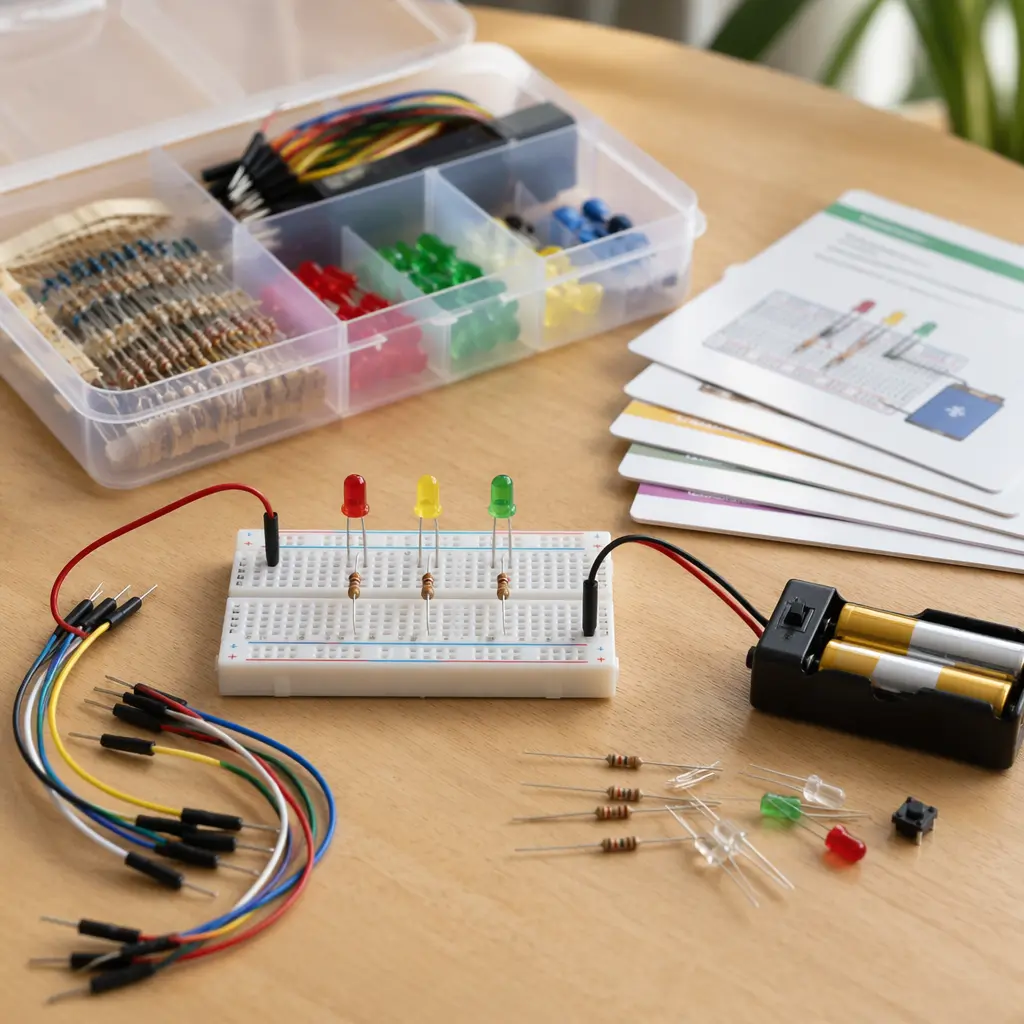
Beginner-friendly electronic kits should reduce frustration while still explaining how things work. The goal is to help kids succeed early, then gradually introduce new ideas as confidence grows. Clear instructions and thoughtfully chosen parts make a big difference.
- Step-by-step instructions that build one concept at a time, often with diagrams or color-coding
- Tool-free or low-tool assembly, such as snap-together parts or pre-cut wires
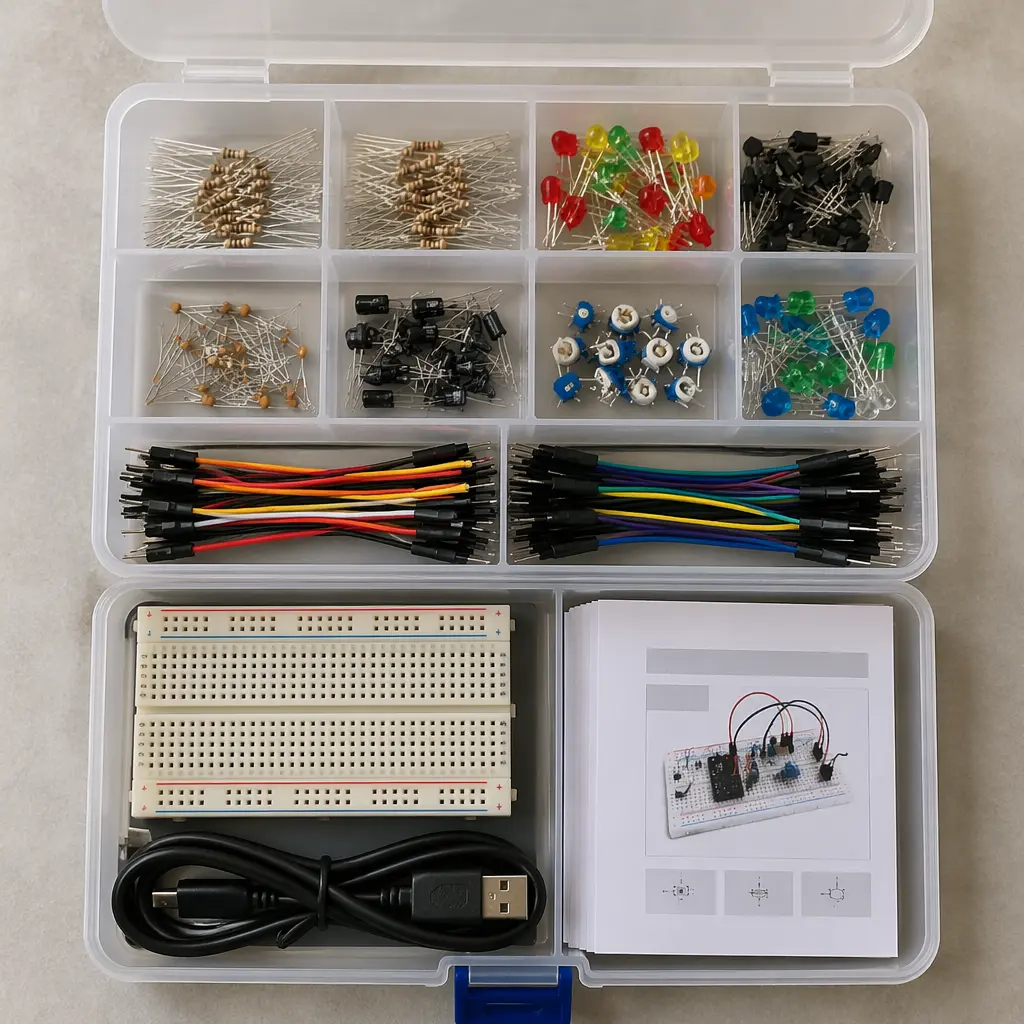
- Core components like LEDs, resistors, switches, and simple sensors, without overwhelming extras
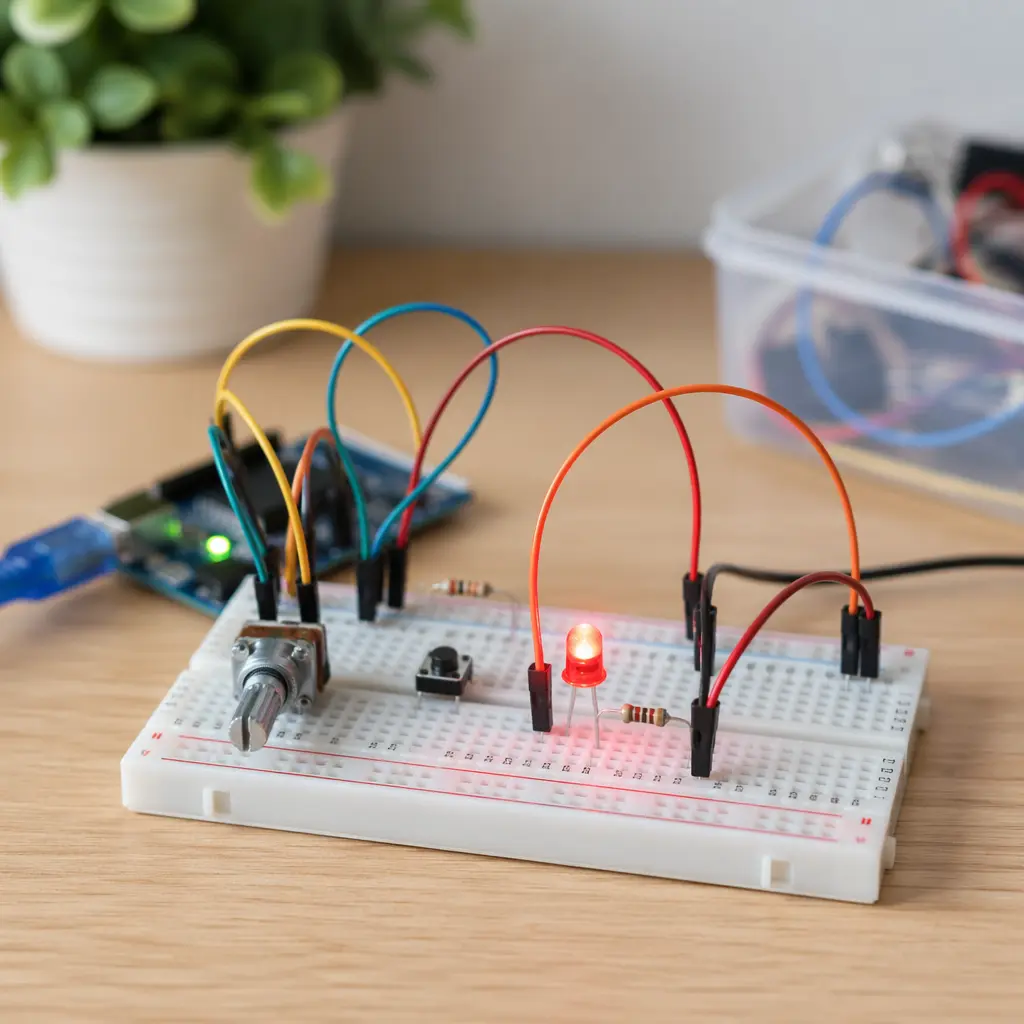
- Projects that visibly respond, such as lights turning on or buzzers sounding, so kids can see results right away
- Durable parts and a storage box to keep small components organized between sessions
Age suitability
Most easy electronic kits are well suited for children ages 9–12, when fine motor skills and reading comprehension are strong enough to follow multi-step instructions. Younger kids may enjoy exploring alongside an adult, while older beginners often appreciate kits that include optional challenges. When checking age ranges, look beyond the number on the box and consider your child’s patience, interest in how things work, and comfort with small parts.
Standout categories or types
Not all beginner electronics kits teach in the same way. Some emphasize free exploration, while others follow a structured path. Understanding the main categories can help you match a kit to your child’s learning style.
- Snap-circuit style kits: Components connect without tools, making it easy to focus on concepts instead of wiring mistakes
- Breadboard-based kits: Introduce real-world circuit building and are a common next step after snap-style systems
- Project-led kits: Each build is tied to a specific goal, such as a simple alarm or light sensor, with explanations along the way
- Coding-adjacent kits: Blend basic electronics with simple programming concepts for kids ready to explore both
Frequently asked questions
Do kids need prior knowledge of electronics?
No prior experience is usually required. Kits labeled for beginners typically assume no background and explain terms like current, circuits, and polarity as they appear. Reading ability and willingness to follow directions matter more than technical knowledge.
Are these kits safe for home use?
Beginner kits use low-voltage power sources, such as small batteries, which are considered safe when used as directed. Parents should still review instructions, supervise early projects, and store small parts out of reach of younger siblings.
How long does a typical project take?
Simple builds can take 15–30 minutes, while more involved projects may stretch over an hour or more. Many kits are designed so kids can pause and return later without losing progress.
Will one kit last, or will kids outgrow it quickly?
The most flexible kits allow parts to be reused in new combinations, extending play value. Look for kits that include challenge ideas or open-ended builds once the basics are mastered.
Easy electronic kits can be a practical way to introduce kids to STEM concepts through doing rather than watching. By focusing on clear instructions, age-appropriate challenges, and safe design, parents can choose kits that support curiosity and build confidence as children learn how circuits really work.