Are Programmable Toys Worth It for Tweens?
A buyer-focused guide for parents on programmable toys for ages 9–12. Learn what skills they build, how screen-light options work, and what to look for before buying.
Compare prices and availability
Check current prices and availability for this guide on eBay.
As an eBay Partner, we may be compensated if you make a purchase.
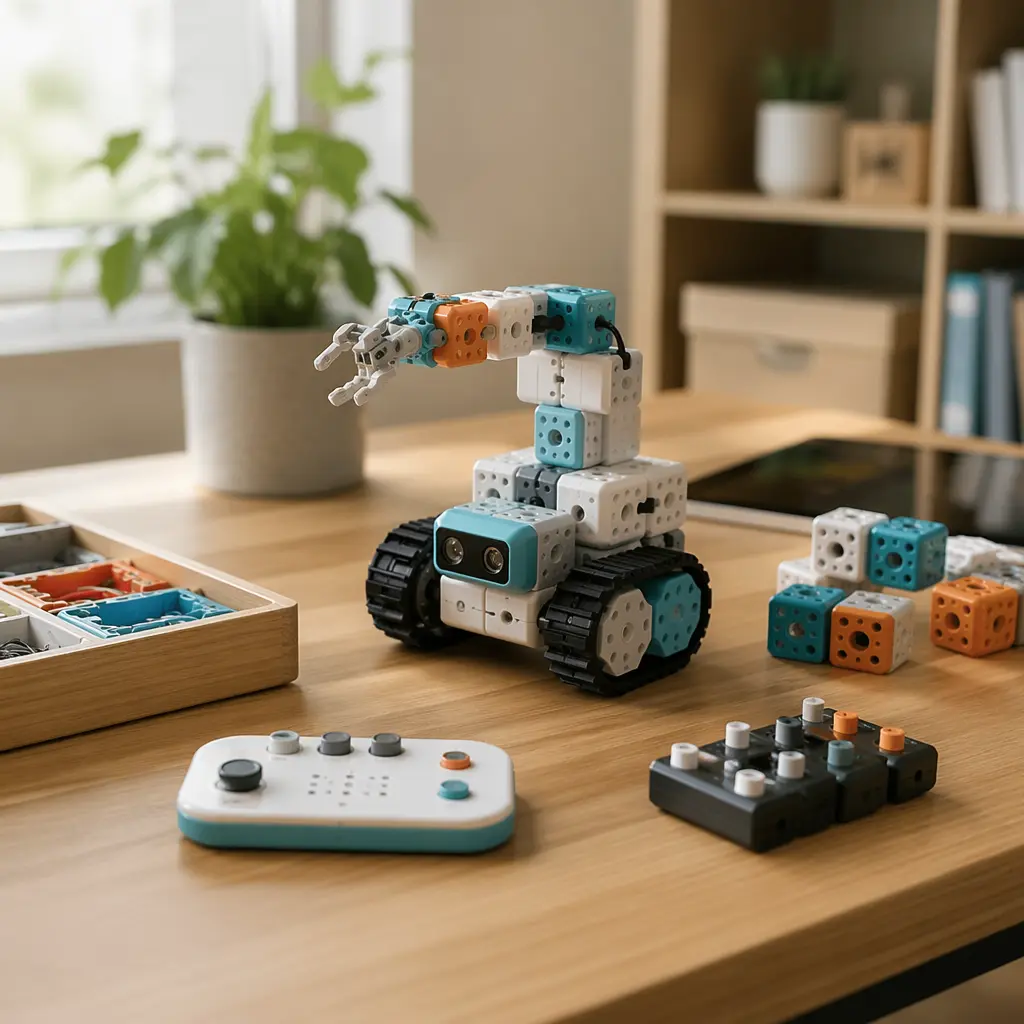
Programmable toys for tweens sit in a sweet spot between simple building toys and full-on coding classes. For ages 9–12, these toys promise hands-on problem solving, creativity, and early computer science thinking—often with little or no screen time. But not every tech-forward toy delivers the same learning value. Understanding what these toys actually teach, and how they fit a child’s interests and maturity level, can help parents decide whether they’re worth the investment.
What to look for
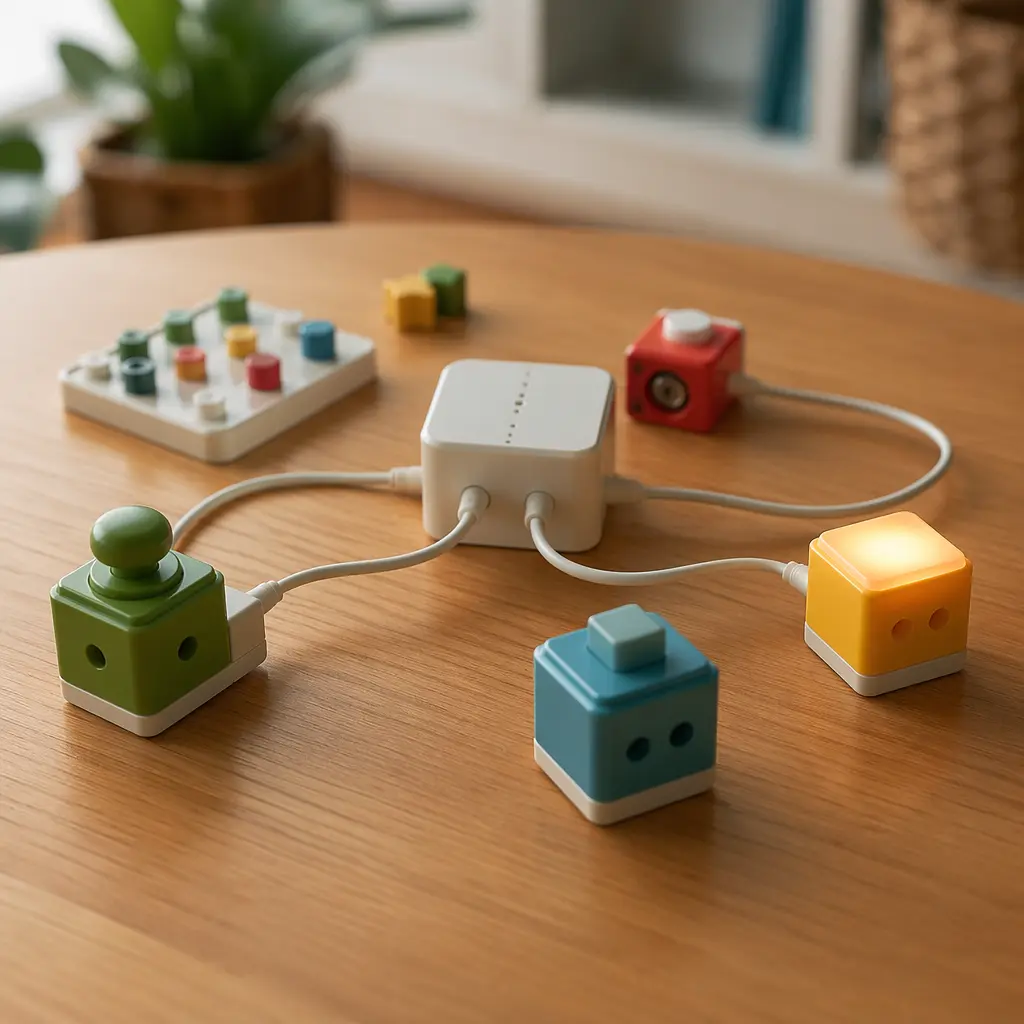
Programmable toys vary widely in complexity and approach. Some focus on physical coding using buttons or blocks, while others emphasize engineering challenges or logic puzzles. When comparing options, look beyond marketing claims and consider how the toy encourages thinking, experimentation, and persistence.
- Clear cause-and-effect: Kids should be able to predict what their code or setup will do and see results right away.
- Progressive challenges: Look for systems that grow in difficulty so interest lasts beyond the first week.
- Minimal screen reliance: Many strong options use physical pieces or simple interfaces instead of tablets or phones.
- Open-ended play: Toys that allow multiple solutions encourage creativity more than single-answer puzzles.
- Durability and organization: Sturdy parts and storage solutions matter for repeated use.
Age suitability
For tweens, programmable toys should strike a balance between guidance and independence. Children in this age range can follow multi-step instructions, debug mistakes, and stick with longer projects. Toys aimed at younger kids may feel repetitive, while advanced kits can be frustrating without prior experience. Check age recommendations, but also consider your child’s patience, interest in problem solving, and comfort with trial and error.
Standout categories or types
Programmable toys for tweens generally fall into a few broad categories, each emphasizing different skills. Choosing the right type depends on what motivates your child and how they like to learn.
- Physical coding toys: Use buttons, cards, or blocks to create sequences without a screen, reinforcing logic and planning.
- Robotics and movement kits: Focus on engineering concepts, gears, sensors, and motion through hands-on building.
- Logic and puzzle systems: Emphasize computational thinking through challenges that must be solved step by step.
- Creative maker sets: Combine programming with art, music, or storytelling to appeal to kids who enjoy self-expression.
Screen-light options can be especially appealing for families trying to limit device time. These toys show that coding concepts don’t require a keyboard—patterns, sequencing, and debugging can all be learned through physical interaction.
Frequently asked questions
Do programmable toys really teach coding?
They teach the foundations of coding rather than specific programming languages. Skills like sequencing, loops, conditionals, and debugging are introduced in age-appropriate ways that transfer well to later computer-based learning.
Are screen-free or screen-light toys as effective as app-based ones?
Yes, especially for beginners. Physical interaction can make abstract ideas more concrete, helping kids understand concepts without the distraction of games or notifications.
How long do kids typically stay interested?
Interest lasts longer when the toy offers new challenges and multiple ways to play. Open-ended systems tend to be revisited more often than single-project kits.
Do these toys require prior STEM experience?
Most are designed for beginners and include guided introductions. Curiosity and willingness to experiment matter more than prior knowledge.
Programmable toys can be worth it for tweens when they match a child’s interests and provide room to grow. For families seeking educational value without extra screen time, well-designed programmable toys offer a practical way to build problem-solving skills while keeping play hands-on and engaging.