Screen‑Free STEM Toys That Teach Real Skills (Ages 9–12)
A parent guide to hands‑on STEM toys for ages 9–12 that build logic, engineering, and problem‑solving skills—no screens or apps required.
Compare prices and availability
Check current prices and availability for this guide on eBay.
As an eBay Partner, we may be compensated if you make a purchase.
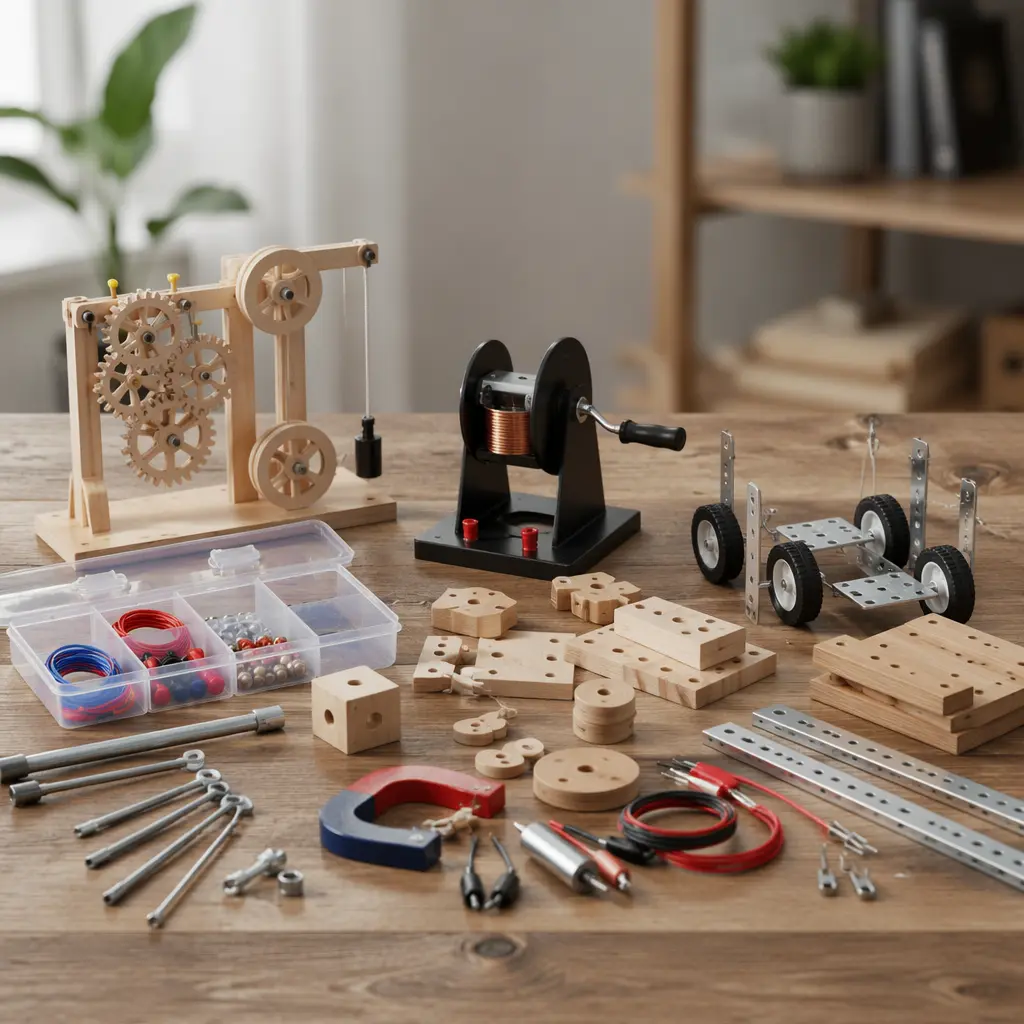
For kids ages 9–12, the best STEM toys often look less like gadgets and more like toolkits. Screen‑free STEM toys focus on hands‑on building, experimenting, and problem‑solving—skills that support math, science, and engineering learning without relying on apps or tablets. These toys encourage kids to test ideas, make mistakes, and try again, all while keeping attention on the physical world.
What to look for
Not all STEM toys teach the same skills. When shopping for a screen‑free option for upper‑elementary kids, it helps to focus on toys that challenge thinking while remaining age‑appropriate and engaging over time.
- Open‑ended design: Kits that allow multiple builds or solutions encourage creativity and deeper understanding.
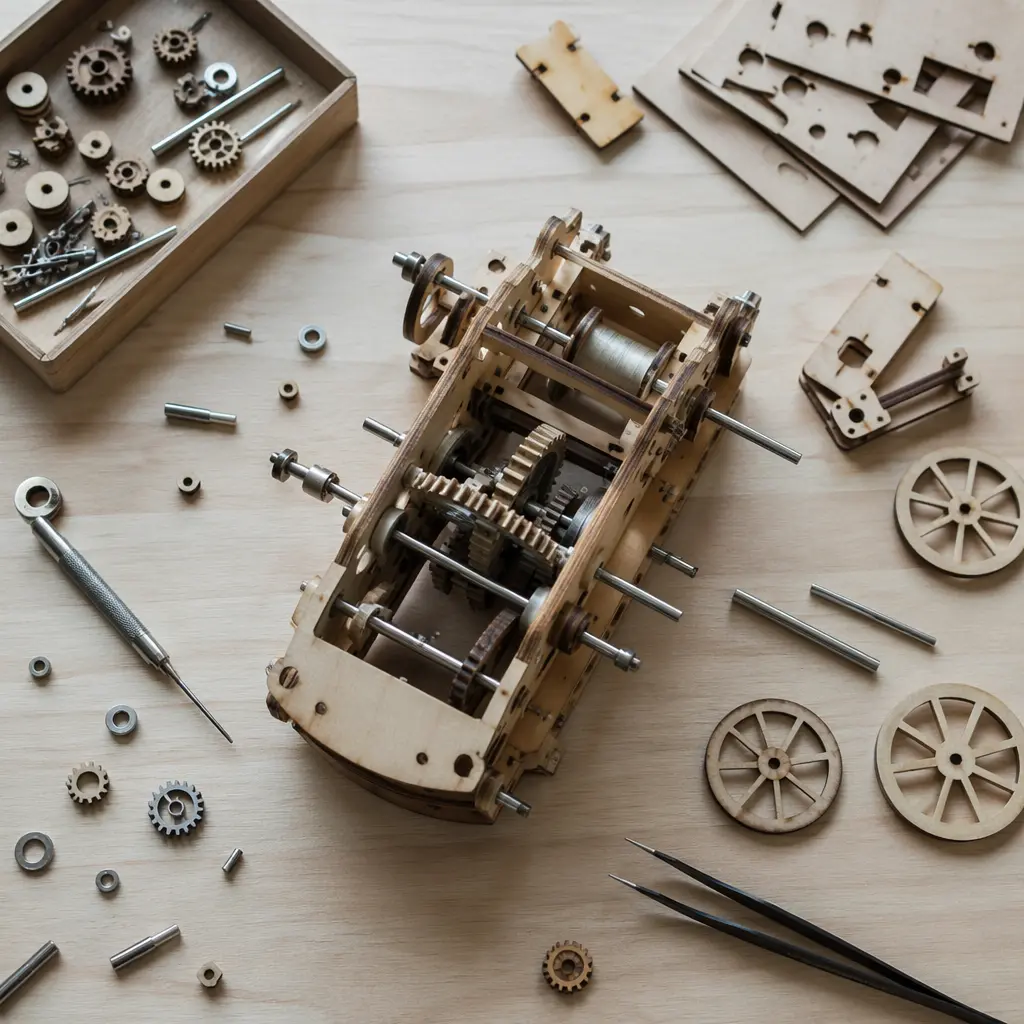
- Real materials: Wood, metal, magnets, and simple tools help kids learn how real systems work.
- Progressive difficulty: The best toys start simple and add complexity as skills improve.
- Clear instructions with room to experiment: Diagrams and guides should support learning without limiting exploration.
- Durability and reusability: Strong parts that can be taken apart and rebuilt extend play value.
Age suitability
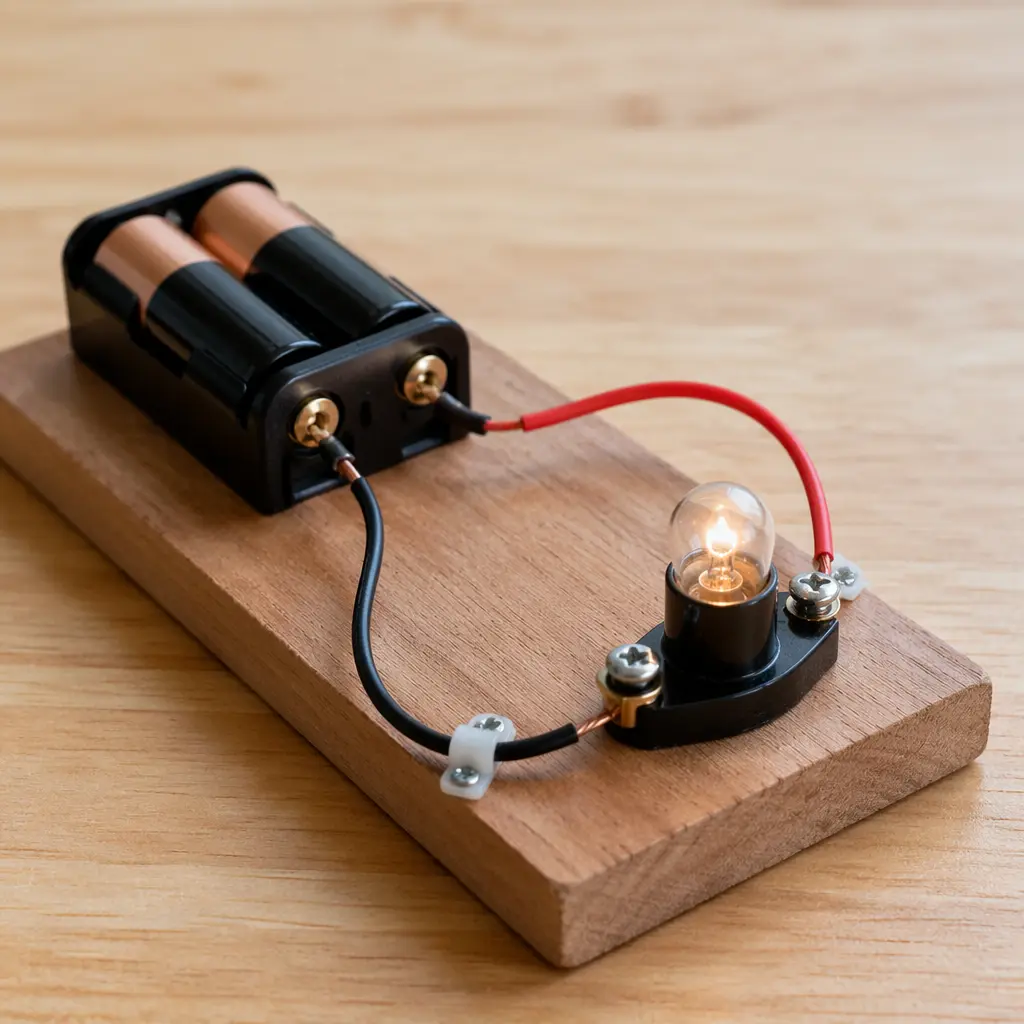
Kids ages 9–12 are ready for STEM toys that involve planning, measuring, and multi‑step problem‑solving. At this stage, toys can introduce basic engineering concepts like leverage, circuitry, or structural balance without overwhelming instructions. Many children in this age band enjoy projects that take more than one sitting to complete, especially when the end result actually moves, lights up, or performs a task. Parent involvement is usually minimal, but some kids may appreciate help getting started.
Standout categories or types
Screen‑free STEM toys for this age group generally fall into a few categories, each supporting different learning goals. Mechanical building kits teach cause and effect through gears, pulleys, and linkages. Construction‑focused sets emphasize structural strength, symmetry, and planning. Science experiment kits introduce concepts like energy, motion, and chemistry using safe, repeatable activities.
Logic and strategy games are another strong option. These often use physical pieces to present puzzles that require sequencing, pattern recognition, or deductive reasoning. Unlike digital games, kids can manipulate the components directly and see how small changes affect the outcome. Many parents find these toys easy to integrate into family time or independent play without screen distractions.
Frequently asked questions
Do screen-free STEM toys still teach coding concepts?
Yes. Many screen‑free toys teach the foundations of coding through sequencing, logic, and problem‑solving. Physical puzzles and programmable‑style building systems help kids understand how instructions and conditions work without writing digital code.
Are these toys suitable for school use or homeschooling?
Most hands‑on STEM kits work well in classrooms or home learning settings. They encourage active participation, collaboration, and discussion, making them useful for reinforcing science and math concepts outside traditional worksheets.
How long do kids usually stay interested?
Interest varies by child, but toys with multiple challenges or rebuild options tend to last longer. Open‑ended kits often grow with a child’s skills, offering new ways to play months after the first build.
Do these toys require prior STEM knowledge?
No prior experience is needed. Most screen‑free STEM toys are designed to introduce concepts gradually, using hands‑on learning rather than technical language. Curiosity and patience matter more than background knowledge.
Screen‑free STEM toys give kids ages 9–12 a chance to build real‑world skills through play. By focusing on hands‑on exploration instead of digital interfaces, these toys support confidence, creativity, and independent thinking—skills that matter well beyond childhood.