STEM Kits That Let Teens Build Real Working Gadgets
A buyer’s guide to hands-on STEM kits for teens that produce real, usable gadgets. Learn what to look for, age fit, safety tips, and common questions to help families choose wisely.
Compare prices and availability
Check current prices and availability for this guide on eBay.
As an eBay Partner, we may be compensated if you make a purchase.
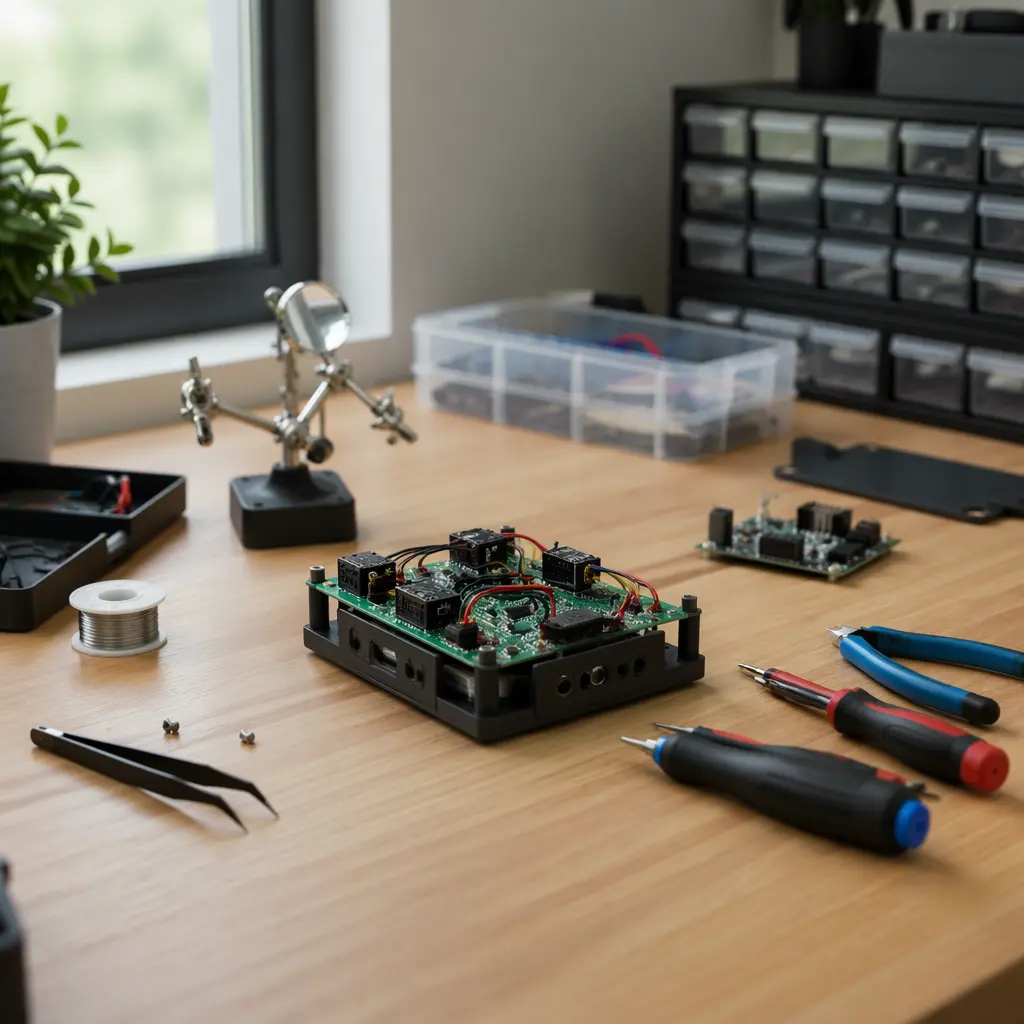
For many teens, the most engaging STEM kits are the ones that stop feeling like toys and start acting like real tools. These kits focus on building functional gadgets—devices that light up, move, measure, code, or solve practical problems. For parents, the appeal is clear: hands-on learning that connects science and engineering concepts to outcomes teens can see and test. This guide explains what sets these kits apart, how to judge age fit, and how to choose options that encourage problem-solving rather than step-by-step assembly only.
What to look for
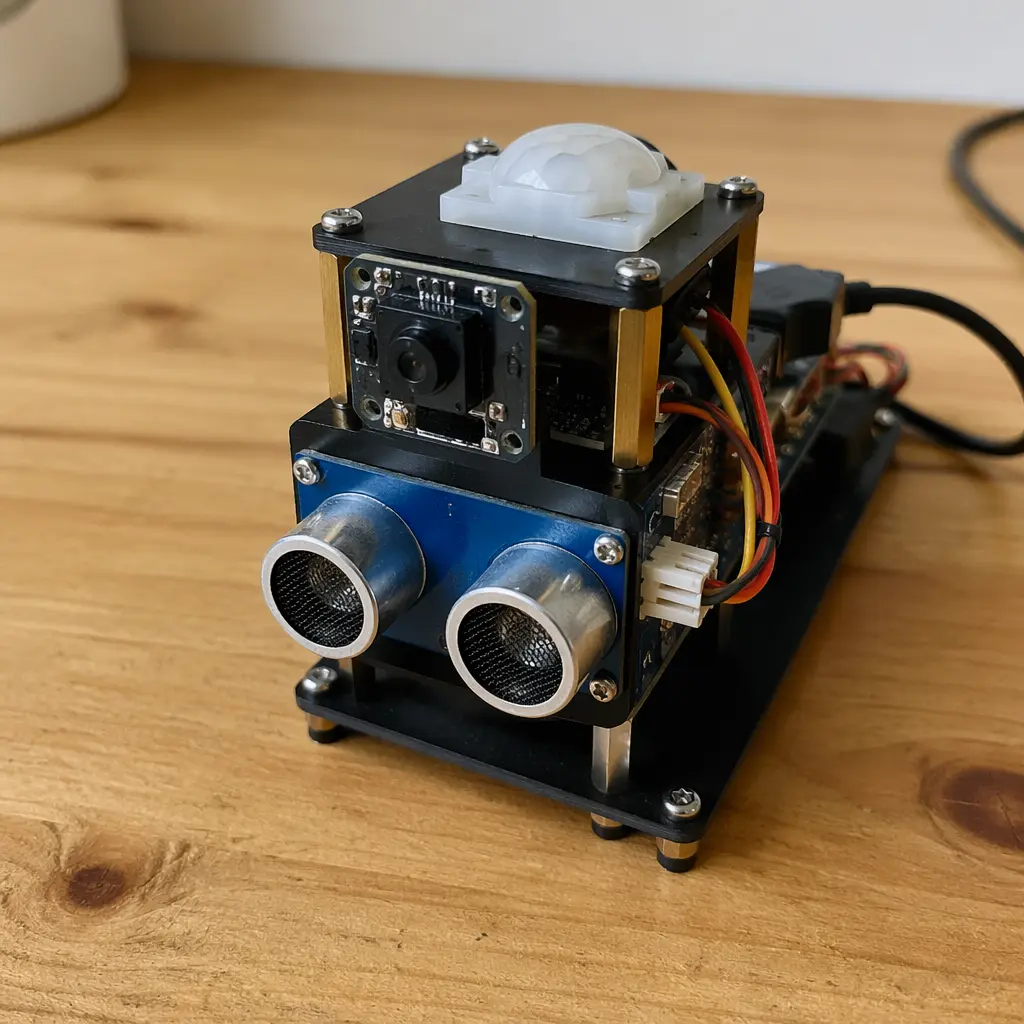
STEM kits designed for teens should balance guidance with freedom. The best options provide enough structure to get started while leaving room to experiment, troubleshoot, and modify. When comparing kits, focus on how closely the experience mirrors real-world building and problem-solving.
- Functional outcomes: The project should do something measurable, such as generating power, controlling motion, collecting data, or running code.
- Real components: Look for standard parts like sensors, motors, fasteners, or programming environments that resemble what is used outside of toy settings.
- Open-ended design: Kits that allow changes or expansions support creativity beyond a single build.
- Clear but not limiting instructions: Good guides explain concepts and safety without locking teens into one correct result.
- Skill progression: Multi-level challenges or extensions help the kit grow with the learner.
Age suitability
Kits labeled for ages 13 and up usually assume basic reading comprehension, patience for multi-step tasks, and an interest in how systems work. Some teens will thrive with advanced electronics or coding challenges, while others may prefer mechanical builds or applied science projects. Consider your teen’s comfort with tools, willingness to troubleshoot mistakes, and attention span for projects that may take several sessions to complete. Age recommendations are a starting point, but maturity and curiosity matter just as much.
Standout categories or types
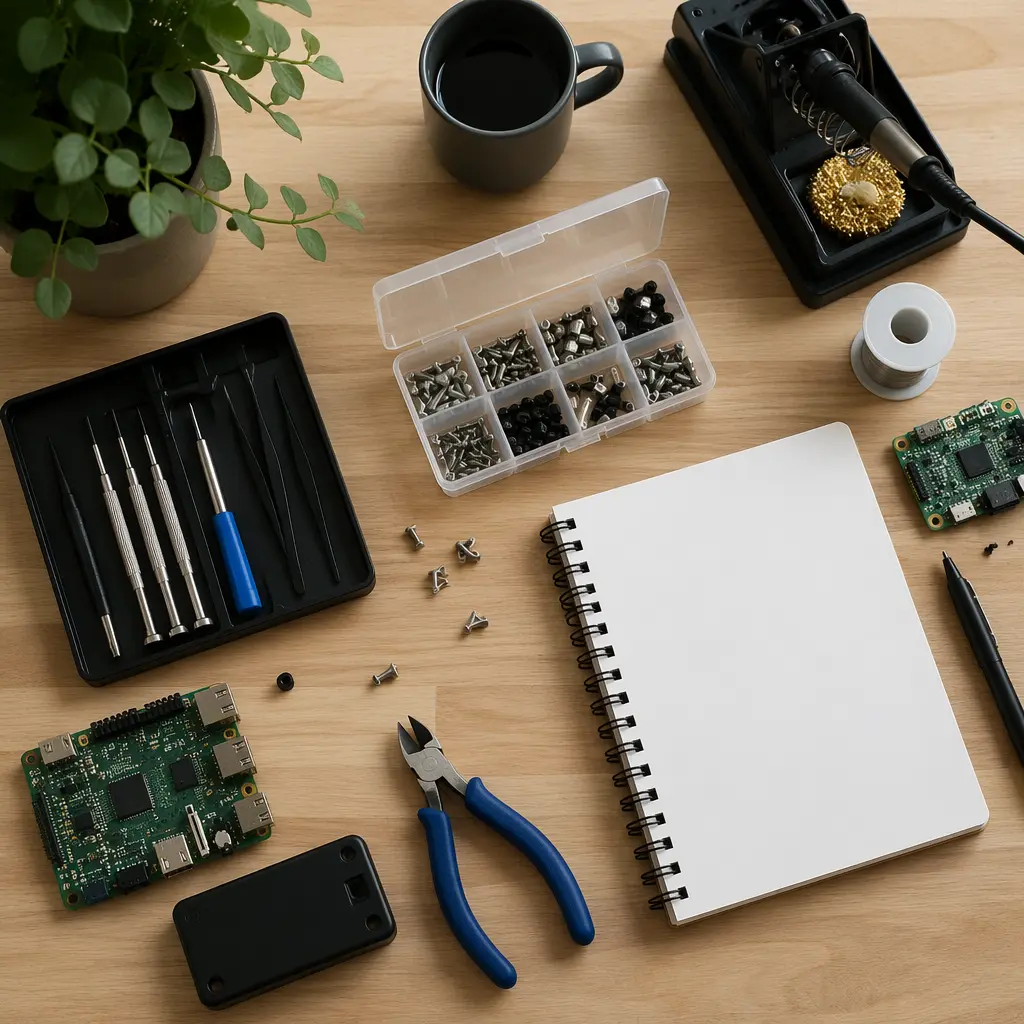
Hands-on STEM kits for teens often fall into a few broad categories, each emphasizing different skills. Electronics-focused kits highlight circuits, sensors, and logic, helping teens understand how everyday devices work. Mechanical and engineering kits center on structures, gears, and motion, making physics concepts tangible. Coding and robotics kits blend software with hardware, showing how instructions translate into real-world actions.
Another growing category focuses on applied science, such as energy, materials, or environmental measurement. These kits may involve building tools that test water quality, track weather data, or demonstrate renewable energy principles. The most engaging options treat teens as capable builders, not just followers of instructions, and encourage iteration when something does not work as expected.
Frequently asked questions
Do these kits require prior STEM experience?
Many kits are designed to be accessible to beginners while still offering depth. Basic familiarity with math or computers can help, but clear instructions and concept explanations usually make prior experience optional.
How much time do projects typically take?
Build times vary widely. Some gadgets can be assembled in an afternoon, while others are intended as multi-day projects with testing and revisions. Longer builds often provide more learning value.
Will the gadget still be useful after it’s built?
That depends on the kit’s design. Some create tools that can be reused or modified, while others are primarily learning demonstrations. Reusability is a good sign of a more advanced kit.
Are these kits aligned with school subjects?
Most align loosely with middle or high school topics such as physics, computer science, or engineering. While they are not replacements for coursework, they can reinforce classroom concepts through hands-on application.
STEM kits that result in real working gadgets can help teens see themselves as builders, engineers, and problem-solvers. By choosing kits with authentic components, open-ended challenges, and appropriate safety guidance, families can support learning that feels practical and empowering rather than forced or purely academic.