Are Smart Plush Toys Safe for Babies Under 12 Months?
A safety-first buyer’s guide for parents considering plush toys with lights, sounds, or sensors for babies under 12 months, including what features to seek and what risks to avoid.
Compare prices and availability
Check current prices and availability for this guide on eBay.
As an eBay Partner, we may be compensated if you make a purchase.
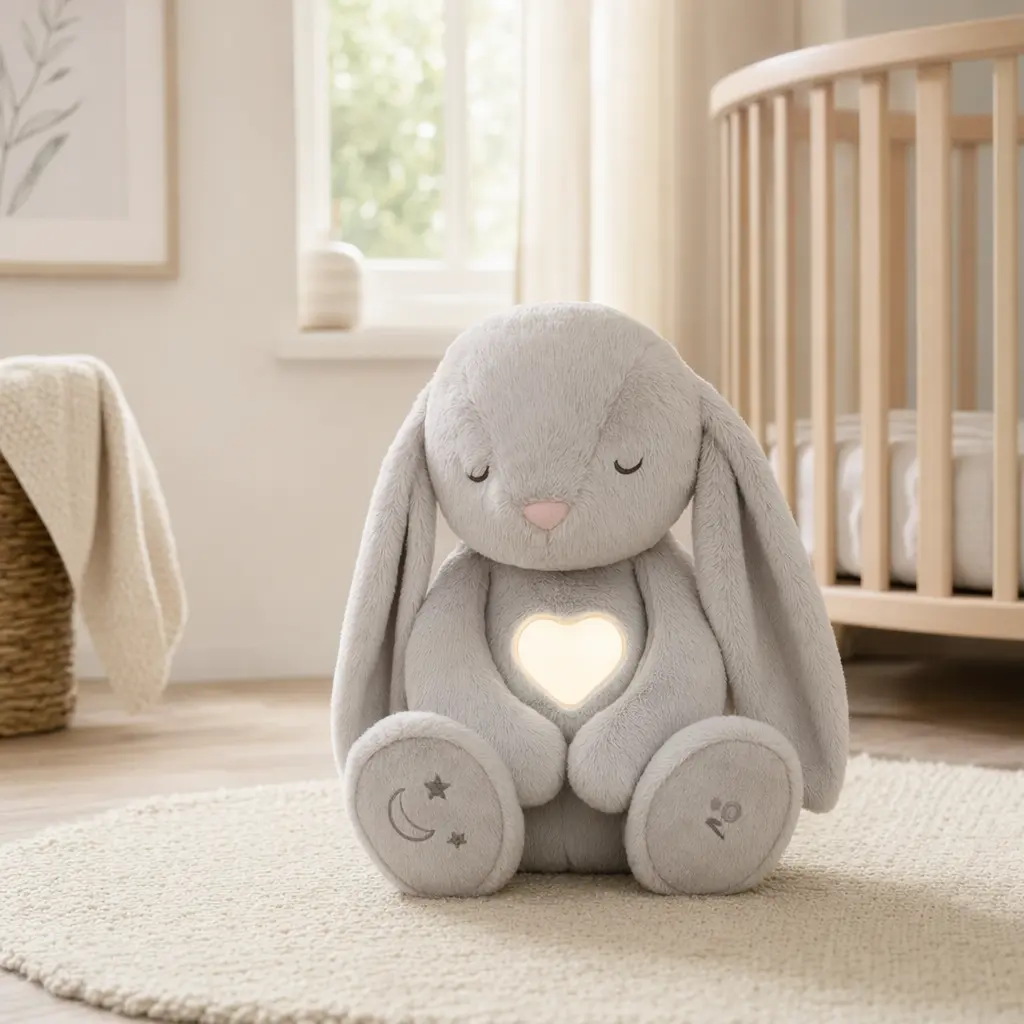
Smart plush toys combine traditional soft toys with lights, sounds, music, or motion sensors. For parents of babies under 12 months, these features can be appealing—but they also raise important safety questions. This guide focuses on what matters most when evaluating smart plush toys for infants: materials, construction, electronics, and age-appropriate use.
What to look for
Babies under one year explore the world mainly through touch and mouthing. Any plush toy—especially one with electronic components—needs to be designed with this stage in mind. Safety standards exist, but parents still need to evaluate how a toy is built and how it will be used day to day.
- Clearly labeled as suitable from birth or 0+ months, not just "toddler" or "infant"
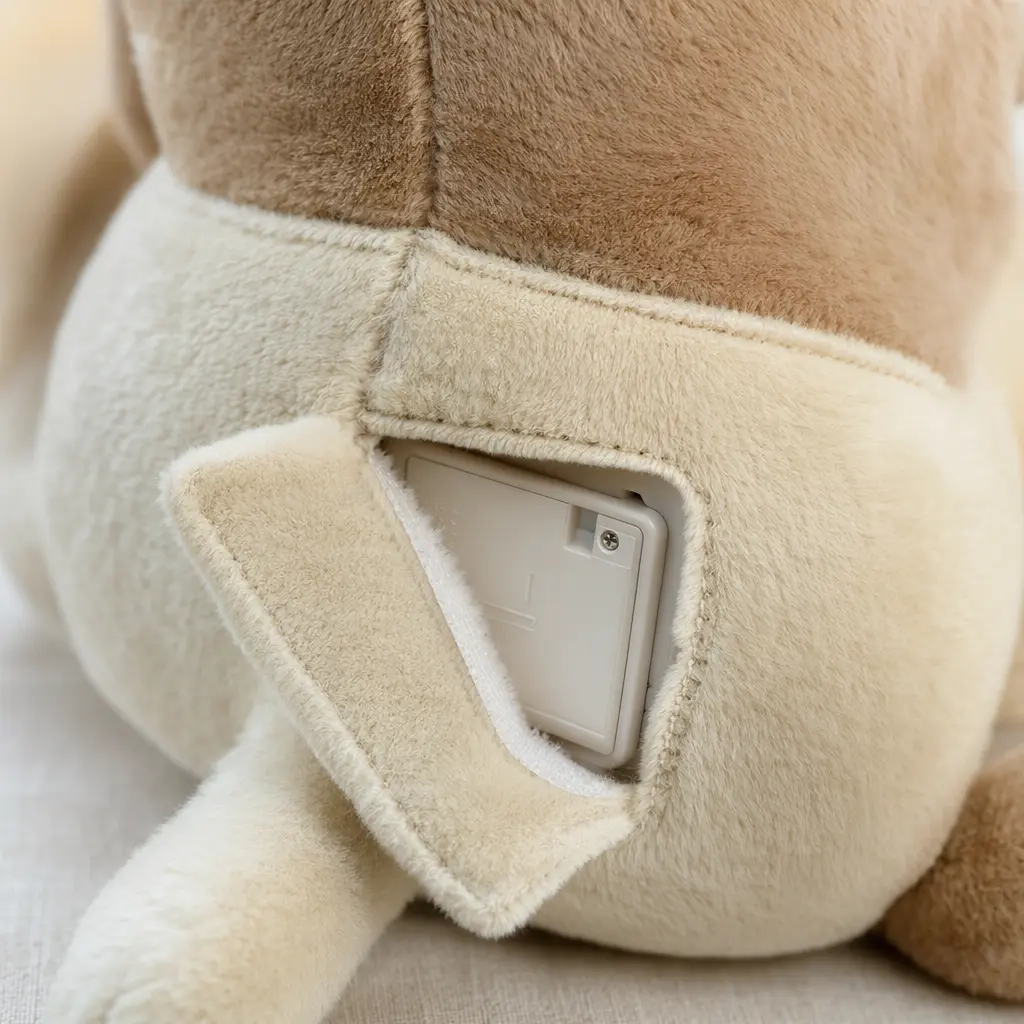
- Fully enclosed electronics with no access points for batteries or wiring
- Secure stitching with no glued-on eyes, buttons, or decorative pieces
- Soft, breathable outer fabric that does not trap heat
- Low-volume sound output that cannot be adjusted to loud levels
- Automatic shut-off features to prevent continuous stimulation
Age suitability
From birth to 12 months, babies develop rapidly, but their needs remain fairly simple. Newborns benefit most from calm voices, gentle textures, and predictable routines. While lights and sounds may attract attention, they do not necessarily support development at this age. In fact, overly stimulating toys can interfere with rest or overwhelm very young babies. For this age band, a smart plush toy should function primarily as a soft comfort object, with electronic features used sparingly and intentionally.
Standout categories or types
Not all smart plush toys are built the same. Some are closer to traditional plushies with a single added feature, while others include multiple sensors and responses. For babies under 12 months, simpler designs are generally safer and more appropriate.
- Plush toys with gentle music or white noise designed for soothing, not play
- Soft toys with limited touch activation that respond only when pressed
- Removable electronic modules that allow the plush to be washed safely
- Plush comforters with subtle light features intended for brief supervised use
Frequently asked questions
Can smart plush toys help babies sleep?
Some toys offer calming sounds or soft lights that may help during a bedtime routine. However, they should not replace safe sleep practices. Babies should sleep on a firm, empty surface without toys once they are asleep.
Are lights and sounds overstimulating for infants?
They can be. Babies under 12 months benefit from simple, predictable sensory input. Toys with flashing lights or frequent sound effects may lead to overstimulation, especially before naps or bedtime.
What about battery safety?
Battery compartments should be secured with screws and completely inaccessible to a child. Button batteries are especially dangerous if swallowed, so toys using them require extra caution.
Is washable fabric important?
Yes. Babies drool, spit up, and mouth toys frequently. Look for plush toys with removable electronic parts so the fabric shell can be washed according to care instructions.
Smart plush toys can be used safely with babies under 12 months when chosen carefully and used with supervision. Prioritizing simple designs, secure construction, and age-appropriate features helps ensure these toys remain comforting additions rather than safety concerns.