White Noise vs Interactive Soothers: What Helps Babies Sleep
A clear, evidence-informed guide for parents comparing white noise and interactive soothers—what calms, what can overstimulate, and how to choose for babies 0–12 months.
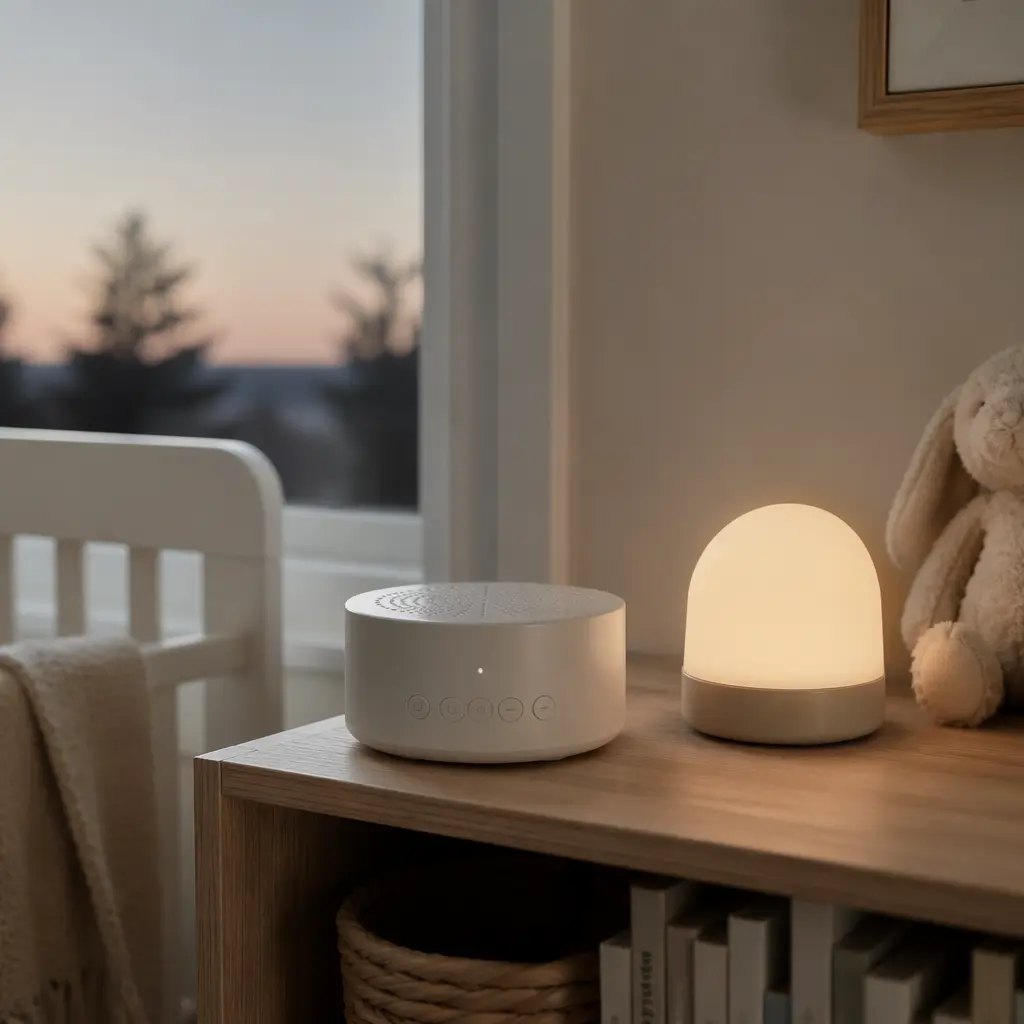
Compare prices and availability
Check current prices and availability for this guide on eBay.
As an eBay Partner, we may be compensated if you make a purchase.
Parents often hear two very different pieces of advice about baby sleep: keep things simple with steady white noise, or use interactive soothers that play music, lights, or motion. Both aim to calm babies, but they work in different ways. This guide looks at what research and pediatric guidance suggest about soothing versus stimulating, so you can choose tools that support sleep rather than disrupt it—especially during the first year.
What to look for
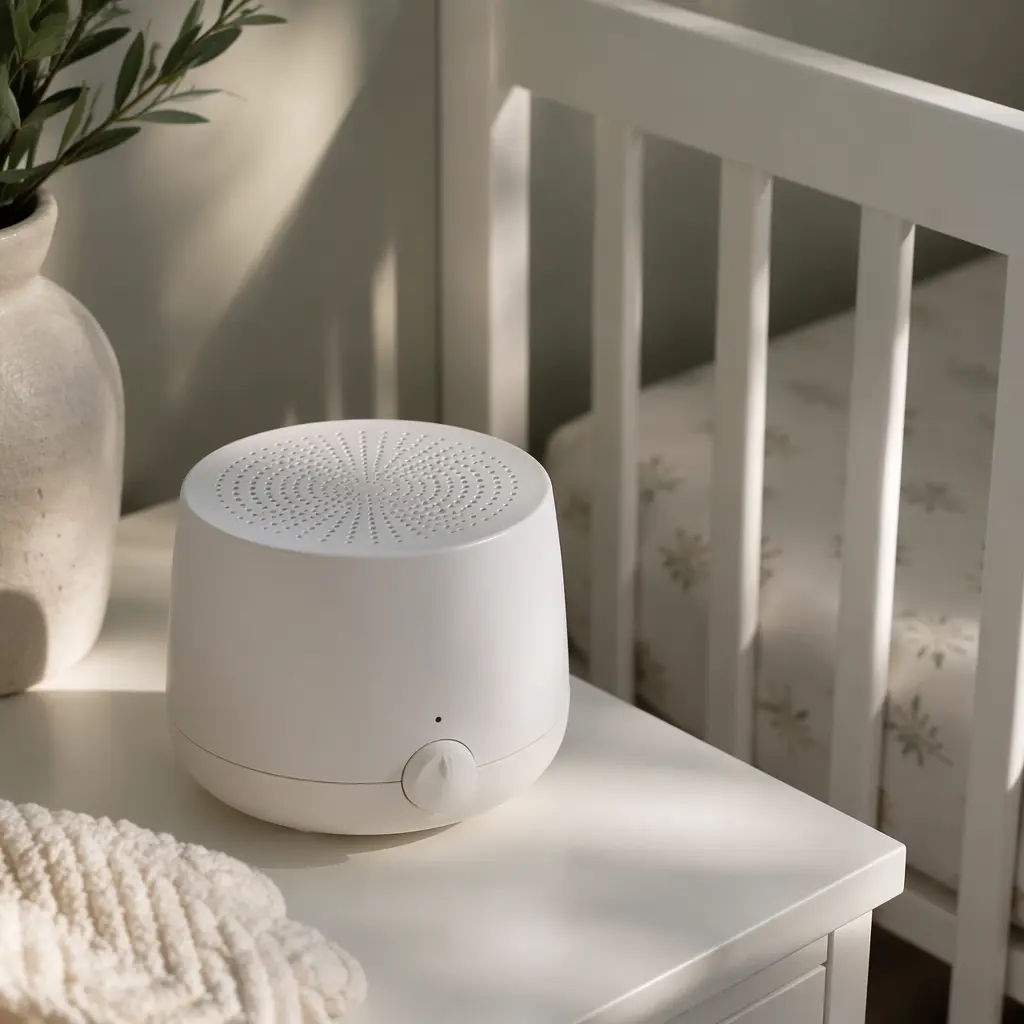
When comparing white noise and interactive soothers, focus on how each tool affects a baby’s developing brain and sleep rhythms. Babies learn to fall asleep through consistent cues. Tools that are predictable and low‑key tend to support this process, while highly stimulating features can interrupt it.
- Consistency: steady, unchanging sound or light is easier for babies to tune out as they drift to sleep.
- Simplicity: fewer features usually mean less stimulation during night wakings.
- Volume control: sounds should stay at a safe, moderate level, especially near the crib.
- Light output: dim, warm light is less alerting than bright or color‑changing lights.
- Ease of use: simple controls help caregivers avoid turning on stimulating modes by accident at night.
Age suitability
From birth to about 12 months, babies are especially sensitive to sensory input. Newborns often respond well to white noise because it mimics the constant sounds of the womb. As babies grow, they become more alert and curious, which means interactive features—like music that changes, moving parts, or bright lights—can shift from soothing to engaging. For most infants in this age band, calmer tools are more supportive of sleep, while interactive elements are better reserved for daytime play.
Standout categories or types
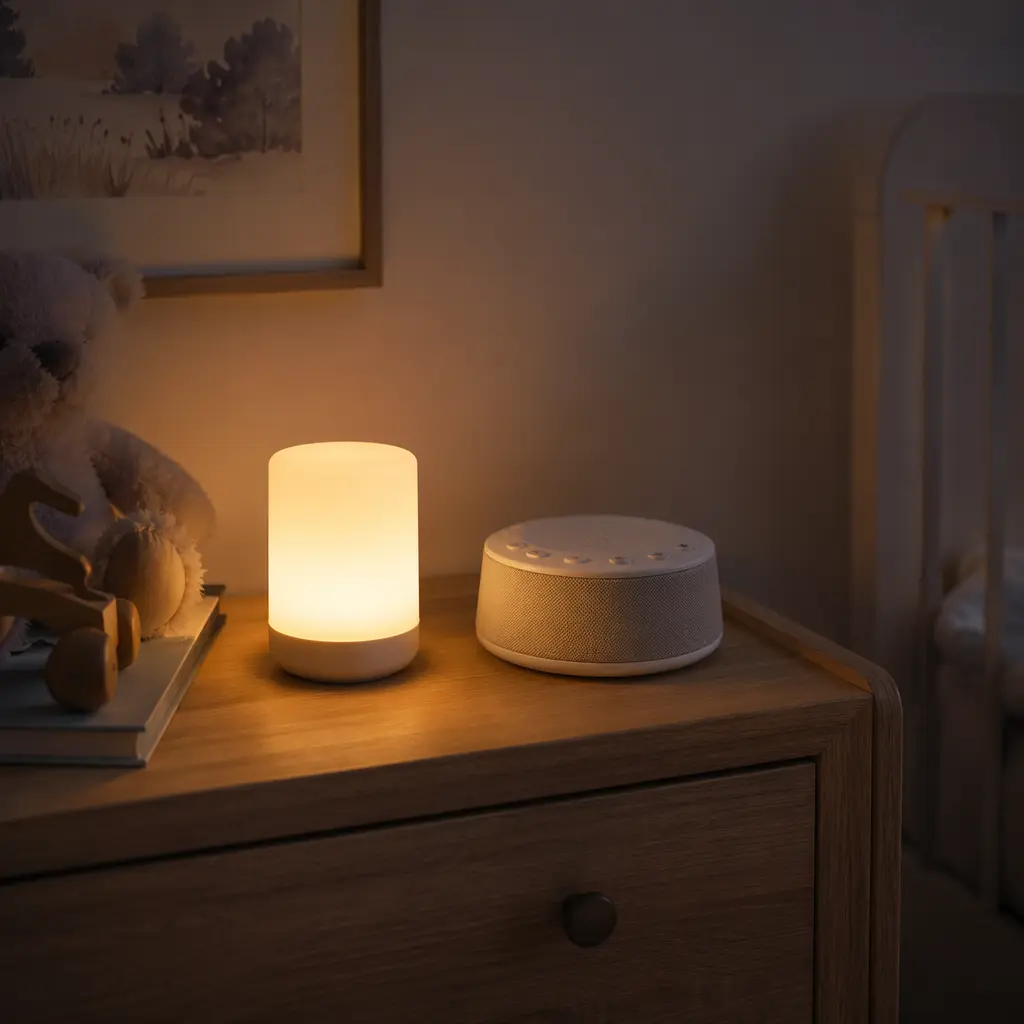
White noise tools are designed to create a consistent audio environment. This can help mask sudden household sounds and provide a steady cue that it’s time to sleep. Because the sound does not change, babies are less likely to become alert during brief awakenings.
Interactive soothers, on the other hand, often combine sound with lights or motion. These can be helpful for calming a fussy baby before bedtime, but during sleep they may keep the brain engaged. Features that activate in response to movement can also interrupt a baby who might otherwise settle back to sleep on their own.
- White noise and steady sound: best for overnight sleep and naps.
- Soft music without lights: can work for wind‑down routines before bed.
- Light‑up or motion soothers: better suited for supervised calming or daytime use.
- Multi‑feature devices: useful if settings can be limited to simple modes at night.
Frequently asked questions
Is white noise safe for babies?
White noise is generally considered safe when used correctly. Pediatric guidance emphasizes keeping volume at a moderate level and placing the sound source away from the crib. The goal is gentle background noise, not loud sound.
Can interactive soothers cause overstimulation?
They can, especially during sleep periods. Changing sounds, lights, or motion signal the brain to pay attention. For some babies, this makes it harder to fall asleep or return to sleep after a brief waking.
Should I use both white noise and an interactive soother?
Many parents separate their use by time of day. Interactive features may be part of a calming bedtime routine, while white noise stays on during sleep. This keeps sleep cues simple and consistent.
Will my baby become dependent on white noise?
White noise acts as an environmental cue rather than a sleep aid a baby actively interacts with. Many children transition away from it naturally over time. If needed, volume can be gradually reduced as sleep patterns mature.
Choosing between white noise and interactive soothers isn’t about finding a single “right” answer. It’s about matching the tool to your baby’s developmental stage and the moment of the day. For most babies in the first year, calm, predictable cues support better sleep, while interactive features are best used sparingly and with supervision.