Best Loose-Parts Building Sets That Aren’t Brand-Locked
A parent-friendly guide to loose-parts building sets that mix freely across brands, support open-ended play, and grow with kids’ ideas ages 6–8.
Compare prices and availability
Check current prices and availability for this guide on eBay.
As an eBay Partner, we may be compensated if you make a purchase.
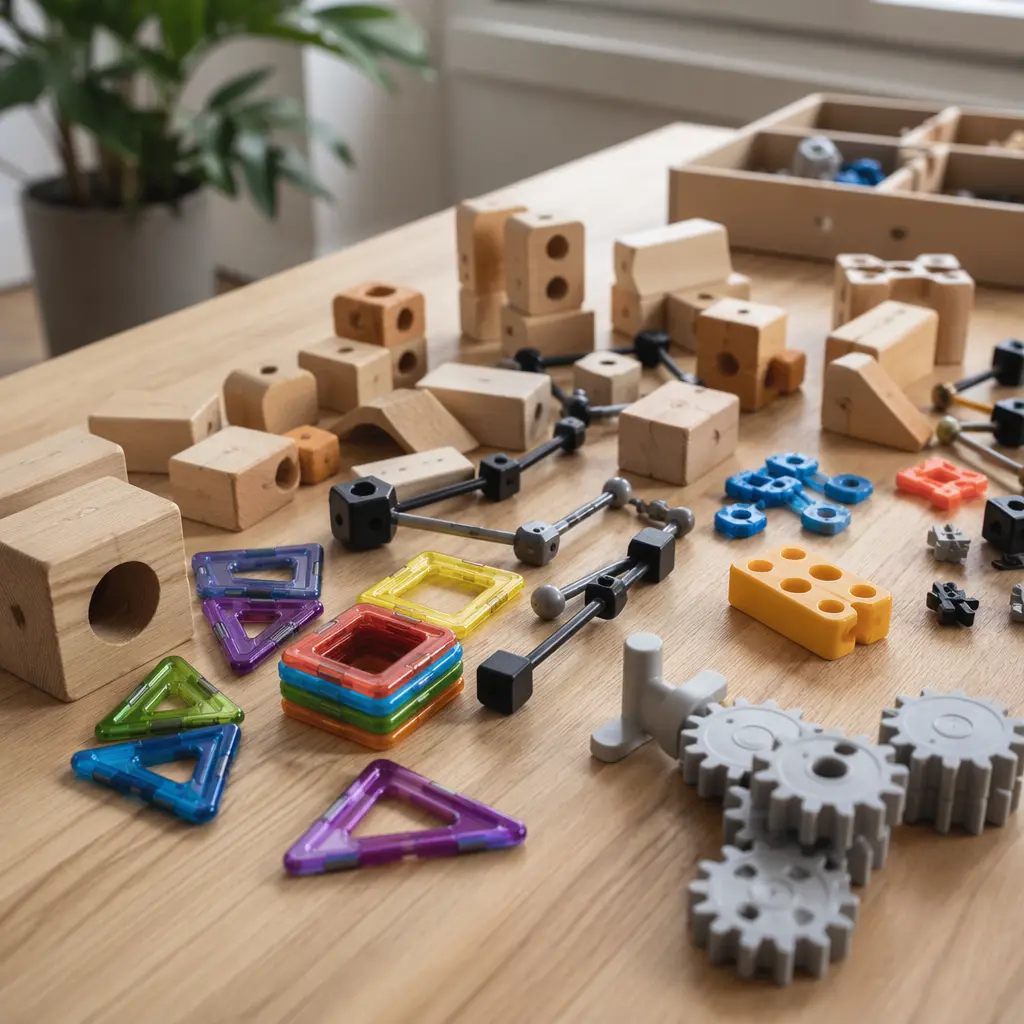
Loose-parts building sets are designed for kids who want freedom to invent, remix, and rebuild without being limited to one brand’s system. For ages 6–8, these sets support more complex ideas—structures, simple machines, patterns, and problem-solving—while still staying approachable. Because the parts aren’t locked into a single ecosystem, families can add pieces over time, mix materials, and follow a child’s interests as they change.
What to look for
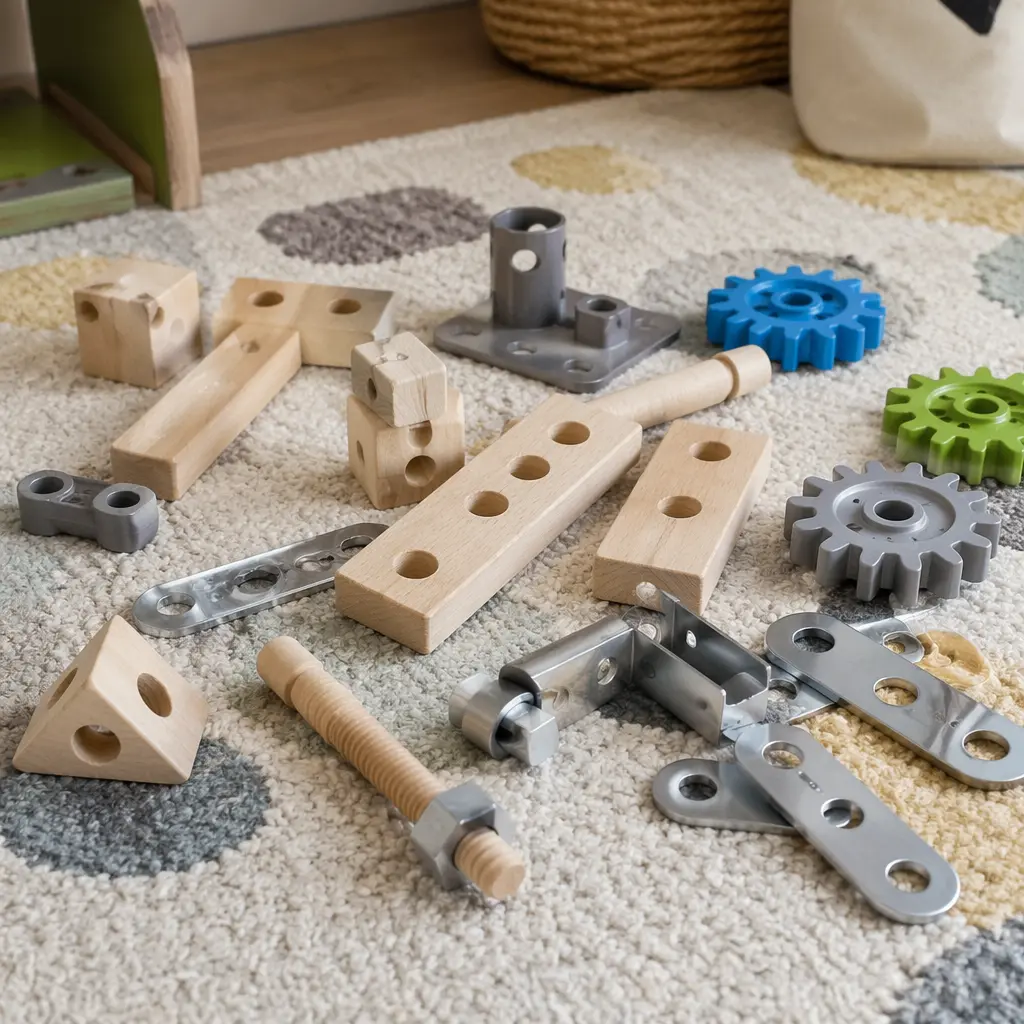
Not all open-ended building sets are equal. When shopping for loose parts for kids ages 6–8, focus on versatility, durability, and how easily the pieces work with items you may already have at home.
- Interoperability: Pieces that connect through simple shapes, holes, magnets, or slots are easier to mix with other sets and household materials.
- Material quality: Look for sturdy wood, thick plastics, or well-finished metal that can handle repeated building and rebuilding.
- Variety of shapes: A mix of lengths, angles, curves, and connectors supports more creative structures and problem-solving.
- Open-ended instructions: Minimal or optional guides encourage kids to design their own builds rather than follow step-by-step models only.
- Storage and sorting: Sets that include bins, trays, or stackable boxes make it easier for kids to manage many small parts.
Age suitability
For children ages 6–8, loose-parts building hits a sweet spot. Kids at this stage can plan ahead, test ideas, and revise their designs when something doesn’t work. They’re also better at handling smaller pieces and understanding basic safety rules. Many sets marketed for younger ages still work well, but adding more complex connectors or mechanical elements can keep older kids engaged. If siblings are sharing, check whether the smallest pieces are appropriate for everyone in the household.
Standout categories or types
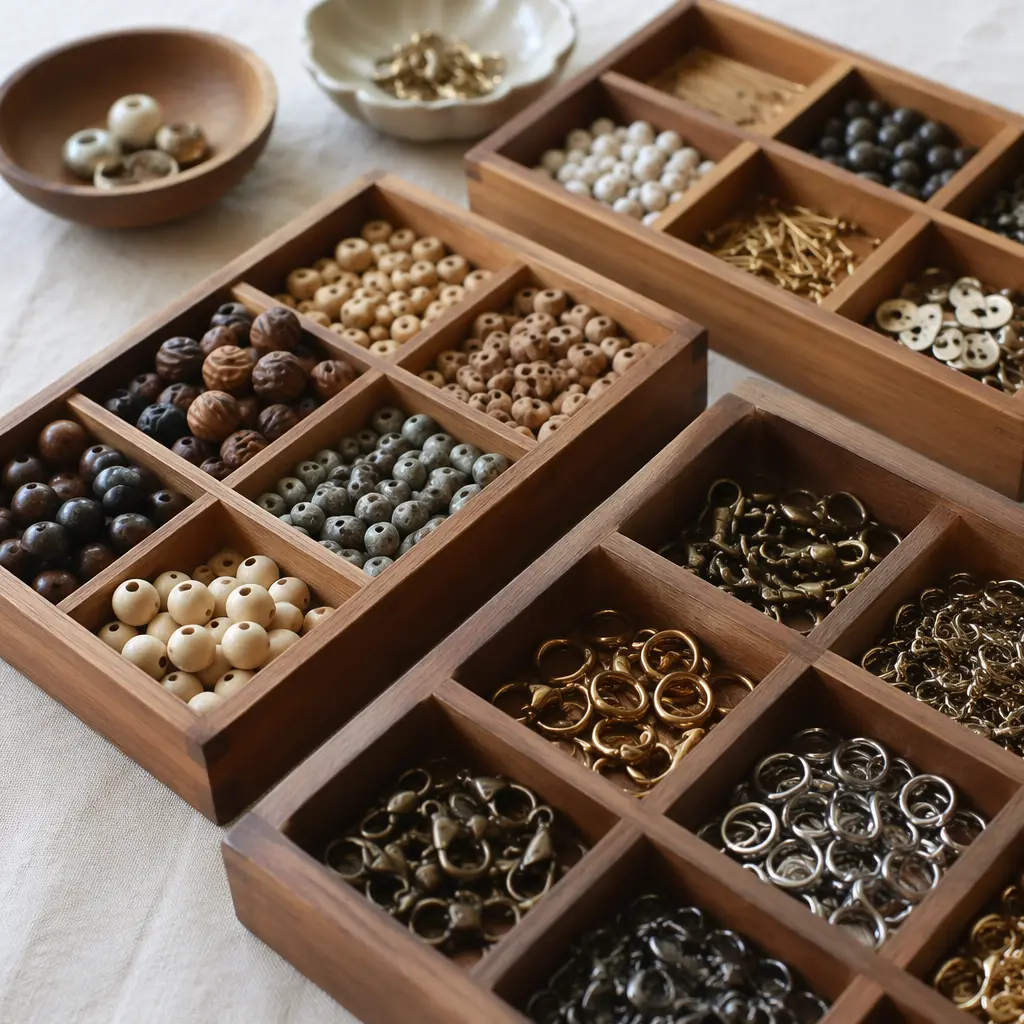
Loose-parts building sets come in many forms, and mixing categories often leads to the richest play. Understanding the main types can help you choose pieces that complement each other.
- Natural materials: Wooden blocks, planks, and stones offer tactile feedback and work well for architecture and balance challenges.
- Connector-based systems: Sets built around pegs, bolts, or slots make it easier to build tall or complex structures without fixed brand rules.
- Magnetic elements: Magnetic shapes and connectors allow quick experimentation and are especially helpful for kids who like rapid redesigns.
- Mechanical parts: Gears, wheels, and axles introduce motion and basic engineering concepts without requiring electronics.
- Everyday add-ins: Cardboard tubes, string, rubber bands, and recycled containers often integrate seamlessly with loose-parts sets.
Frequently asked questions
Are loose-parts sets better than brand-specific building toys?
Loose-parts sets aren’t necessarily better, but they offer a different kind of play. Without brand-specific rules, kids can mix materials and invent their own systems, which supports creativity and long-term use. Some families choose to have both.
Will kids need instructions to get started?
Many kids dive right in, especially if they’ve had prior building experience. Light prompts—such as photos, challenge cards, or simple goals—can help hesitant builders without turning play into a fixed project.
Do these sets support learning goals?
Yes. Loose-parts building naturally supports spatial reasoning, problem-solving, early engineering concepts, and collaboration. These skills develop through play rather than formal lessons.
How much is enough to start?
A modest starter collection with a good mix of shapes and connectors is usually sufficient. Because the sets aren’t brand-locked, you can add pieces gradually as interests grow.
Loose-parts building sets give kids ages 6–8 the freedom to follow their ideas wherever they lead. By choosing materials that mix easily and grow over time, parents can support creative, durable play that doesn’t depend on a single brand or system.