Voice-Responsive Dolls: Good Play or Gimmick?
A clear, parent-focused look at voice-responsive dolls versus classic dolls for ages 6–8, covering play value, learning benefits, durability, and what to consider before buying.
Compare prices and availability
Check current prices and availability for this guide on eBay.
As an eBay Partner, we may be compensated if you make a purchase.
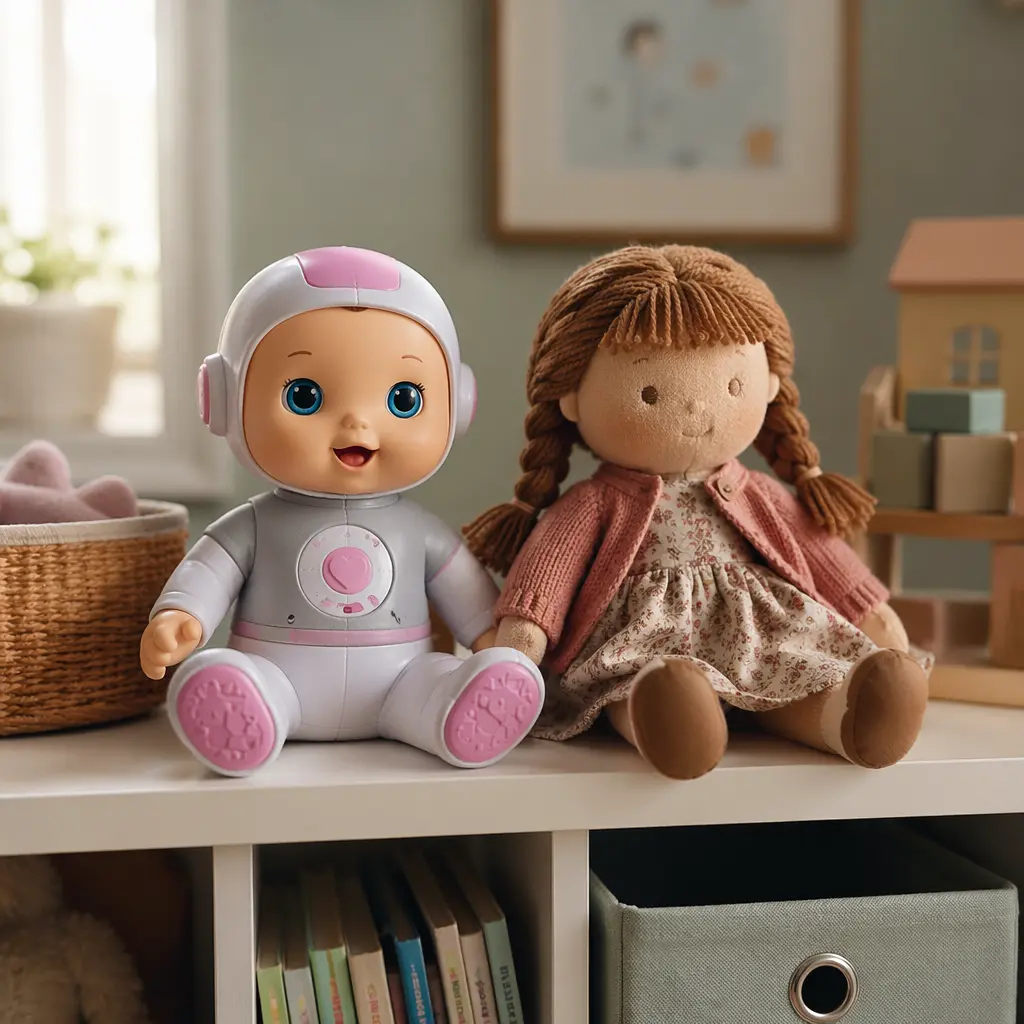
Voice-responsive dolls promise conversations, reactions, and app-connected features that feel impressively lifelike. Classic dolls, by contrast, offer open-ended pretend play with no batteries required. For parents shopping for ages 6–8, the choice often comes down to whether interactive features add meaningful play value or become a short-lived novelty. This guide compares both options to help families decide what fits their child’s interests, play style, and home.
What to look for
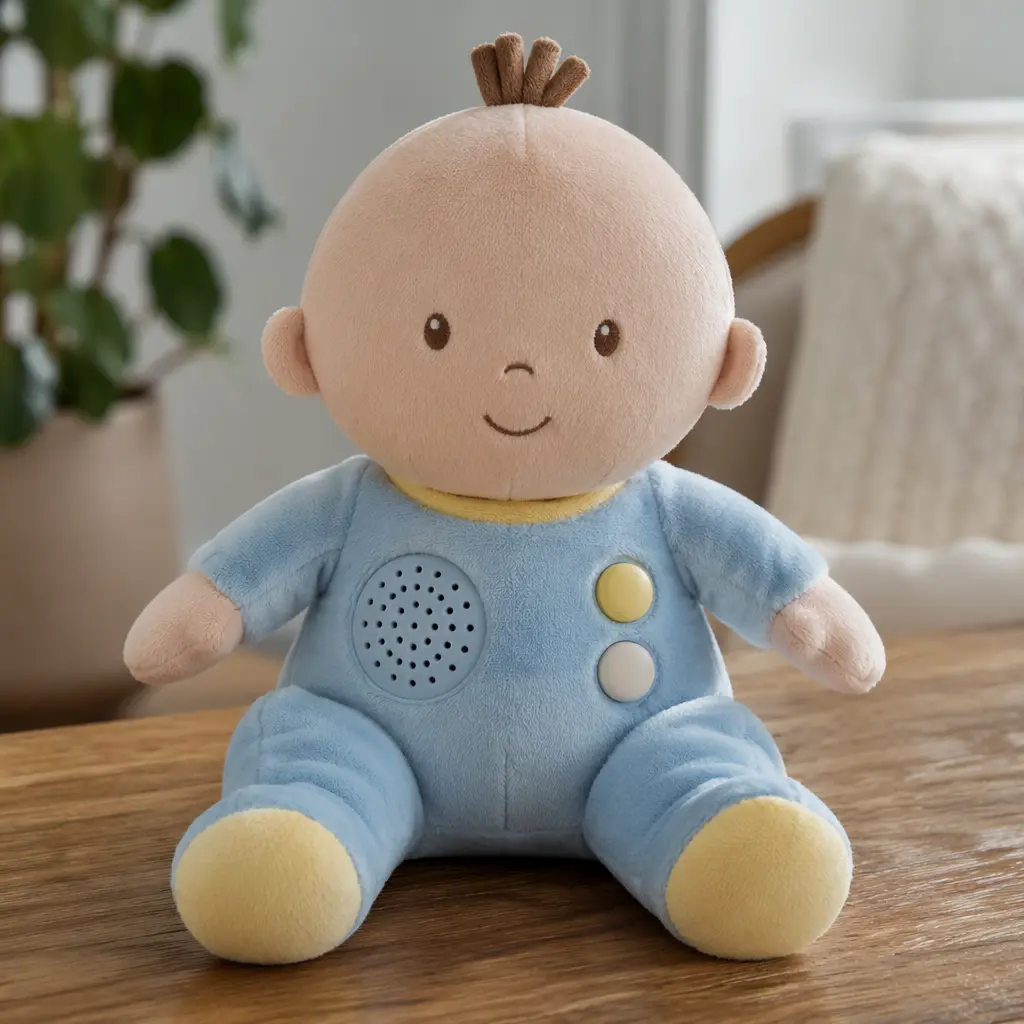
Whether choosing an interactive doll or a traditional one, a few core factors help predict how often the toy will be used and how well it will hold up over time.
- Play depth: Does the doll encourage storytelling, role-play, and imagination beyond a single script or response?
- Ease of use: Voice recognition, buttons, and setup should be simple enough for independent play at ages 6–8.
- Durability: Dolls are handled, dressed, and carried; seams, joints, and electronics should withstand regular use.
- Sound control: Volume adjustment and mute options matter for shared spaces.
- Longevity: Consider whether the doll will still feel engaging after the initial excitement fades.
- Maintenance: Batteries, charging, or app updates can affect day-to-day convenience.
Age suitability
Children ages 6–8 often enjoy more complex pretend play and may appreciate interactive responses that feel conversational. At the same time, they are developing longer attention spans and creative independence. Some children in this age band enjoy technology-driven features, while others prefer inventing voices, personalities, and stories themselves. Matching the doll’s complexity to the child’s patience and interest level is more important than the age label on the box.

Standout categories or types
Voice-responsive dolls typically focus on scripted interactions. They may answer questions, respond to keywords, or guide structured games. This can be appealing for children who like predictable feedback or enjoy feeling “heard” during play. However, these dolls often rely on a limited set of phrases, which some children outgrow quickly.
Classic dolls, including fashion dolls and soft-bodied dolls, rely entirely on the child’s imagination. They tend to support longer, more flexible storytelling and adapt easily as interests change. While they lack built-in interaction, they also avoid technical issues and can be used in many different play scenarios over the years.
Frequently asked questions
Do voice-responsive dolls limit imagination?
They can, depending on the child. Some children enjoy using the doll’s responses as a starting point for stories, while others feel constrained by repeated phrases. Imaginative play is still possible, but it may be more guided than open-ended.
Are classic dolls outdated for modern kids?
Not necessarily. Many children continue to enjoy classic dolls because they allow complete creative control. For kids who like storytelling, role-playing families or adventures, and changing scenarios, classic dolls remain highly relevant.
How important is sound quality and voice recognition?
Clear audio and accurate recognition reduce frustration. If a doll frequently mishears commands or speaks too loudly or softly, children may disengage quickly. These features are especially important in shared or quieter households.
Will interactive features justify the higher cost?
Interactive dolls often cost more due to electronics and software. The added value depends on how much the child enjoys and regularly uses those features. For some families, a mix of one interactive doll and several classic toys balances cost and variety.
Voice-responsive dolls are neither purely good nor purely gimmicky. They suit children who enjoy technology, guided interaction, and novelty. Classic dolls continue to shine for long-term, flexible pretend play. For many families, the best choice reflects the child’s personality, the household’s comfort with tech, and how playtime typically unfolds.