Beginner Yo-Yos vs Kendamas for Screen-Free Focus
Comparing beginner yo-yos and kendamas for ages 9–12, including learning curve, durability, noise, storage, and which skill toy children are more likely to keep using over time.
Compare prices and availability
Check current prices and availability for this guide on eBay.
As an eBay Partner, we may be compensated if you make a purchase.
Yo-yos and kendamas are two popular screen-free skill toys for older children who want something more challenging than simple fidget toys. Both reward practice, hand-eye coordination and patience, but they feel very different once children start learning tricks. For parents choosing between them, the biggest differences usually come down to learning curve, noise level, breakage risk, storage and whether a child is likely to stay motivated after the first week. Ages 9–12 can be an ideal window for both toys because many children at this stage enjoy visible progress and collecting new tricks without needing constant adult involvement.
What to look for
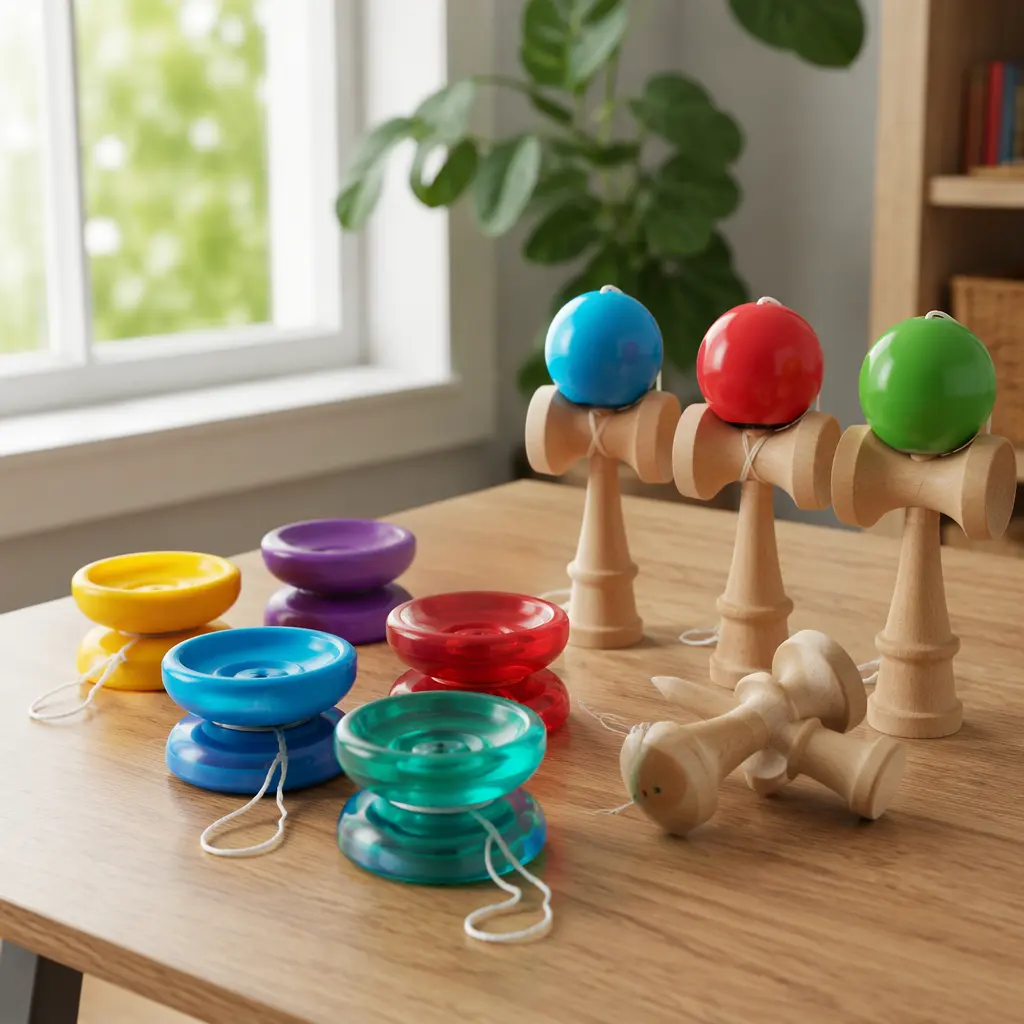
The best beginner choice is usually the toy that matches a child’s patience level and play style. Some children enjoy repeating the same motion until they master it, while others prefer quicker successes and larger body movement. Materials also matter. Plastic beginner yo-yos are often lighter and more forgiving indoors, while wooden kendamas tend to feel sturdier but can show dents from drops. Replacement strings are common for both categories, so it helps to choose toys with standard parts rather than novelty designs.
- Choose beginner-friendly designs instead of advanced competition models that can frustrate first-time users.
- Consider where the toy will be used. Yo-yos need clear vertical space, while kendamas need floor space and room away from fragile objects.
- Check the noise level. Kendamas create repeated wooden knocking sounds, while yo-yos are usually quieter but can hit furniture.
- Look for replaceable strings and durable construction because drops and tangles are common during the learning phase.
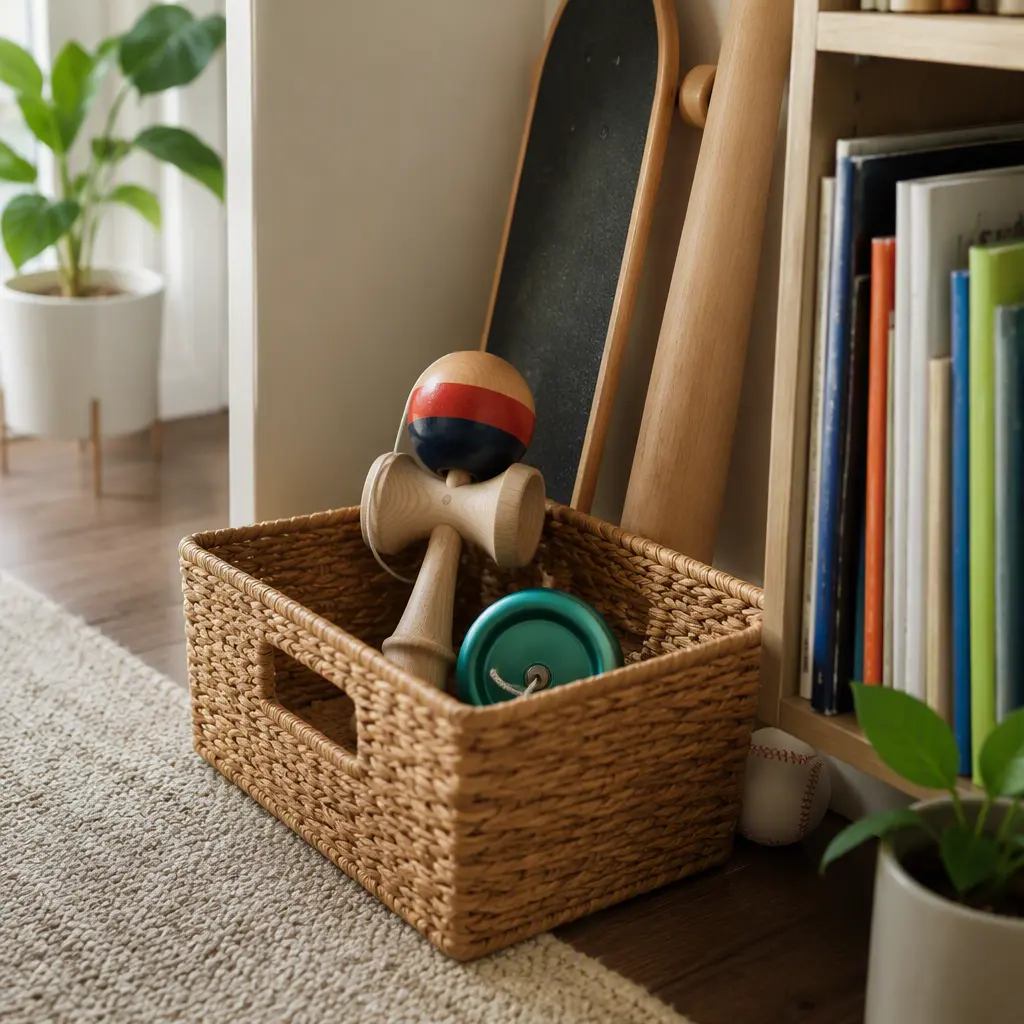
- Think about portability. Both fit into backpacks easily, but kendamas are bulkier and less pocket-friendly.
- Children who enjoy measurable trick progression may prefer yo-yos, while children who like physical coordination challenges may stick with kendamas longer.
Age suitability
Most children aged 9–12 can start either toy successfully, but maturity and frustration tolerance matter more than age alone. Yo-yos often appeal to children who enjoy repetition, precision and solo practice. The first milestone is usually learning a smooth sleeper throw, and some children lose interest before reaching that point. Kendamas can feel more approachable at first because even basic catches look impressive quickly, but advanced balance tricks become difficult later on. Children involved in skateboarding, scootering or other trick-based hobbies sometimes connect strongly with kendamas because the culture emphasizes incremental skill building. Yo-yos may suit children who already enjoy puzzles, dexterity games or collecting trick combinations. For younger children within this age band, softer beginner yo-yos and larger kendama cups can reduce frustration.
Options compared
Beginner yo-yos usually have the steeper early learning curve. Many tricks depend on mastering a consistent throw first, and tangled strings are common. Children who enjoy structured progression often stay engaged because tricks build logically on one another. Yo-yos are relatively compact, quiet and easy to carry, making them practical for travel, waiting rooms or short practice sessions outside the home. However, frustration can build quickly if a child expects instant results. Some children stop using yo-yos after the initial novelty fades because progress requires repeated practice.
Kendamas tend to offer faster visible success in the first few days. Simple cup catches can feel rewarding quickly, which helps confidence. The larger movements also make kendama play feel more active and social, especially outdoors or at parks. The trade-off is noise and impact. Wooden kendamas create repeated knocking sounds and are more likely to leave marks on furniture or flooring after drops. They also take up slightly more storage space. Children who enjoy movement-based challenges and practicing around friends may stick with kendamas longer because tricks are easier to demonstrate socially.
- Choose a beginner yo-yo for children who enjoy repetition, collecting tricks and quieter solo play.
- Choose a kendama for children who like movement, visible progress and practicing outdoors with friends.
- Yo-yos are usually easier to store and travel with.
- Kendamas generally tolerate drops well, but repeated impacts can dent wood surfaces and household furniture.
- Children with low frustration tolerance may progress faster with a kendama at first.
- Children who enjoy technical mastery over time may find yo-yos more rewarding long term.
Frequently asked questions
Which toy is easier for beginners?
Most beginners experience faster early success with a kendama because basic catches can happen within minutes. Yo-yos often require more practice before tricks become satisfying. However, some children prefer the structured feel of yo-yo learning once they understand the basics.
Are yo-yos or kendamas more durable?
Both are designed to survive frequent drops, but wear happens differently. Plastic beginner yo-yos may scratch or crack after hard impacts, while wooden kendamas can dent and chip over time. Strings on both toys eventually need replacement.
Which is quieter indoors?
Yo-yos are usually quieter overall, especially soft plastic beginner models. Kendamas produce repeated wood-on-wood impact sounds that can become distracting in apartments or shared spaces.
Do these toys help with focus?
Both encourage concentration, coordination and persistence because progress depends on repeated practice. Many children use them as short movement breaks away from screens, though attention benefits vary by child and interest level.
Is outdoor use better?
Outdoor practice can reduce noise concerns and lower the risk of damaging furniture or electronics. Smooth pavement or grass areas with open space work well for both toys, although yo-yos may collect dirt more easily if dropped outside.
For most families, the better choice depends less on skill level and more on personality. A child who enjoys technical progression and quiet practice may stay engaged longer with a yo-yo, while a child who prefers movement and fast visible wins may connect more naturally with a kendama. Both offer portable, screen-free practice that can grow into a long-term hobby without requiring batteries, apps or large amounts of storage space.