Toy Camp Lanterns vs Flashlights for Backyard Play
Compare toy camp lanterns and flashlights for backyard play ages 6–8. Learn which suits independent play, night games, camping practice, storage, and durability needs.
Compare prices and availability
Check current prices and availability for this guide on eBay.
As an eBay Partner, we may be compensated if you make a purchase.
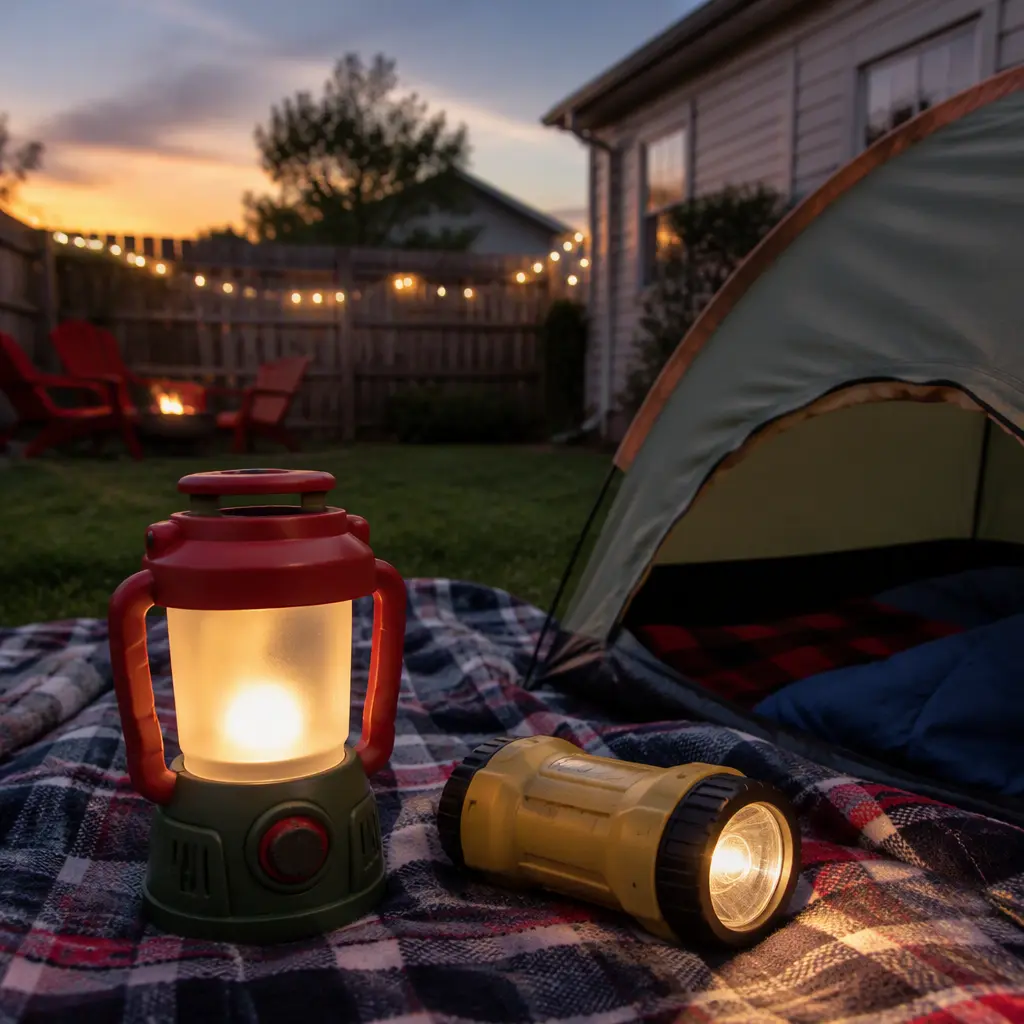
Toy lanterns and flashlights both encourage screen-free outdoor play, but they work differently once children start using them independently. For ages 6–8, the better choice often depends on how the light will be used: exploring the yard, building blanket forts, reading in a tent, nighttime games, or helping during family camping trips. Flashlights usually appeal to children who want to point, search, and move quickly, while lanterns create steady area lighting that supports calmer group play. Parents may also notice practical differences in battery life, brightness, durability, storage size, and how often the toy ends up rolling under furniture or being left outside overnight.
What to look for
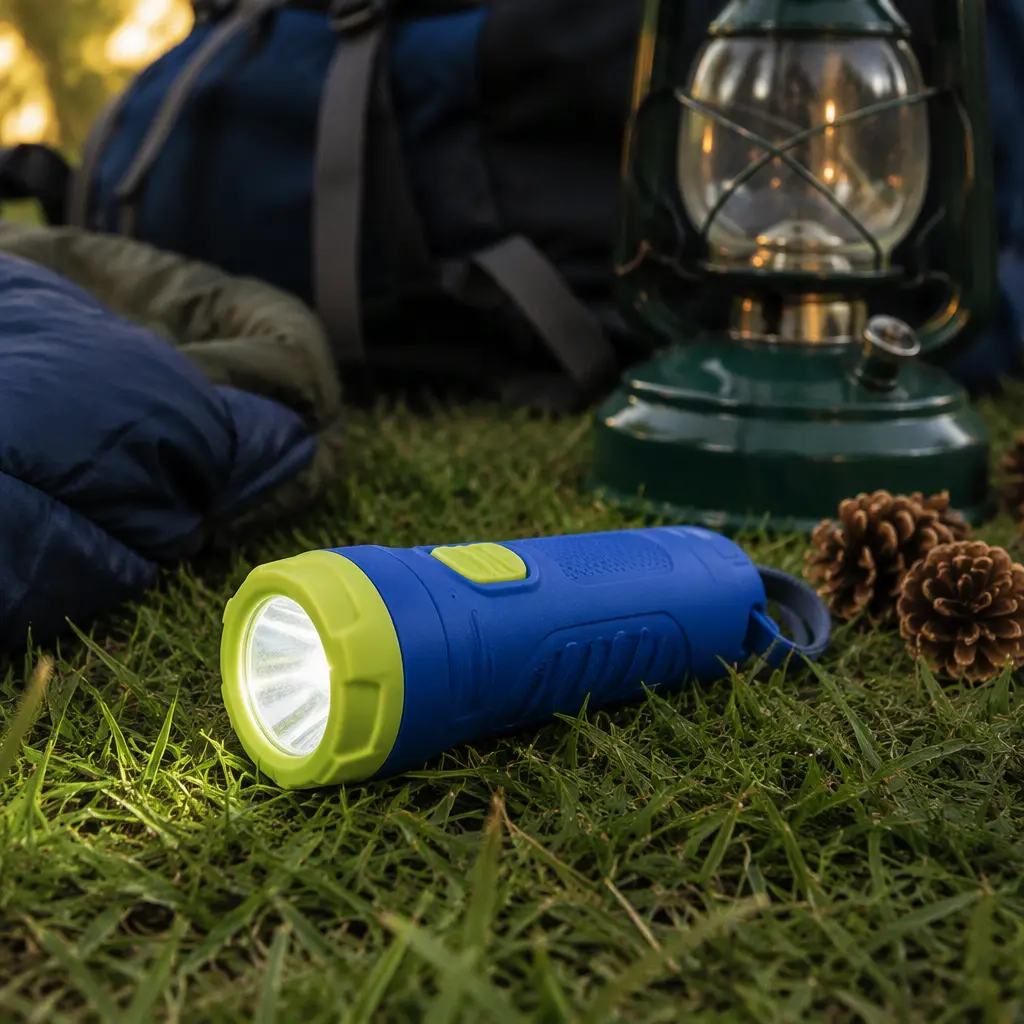
For children in the 6–8 age range, independence matters as much as brightness. A light that is too complicated, heavy, or uncomfortable to hold may lose its appeal quickly. Simpler controls tend to work best for backyard games and pretend camping because children can operate them without constant adult help. Materials also matter. Plastic toy lights are lighter and easier for small hands, but thicker rubberized edges or reinforced corners can help reduce damage from drops onto patios or driveways.
- Choose simple on-and-off controls rather than multiple confusing lighting modes.
- Look for comfortable handles or grips that fit smaller hands securely.
- Moderate brightness is often enough for backyard play and reduces accidental glare into eyes.
- Lanterns with stable bases are less likely to tip over inside tents or forts.
- Flashlights with wrist straps can help prevent drops during active games.
- Rechargeable options reduce battery waste but may require more parent involvement.
- Check storage size if outdoor toys already compete for garage or hallway space.
- Water-resistant designs are useful if toys may be left outside briefly after play.
Age suitability
Most toy lanterns and flashlights marketed for children are suitable for ages 6–8, but the style of play changes within that range. Younger children in this group often prefer lanterns because they illuminate a whole area and feel easier to manage during pretend camping or backyard picnics. Older children may gravitate toward flashlights for scavenger hunts, obstacle games, or exploring darker corners of the yard. Some children also enjoy combining both: a lantern for the base camp area and a flashlight for active movement. If siblings of different ages will share the toy, lanterns can be more cooperative because several children can gather around the same light source instead of competing to control a beam.
Options compared
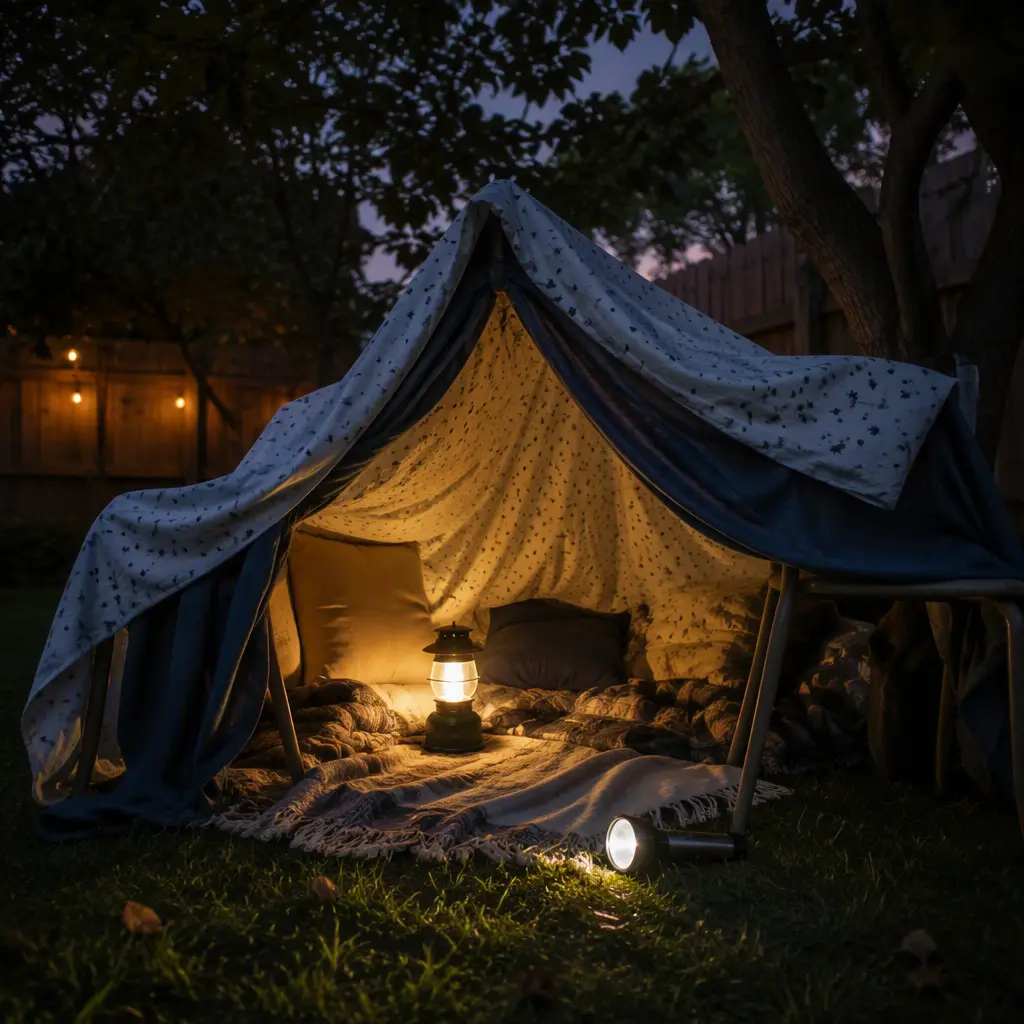
Toy flashlights are usually the stronger choice for active children who enjoy movement-based games. The focused beam supports scavenger hunts, shadow play, nighttime tag, and exploring around bushes or garden paths. Many children also like the sense of control that comes from directing the beam exactly where they want it. Flashlights are typically smaller to store and easier to bring on walks or camping trips. The downside is that they can disappear into toy bins, drain batteries when accidentally left on, or become frustrating if children repeatedly shine them into each other’s faces. Narrow beams may also feel less useful during quieter group activities.
Toy lanterns work better for shared spaces and slower-paced play. They spread light across a wider area, making them useful inside tents, forts, or outdoor snack setups. Children who enjoy imaginative play often use lanterns as part of pretend camping or storytelling games because the lighting feels more atmospheric and less task-focused. Lanterns can also be easier for children to set down safely while keeping both hands free. However, they are usually bulkier than flashlights and may not feel exciting enough for children who prefer running games or exploration. Some battery-powered lanterns also take up more shelf space and can be awkward to pack for travel.
- Choose a flashlight if the child enjoys movement, searching games, exploring, or independent play.
- Choose a lantern if the child prefers forts, pretend camping, reading, or cooperative group play.
- A lightweight flashlight suits families with limited storage or frequent travel.
- A lantern may suit quieter households because area lighting often leads to calmer play patterns.
- Children who lose small toys easily may keep track of larger lanterns more successfully.
- For mixed-age siblings, lanterns can reduce arguments because several children can use the same light source together.
Frequently asked questions
Are brighter lights always better for backyard play?
Not necessarily. Very bright beams can make it harder for children’s eyes to adjust to darkness and may lead to accidental shining into faces. Moderate brightness is usually enough for forts, scavenger hunts, and nighttime games in a typical backyard.
Do rechargeable lights work well for children?
Rechargeable lights can reduce ongoing battery costs and waste, but they depend on adults remembering to charge them. Battery-powered options may be simpler for families who want a toy ready to use at any time without charging cables.
Which option is usually more durable?
Durability varies more by construction quality than by category. Flashlights are dropped more often because children carry them while running, so rubberized edges and secure battery compartments are helpful. Lanterns are often steadier once placed down but can crack if tipped from elevated surfaces.
Are toy lights useful beyond backyard play?
Yes. Many families also use them for indoor blanket forts, power outage comfort lighting, car camping practice, sleepovers, and reading under covers. Lanterns especially can transition well into family camping gear as children grow older.
What if a child gets bored quickly with outdoor toys?
Lights tend to stay interesting longer when combined with activities rather than used alone. Scavenger hunts, treasure maps, shadow games, fort building, and camping role-play can extend interest without adding screens or complicated equipment.
For most families, the decision comes down to play style rather than technology. Flashlights suit energetic children who want to move, search, and explore independently. Lanterns support shared spaces, quieter play, and cozy backyard camp setups. Either option can encourage outdoor time and imaginative play when the size, controls, and durability match how children actually use toys at this age.