Pretend Play Toys Kids Can Start on Their Own
A buyer’s guide to pretend play toys that kids ages 6–8 can set up and start without adult help, encouraging independent storytelling, problem-solving, and creative play right away.
Compare prices and availability
Check current prices and availability for this guide on eBay.
As an eBay Partner, we may be compensated if you make a purchase.
Many kids enjoy pretend play most when they can jump right in and start creating stories on their own. For parents, that means looking for toys that don’t require complicated setup, reading long instructions, or constant adult involvement. The right pretend play sets make it easy for kids ages 6–8 to take the lead, build confidence, and stay engaged through imaginative storytelling.
What to look for
Instant-play pretend toys share a few key features that remove common barriers to independent play. These features help kids understand how to use the set without needing step-by-step guidance, while still leaving plenty of room for imagination.
- Clear visual cues: Props that look like what they represent make it easier for kids to know how to use them.
- Minimal assembly: Pieces should work right out of the box or after very simple setup.
- Open-ended roles: Toys that support multiple characters or scenarios keep play flexible.
- Durable materials: Sturdy pieces hold up to repeated solo play and frequent handling.
- Easy storage: Sets that pack away simply encourage kids to manage their own cleanup.
Age suitability
For kids ages 6–8, pretend play often becomes more narrative-driven. They’re ready to invent plots, assign roles, and act out longer sequences. Toys for this age group should offer enough detail to spark ideas without being so complex that they slow play down. Look for sets that match growing reading skills and fine motor abilities, while still being intuitive enough to use independently.
Standout categories or types
Some types of pretend play toys are especially good at supporting instant, independent play. These categories tend to rely on familiar real-world themes, which helps kids start playing without explanations.
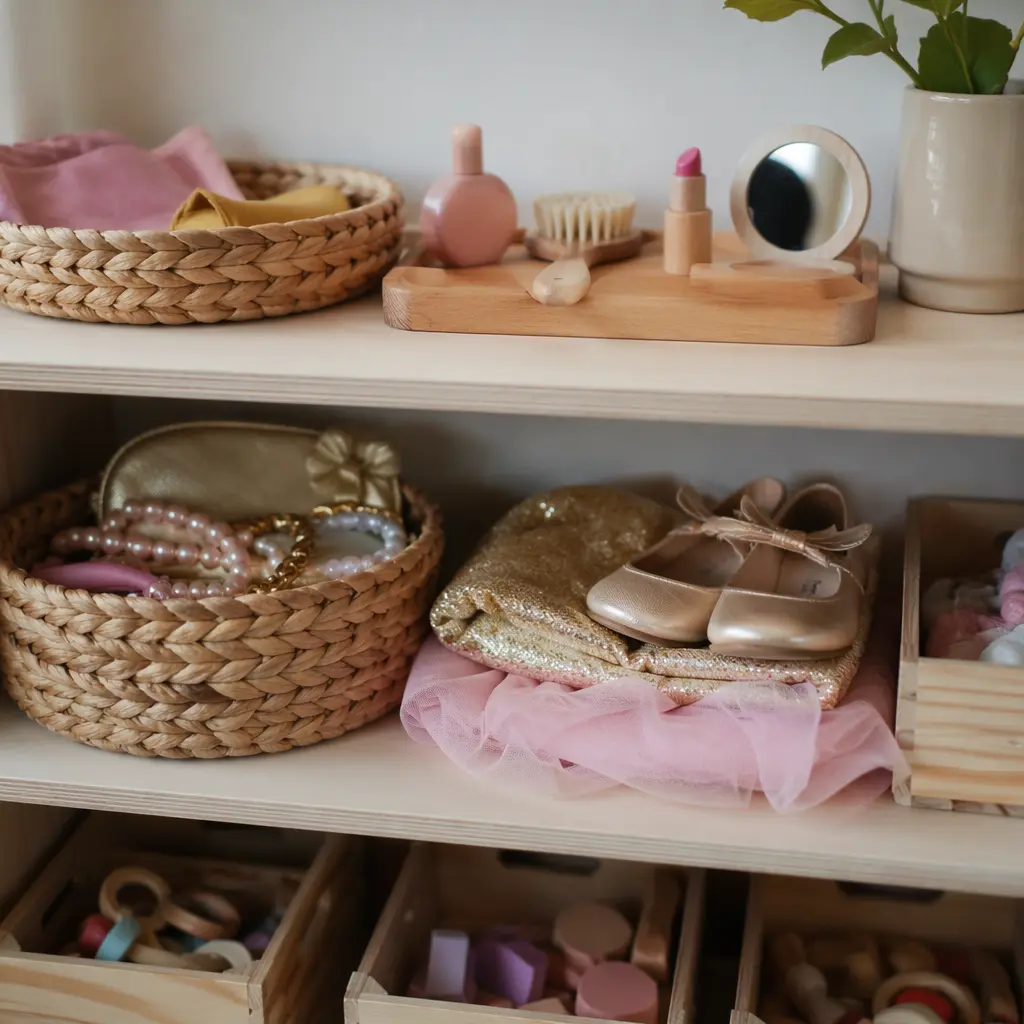
- Role-play kits: Doctor, teacher, or shop-style sets with recognizable tools encourage quick role assignment.
- Play environments: Fold-out scenes or play mats give kids an immediate setting for their stories.
- Figure-based sets: Characters with simple accessories help kids act out social situations and adventures.
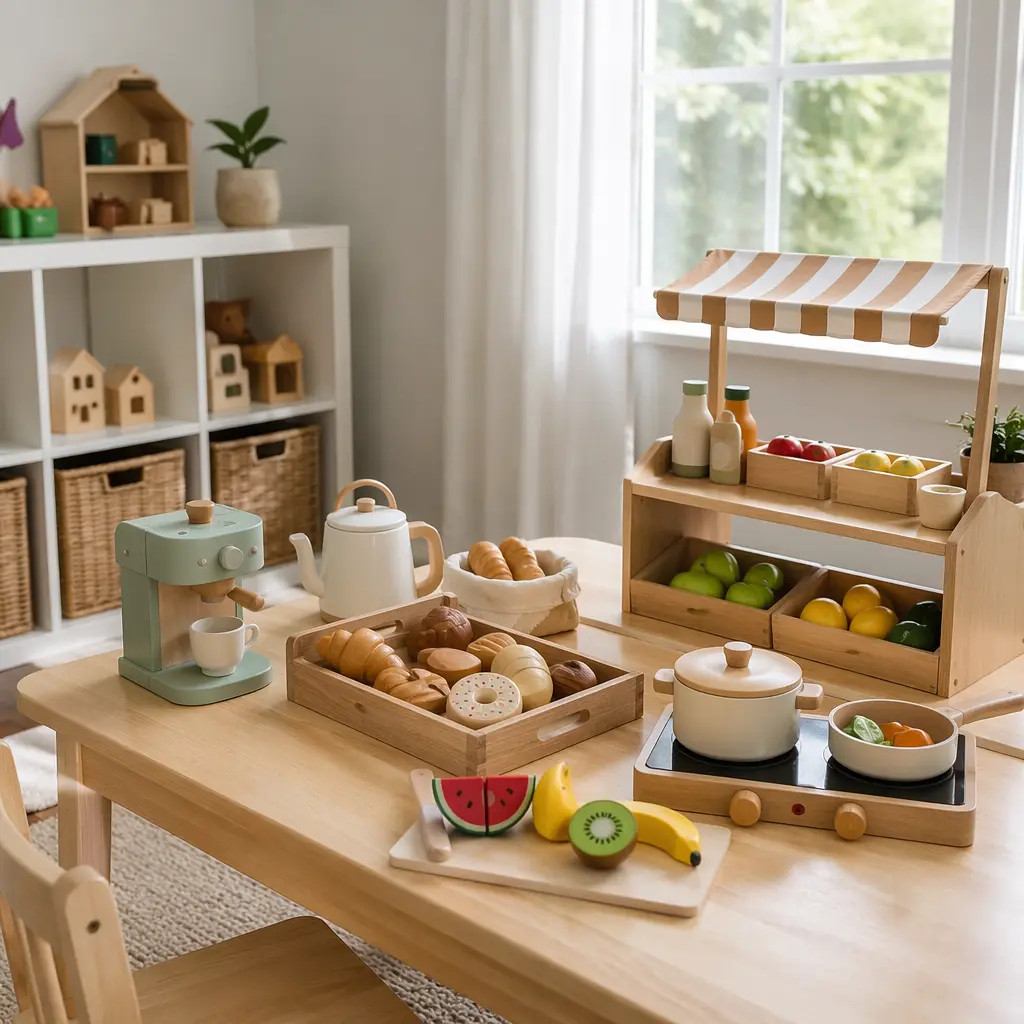
- Everyday life themes: Kitchen, travel, or home-themed toys mirror routines kids already understand.
Frequently asked questions
What makes a pretend play toy easy to start independently?
Toys that are easy to start usually have obvious functions, minimal setup, and no required reading. Kids can recognize the theme and begin acting it out right away.
Do independent pretend play toys limit creativity?
Not necessarily. The best options provide a starting point but don’t dictate a single story. Open-ended props allow kids to adapt the toy to many different ideas.
Are these toys suitable for solo play only?
While they’re designed for solo use, many instant-play pretend toys also work well for cooperative play with siblings or friends, making them flexible for different situations.
How long should independent pretend play last at this age?
Play sessions can range from a few minutes to much longer, depending on interest. Toys that support storytelling and role changes tend to hold attention longer.
Pretend play toys that kids can start on their own support confidence, creativity, and problem-solving. By focusing on intuitive design and open-ended themes, parents can choose options that encourage independent storytelling while still leaving room for growth and imagination.