Simple Pretend Play Toys That Replace Screens After School
A parent-focused guide to pretend play toys that help ages 3–5 unwind after school, build independence, and stay engaged without screens.
Compare prices and availability
Check current prices and availability for this guide on eBay.
As an eBay Partner, we may be compensated if you make a purchase.
After a full day of school or preschool, many children need a gentle way to decompress. Screens can be tempting, but simple pretend play toys offer another path—one that encourages imagination, independence, and calm focus. For children ages 3–5, role-play toys that mirror everyday life can feel familiar and soothing, making it easier to transition from structured time to relaxed play.
What to look for
When choosing pretend play toys to replace screens, simplicity matters. Toys that are easy to understand and don’t overwhelm kids with lights or sounds are more likely to invite calm, self-directed play. Look for options that fit naturally into your child’s daily world and can be used in more than one way.
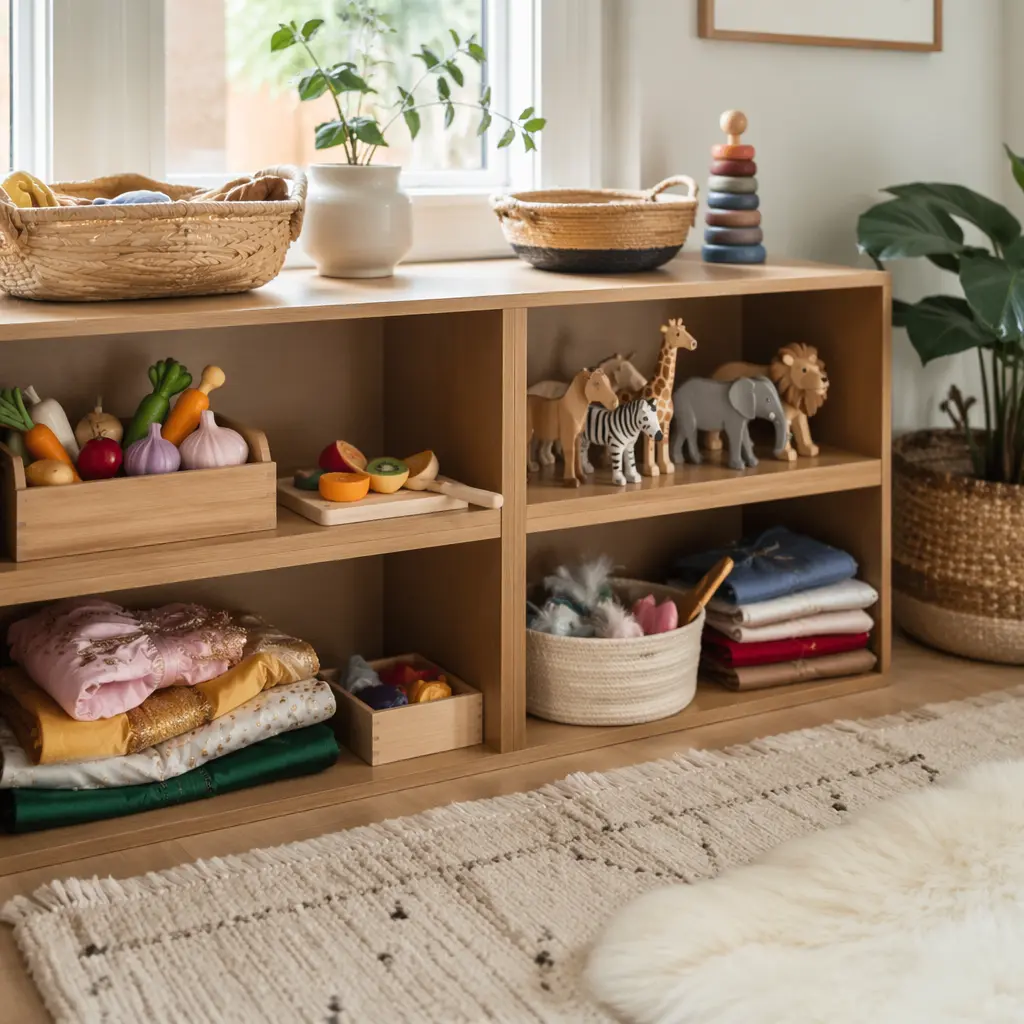
- Open-ended design: Pieces that can become many things support imagination and longer play sessions.
- Everyday themes: Cooking, caring, building, or helping roles feel familiar and comforting after school.
- Durable materials: Sturdy wood, fabric, or thick plastic holds up to daily use and independent play.
- Right-sized scale: Tools and props sized for small hands help kids play without frustration.
- Simple storage: Sets that pack away easily make it more likely kids can set up and clean up on their own.
Age suitability
For ages 3–5, pretend play is moving from basic imitation to more involved storytelling. Children in this range enjoy copying what they see adults do—making meals, caring for animals, fixing things—while adding their own ideas. Toys should be safe for preschoolers, free of small parts, and simple enough to use without adult direction. At this age, fewer pieces often lead to deeper play, especially when kids are tired after school.
Standout categories or types
Certain types of pretend play toys tend to work especially well as screen alternatives after school. They offer familiar roles and predictable actions, which can feel calming at the end of the day. Many also support independent play, allowing kids to stay engaged while parents prepare dinner or handle routines.
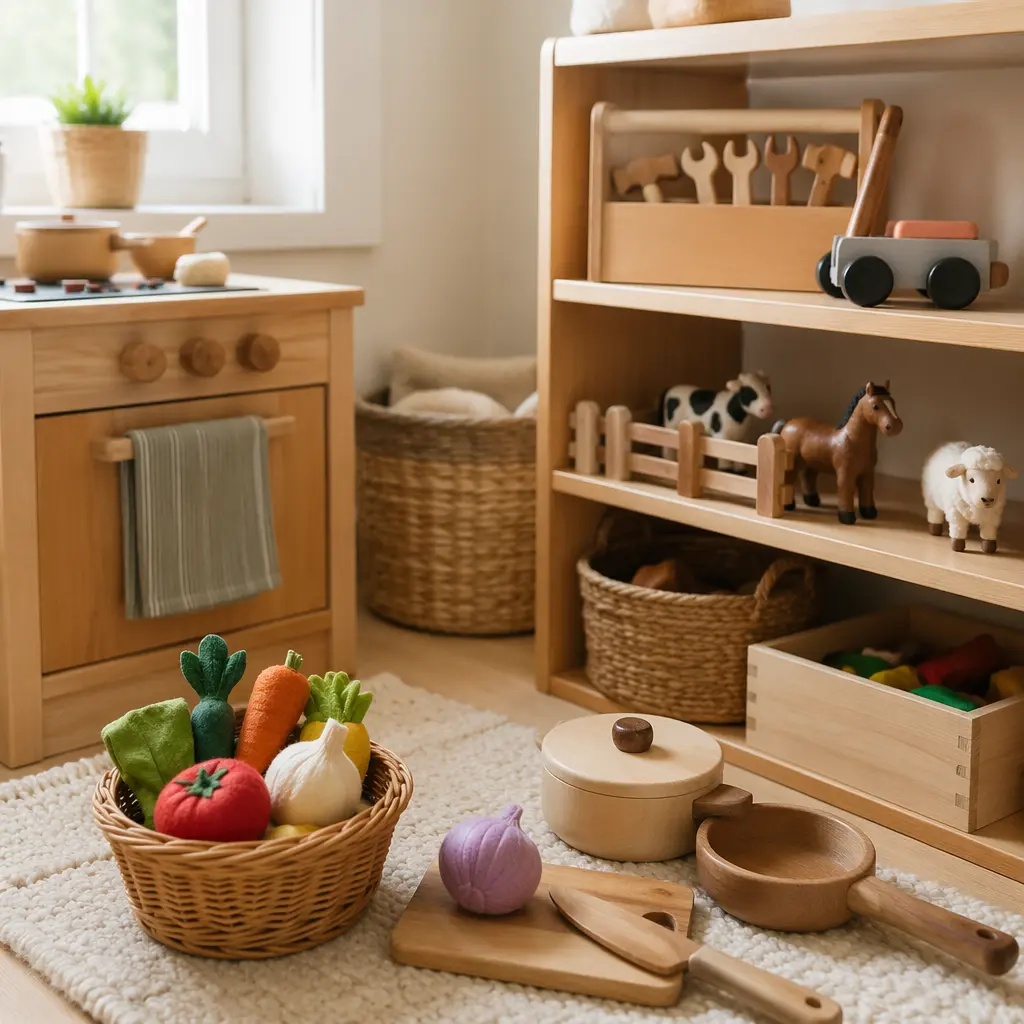
- Play kitchens and food sets: Stirring, serving, and sorting are repetitive, soothing actions that help kids unwind.
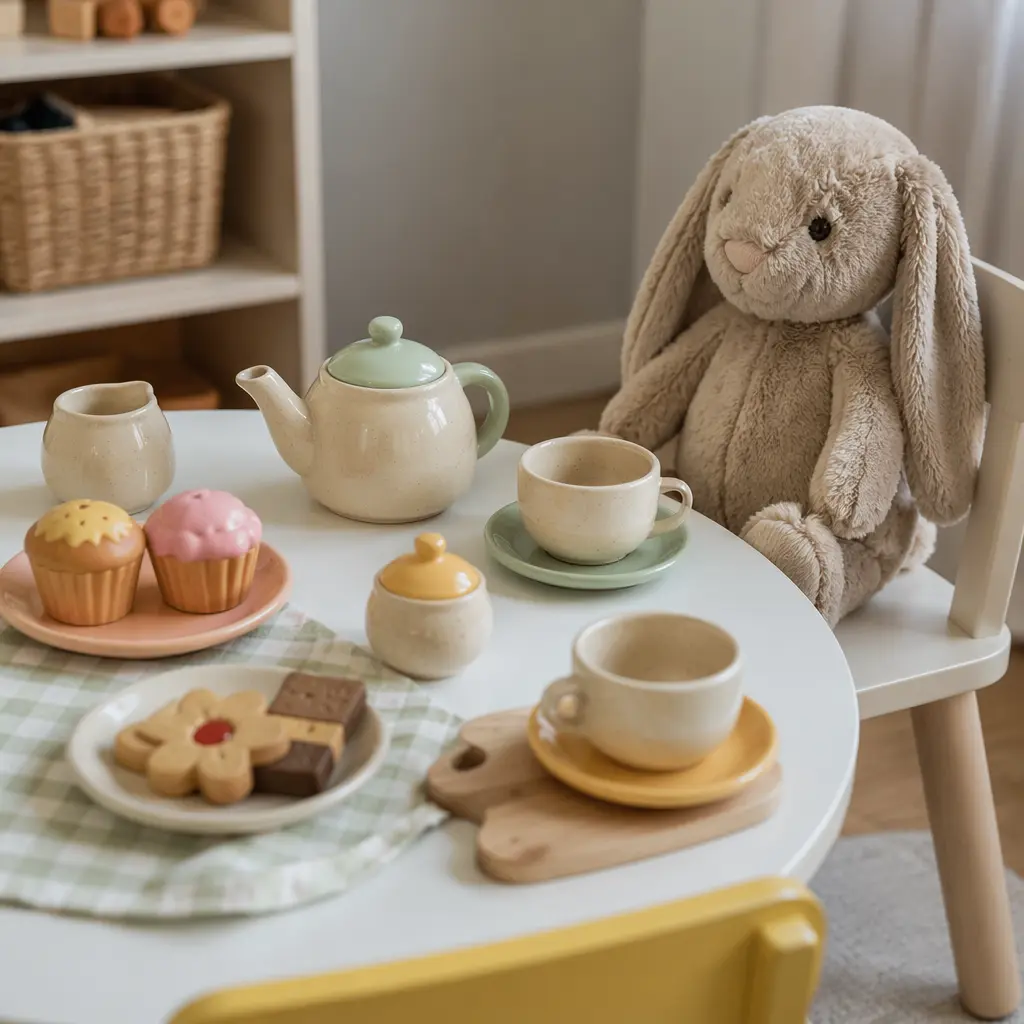
- Care and nurturing toys: Dolls, stuffed animals, and care accessories encourage gentle role-play and emotional expression.
- Dress-up basics: Simple costumes or props spark imagination without requiring rules or instructions.
- Vehicle and figure play: Cars, trains, or animals paired with simple scenery invite quiet storytelling.
- Tool and workbench play: Pretend fixing or building gives kids a sense of purpose and control.
Frequently asked questions
Can pretend play really replace screen time?
For many children, yes—especially when the toys are accessible and part of a routine. Pretend play engages the brain differently than screens, encouraging creativity and problem-solving without overstimulation. It may not eliminate screens entirely, but it can reduce reliance on them after school.
How much guidance do kids need to get started?
Most preschoolers need very little. A simple setup—placing a few items on a table or rug—can be enough. Demonstrating one action, like pouring pretend tea, then stepping back often helps kids take over on their own.
What if my child loses interest quickly?
Rotating toys instead of offering everything at once can help. Keeping a small selection available and swapping items weekly can make familiar toys feel new again without buying more.
Are quieter toys better after school?
Often, yes. Toys without electronic sounds or bright lights tend to support calmer play. Repetitive, hands-on actions can help children settle after a busy day.
Simple pretend play toys won’t just fill time—they can shape how children relax, imagine, and play independently. By choosing everyday role-play toys that match your child’s age and interests, you create a screen-free after-school option that feels natural, calming, and genuinely fun.