Toy Tool Belts vs Workbenches for Small Homes
Choosing between a toy tool belt and a pretend-play workbench? This guide compares space needs, storage, noise, supervision and age suitability for children aged 3–5.
Compare prices and availability
Check current prices and availability for this guide on eBay.
As an eBay Partner, we may be compensated if you make a purchase.
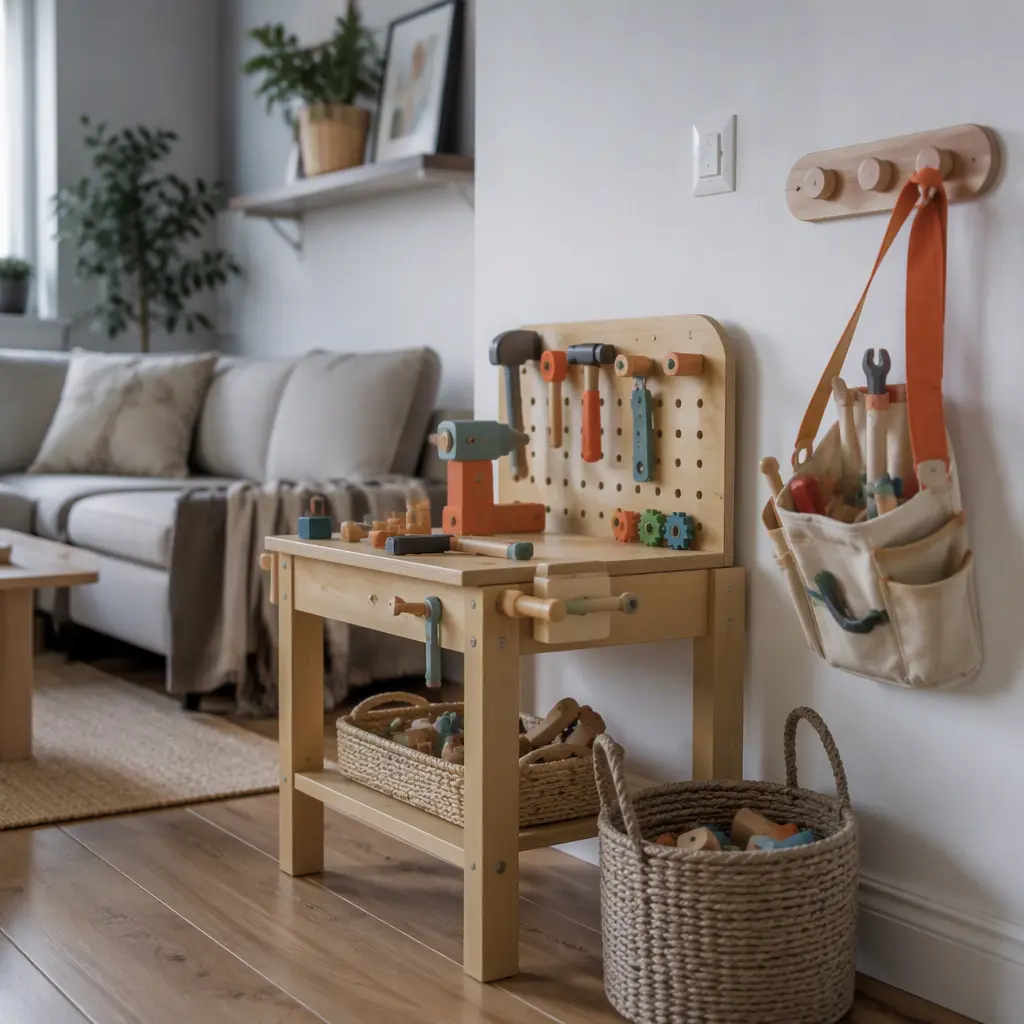
Toy tools are a popular form of screen-free pretend play for children aged 3 to 5, but the amount of space they take up can vary dramatically. In smaller homes, the decision often comes down to a portable toy tool belt or a larger pretend-play workbench. Both encourage imaginative role play, fine motor practice and independent play, yet they suit different routines, storage setups and noise tolerances. Parents deciding between them usually benefit from thinking about where the toy will live day to day, how often it needs to be packed away and whether the child prefers active movement or longer focused play sessions.
What to look for
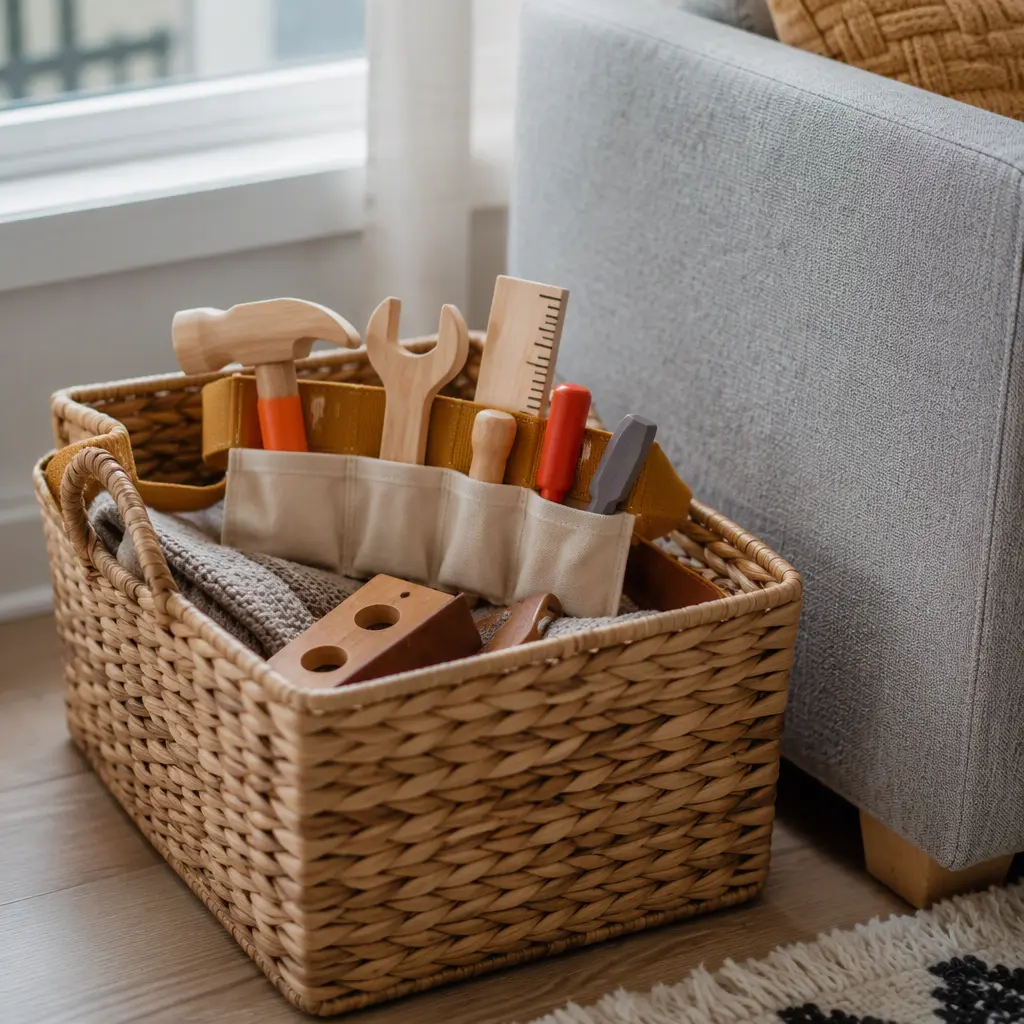
The biggest difference between toy tool belts and workbenches is how they fit into daily family life. Tool belts are usually lightweight, portable and easier to store in shared living spaces. Workbenches create a more dedicated play zone and can support longer pretend projects, but they often need permanent floor space. Materials also matter. Wooden sets are generally quieter and may blend more easily into living rooms, while plastic sets can be lighter and easier to wipe clean after messy play.
- Check storage size before buying, especially for workbenches with wide bases or attached accessories.
- Look for chunky tools that are easy for preschool hands to grip without frustration.
- Consider noise levels if the toy includes pretend drilling, hammering or electronic sounds.
- Portable tool belts suit homes where toys need to be packed away daily.
- Workbench sets often support collaborative play between siblings or visiting friends.
- Choose sets with limited loose parts if cleanup time is already a challenge.
- Fabric belts can be easier to hang on hooks or fit into closets than rigid plastic cases.
Age suitability
For ages 3 to 5, pretend-play tools should stay simple enough for independent use while still offering room for imagination. Younger preschoolers often enjoy wearable tool belts because they can move around the house pretending to repair furniture, build objects or copy adult routines. Many children in this age range like carrying tools from room to room rather than staying in one place. Around ages 4 and 5, some children become more interested in building sequences and repetitive actions such as sorting tools, turning pretend screws or organizing accessories on a bench surface. A workbench can support this style of play better, especially for children who enjoy calmer, station-based activities. Parents should still check manufacturer guidance carefully, since some sets include smaller accessory pieces that may not suit younger siblings nearby.
Options compared
Toy tool belts work well for families prioritizing flexibility and easy cleanup. They are usually simpler to store under beds, inside baskets or on wall hooks, making them practical for apartments and shared living rooms. Children who enjoy active pretend play often prefer wearable setups because they can move freely between rooms and involve other toys in their games. Tool belts also tend to create less visual clutter when packed away. However, they may offer fewer opportunities for organized building play, and loose tools can still spread around the house if storage routines are inconsistent.
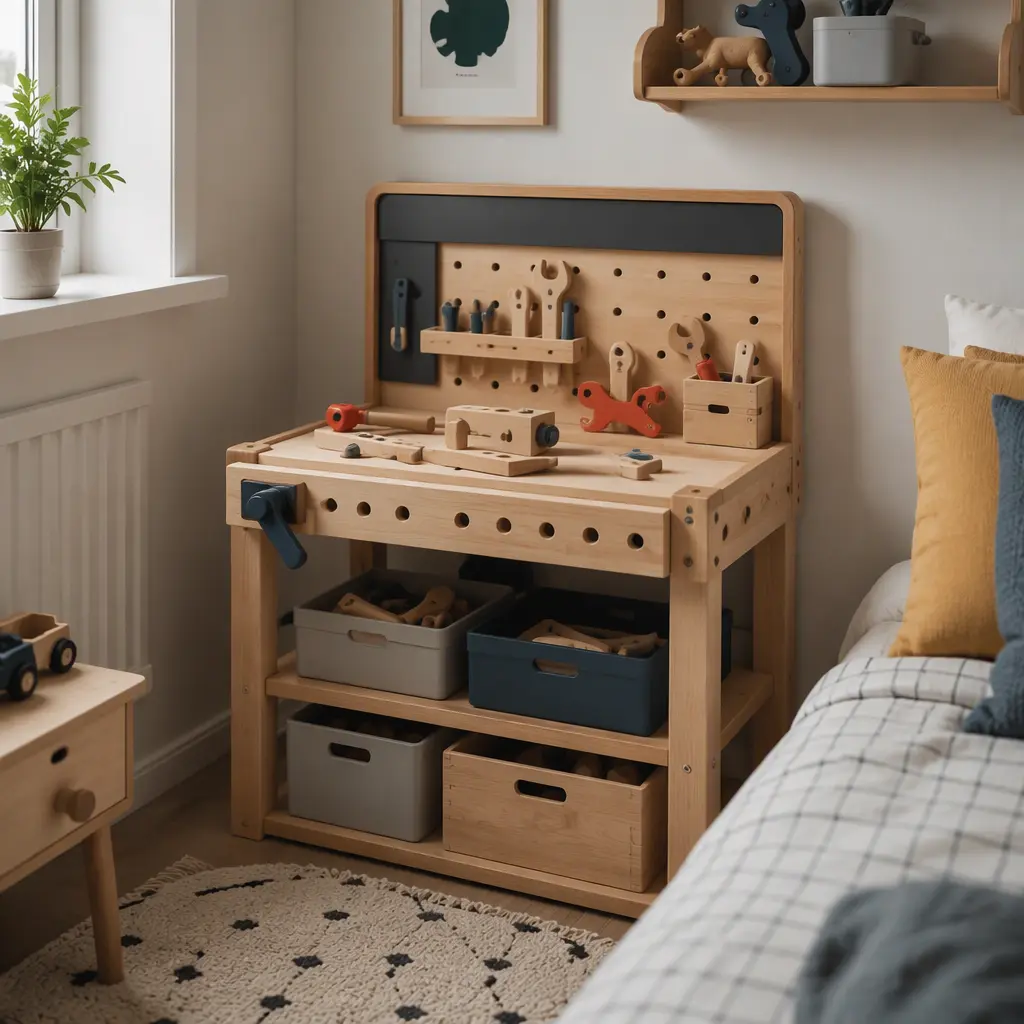
Pretend-play workbenches suit children who enjoy focused, repeatable activities in one place. The raised work surface can help keep accessories contained and encourages sorting, arranging and role-play sequences that feel more structured. Larger benches may include storage shelves, hanging areas or compartments that support independent cleanup habits. The trade-off is floor space. Even compact benches can dominate smaller bedrooms or living areas, and some families find that oversized accessories become difficult to store when not in use. Workbenches may also produce more repetitive tapping or hammering noise on hard floors.
- Choose a toy tool belt if storage space is limited, toys must move between rooms or your child prefers active role play.
- Choose a workbench if you have room for a semi-permanent play area and your child enjoys organized, stationary activities.
- Fabric-heavy sets are often quieter for apartment living than hard plastic tools and benches.
- Families with multiple children may find workbenches easier for shared play sessions.
- Parents wanting fast end-of-day cleanup may prefer portable sets with fewer separate components.
Frequently asked questions
Do toy workbenches take up a lot of room?
Some do, especially models with wide legs, side trays or large accessory collections. In small homes, checking the footprint carefully is important. Foldable or compact benches can be easier to manage, but they still usually require dedicated floor space.
Are tool belts better for travel or grandparents' homes?
Portable tool belts are typically easier to carry between homes or pack into cars for visits. They also tend to fit more easily into temporary storage spaces such as closets or fabric bins.
Which option creates less mess?
Tool belts often include fewer pieces overall, which can reduce cleanup time. However, workbenches sometimes contain loose parts more effectively because everything stays near one play station instead of being carried around the house.
Are electronic pretend tools worth considering?
Electronic sounds can increase excitement for some children, but they may also become tiring in small shared spaces. Families in apartments or homes with sleeping siblings often prefer quieter manual pretend tools.
Can these toys support independent play?
Both formats can encourage independent pretend play when the tools are simple to access and put away. Children often stay engaged longer when accessories are visible and organized rather than piled into deep toy boxes.
For many small homes, the better choice depends less on the toy itself and more on how the family uses space every day. A portable tool belt fits naturally into flexible living areas and quick cleanup routines, while a workbench can create a satisfying dedicated play zone for children who enjoy slower, focused pretend play. Thinking about storage habits, noise tolerance and how often toys need to disappear at the end of the day usually leads to the most practical decision.