Are Electronic Learning Toys Too Much for Toddlers?
A parent-friendly guide to electronic learning toys for ages 1–2, weighing potential benefits against overstimulation and offering clear, practical tips for choosing and using them well.
Compare prices and availability
Check current prices and availability for this guide on eBay.
As an eBay Partner, we may be compensated if you make a purchase.
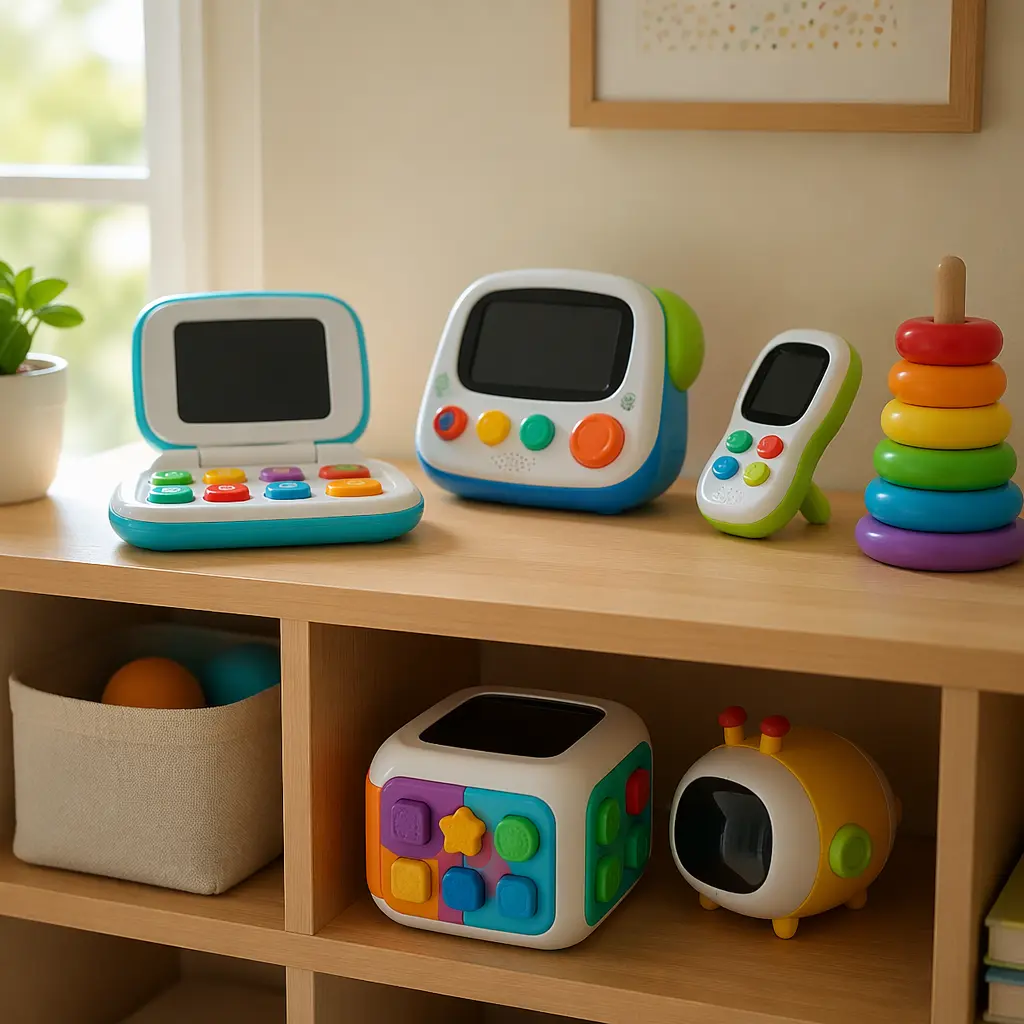
Electronic learning toys are everywhere in the toddler aisle, promising early letters, numbers, songs, and skills. For parents of 1–2 year olds, the big question is whether these toys genuinely support learning or simply overwhelm young children with lights and sounds. The short answer: they can be helpful in small, thoughtful doses, but they are not essential—and too much stimulation can work against how toddlers naturally learn.
What to look for
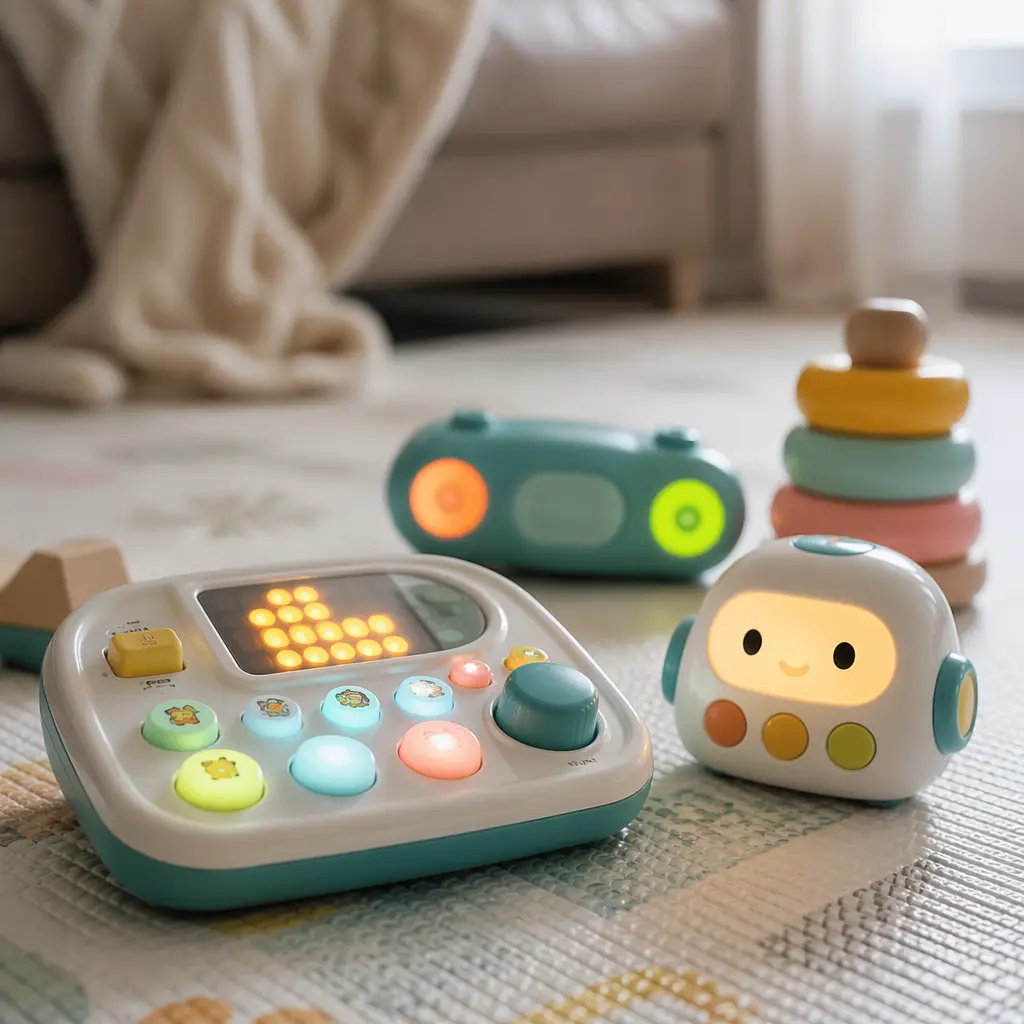
Toddlers between 12 and 24 months learn best through movement, repetition, and real-world interaction. If you choose an electronic learning toy, the design matters more than the promises on the box. The goal is to support exploration, not replace it.
- Simple cause-and-effect: A single button leading to one clear response helps toddlers understand how their actions matter.
- Moderate sound and light: Look for toys with adjustable volume or gentle feedback rather than constant noise.
- Open-ended play: Toys that can be used in more than one way tend to hold attention without overstimulation.
- Adult interaction encouraged: The best options invite a parent or caregiver to join in, talk, sing, or name objects together.
- Clear off switch: Being able to turn a toy fully off makes it easier to manage noise and playtime boundaries.
Age suitability
For ages 1–2, learning is sensory and physical. Children are figuring out how their bodies move, how objects feel, and how communication works through back-and-forth with adults. Electronic learning toys can introduce concepts like sounds or simple words, but toddlers at this age do not learn best from toys that lead the play. Passive listening or flashing lights do little on their own. What matters most is how the toy fits into a larger play environment that includes floor time, outdoor movement, books, and conversation.
Standout categories or types
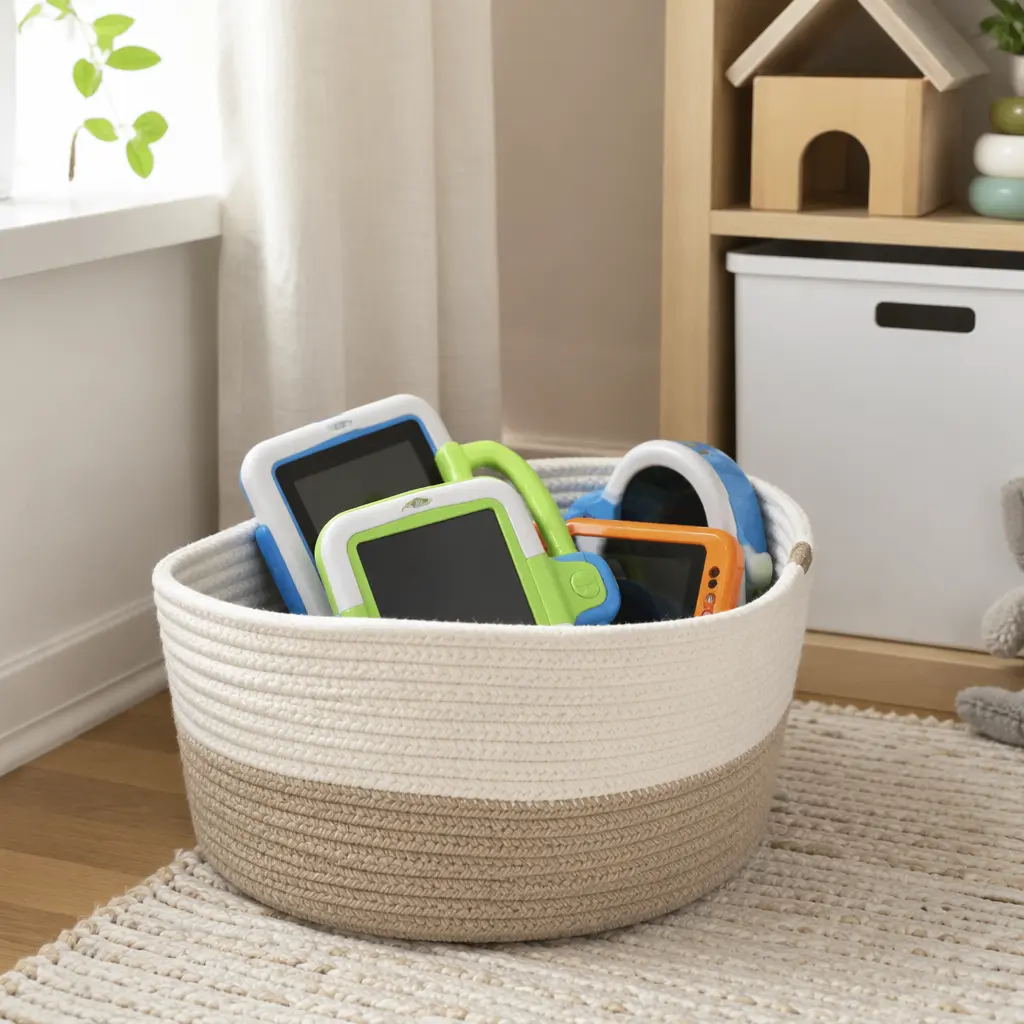
Not all electronic learning toys are equally stimulating. Some designs align better with toddler development and are easier to use in balanced ways. Thinking in terms of categories can help narrow choices without overbuying.
- Sound-and-music toys with restraint: Simple instruments or sound buttons can support rhythm and listening when used briefly.
- Push-and-press activity toys: These support fine motor skills and cause-and-effect understanding without demanding constant attention.
- Interactive books with limited audio: When sound supports, rather than replaces, shared reading, toddlers benefit more.
- Dual-mode toys: Options that work with or without electronics allow the same toy to grow with your child.
Frequently asked questions
Can electronic learning toys cause overstimulation?
They can if they are loud, fast-paced, or used for long stretches. Signs of overstimulation include irritability, zoning out, or difficulty switching to calmer activities. Short play sessions and quiet downtime help prevent this.
Do toddlers learn letters or numbers from these toys?
At ages 1–2, toddlers are not expected to master letters or counting. Exposure can build familiarity, but understanding comes later. Naming objects, singing together, and everyday conversation are more effective learning tools at this stage.
How much electronic toy time is reasonable?
There is no exact rule, but many parents aim to keep electronic toy use brief—often 10–15 minutes at a time—within a day that includes lots of free movement and hands-on play.
Are non-electronic toys better?
Non-electronic toys often encourage imagination and problem-solving, but that does not mean electronics are harmful by default. A mix, with a strong emphasis on simple, open-ended toys, tends to work well.
What matters more: the toy or how it’s used?
How a toy is used matters far more than the toy itself. Talking, labeling, singing, and responding to your toddler during play turns almost any toy into a learning experience.
Electronic learning toys are not inherently too much for toddlers, but they are easy to overdo. For ages 1–2, think of them as occasional tools rather than must-have teaching devices. When balanced with real-world play, warm interaction, and quiet moments, they can fit into a healthy, developmentally supportive toy mix.