Stretch Armstrong: The toy that begged to be pulled apart
First released in the 1970s, Stretch Armstrong turned strength and durability into play. This profile looks at where it came from, why kids kept testing its limits, and what to know today.
Compare prices and availability
Check current prices and availability for this guide on eBay.
As an eBay Partner, we may be compensated if you make a purchase.
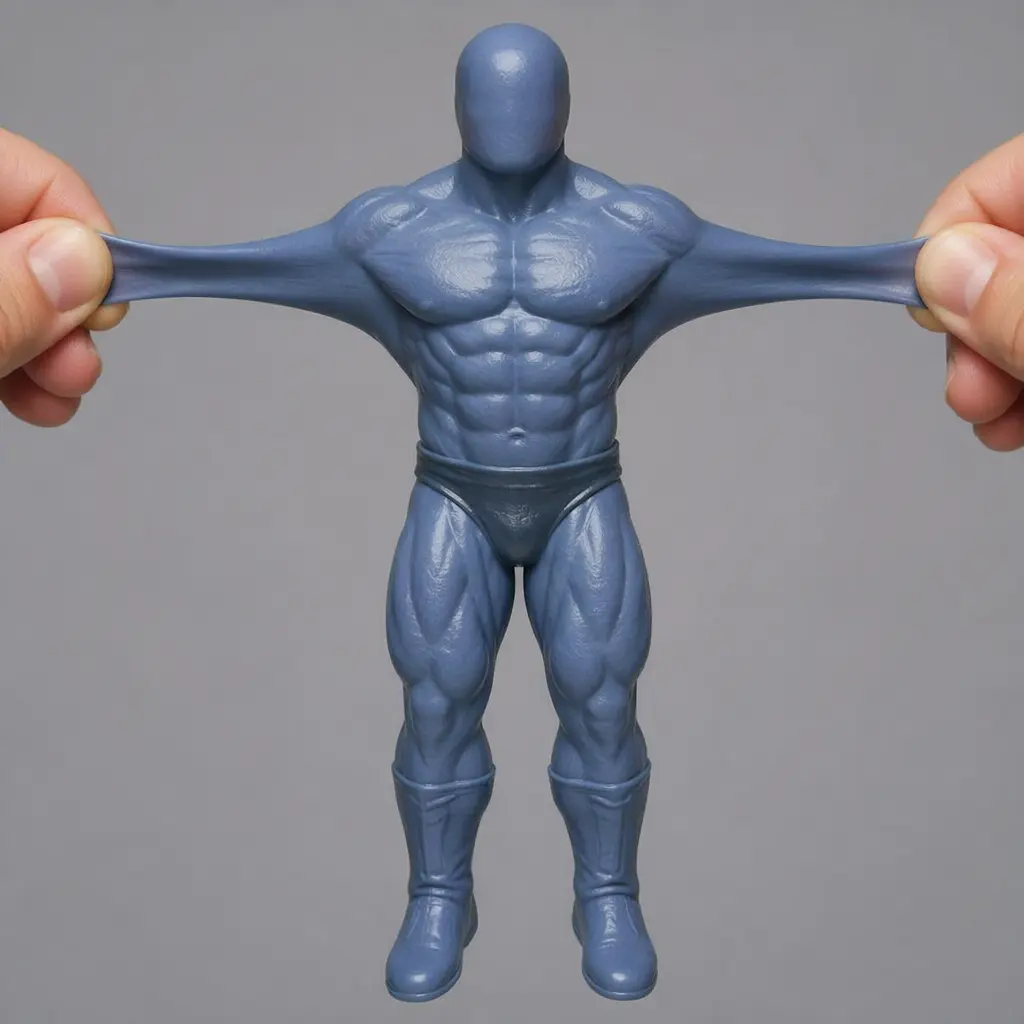
Some toys invite careful play. Stretch Armstrong did the opposite. From the moment kids pulled him out of the box, the challenge was clear: grab his arms, tug hard, and see if he’d survive. First released in the mid-1970s, this stretchy strongman became a playground legend for durability, curiosity, and the thrill of testing limits.
Where it came from
Stretch Armstrong debuted in 1976, created by toy designer Kenner Parker and brought to market by Kenner, a company known for bold, tactile playthings. The idea was simple but unusual for the time: an action figure designed not for posing or accessories, but for physical stress. Inside the figure was a thick gel-like filling sealed within a durable rubber skin, allowing it to stretch several times its size and snap back into shape.
Originally marketed as a test of strength — kids versus toy — Stretch Armstrong fit neatly into the 1970s fascination with superheroes, strongmen, and physical feats. Unlike many action figures of the era, he didn’t rely on media tie-ins or detailed backstory. His appeal was immediate and physical, rooted in what you could do with him rather than who he was supposed to be.
Why it works
At its core, Stretch Armstrong succeeds because it turns curiosity into action. Children naturally want to know how far something can bend before it breaks. This toy made that question the entire point of play. The resistance of the material, the slow stretch, and the satisfying recoil all contribute to a sensory experience that feels almost scientific.
The design also encouraged social play. Two or more kids could grab different limbs and negotiate how far was “too far,” turning the toy into a shared experiment. Standout features include:
- A flexible rubber exterior designed to withstand repeated stretching
- A dense, slow-moving filling that adds weight and resistance
- Simple humanoid form with no fragile joints or accessories
- Immediate feedback — stretch, release, repeat
Who it's for
Stretch Armstrong has always sat at the intersection of kids’ play and adult nostalgia. For children, it’s best suited to ages 5 and up, when rough handling is part of normal play but understanding of basic care is developing. For adults, the appeal is largely nostalgic — a reminder of a time when toys felt more like physical challenges than collectibles.
Variants and what to look for today
Over the decades, Stretch Armstrong has been reissued and reimagined several times, including glow-in-the-dark versions, larger body types, and companion characters. While the core concept remains the same, materials and build quality can vary widely depending on the era of production.
If you’re considering one today, focus less on nostalgia branding and more on construction. A good stretch toy should feel heavy for its size, stretch smoothly without thin spots, and return to shape without sagging. Be cautious of very cheap stretch figures that may split easily or leak their filling after minimal use.
Frequently asked questions
How far can Stretch Armstrong stretch?
Classic versions were often advertised as stretching several feet, but real-world durability depends on even pulling and avoiding sudden jerks. Gentle, steady stretching helps preserve the material.
Is it safe if it breaks?
If punctured, the inner filling can leak and create a mess. While generally non-toxic, broken toys should be discarded promptly and hands washed after handling.
Do modern versions feel the same as vintage ones?
Many fans note differences in weight and resistance. Modern materials can feel lighter or firmer, which changes the stretch experience slightly, though the core idea remains intact.
Is it meant for collecting or playing?
Stretch Armstrong was designed to be played with. While some collectors keep boxed examples, its true value shows when it’s pulled, twisted, and tested.
Nearly fifty years on, Stretch Armstrong endures because it embraces a basic truth of childhood: kids want to see what happens when they push boundaries. Few toys make that impulse so central — or survive it so well.