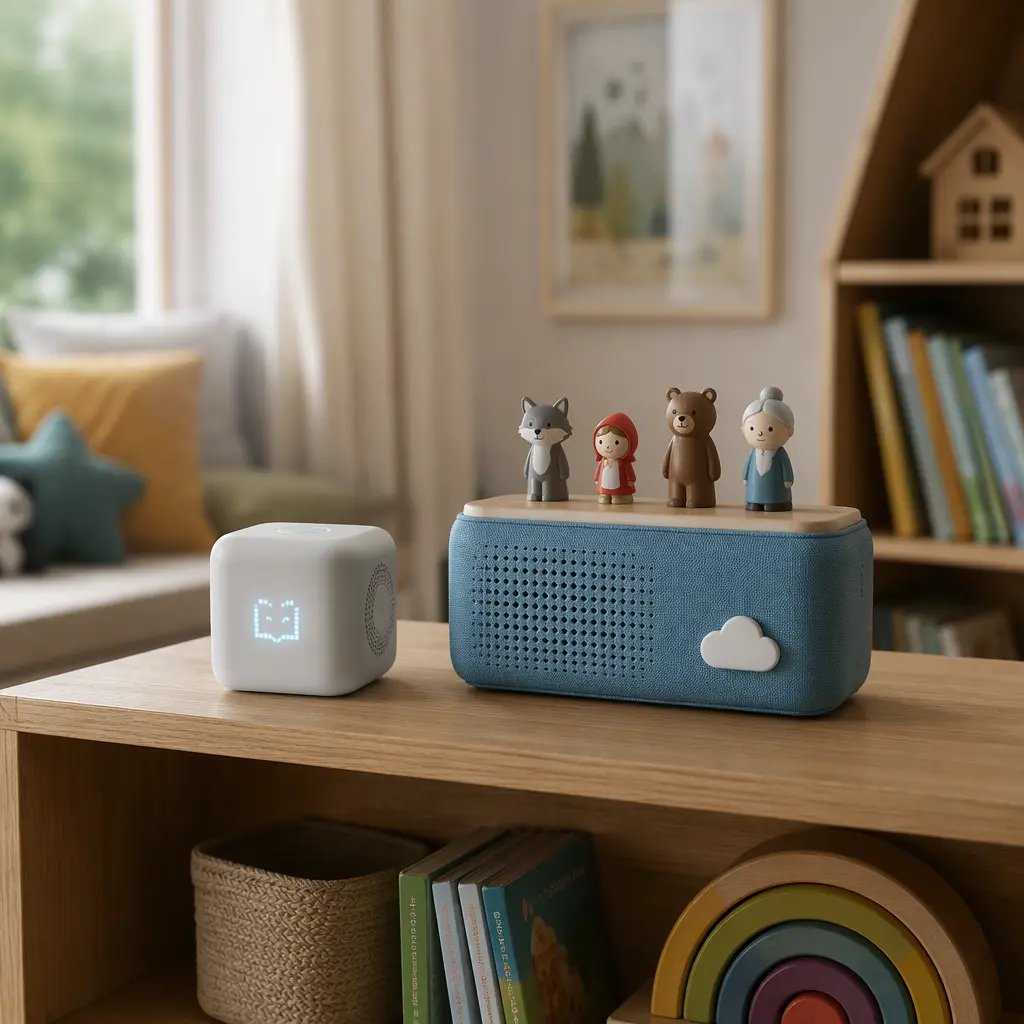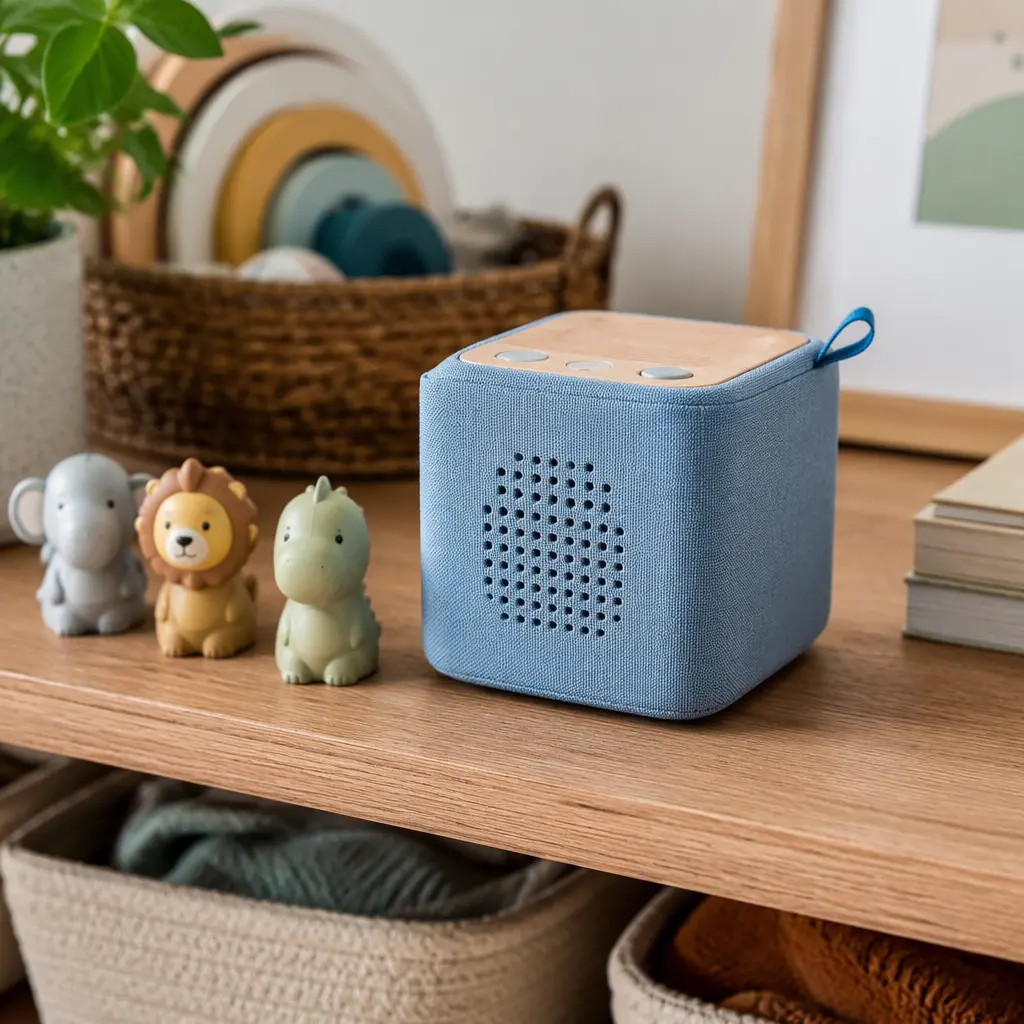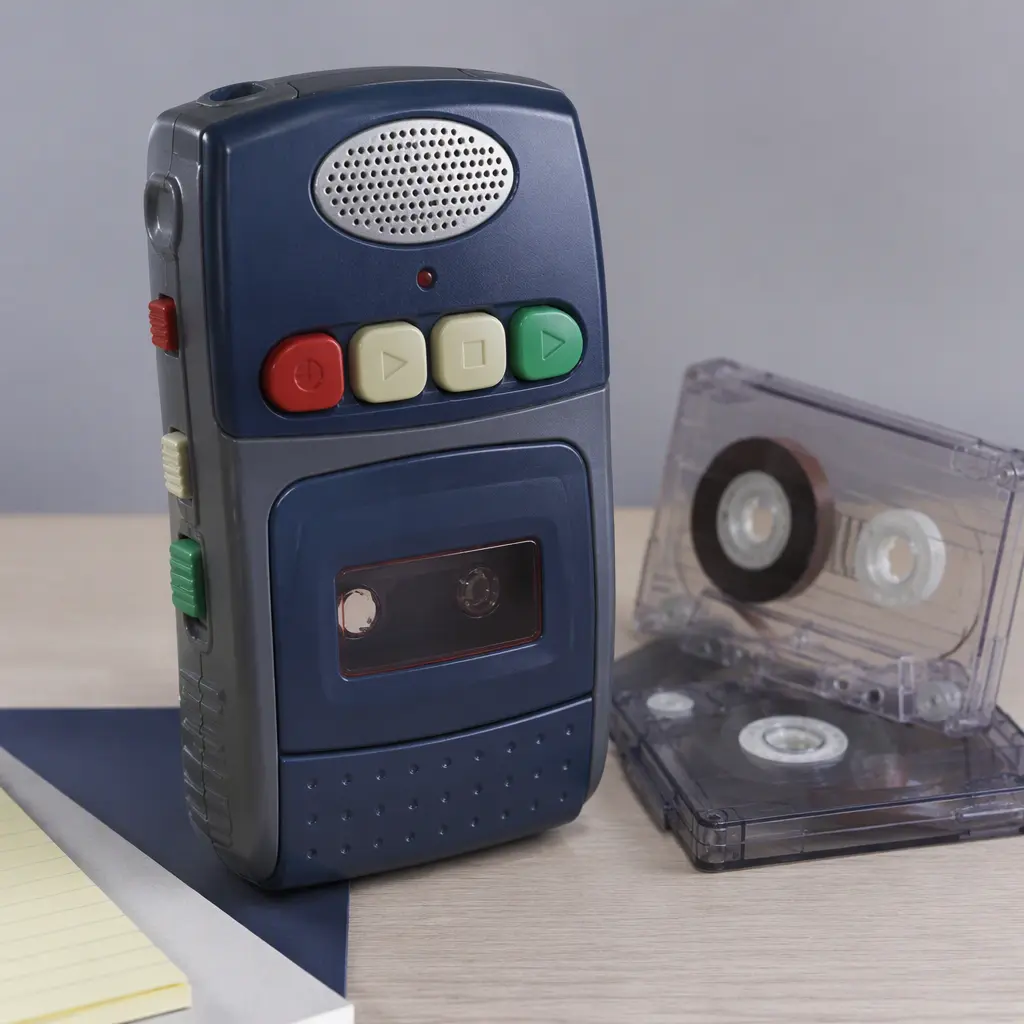
Toniebox Creative Tonies: Recording stories made simple
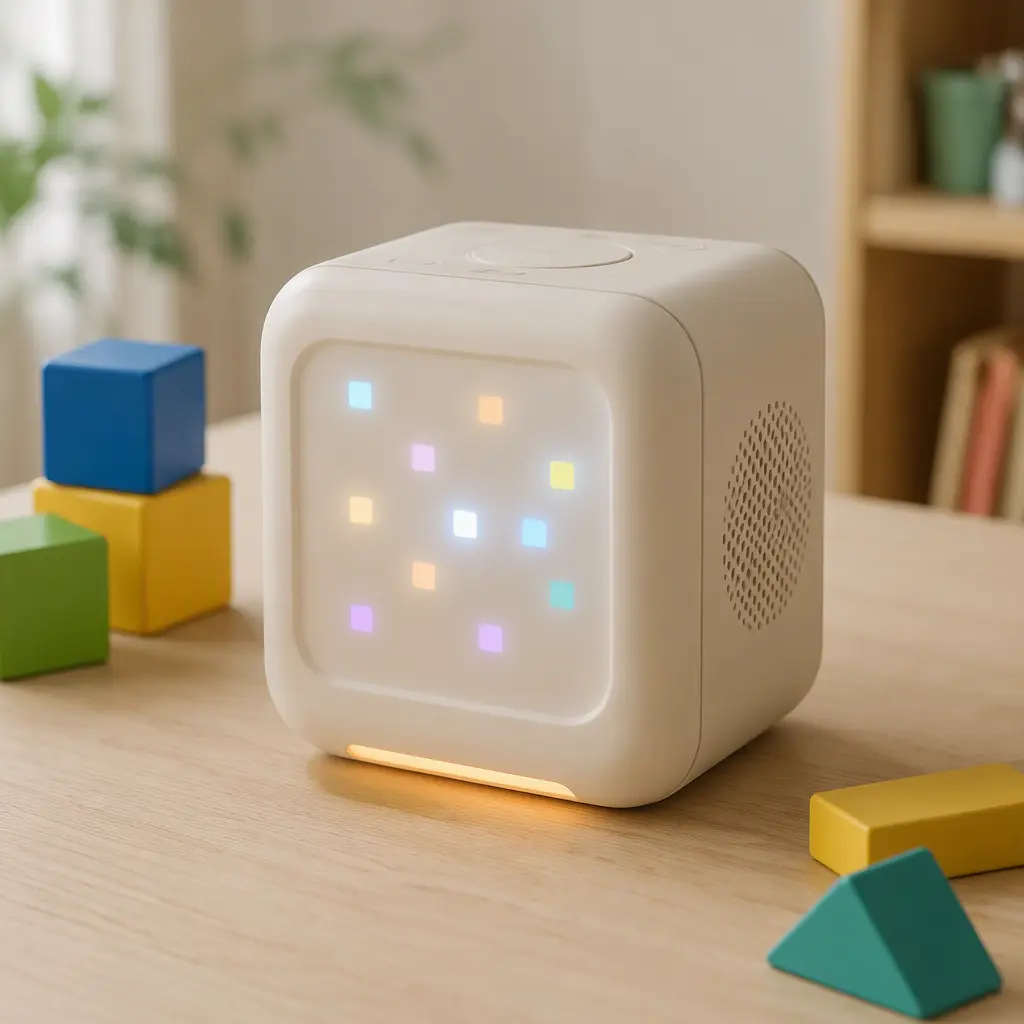
A soft cube and record‑your‑own figures helped families turn screen‑free listening into a nightly ritual, blending audio tech with hands‑on play.
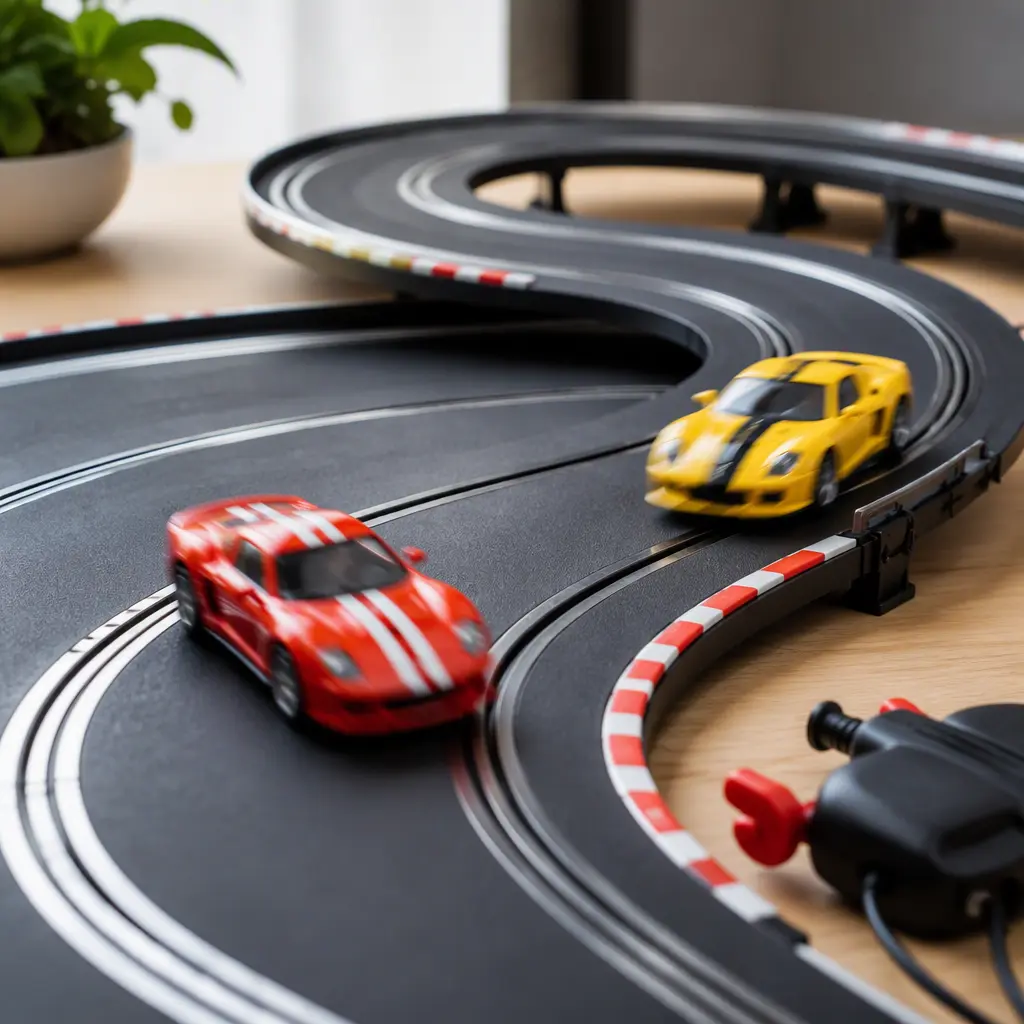
Anki Overdrive fused app-controlled smart cars with modular tracks, turning tabletop racing into a video-game-like experience that still feels physical.
VTech Go! Go! Smart Wheels turned rolling cars into a gentle lesson in cause and effect, using simple electronics and sturdy tracks to reward toddlers with sounds, lights, and repeatable discoveries.
Rugged, kid-sized cameras let children document life on their terms. VTech’s Kidizoom line helped turn everyday moments into photos, videos, and early media literacy.
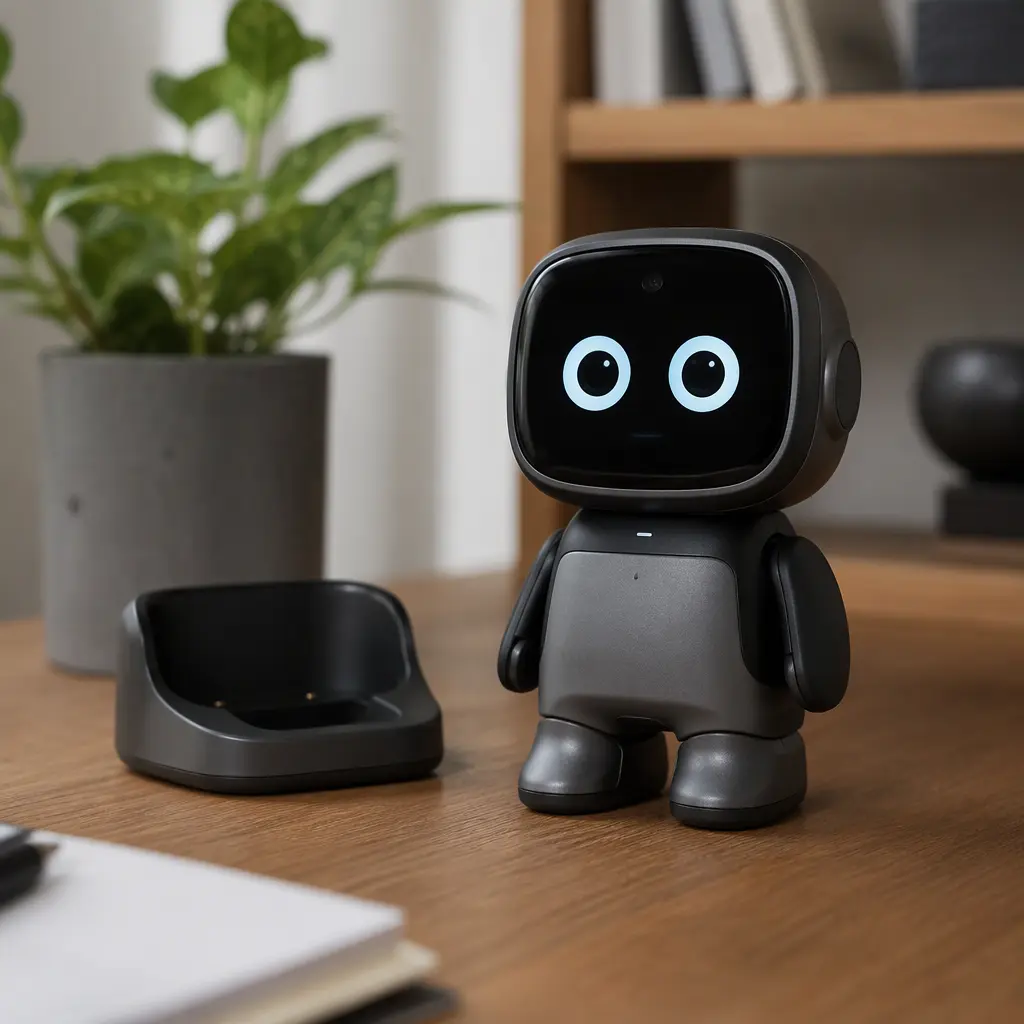
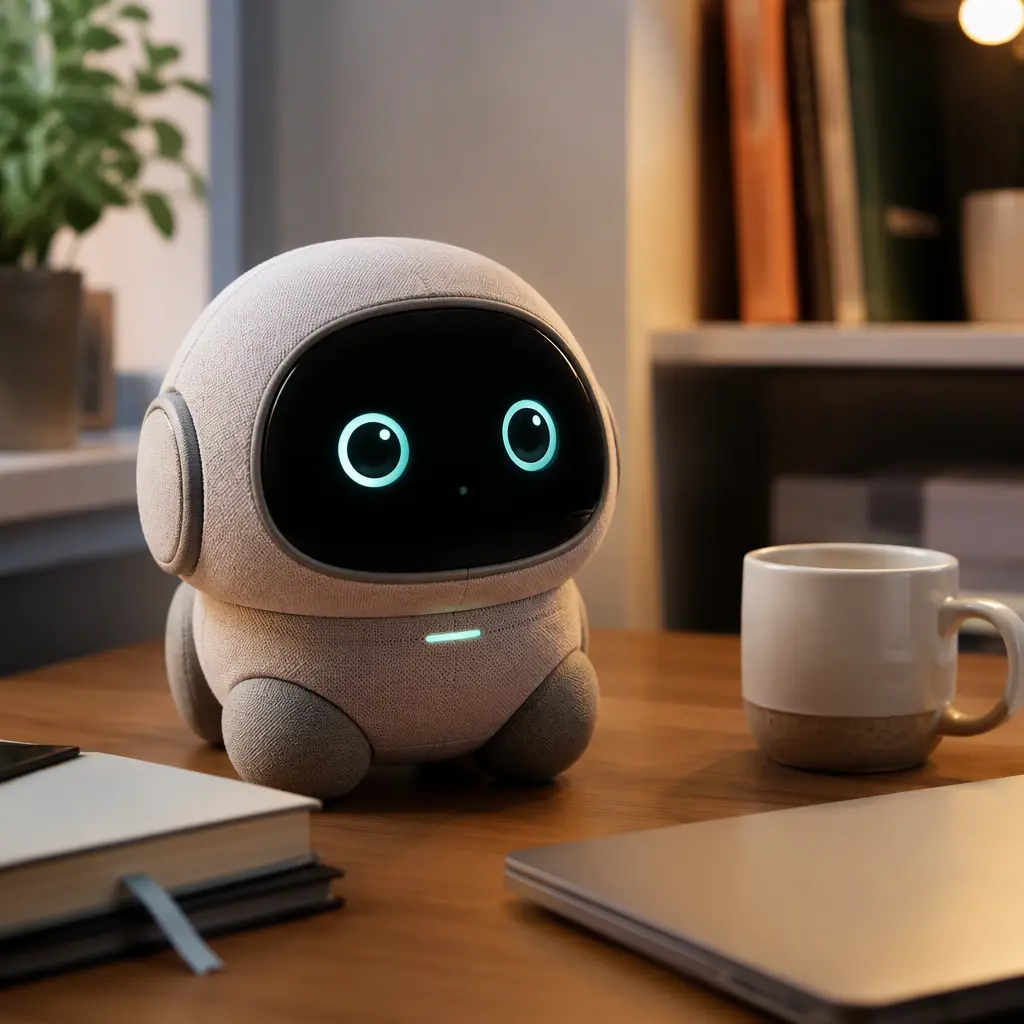
Released in 2016, Anki Cozmo blended robotics, coding, and personality, showing a generation of kids that programming could feel playful, emotional, and surprisingly human.
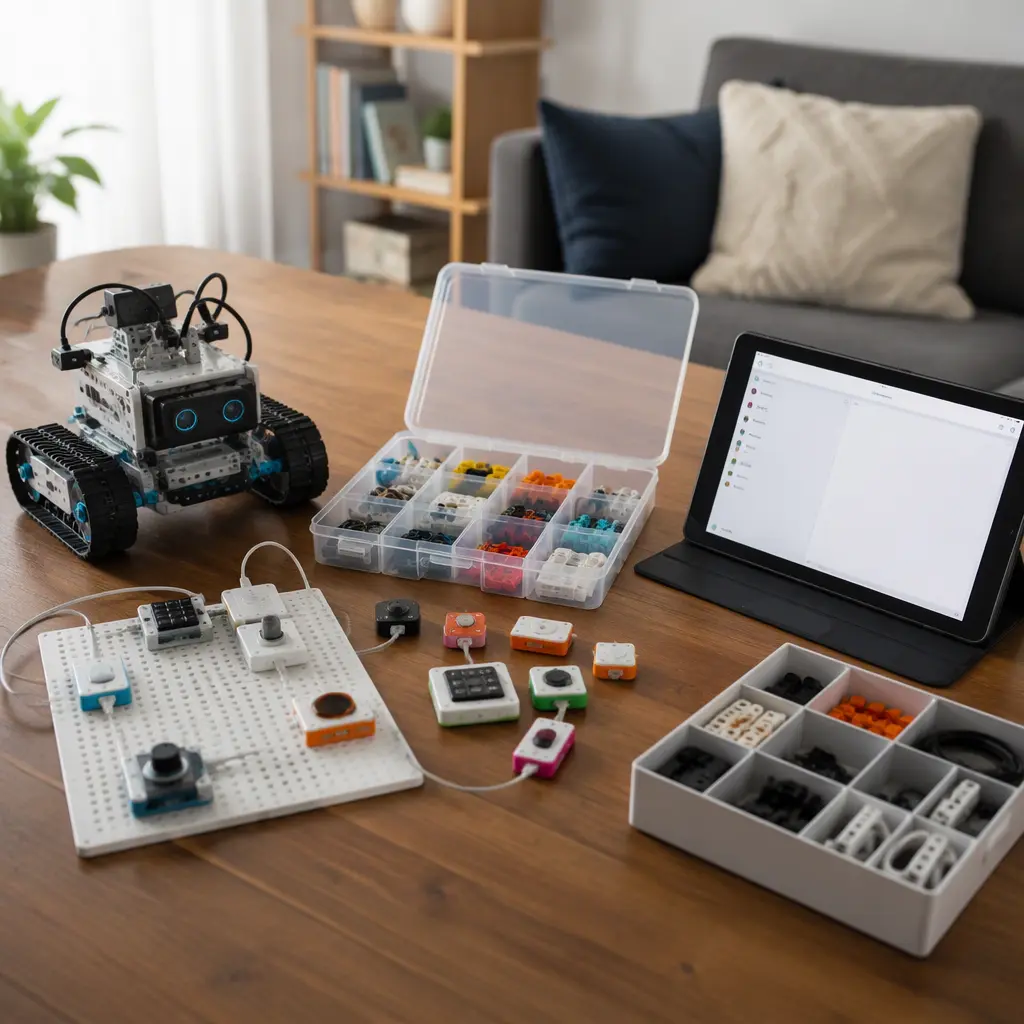
A parent-focused safety guide to electronic building sets for ages 6–8, covering parts size, power levels, supervision needs, and how non-app kits reduce risks while supporting learning.
A parent-first guide to choosing no-battery plush toys that help young kids slow down, self-soothe, and regulate big feelings—without noise, screens, or flashing lights.
A buyer’s guide to active ride-on toys for ages 1–2 that encourage steering, scooting, and movement—plus safety tips, age fit, and categories to help parents choose.
A parent-friendly guide to board and card games with simple rules and fast starts. Learn what to look for, age fit, and popular categories that help families begin playing within minutes.
A parent-focused guide to offline electronic toys for teens that build real-world skills. Learn what to look for, age fit, safety tips, and standout categories—no apps or internet required.
A parent-friendly guide to durable, skill-based outdoor toys for ages 9–12. Learn what to look for, age fit, safety notes, and popular categories that keep tweens active without feeling childish.
A palm-sized robot ball that turned screen time into hands-on learning, Sphero blended play, physics, and coding—quietly teaching a generation how software meets the real world.
Released in 2004, WowWee’s RoboSapien turned a living-room toy into a preview of our relationship with home robots—programmable, imperfect, and oddly charming.
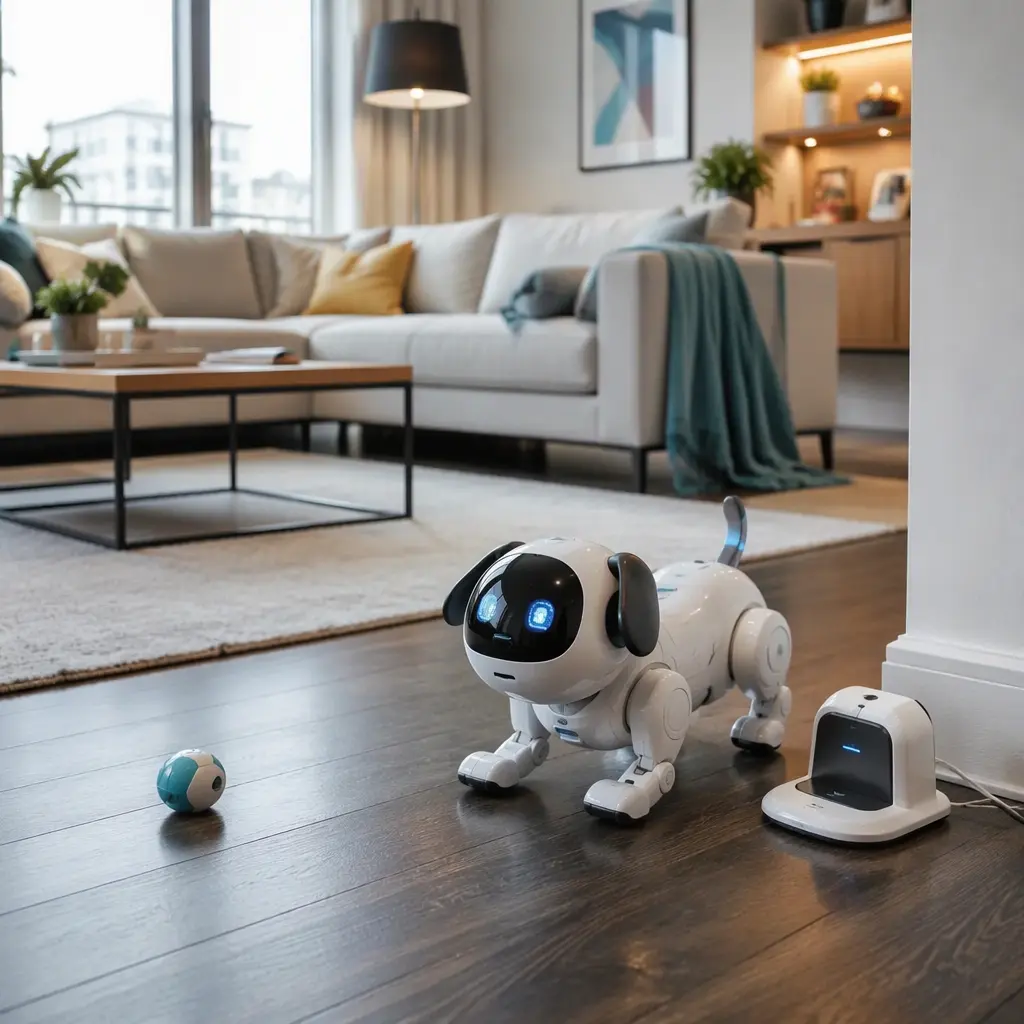
In the mid-2010s, Zoomer robotic pets felt almost alive. This profile looks at how they captured kids’ imaginations, what made them work, and why they mattered.
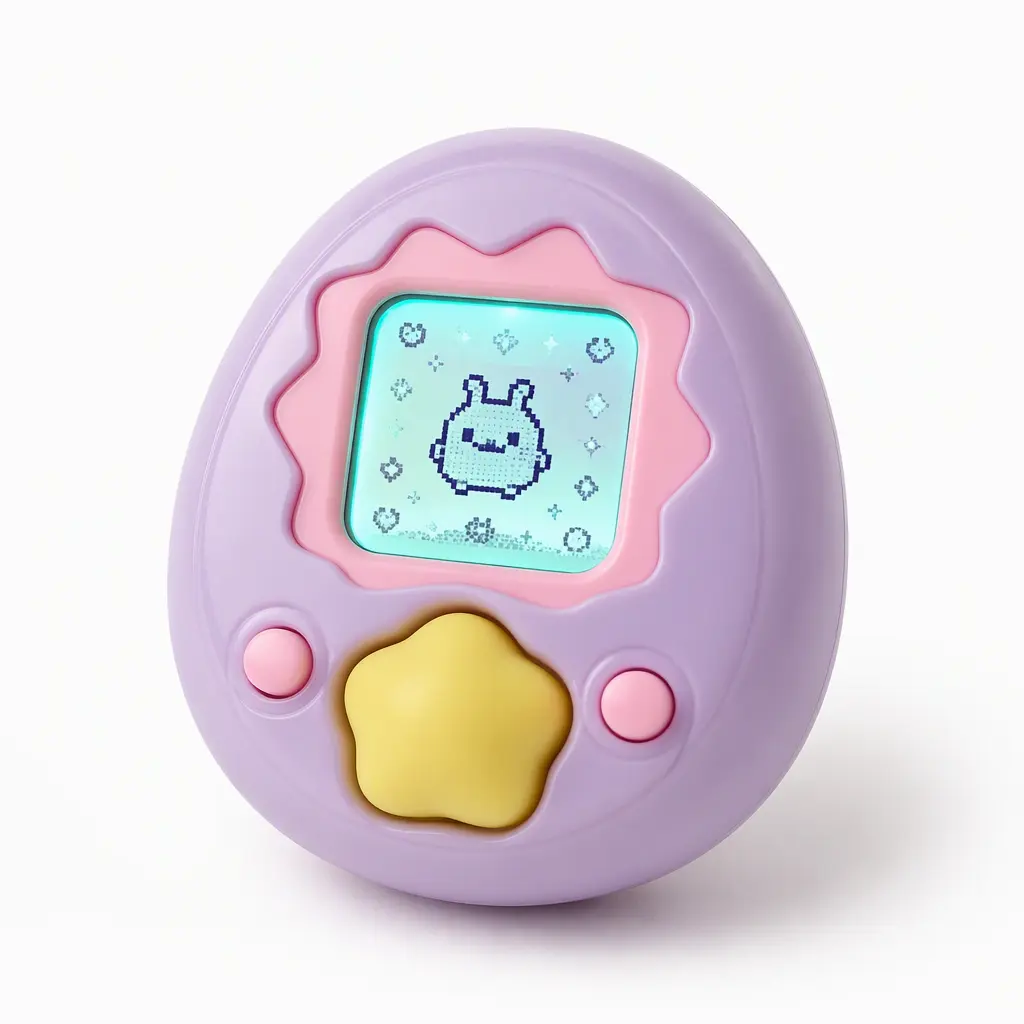
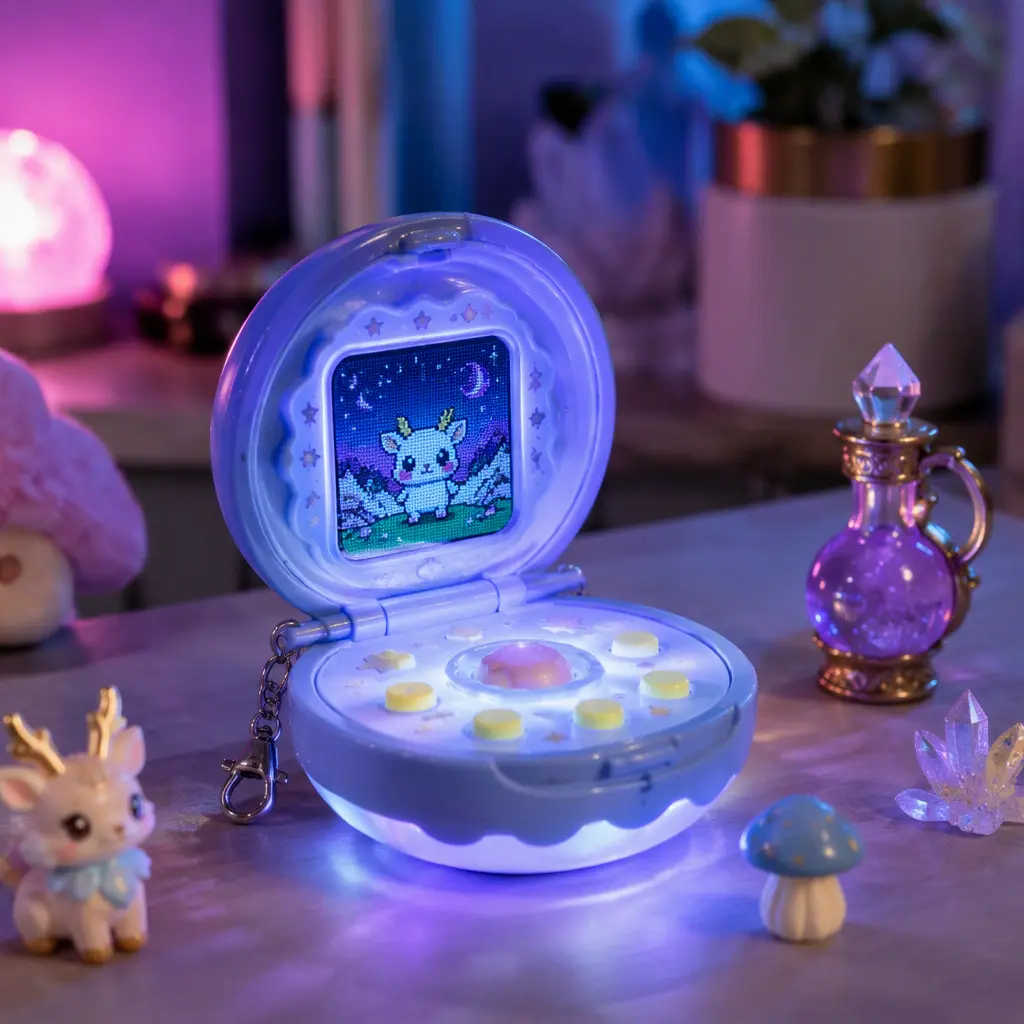
Launched in 2023, Bitzee blends retro digital pets with touch and motion controls, creating a screen-free tech toy that feels alive in your hands—and shows how electronics can still encourage imaginative play.
Storypod is a soft, kid‑friendly audio player that lets young children trigger stories and songs by placing plush characters on top—no screens, no scrolling, just tactile storytelling.
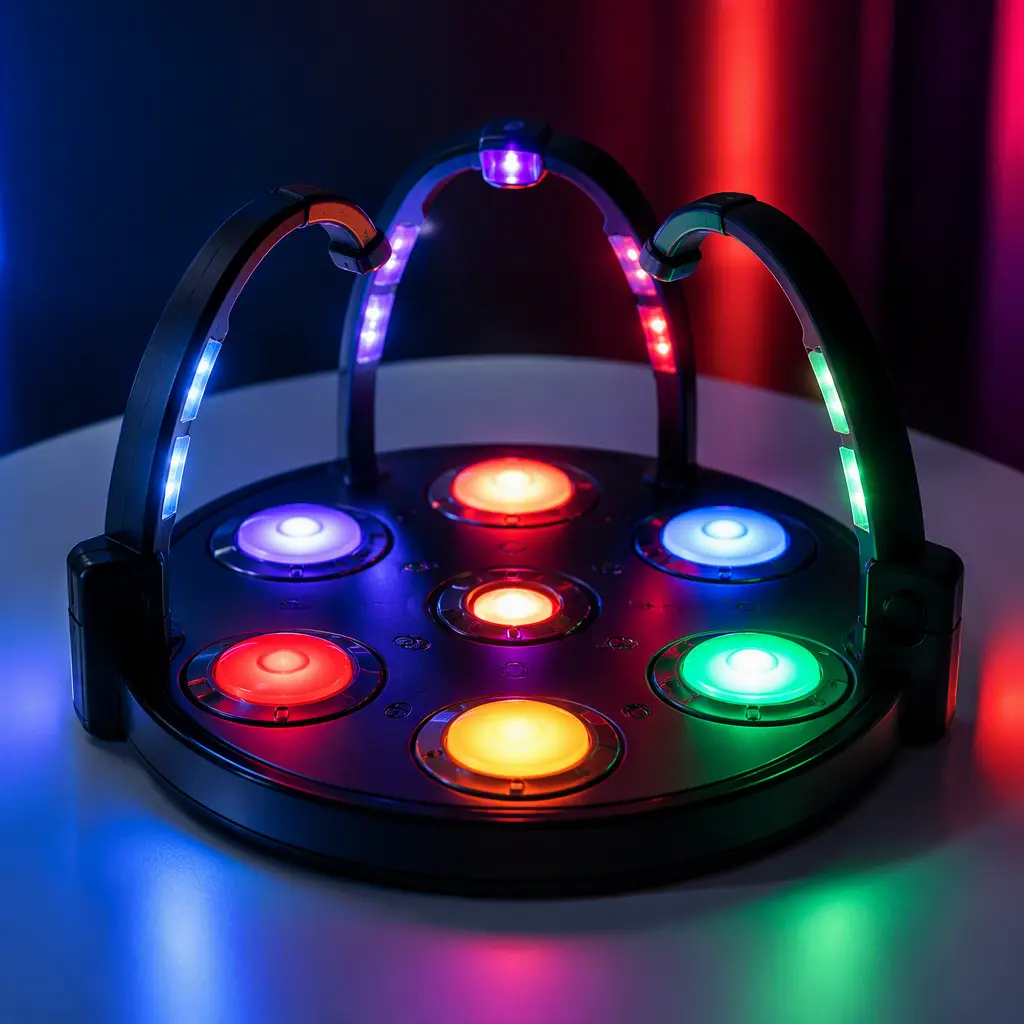
Born in the disco era, Simon’s flashing lights and tones remain a surprisingly tough test of memory and focus for kids and adults alike.
Launched in 1978, Speak & Spell taught kids to spell by talking back. Its bright orange shell hid breakthrough speech tech—and for many families, it was a first taste of what computers could do.
First released in the 1990s, Bop It transformed simple commands into fast, funny party challenges. Its loud voice, quick pacing, and social chaos explain why it still gets played decades on.
The Yoto Player turned audio cards into kid-controlled entertainment, offering stories and music without screens. Its rise reflects a wider push for independence, calm play, and tech that stays out of the way.
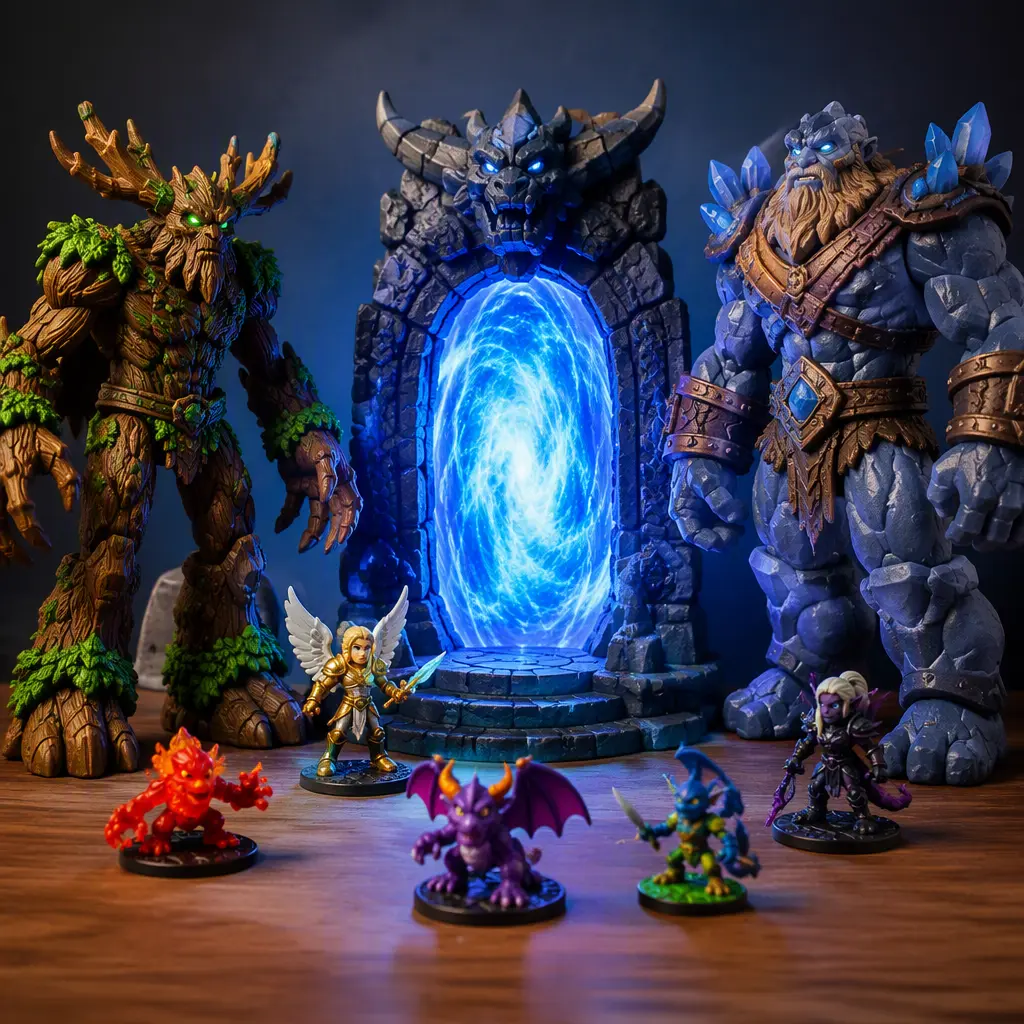
Tonies pairs a simple audio box with tactile figurines to deliver screen‑free stories and music. Launched in the 2010s, it tapped into parents’ desire for independent play without apps or screens.
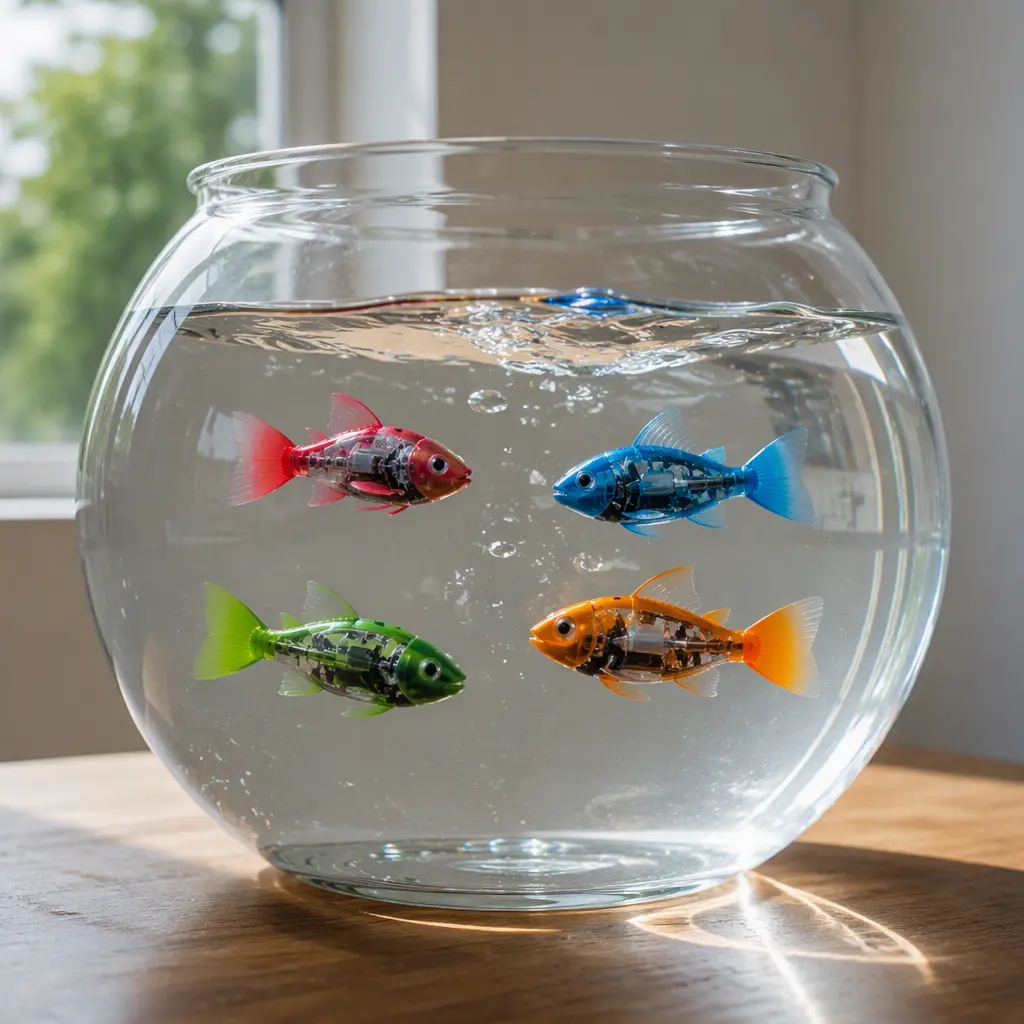
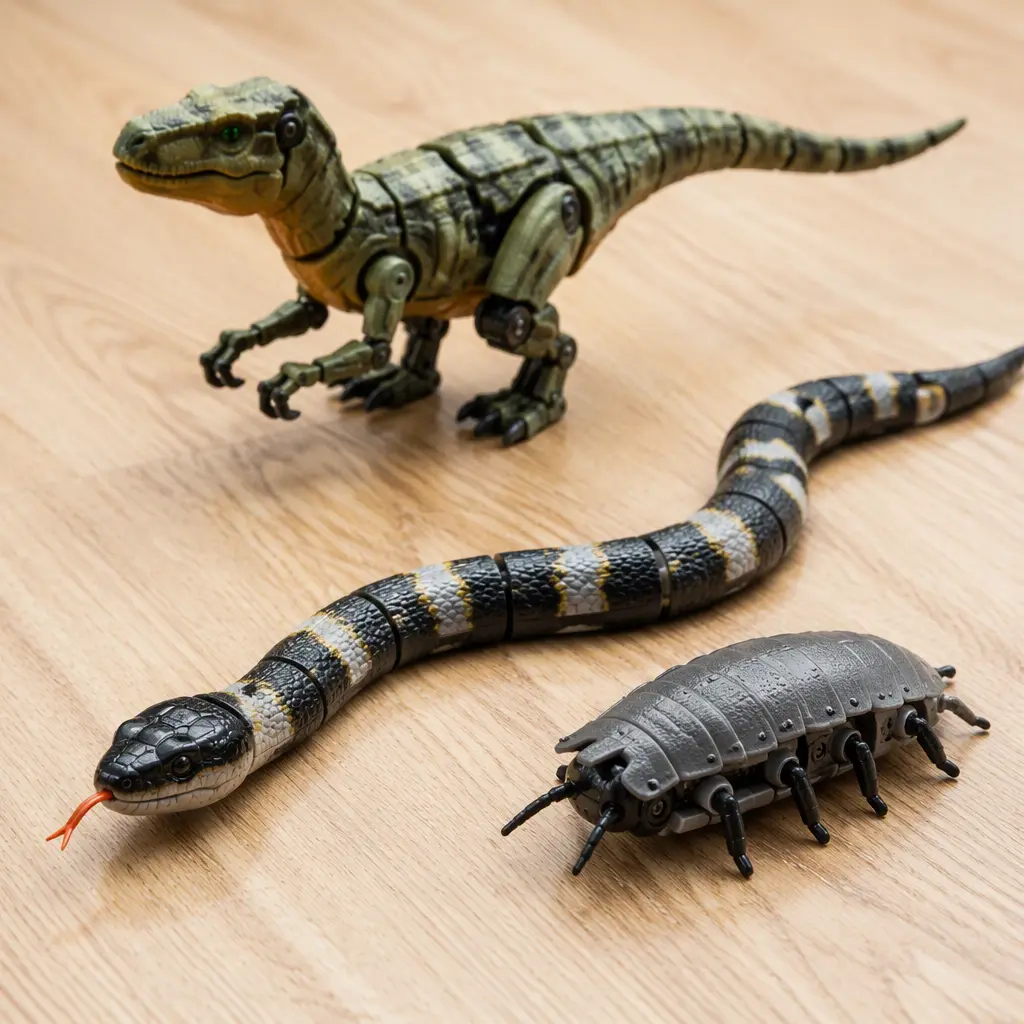
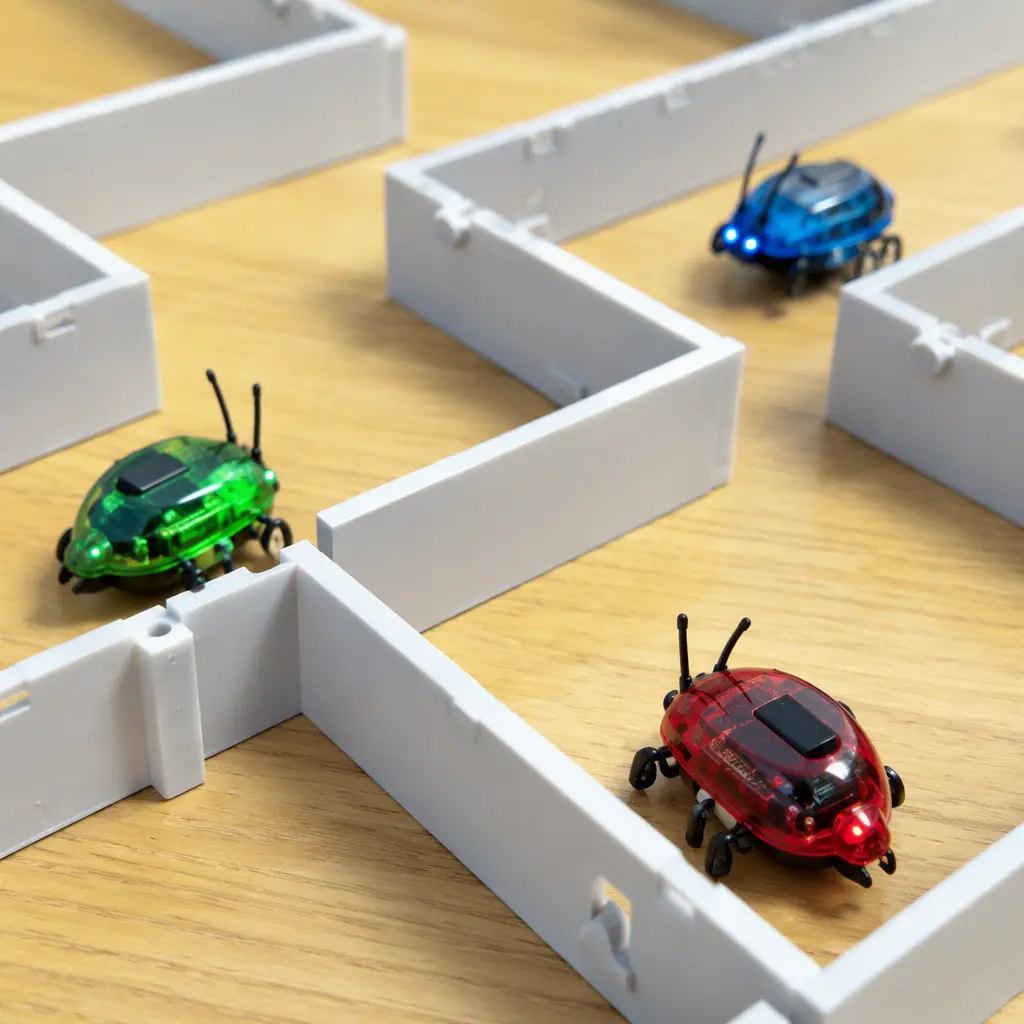
Since 2007, Hexbug has blended simple robotics with hands-on play. These palm-sized, self-propelled toys endure because they invite kids to build, test, and tinker—without screens.
From a 1999 relaunch of a classic spinning top to a worldwide battle game, Beyblade endures by mixing physics, customisation and head‑to‑head play that still clicks with kids and adults today.
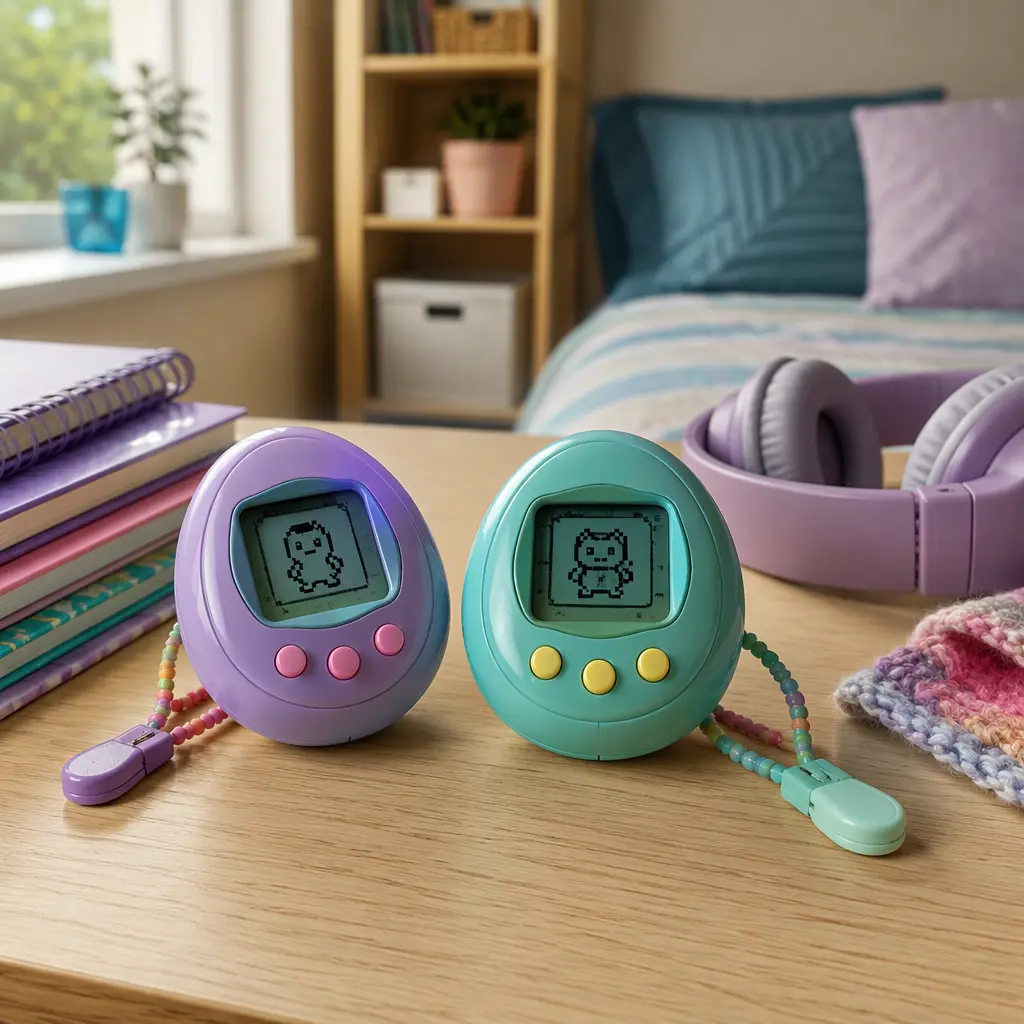
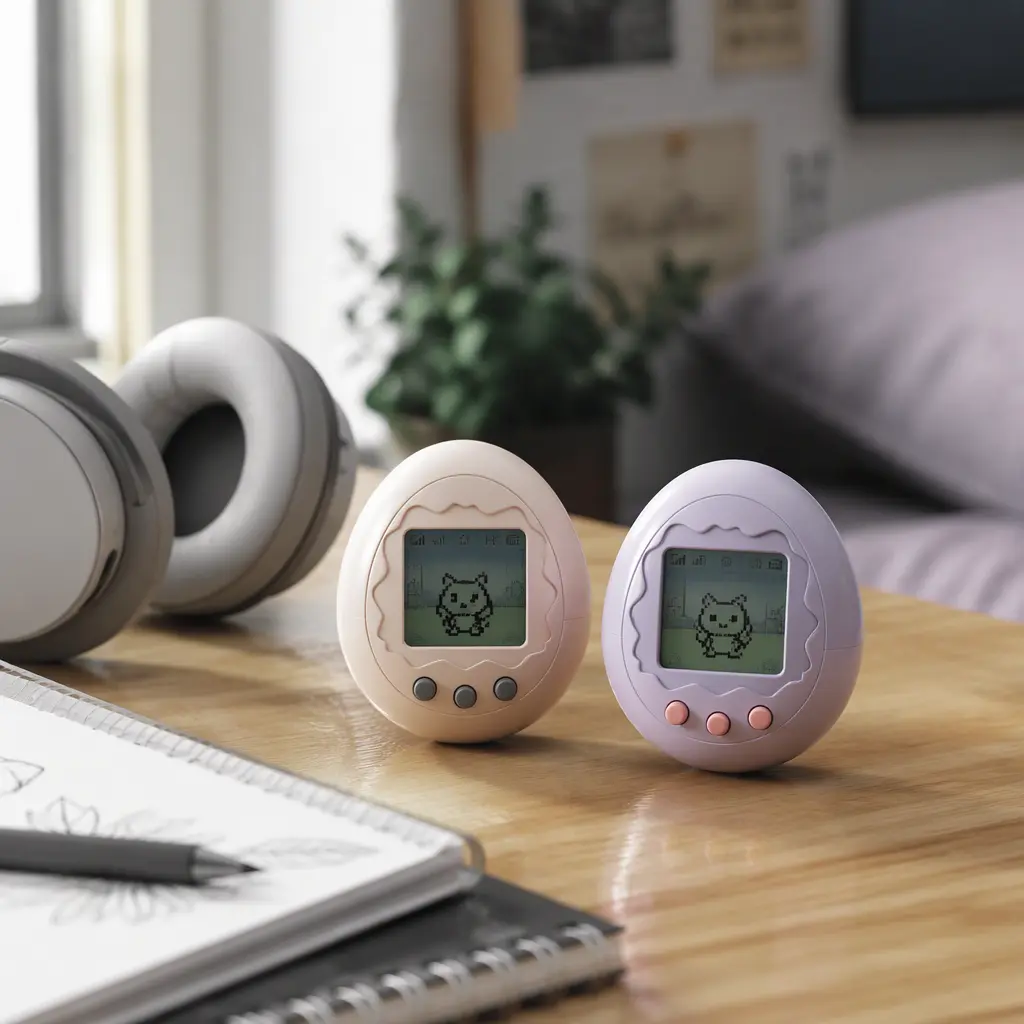
Launched in the mid‑1990s, Tamagotchi turned a keyring gadget into a lesson in care, routine and responsibility. Here’s how a pixelated pet endured — and what matters if you want one today.
From flame-painted die-cast cars to orange track, Hot Wheels reshaped toy racing in 1968 and never slowed down. Here’s how the design clicked, why it endured, and what matters if you’re buying today.