The Playskool Shape Sorter: Learning to think before words
Long before letters and screens, the Playskool Shape Sorter helped toddlers learn problem-solving by feel. Here’s how this classic toy quietly shaped early learning for generations.
A chunky pretend-play classic, the Fisher-Price Cash Register turned make-believe shopping into lessons in counting, turn‑taking, and real‑world math that still resonate today.
From patios to preschool yards, the Little Tikes water table helped make standing water play a toddler summer staple—durable, social, and endlessly resettable.
Grimm’s Wooden Peg Dolls are simple, faceless figures that invite open‑ended storytelling. Their minimal design, natural materials, and flexibility have made them a modern classic in imaginative play.
Since the 1980s, Uncle Goose Blocks have turned letters and numbers into tactile play. Loved by parents, teachers, and designers, they blend heirloom craft with early literacy.
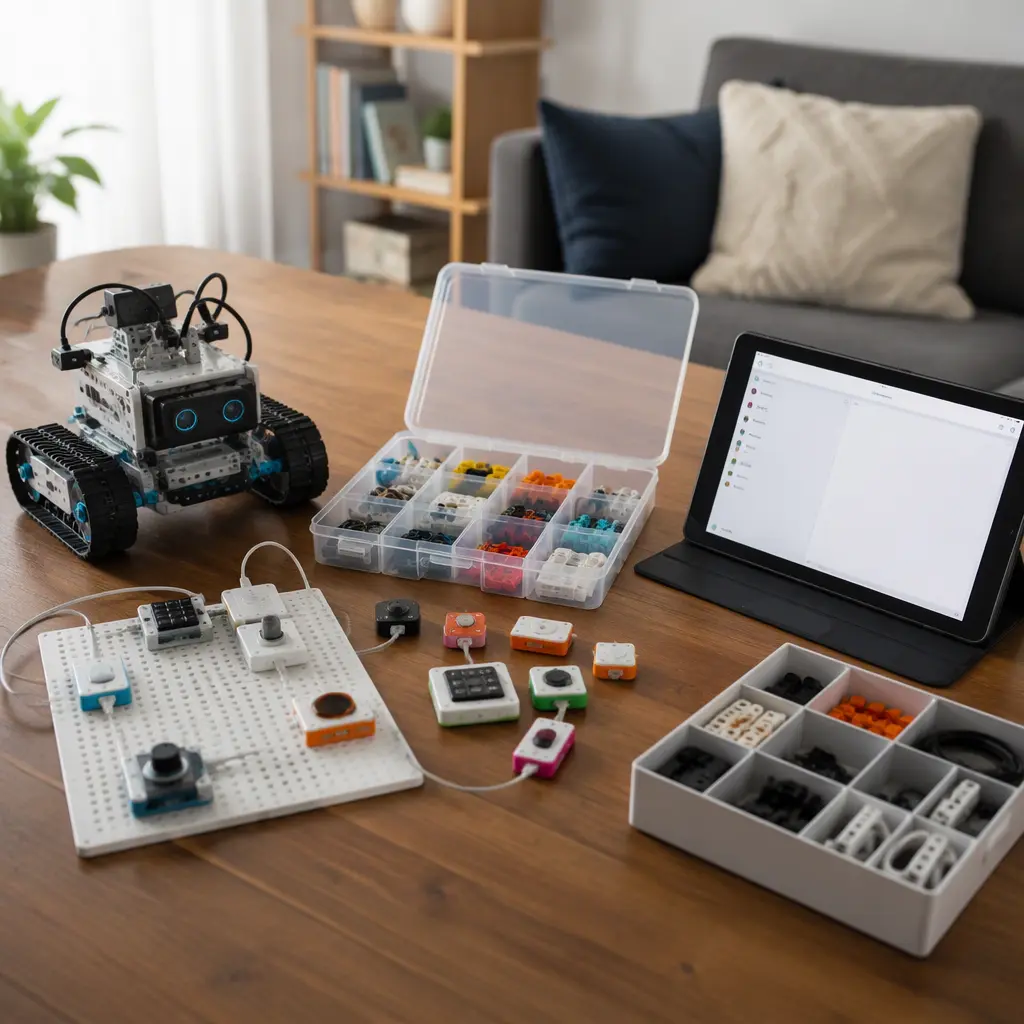
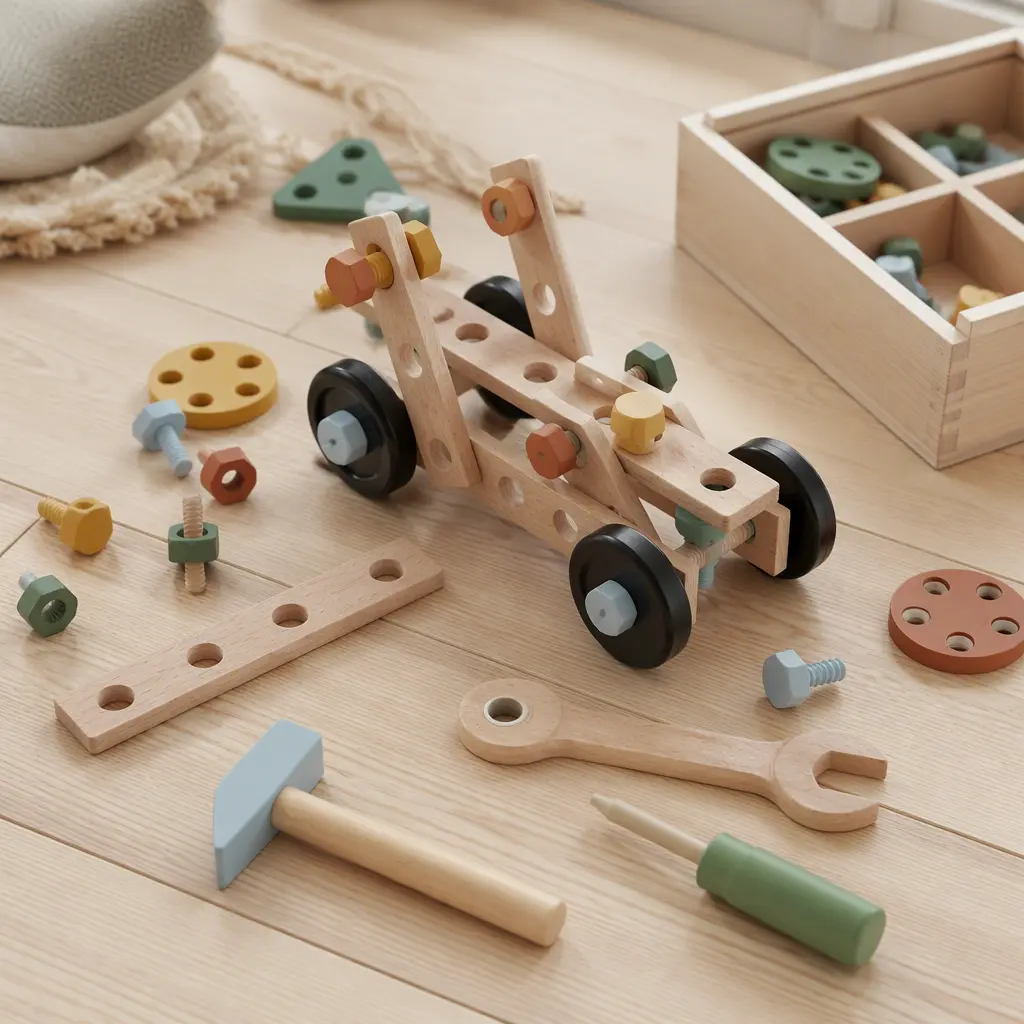
A parent-focused safety guide to electronic building sets for ages 6–8, covering parts size, power levels, supervision needs, and how non-app kits reduce risks while supporting learning.
A parent-first guide to choosing no-battery plush toys that help young kids slow down, self-soothe, and regulate big feelings—without noise, screens, or flashing lights.
A buyer’s guide to active ride-on toys for ages 1–2 that encourage steering, scooting, and movement—plus safety tips, age fit, and categories to help parents choose.
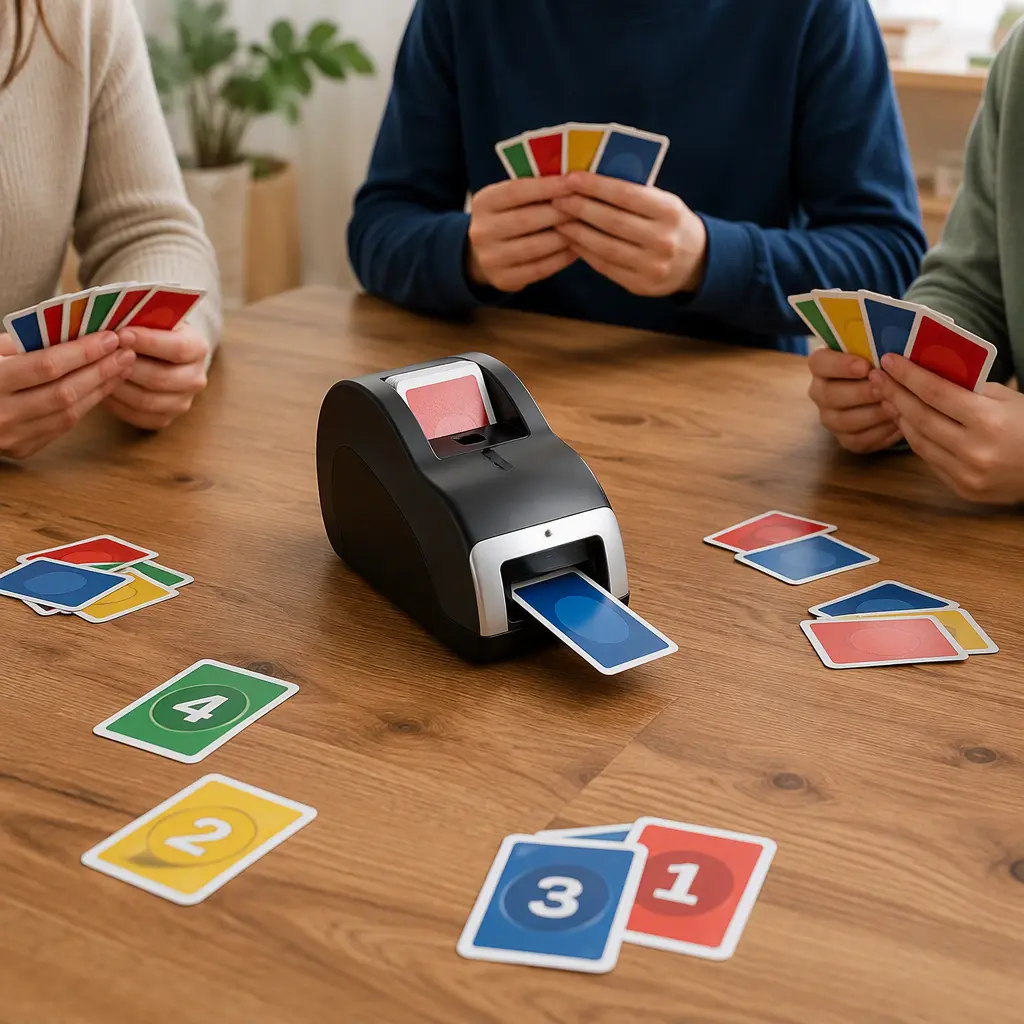
A parent-friendly guide to board and card games with simple rules and fast starts. Learn what to look for, age fit, and popular categories that help families begin playing within minutes.
A parent-focused guide to offline electronic toys for teens that build real-world skills. Learn what to look for, age fit, safety tips, and standout categories—no apps or internet required.
A parent-friendly guide to durable, skill-based outdoor toys for ages 9–12. Learn what to look for, age fit, safety notes, and popular categories that keep tweens active without feeling childish.
A look at the Playskool Busy Ball Popper, the classic pop-and-roll toy that has kept toddlers laughing for decades through simple cause-and-effect play.
From 1970s patios to modern gardens, the Little Tikes slide became the quiet benchmark for safe, everyday outdoor play—and a first thrill for generations of toddlers.
Since the 1920s, the Radio Flyer tricycle has marked a milestone: a child’s first taste of riding under their own power. Its simple, sturdy design helped make learning to pedal a shared childhood memory.
First handed out at service stations in 1964, Hess Toy Trucks turned fuel stops into family rituals and grew into one of America’s most enduring collectible toy traditions.
Minimal, pocket-sized, and nearly silent, magnetic fidget rings have become a calm successor to louder fidget toys—offering focus, tactile play, and stress relief without the spectacle.
Infinity Nado is a contemporary spinning-top battle toy that mixes classic physics with modular design. Here’s how it emerged, why it works, and what parents should know today.
Launched in 2011, Transformers Rescue Bots reimagined a famous action brand for preschoolers, pairing simple transformations with rescue play and a calmer, parent-friendly tone.
Launched in 1994, Playmobil 1.2.3 stripped play figures back to their essentials—proving that open-ended, imaginative play can start well before preschool.
Launched in 2001, LEGO Bionicle fused construction play with deep lore, turning buildable figures into heroes of an epic saga that still draws fans back today.
The Infinity Cube looks simple, but its endlessly folding motion made it a modern classic for restless hands. Here’s where it came from, why it works, and what to know today.
Mega Bloks carved out a quiet but lasting role as a child’s first building toy, offering oversized, easy-grip bricks that introduced construction play years before smaller systems made sense.
Since the early 1980s, My Little Pony blended fantasy worlds, grooming play, and character-driven stories, becoming one of the most enduring toy families in modern play culture.
Launched in the 1980s, Care Bears turned plush toys into emotional teachers. Their bright colours and simple messages helped generations of kids learn empathy, sharing, and feelings through play.
Since the mid‑1980s, Transformers have turned clever engineering into endlessly replayable action toys, blending vehicles, robots and storytelling in a way few toy lines have matched.
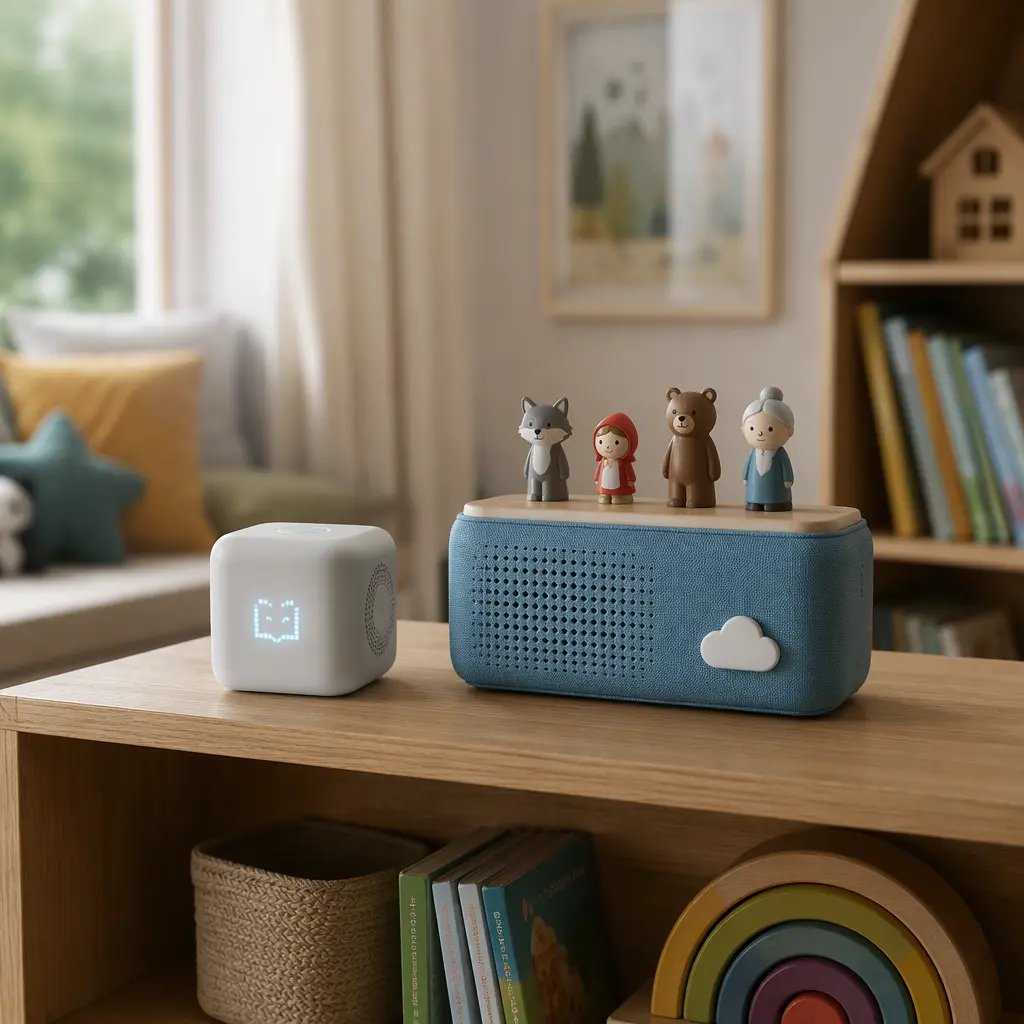
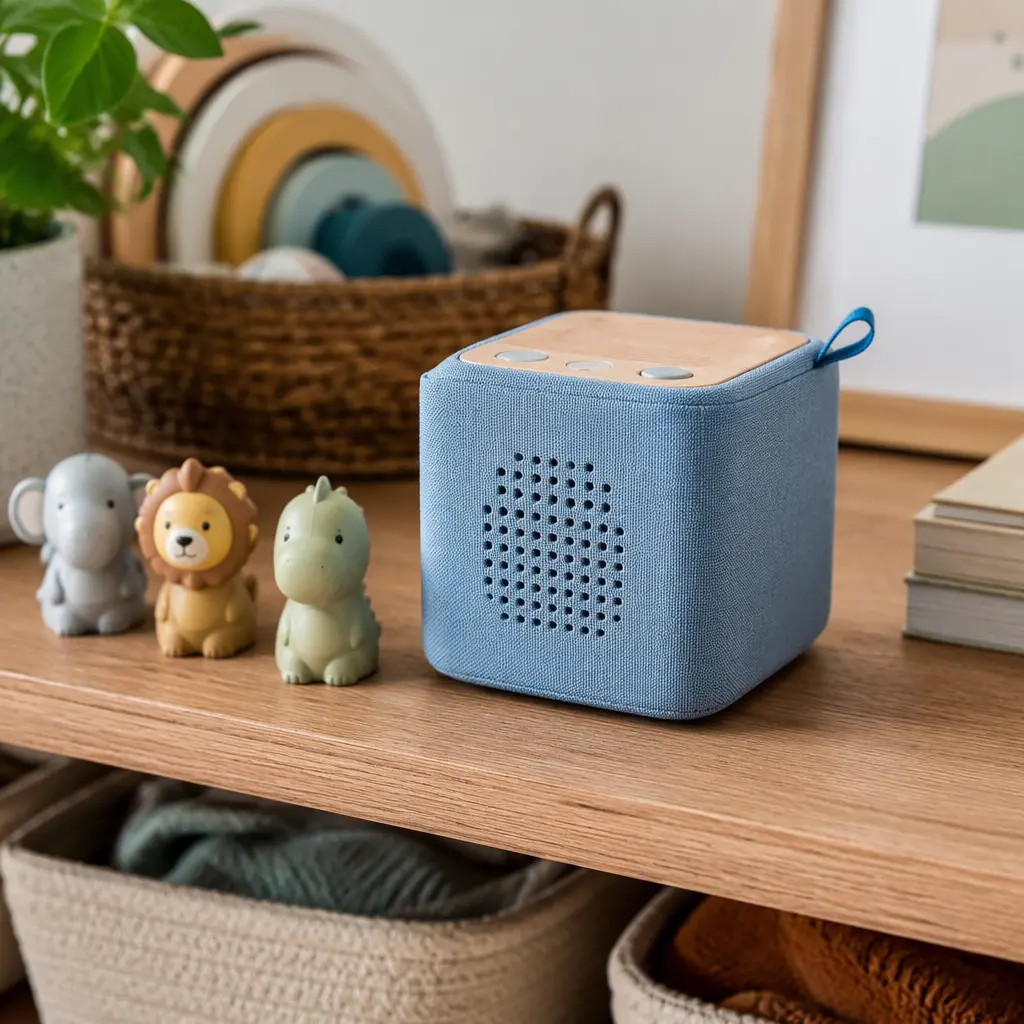
A soft cube and record‑your‑own figures helped families turn screen‑free listening into a nightly ritual, blending audio tech with hands‑on play.
Kid-safe lighting kits like Lume Cube for Kids turn video, photography, and STEM curiosity into hands-on play—reflecting a broader shift toward creator-focused toys that teach visual storytelling.
PicassoTiles helped bring large-scale magnetic building into more homes, pairing bright, sturdy tiles with accessible pricing and an open-ended play style that works for kids and parents alike.
Pixicade turns paper sketches into simple video games, blending art and coding. Since 2018 it’s shown how drawing, logic, and play can meet in one accessible STEM toy.
StoryTime Chess reframed learning chess as a narrative adventure, helping young kids grasp complex rules through characters, stories, and short lessons that feel more like play than practice.
Anki Overdrive fused app-controlled smart cars with modular tracks, turning tabletop racing into a video-game-like experience that still feels physical.
Long before screens, the rocking horse offered motion, imagination, and calm. This profile explores where it came from, why the simple design endures, and what parents should know when choosing one today.
Simple metal pieces, one bouncy ball, and total focus. Jacks turned schoolyards into quiet contests of timing and dexterity—and it still rewards patient hands today.
With nothing more than a bundle of sticks and a steady hand, Pick-Up Sticks has challenged patience for centuries. This classic game proves that simple rules can create lasting family fun.
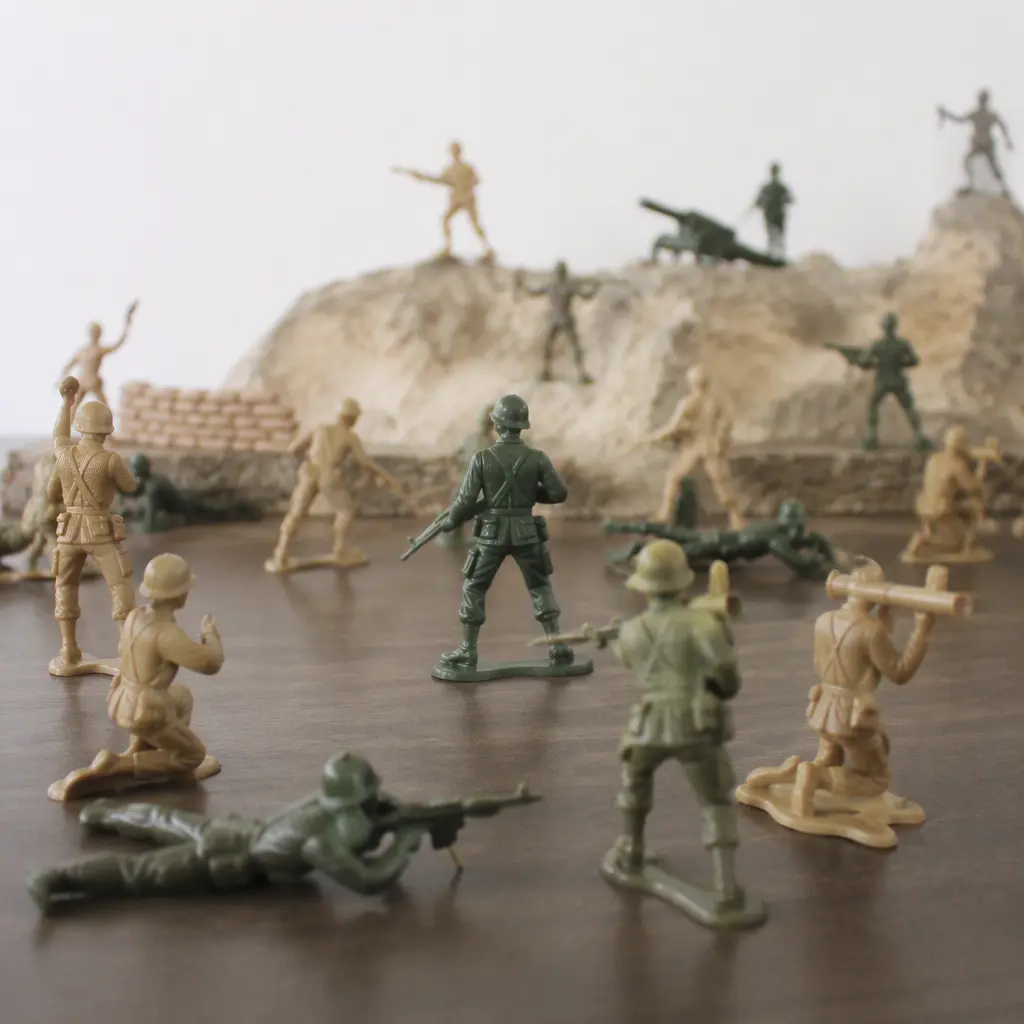
From sandboxes to movie cameos, little green army men turned cheap plastic into endless stories. Their simple poses and open-ended play explain why they’ve endured for generations.