StoryTime Chess: Turning a rulebook into a bedtime story
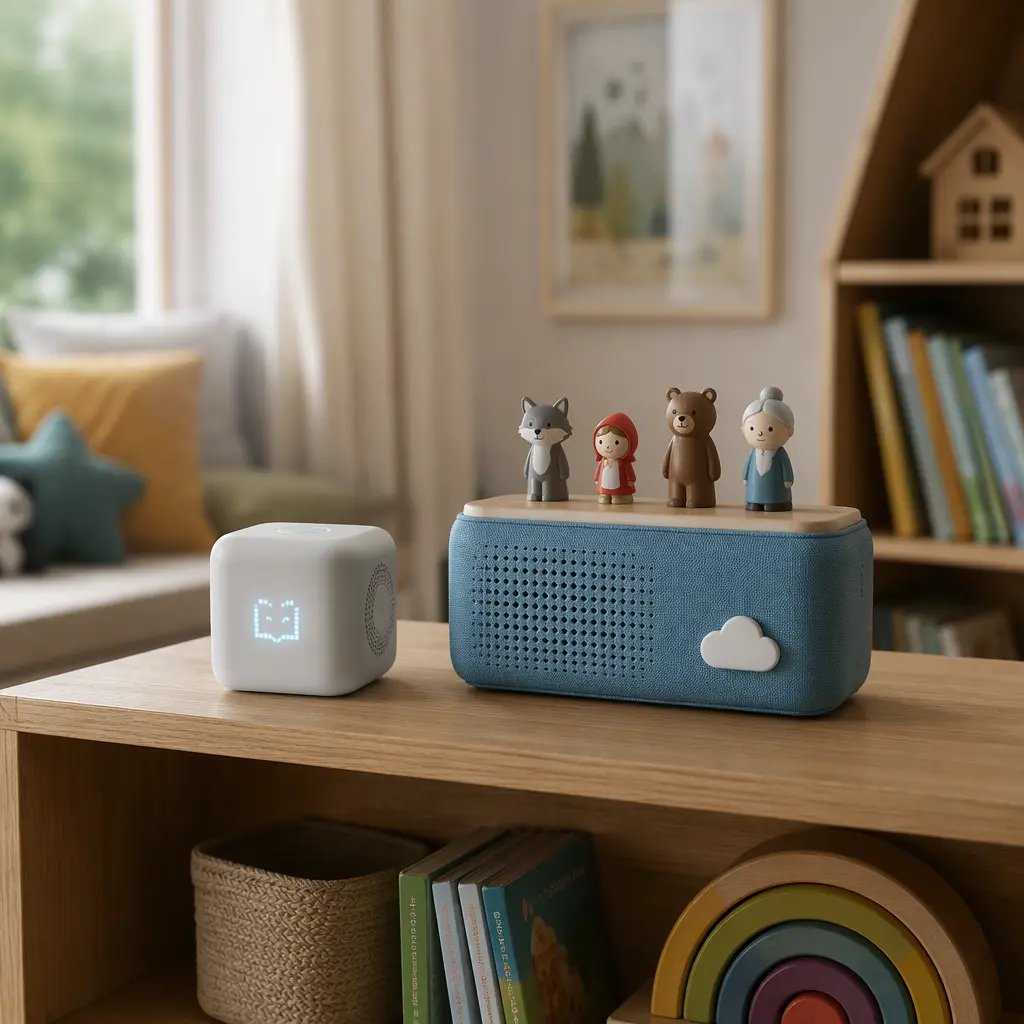
StoryTime Chess reframed learning chess as a narrative adventure, helping young kids grasp complex rules through characters, stories, and short lessons that feel more like play than practice.
With nothing more than a bundle of sticks and a steady hand, Pick-Up Sticks has challenged patience for centuries. This classic game proves that simple rules can create lasting family fun.
Invented in 2000, Blokus proves deep strategy doesn’t need luck, math, or reading. Its simple rule set and tactile pieces turned it into a modern classic for families and serious gamers alike.
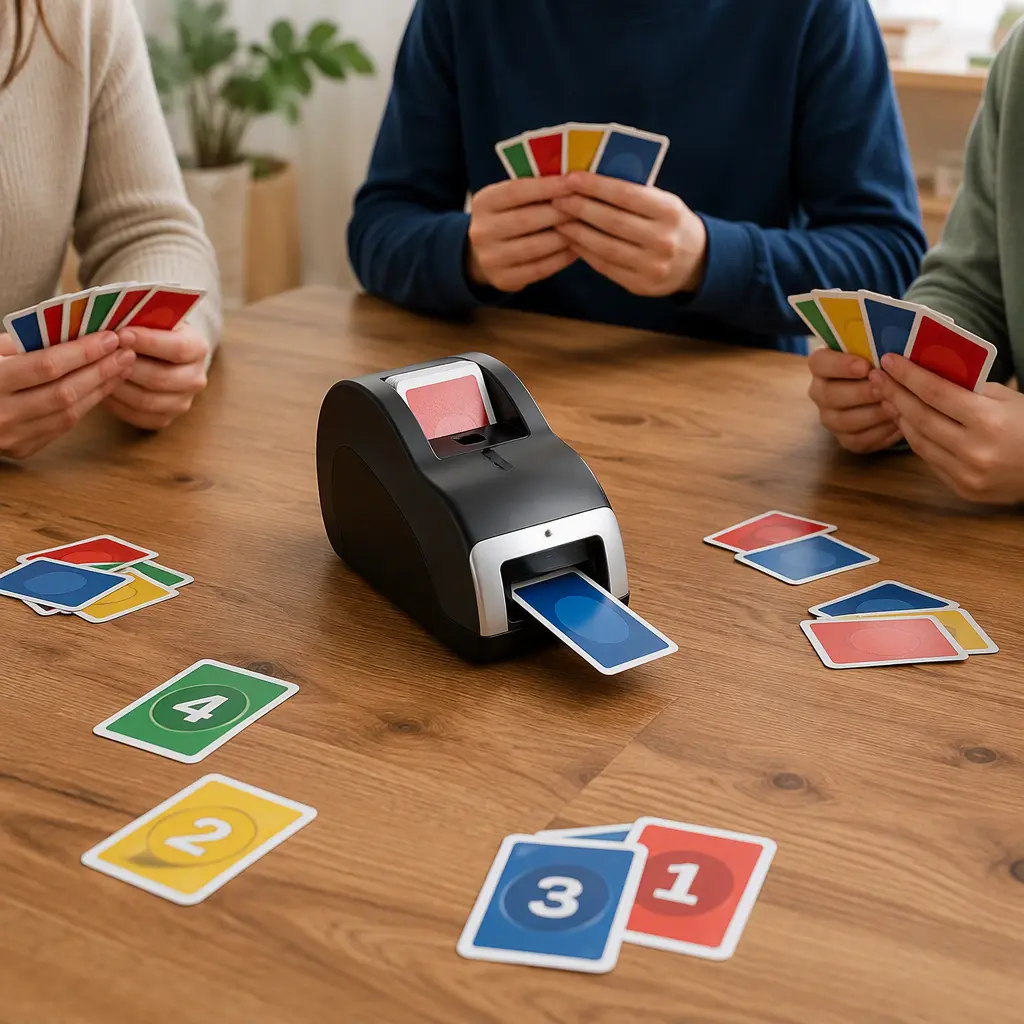
Invented in 1967, Skip-Bo looks simple but keeps families playing for decades. Its blend of luck, light strategy, and quick turns makes it a rare game that works for kids, parents, and grandparents alike.
Invented in the early 1970s, Boggle turned wordplay into a frantic race against the clock. Its shake-and-search design made it one of the fastest-thinking tabletop games ever made.
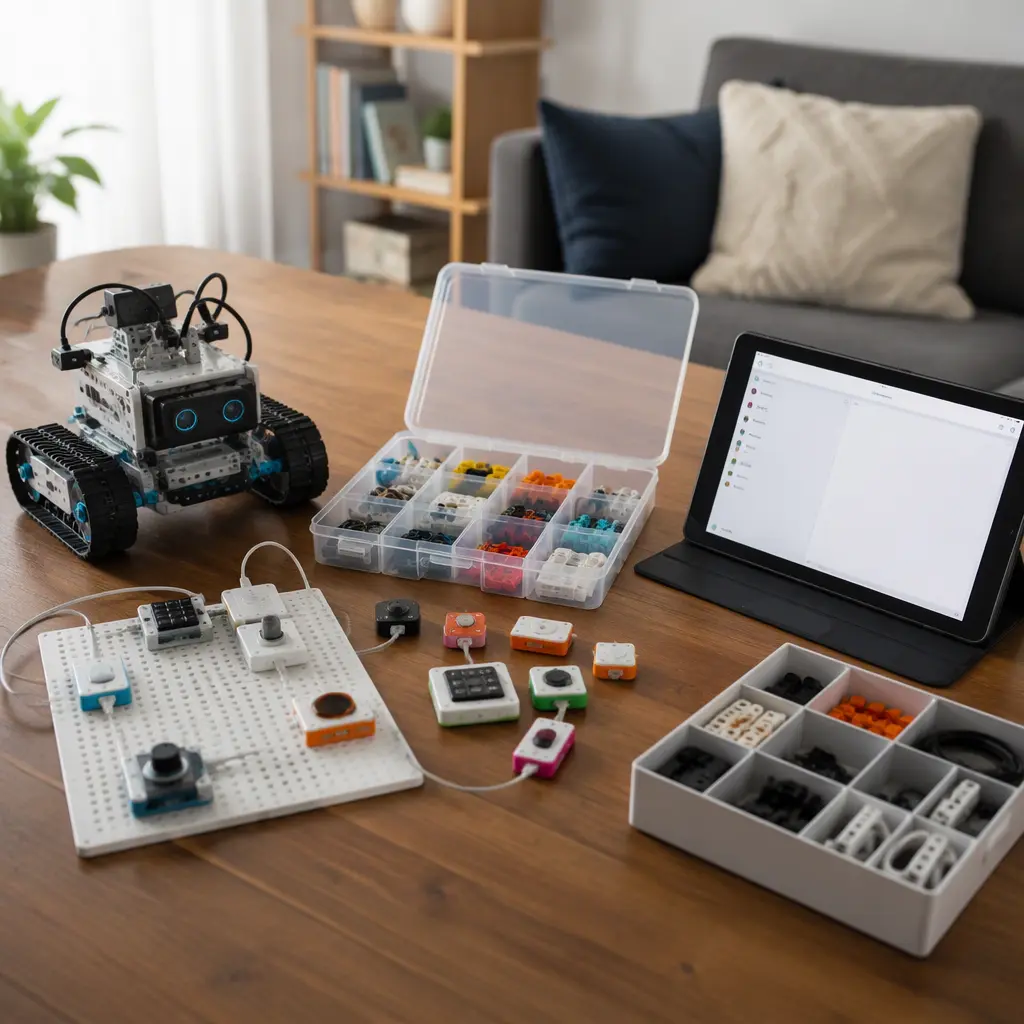
A parent-focused safety guide to electronic building sets for ages 6–8, covering parts size, power levels, supervision needs, and how non-app kits reduce risks while supporting learning.
A parent-first guide to choosing no-battery plush toys that help young kids slow down, self-soothe, and regulate big feelings—without noise, screens, or flashing lights.
A buyer’s guide to active ride-on toys for ages 1–2 that encourage steering, scooting, and movement—plus safety tips, age fit, and categories to help parents choose.
A parent-friendly guide to board and card games with simple rules and fast starts. Learn what to look for, age fit, and popular categories that help families begin playing within minutes.
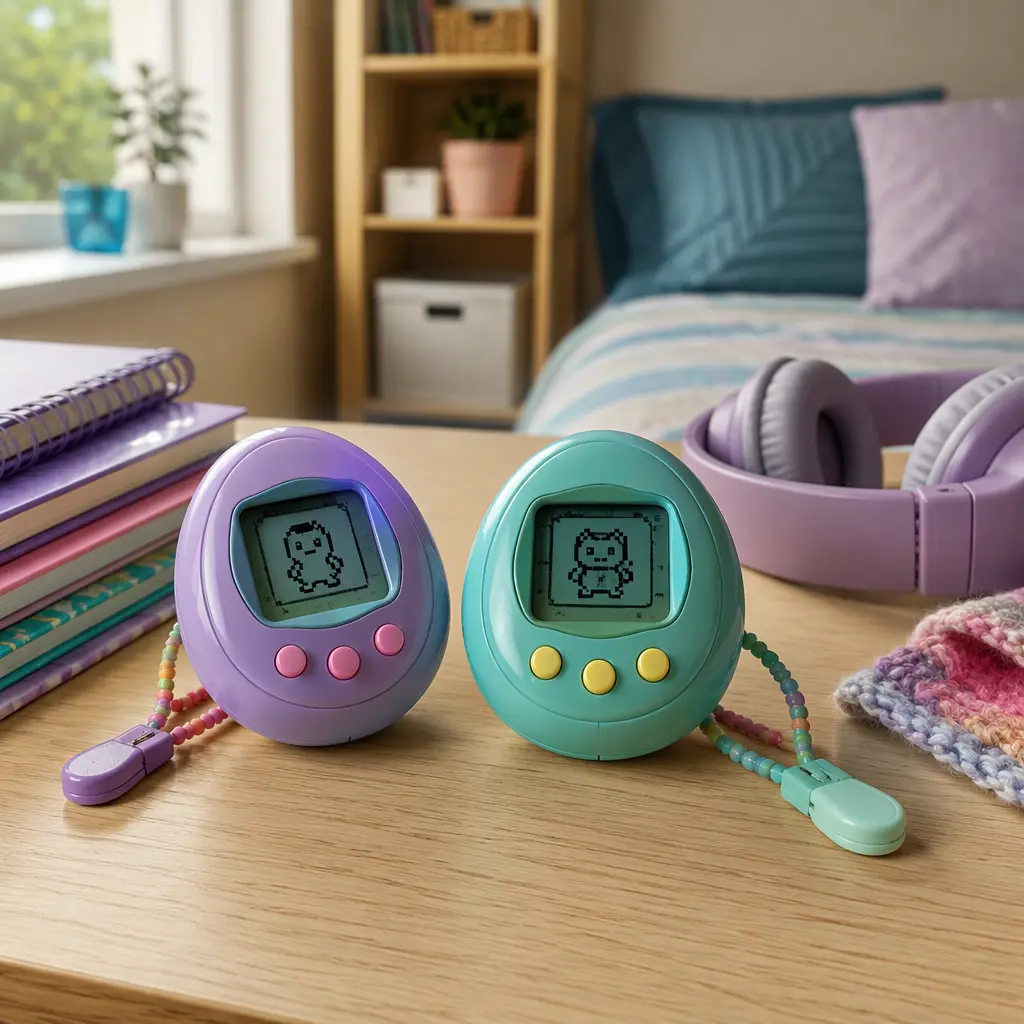
A parent-focused guide to offline electronic toys for teens that build real-world skills. Learn what to look for, age fit, safety tips, and standout categories—no apps or internet required.
A parent-friendly guide to durable, skill-based outdoor toys for ages 9–12. Learn what to look for, age fit, safety notes, and popular categories that keep tweens active without feeling childish.
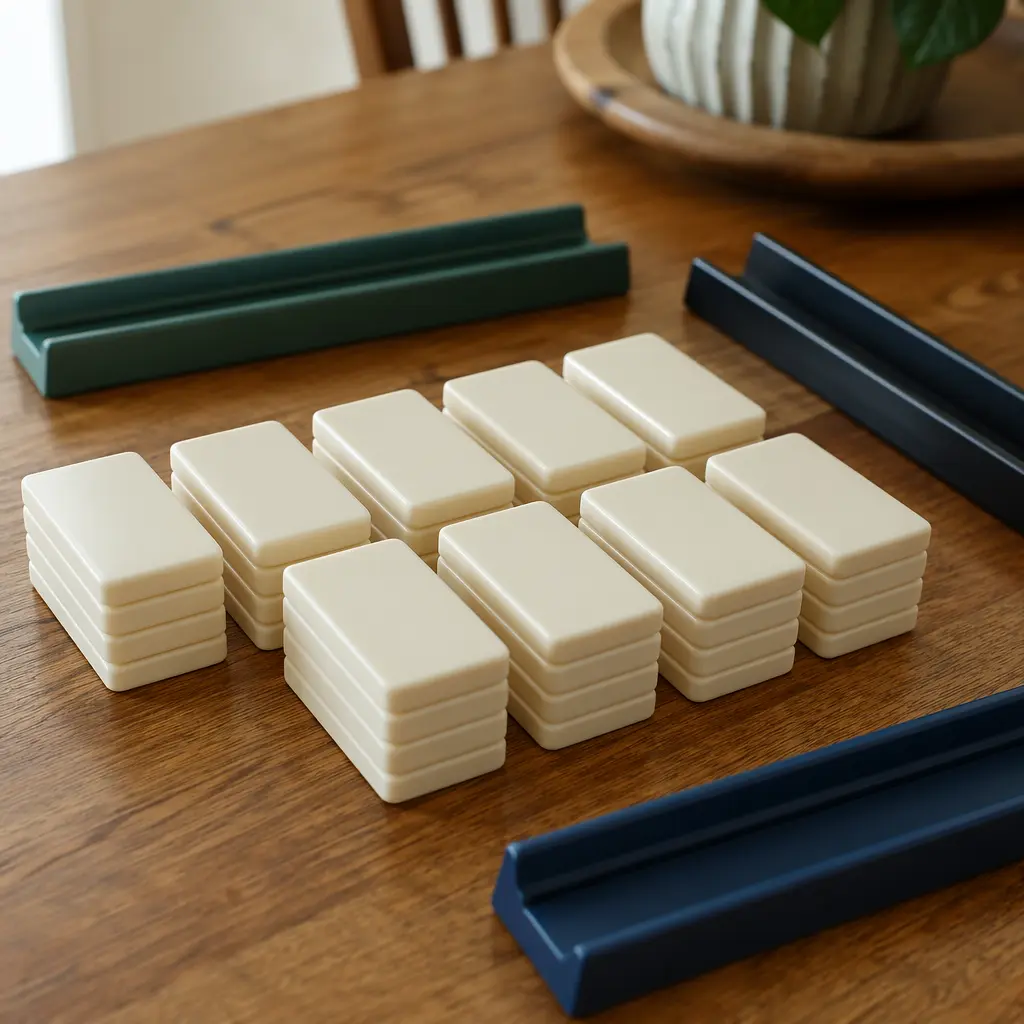
Rummikub blends card-game chance with puzzle-like logic, using numbered tiles instead of cards. Since the 1970s it’s become a cross‑generational staple for families who like strategy without heaviness.
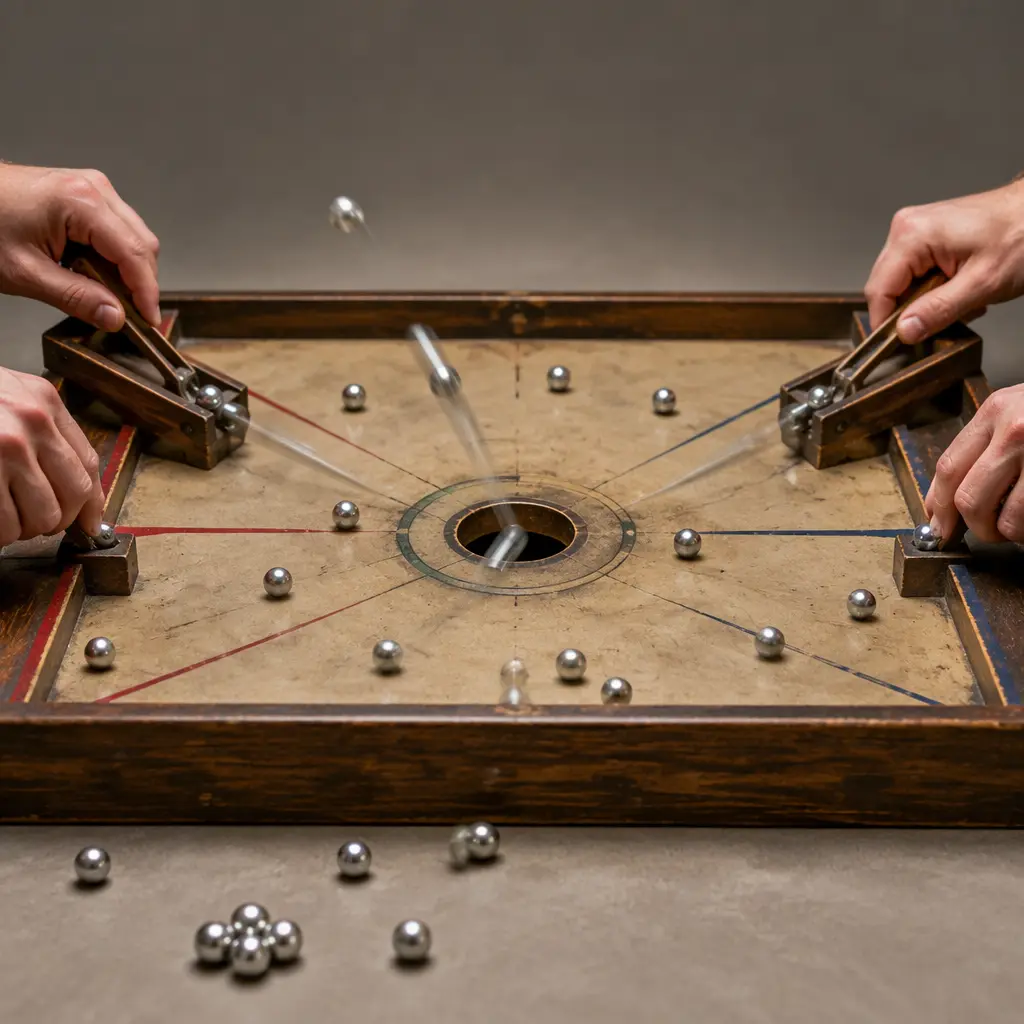
Invented in the 1870s, Crokinole is a wooden tabletop game of flicks and finesse. Simple rules, tactile play, and cross‑generational appeal have kept it at the heart of family game nights for nearly 150 years.
From ancient China to kitchen tables worldwide, dominoes show how a simple set of numbered tiles became one of the most adaptable and enduring games ever made.
Simple to learn and quick to play, Checkers has trained generations in planning, patience, and sportsmanship—proof that great game design doesn’t need complexity to endure.
First released in 2017, Azul showed that a board game could be easy to learn, visually striking, and strategically deep—without losing its family-friendly appeal.
First published in the 1940s, Chutes and Ladders removes skill entirely—yet it endures by teaching young kids how to handle luck, patience, and sudden setbacks.
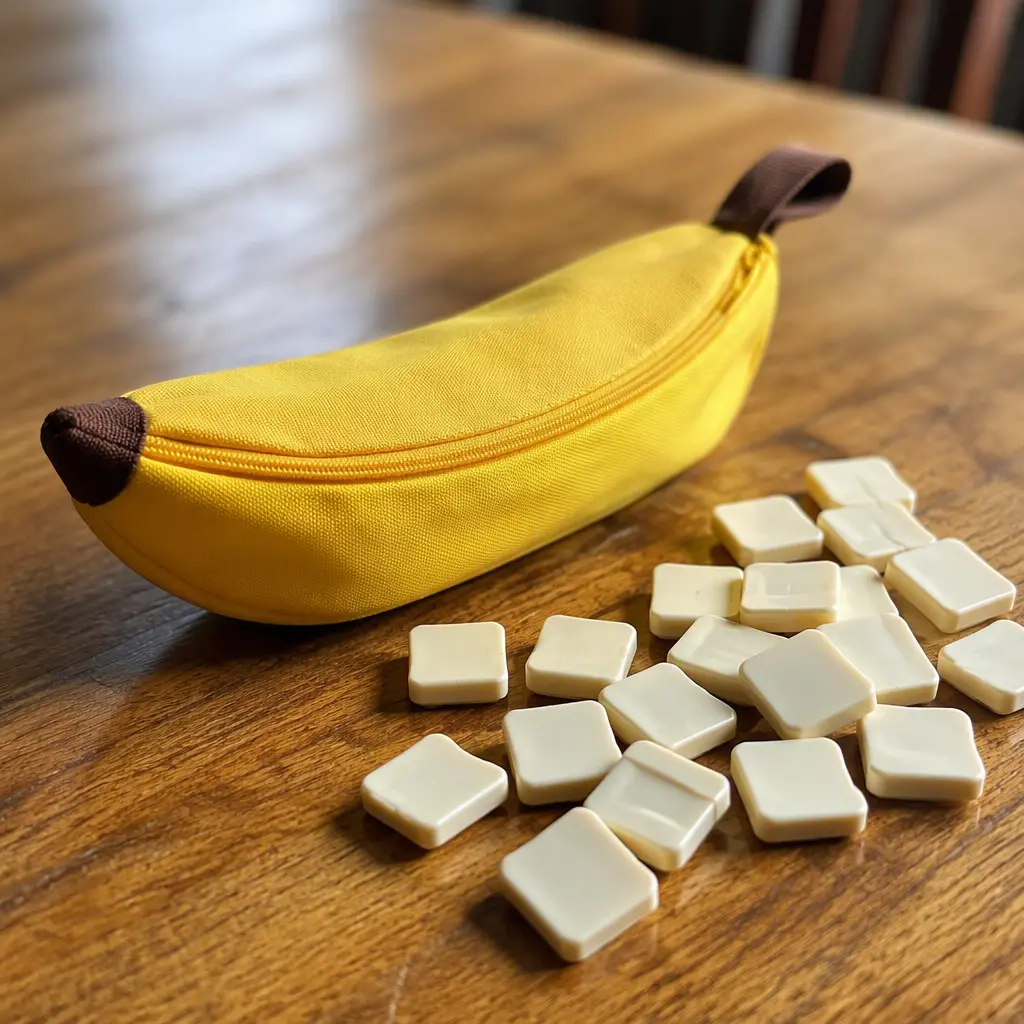
Bananagrams turned speedy spelling into a grab‑and‑go family challenge. With no board and a simple race-to-finish twist, it made word play portable, loud, and surprisingly addictive.
Often mistaken for a children’s pastime, Tiddlywinks is a classic tabletop game where dexterity, angles, and patience matter more than luck.
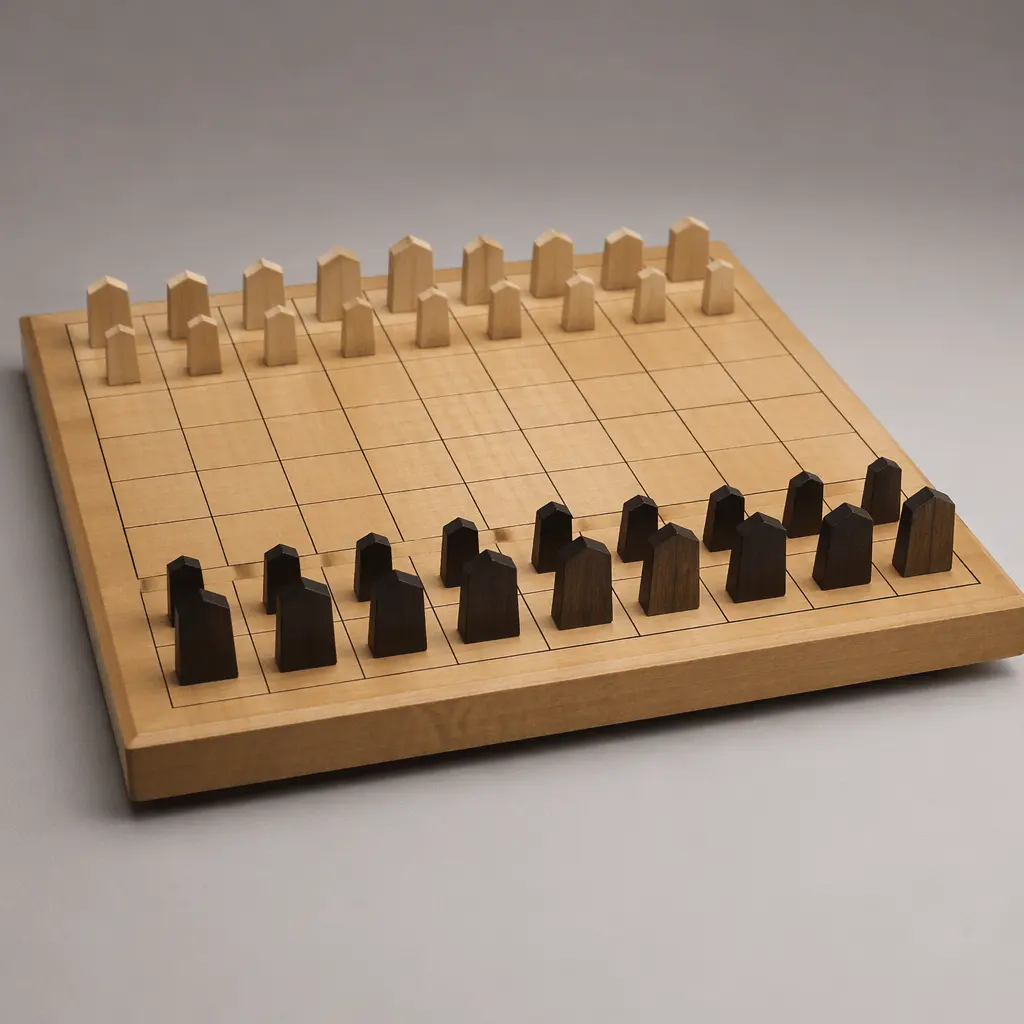
From medieval courts to mobile apps, chess has crossed cultures and centuries. Its simple pieces hide deep strategy, helping the game stay relevant for kids, adults, and competitors alike.
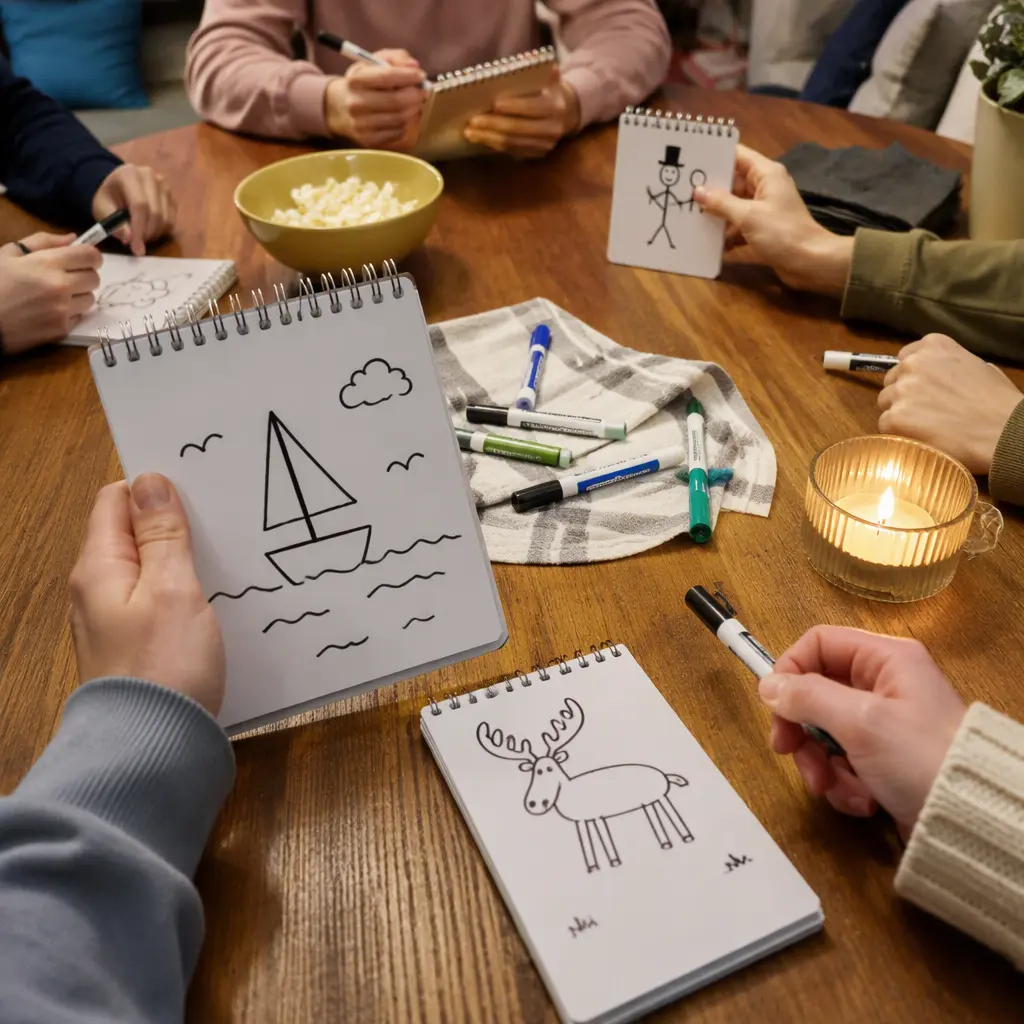
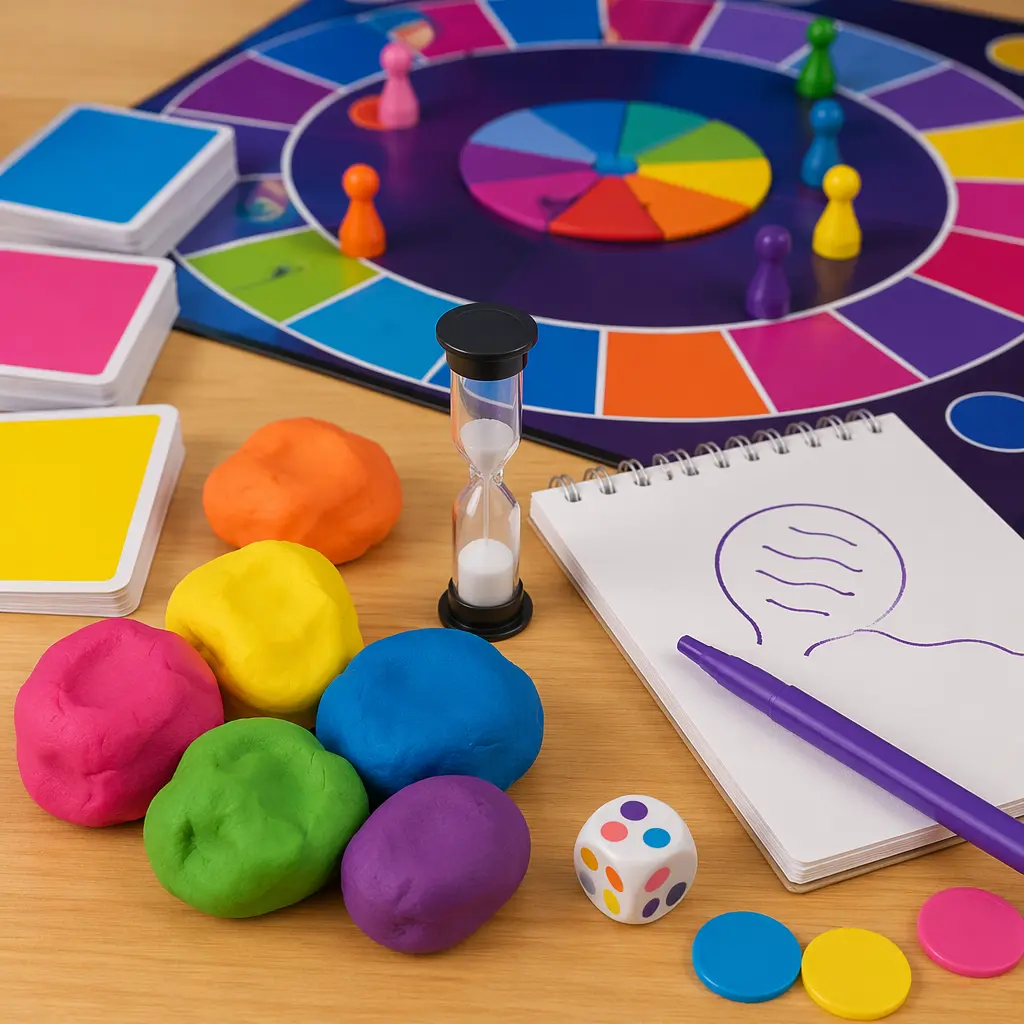
Since the mid‑1980s, Pictionary has made ordinary players into performers, turning quick sketches, wild guesses, and shared laughter into one of the most enduring party games ever made.
First published in the 1950s, Yahtzee turns five dice and a pencil into a game of luck, timing and choice that still works for families and adults decades later.
Since 1957, Risk has turned a simple world map and handful of dice into hours-long battles, alliances, and grudges that families still talk about decades later.
Exploding Kittens turned internet humour into a runaway card-game hit, proving that jokes, pace and social play can matter as much as strategy.
First published in 1971, Othello looks simple but hides deep strategy. With just black-and-white discs and a clean grid, it remains a family game that rewards patience, timing, and foresight.
First released in 1965, Trouble turned a simple race game into high drama with one clear idea: press the bubble. The Pop‑O‑Matic dice dome made turns tactile, loud, and impossible to ignore.
Since the late 1960s, KerPlunk has turned simple physics into edge‑of‑your‑seat fun. Pull a stick, hold your breath, and watch gravity decide who wins.
Since 1960, The Game of Life has turned careers, families, and fortunes into a colourful board-game journey, inviting generations to play through big life milestones in a single sitting.
First released in 1963, Mouse Trap turned a simple race game into a joyful spectacle of levers, marbles and mishaps—making the journey as entertaining as the win.
First released in 1979, Guess Who? remains a staple of family game nights. Its simple yes-or-no format teaches logic, deduction, and social play in a way few board games manage.
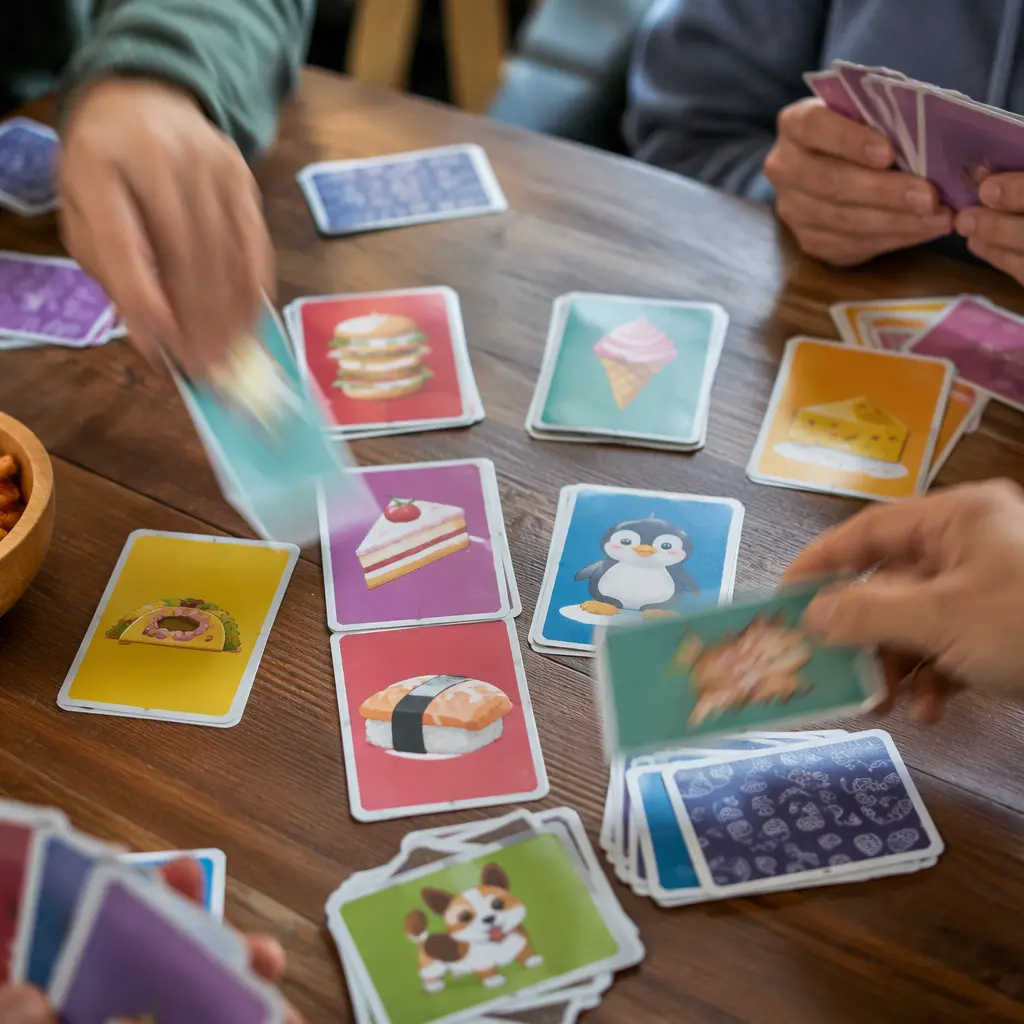
Spot It! looks like a casual card game, but its rapid pattern-matching quietly builds focus, visual scanning, and quick thinking for kids and adults alike.
First published in 1949, Candy Land has helped generations of young children learn turn‑taking and patience through a simple, luck‑based board game that requires no reading at all.
Since 1966, Twister has turned living rooms into laugh-filled obstacle courses. With nothing but a mat, dots, and balance, it redefined what a board game could be.
First published in 1934, Sorry! turned the sting of being sent back to start into laughter. Its mix of luck, light strategy, and social friction keeps families coming back.
Invented in the mid‑20th century, Scrabble turned vocabulary into a competitive sport. Decades on, it still sparks arguments, learning moments, and proud victories around kitchen tables.