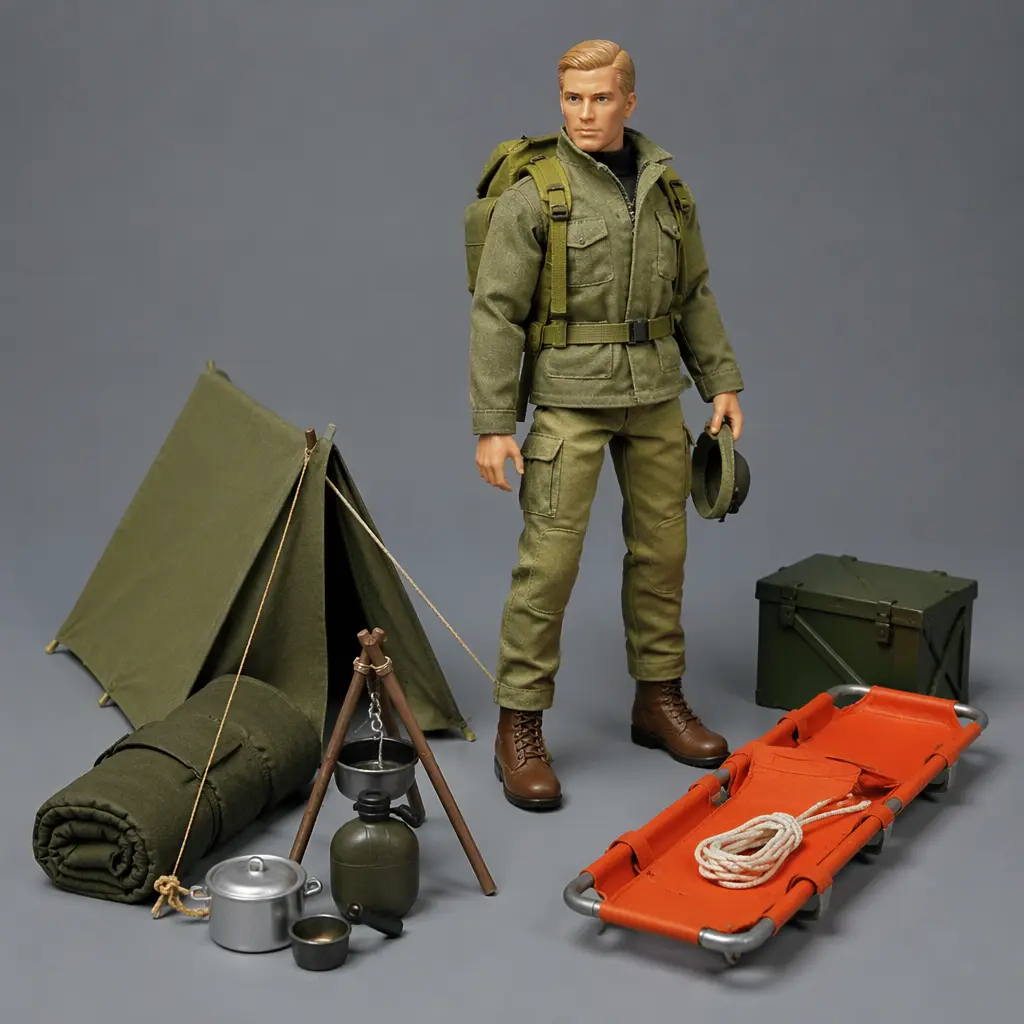
Action Man: The European figure that shaped imaginative play
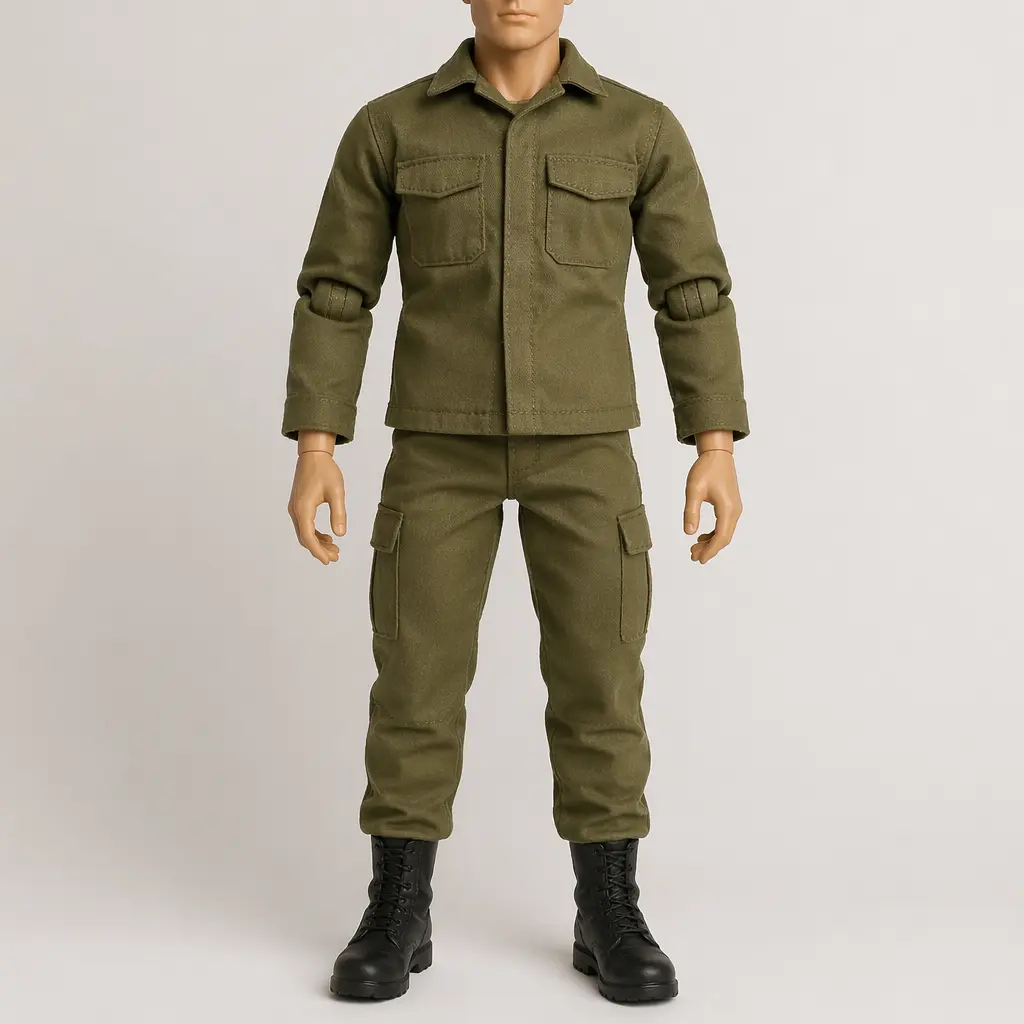
Introduced in 1966, Action Man brought military role-play and detailed accessories into European toy rooms, influencing generations of action figures and imaginative storytelling.
Mattel’s Big Jim line mixed sports gear, spy gadgets, and rugged adventure themes into a flexible action figure that helped shape the modern action-hero toy aisle.
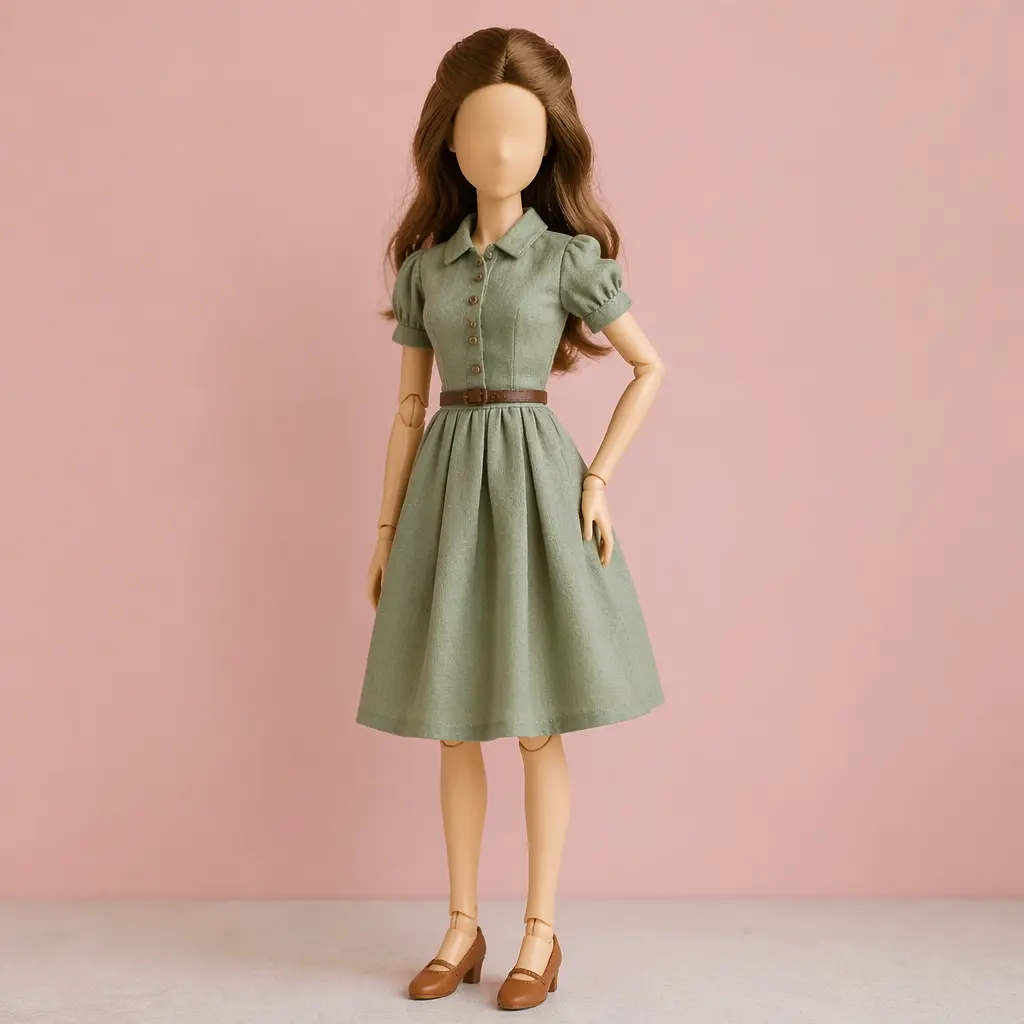
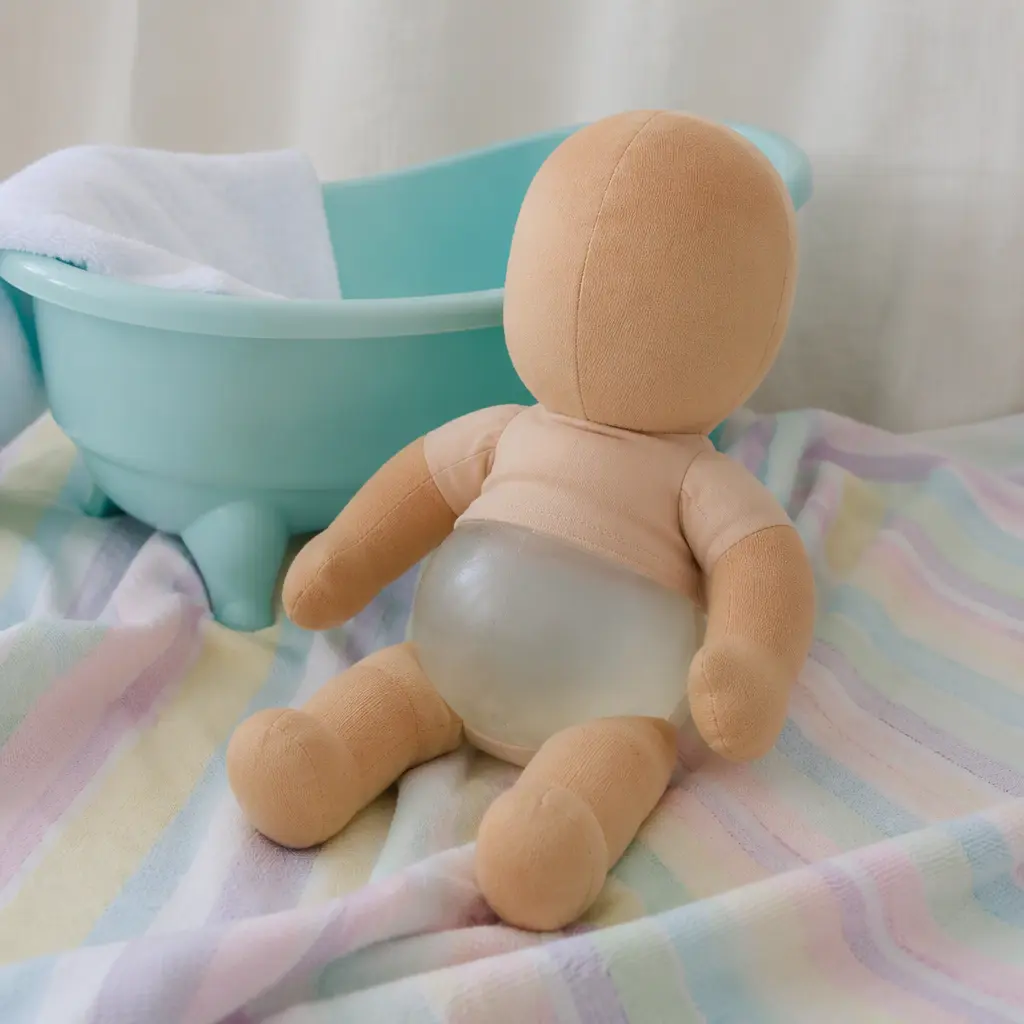
First released in 1991, Baby Born dolls brought feeding, bathing and potty routines into play. Their lifelike functions reshaped how children role‑play care and responsibility.
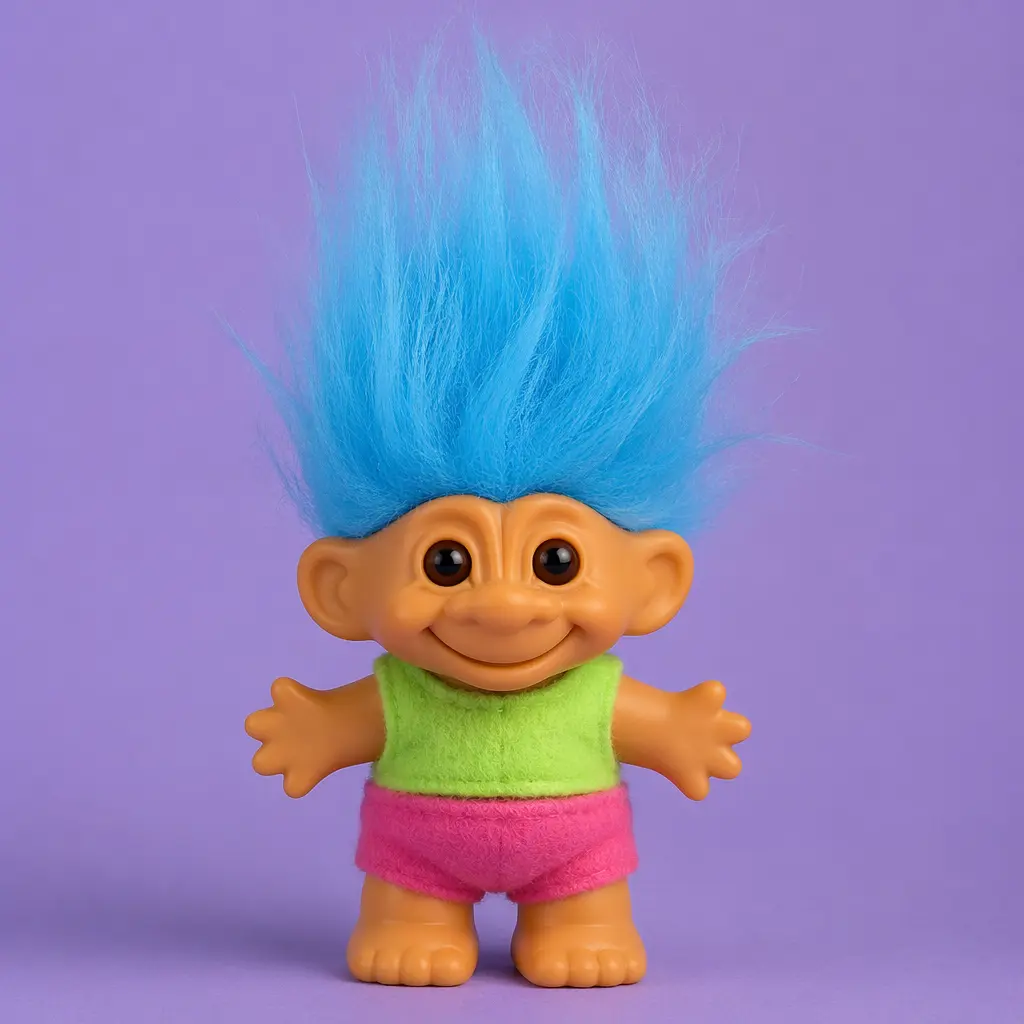
Born in Denmark in 1959, Troll Dolls have bounced from good-luck trinkets to global craze to pop-culture punchline—and back again. Here’s how the wild-haired dolls endured across generations.
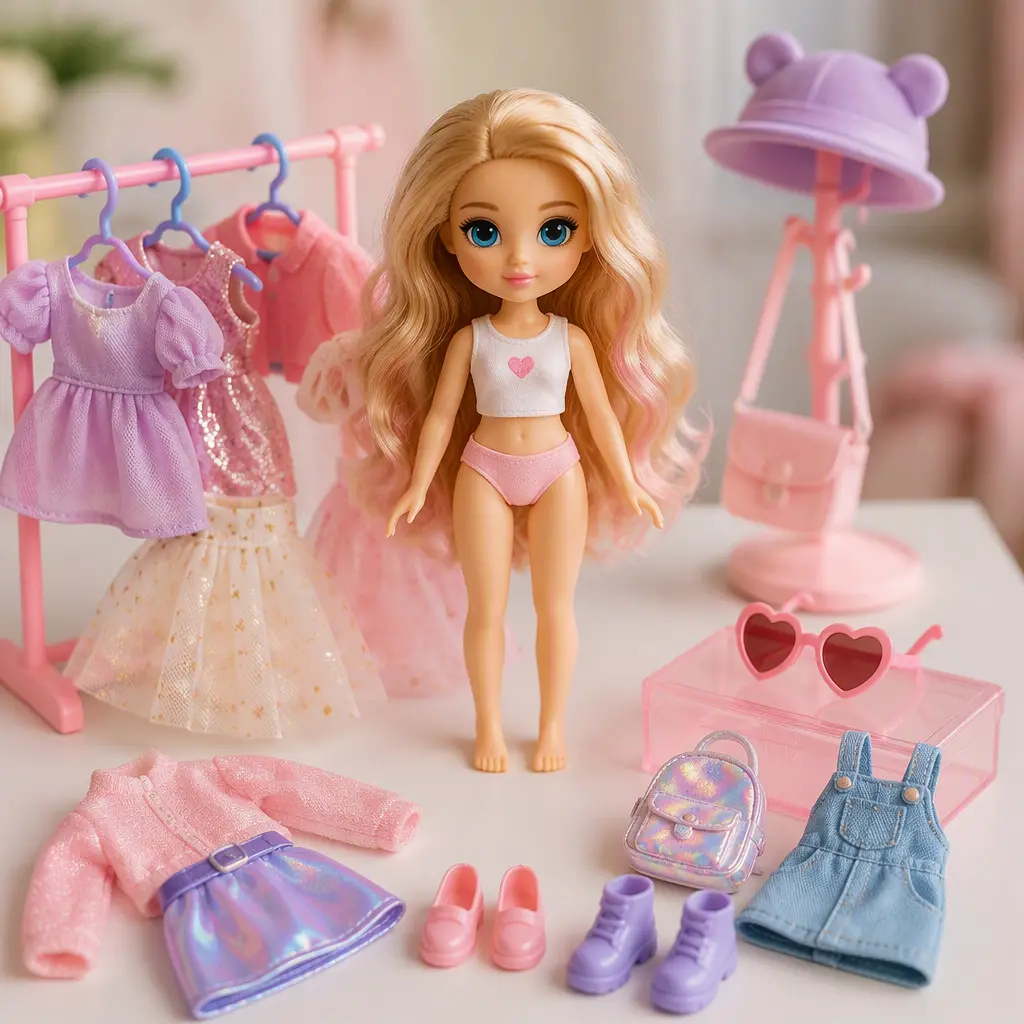
Launched in 2003, Our Generation Dolls built a loyal following by offering 18-inch dolls and rich accessories at a friendlier price, reshaping expectations of what a quality doll line could be.
Explore versatile outdoor toys and play gear that stay engaging from early elementary years through age 10, with tips on durability, safety, and long-term play value.
Explore durable remote-control toys for teens that stay fully offline, with tips on range, battery life, repairability, and age-appropriate features for stress-free play.
Explore low-mess, no-battery art kits designed for kids ages 6–8 to open, use, and enjoy with minimal adult help. Find key features, age tips, and creative kit types to consider.
Explore classic doll sets for toddlers ages 1–2 that support nurturing, pretend play, and early social skills without lights, sounds, or complicated electronics.
A parent-friendly guide to washable plush toys for children with allergies, including fabric choices, filling types, cleaning durability, and age-appropriate features for ages 3–5.
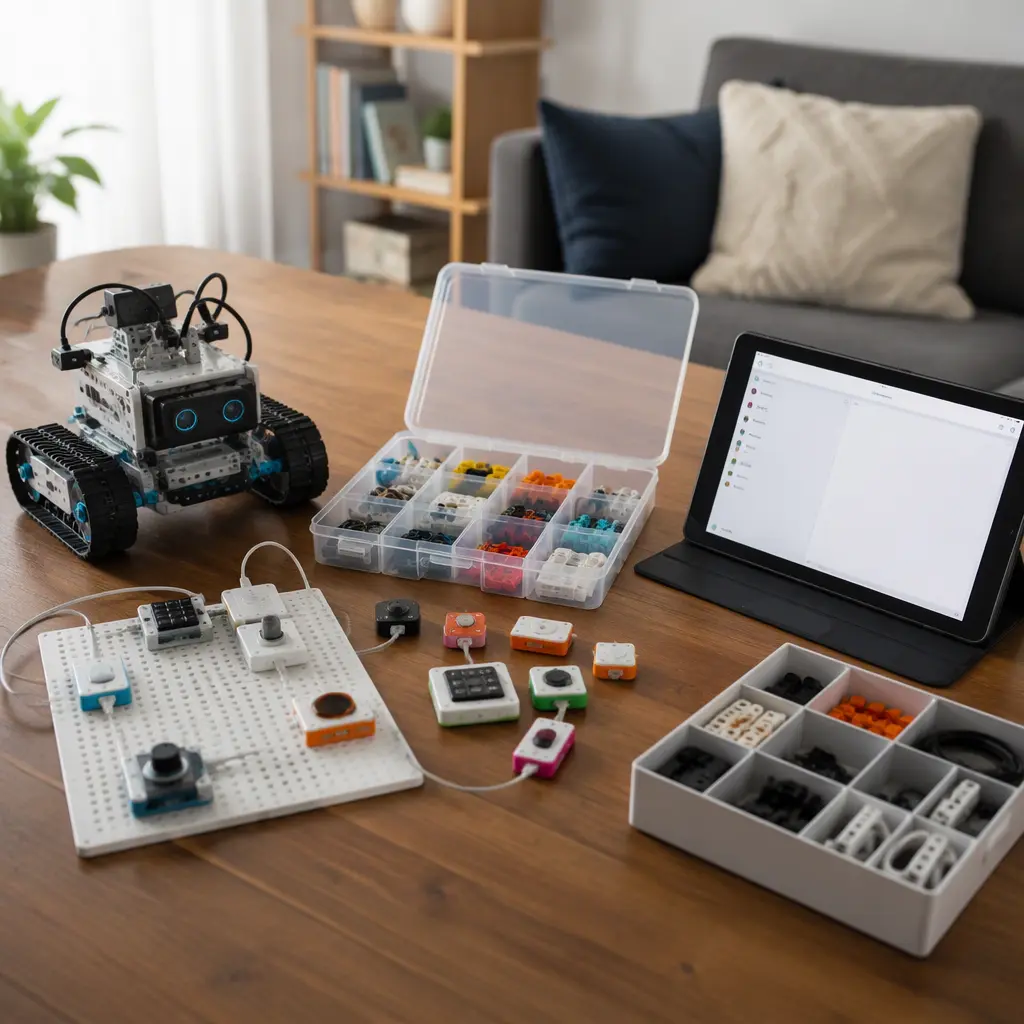
Explore beginner circuit toys that teach wiring, switches, and cause-and-effect without apps or screens. This guide covers what to look for, age fit, safety, and popular kit styles for ages 9–12.
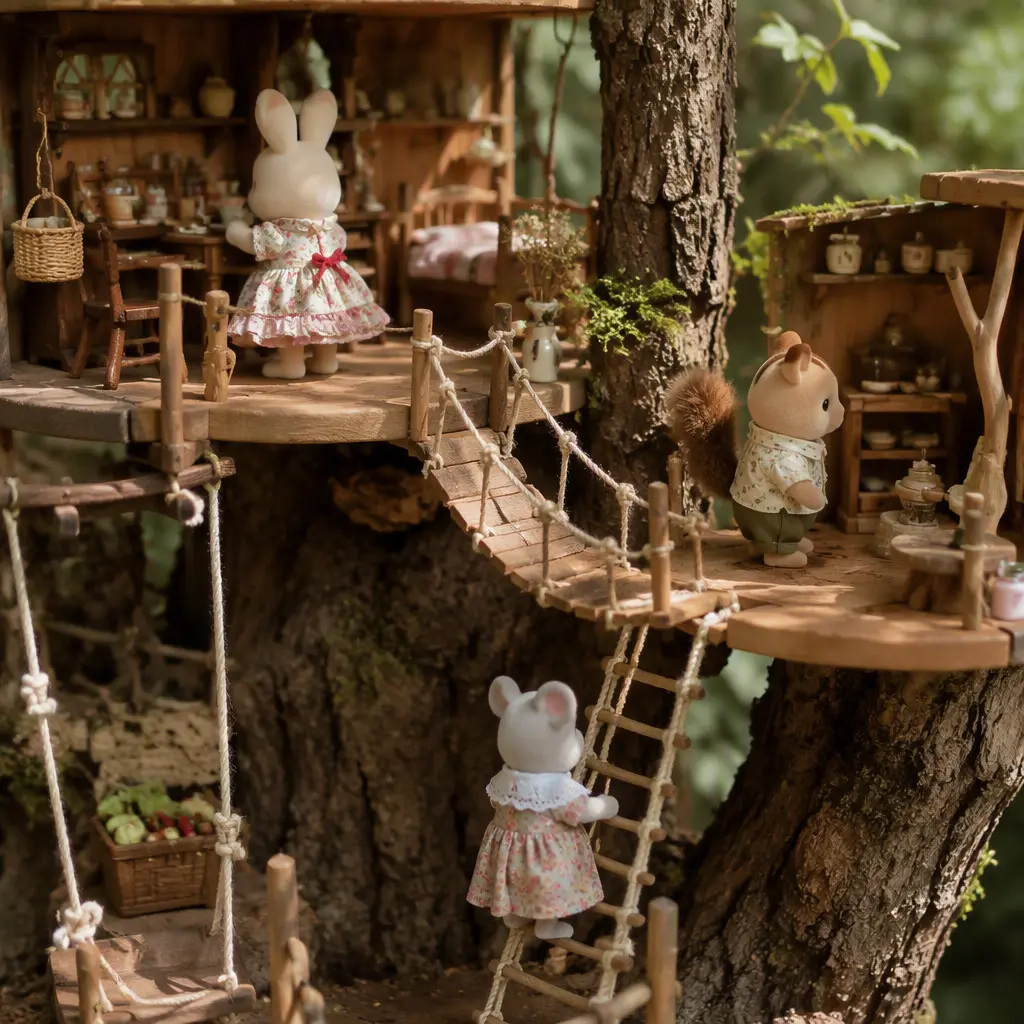
Since 1985, Sylvanian Families has offered gentle, story-led play with flocked animal figures and detailed homes. We look at where it came from, why it endures, and what to know today.
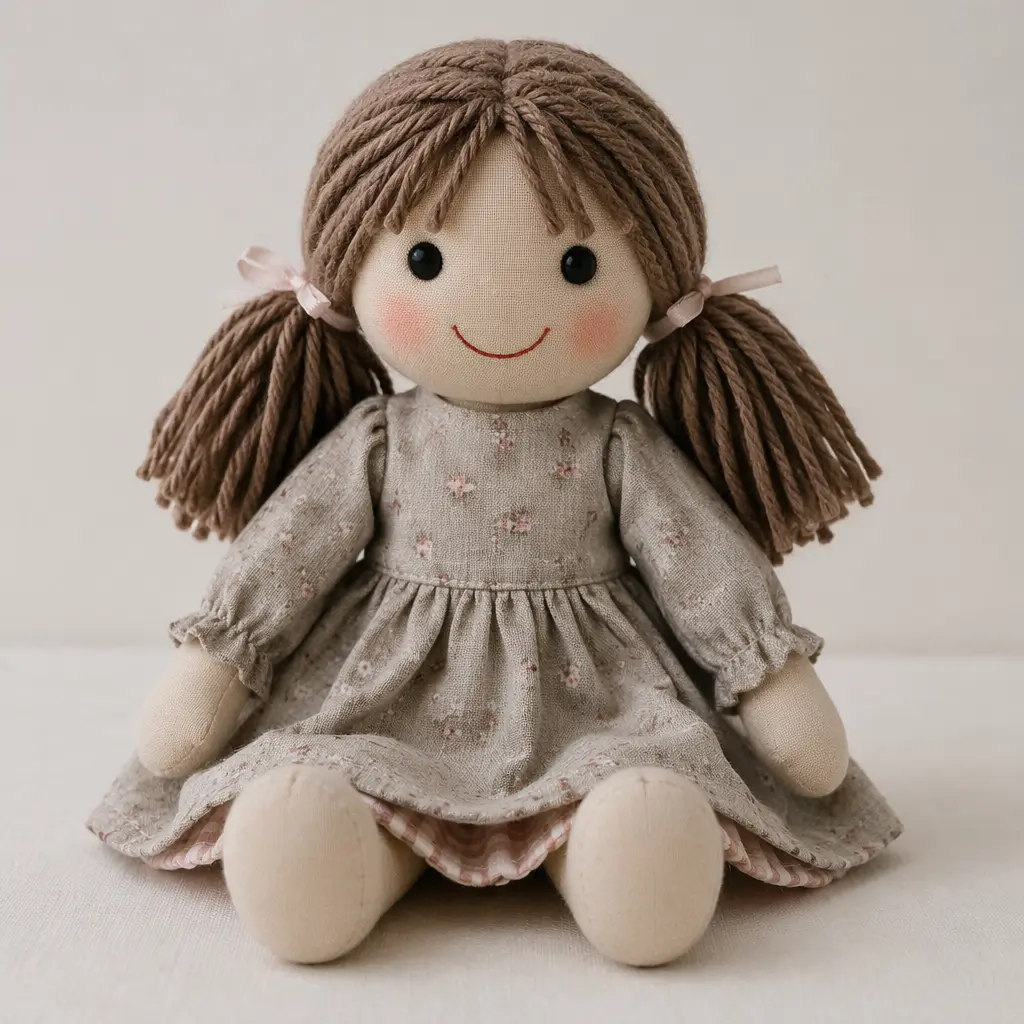
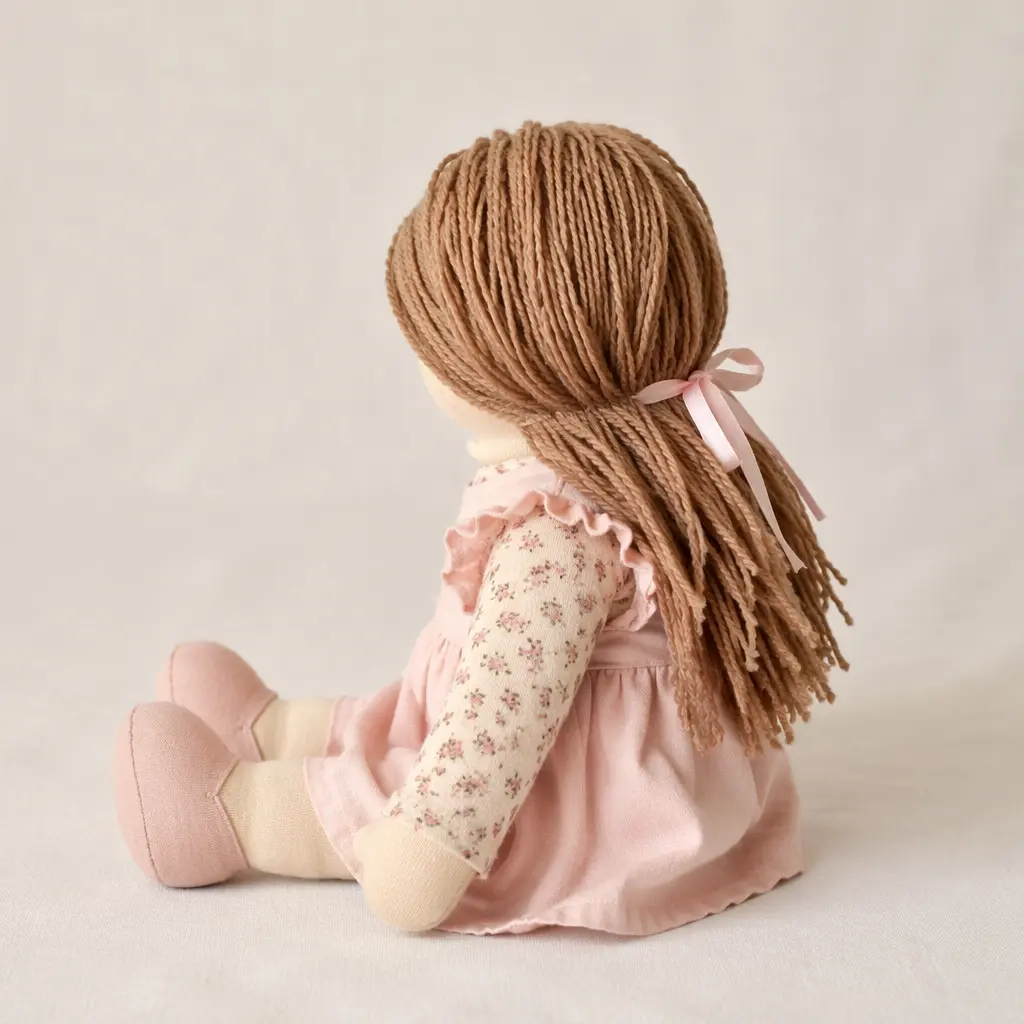
Introduced in the 1910s, Raggedy Ann helped define the idea of a comforting cloth doll. A look at her origins, design, and why soft rag dolls still matter to families today.
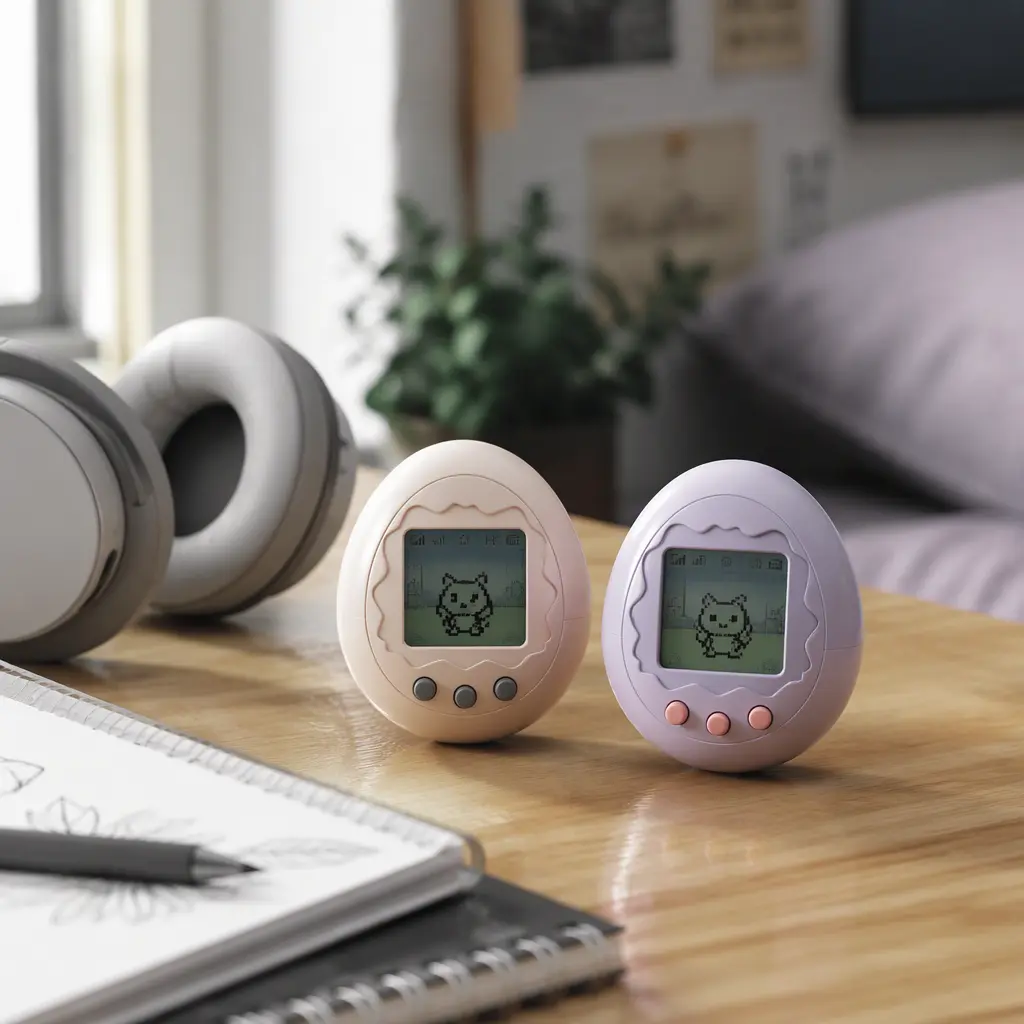
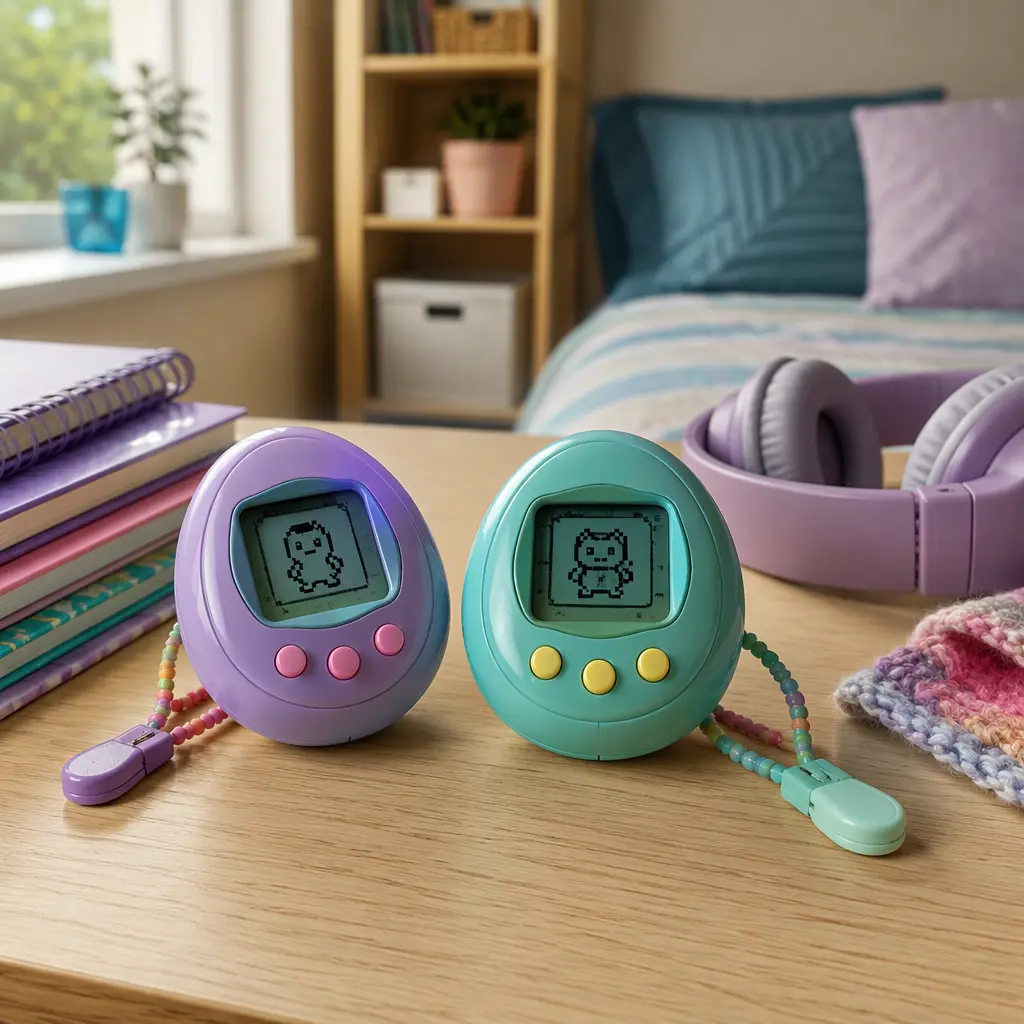
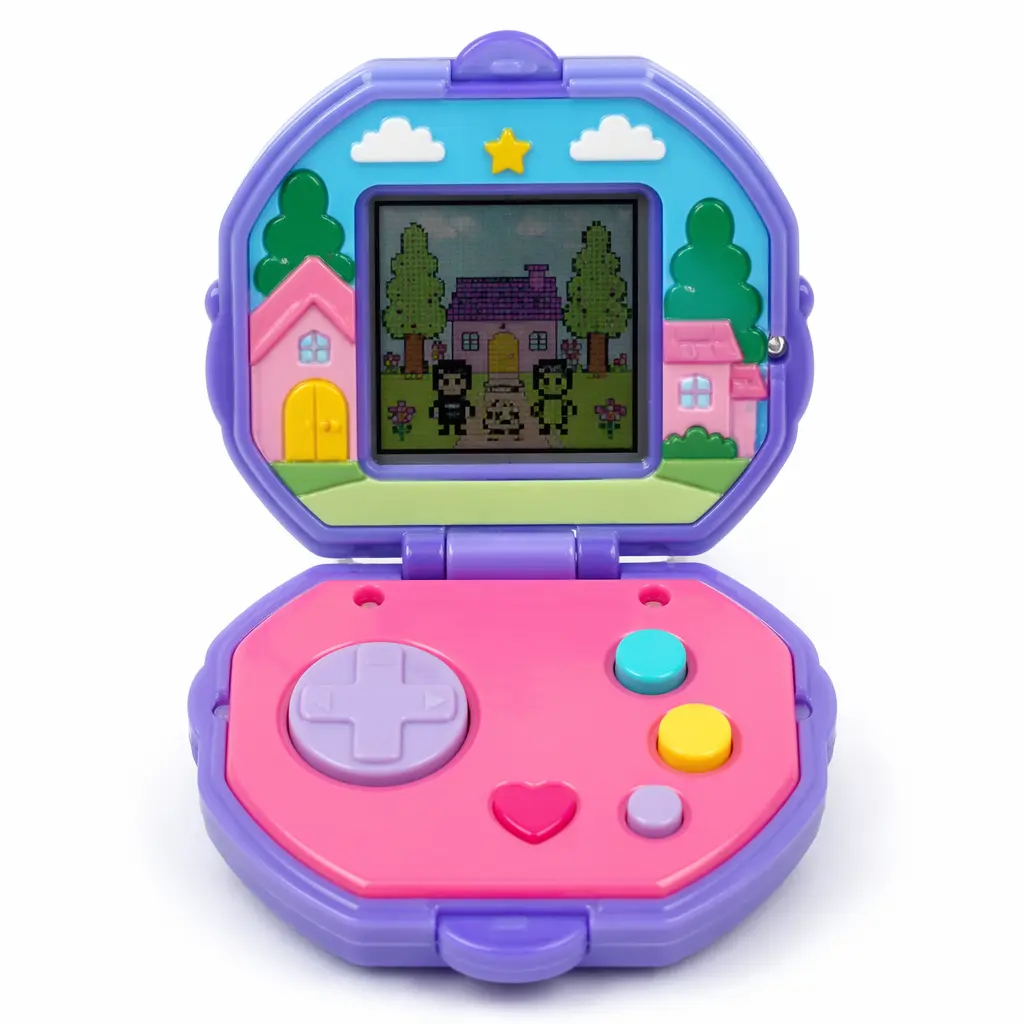
Pixel Chix blended dolls with early digital life, letting kids care for on‑screen characters through physical playsets at a moment when toys began to feel like devices.
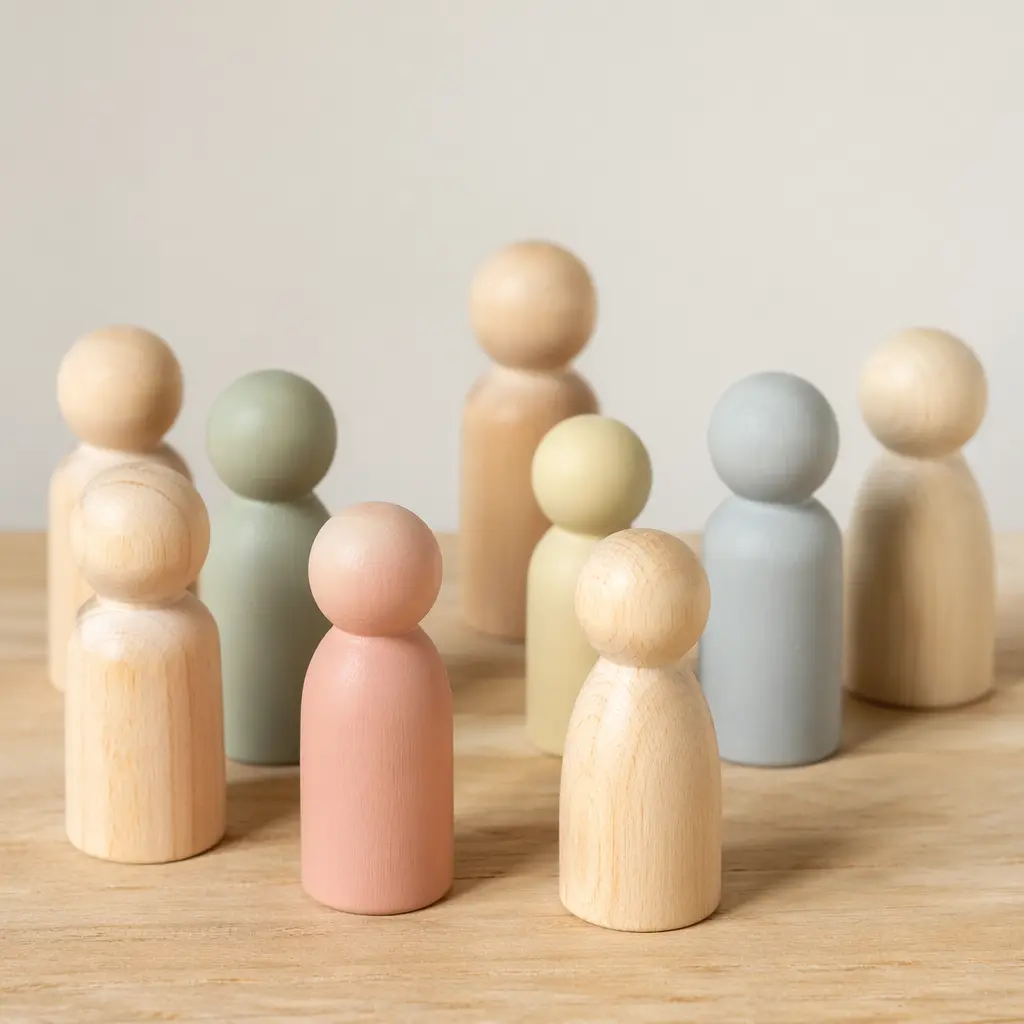
Grimm’s Wooden Peg Dolls are simple, faceless figures that invite open‑ended storytelling. Their minimal design, natural materials, and flexibility have made them a modern classic in imaginative play.
Since the early 1980s, My Little Pony blended fantasy worlds, grooming play, and character-driven stories, becoming one of the most enduring toy families in modern play culture.
Since the 1970s, Baby Alive has stood out by letting kids feed, change, and care for a doll. Its simple cause-and-effect play helped redefine nurturing pretend play for generations.
Boglins were rubbery, snarling hand puppets that turned kids into monster ventriloquists in the late 1980s. Equal parts gross and funny, they left a lasting mark on toy shelves—and memories.
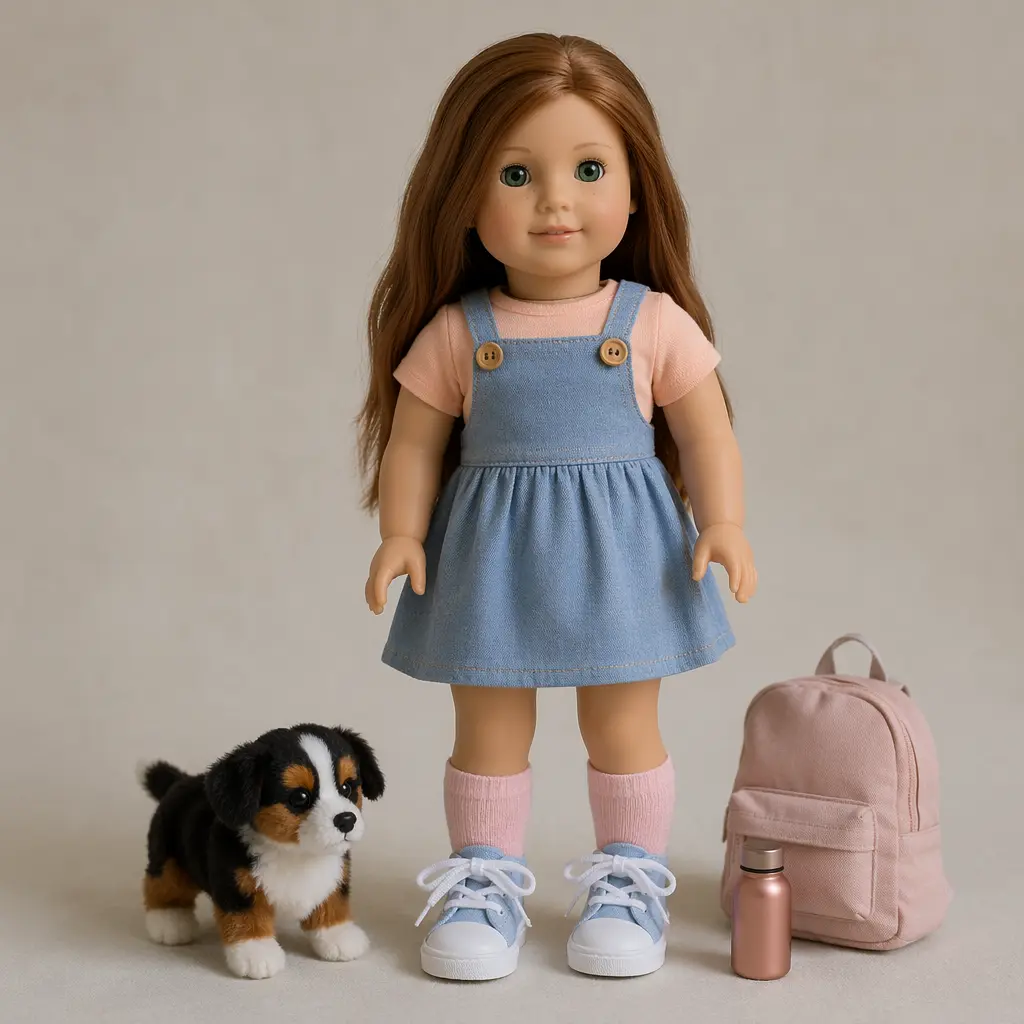
Since the 1980s, American Girl has blended dolls, stories, and history to help kids see themselves in the past and present—turning playtime into a lesson in empathy and identity.
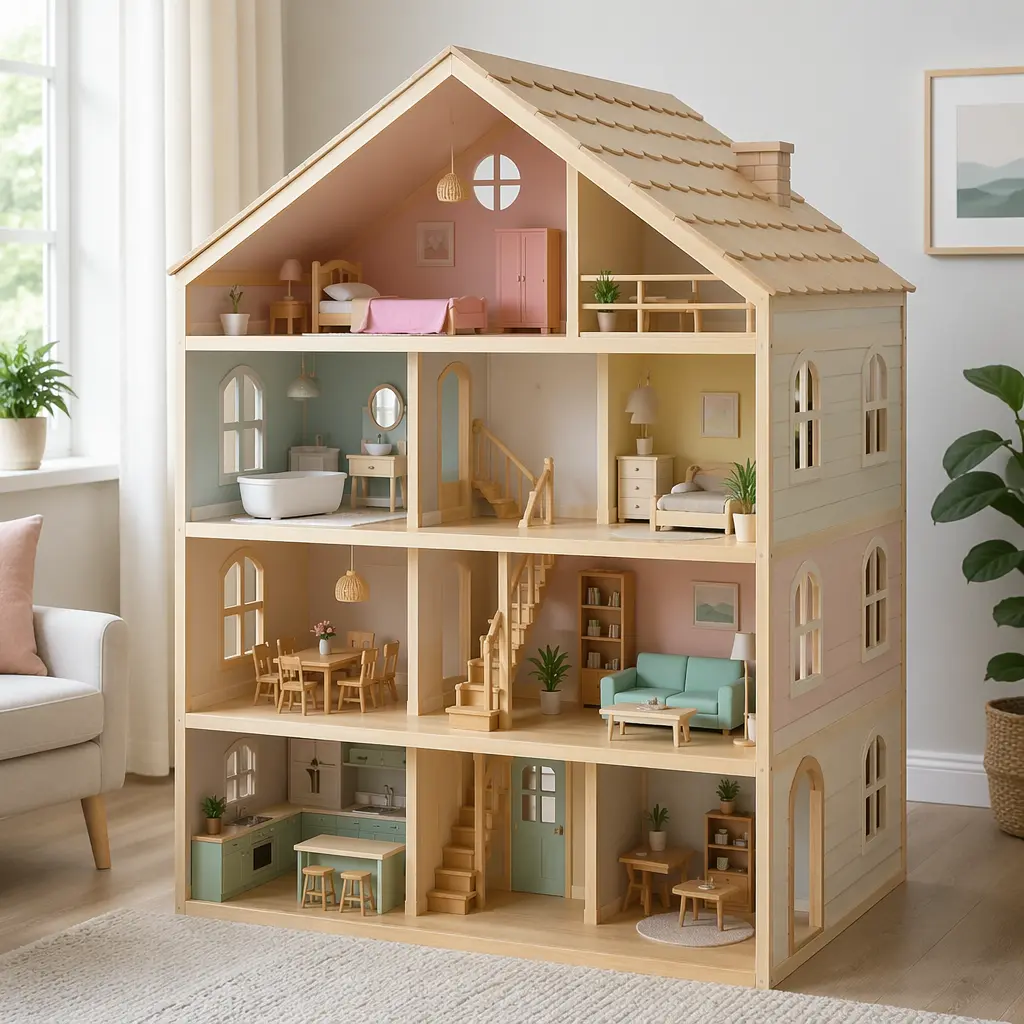
KidKraft dollhouses turned classic pretend play into room‑scale experiences. Here’s how their oversized wooden designs became a staple of open‑ended play—and what to know if you’re considering one today.
With soft faces and pretend adoption papers, Cabbage Patch Kids became more than dolls. In the 1980s, they sparked lines, tears, and a new kind of emotional play that still echoes today.
Soft animal families, detailed homes, and calm storytelling have made Calico Critters a modern classic—built to expand gently over years of play.
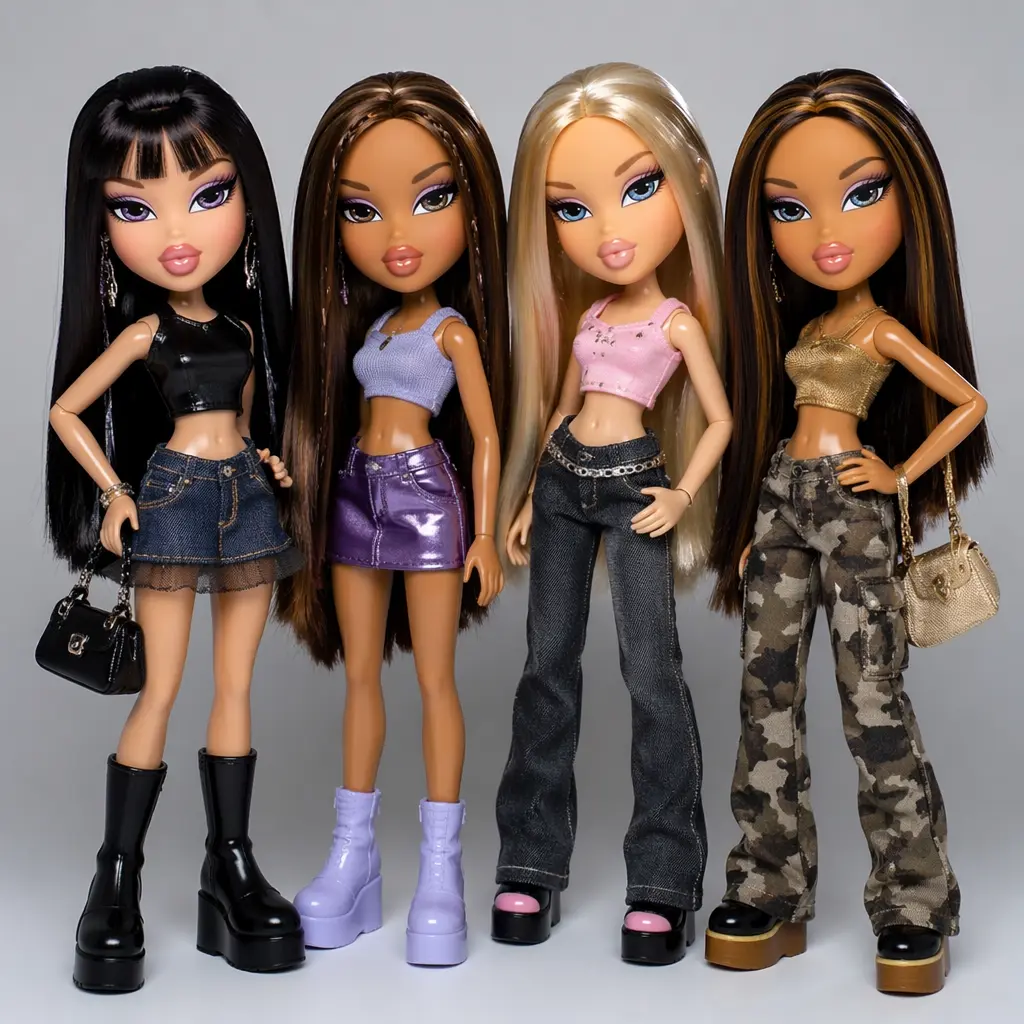
Launched in 2001, Bratz dolls shook up the doll aisle with bold fashion, big attitudes, and a look that challenged decades of tradition. Here’s how they changed the industry—and why they still matter.
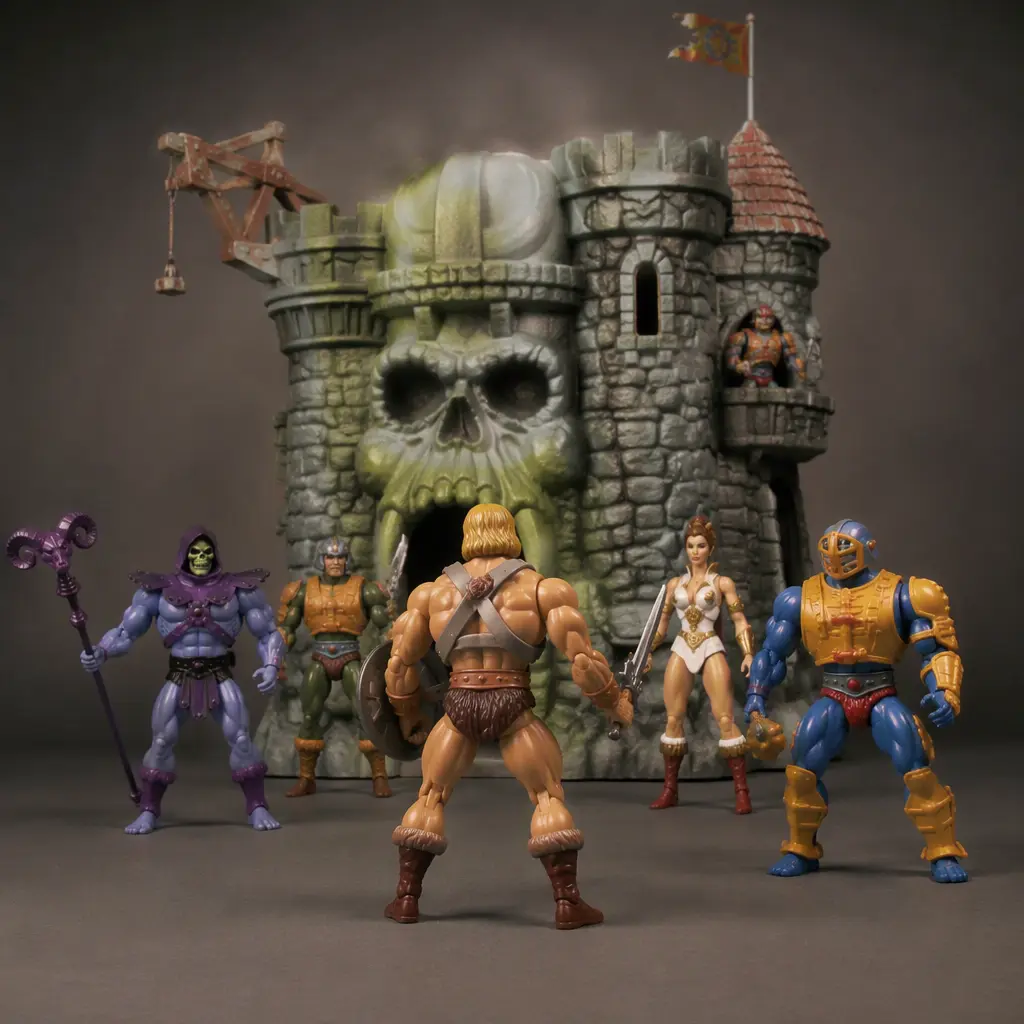
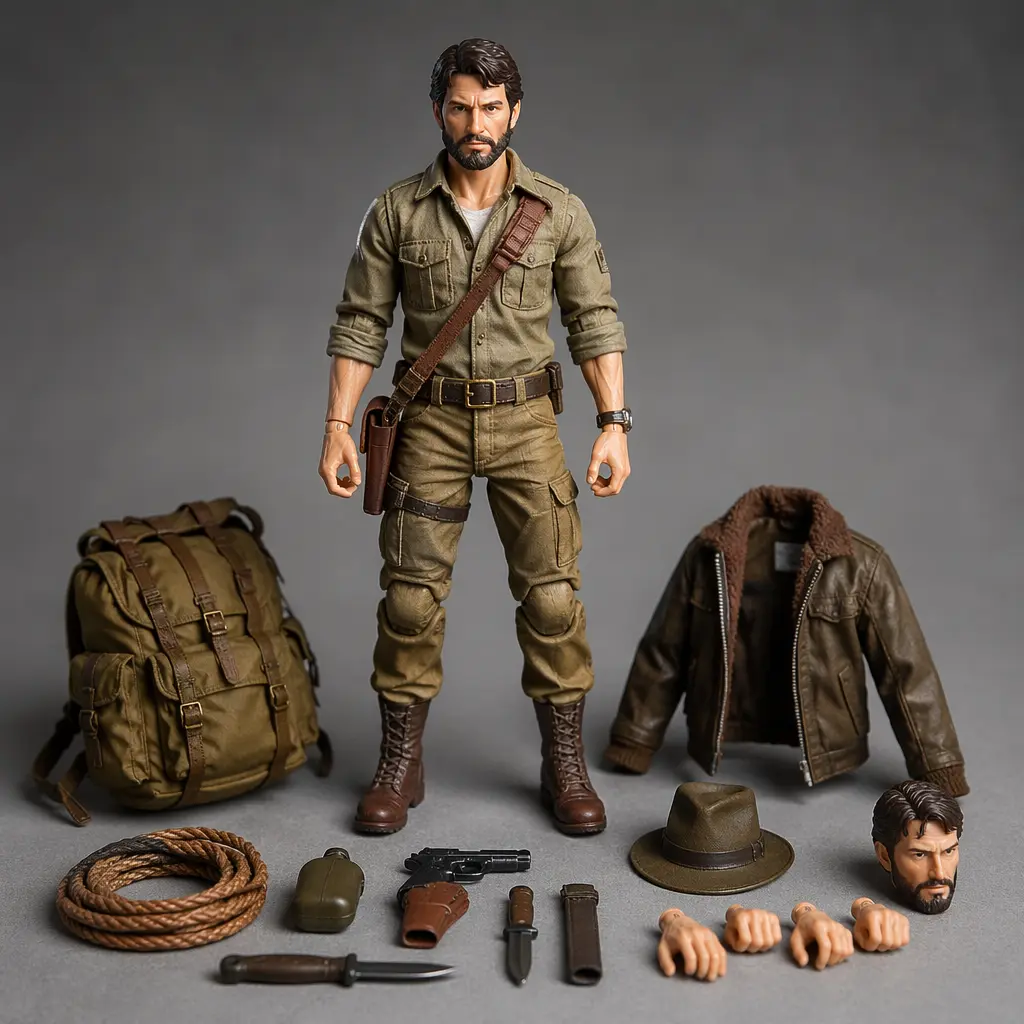
Launched in 1964, G.I. Joe reframed dolls as “action figures,” opening imaginative play to boys and reshaping the toy industry for decades.
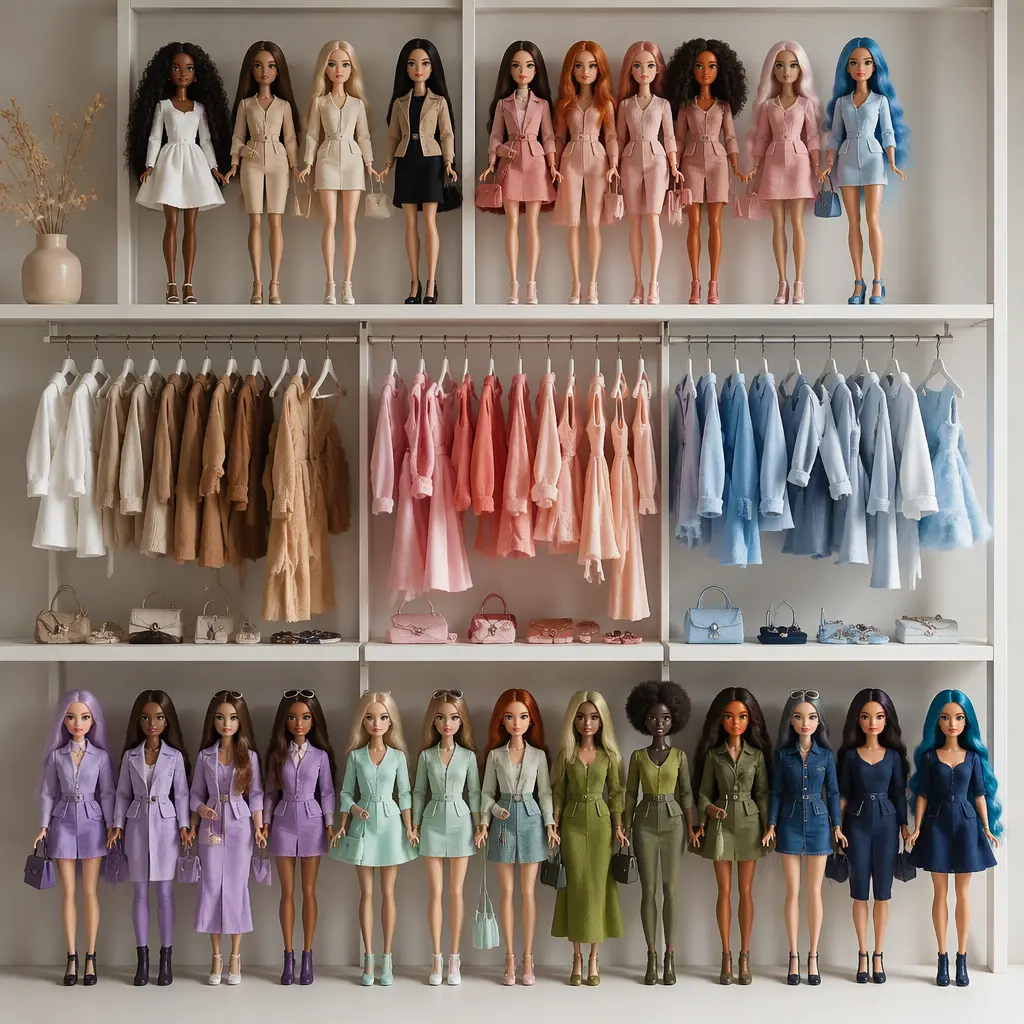
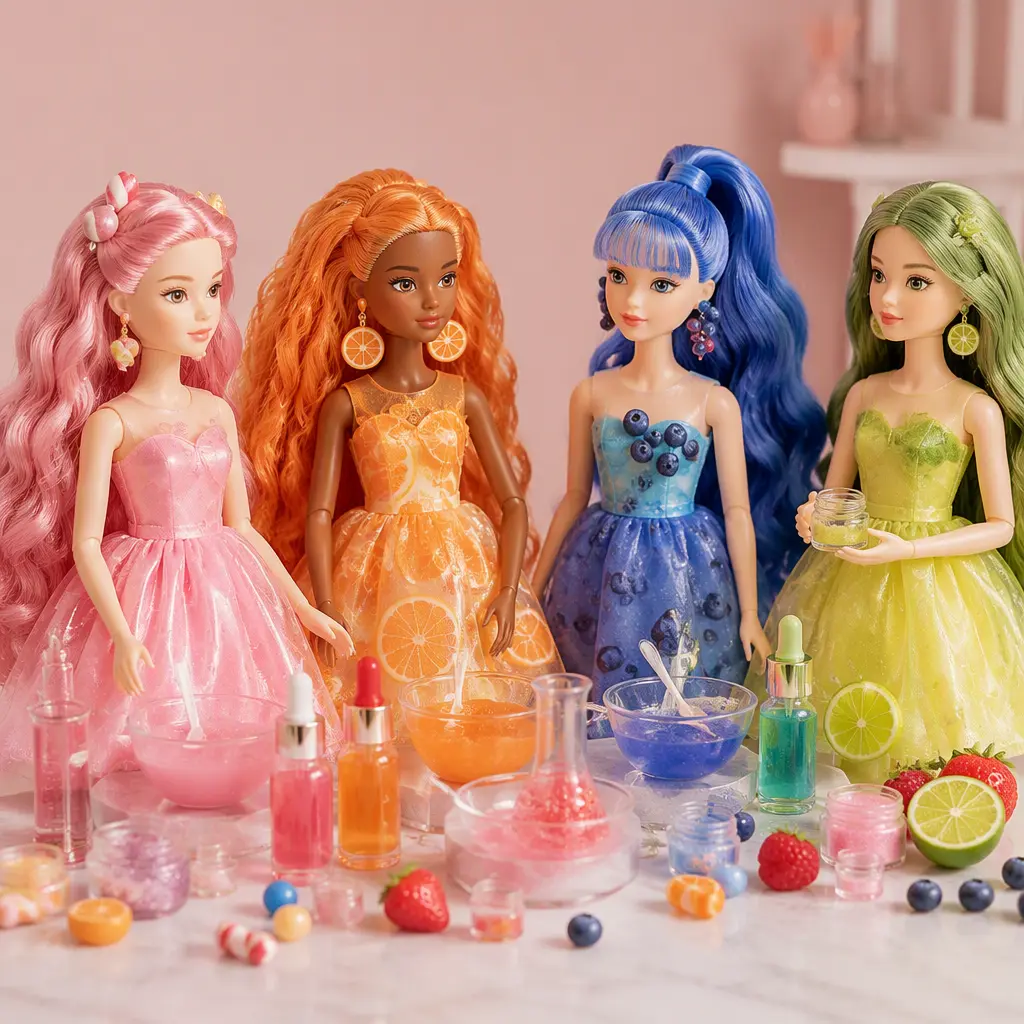
First sold in 1959, Barbie became more than a fashion doll. She reflected changing ideas about girlhood, work, and imagination—while quietly reshaping what play could look like for generations.
Launched in 2016, L.O.L. Surprise turned doll collecting into an unboxing ritual. Its layers, mini fashions and social buzz reshaped how kids play — and how toys launch.
From a compact locket in the late 1980s to a modern doll line, Polly Pocket shows how small-scale play, portability, and imaginative worlds helped a toy endure across generations.