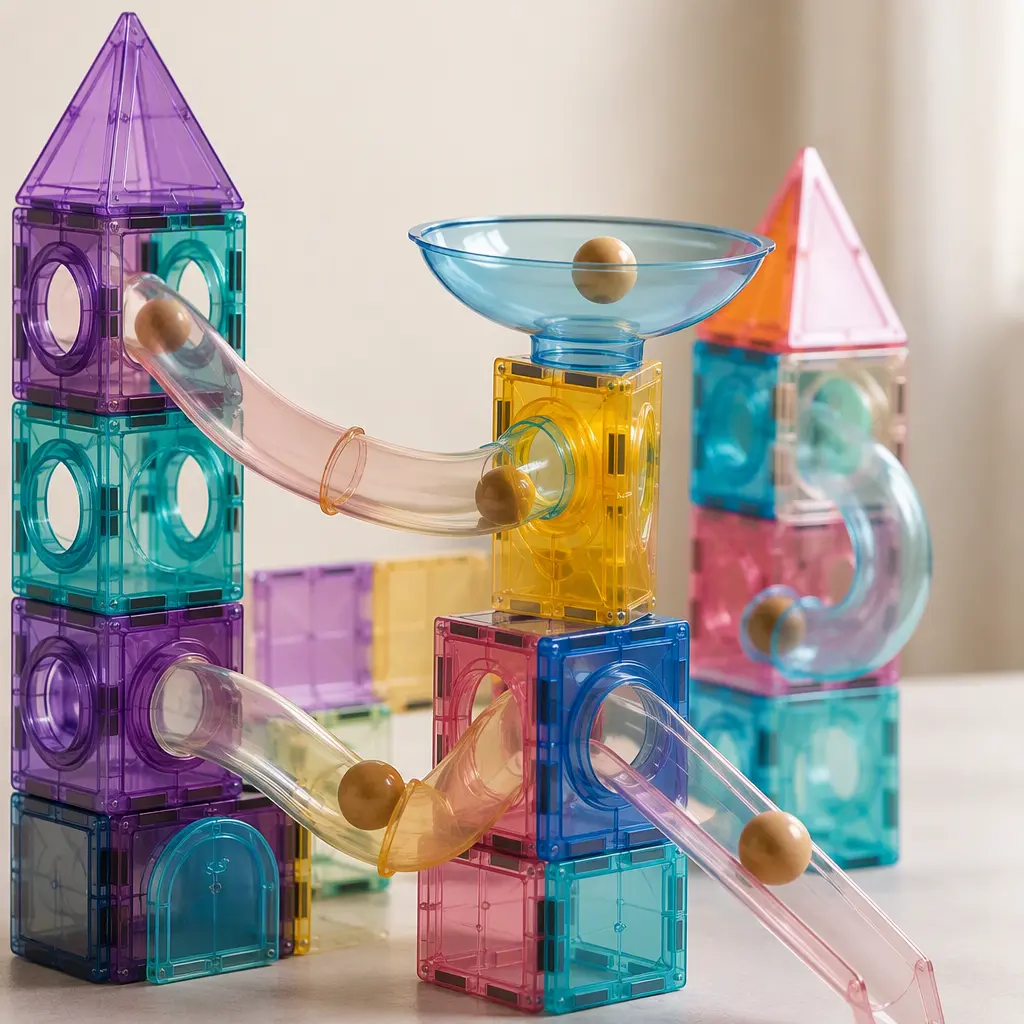
Contemporary toy · since 2021
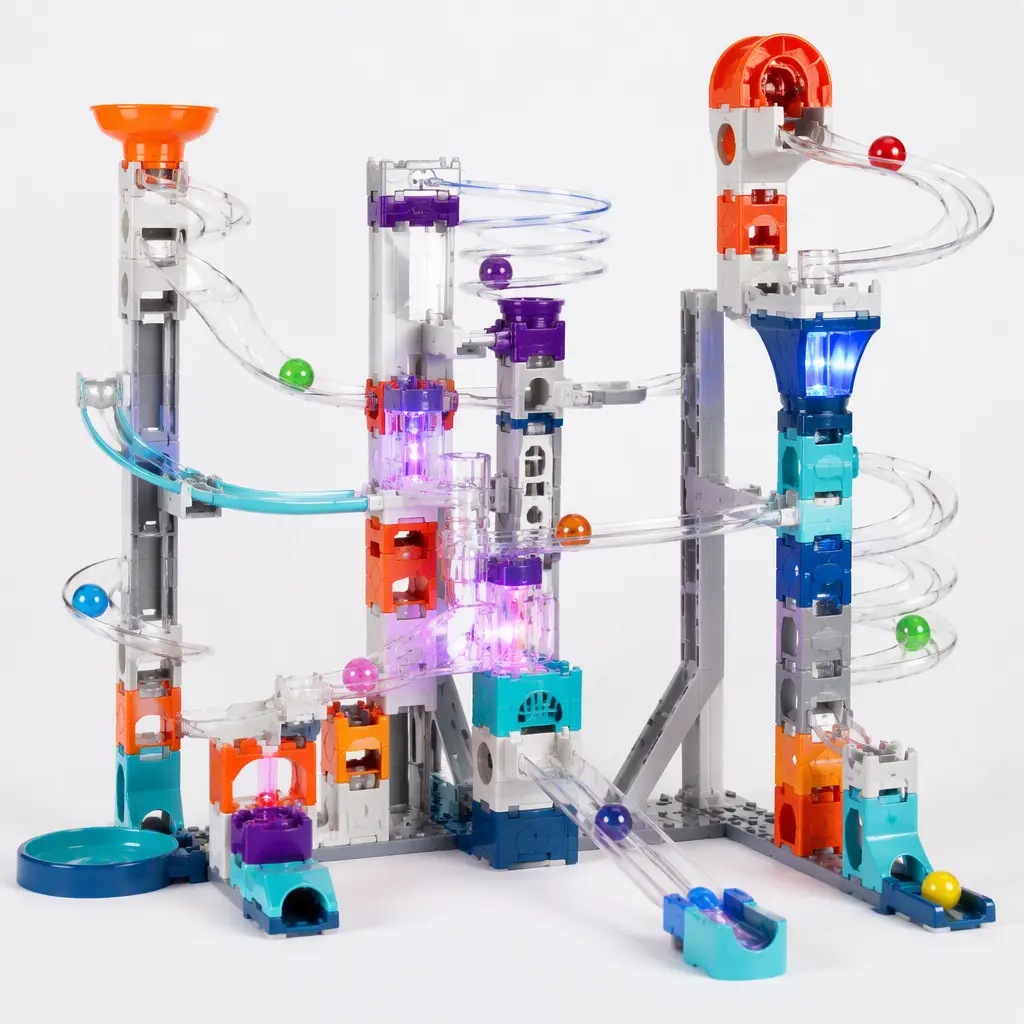
Connetix Ball Runs turned open-ended magnetic tile play into a hands-on engineering system, blending construction, motion, and problem-solving for kids and adults alike.
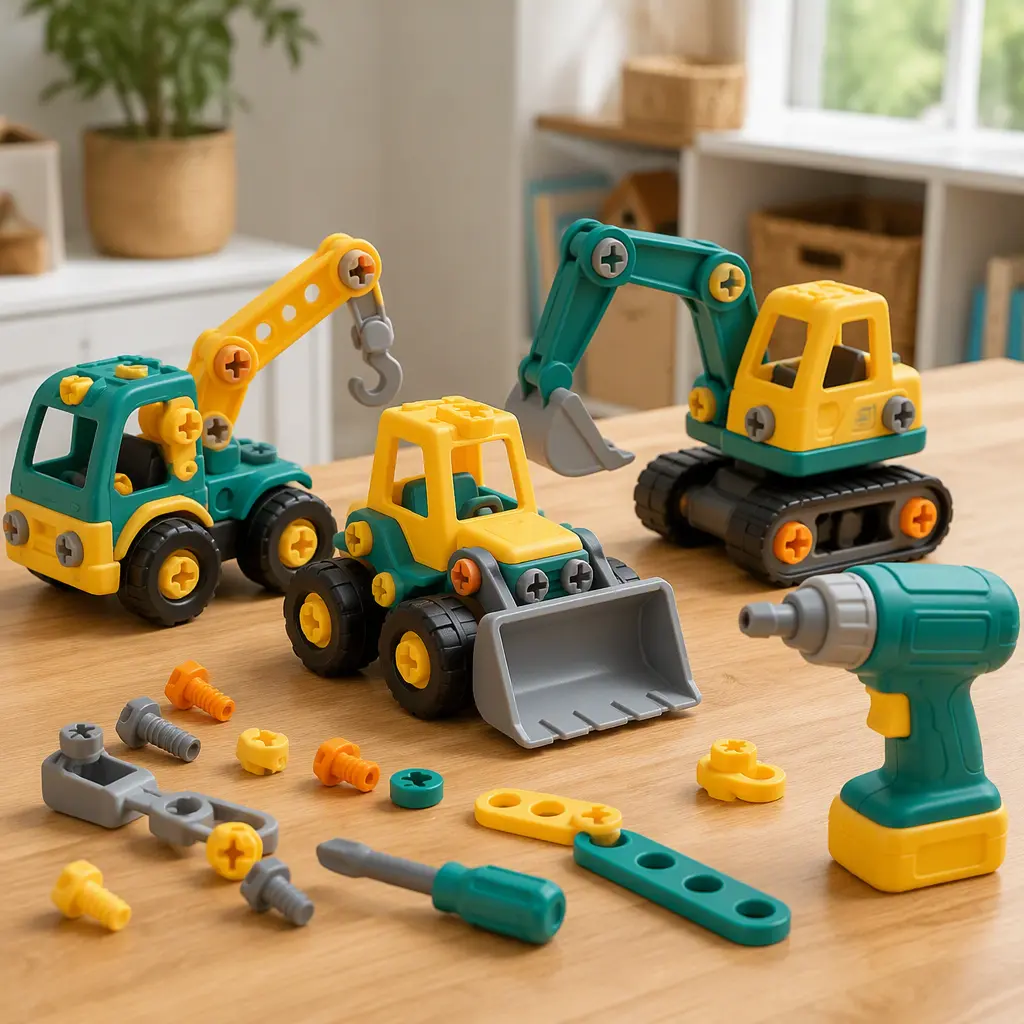
Modern toy · since 2016
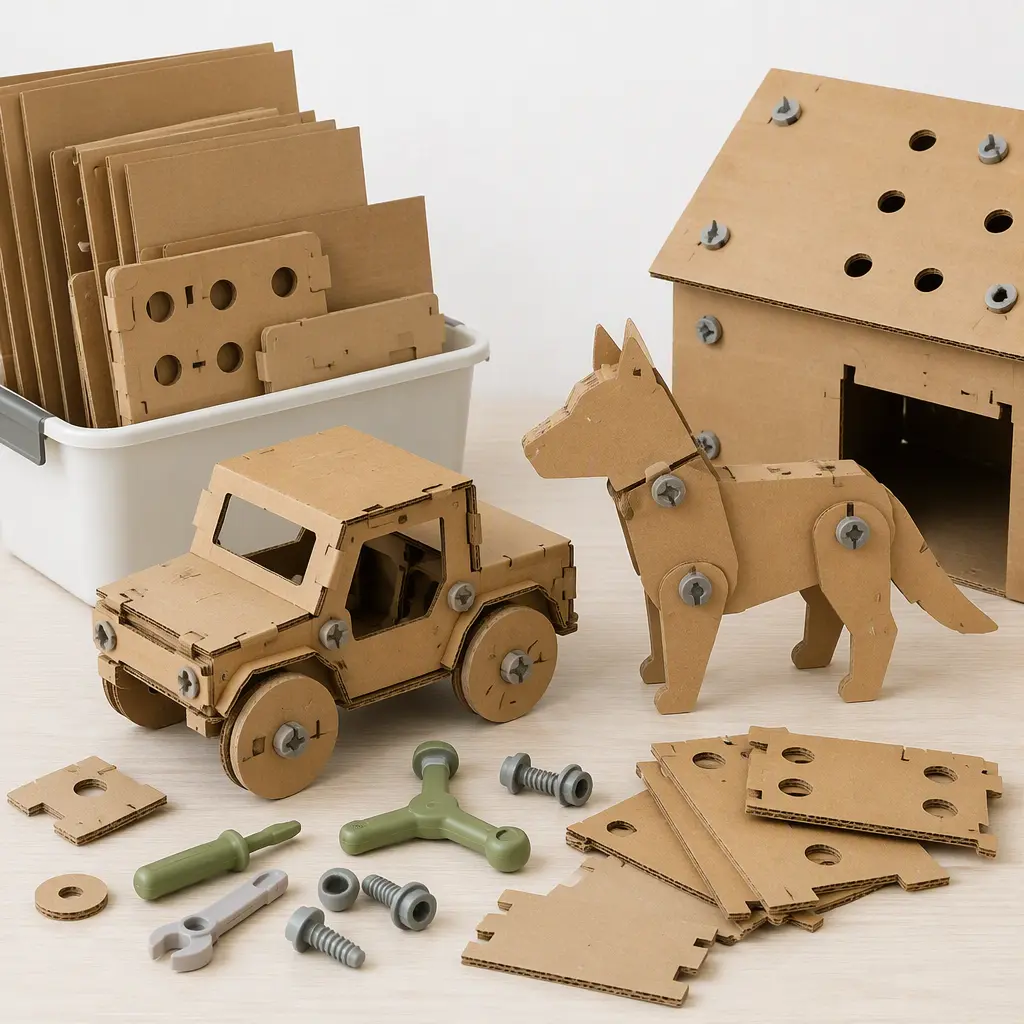
Battat’s Take-A-Part Vehicles turned toy drills and rebuildable machines into a hands-on preschool hit, blending pretend construction play with simple engineering concepts and repeatable problem-solving.
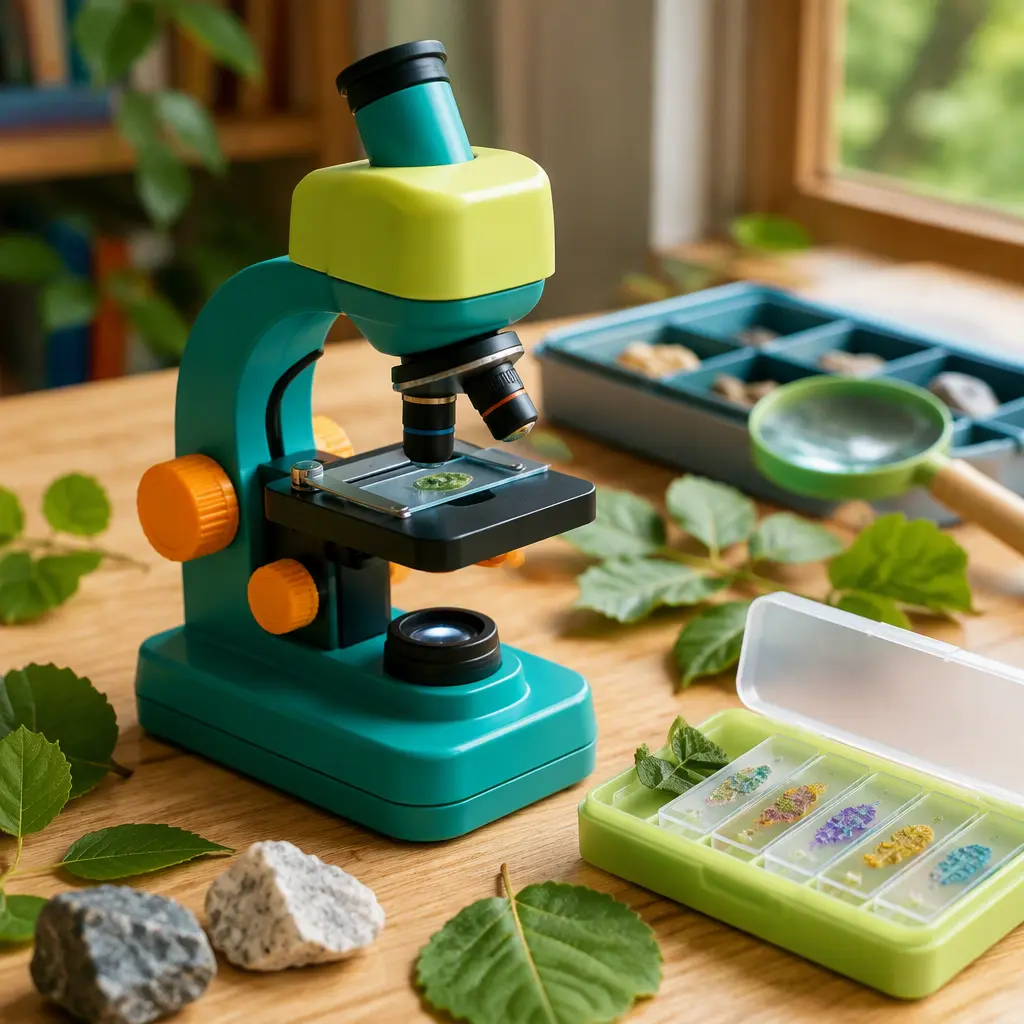
Modern toy · since 2008
The GeoSafari Talking Microscope turned early science play into something approachable, mixing oversized controls, spoken facts, and real specimen viewing for curious young learners.
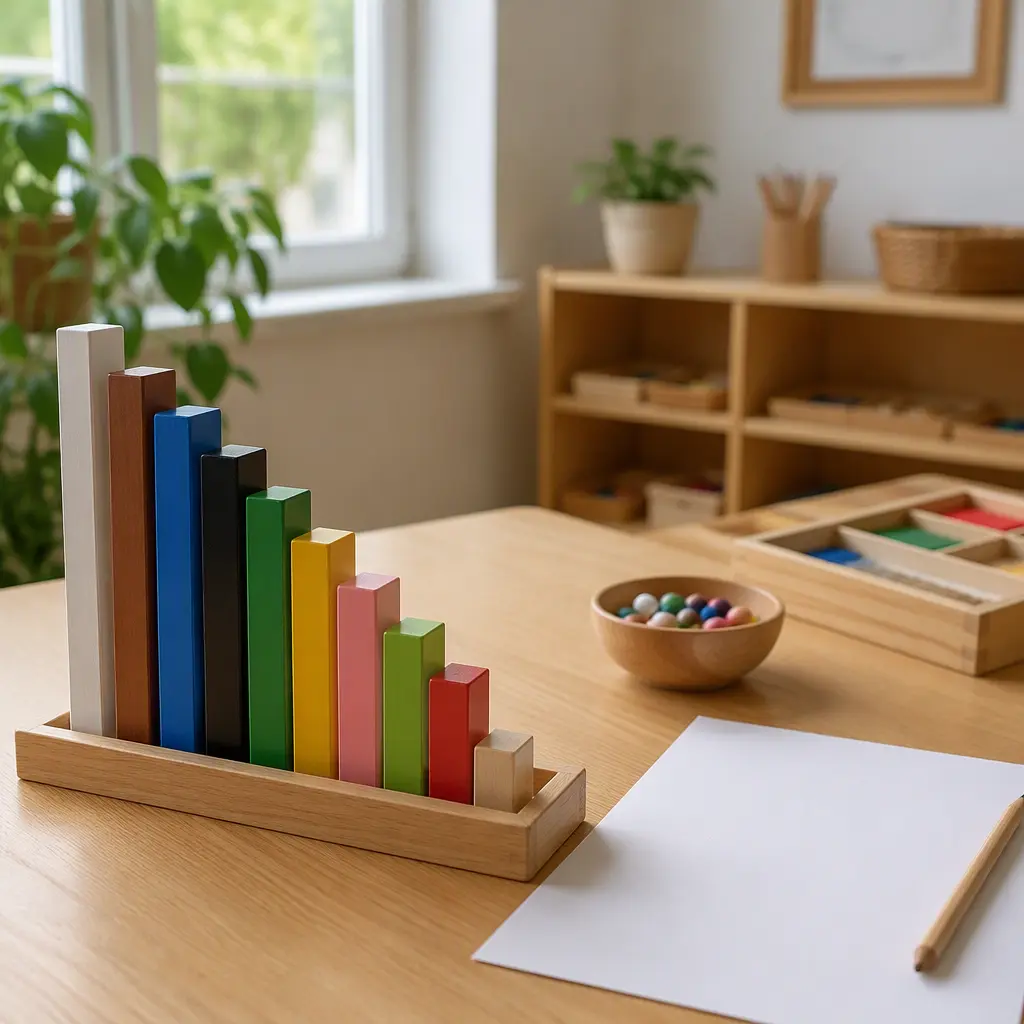
Classic toy · since 1952
Invented in the early 1950s, Cuisenaire Rods turned arithmetic into a hands-on visual system. Their simple color-coded design still shapes classrooms, tutoring, and home learning today.
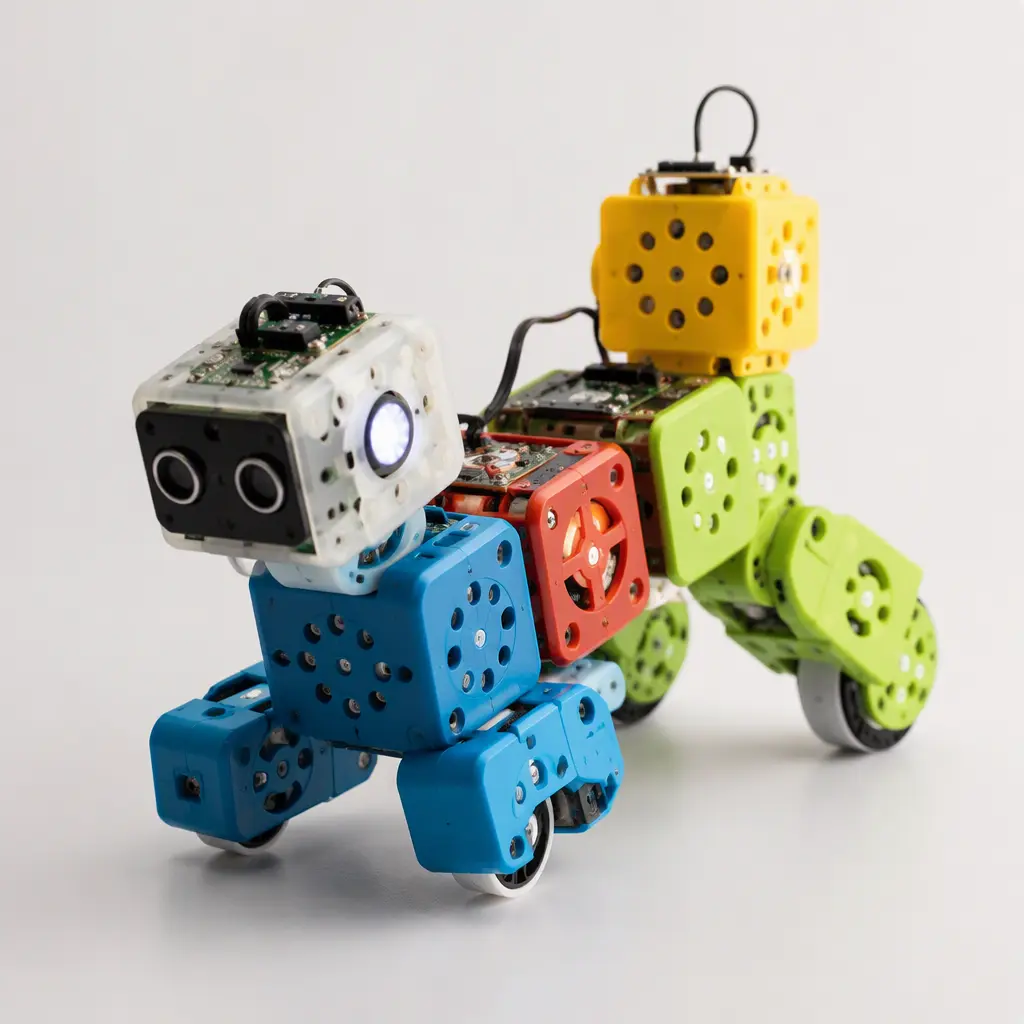
Modern toy · since 2012
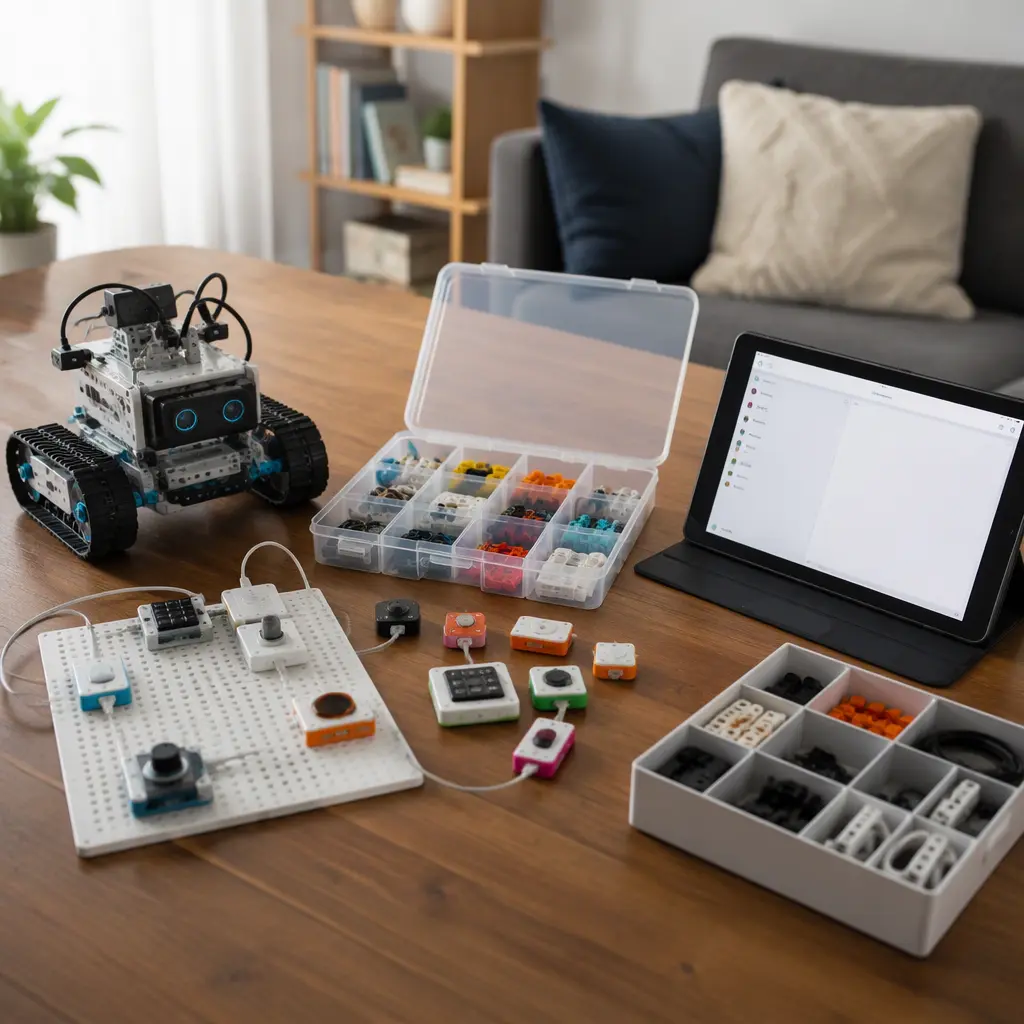
Cubelets transformed robotics kits into snap-together blocks that teach coding logic through movement, light, and sensors, giving kids a tactile way to explore STEM concepts without relying on screens.
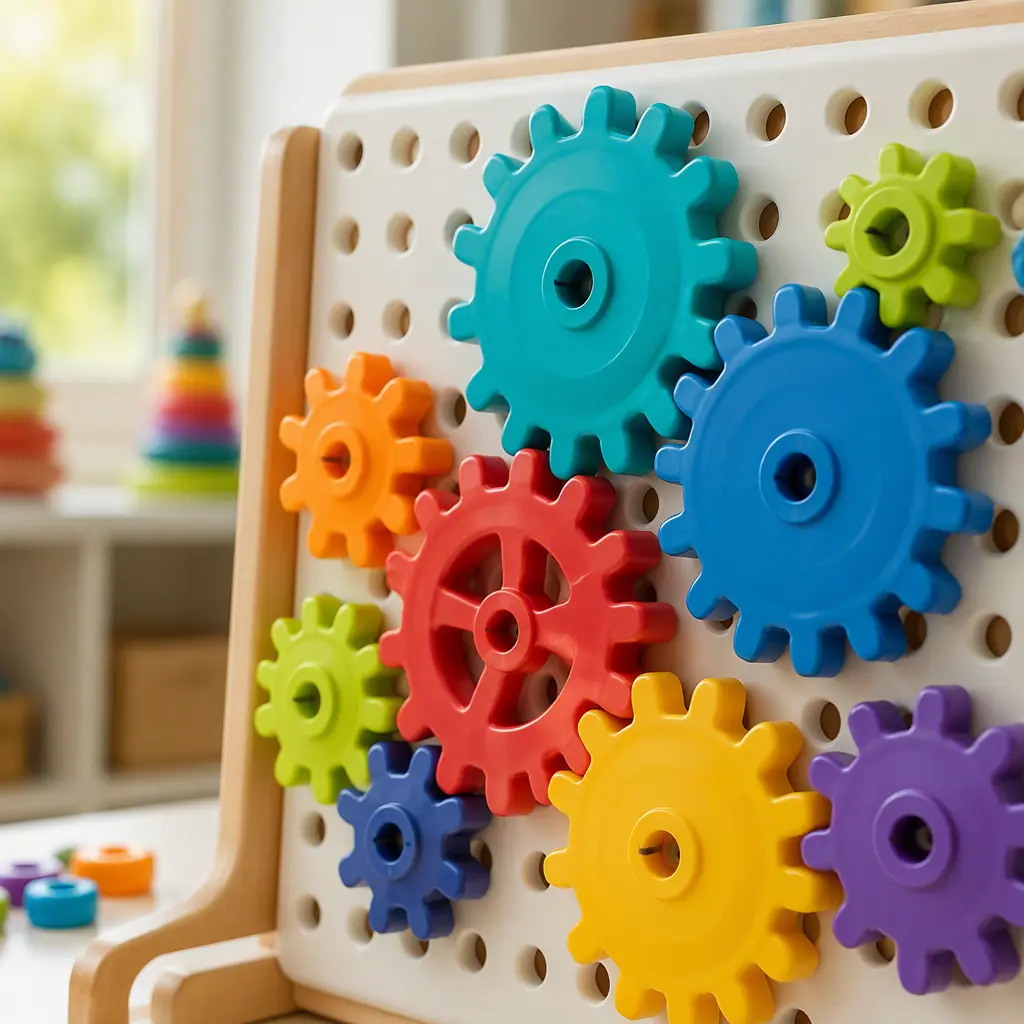
Modern toy · since 2000
Georello turned colorful interlocking gears into a hands-on lesson in cause and effect. Its open-ended building style still makes it a clear, approachable introduction to mechanical thinking.
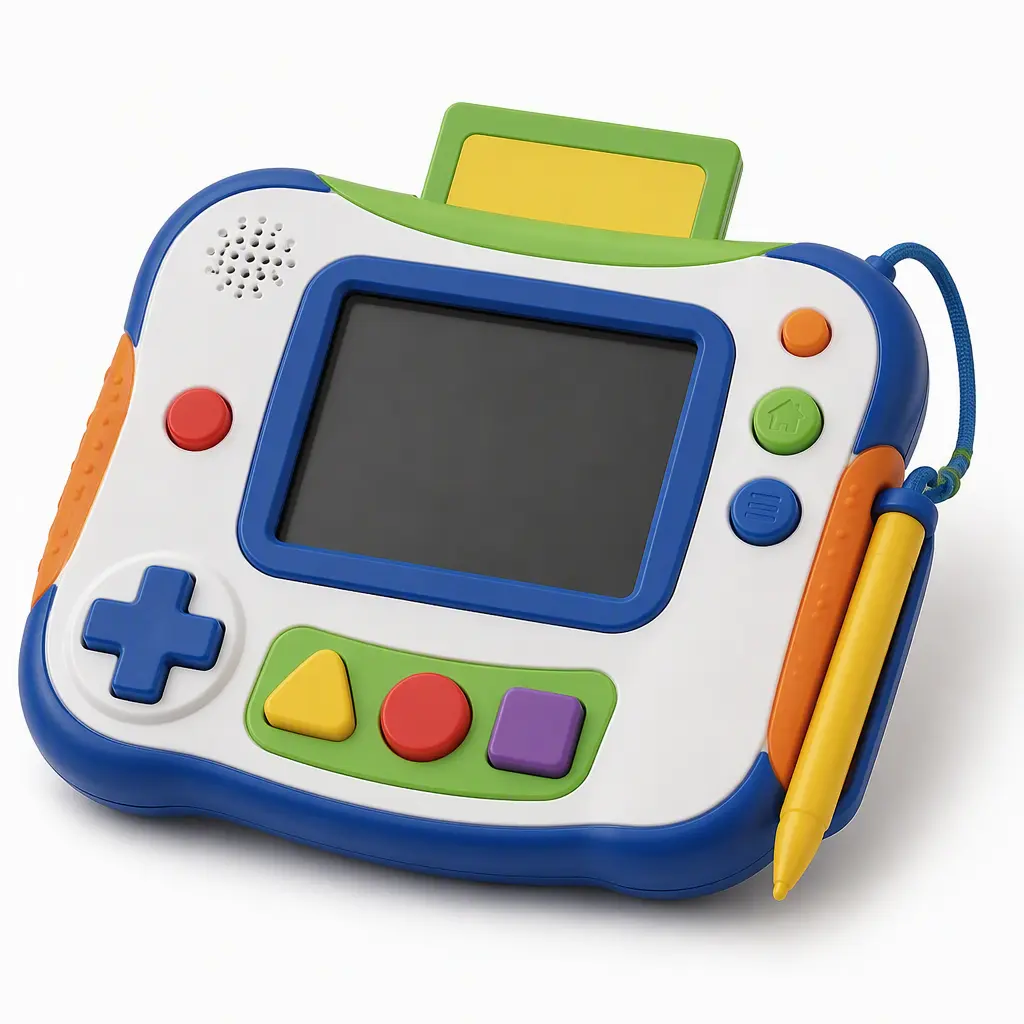
Modern toy · since 2003
LeapFrog’s Leapster blended educational software with the look and feel of a handheld console, turning reading, math, and problem-solving into a familiar gaming ritual for many children in the 2000s.
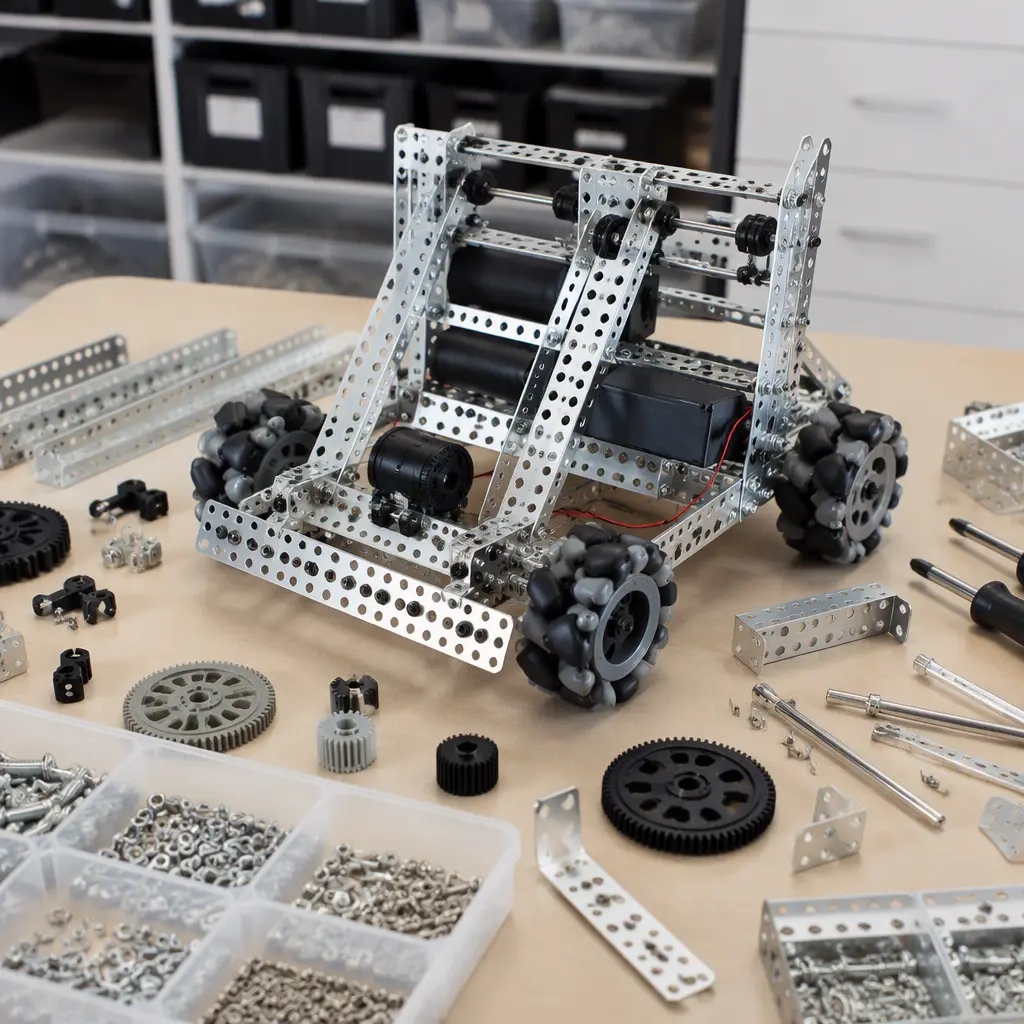
Modern toy · since 2005
VEX Robotics turned classroom engineering ideas into hands-on building challenges, blending metal parts, coding, and competition into a toy family that appeals to students, hobbyists, and schools alike.
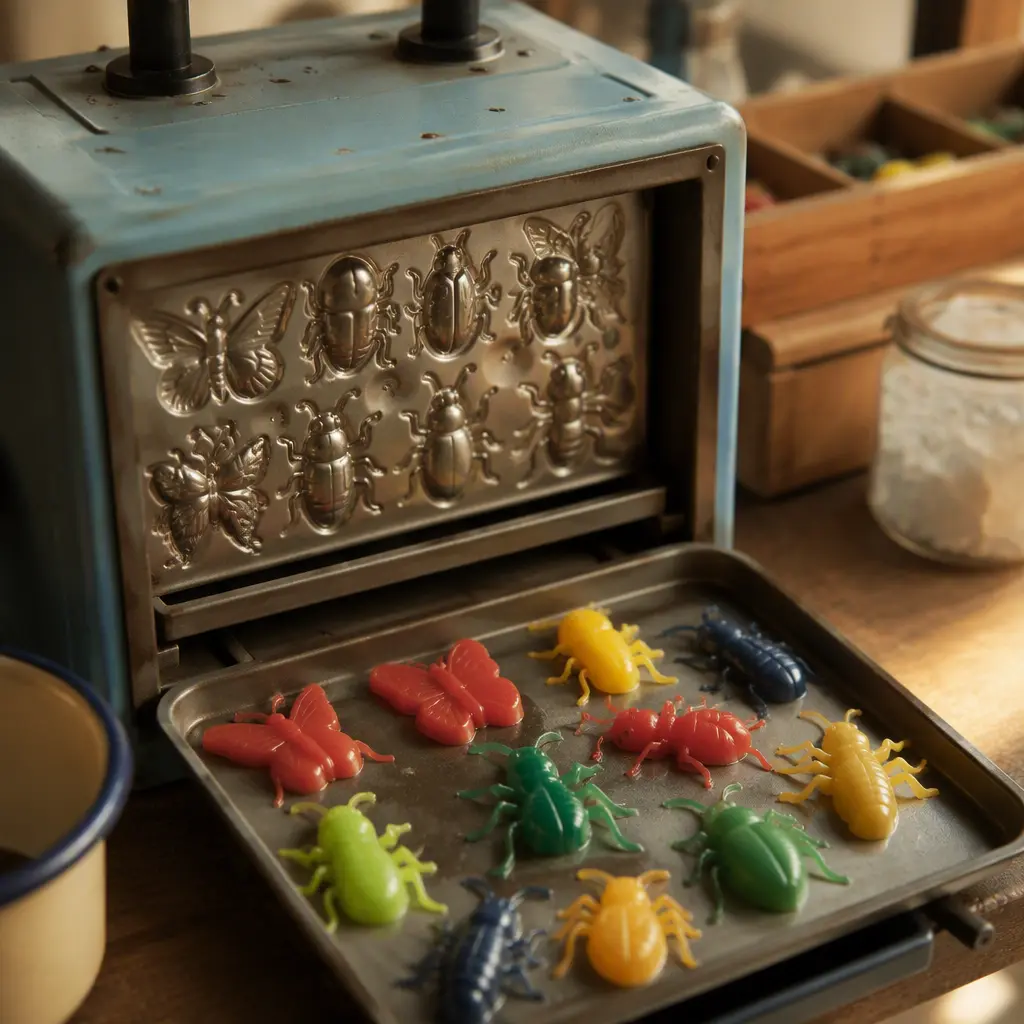
Classic toy · since 1964
Creepy Crawlers turned a miniature hot plate into a strange, unforgettable craft toy. Generations of kids poured liquid goo into metal molds and baked rubbery insects at home.
Classic toy · since 1992
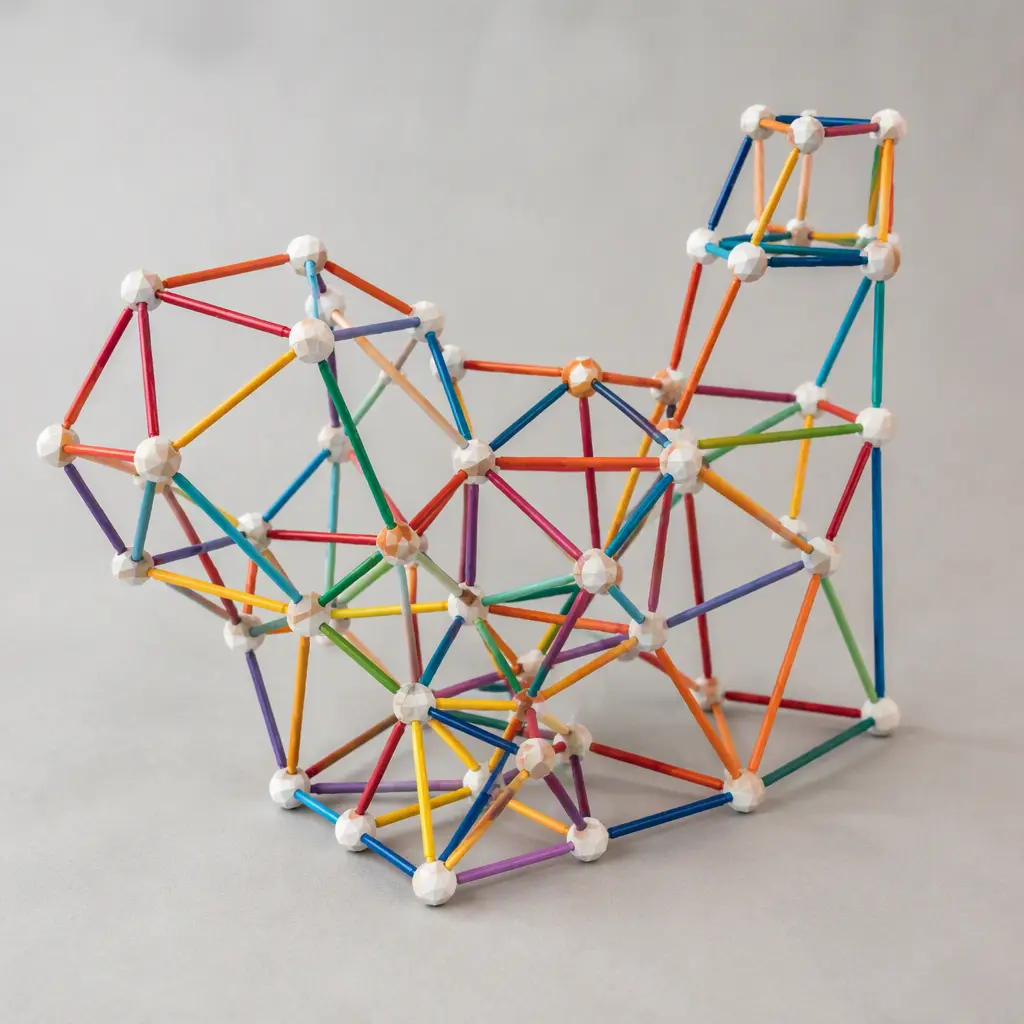
Zometool turned abstract geometry into something people could hold, building a following among teachers, museum educators, designers, and space-minded hobbyists since the early 1990s.
Modern toy · since 2002
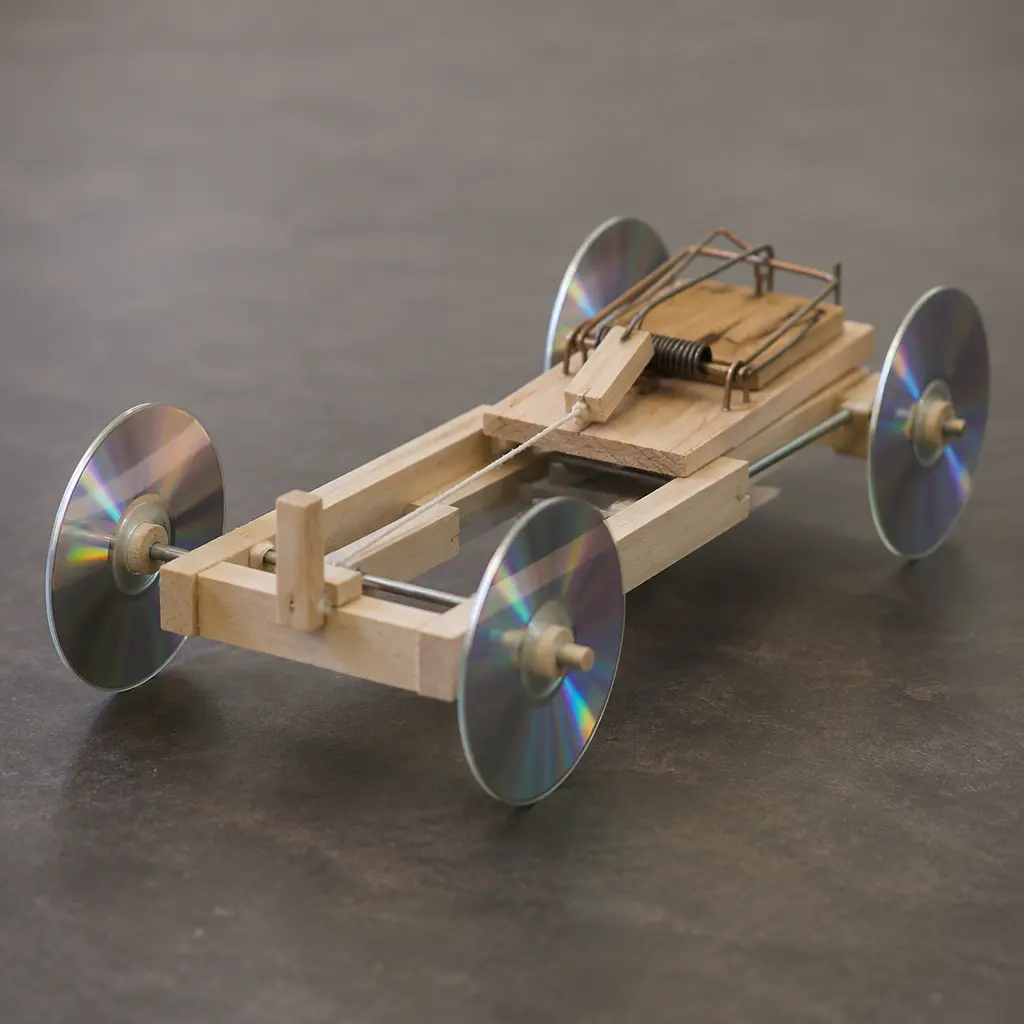
Built from simple materials and powered by a mousetrap spring, mousetrap cars became a popular hands-on STEM project by turning force, friction, and design tradeoffs into a competitive home challenge.
Modern toy
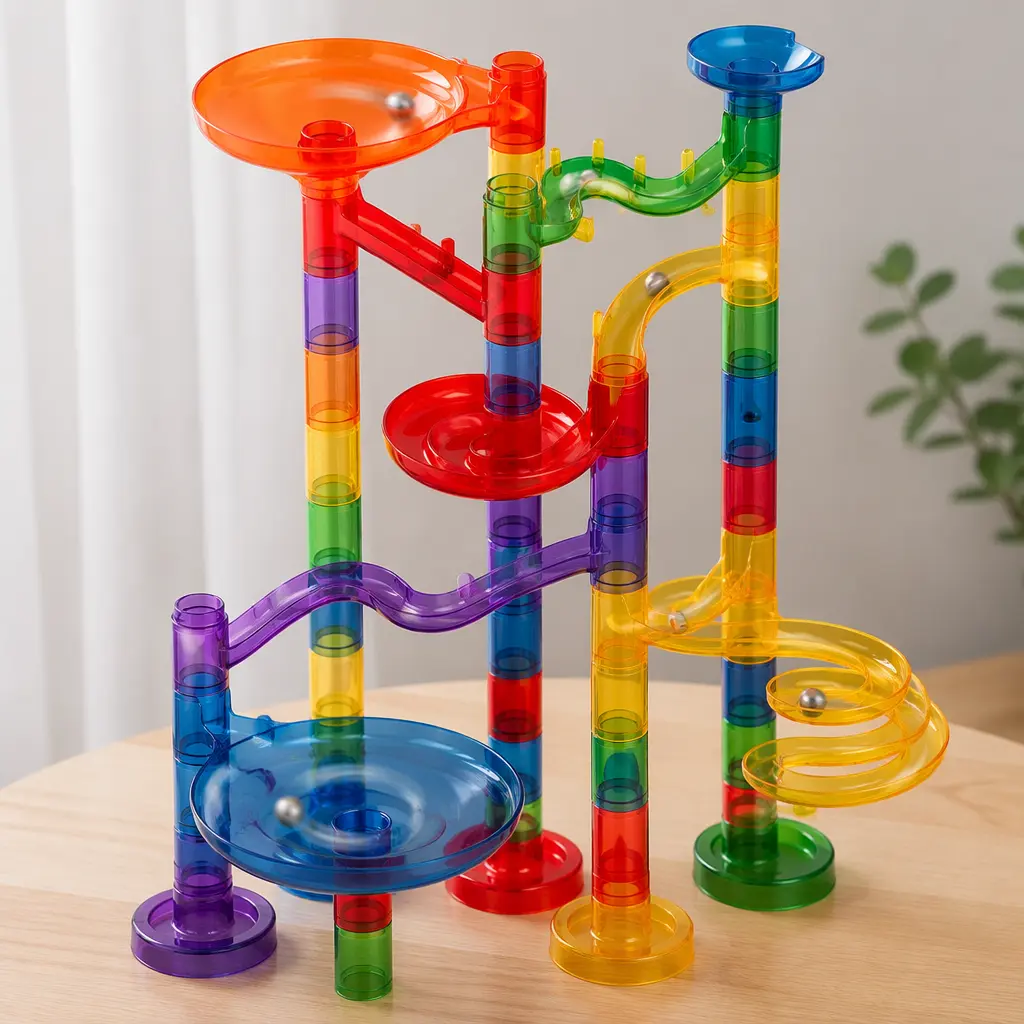
Marble Genius marble runs turned colorful track building into a hands-on lesson in gravity, planning, and problem-solving, helping modern STEM toys feel creative instead of classroom-like.
Contemporary toy · since 2022
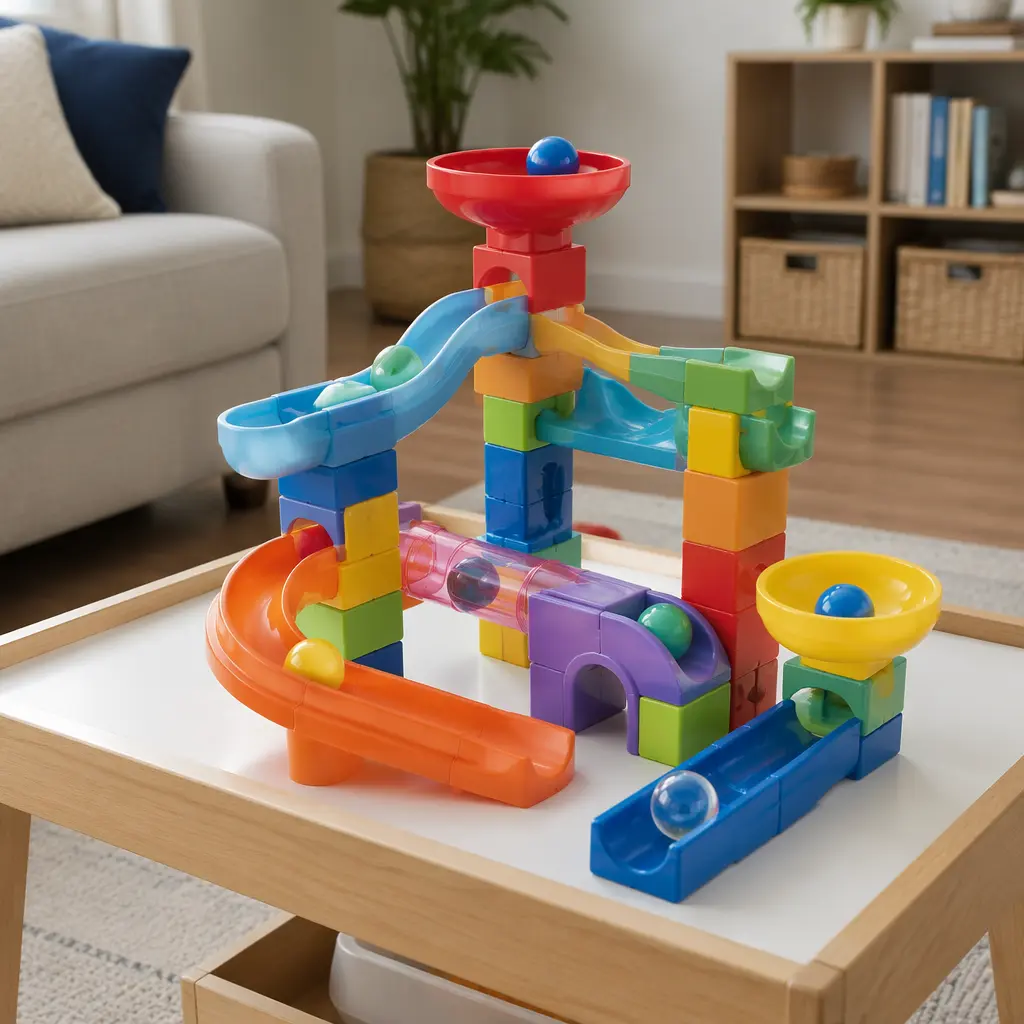
GraviTrax Junior reworks the marble-run formula for preschool builders, using chunky parts, flexible layouts, and cause-and-effect play to introduce STEM concepts without overwhelming younger kids.
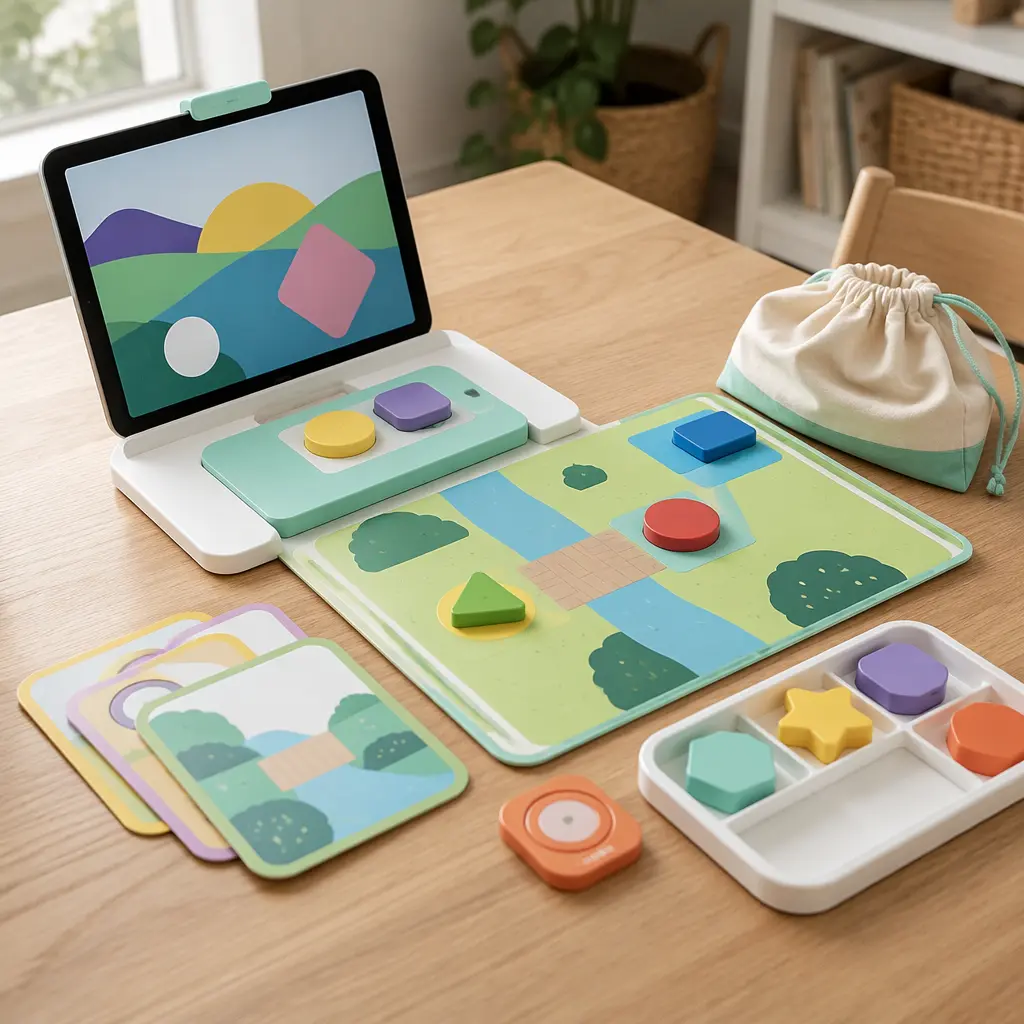
Contemporary toy · since 2020
Plugo blends physical play pieces with tablet-based learning games, aiming to keep young kids engaged through hands-on STEM, reading, and problem-solving activities.
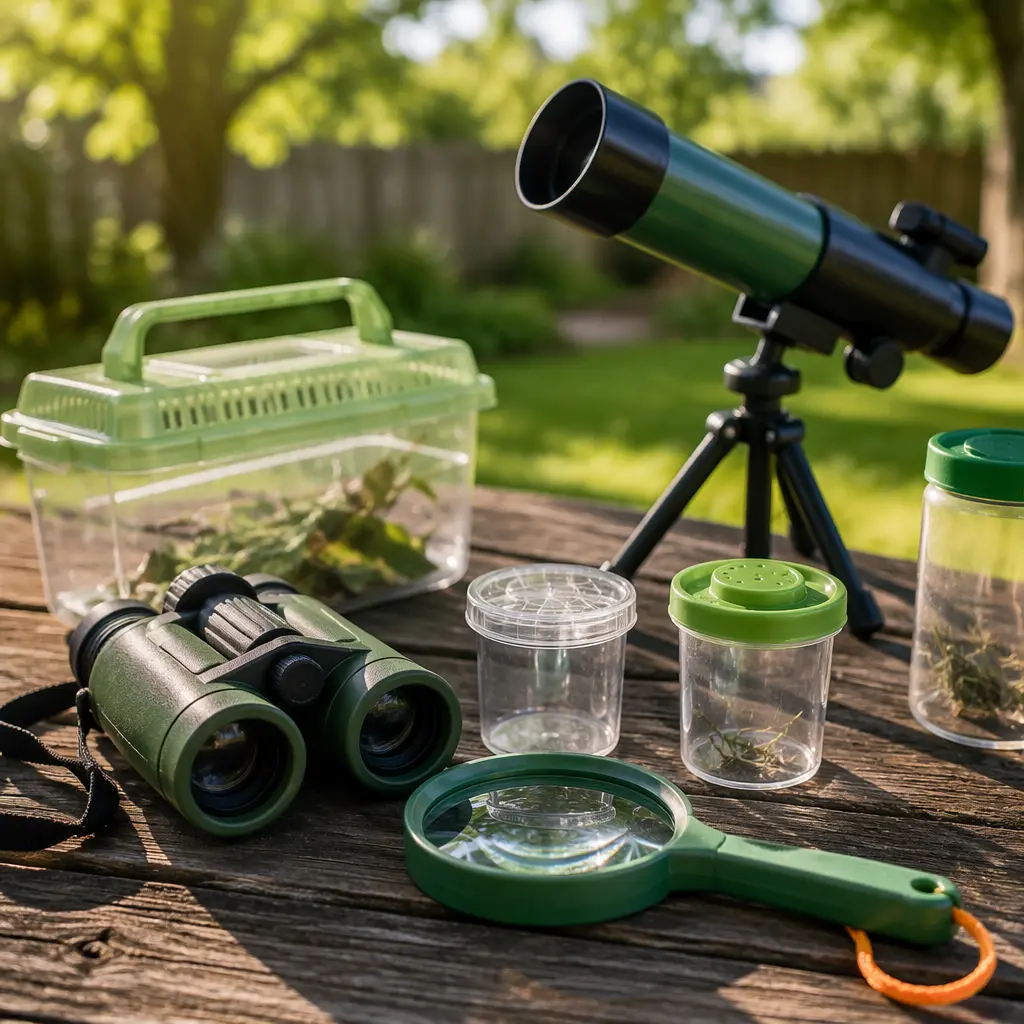
Modern toy · since 1989
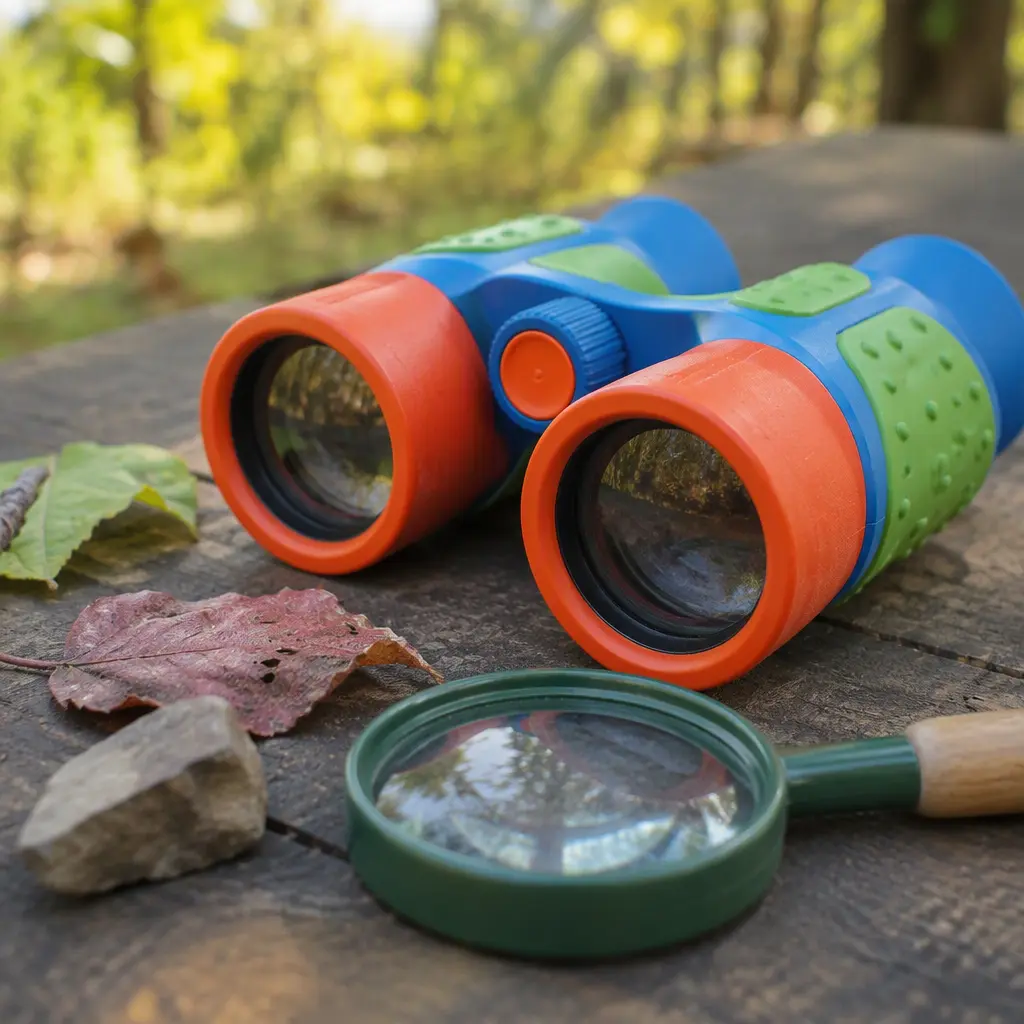
GeoSafari blended kid-friendly gadgets with hands-on science, giving children tools that made bugs, rocks, stars, and backyard exploration feel like genuine field research.
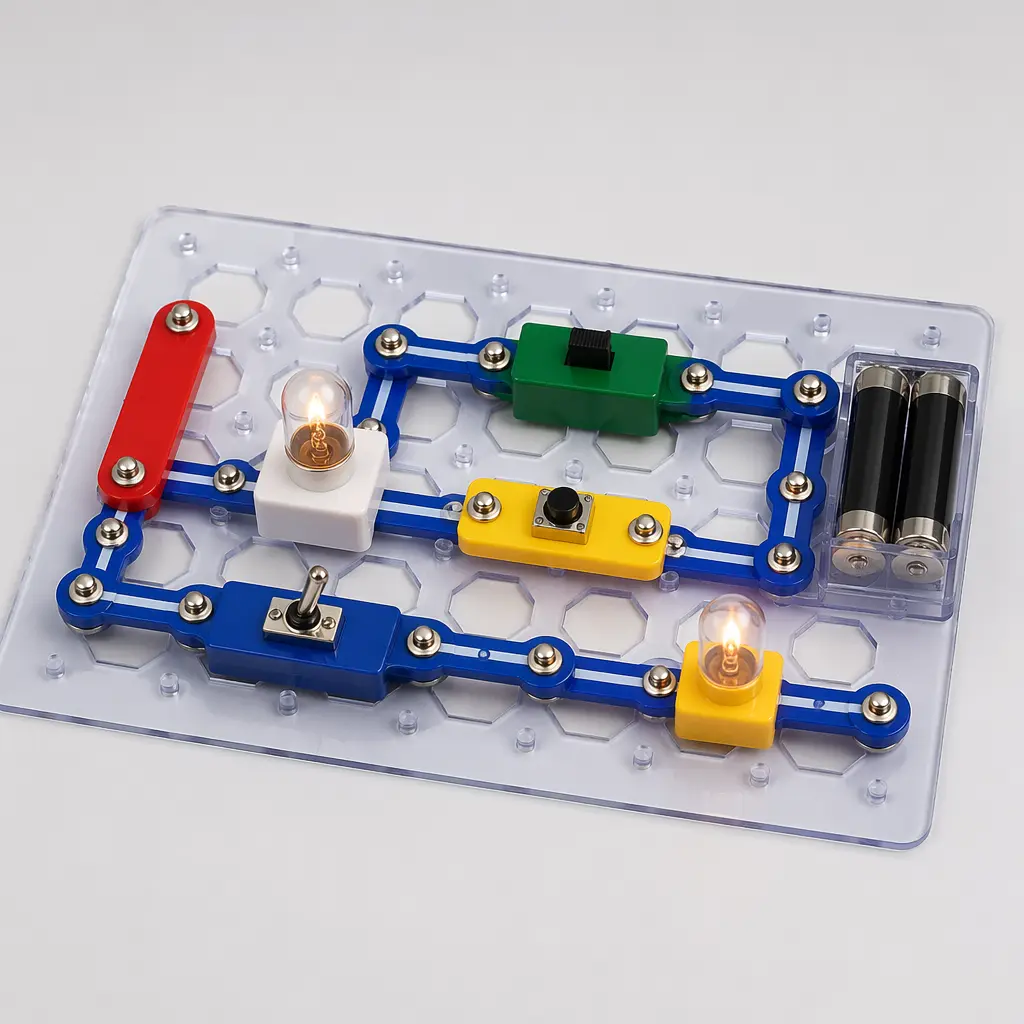
Modern toy · since 1998
Circuit Maze turns real electrical circuits into a hands-on logic game. Since the late 1990s, it’s helped kids learn problem‑solving by snapping components together and lighting a bulb—no screens required.
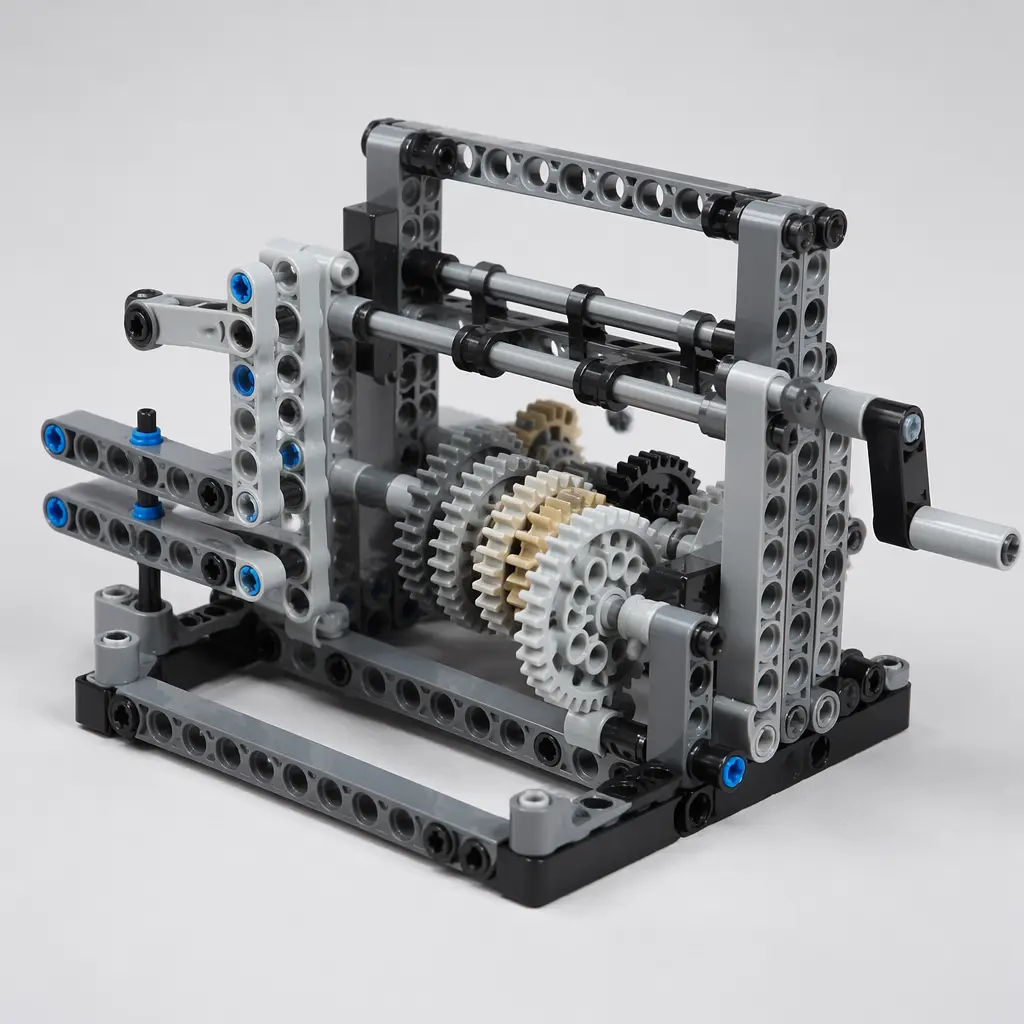
Classic toy · since 1965
Born in 1960s Germany, Fischertechnik is a precision building system that grew from a promotional toy into a serious tool for teaching mechanics, logic and engineering thinking across generations.
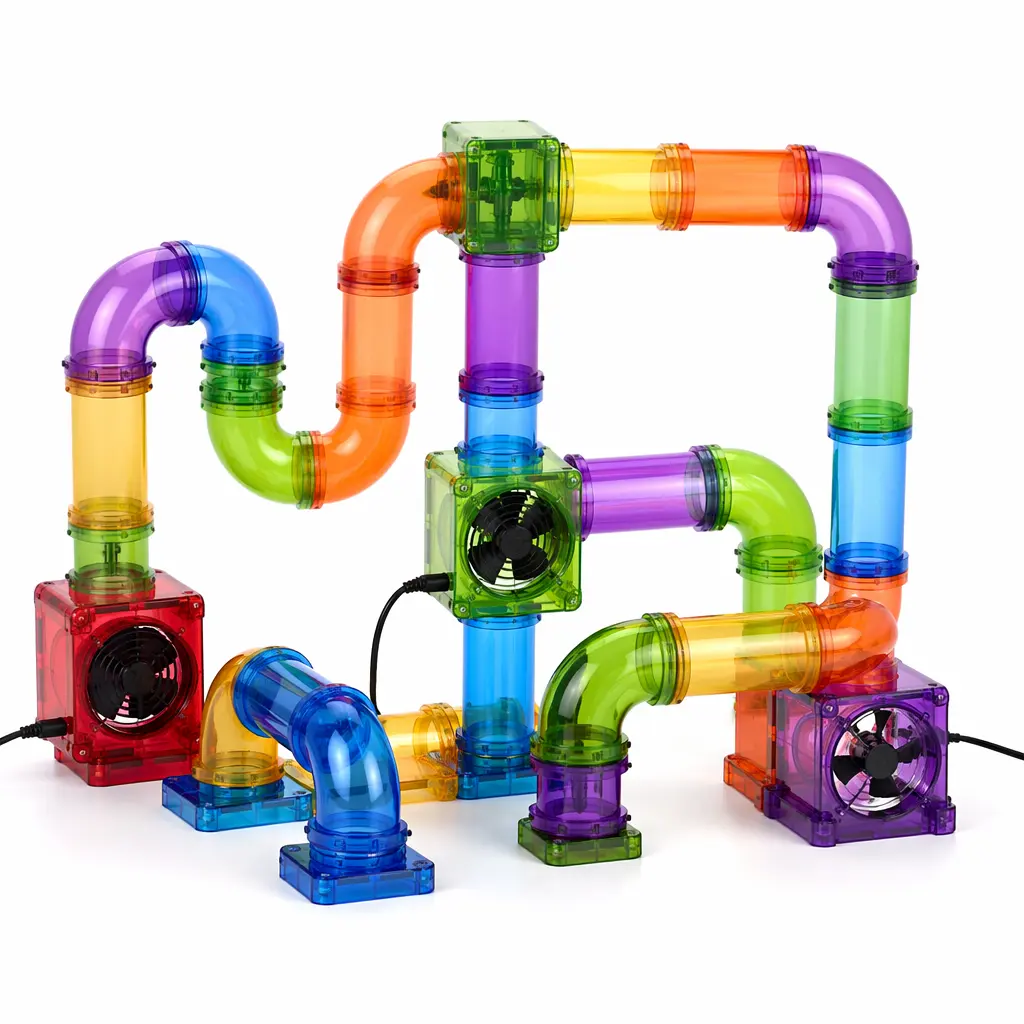
Contemporary toy · since 2023
Air Toobz is a contemporary STEM toy that turns fans, tubes, and connectors into a loud, hands-on lesson in airflow, sound, and experimentation—messy, collaborative, and hard to ignore in the best way.
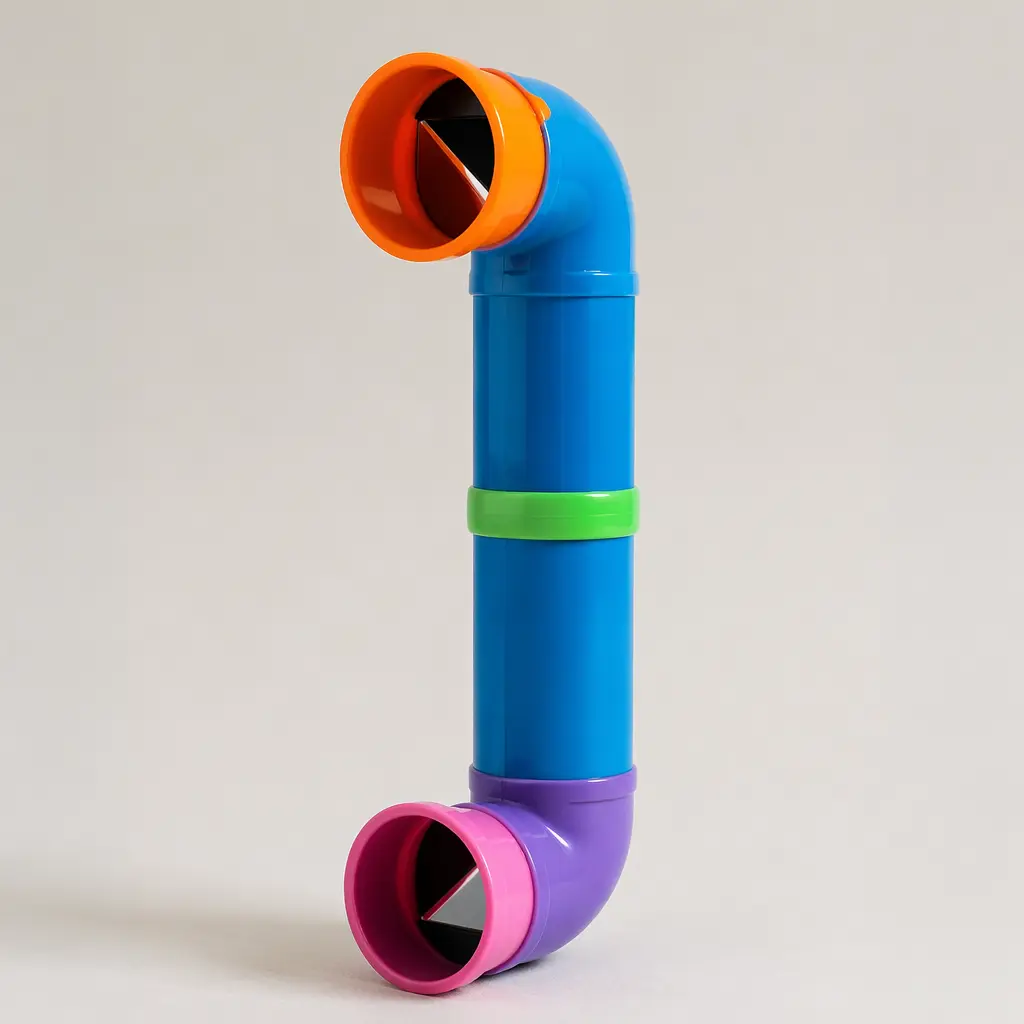
Classic toy
From cardboard tubes to plastic spy kits, the toy periscope has quietly taught generations how mirrors bend light—proof that simple STEM toys can have lasting appeal.
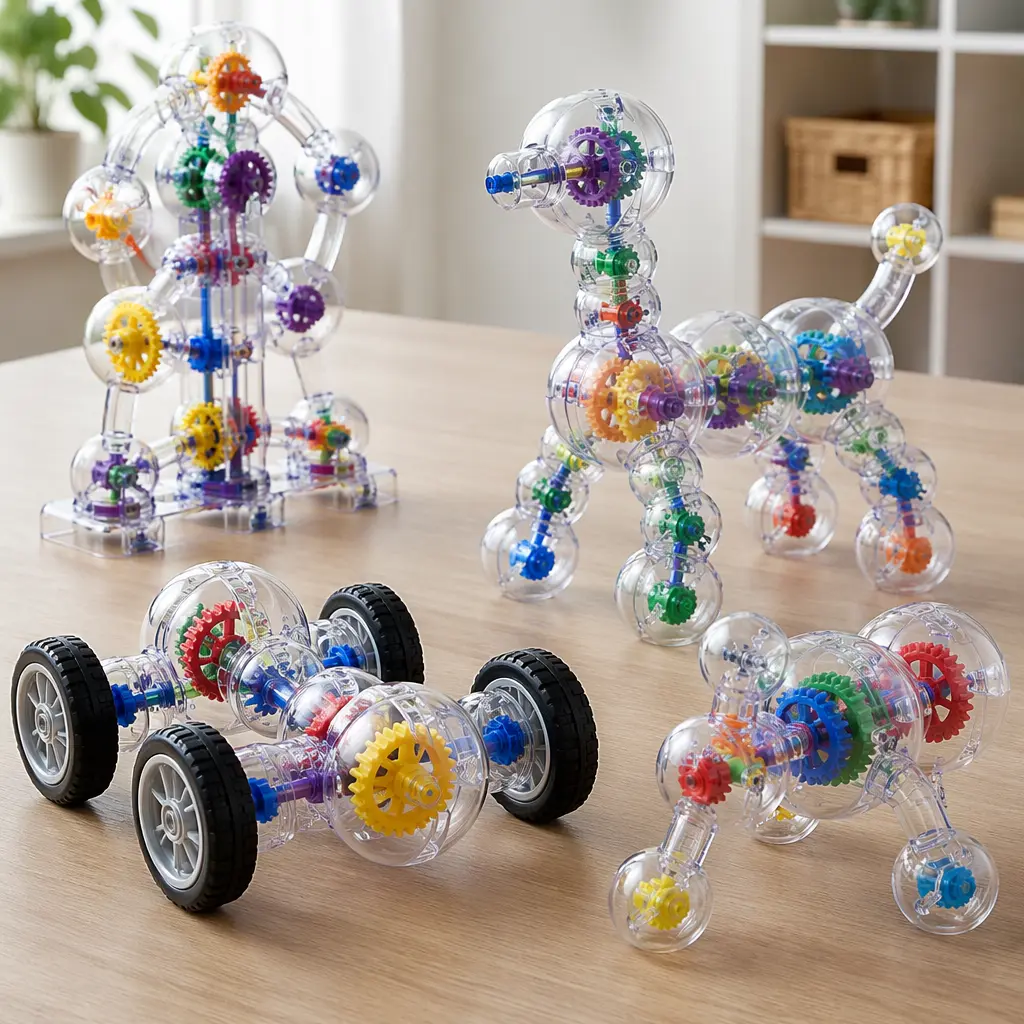
Classic toy · since 1982
Capsela was a transparent construction toy from the 1980s that let kids see gears, motors, and forces at work. Its see-through capsules turned abstract physics into something you could build, spin, and understand.
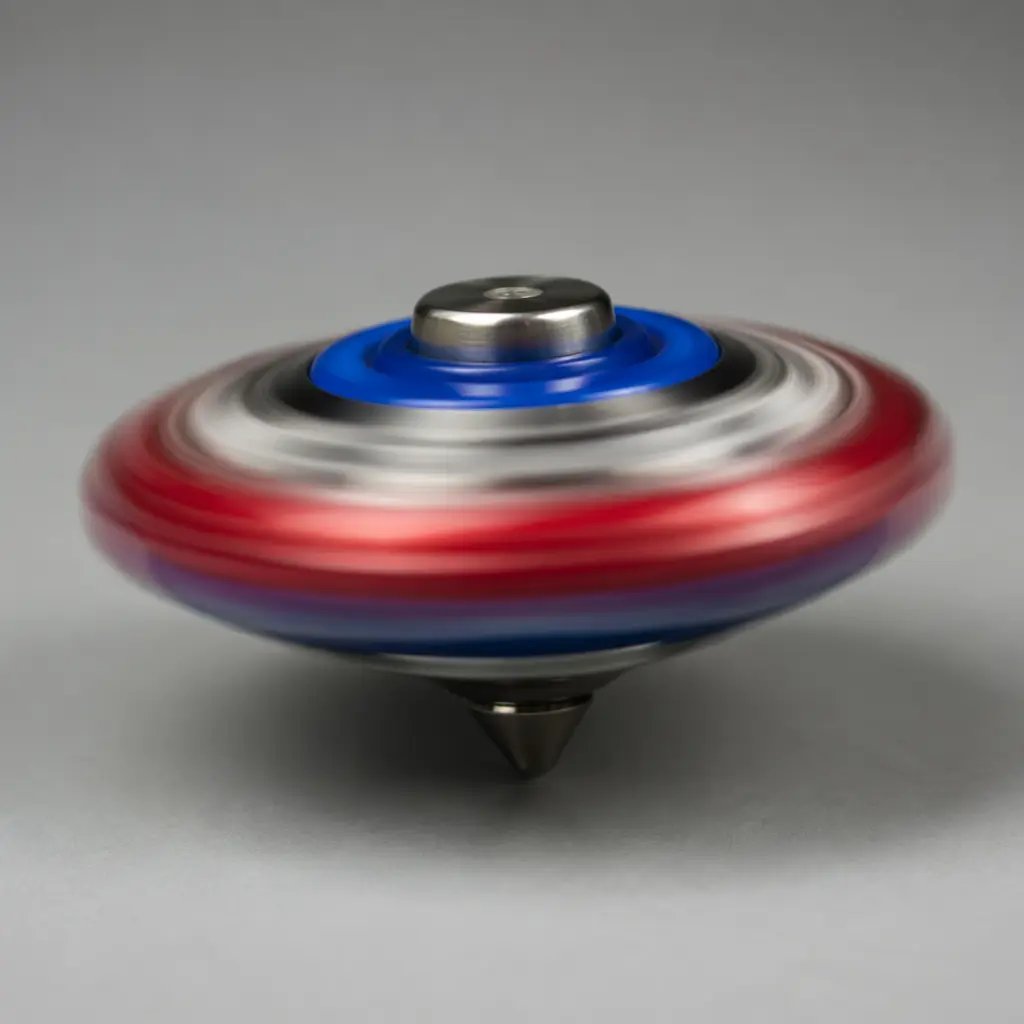
Contemporary toy · since 2020
Infinity Nado is a contemporary spinning-top battle toy that mixes classic physics with modular design. Here’s how it emerged, why it works, and what parents should know today.
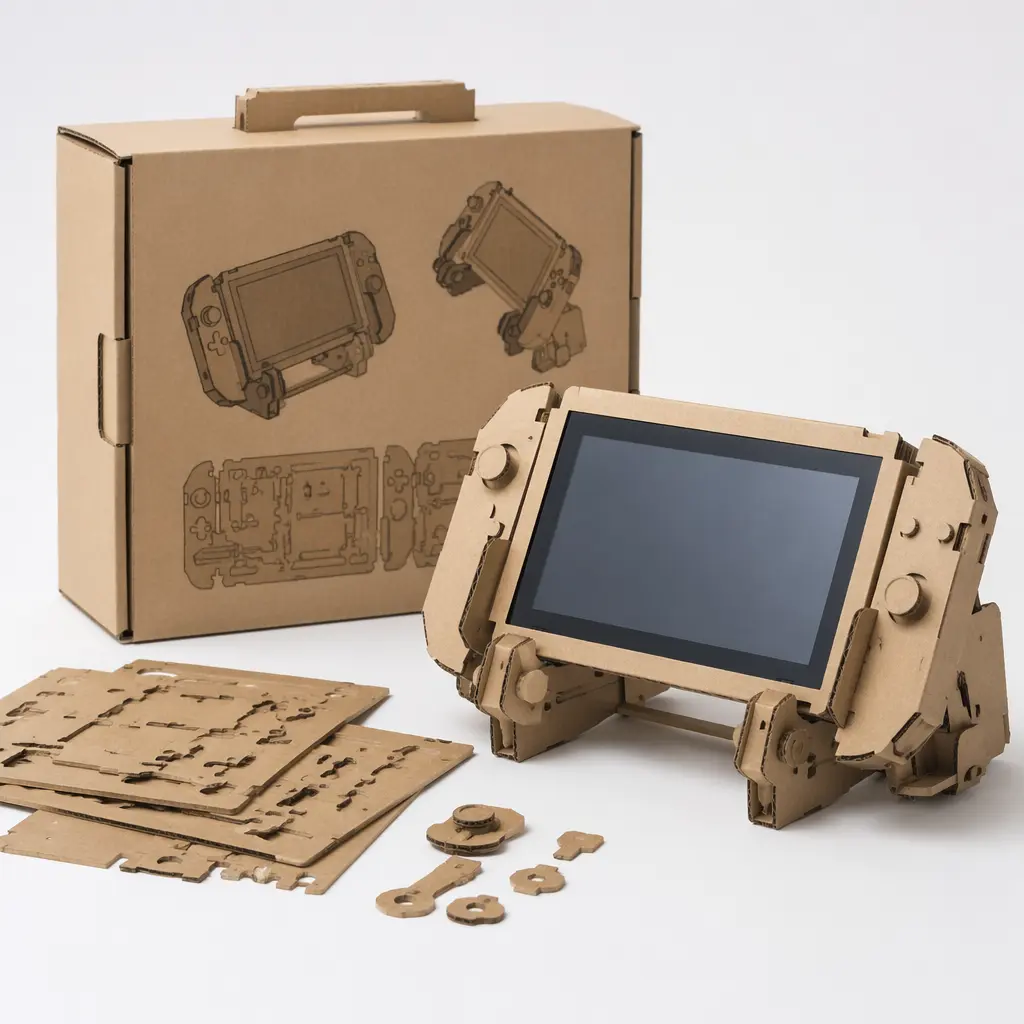
Modern toy · since 2018
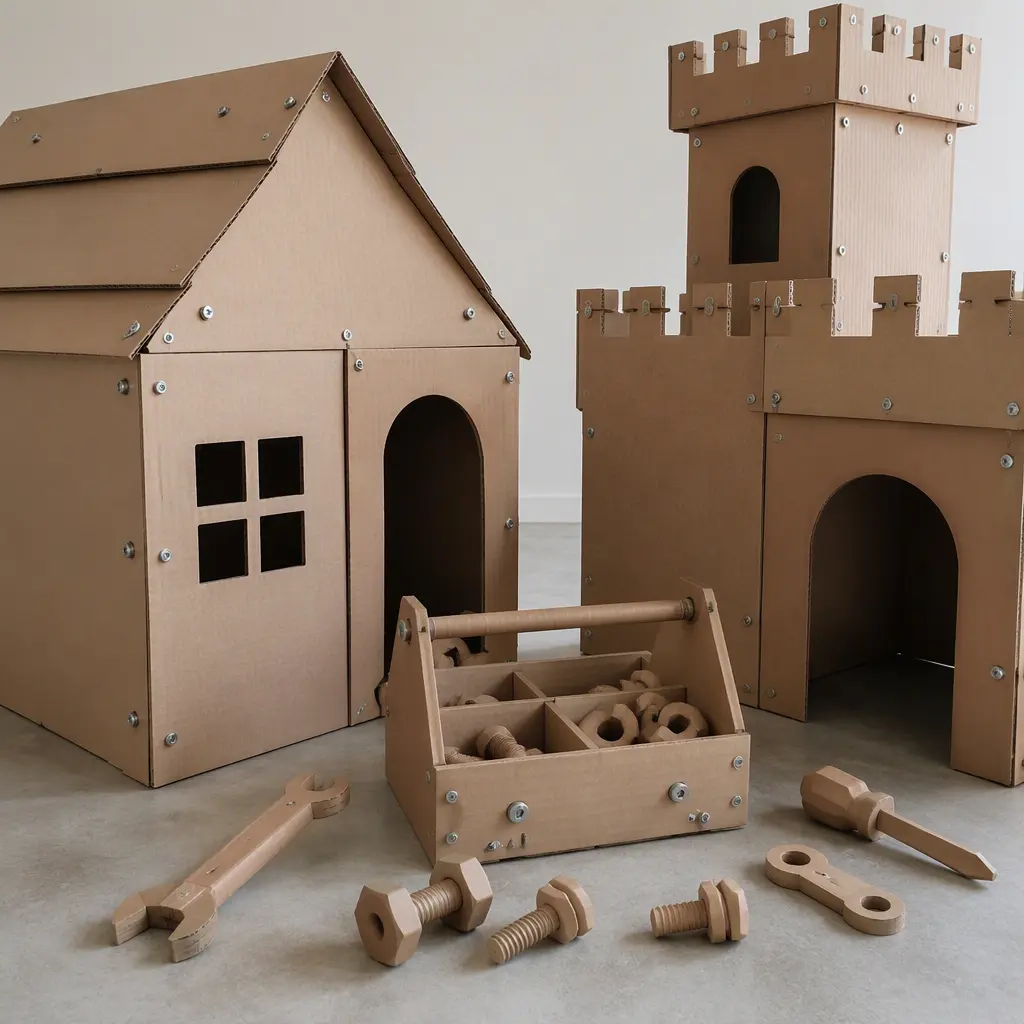
Nintendo Labo reframed video games as something you assemble. Launched in 2018, these cardboard kits mixed craft, coding ideas, and play—showing how building can be part of the game itself.
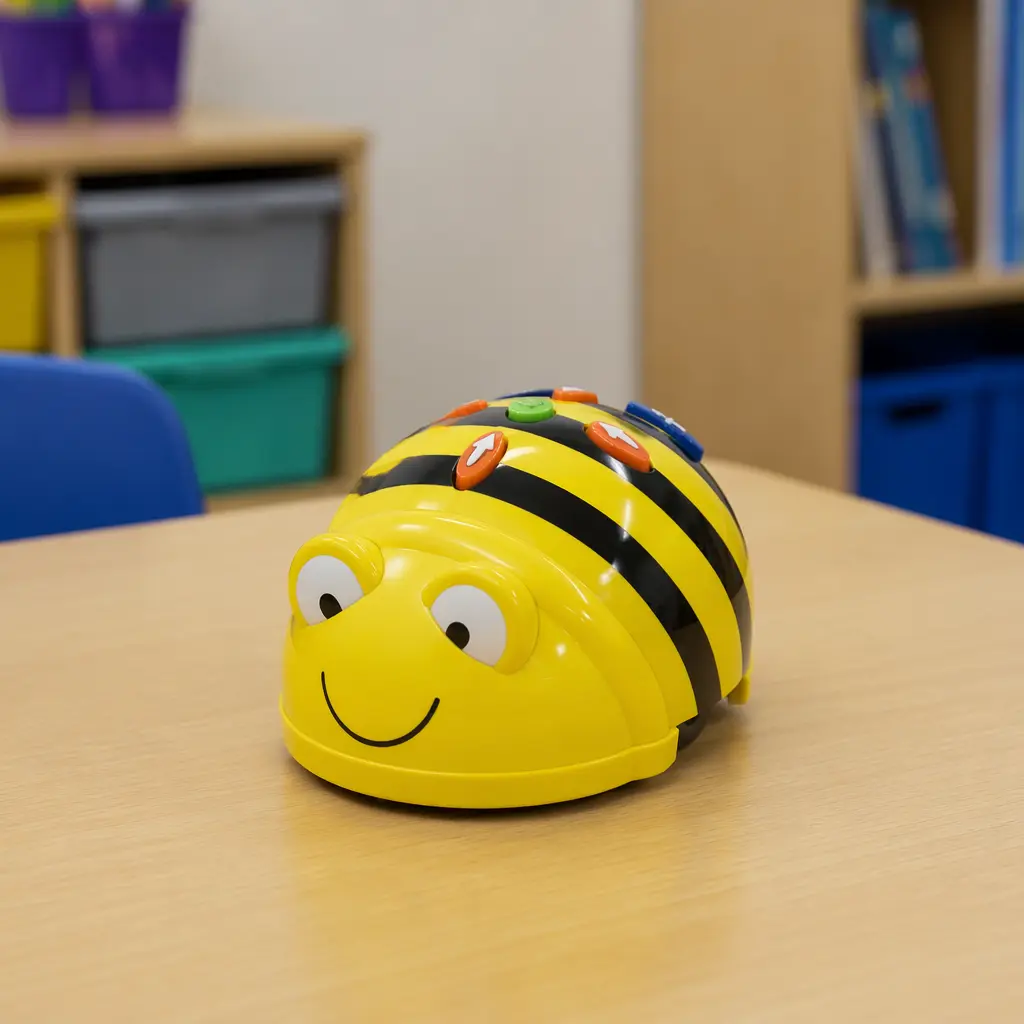
Modern toy · since 2005
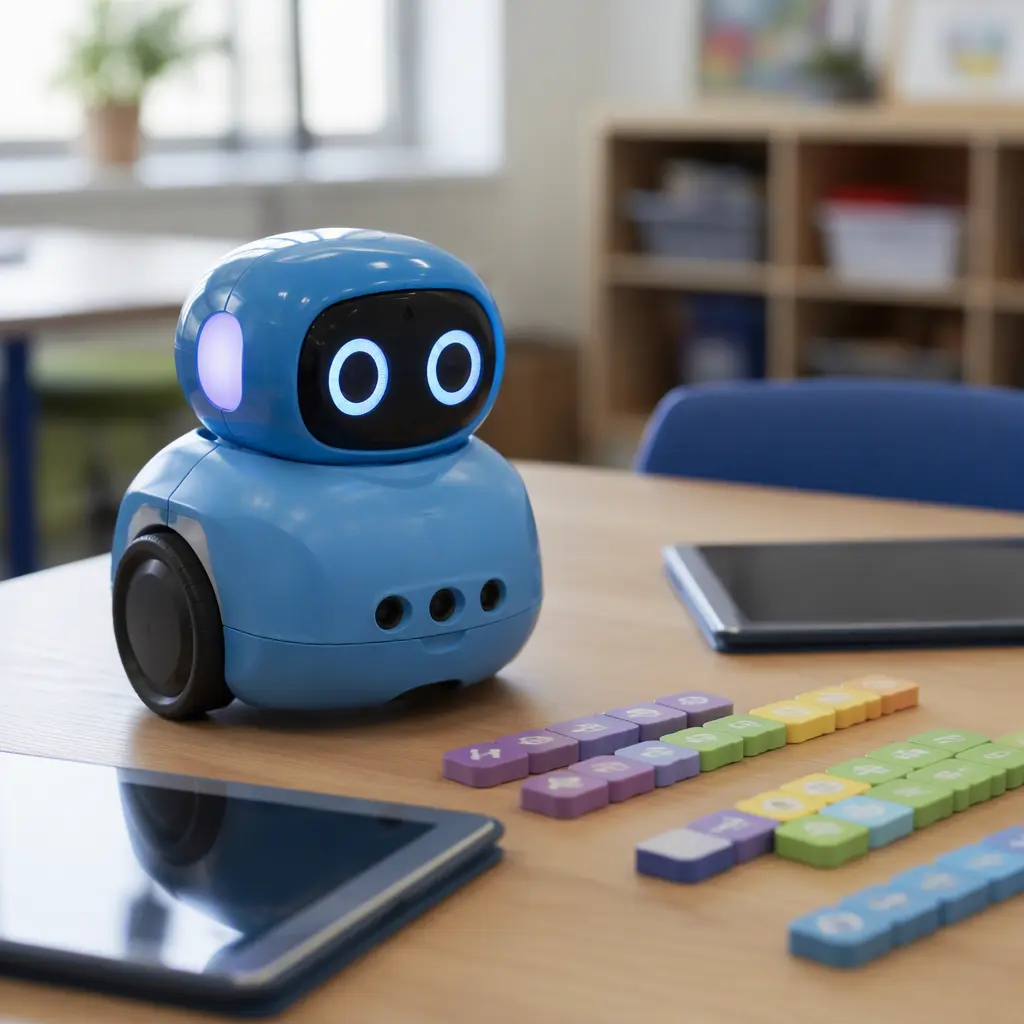
Bee-Bot is a small, friendly floor robot that helped a generation of children grasp the basics of coding through play. Since the mid‑2000s, it’s become a staple of early-years classrooms.
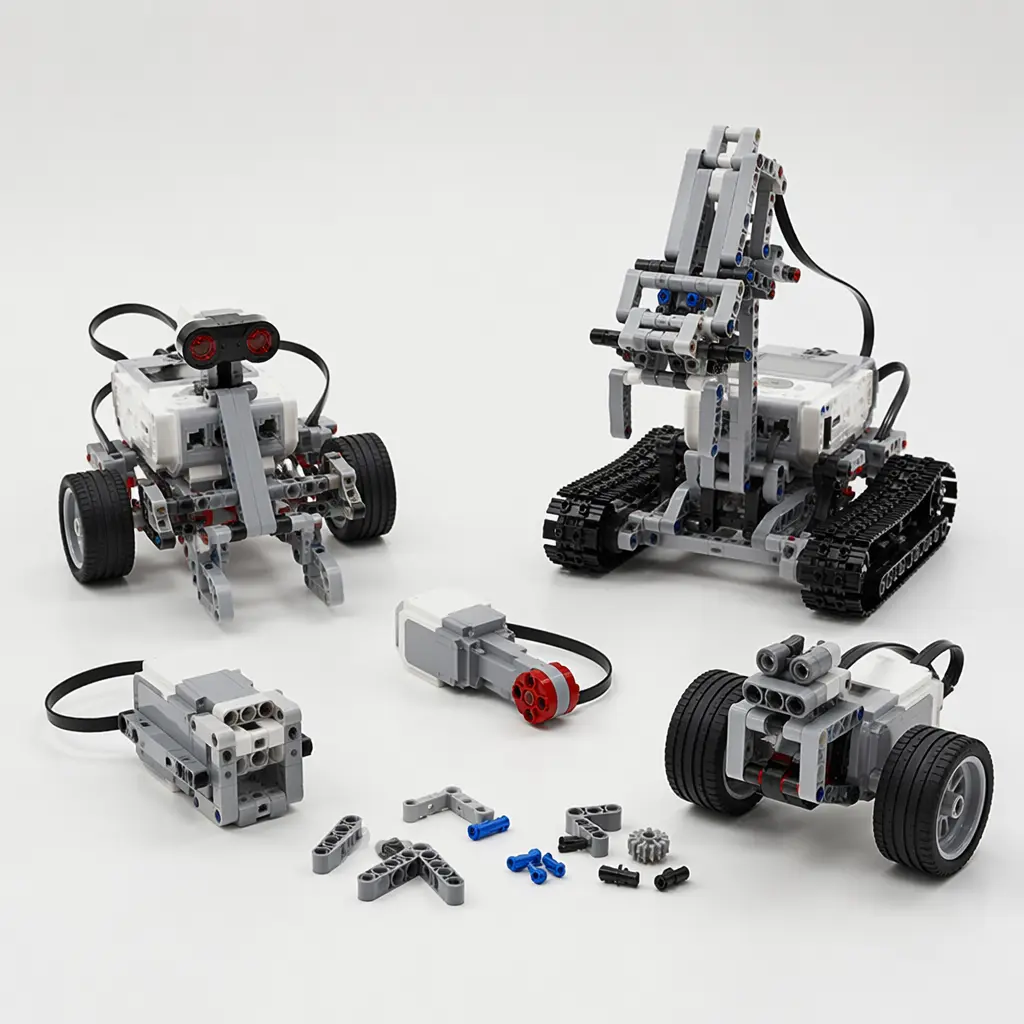
Classic toy · since 1998
First released in 1998, LEGO Mindstorms blended bricks, motors, and code into a hands-on robotics kit that quietly shaped how kids—and adults—learned programming.