Moon Sand: How texture became the whole toy
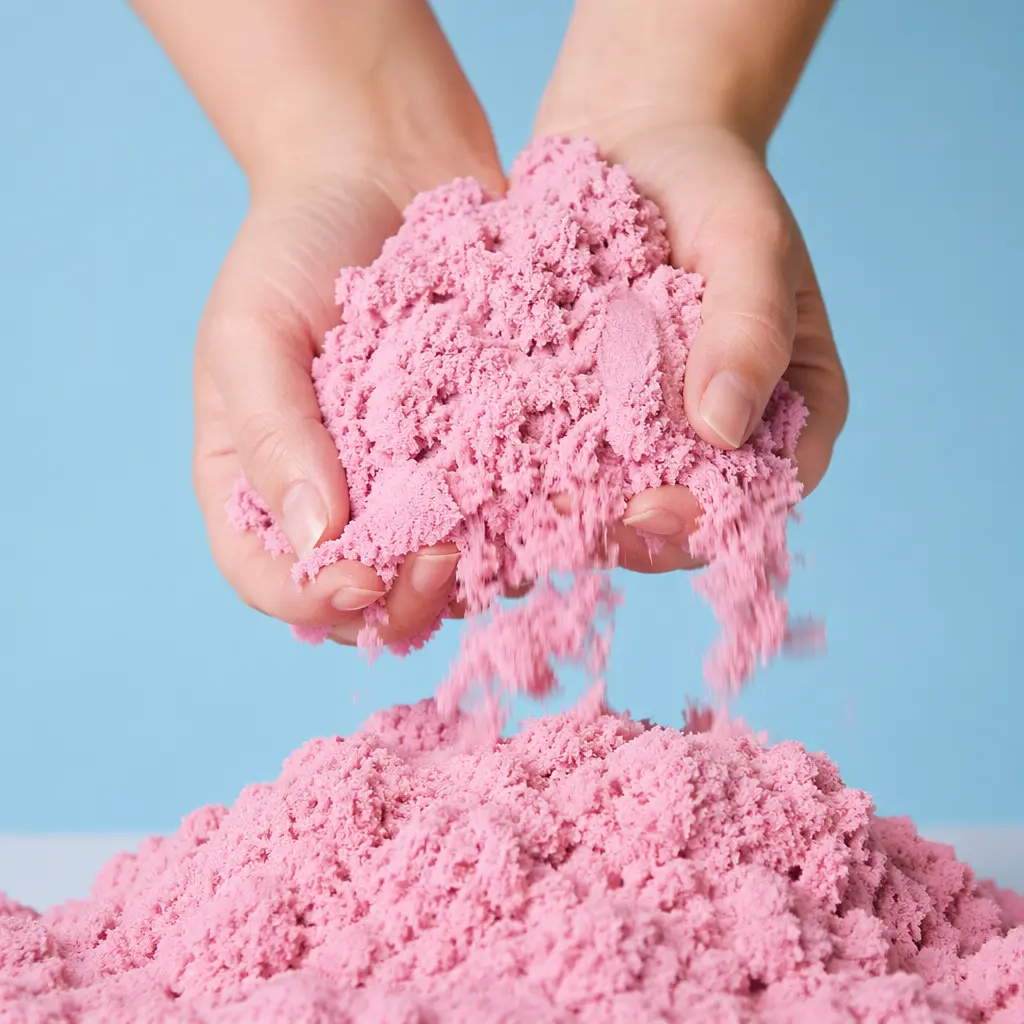
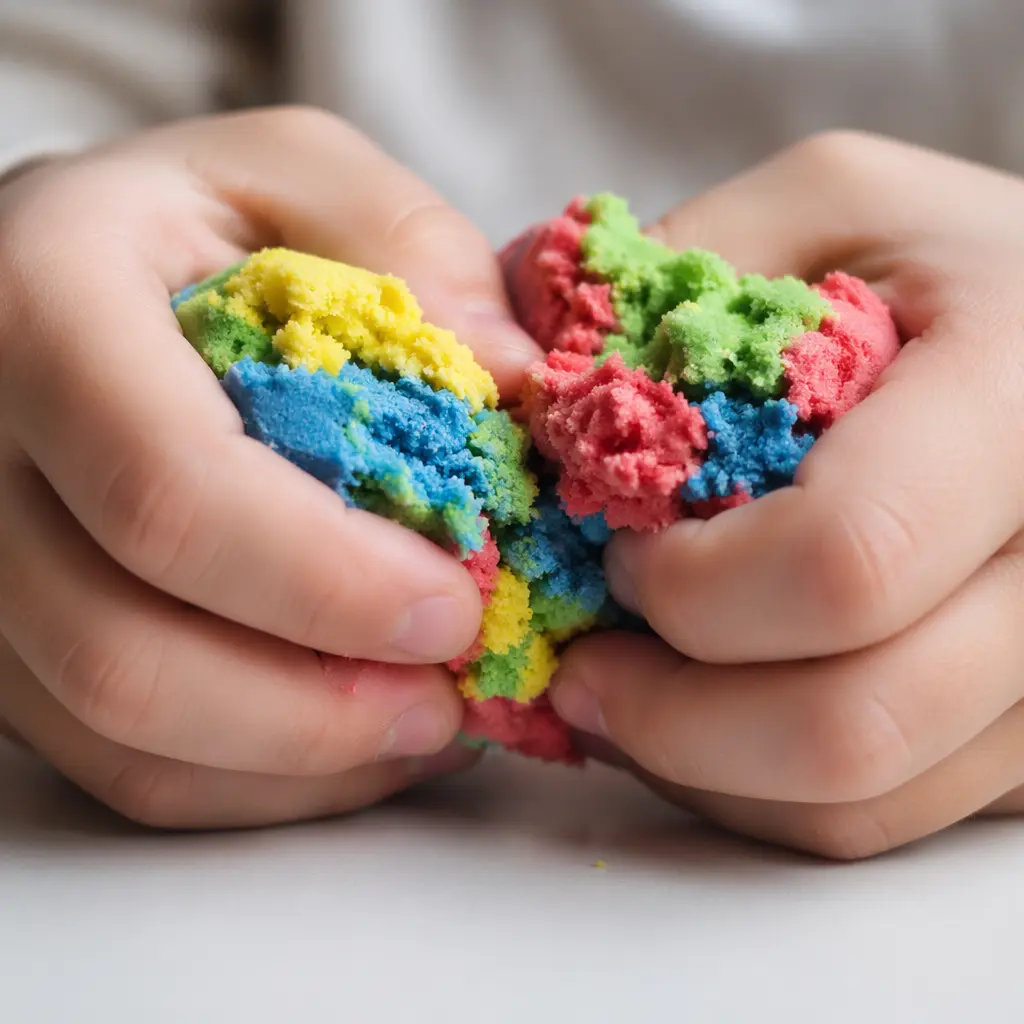
Moon Sand turned play on its head by making feel the main feature. Since the late 1990s, its soft, moldable grains have invited kids to squeeze, pour, and sculpt—no rules required.
Introduced in 2009, Moon Dough stood out as a moldable, crumbly compound that never dried out. Its strange texture invited open-ended play and helped redefine modern sensory craft toys.
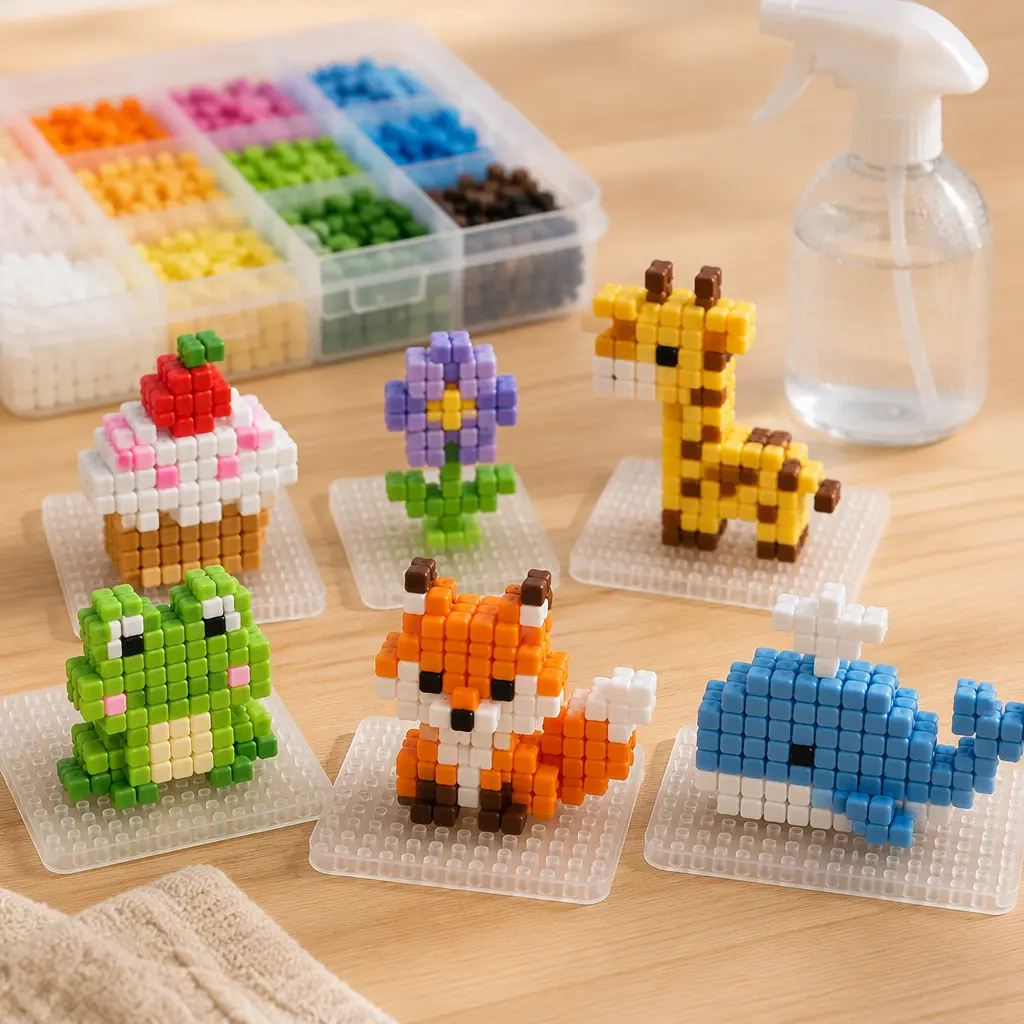
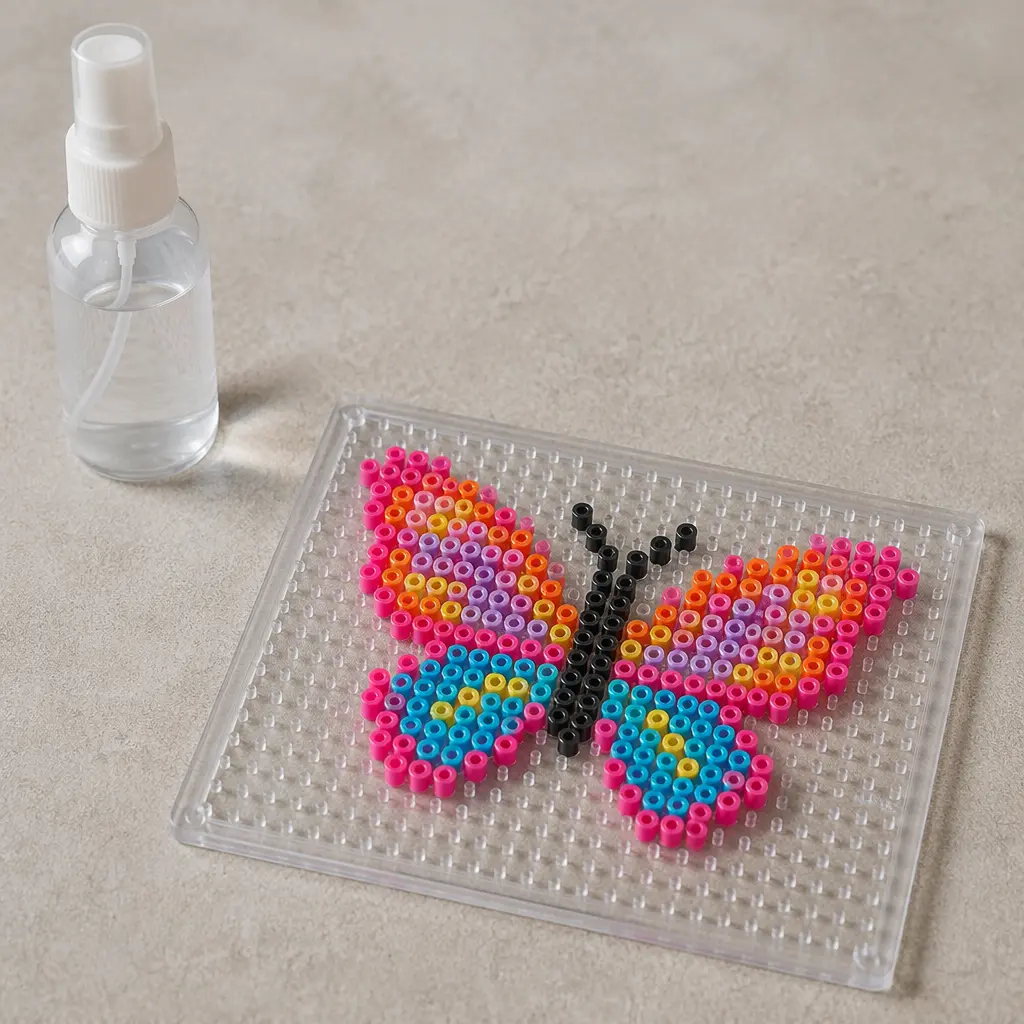
Aquabeads turned bead crafting into a calmer, parent-friendly activity by using water instead of heat or glue. Here’s how a 2004 idea became a modern arts-and-crafts staple.
PlayMais uses simple corn-based shapes, water, and imagination to turn eco-friendly materials into endlessly open-ended art for kids.
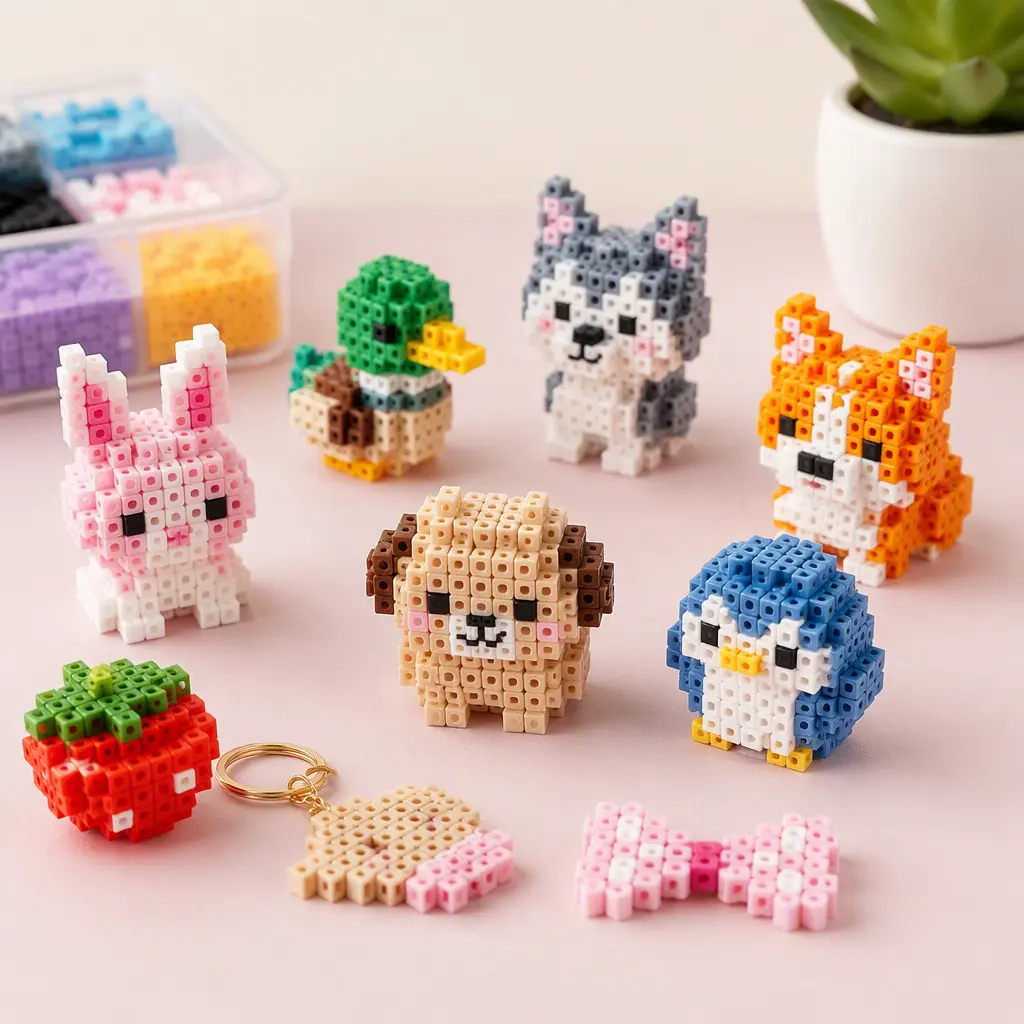
Those tiny plastic beads on pegboards look simple, but Perler Beads quietly teach planning, focus, and follow-through—one ironed design at a time.
A parent-focused safety guide to electronic building sets for ages 6–8, covering parts size, power levels, supervision needs, and how non-app kits reduce risks while supporting learning.
A parent-first guide to choosing no-battery plush toys that help young kids slow down, self-soothe, and regulate big feelings—without noise, screens, or flashing lights.
A buyer’s guide to active ride-on toys for ages 1–2 that encourage steering, scooting, and movement—plus safety tips, age fit, and categories to help parents choose.
A parent-friendly guide to board and card games with simple rules and fast starts. Learn what to look for, age fit, and popular categories that help families begin playing within minutes.
A parent-focused guide to offline electronic toys for teens that build real-world skills. Learn what to look for, age fit, safety tips, and standout categories—no apps or internet required.
A parent-friendly guide to durable, skill-based outdoor toys for ages 9–12. Learn what to look for, age fit, safety notes, and popular categories that keep tweens active without feeling childish.
First sold in the 1960s, Mr. Sketch markers added scent to drawing. The idea was simple but sticky, turning colouring into a multi-sensory ritual that still feels playful decades later.
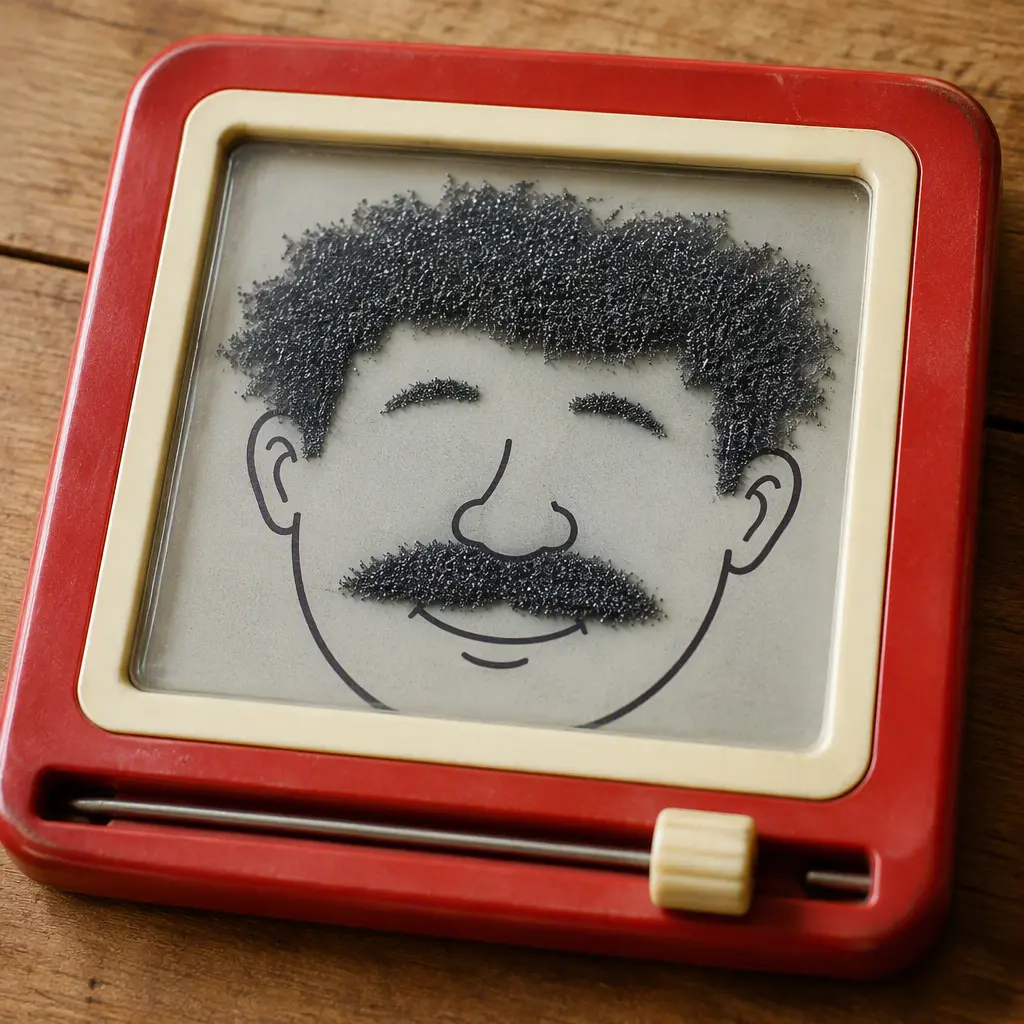
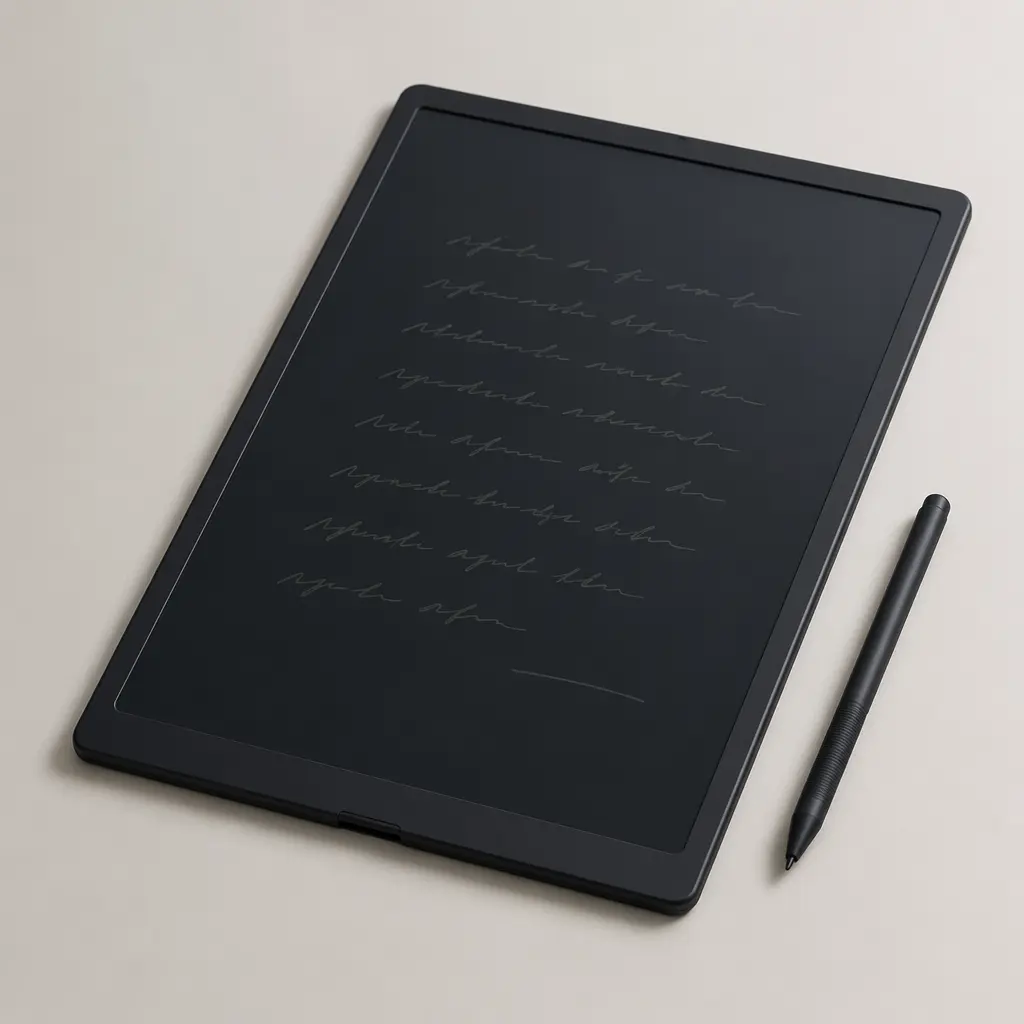
First sold in the 1970s, the Magna Doodle turned drawing into a clean, reusable ritual. Its magnetic magic made it a quiet classic in homes, cars, and classrooms.
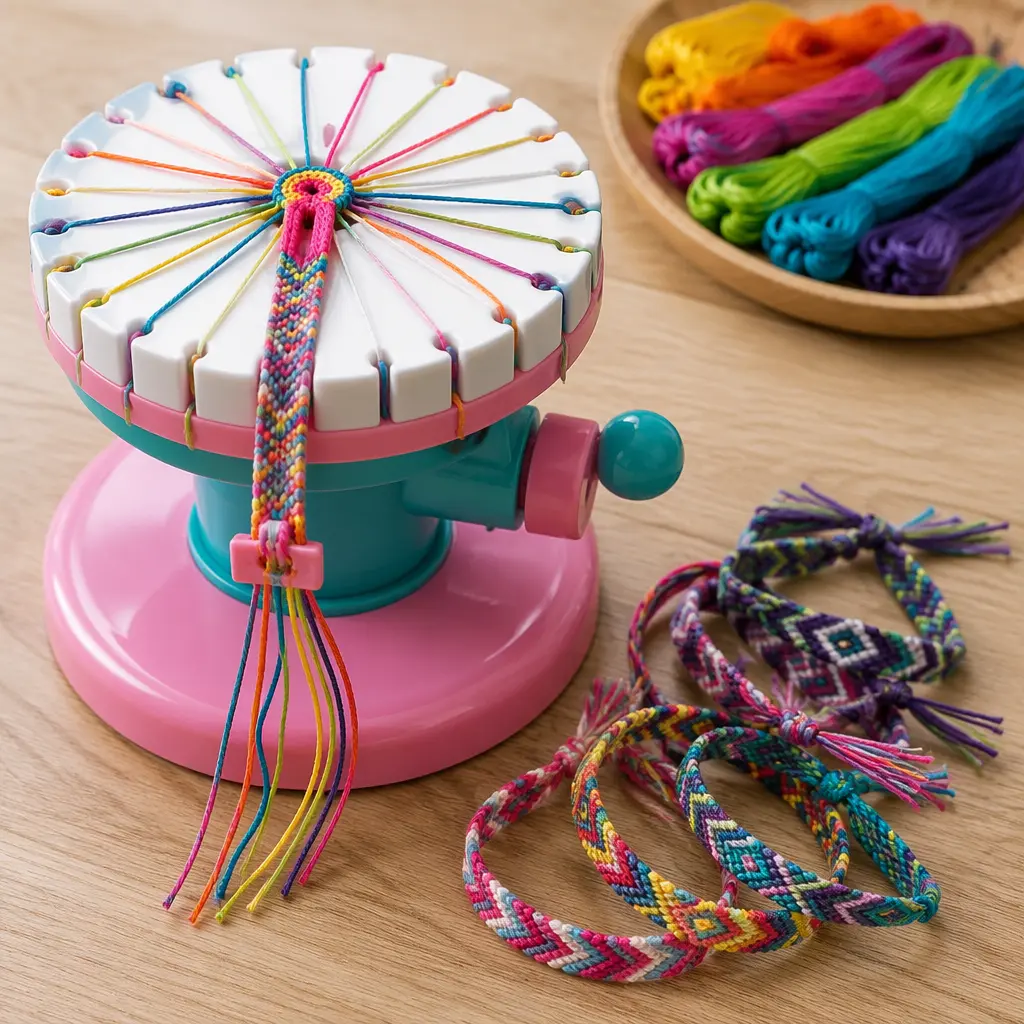
From summer camps to TikTok, friendship bracelets keep returning as a screen-free way to make, give, and belong—one knot at a time.
Expandable plastic Pop Tubes went from classroom fidgets to everywhere toys. Here’s where they came from, why the simple design works, and what parents should know today.
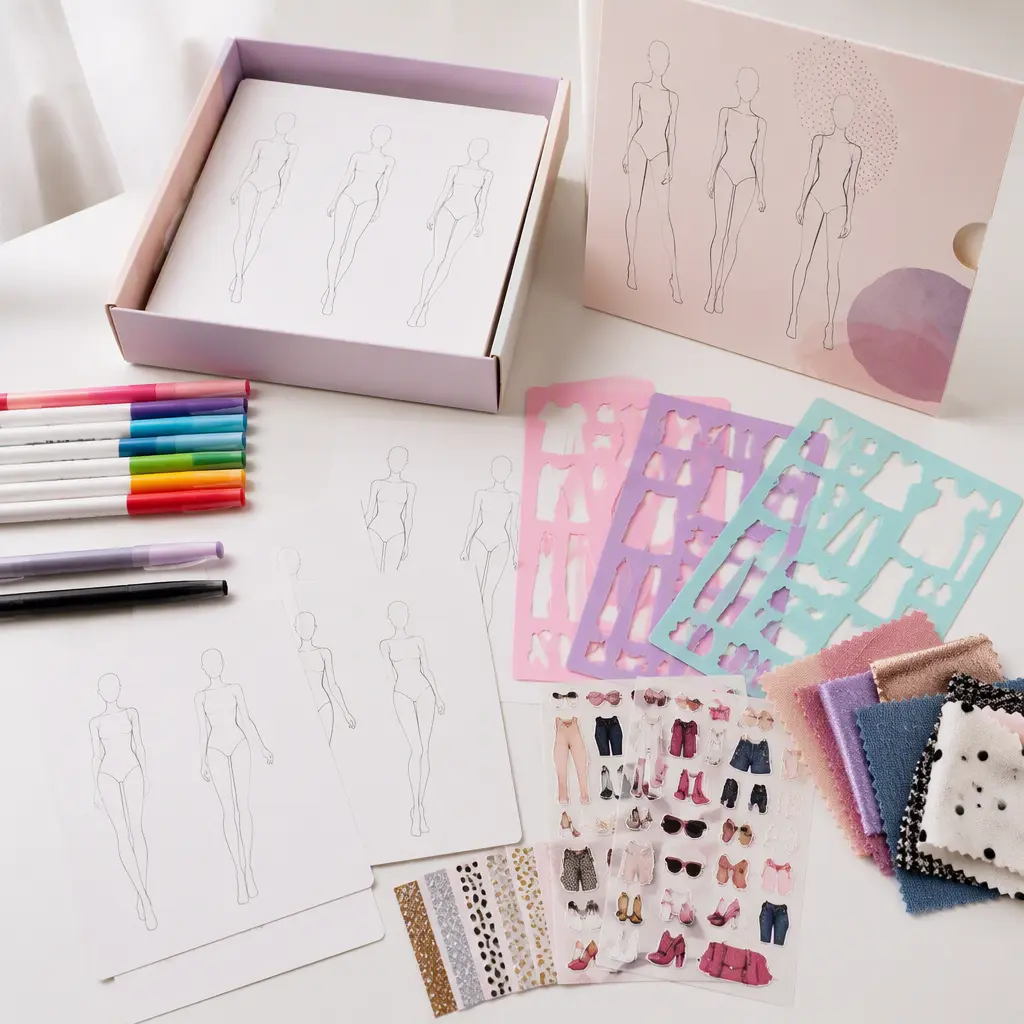
Launched in 1978, Fashion Plates let kids mix and match outfits using etched plates and crayons—an early, hands-on lesson in design thinking that still feels relevant today.
In the late 2000s, Silly Bandz turned simple silicone shapes into playground currency. Here’s how a low-tech craft became a cultural moment—and what to know about them now.
Bright, bendable wax sticks that don’t spill or dry out, Wikki Stix became a quiet classroom hero by making open-ended art simple, portable, and mess-free.
First sold in 1951, Colorforms introduced reusable vinyl shapes and open‑ended play decades before screens, proving that simple materials can fuel endless imagination across generations.
Miniverse Make It Mini turns hyper‑detailed miniatures into finishable crafts. Launched in 2022, the resin‑based kits blend surprise, speed, and display‑worthy results—hooking kids who usually abandon projects.
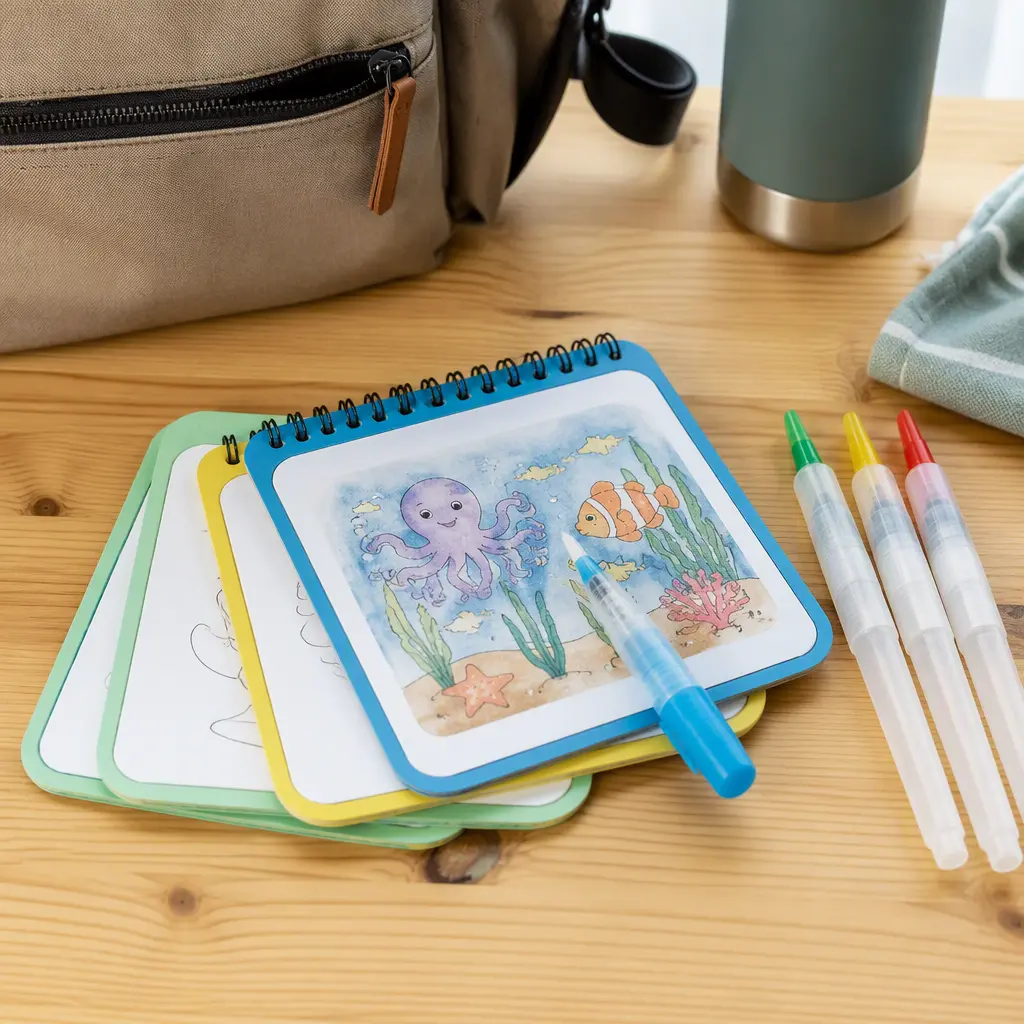
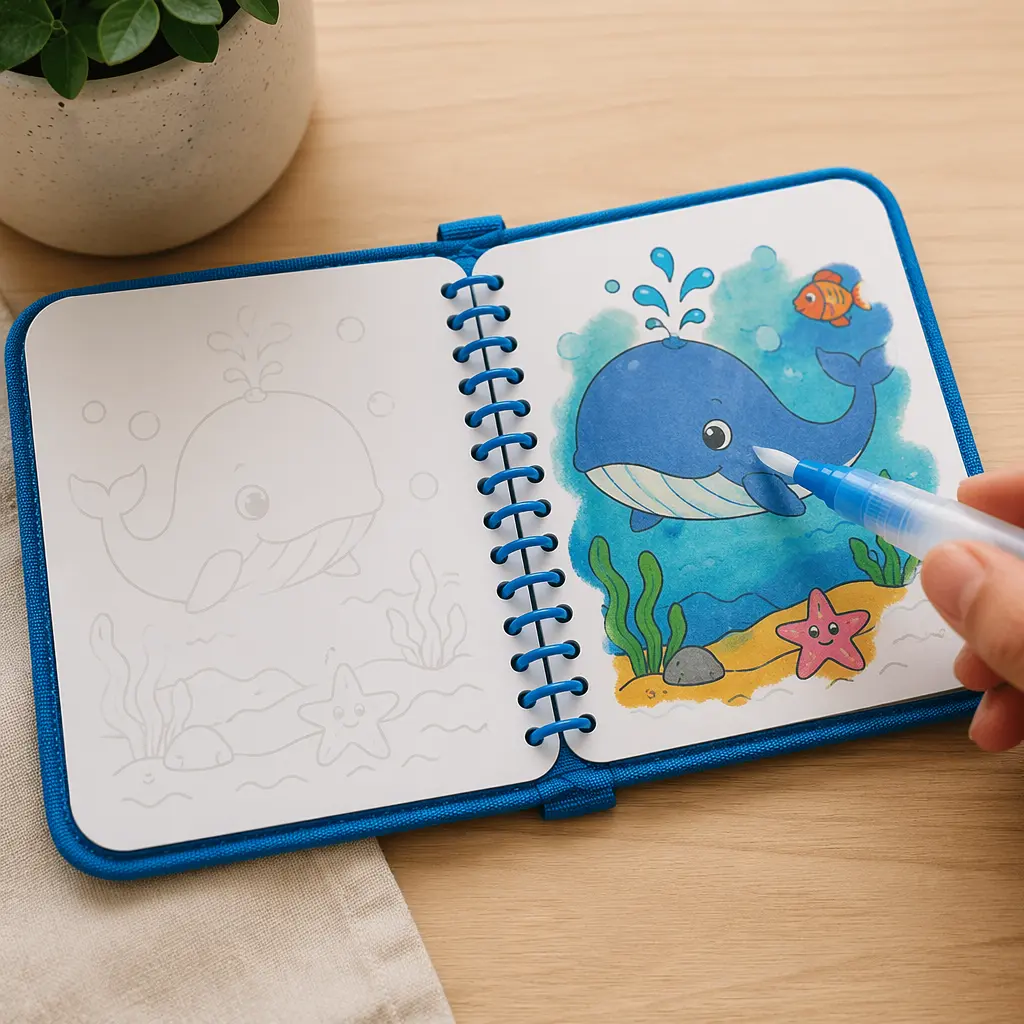
Aqua Doodle turned a simple idea—drawing with water—into a modern classic. By letting pictures magically disappear as they dry, it gave kids creative freedom and parents peace of mind.
Born in the 1970s, Shrinky Dinks let kids draw on special plastic and watch it shrink in the oven. It’s a simple science-meets-art craft that still feels like magic today.
First launched in the late 2000s, Playfoam offered a rare promise to parents and teachers: sensory modeling play without the mess. Here’s how it earned a lasting place in homes and classrooms.
Launched in 2020, Woobles crochet kits reimagined a traditional craft for beginners, turning crochet into a shared, low-pressure hobby for kids, teens, and parents learning together.
From classrooms to kitchen tables, Crayola crayons have defined how generations learn color, creativity, and self-expression. A look at why this humble art tool still matters more than a century on.
Kinetic Sand looks like ordinary sand but behaves like a soft science experiment. This modern craft toy blends sensory play, sculpting, and calm focus—no drying out, no mess.
Born in a Michigan garage, Rainbow Loom turned humble rubber bands into a classroom-friendly craft that spread through playgrounds, YouTube, and living rooms worldwide.
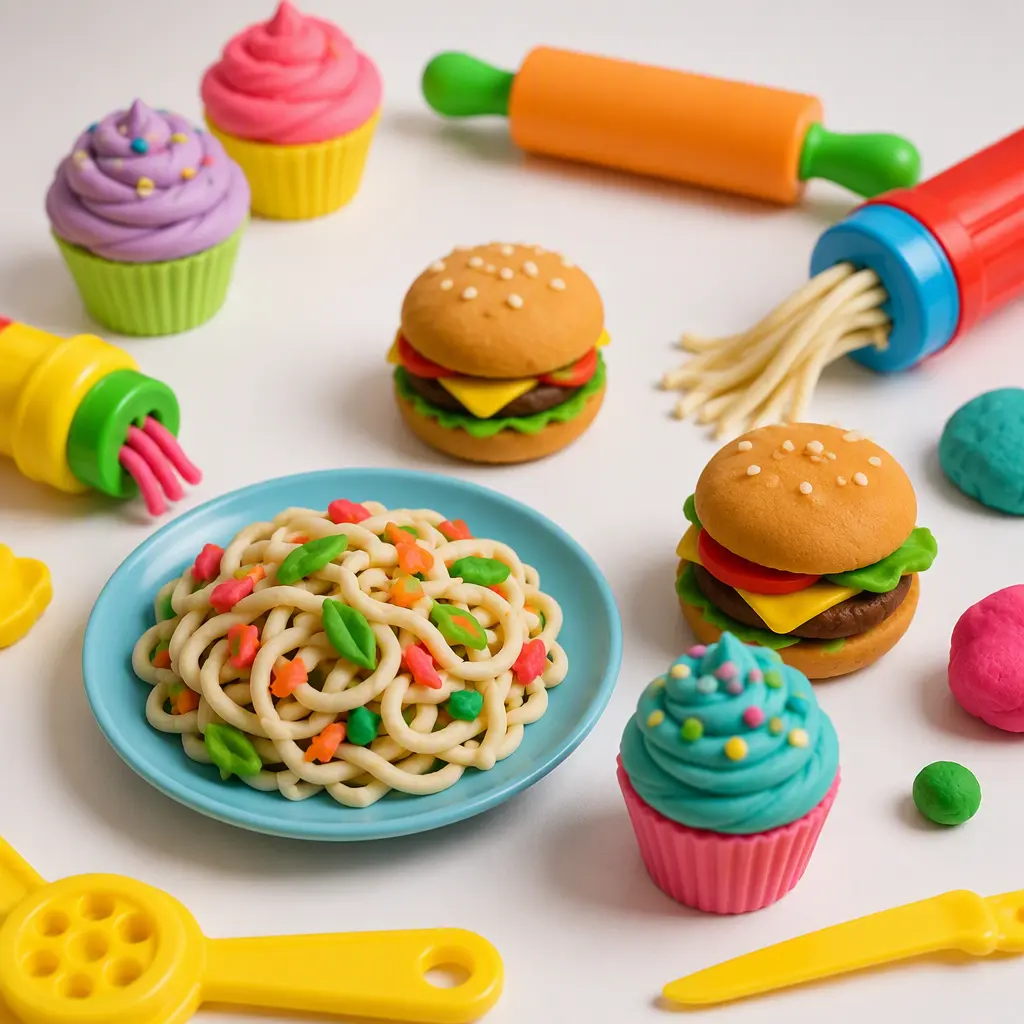
From an unlikely start as wallpaper cleaner to a classroom staple, Play-Doh endures by keeping creativity simple, tactile, and endlessly reusable for generations of kids and parents.
First released in 1967, Lite-Brite turned coloured pegs and a lightbox into an open-ended art toy. Its simple design, screen-free appeal, and nostalgia keep it glowing today.
Invented in the 1960s, Spirograph turned simple gears and pens into looping artwork. Here’s how it works, why it endured, and what to look for if you want one today.
Born in 1960, Etch A Sketch turned two knobs and a little physics into a drawing icon. Here’s how it works, why it lasted, and what to know when buying one today.