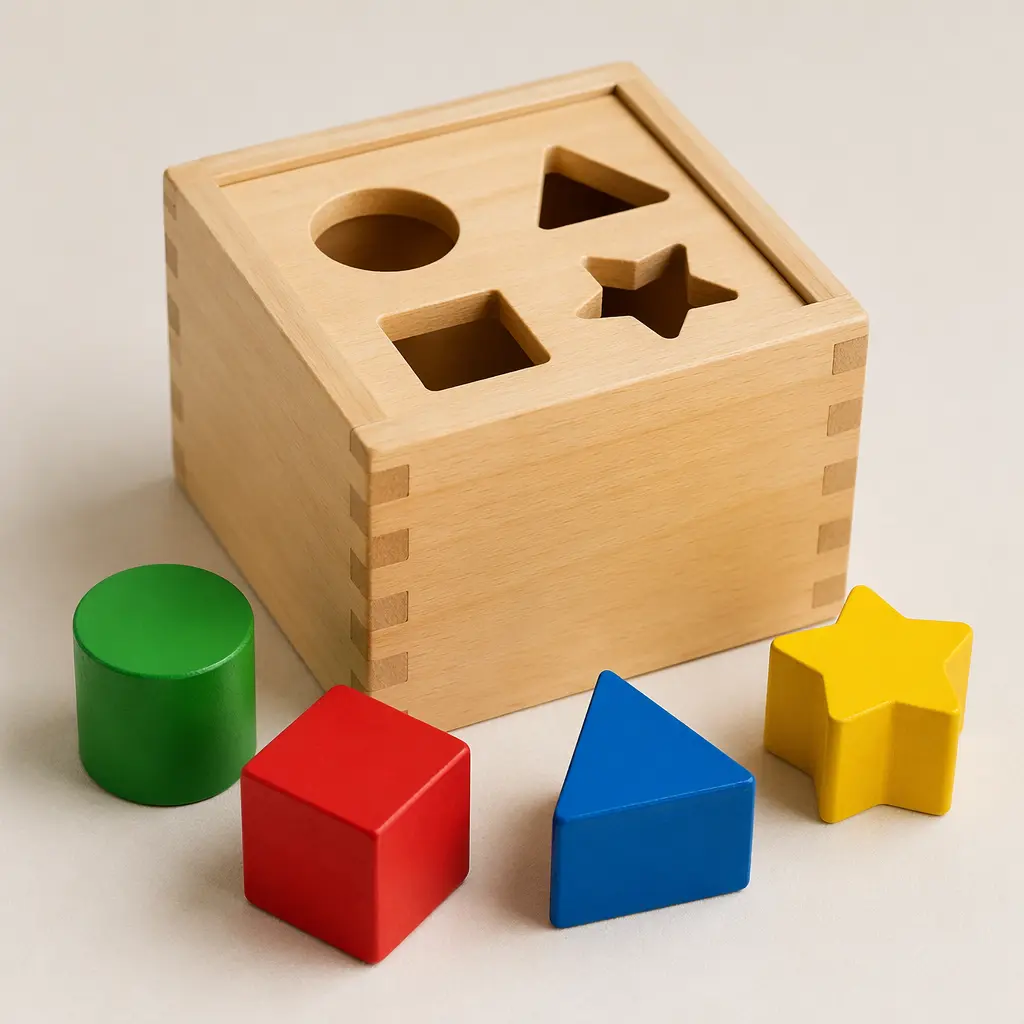
The Playskool Shape Sorter: Learning to think before words
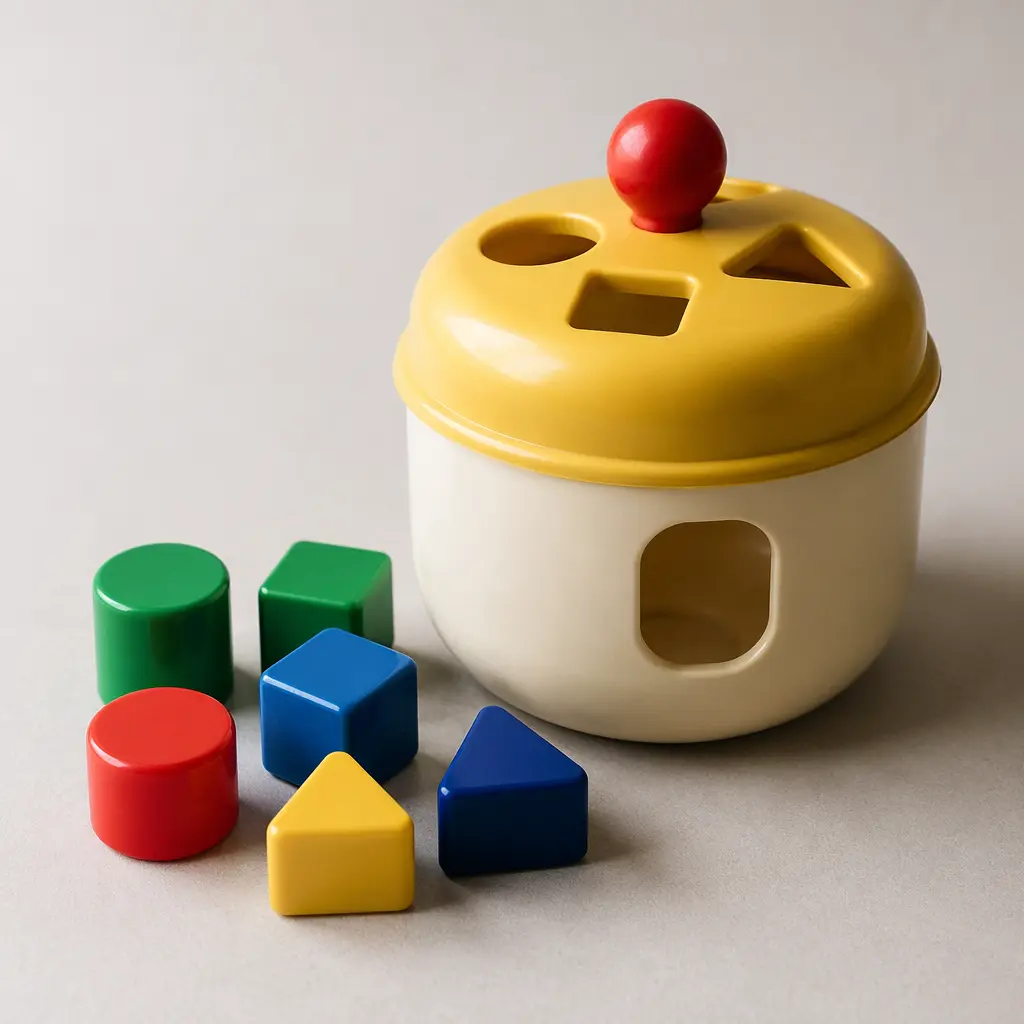
Long before letters and screens, the Playskool Shape Sorter helped toddlers learn problem-solving by feel. Here’s how this classic toy quietly shaped early learning for generations.
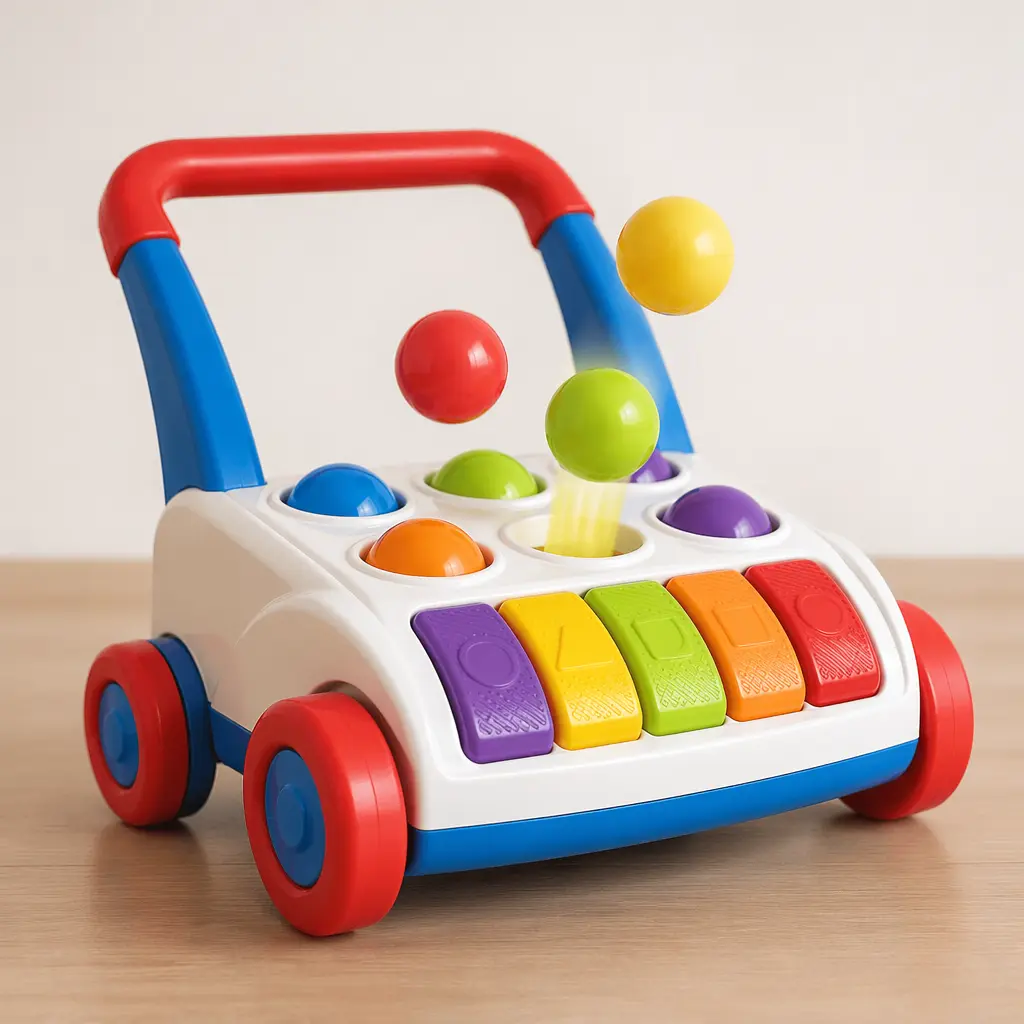
A look at the Playskool Busy Ball Popper, the classic pop-and-roll toy that has kept toddlers laughing for decades through simple cause-and-effect play.
Launched in 1994, Playmobil 1.2.3 stripped play figures back to their essentials—proving that open-ended, imaginative play can start well before preschool.
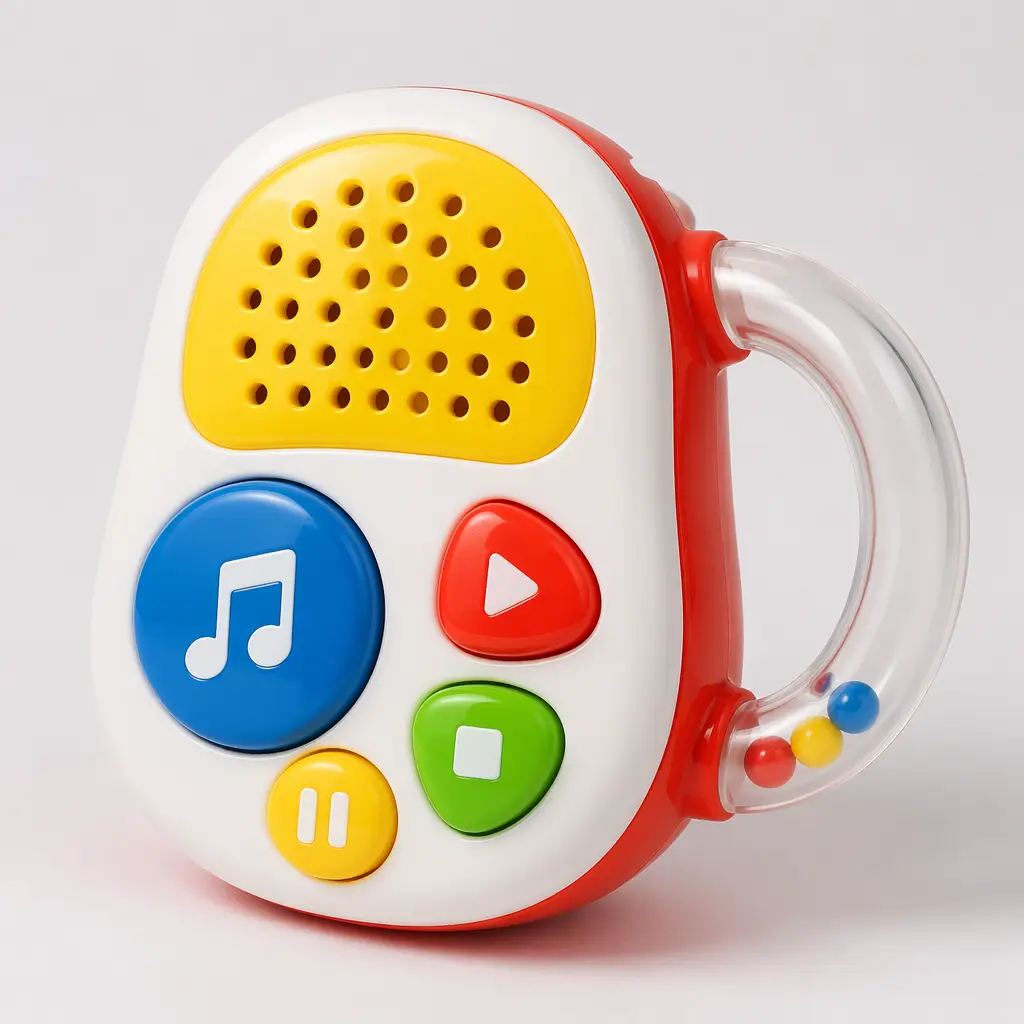
A palm-sized music toy that played classical melodies became an unexpected baby-shower staple. Here’s how Take Along Tunes earned its reputation—and what parents should know today.
Launched in the late 2010s, Glo Pals light‑up cubes use water‑activated LEDs to make bath routines calmer, brighter, and more engaging for young children.
A parent-friendly guide to low-cost outdoor toys for ages 1–2 that encourage movement, imagination, and daily play—without complicated rules or fragile parts.
A parent-focused safety guide to electronic building sets for ages 6–8, covering parts size, power levels, supervision needs, and how non-app kits reduce risks while supporting learning.
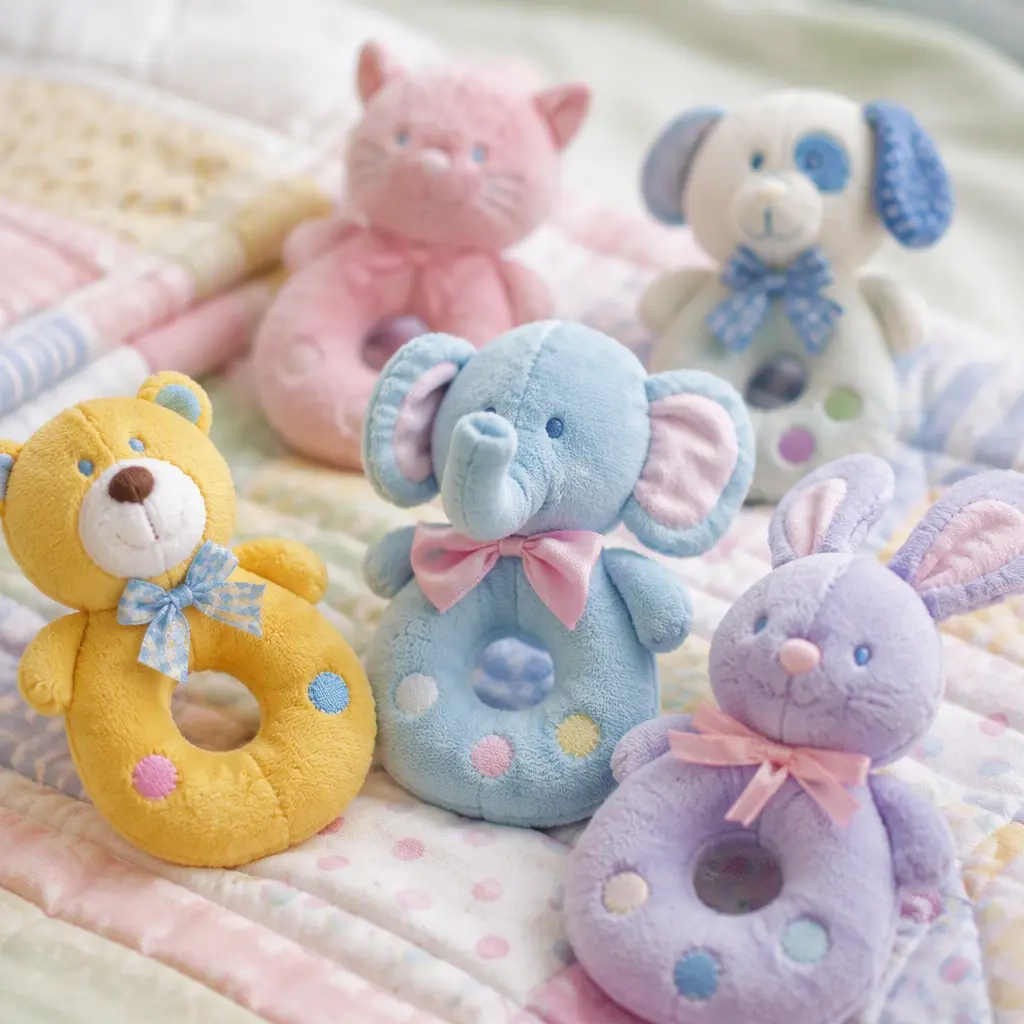
A parent-first guide to choosing no-battery plush toys that help young kids slow down, self-soothe, and regulate big feelings—without noise, screens, or flashing lights.
A buyer’s guide to active ride-on toys for ages 1–2 that encourage steering, scooting, and movement—plus safety tips, age fit, and categories to help parents choose.
A parent-friendly guide to board and card games with simple rules and fast starts. Learn what to look for, age fit, and popular categories that help families begin playing within minutes.
A parent-focused guide to offline electronic toys for teens that build real-world skills. Learn what to look for, age fit, safety tips, and standout categories—no apps or internet required.
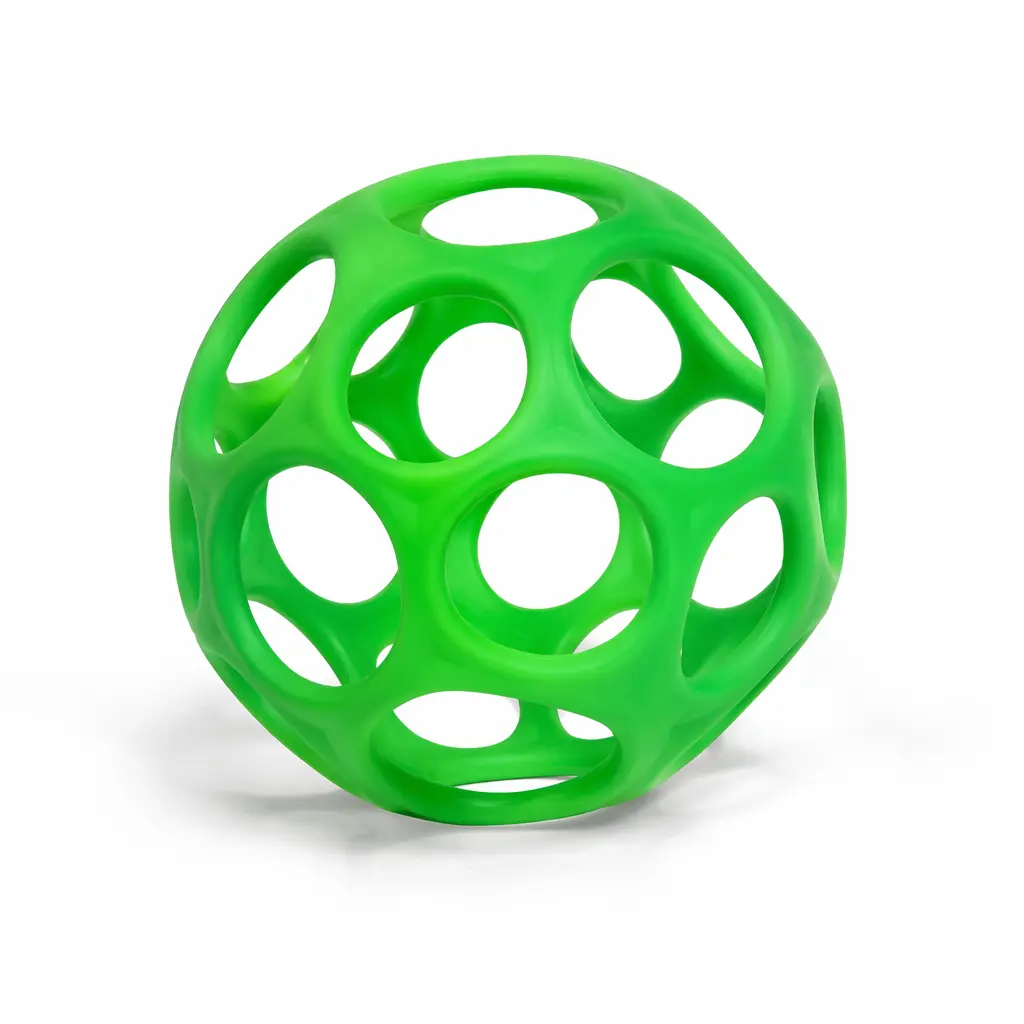
Soft, squishy, and full of holes, Oball became a modern baby staple by fixing one simple problem: how tiny hands learn to grab.
Introduced in 1961, the Tupperware Shape-O Toy used simple shapes and trial-and-error play to teach babies problem-solving—long before “educational toys” were a marketing term.
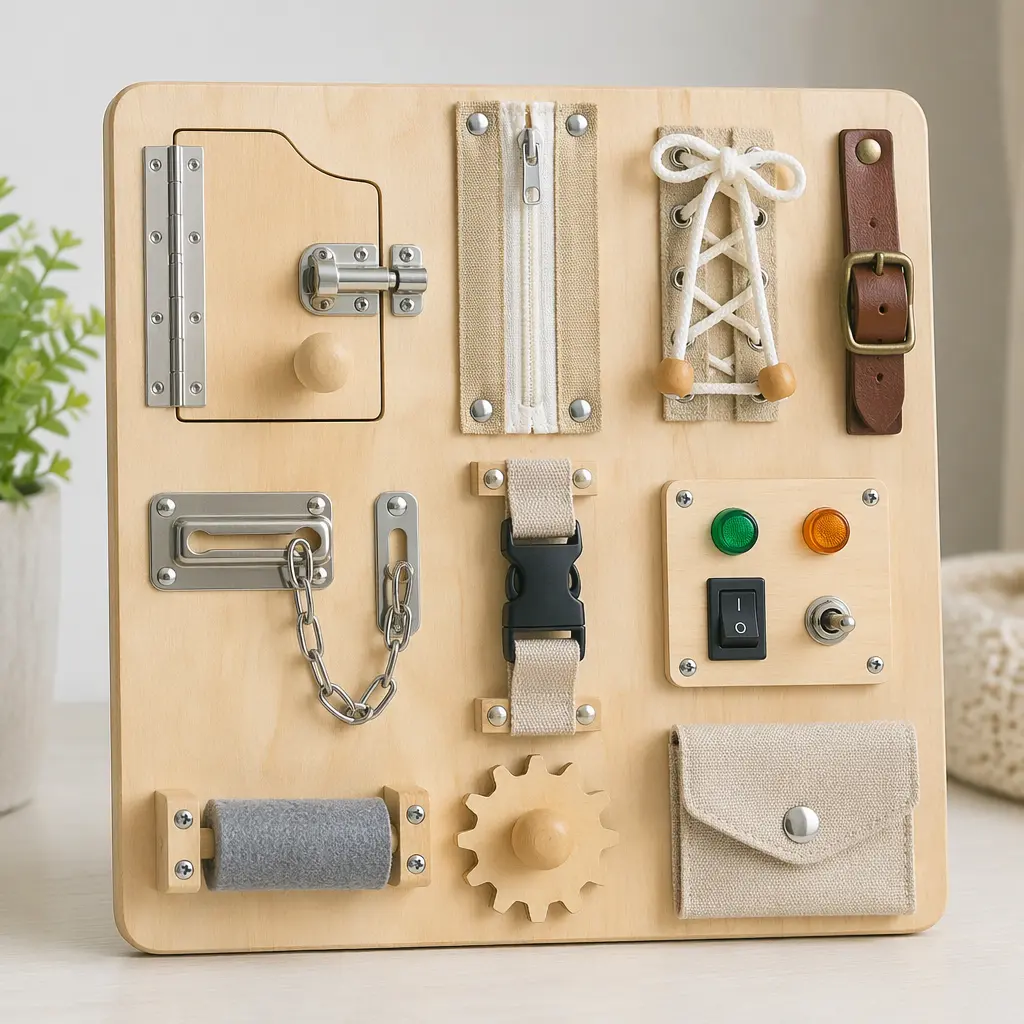
Busy boards turn everyday hardware—latches, zippers, switches—into absorbing toddler play. Here’s where they came from, why they work, and what to look for today.
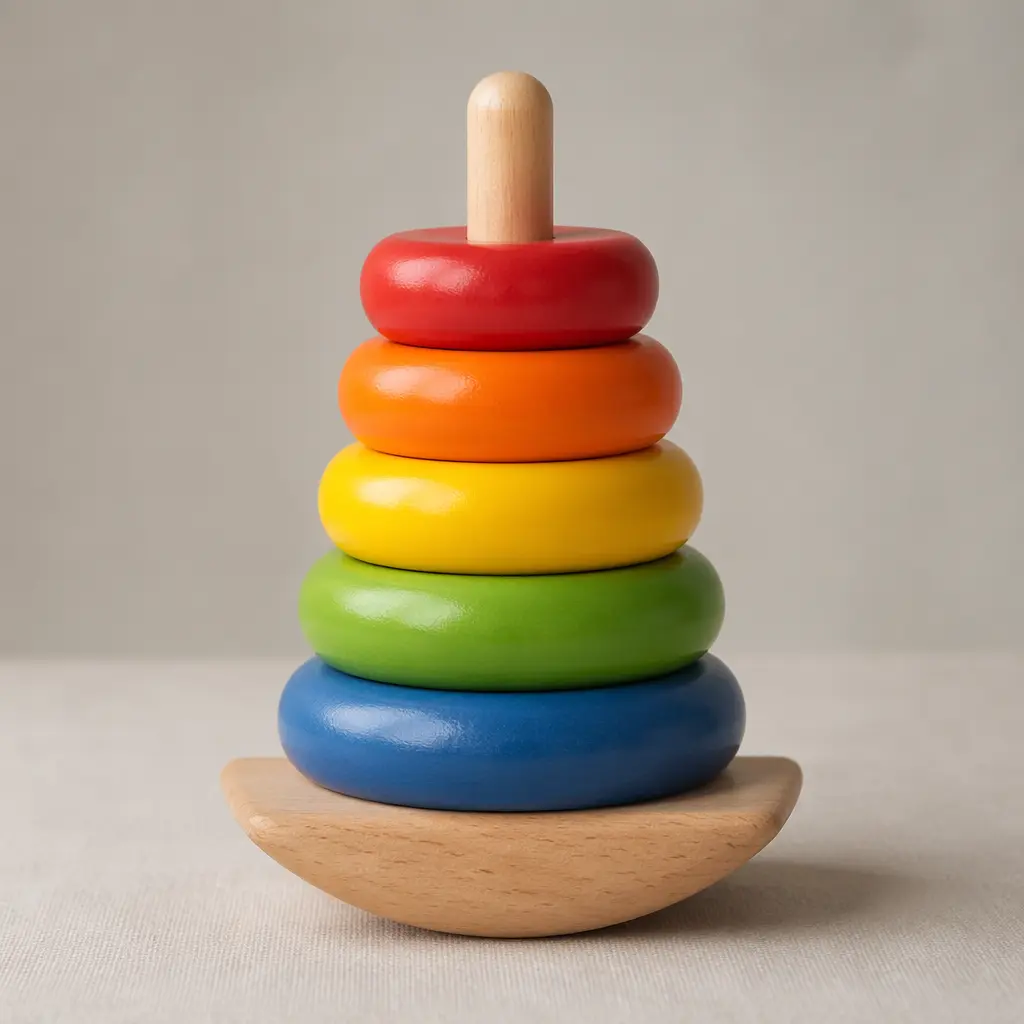
First released in 1960, Fisher-Price Rock-a-Stack turned basic stacking into a lesson in balance, colour, and cause-and-effect—proving great baby toys don’t need screens or batteries.
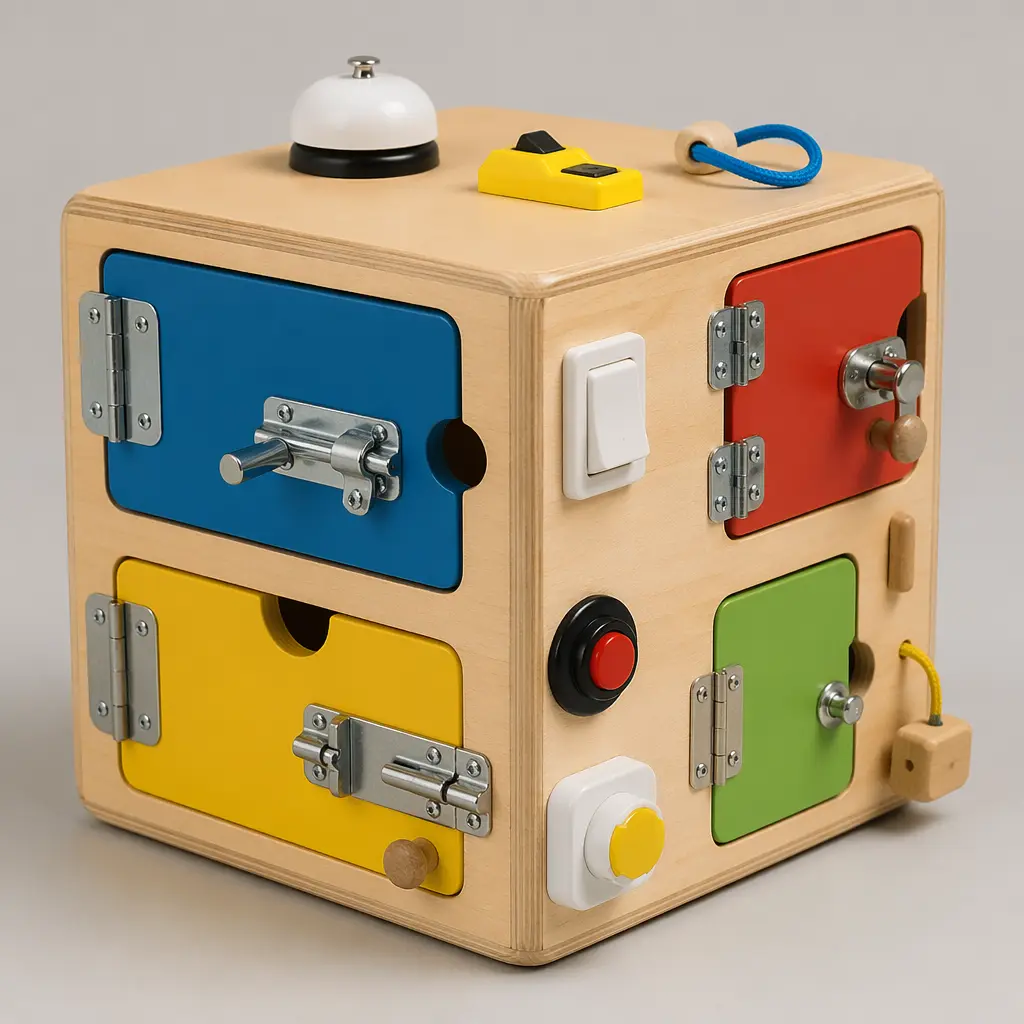
First sold in the 1960s, the PlaySkool Busy Box turned latches, doors, and switches into a lesson on cause and effect. Its simple design shows why tactile baby toys still matter.
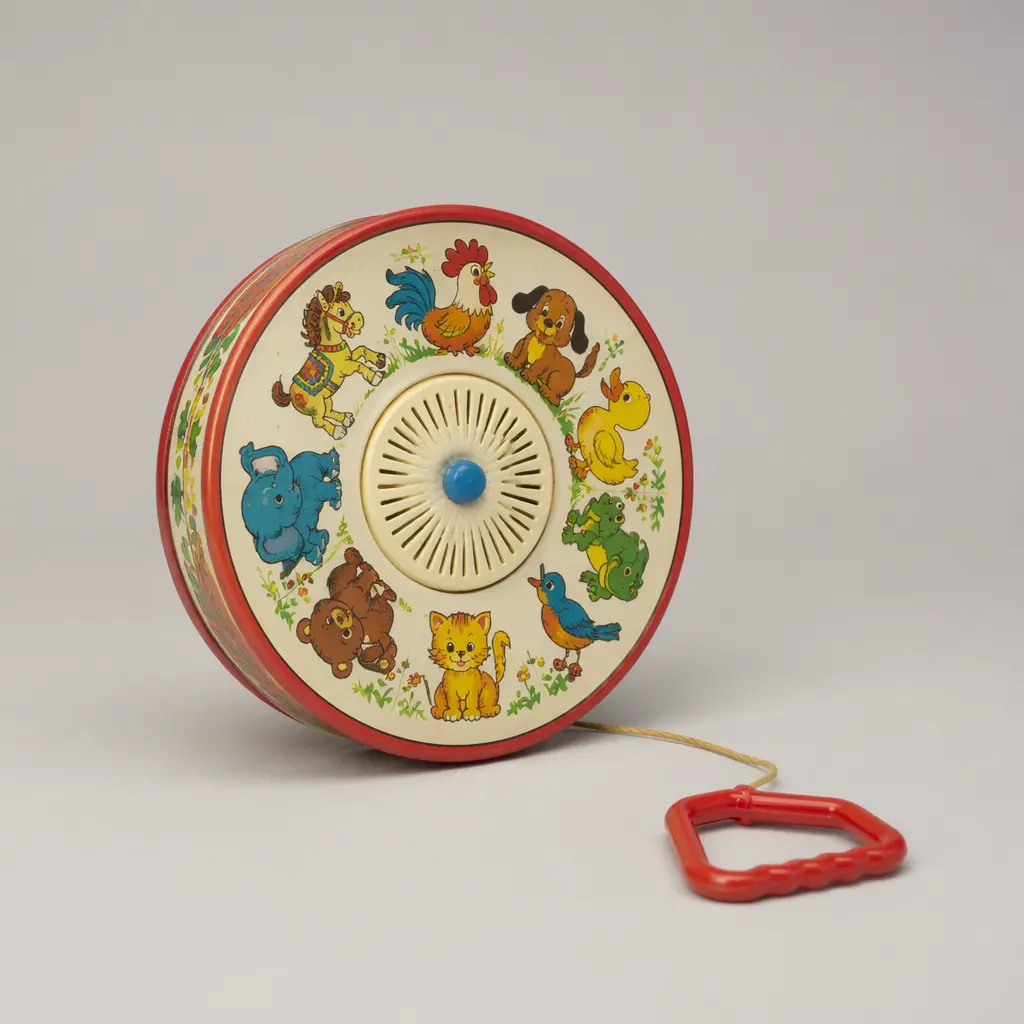
First sold in the mid-1960s, the Fisher-Price See ’n Say turned a simple pull-string into many children’s first ‘conversation,’ blending pictures, sounds, and cause-and-effect play.
Introduced in 1961, the Chatter Telephone turned walking into play. Its ringing sounds and rolling eyes made cause and effect irresistible for toddlers—and helped make it a nursery staple for decades.
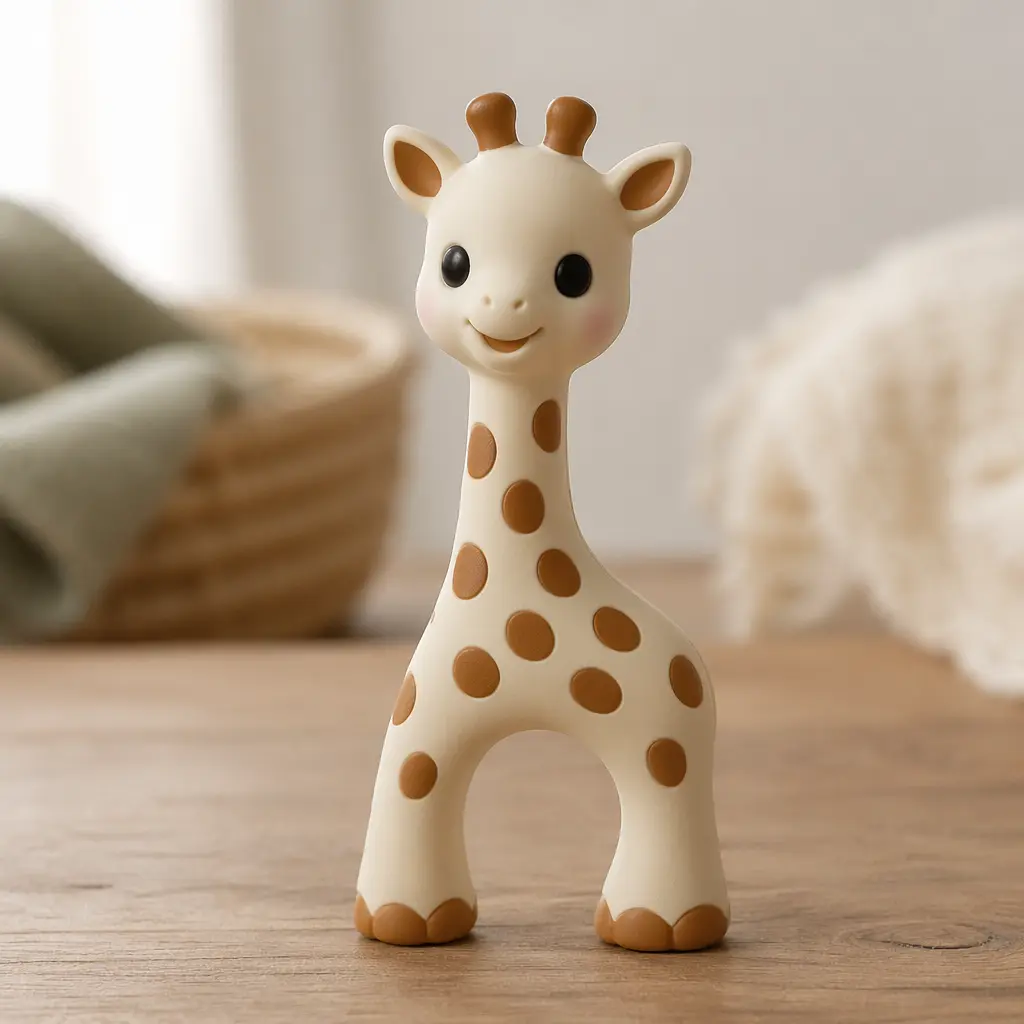
Born in 1961, Sophie the Giraffe grew from a modest rubber teether into a near-universal baby milestone. Here’s how thoughtful design, timing, and word of mouth turned a small toy into a global icon.
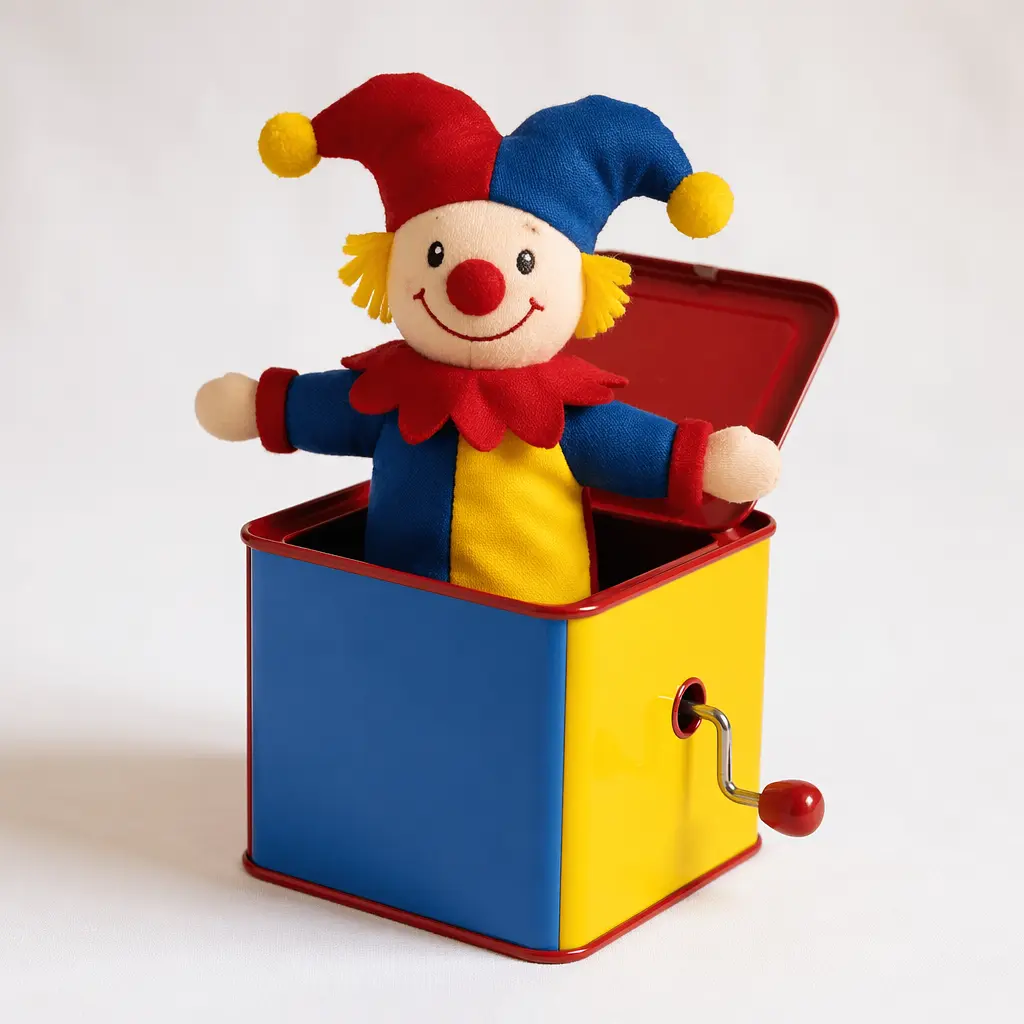
A simple box, a crank, and a sudden pop. The Jack-in-the-Box has startled and delighted children for centuries, proving that anticipation and surprise never go out of style.
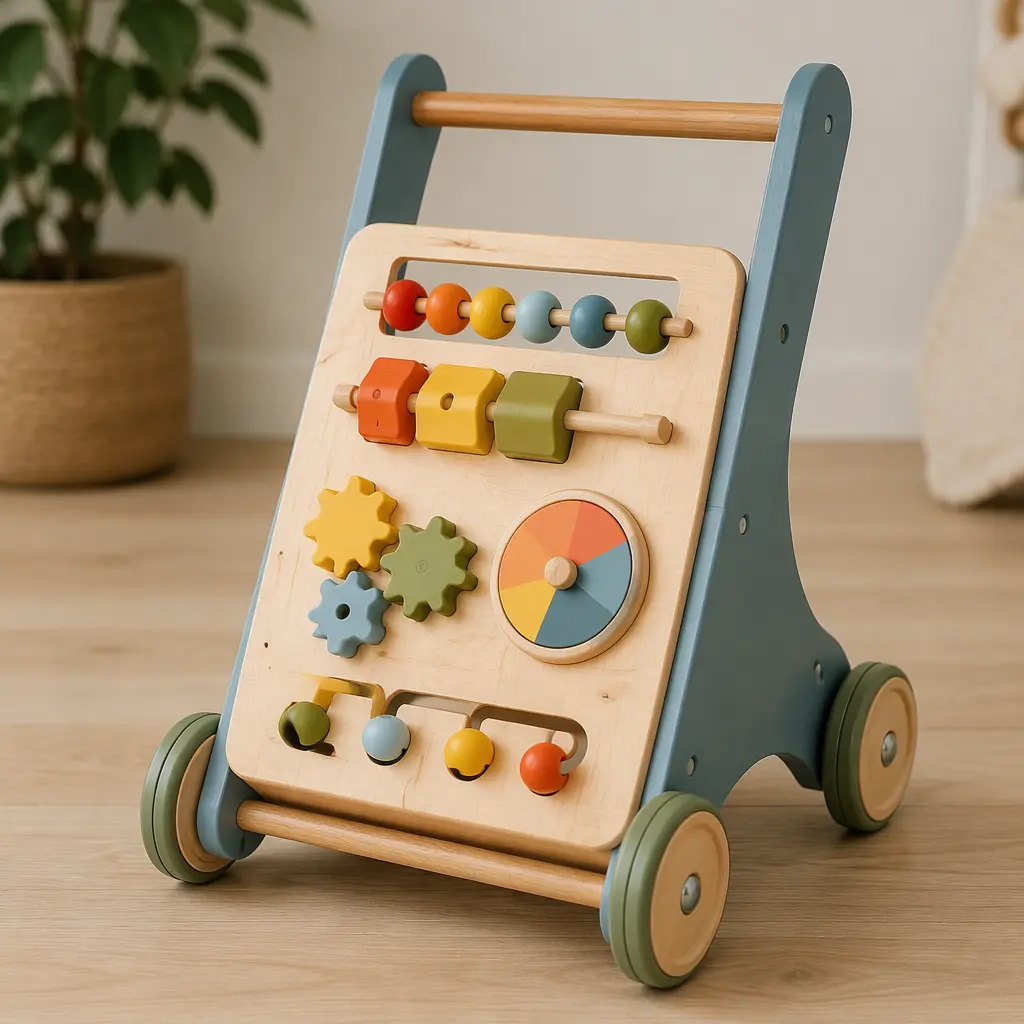
First sold in the 1950s, the Fisher-Price Corn Popper turns walking practice into noisy fun. Here’s how a simple push toy helped generations of toddlers find their feet.
Lovevery Play Kits are age-timed toy boxes designed by child-development experts. Launched in 2018, they focus on open-ended play and real skills rather than lights, sounds, or screens.