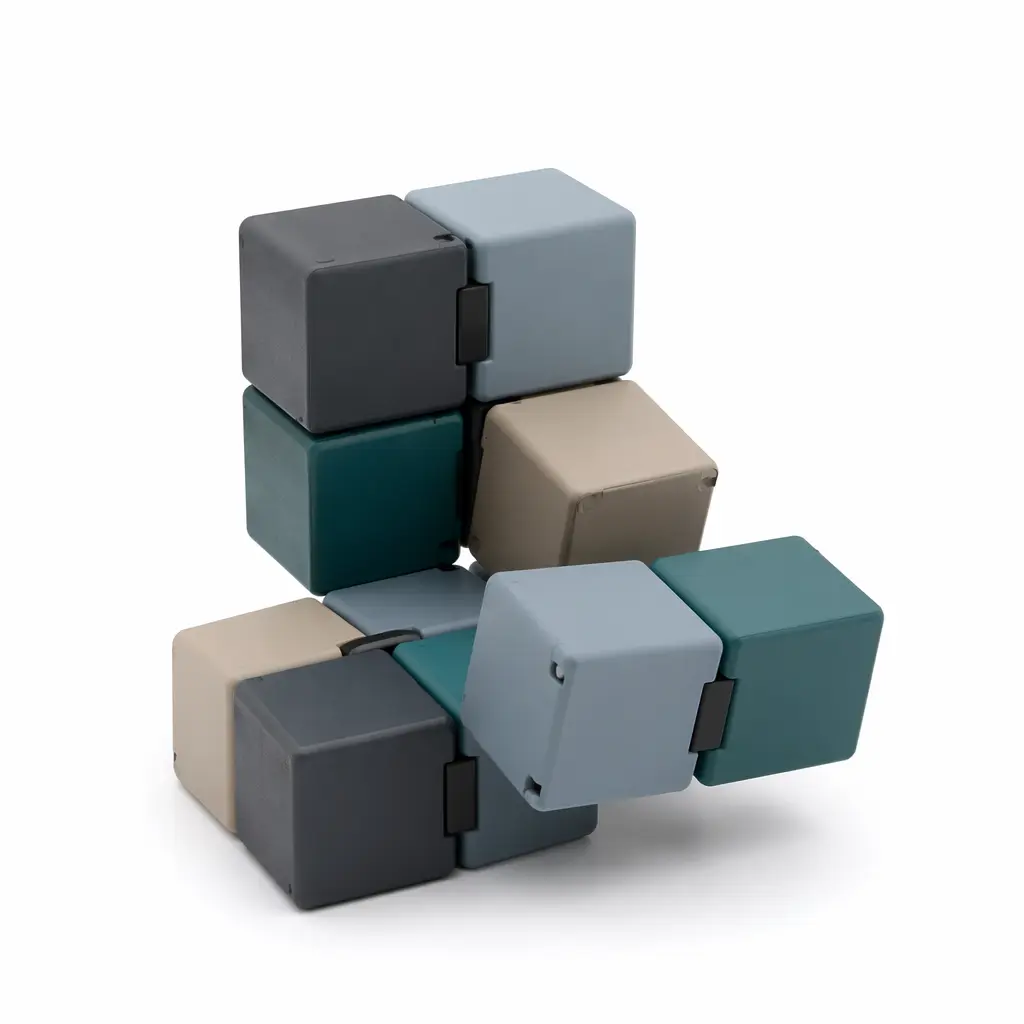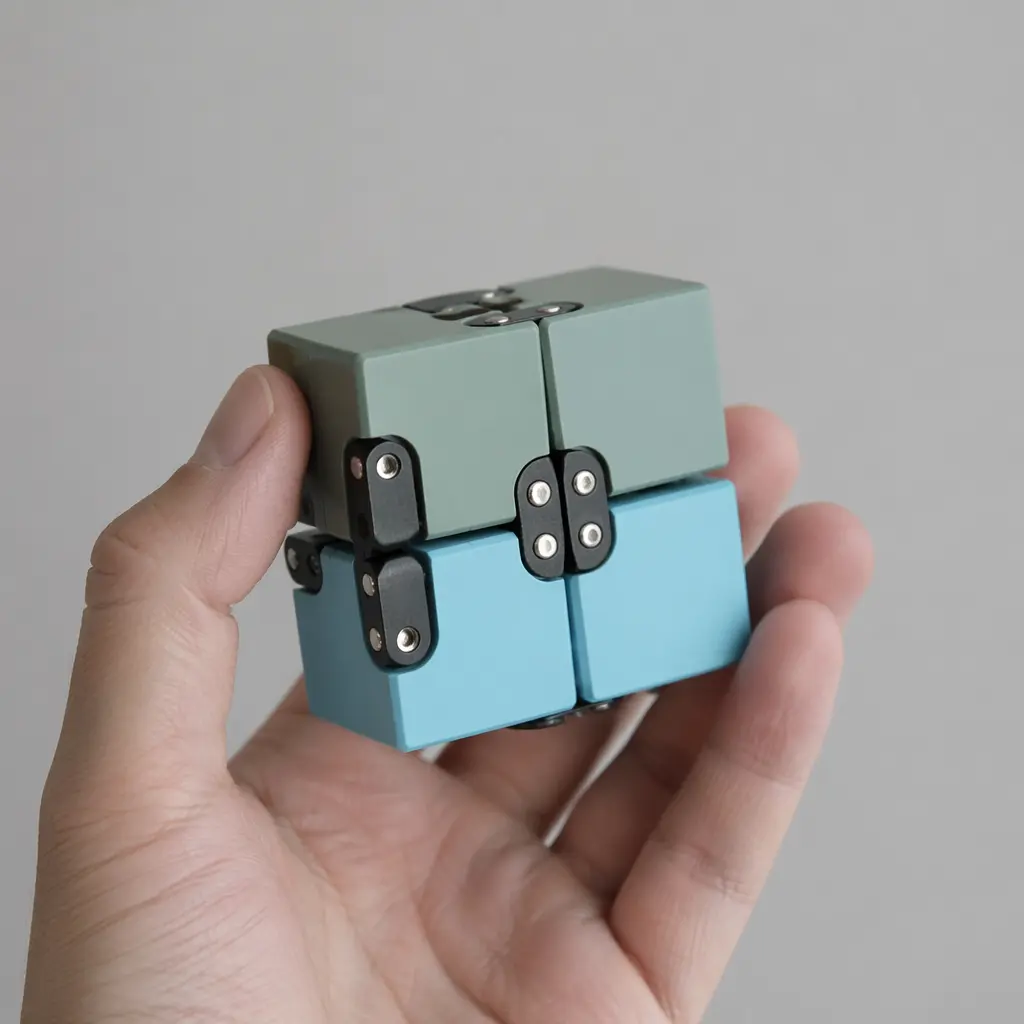
The Infinity Cube: How a pocket fidget became a modern classic
The Infinity Cube looks simple, but its endlessly folding motion made it a modern classic for restless hands. Here’s where it came from, why it works, and what to know today.
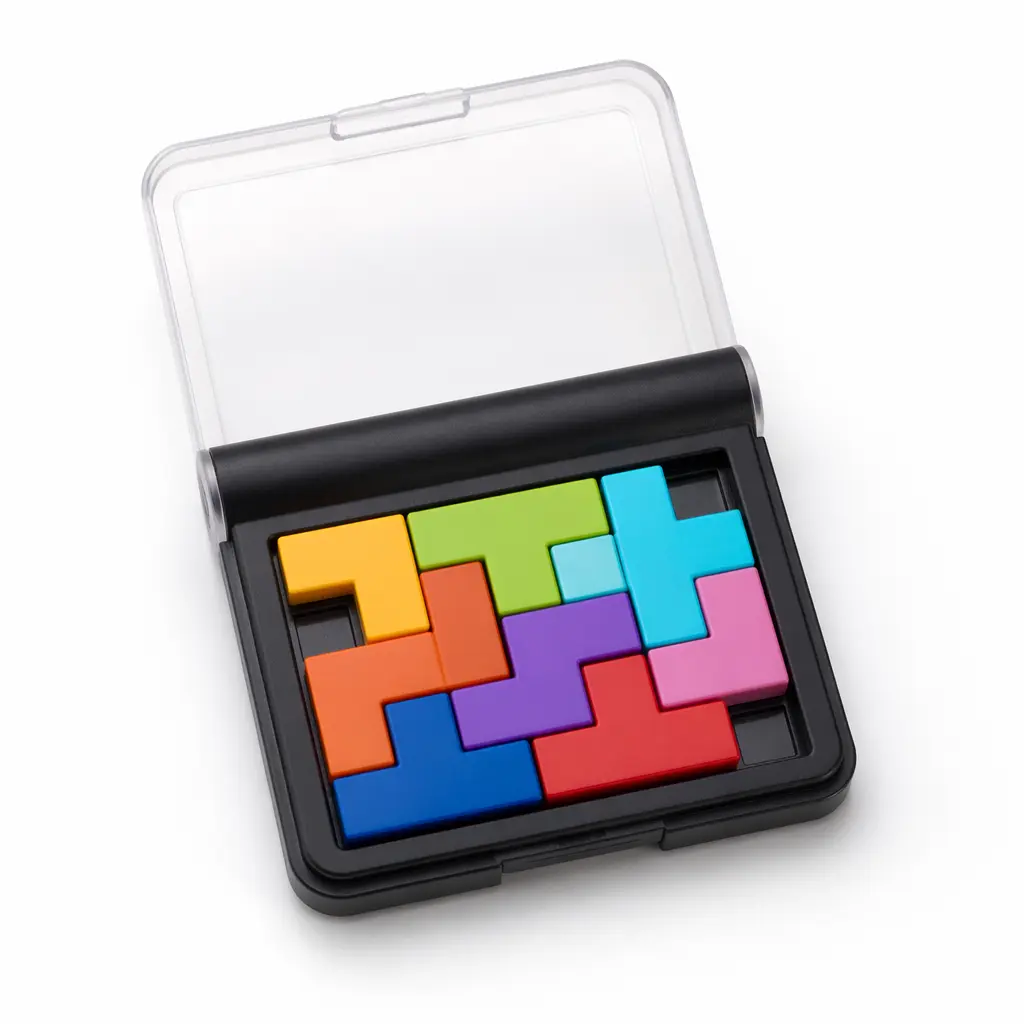
Kanoodle turned colourful plastic pieces into an addictive test of spatial logic. Compact, screen-free, and endlessly replayable, it’s a modern classic of solo puzzle play.
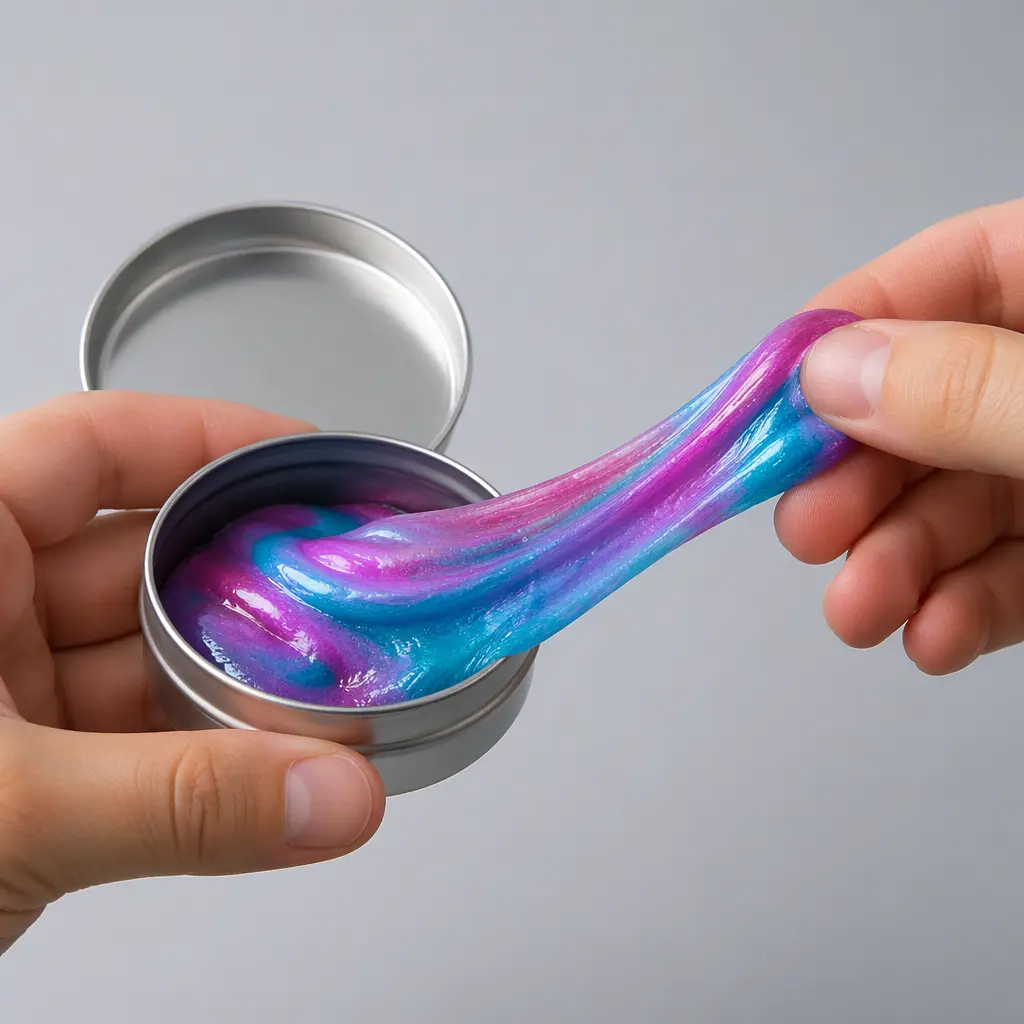
Invented by a chemist in 1998, Crazy Aaron’s Thinking Putty turned a lab curiosity into a hands-on desk toy that stretches, snaps, and quietly soothes kids and adults alike.
First sold in the 1960s, Barrel of Monkeys turns simple hooked figures into a test of patience, dexterity, and laughter that still resonates with kids and nostalgic adults today.
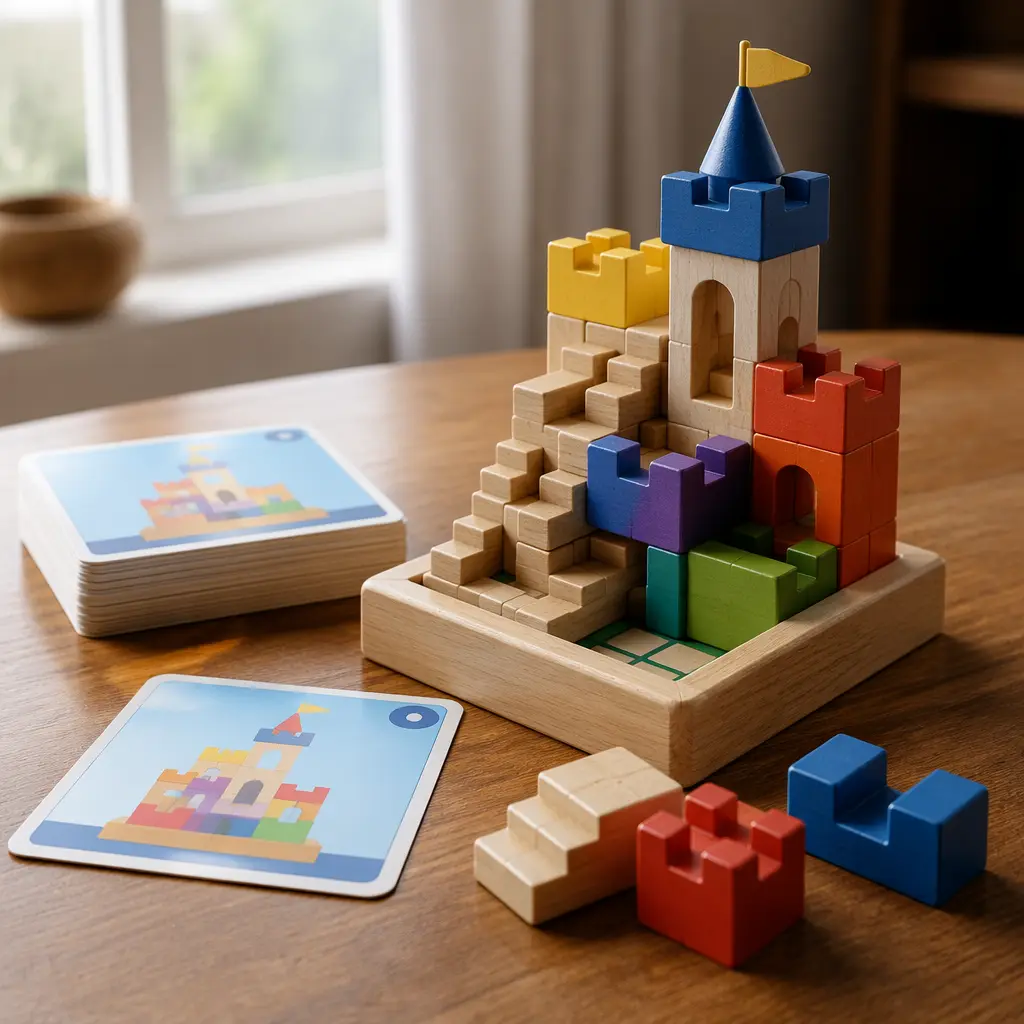
SmartGames’ IQ puzzles turned solo play into something deliberate: compact cases, escalating challenges, and just enough friction to keep minds busy on the go.
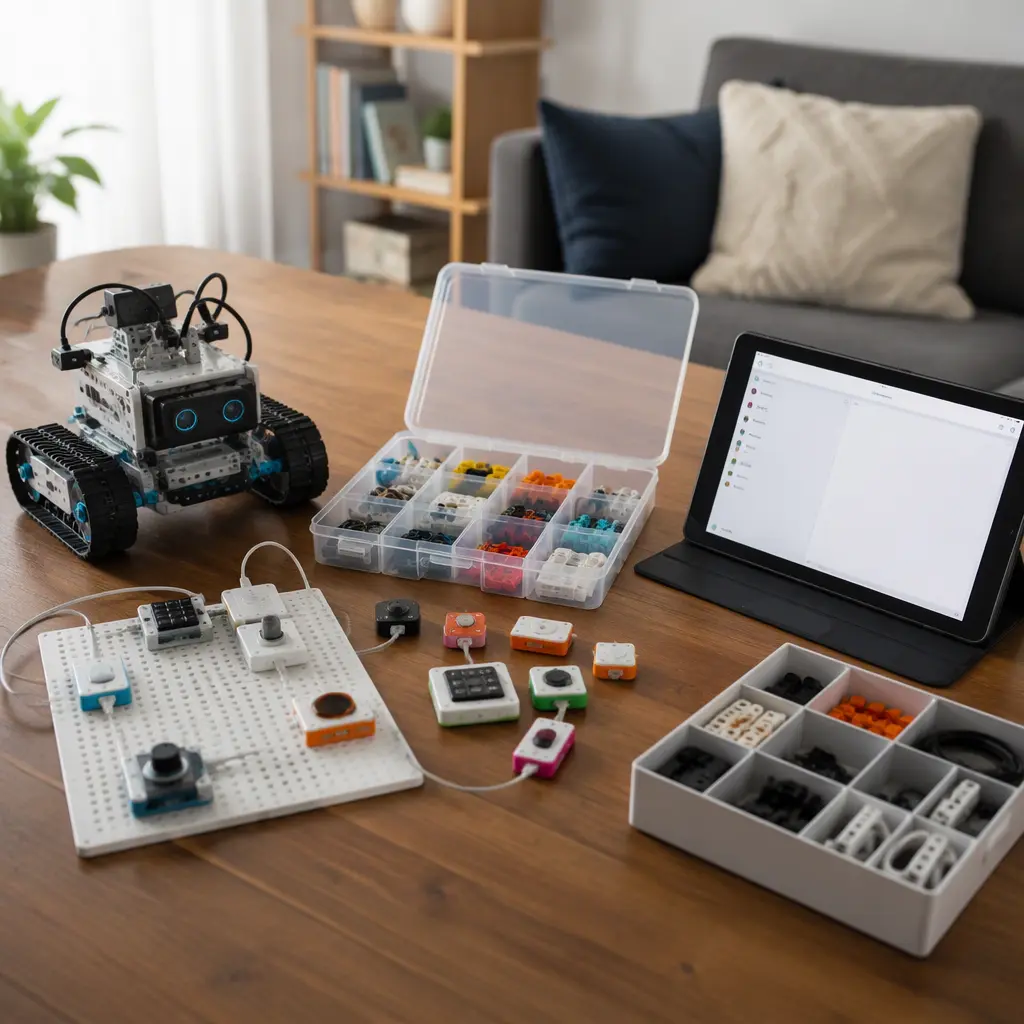
A parent-focused safety guide to electronic building sets for ages 6–8, covering parts size, power levels, supervision needs, and how non-app kits reduce risks while supporting learning.
A parent-first guide to choosing no-battery plush toys that help young kids slow down, self-soothe, and regulate big feelings—without noise, screens, or flashing lights.
A buyer’s guide to active ride-on toys for ages 1–2 that encourage steering, scooting, and movement—plus safety tips, age fit, and categories to help parents choose.
A parent-friendly guide to board and card games with simple rules and fast starts. Learn what to look for, age fit, and popular categories that help families begin playing within minutes.
A parent-focused guide to offline electronic toys for teens that build real-world skills. Learn what to look for, age fit, safety tips, and standout categories—no apps or internet required.
A parent-friendly guide to durable, skill-based outdoor toys for ages 9–12. Learn what to look for, age fit, safety notes, and popular categories that keep tweens active without feeling childish.
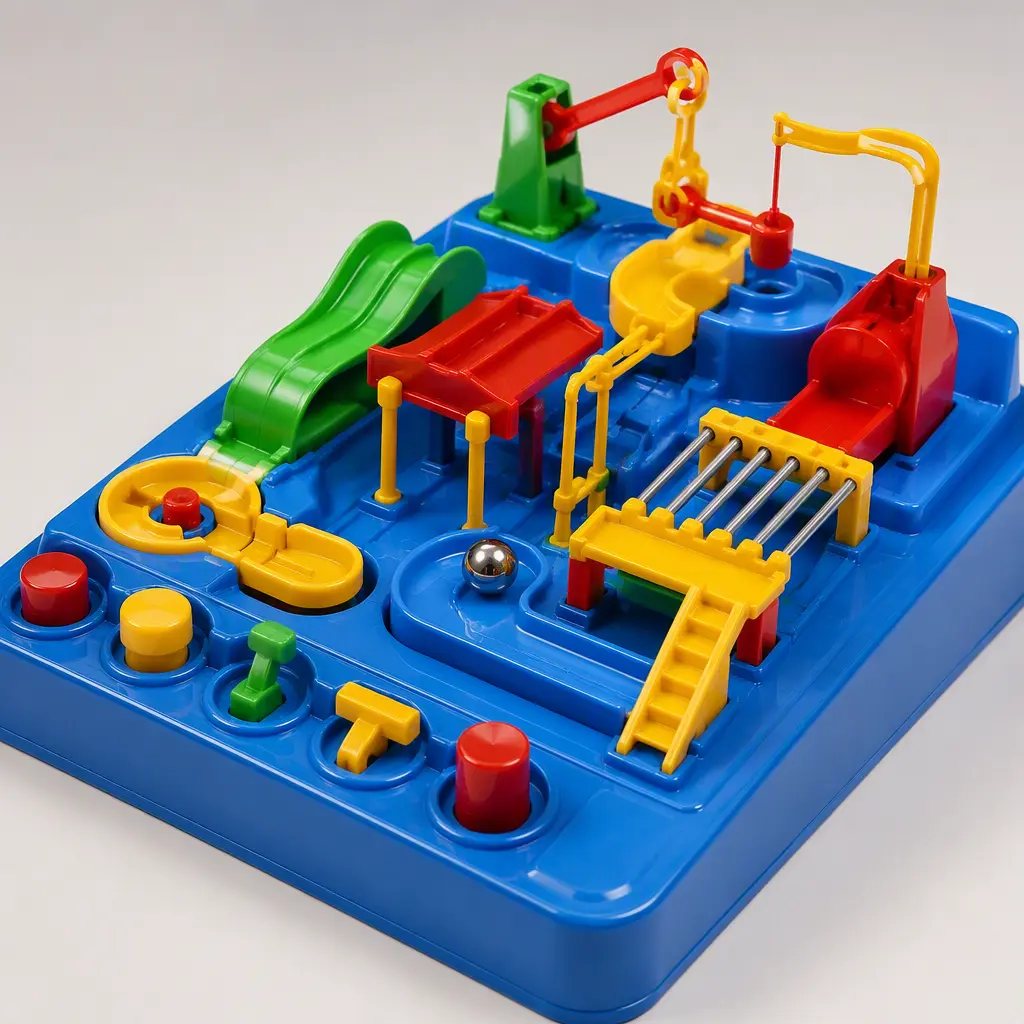
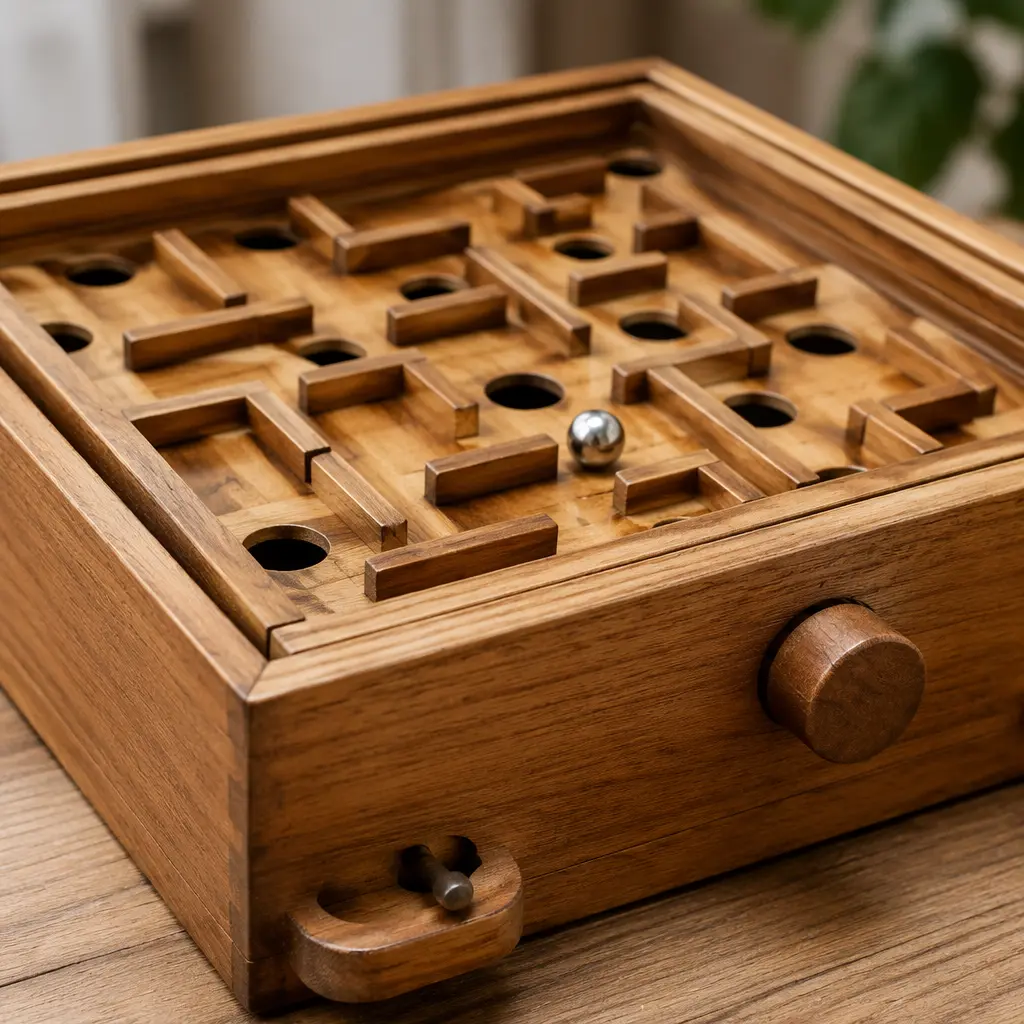
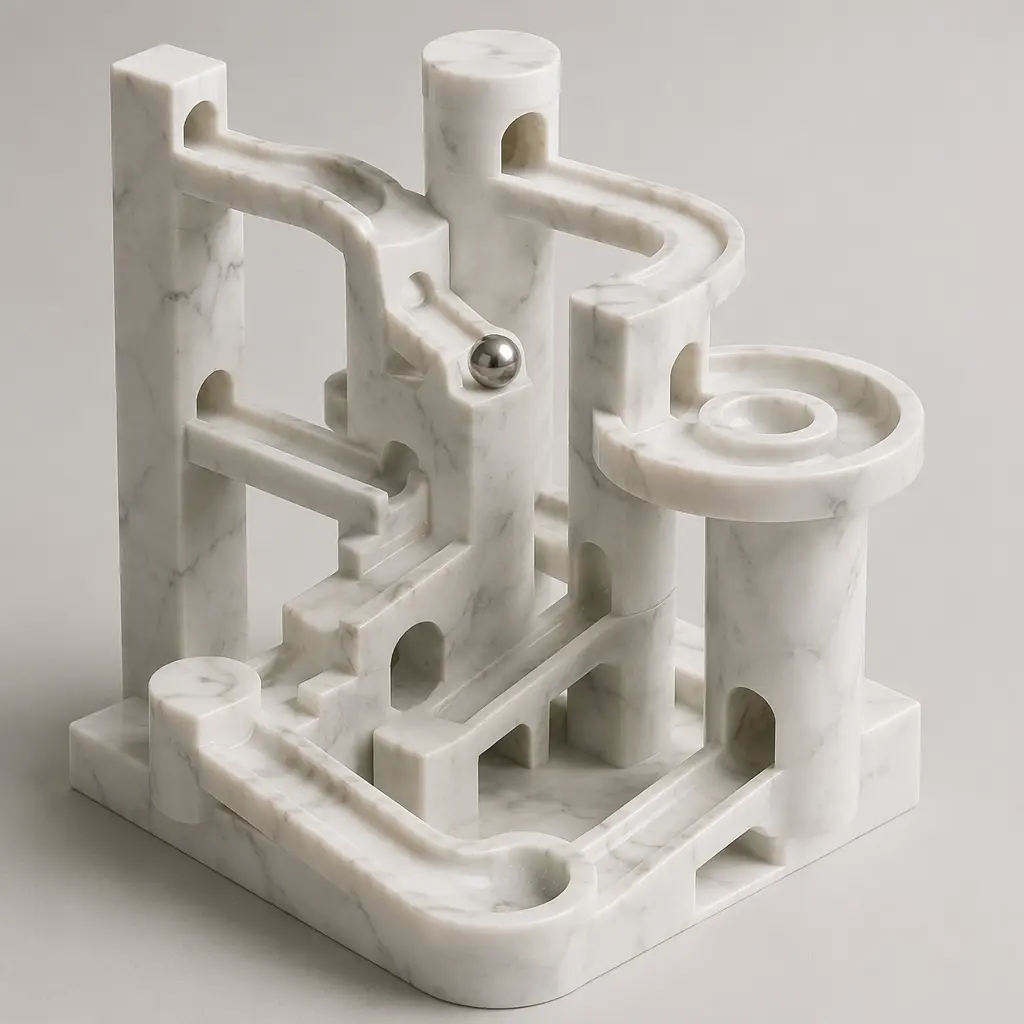
Gravity Maze is a modern logic puzzle that turns a single marble into a lesson in planning, spatial reasoning, and patience—without feeling like homework.
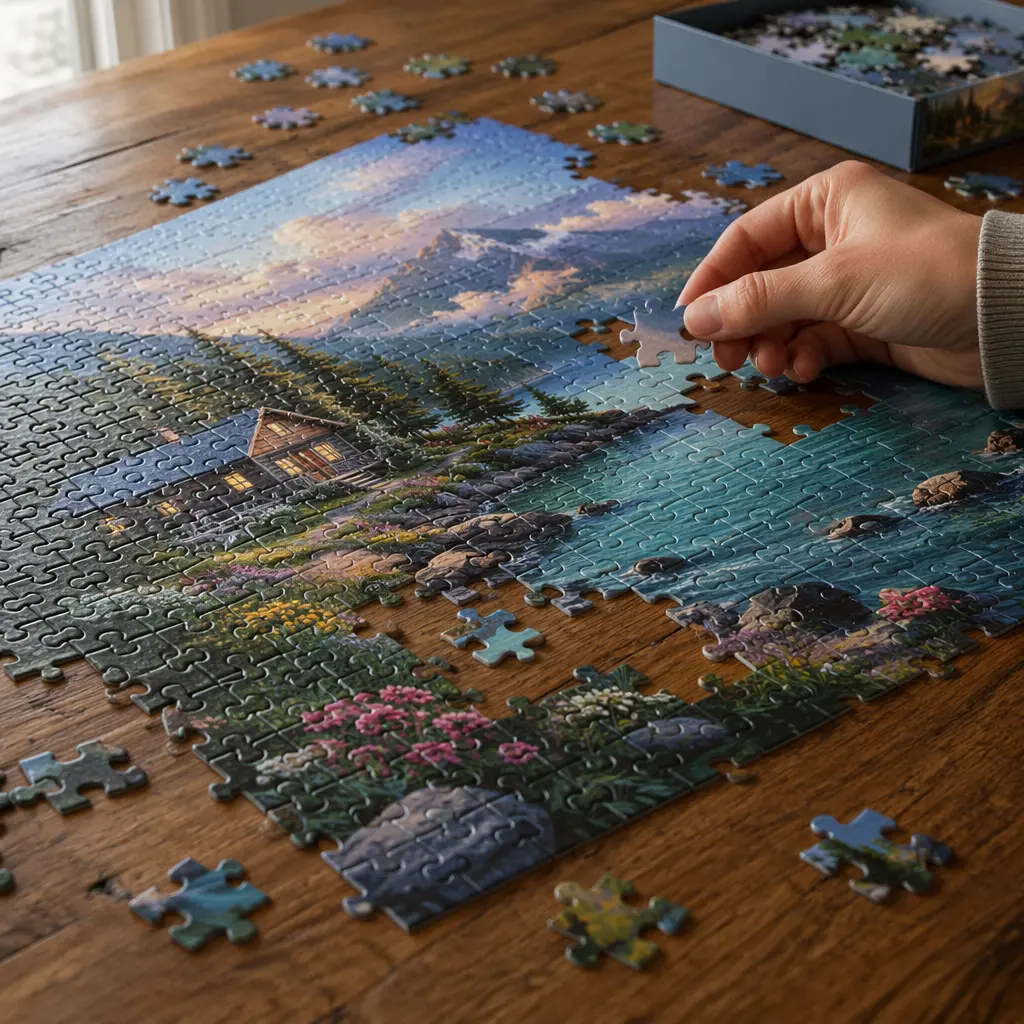
For more than a century, Ravensburger jigsaw puzzles have set a gold standard for precision cutting, calming focus, and family-friendly challenge—turning quiet table time into a shared ritual.
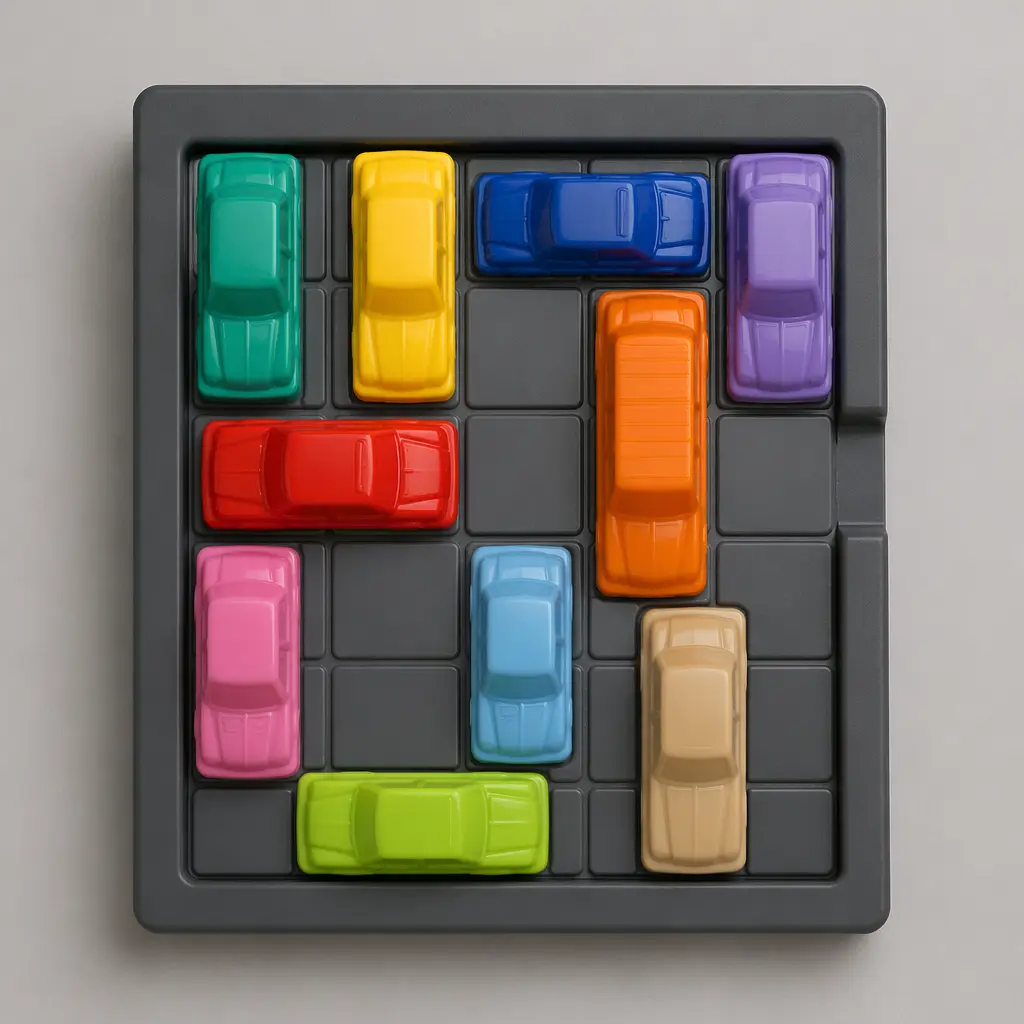
Since the mid‑1990s, Rush Hour has turned a simple grid of cars into a thinking game parents trust and kids return to. Here’s why this traffic jam puzzle became a logic classic.
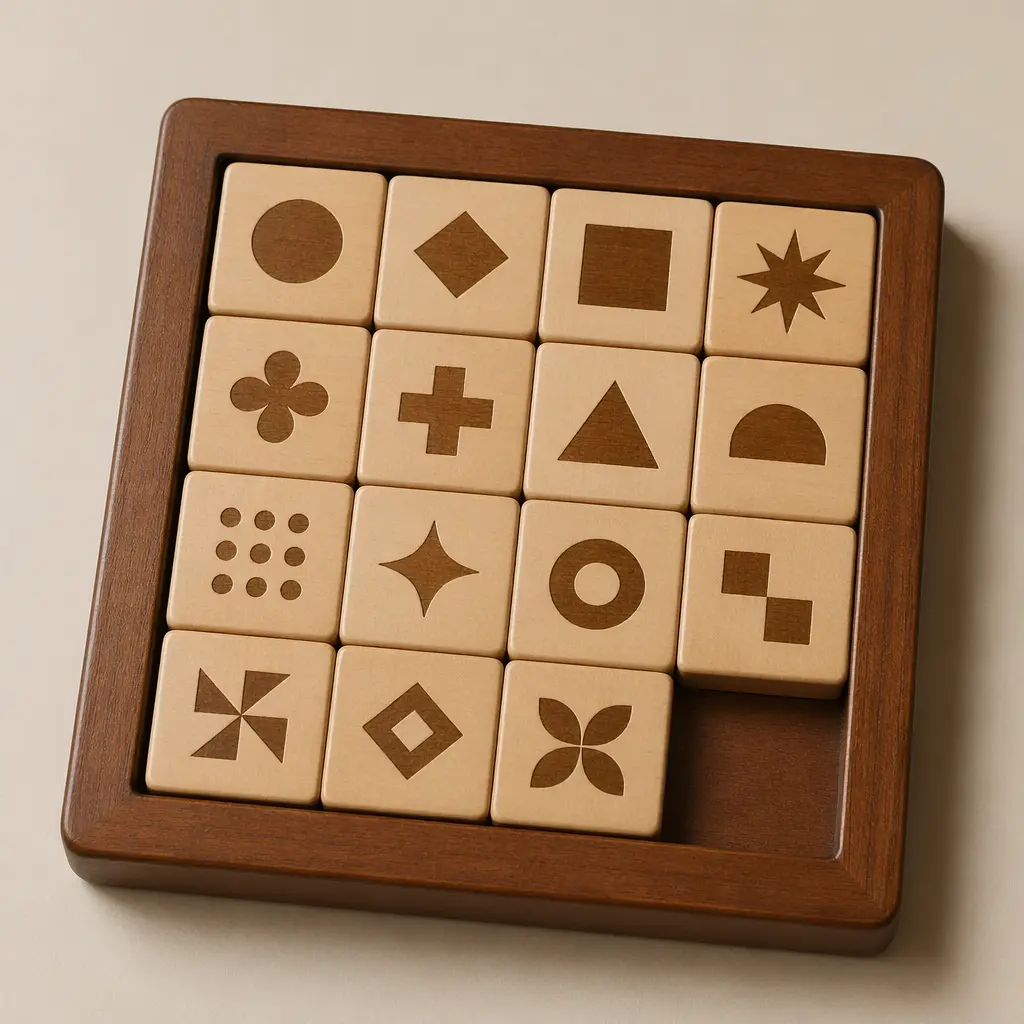
Invented in 1874, the 15‑Puzzle turned simple sliding tiles into one of history’s first puzzle manias—blending math, patience, and a design that still captivates today.
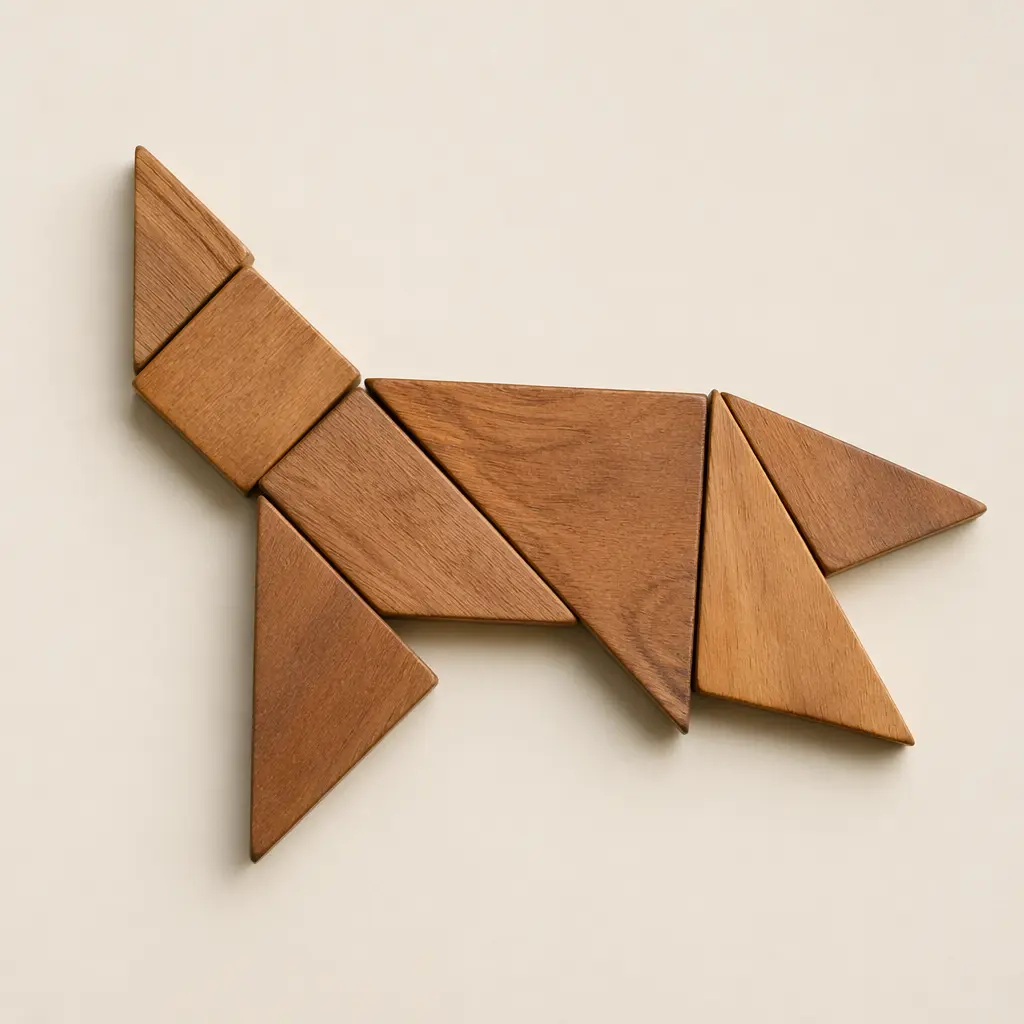
Born centuries ago, the tangram is a seven-piece shape puzzle that still captivates kids and adults. Simple parts, endless patterns—and a quiet lesson in spatial thinking.
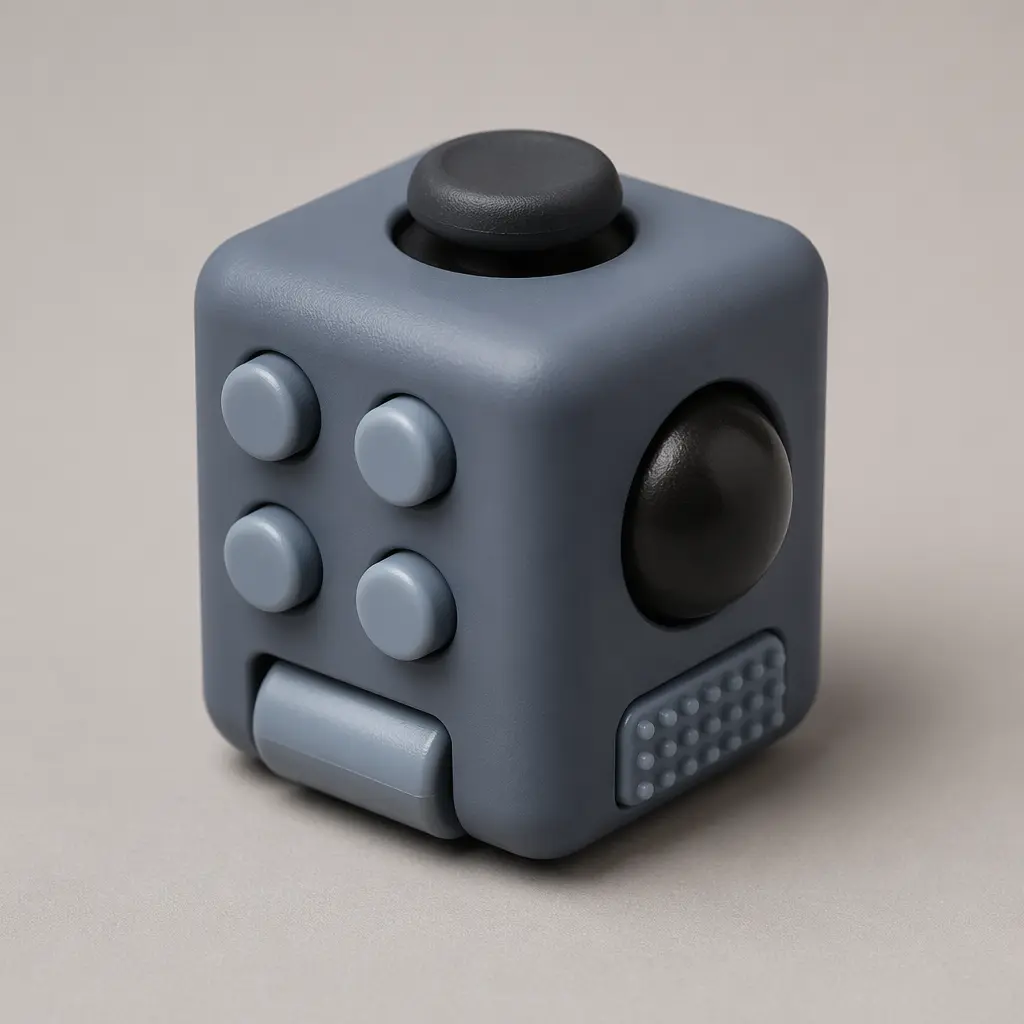
Born in 2016, the Fidget Cube turned everyday fidgeting into a pocket-sized toy. Its mix of clicks, spins, and textures explains why it spread so fast—and why it still resonates.
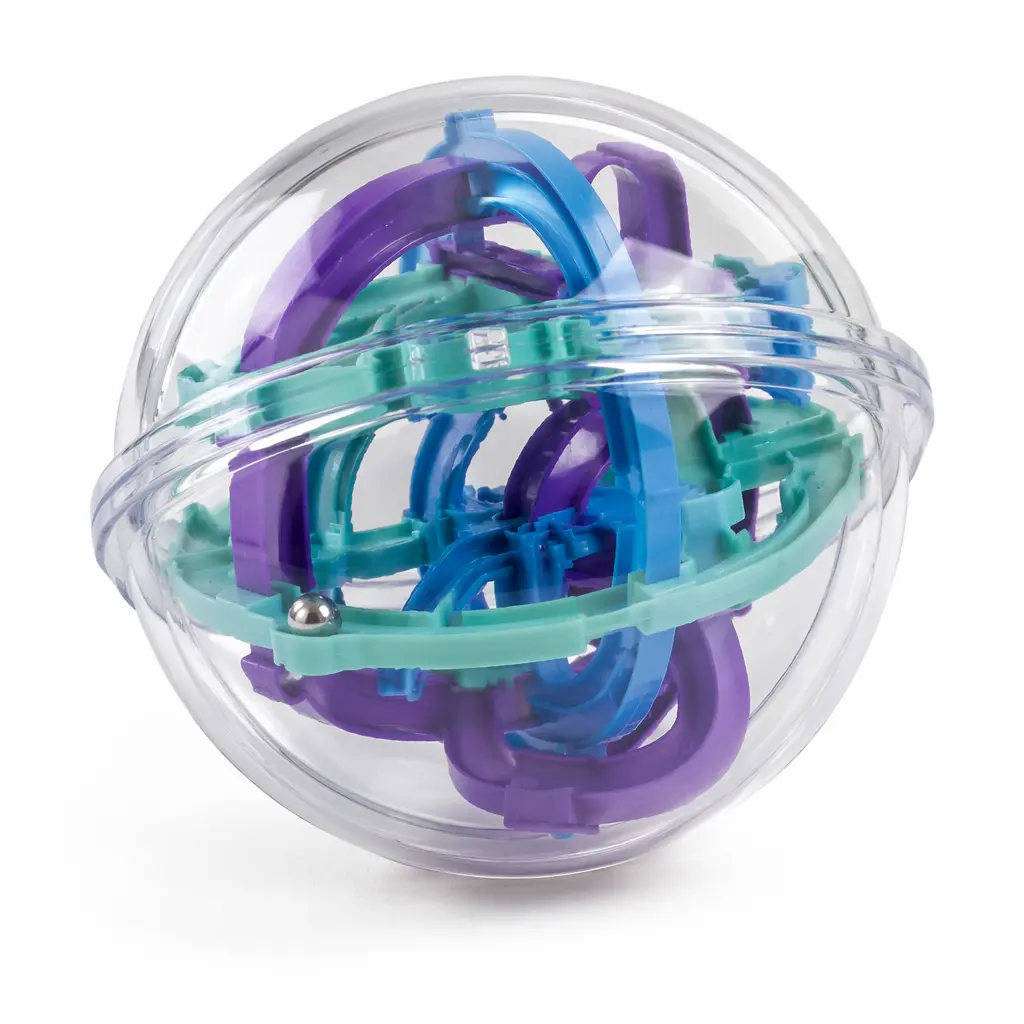
Perplexus turned a transparent sphere into a test of balance, patience, and spatial reasoning. Launched in the early 2000s, it helped bring hands-on, screen-free puzzle play back into the spotlight.
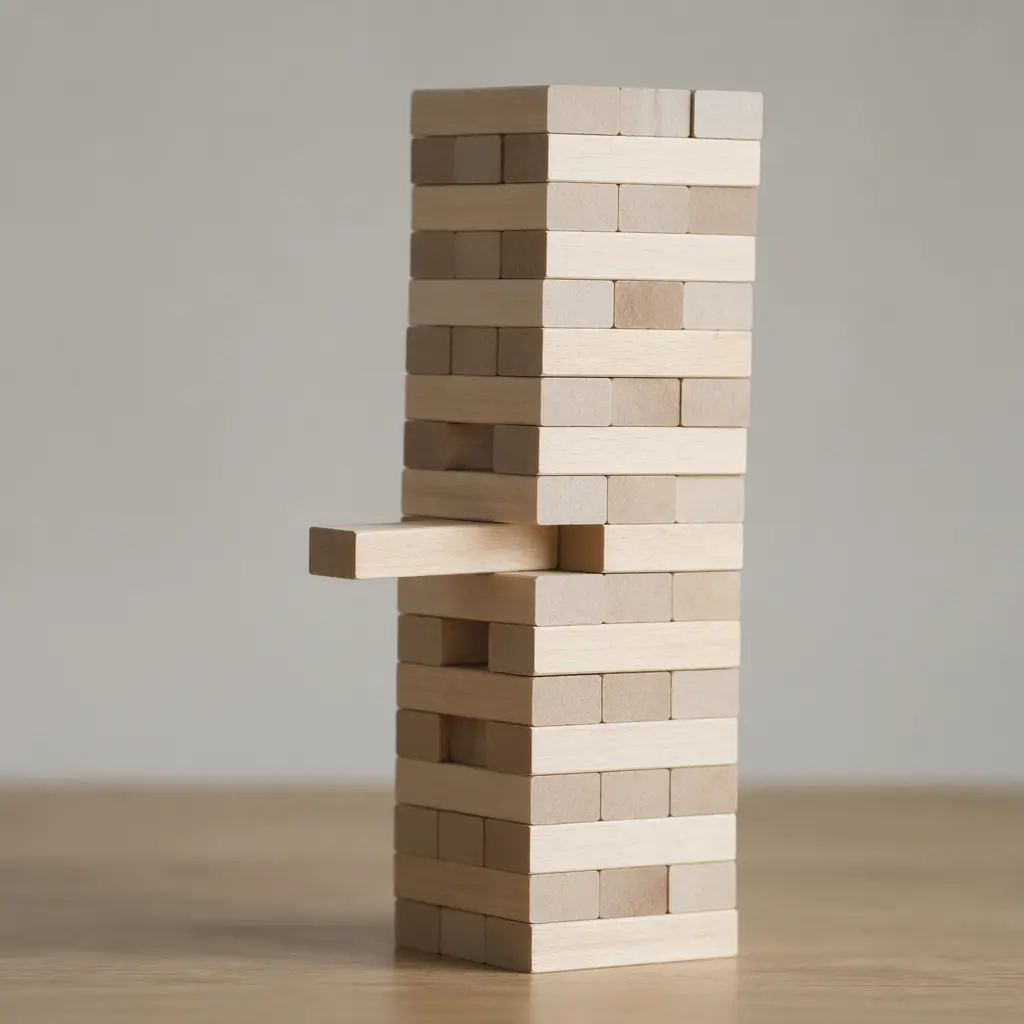
Since the early 1980s, Jenga has turned a simple wooden tower into one of the most nerve‑wracking games ever made, proving that balance, patience, and shaky hands can be endlessly entertaining.
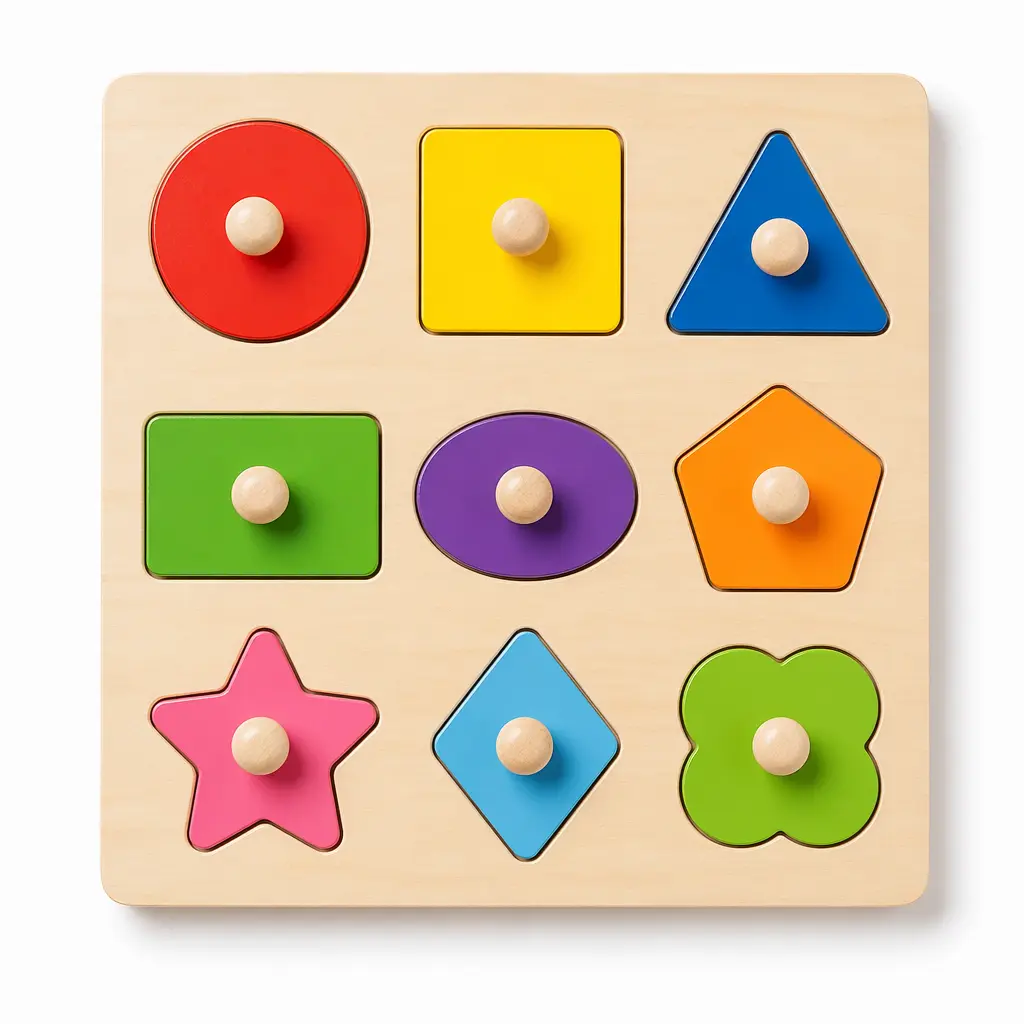
From chunky peg boards to tidy tray puzzles, Melissa & Doug’s wooden puzzles became a dependable staple of early childhood play by focusing on durability, clarity, and hands-on learning.
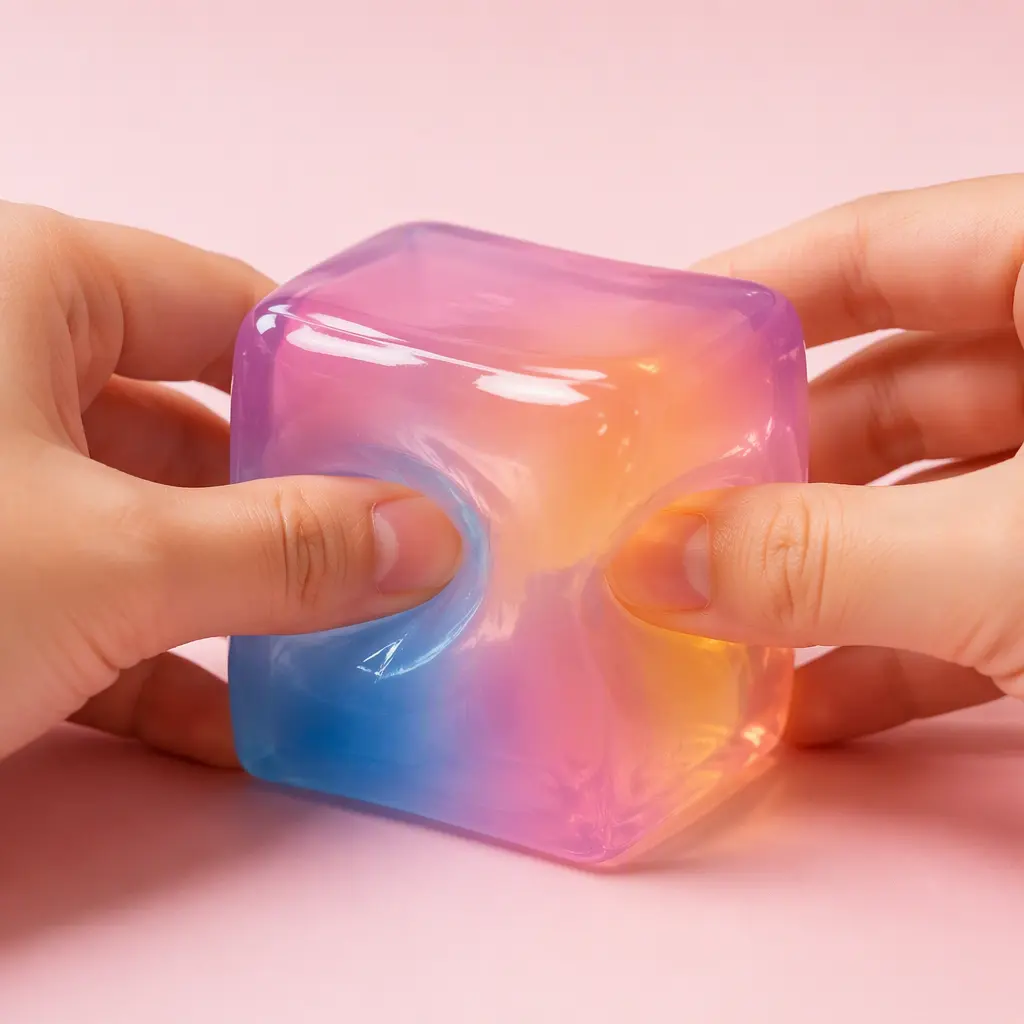
NeeDoh helped bring sensory play into the mainstream, turning a simple squishy ball into a go-to tool for stress relief, focus, and fidget-friendly fun across ages.
Invented in 1974, the Rubik’s Cube became a global obsession through smart design and endless challenge. This profile looks at its origins, why it works, and what to know if you want one today.