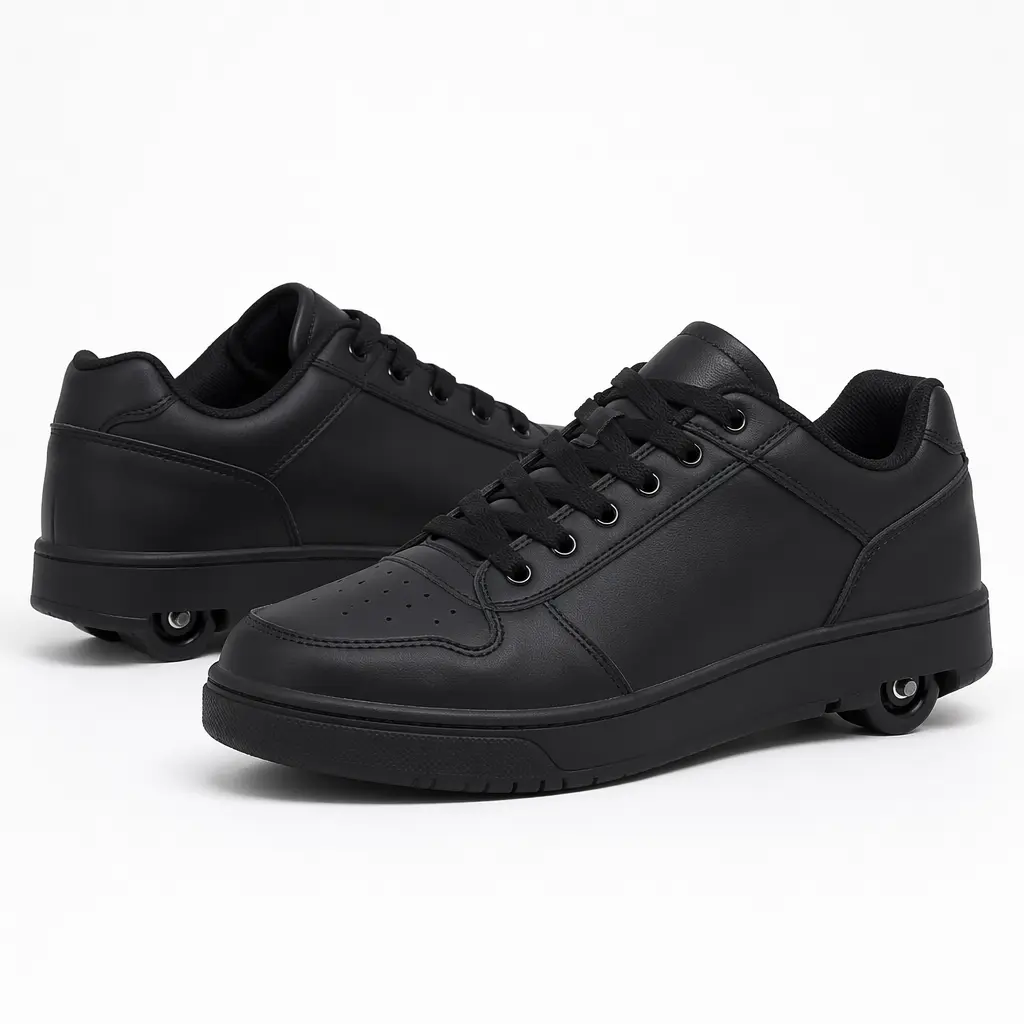
Heelys: When everyday shoes learned to roll
Around 2000, Heelys turned walking into a trick by hiding a wheel in the heel. This profile looks at where they came from, why kids loved them, and what to know if you’re eyeing a pair today.
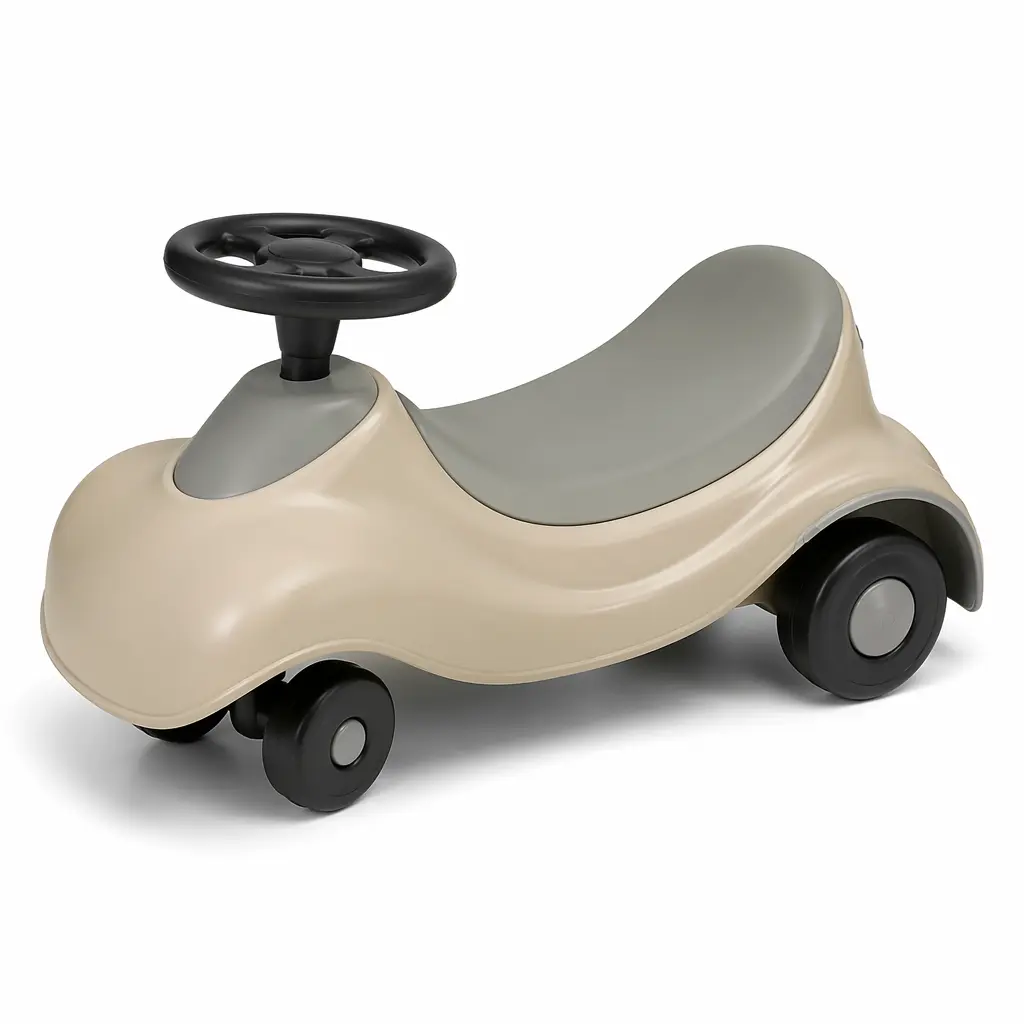
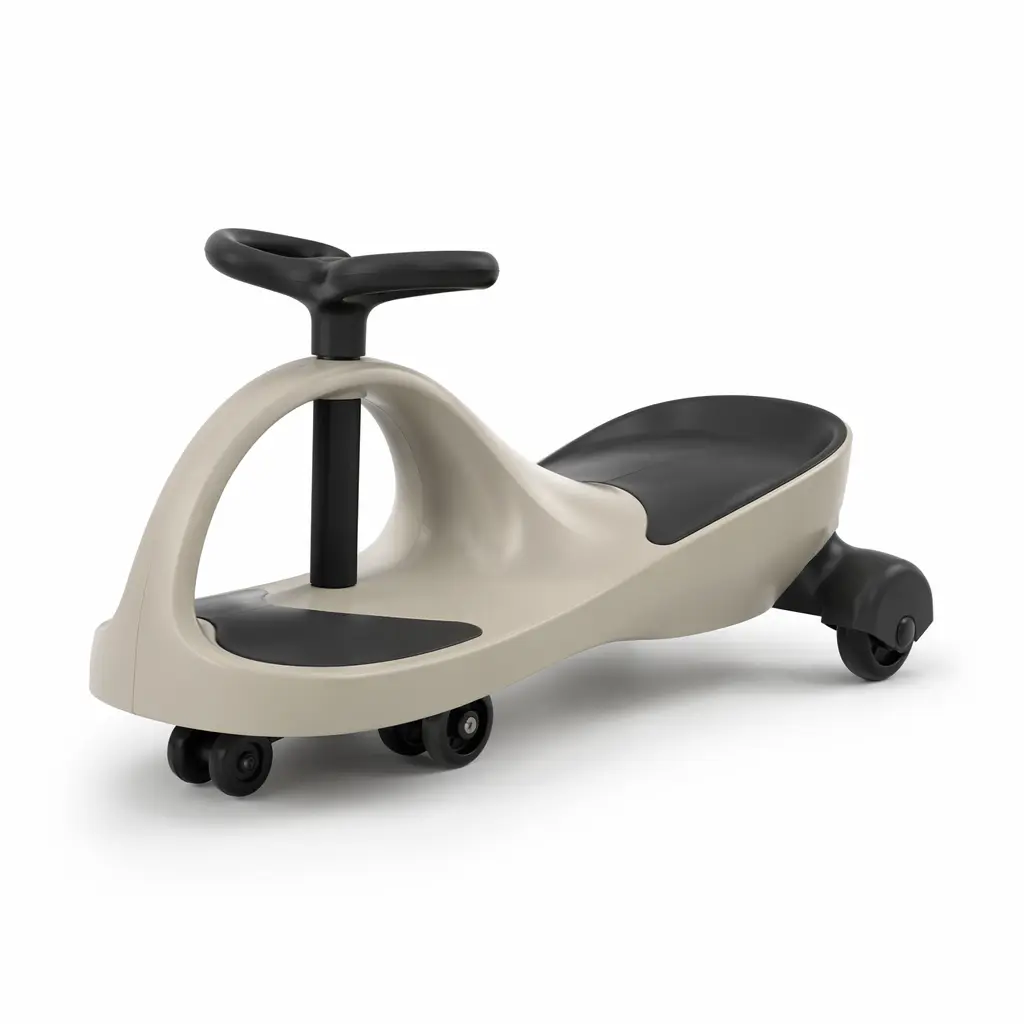
The Wiggle Car looks simple, but its twist-to-go motion teaches kids balance and coordination—no pedals, batteries, or charging required.
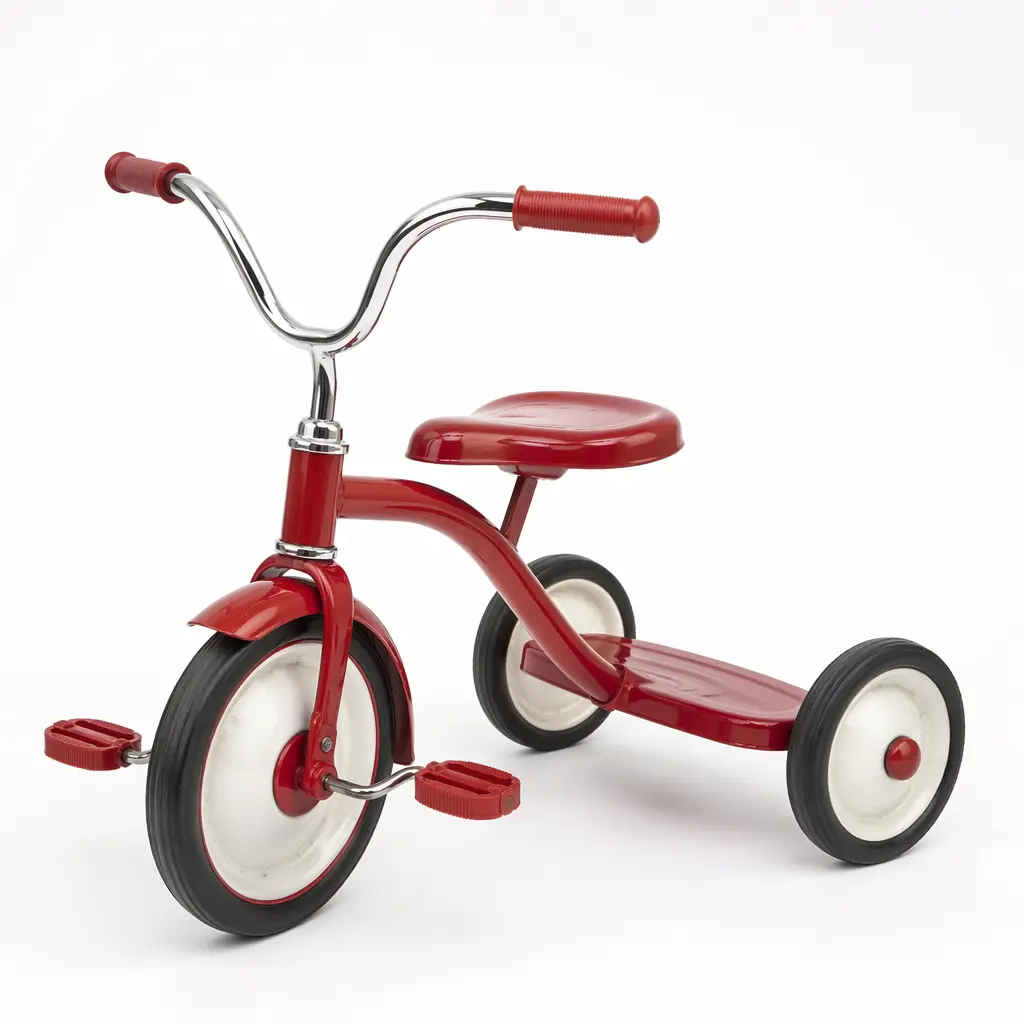
Since the 1920s, the Radio Flyer tricycle has marked a milestone: a child’s first taste of riding under their own power. Its simple, sturdy design helped make learning to pedal a shared childhood memory.
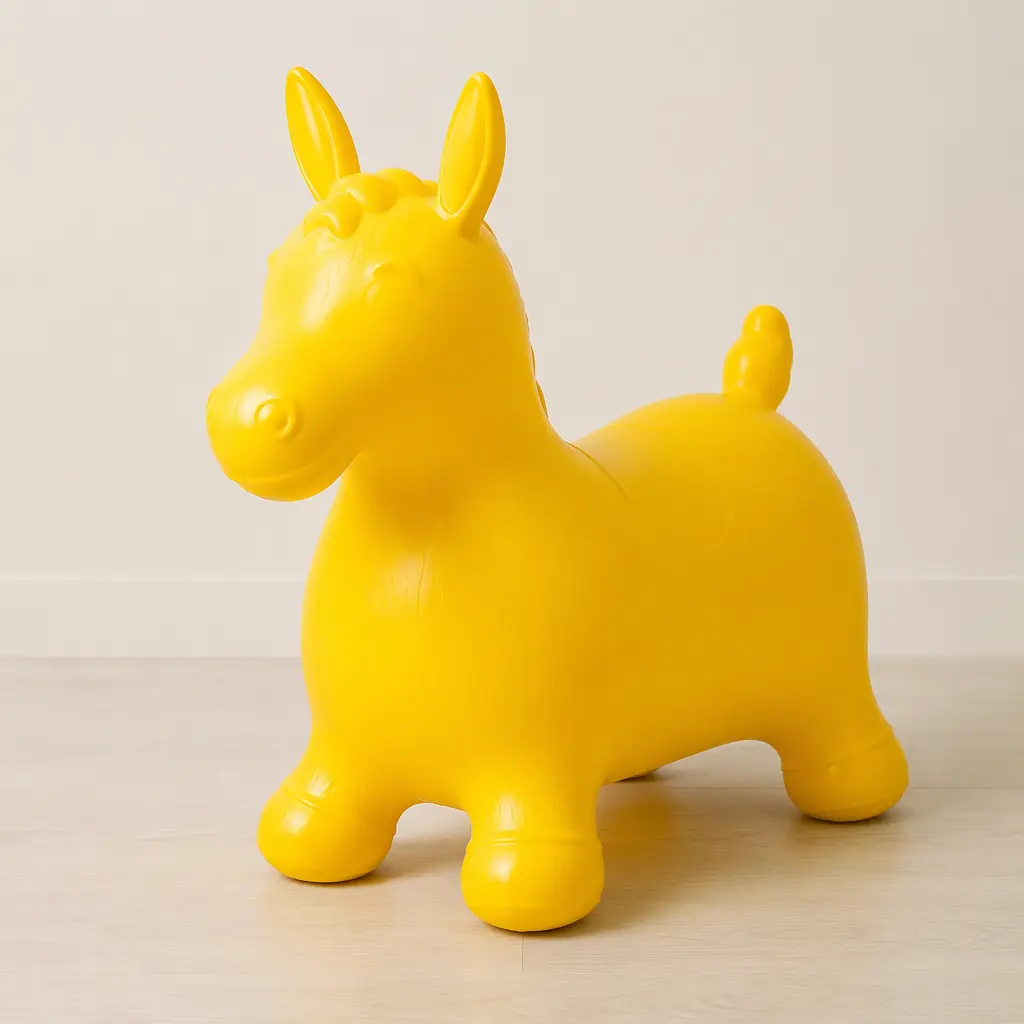
Long before screens, the rocking horse offered motion, imagination, and calm. This profile explores where it came from, why the simple design endures, and what parents should know when choosing one today.
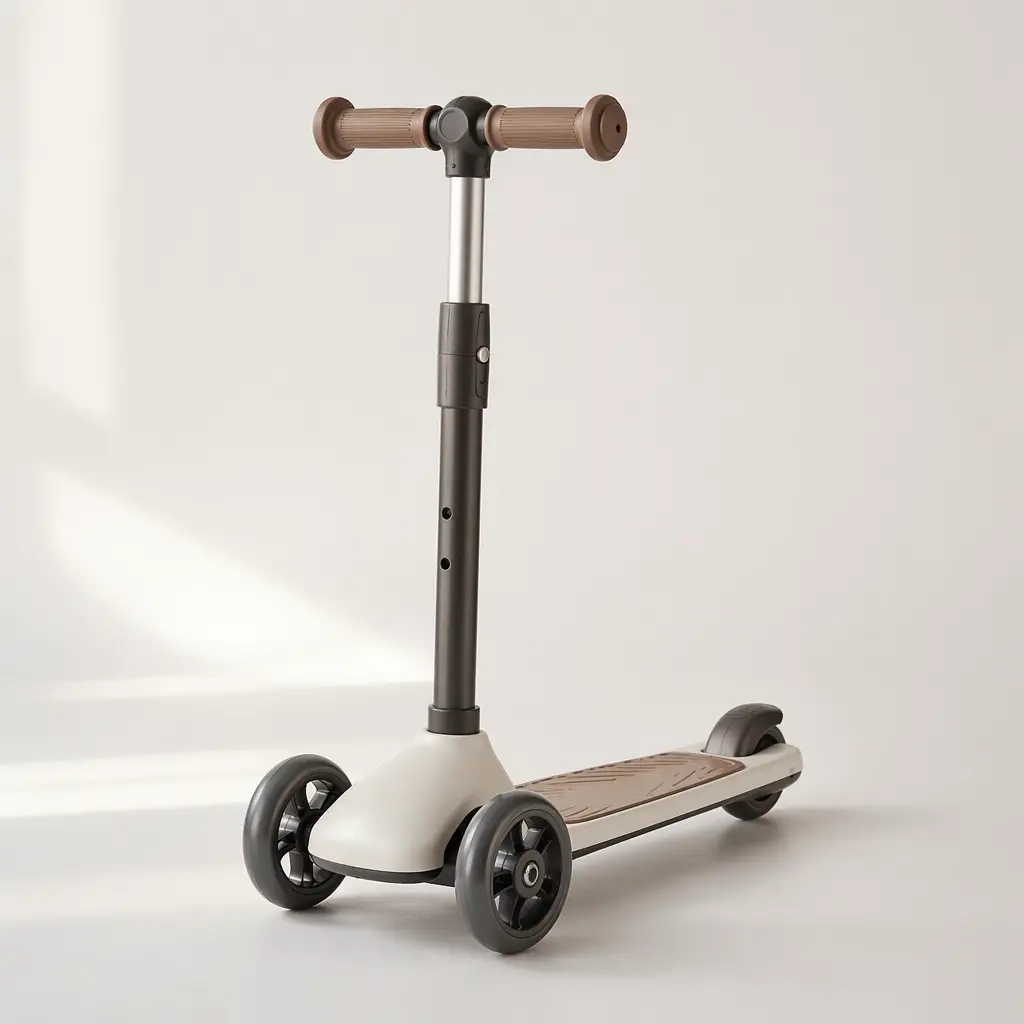
Born in Switzerland, Micro Kickboard scooters helped turn scooting into everyday family transport, prized for smooth glide, smart design, and kid-friendly control.
Explore versatile outdoor toys and play gear that stay engaging from early elementary years through age 10, with tips on durability, safety, and long-term play value.
Explore durable remote-control toys for teens that stay fully offline, with tips on range, battery life, repairability, and age-appropriate features for stress-free play.
Explore low-mess, no-battery art kits designed for kids ages 6–8 to open, use, and enjoy with minimal adult help. Find key features, age tips, and creative kit types to consider.
Explore classic doll sets for toddlers ages 1–2 that support nurturing, pretend play, and early social skills without lights, sounds, or complicated electronics.
A parent-friendly guide to washable plush toys for children with allergies, including fabric choices, filling types, cleaning durability, and age-appropriate features for ages 3–5.
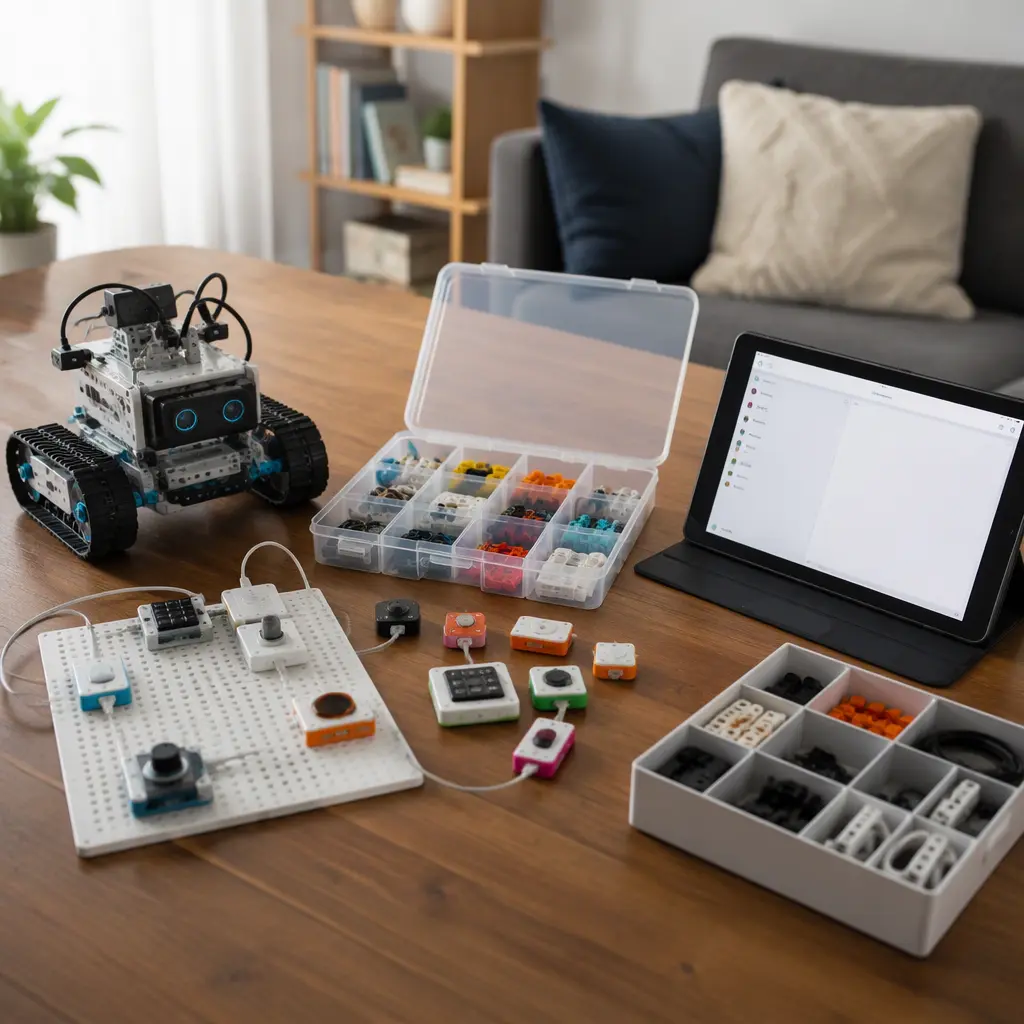
Explore beginner circuit toys that teach wiring, switches, and cause-and-effect without apps or screens. This guide covers what to look for, age fit, safety, and popular kit styles for ages 9–12.
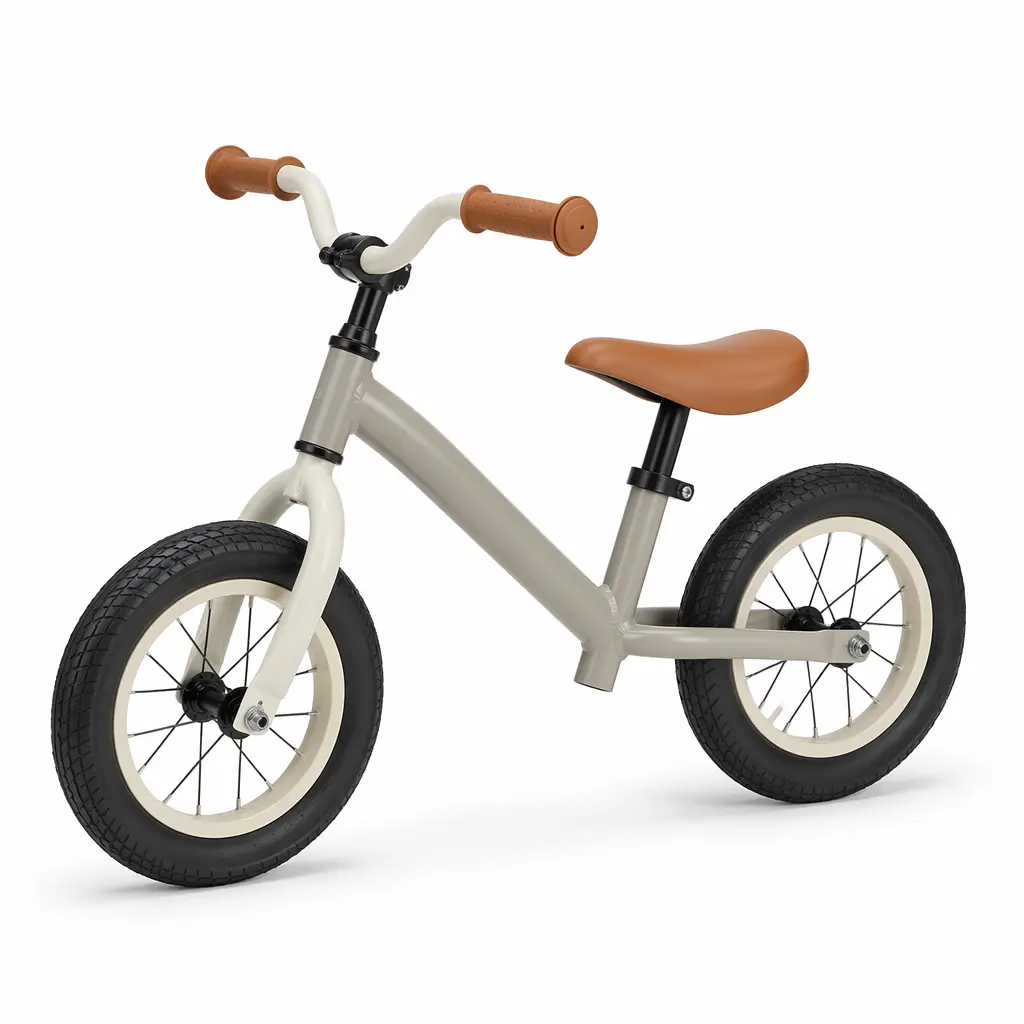
Balance bikes changed how children learn to cycle by focusing on balance first, not pedalling. The result: quicker learning, fewer tears, and confident riders who often skip training wheels altogether.
Since 1984, Power Wheels ride-ons have let children steer, pedal and park on their own terms—turning the driveway into a first taste of independence.
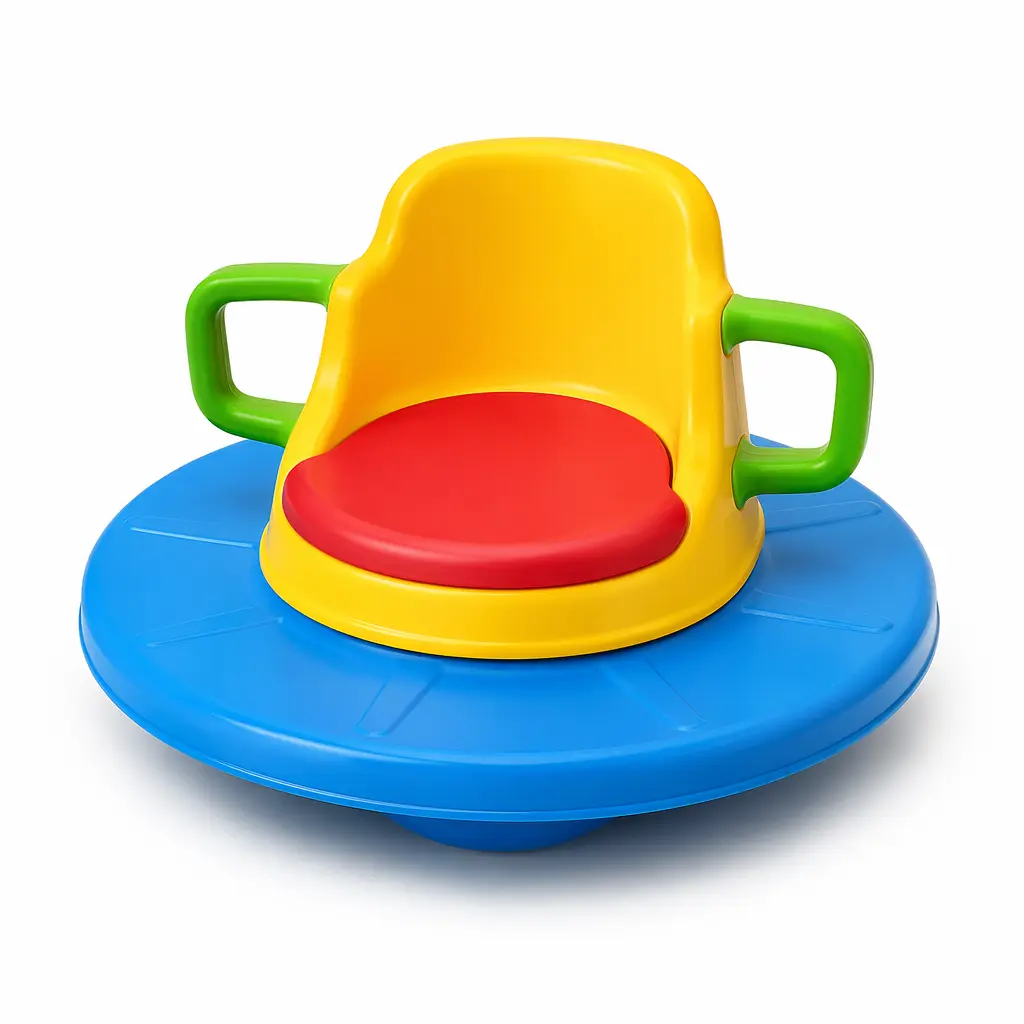
First sold in the 1970s, the Sit ’n Spin turned a simple idea—twisting side handles while seated—into an indoor energy burner kids still love.
Introduced in the early 2000s, the PlasmaCar showed that kids don’t need pedals or batteries to roll—just a clever design that turns wiggling into forward motion.
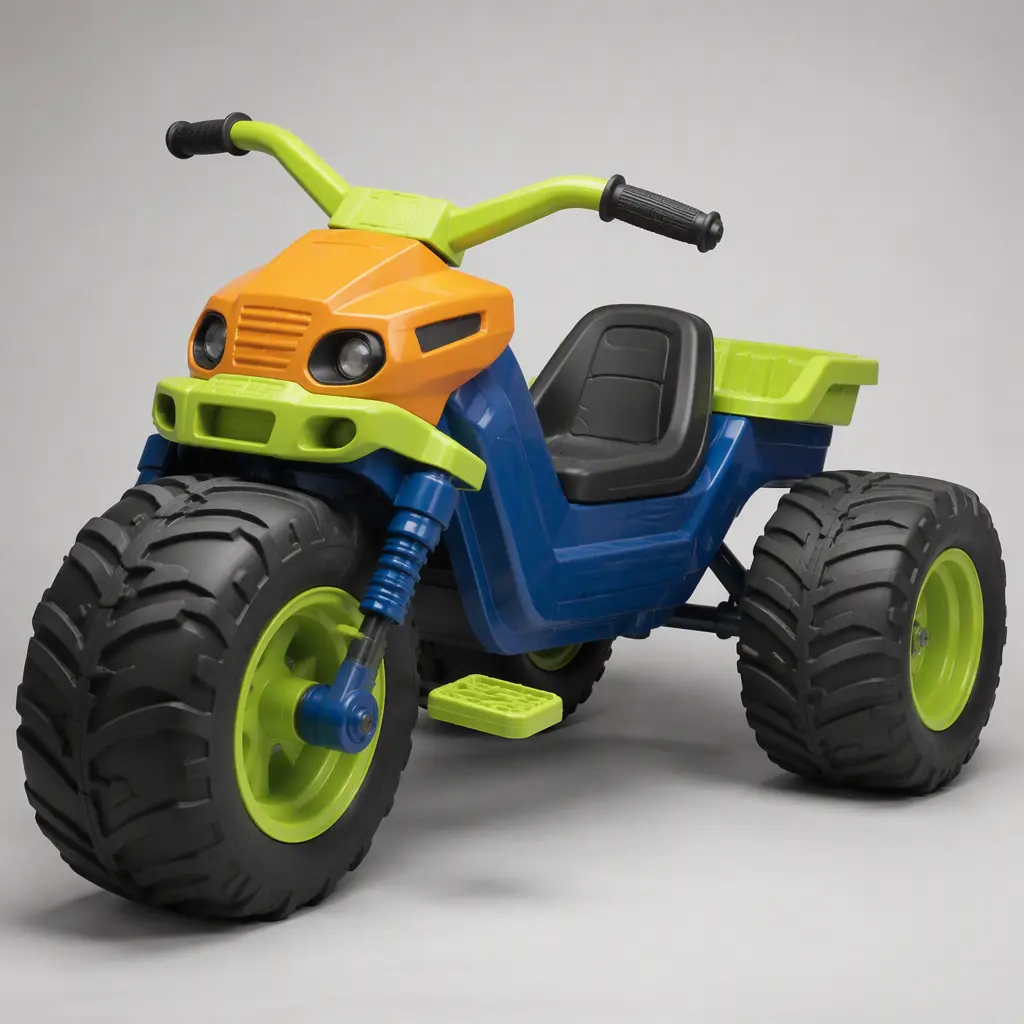
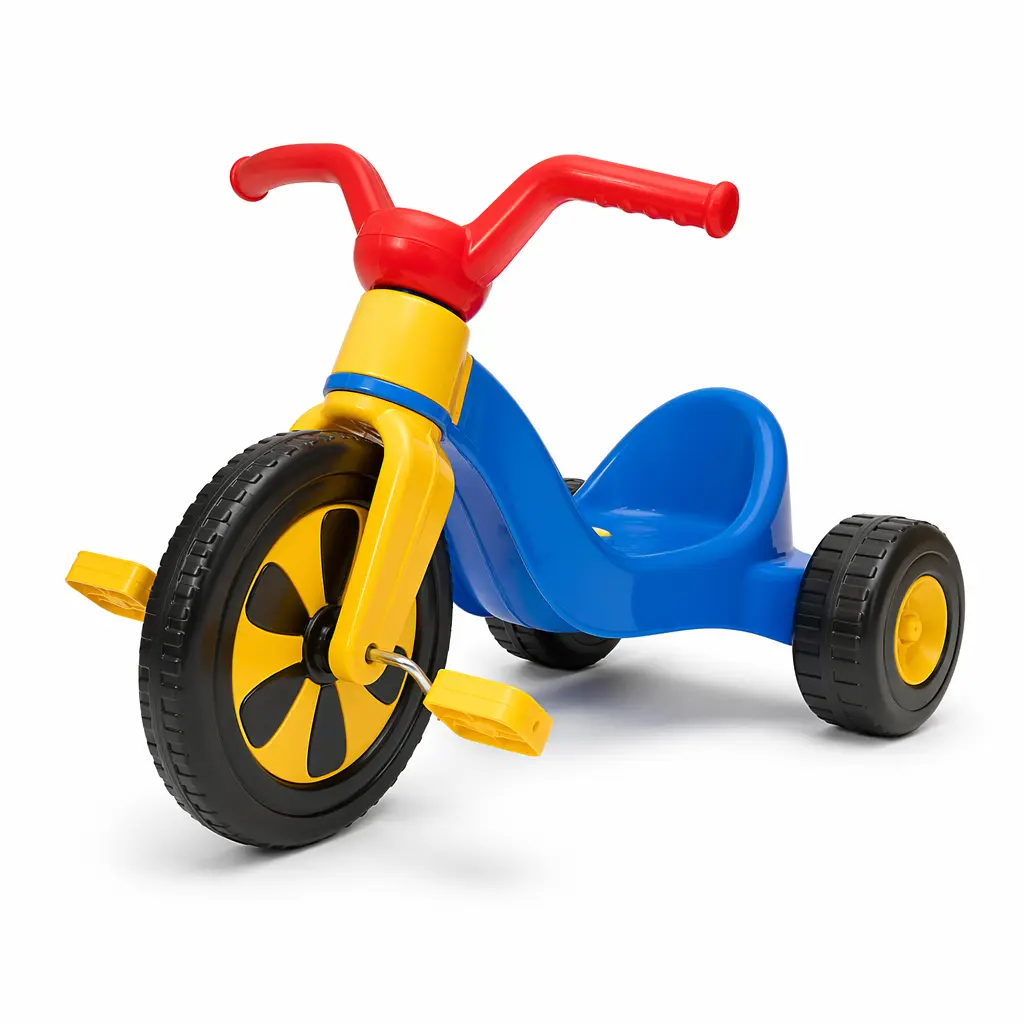
Introduced in 1969, the Big Wheel turned a low plastic trike into a rite of passage—teaching generations balance, bravery, and the thrill of speed just inches off the ground.
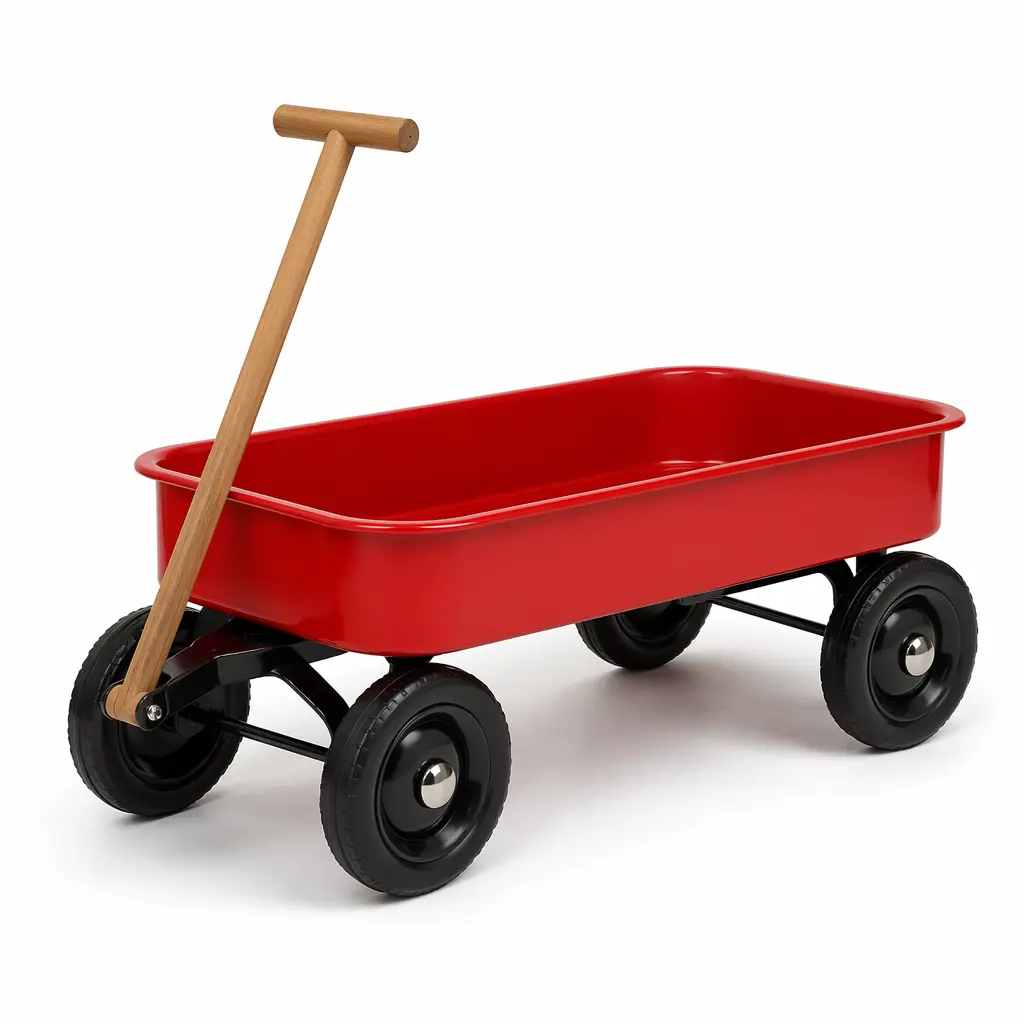
For more than a century, the Radio Flyer wagon has symbolised childhood independence—hauling toys, siblings and imaginations down sidewalks across generations.
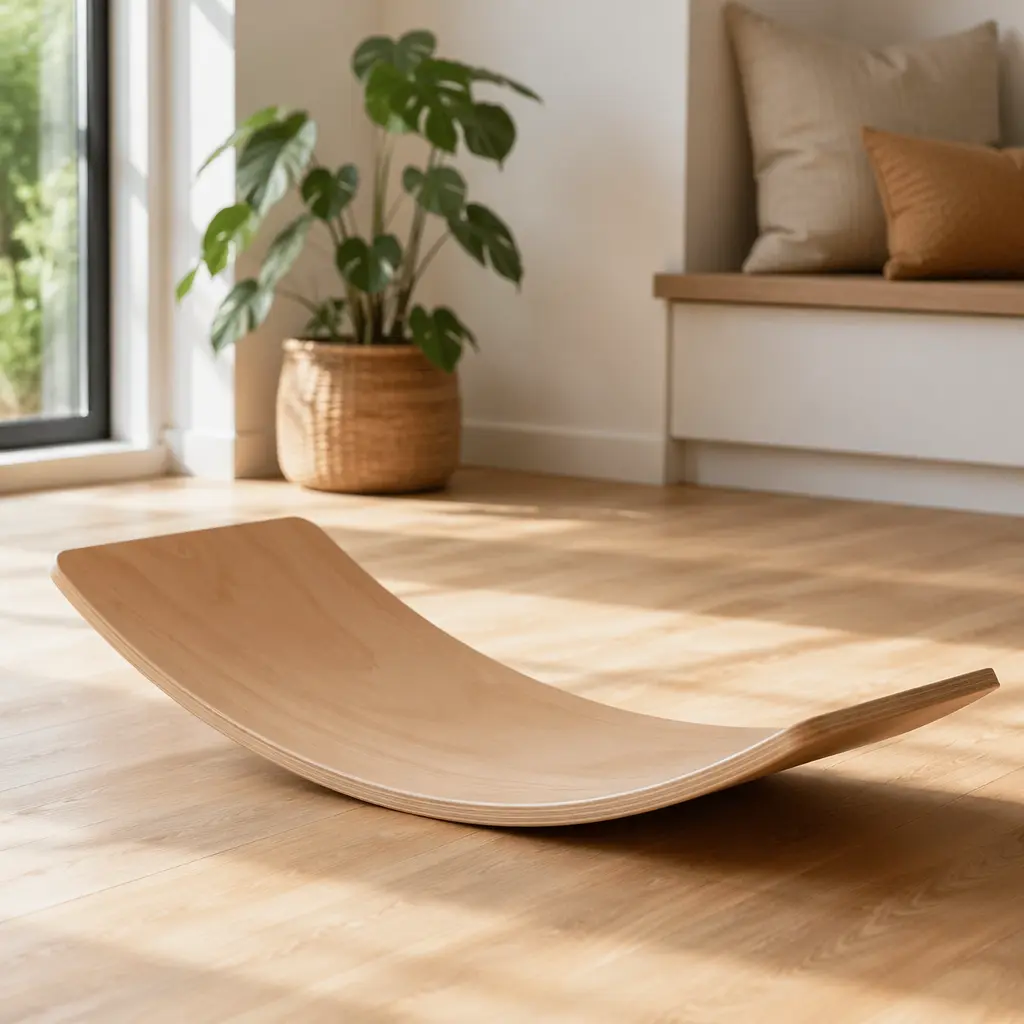
Born in the 2010s, the Wobbel balance board helped make open‑ended movement play mainstream. This profile looks at where it came from, why kids keep using it, and what to know before buying one today.
Born in 2007, Strider balance bikes helped rewrite how kids learn to ride. By removing pedals, they focused on balance first—simplifying the learning curve and reshaping early cycling worldwide.
Since 1979, the Little Tikes Cozy Coupe has been a first set of wheels for millions—simple, durable, and endlessly replayable. Here’s how a foot-powered red car earned its place in family lore.
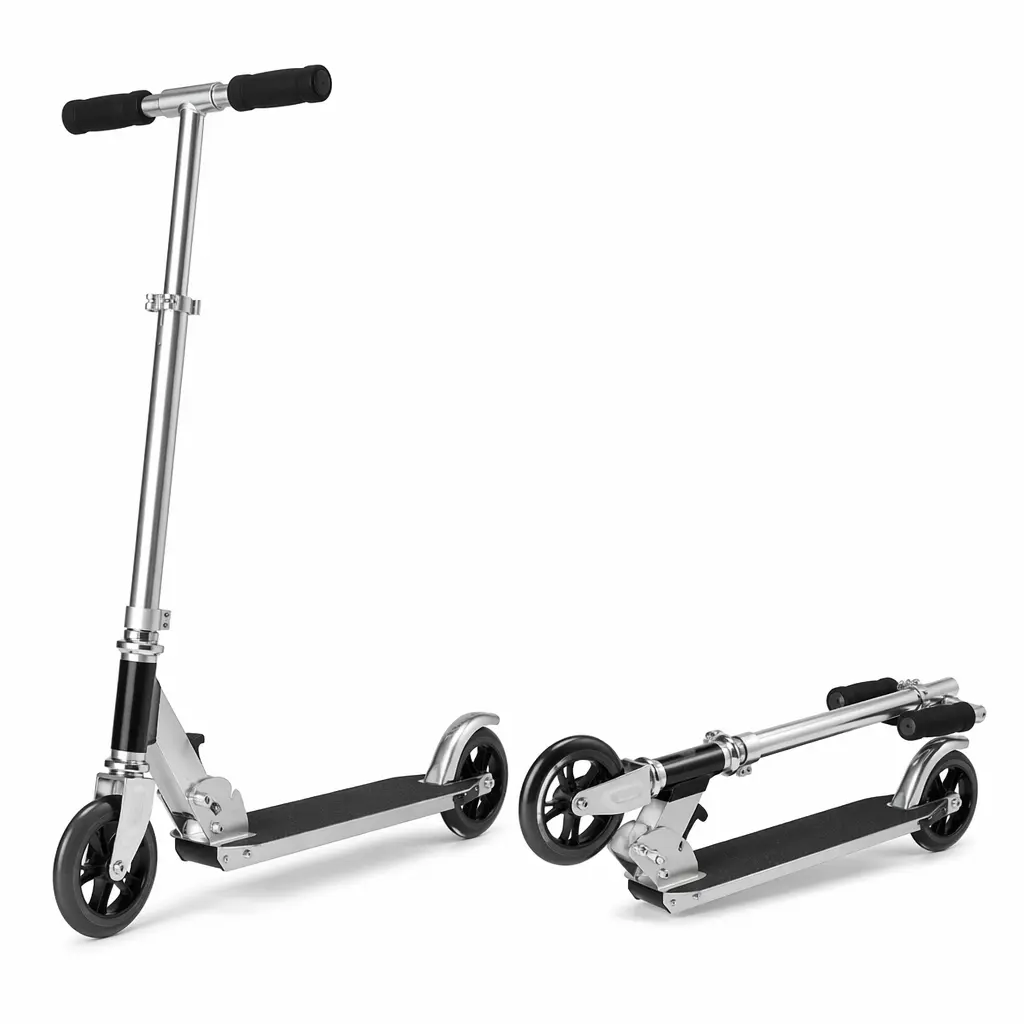
Born around 2000, the Razor Scooter turned simple aluminium engineering into a global playground staple. Here’s how it started, why it lasted, and what to look for if you want one today.