Playground Parachute: The giant fabric game that taught teamwork
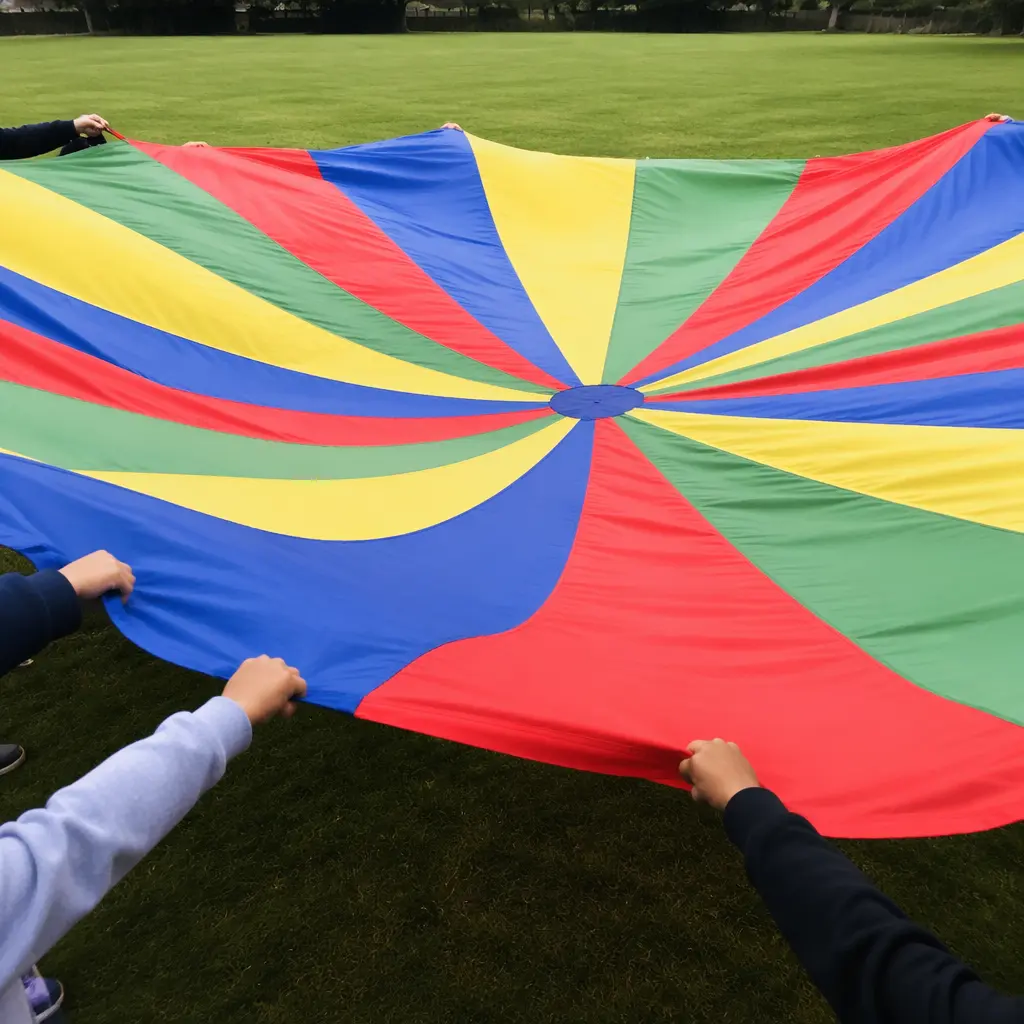
The playground parachute turned gyms and schoolyards into cooperative play spaces, using nothing more than a circle of fabric to teach timing, rhythm, movement, and shared fun.
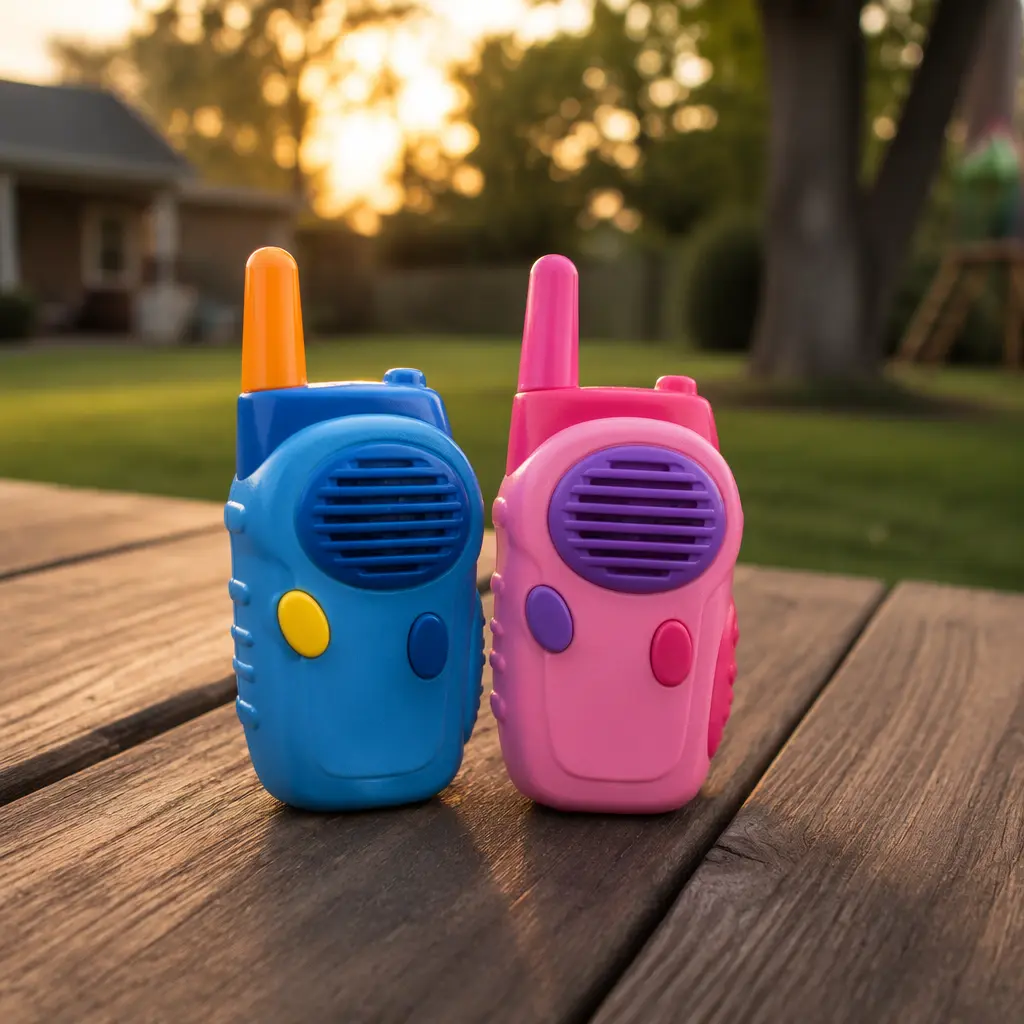
Long before smartphones, walkie talkies gave kids private channels for backyard missions, neighborhood games, and imaginative teamwork. Their simple push-to-talk design still holds up today.
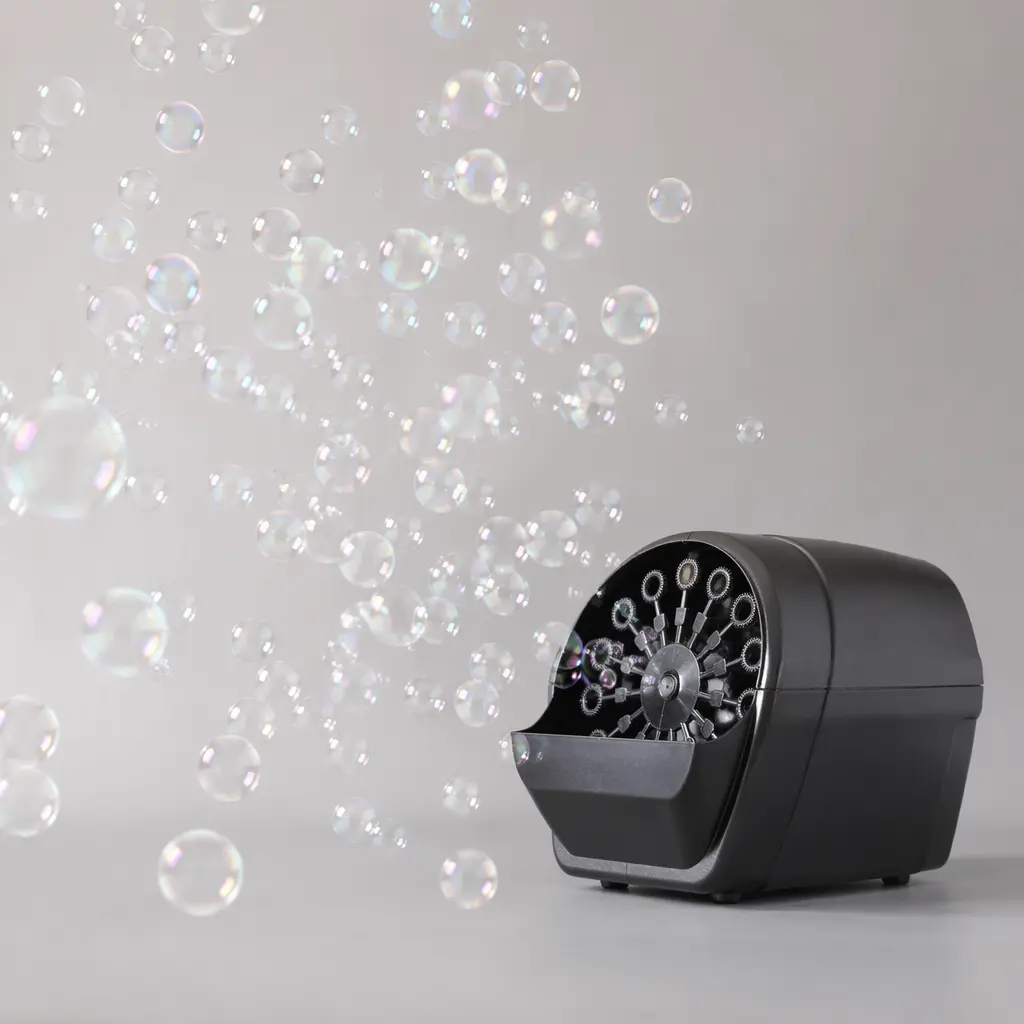
Once a momentary delight, bubbles became a set‑and‑play staple with the rise of bubble machines. Here’s how automated bubbles won backyards, parties, and parks—and what to know now.
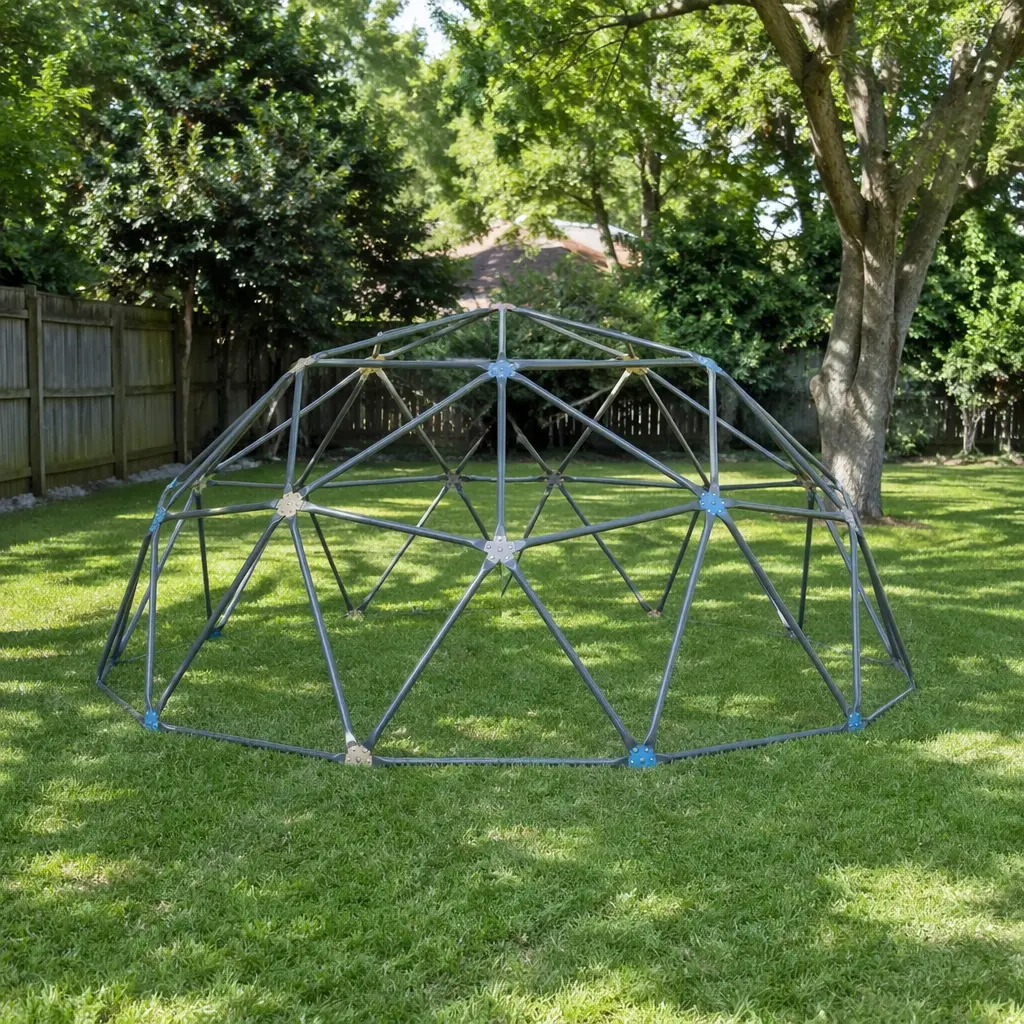
Geodesic climbing domes took the big, confidence-building challenge of playground frames and shrank it for back gardens, giving kids a safe way to climb, hang, and invent their own outdoor games.
Long before screens, marbles taught aim, counting, and patience. This profile traces the toy’s ancient roots, why its simple physics still work, and what to look for if you’re buying a set today.
Explore versatile outdoor toys and play gear that stay engaging from early elementary years through age 10, with tips on durability, safety, and long-term play value.
Explore durable remote-control toys for teens that stay fully offline, with tips on range, battery life, repairability, and age-appropriate features for stress-free play.
Explore low-mess, no-battery art kits designed for kids ages 6–8 to open, use, and enjoy with minimal adult help. Find key features, age tips, and creative kit types to consider.
Explore classic doll sets for toddlers ages 1–2 that support nurturing, pretend play, and early social skills without lights, sounds, or complicated electronics.
A parent-friendly guide to washable plush toys for children with allergies, including fabric choices, filling types, cleaning durability, and age-appropriate features for ages 3–5.
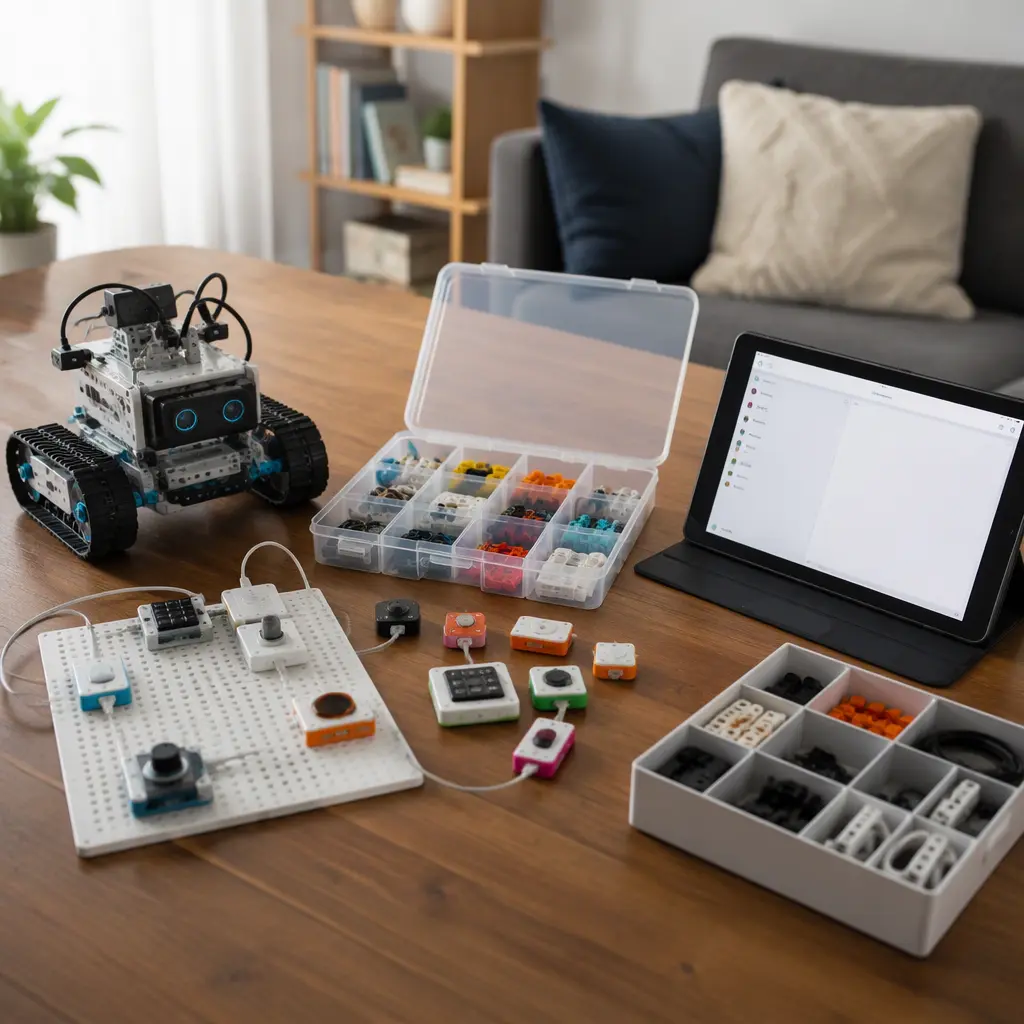
Explore beginner circuit toys that teach wiring, switches, and cause-and-effect without apps or screens. This guide covers what to look for, age fit, safety, and popular kit styles for ages 9–12.
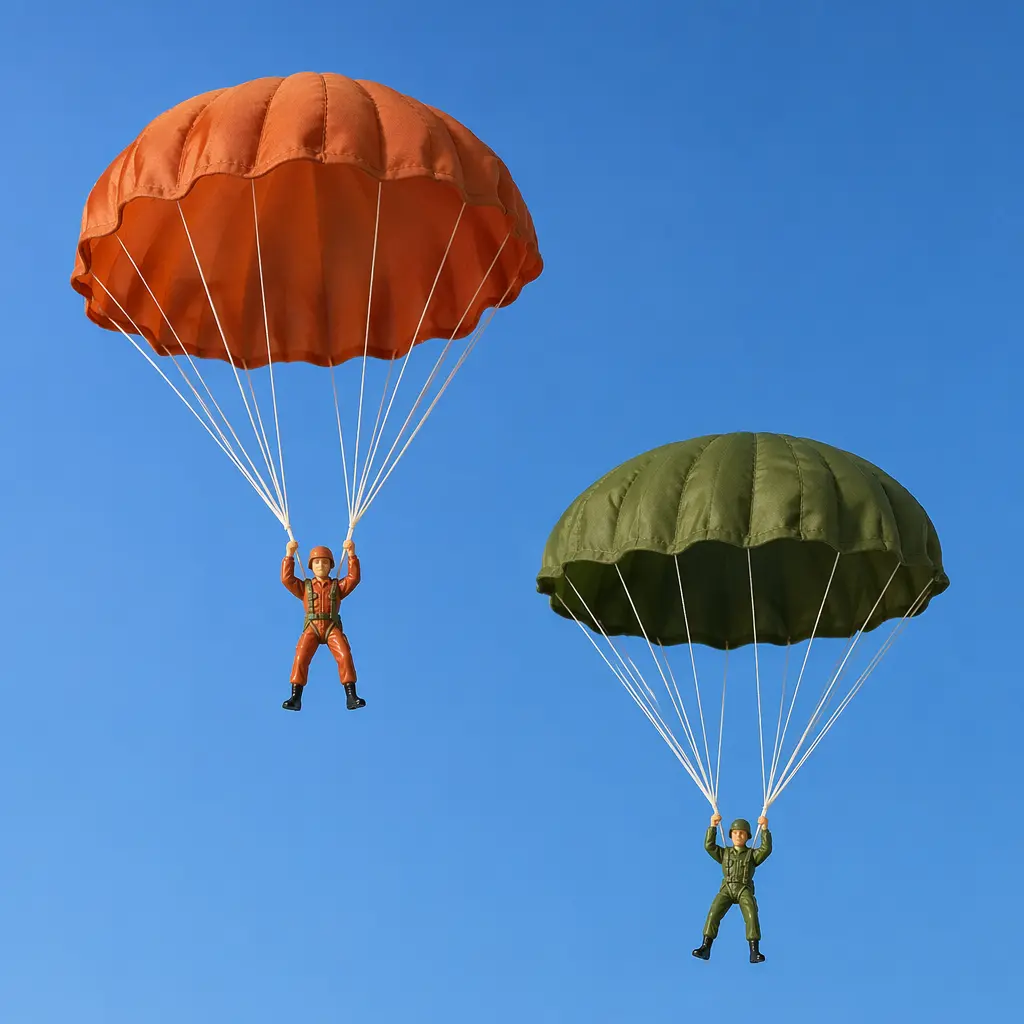
Parachute Men are pocket-sized toys built for big drops. From playground tosses to stairwell tests, their slow, drifting falls explain why this simple classic never lost its pull.
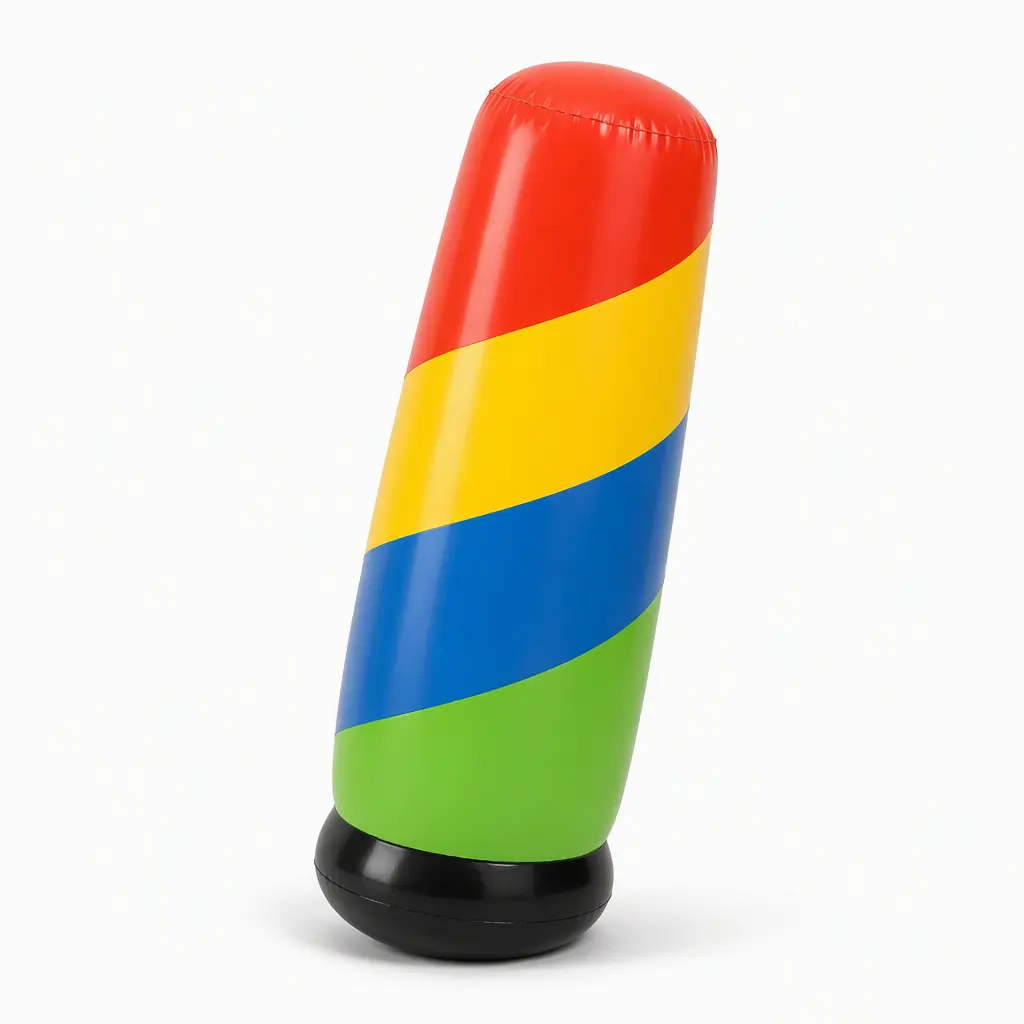
Socker Boppers turned backyard roughhousing into something parents could live with. Inflatable gloves, big laughs, and a clever safety-first pitch helped them become a 1990s playtime staple.
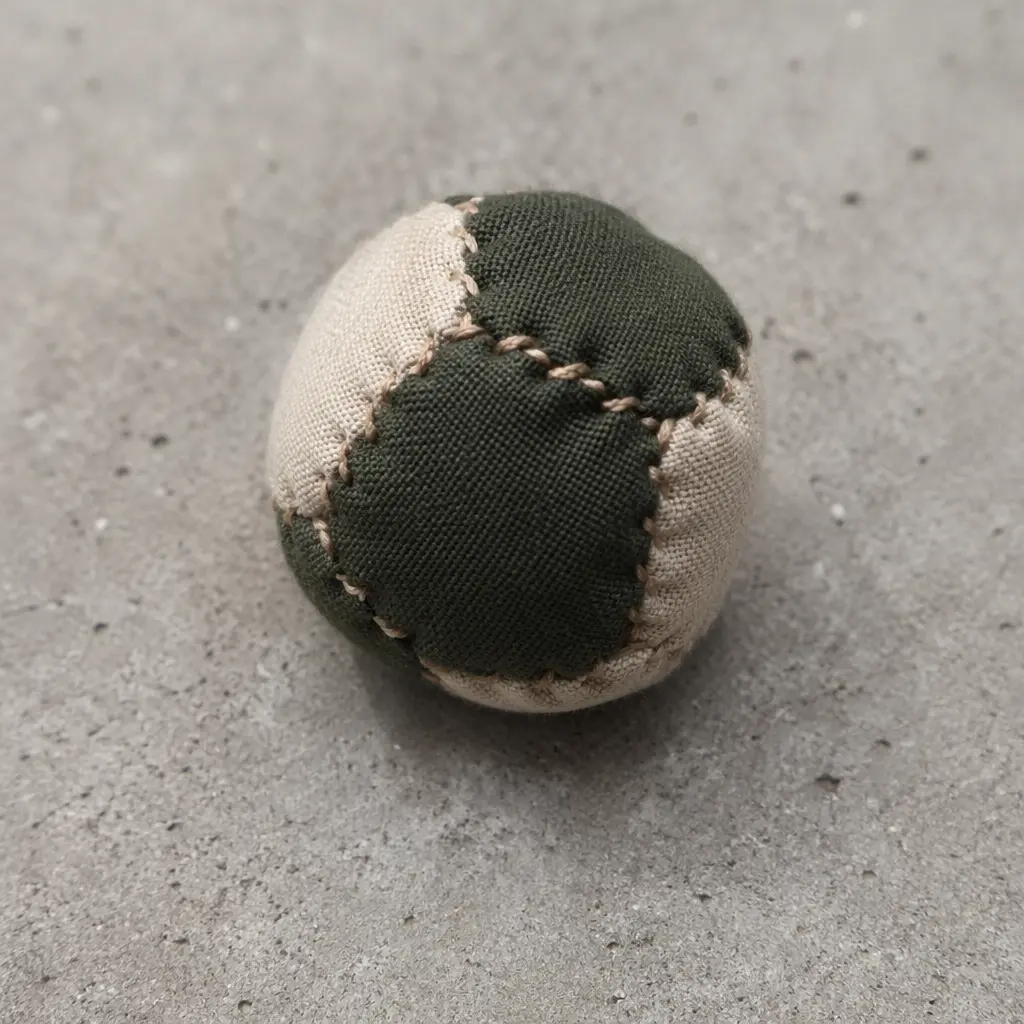
Born in the 1970s, the Hacky Sack turned a simple bean-filled ball into a cooperative, drop-in game. Its staying power comes from easy rules, social play, and a design that invites everyone in.
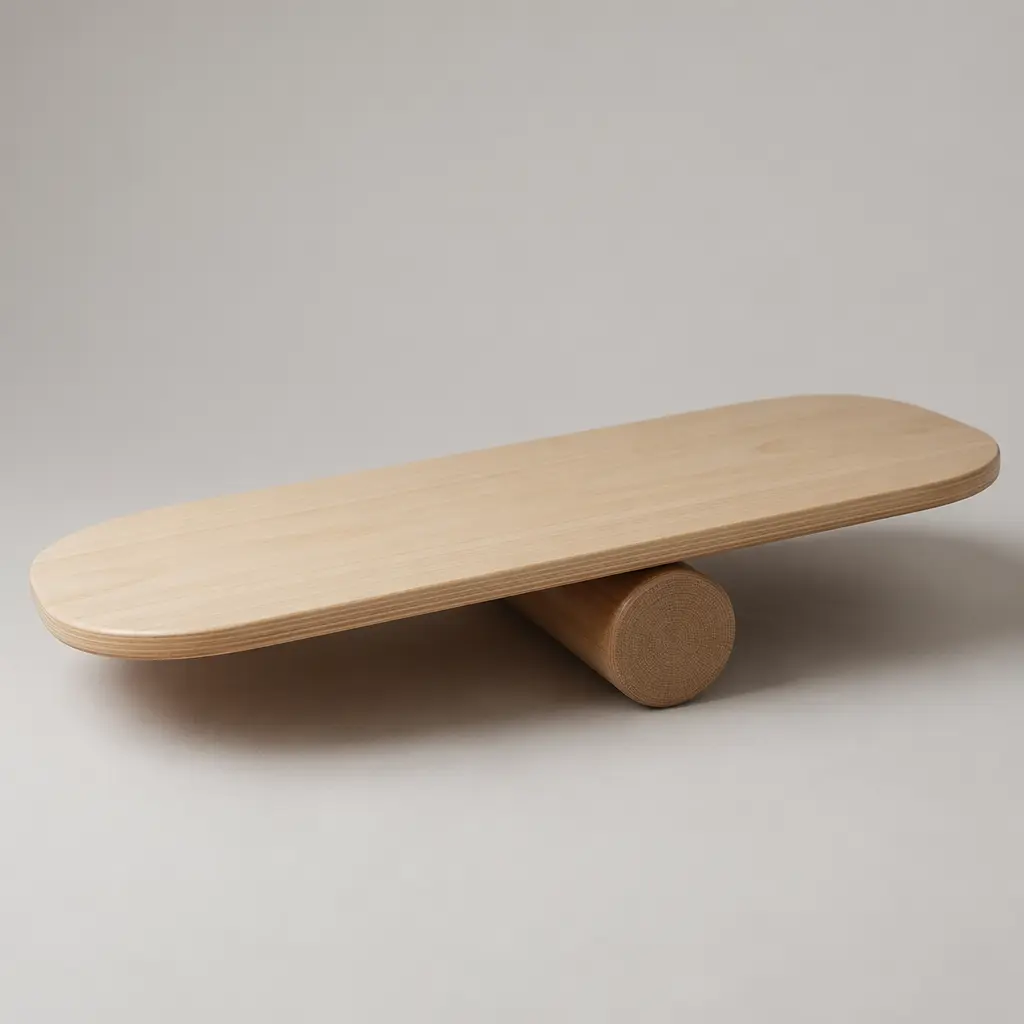
Once a rehab tool and surf trainer, the balance board became a go-to toy for building coordination, strength, and focus—by leaning into instability.
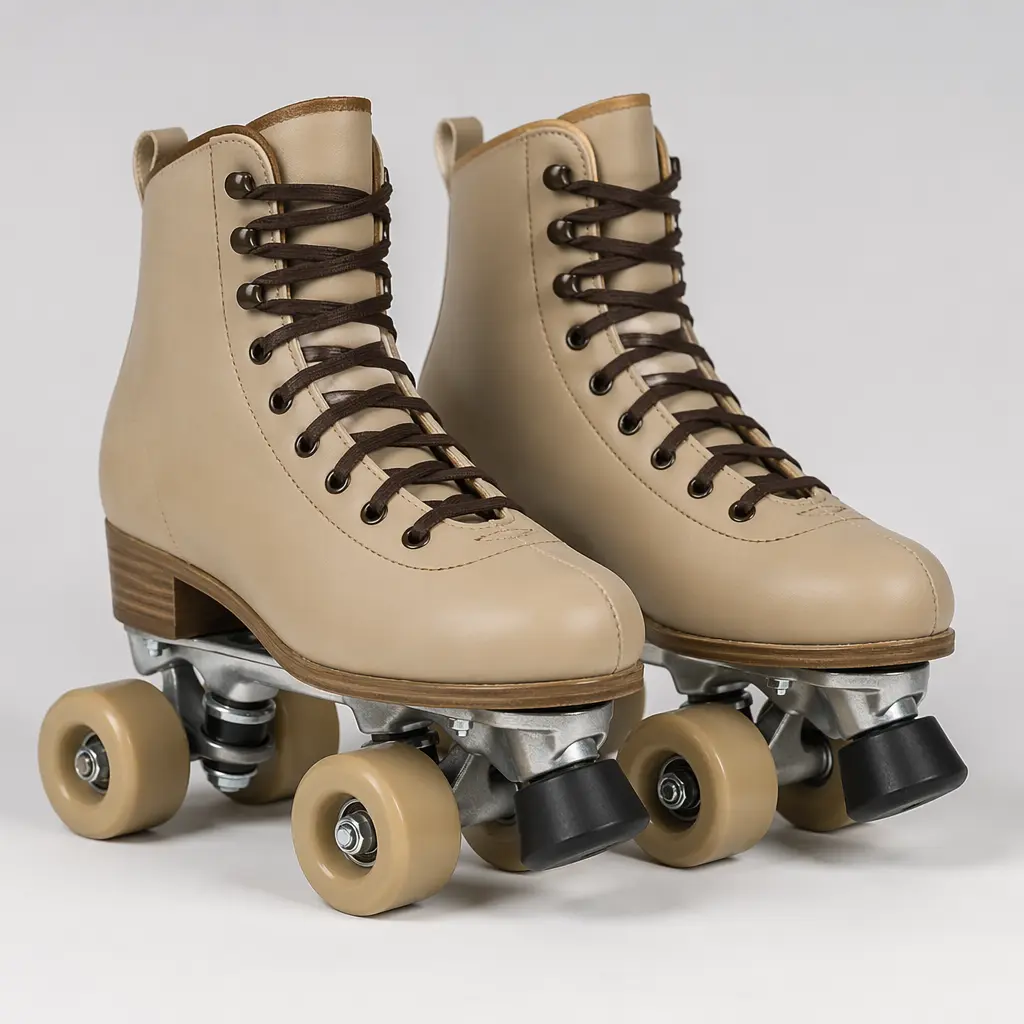
From seaside promenades to school gyms, roller skates teach balance, resilience, and joy. A look at how a classic ride-on endured by turning falling down into a reason to get back up.
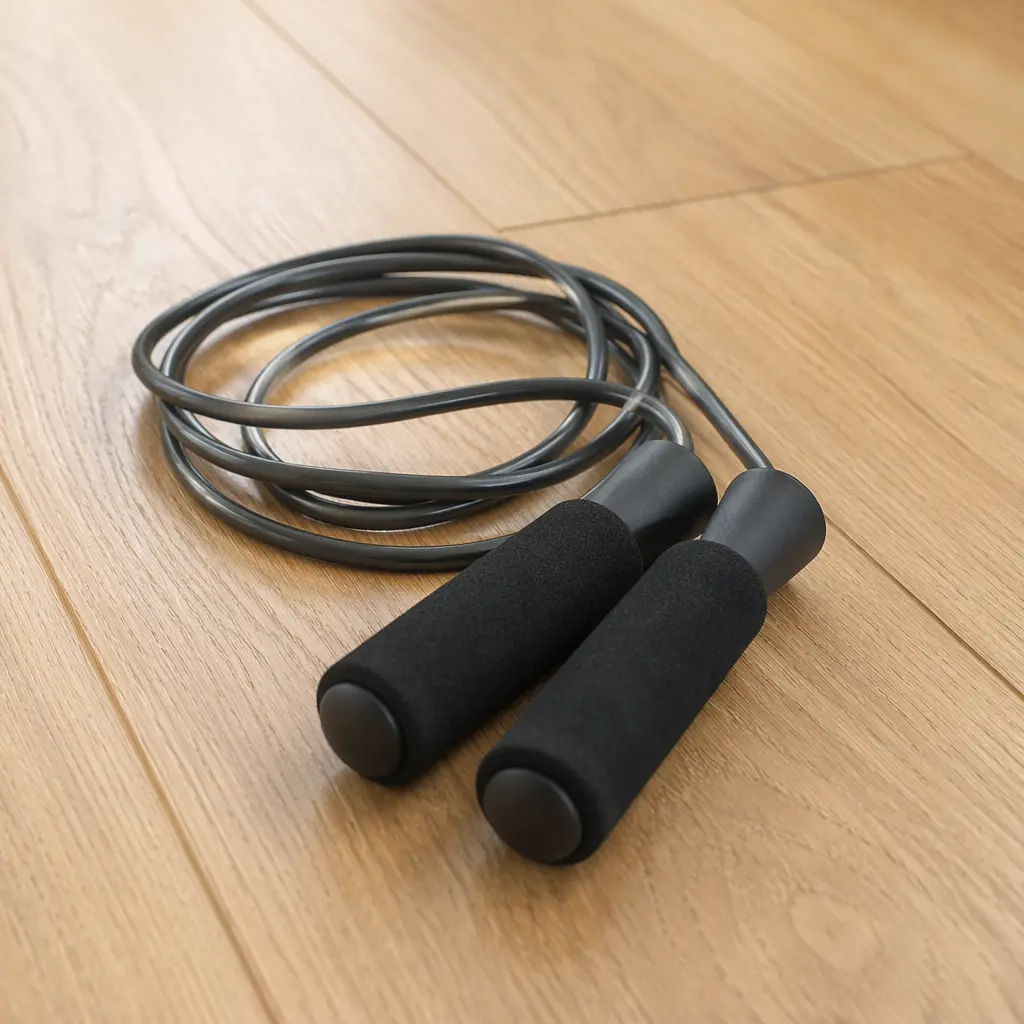
From schoolyards to gyms, the jump rope proves that a simple design can fuel decades of play, fitness, and friendly competition.
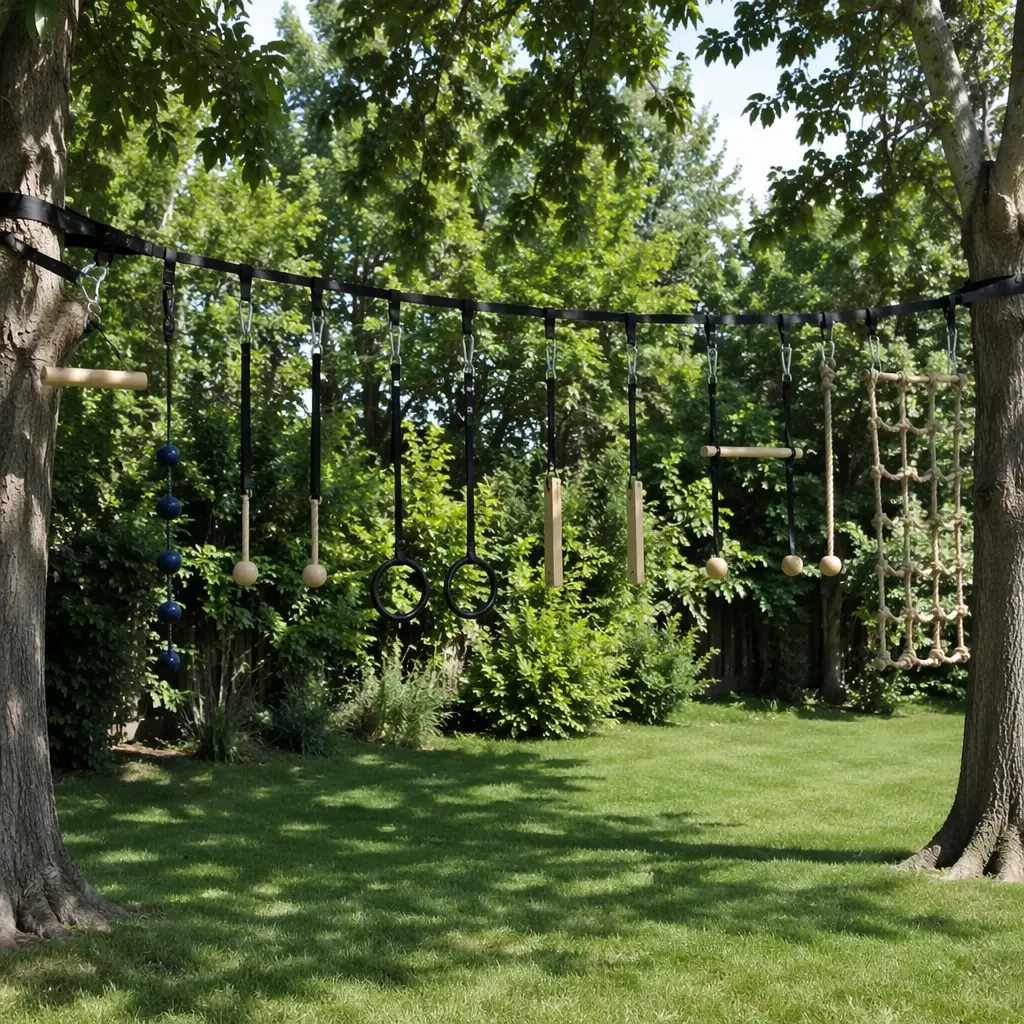
The Slackers NinjaLine brought ninja-style obstacle play to ordinary backyards, blending physical challenge, imaginative play, and easy setup into a modern outdoor toy that families keep coming back to.
From Midwestern lawns to school fêtes and pubs, cornhole’s simple toss-and-score play has made it a multigenerational favourite that thrives on friendly competition.
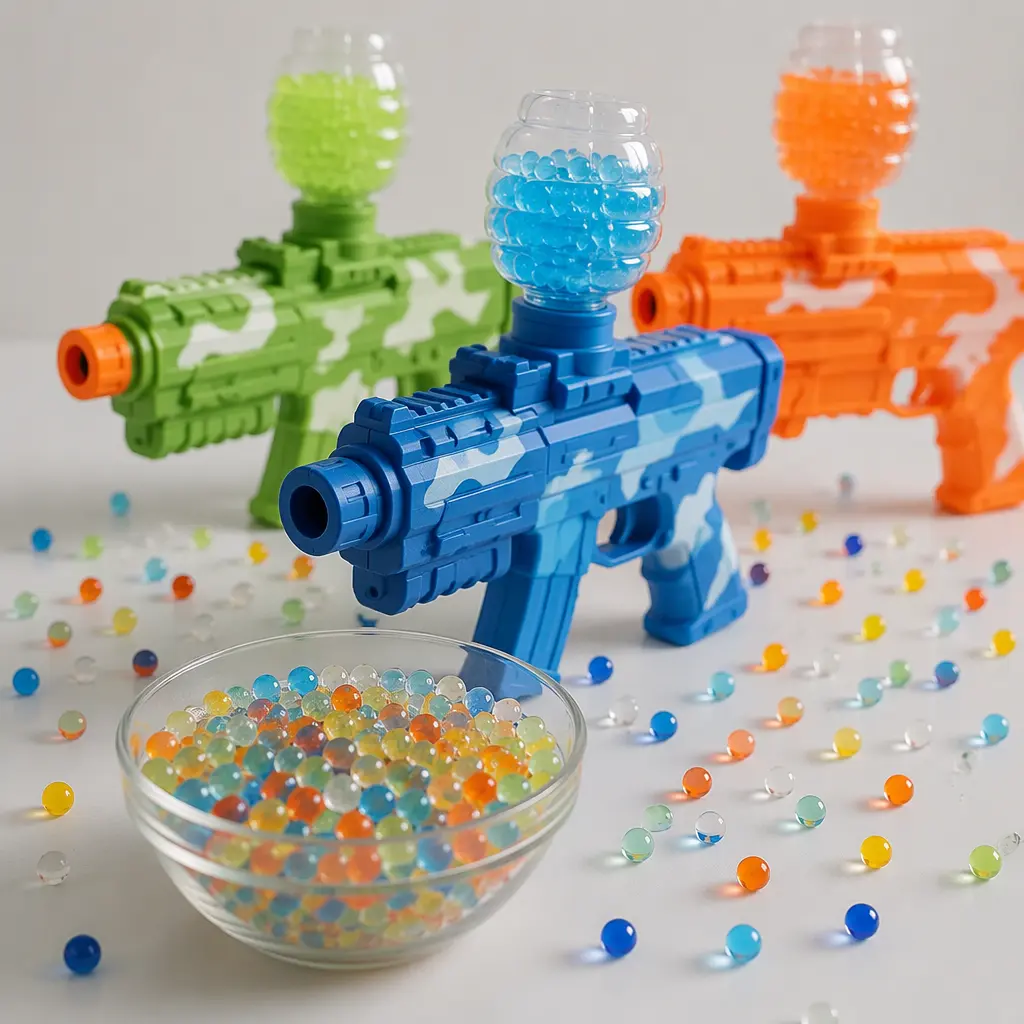
SplatRBall helped bring gel blasters into the mainstream, offering fast-paced outdoor play that feels tactical without the sting, mess, or permanence of older battle toys.
From patios to preschool yards, the Little Tikes water table helped make standing water play a toddler summer staple—durable, social, and endlessly resettable.
From 1970s patios to modern gardens, the Little Tikes slide became the quiet benchmark for safe, everyday outdoor play—and a first thrill for generations of toddlers.
Simple metal pieces, one bouncy ball, and total focus. Jacks turned schoolyards into quiet contests of timing and dexterity—and it still rewards patient hands today.
Born on American beaches in 2006, KanJam turned a simple flying disc and two plastic goals into a fast, social game that now supports leagues, rules, and real tournaments.
Briefly unavoidable in the early 1970s, clackers were loud, fast, and risky. This profile looks at where they came from, how they worked, and why they vanished almost as quickly as they appeared.
Launched in the mid‑2000s, Fubbles No‑Spill Bubbles rethought a messy classic. A weighted, spill‑resistant bottle turned outdoor bubble play into a calmer, parent‑approved ritual.
Part pogo stick, part balance trainer, the Pogo Ball turned a single rubber sphere into a test of nerve and coordination—and became a late-70s playground legend.
A round net, a fast ball, and four players are all Spikeball needs. Born in 2008, this modern backyard sport thrives on quick reactions, portability, and pick-up play almost anywhere.
A pole, a rope, and a ball—tetherball’s simple setup fuels fast rivalry, schoolyard strategy, and a surprising lesson in physics that’s kept it popular for decades.
The Moon Ball is a modern playground classic: a small, tough ball that bounces wildly high on hard ground, turning streets, schoolyards, and driveways into instant play spaces.
Invented in 1953, the Wiffle Ball is a lightweight plastic ball that made pitching, hitting, and pickup games possible almost anywhere—and kept generations playing outside.
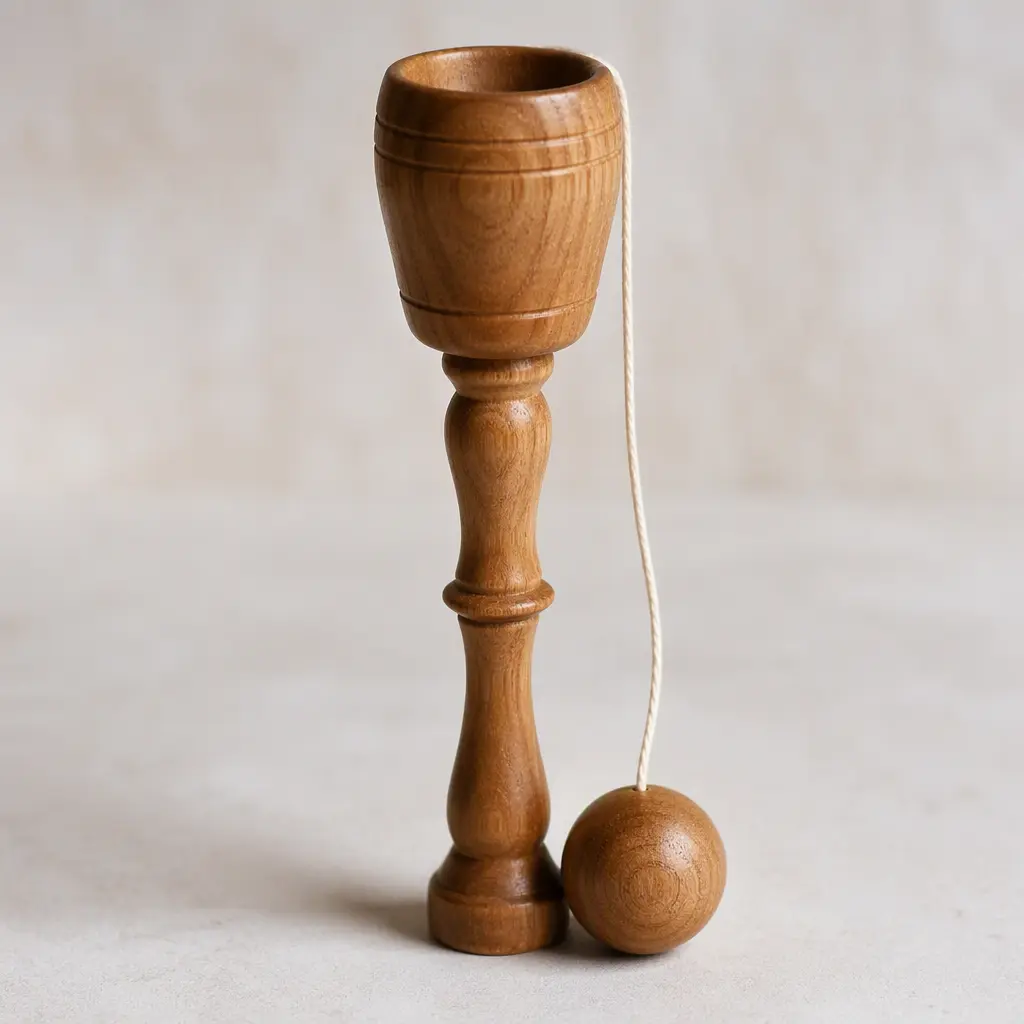
Simple, stubborn, and strangely addictive, Paddle Ball turns repetition into play. A look at how a wooden paddle and a ball on a string became a lasting lesson in patience.
From a 1930s gym experiment to a backyard staple, the trampoline blends physics, play, and risk—an outlet for energy that’s thrilled kids and worried parents for generations.
Born in 1958, the Hula Hoop turned a simple plastic ring into a worldwide fitness-and-play phenomenon—proof that the best toys don’t need batteries to move millions.
Bunch O Balloons turned the slow chore of filling water balloons into a seconds-long ritual, reshaping backyard play and summer water fights for a new generation.