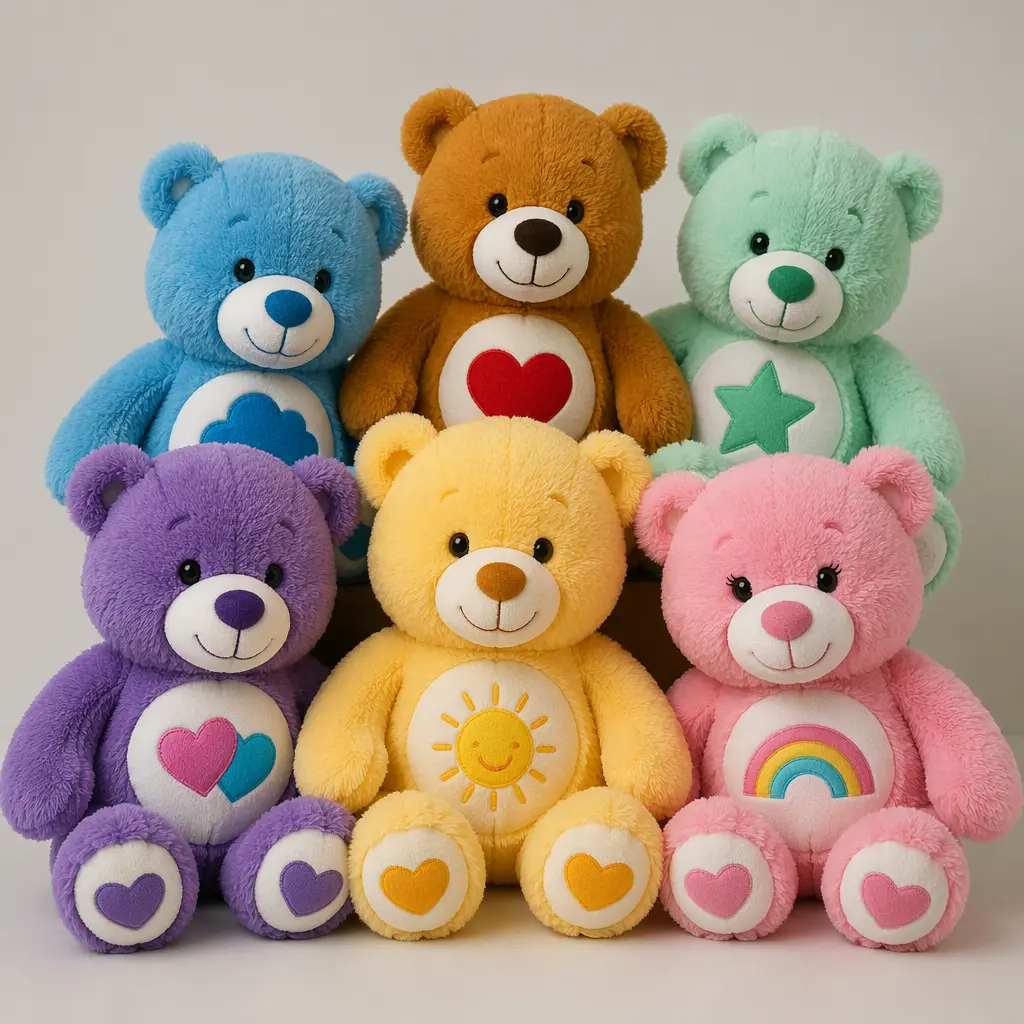
Care Bears: How kindness became a toy aisle staple
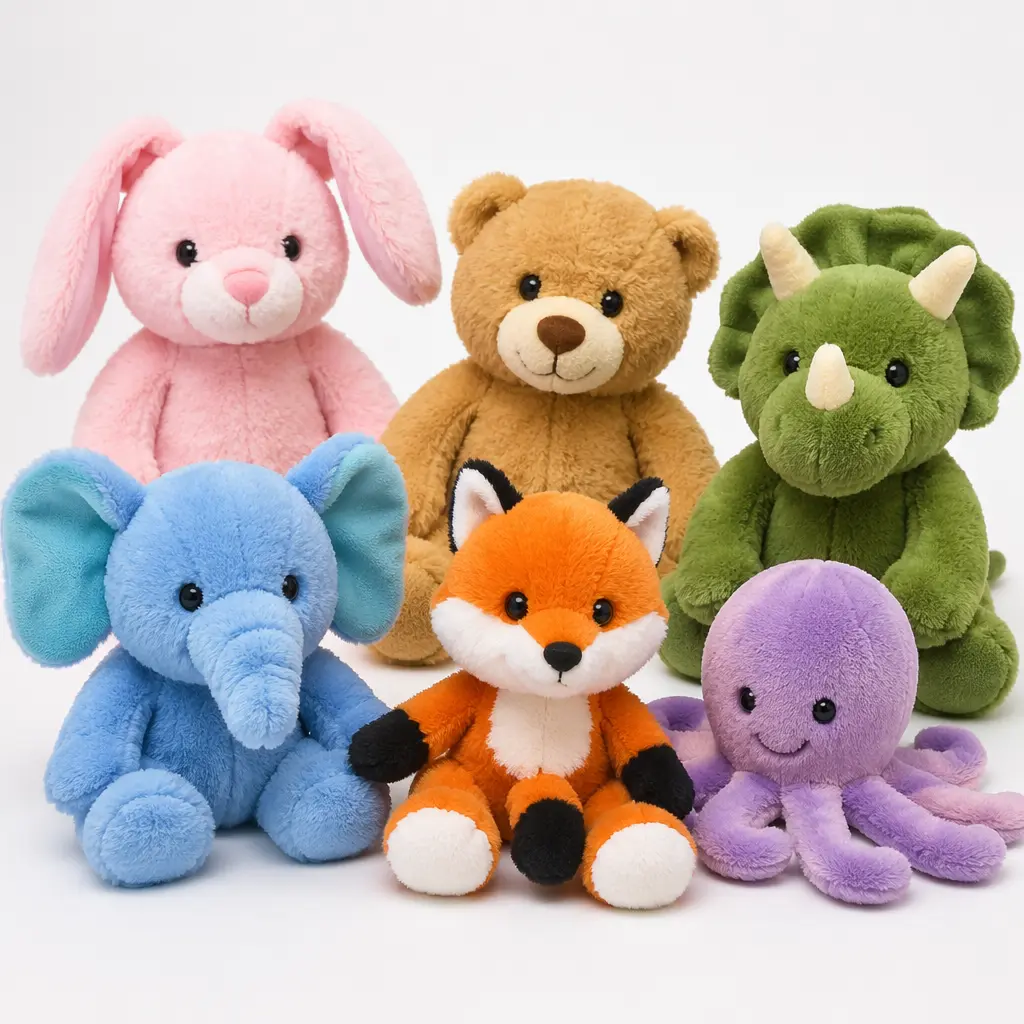
Launched in the 1980s, Care Bears turned plush toys into emotional teachers. Their bright colours and simple messages helped generations of kids learn empathy, sharing, and feelings through play.
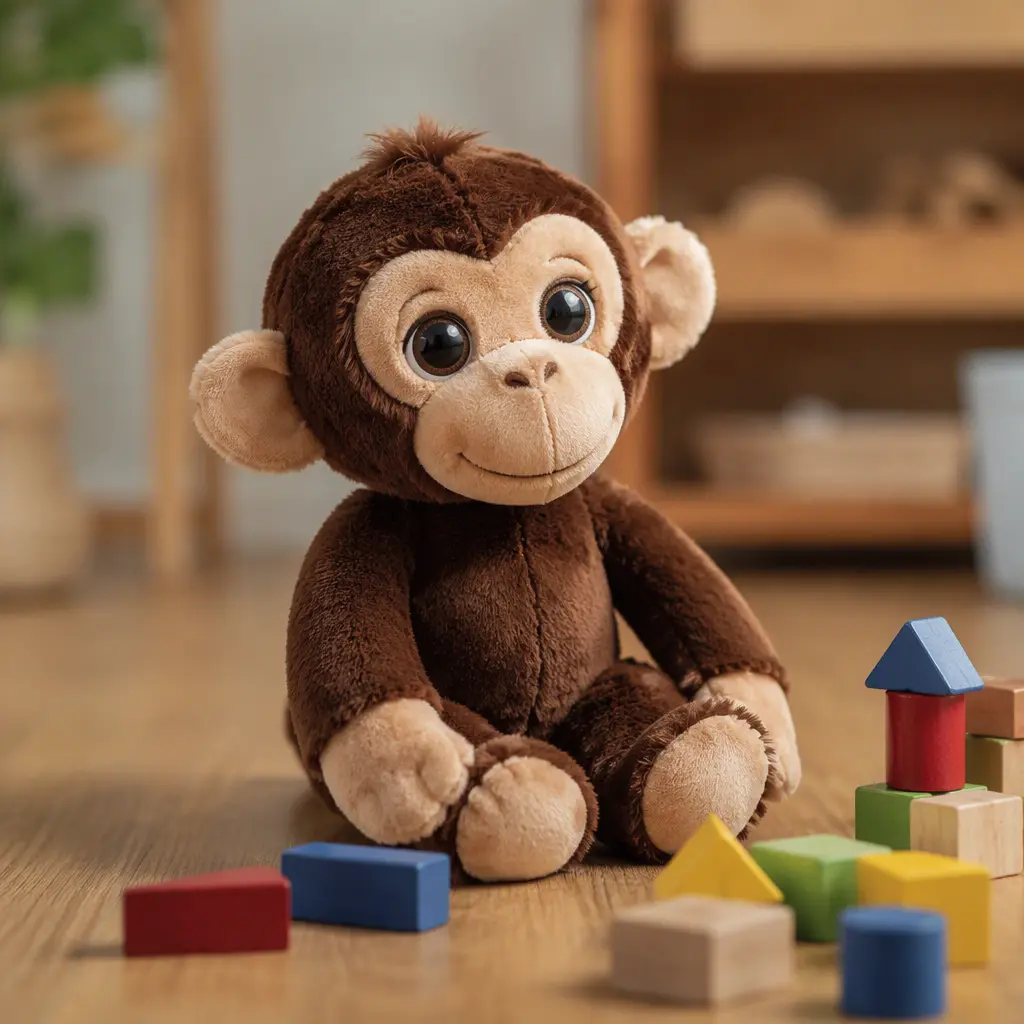
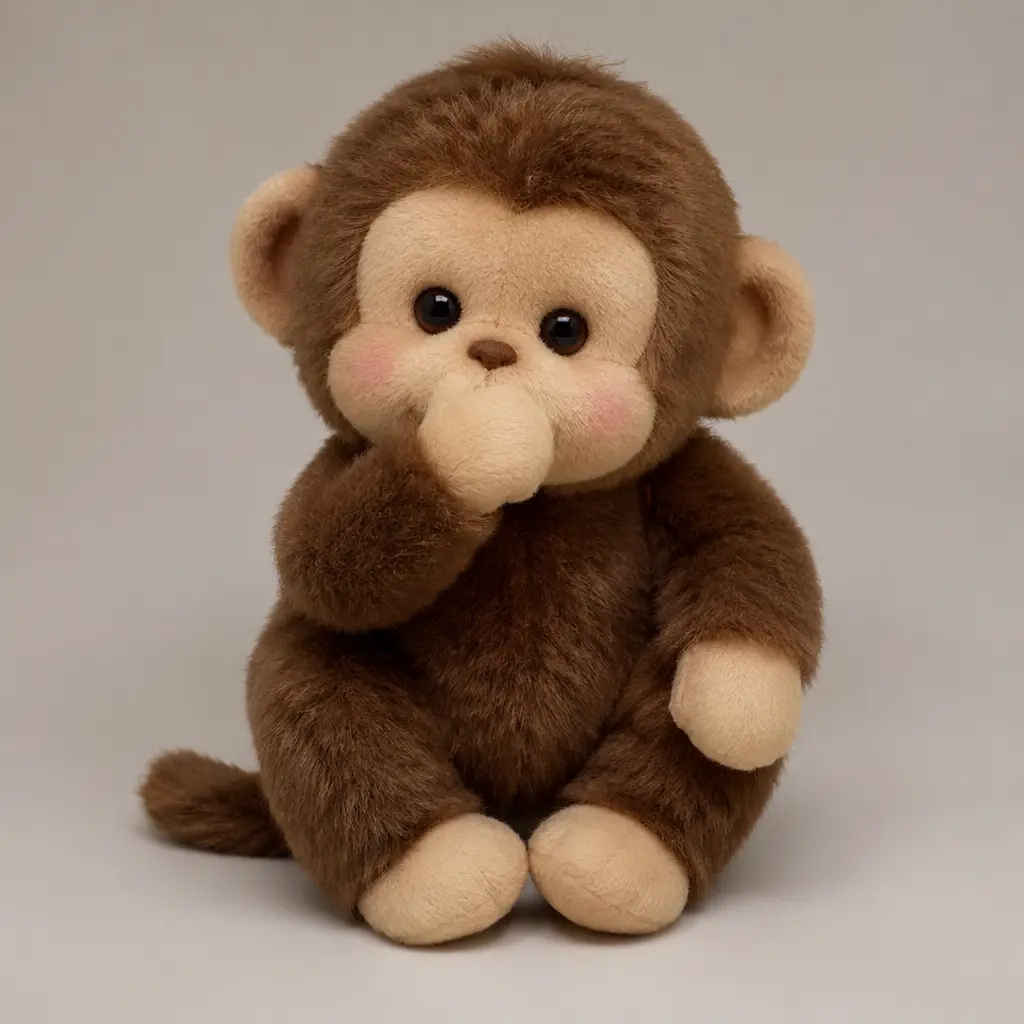
Born in 1974, Monchhichi turned a simple plush idea into a worldwide comfort toy. Its thumb-sucking design, soft textures and gentle expression helped it quietly endure across generations.
First released in 1982, Glo Worm turned a simple plush into a calming bedtime companion, using gentle light and routine to help a generation of children wind down at night.
Launched in the 1980s, Pound Puppies turned a simple plush dog into a lesson about care and adoption—becoming one of the era’s most emotionally resonant toy lines.
Warmies look like ordinary soft toys, but a few minutes in the microwave turns them into long‑lasting heat packs. Since the 1990s they’ve quietly become part toy, part bedtime and wellbeing ritual.
A parent-focused safety guide to electronic building sets for ages 6–8, covering parts size, power levels, supervision needs, and how non-app kits reduce risks while supporting learning.
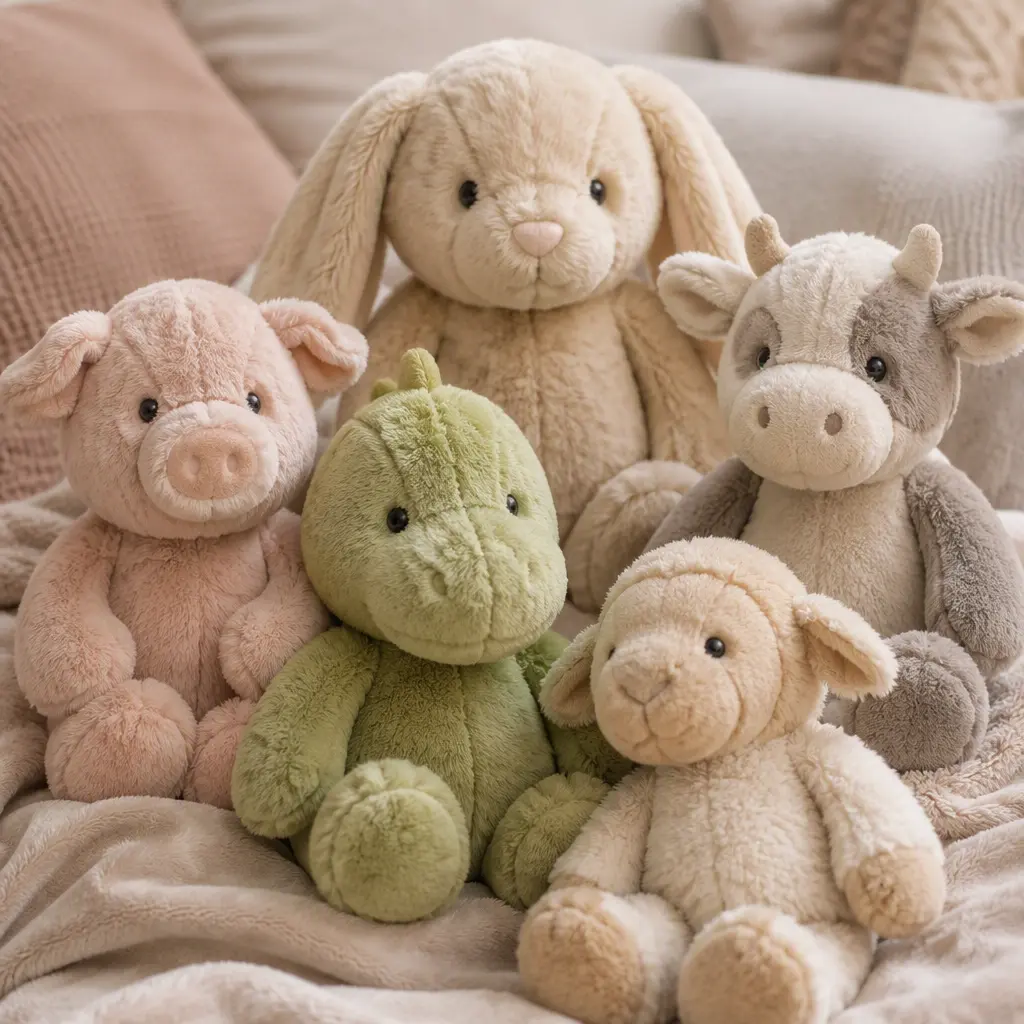
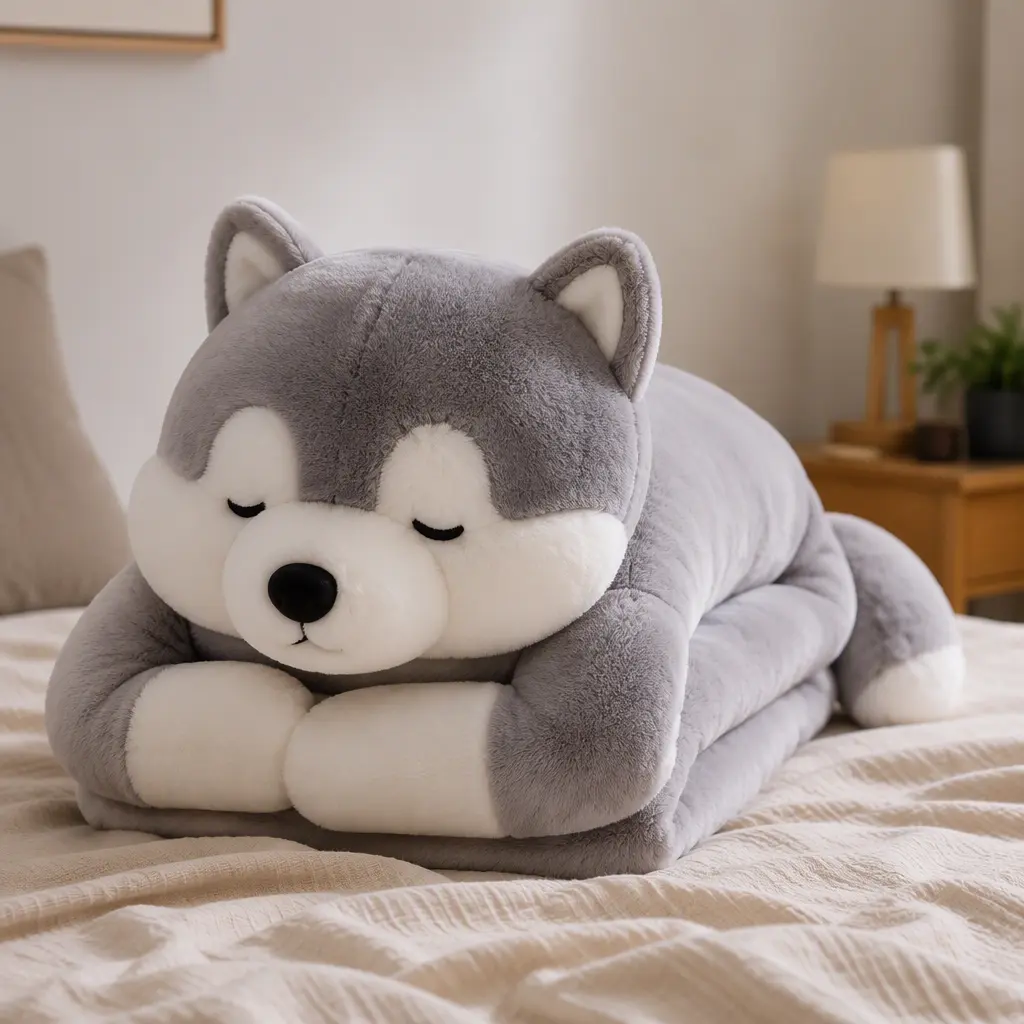
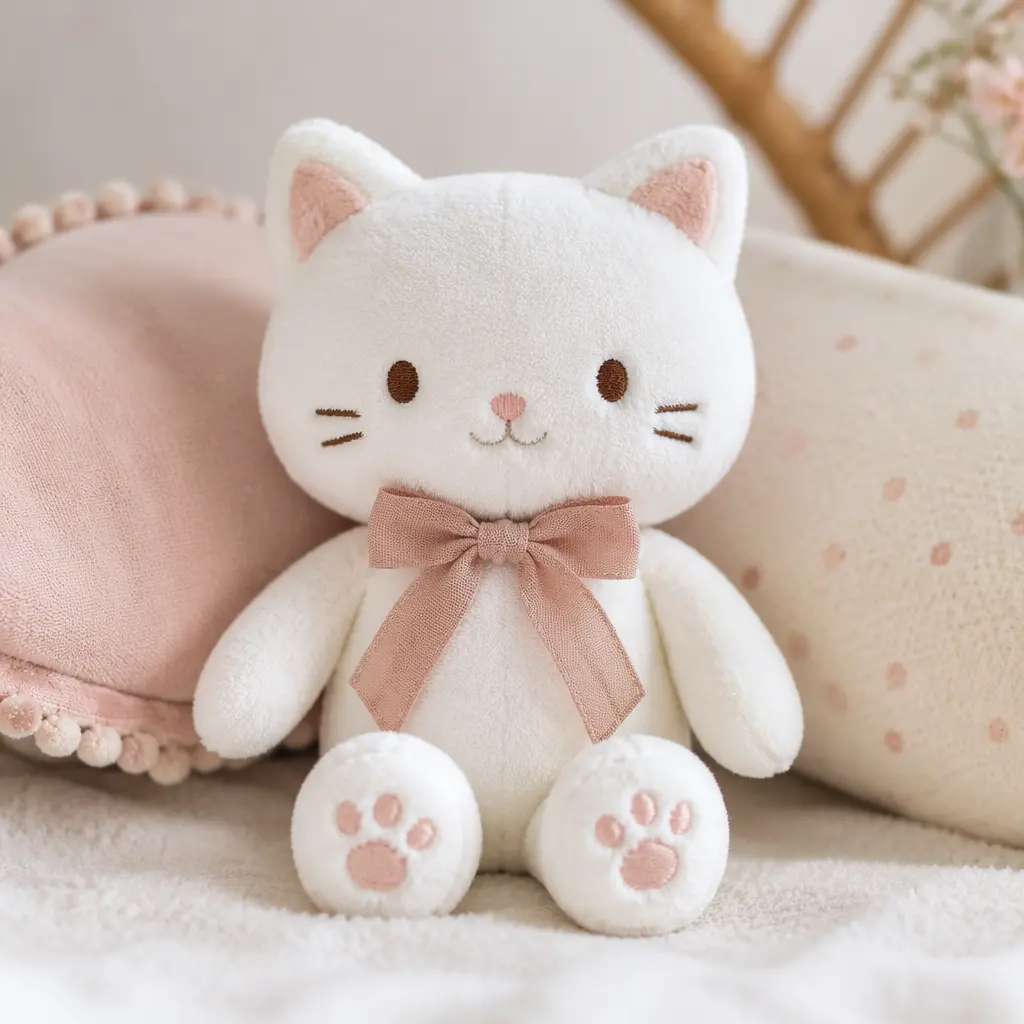
A parent-first guide to choosing no-battery plush toys that help young kids slow down, self-soothe, and regulate big feelings—without noise, screens, or flashing lights.
A buyer’s guide to active ride-on toys for ages 1–2 that encourage steering, scooting, and movement—plus safety tips, age fit, and categories to help parents choose.
A parent-friendly guide to board and card games with simple rules and fast starts. Learn what to look for, age fit, and popular categories that help families begin playing within minutes.
A parent-focused guide to offline electronic toys for teens that build real-world skills. Learn what to look for, age fit, safety tips, and standout categories—no apps or internet required.
A parent-friendly guide to durable, skill-based outdoor toys for ages 9–12. Learn what to look for, age fit, safety notes, and popular categories that keep tweens active without feeling childish.
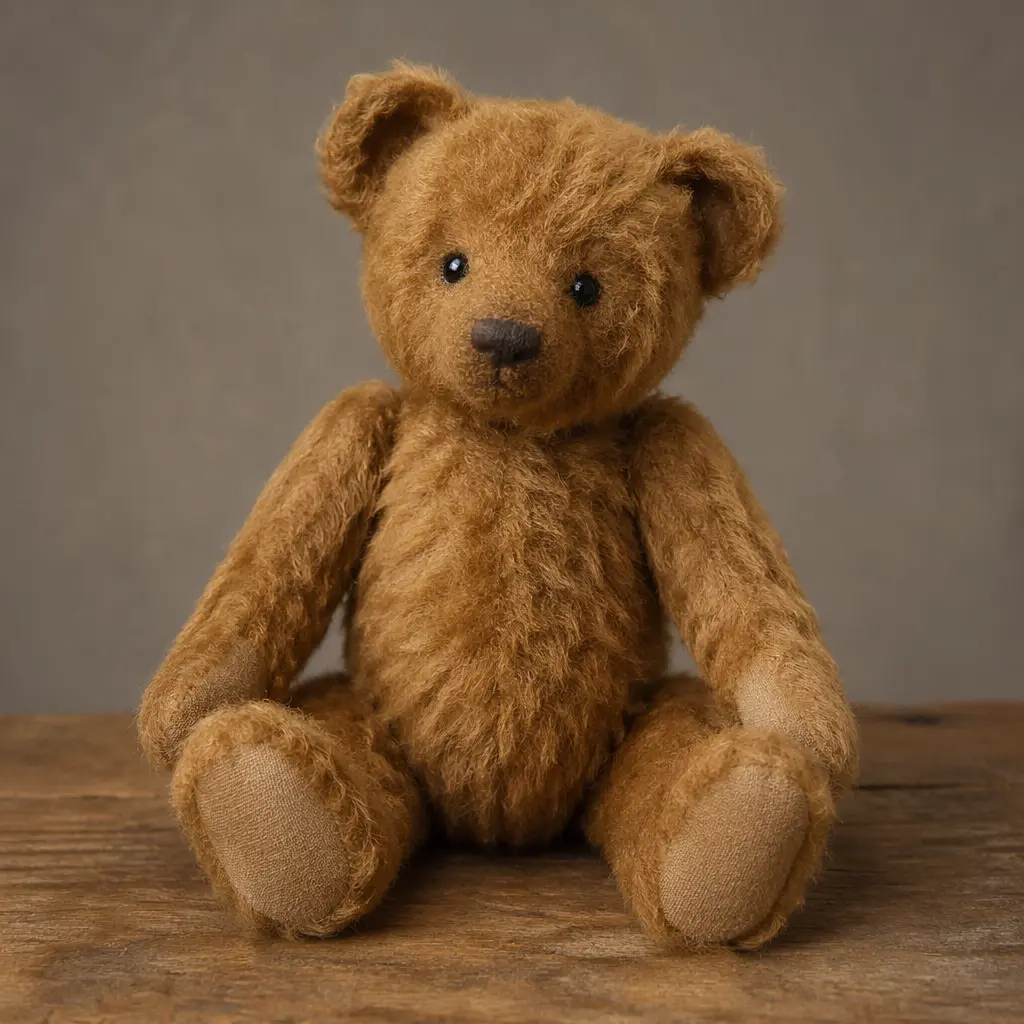
Handcrafted since the early 1900s, Steiff teddy bears helped define what a plush toy could be, blending careful design, durability, and emotional appeal that still resonate with families today.
Since 1999, Jellycat plush toys have stood out for their ultra-soft fabrics and gentle designs, becoming comfort objects as much as playthings for children and adults alike.
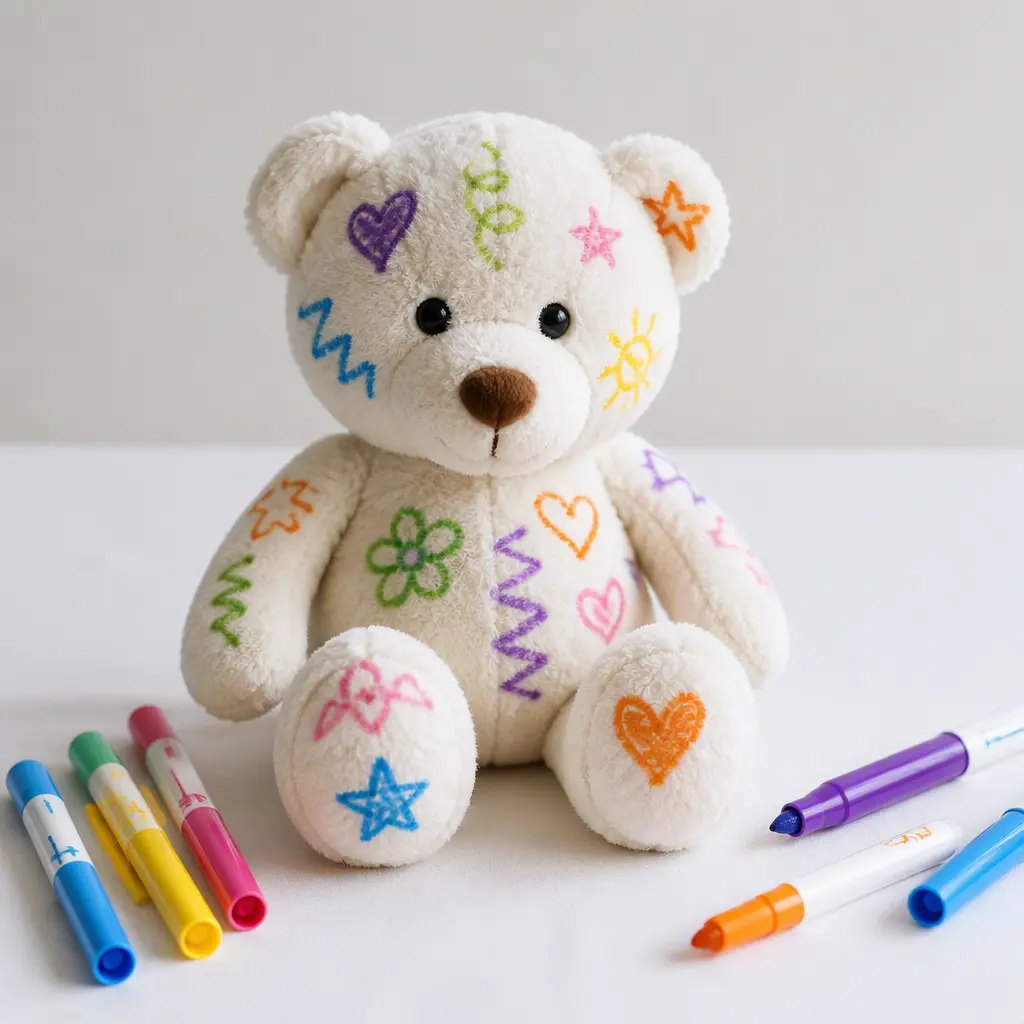
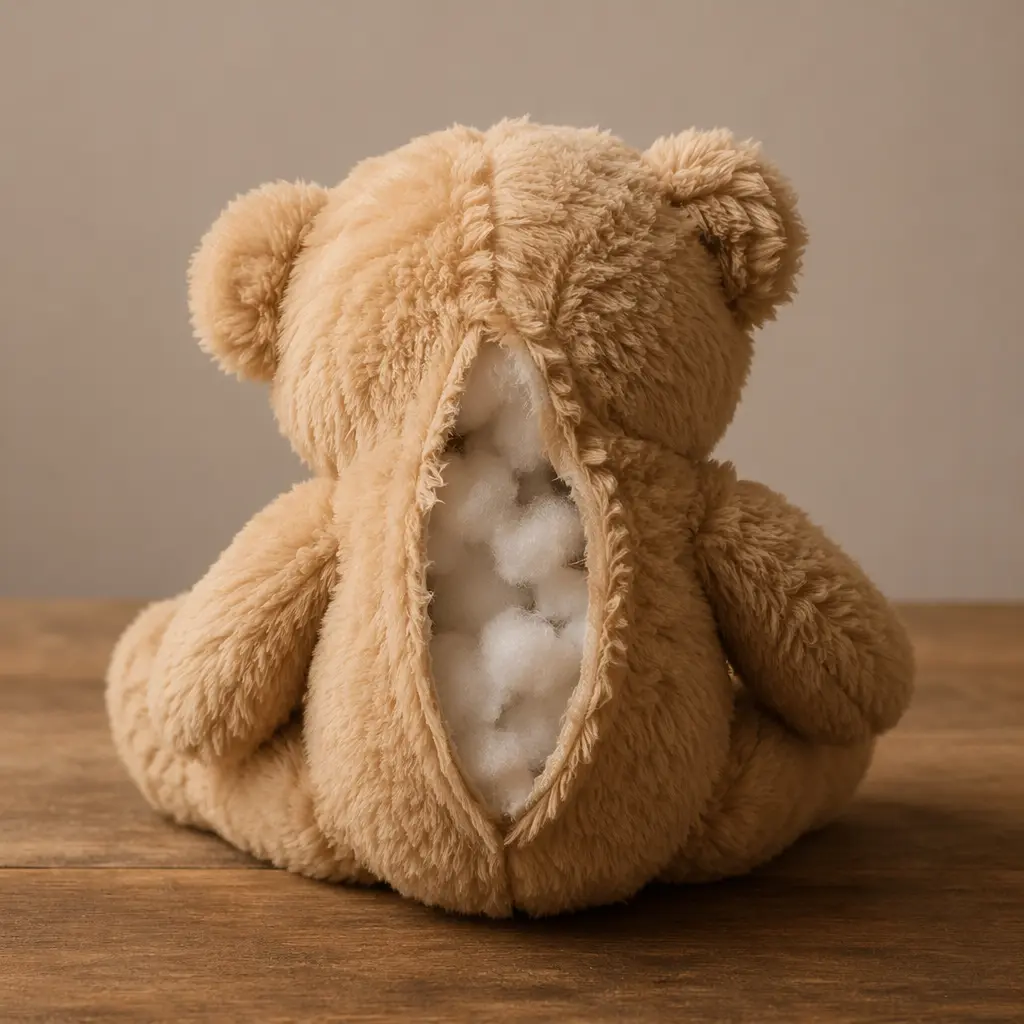
Build-A-Bear turned a simple plush toy into an experience. Since the late 1990s, the brand has shown that choosing, stuffing, and personalising a bear can matter as much as owning it.
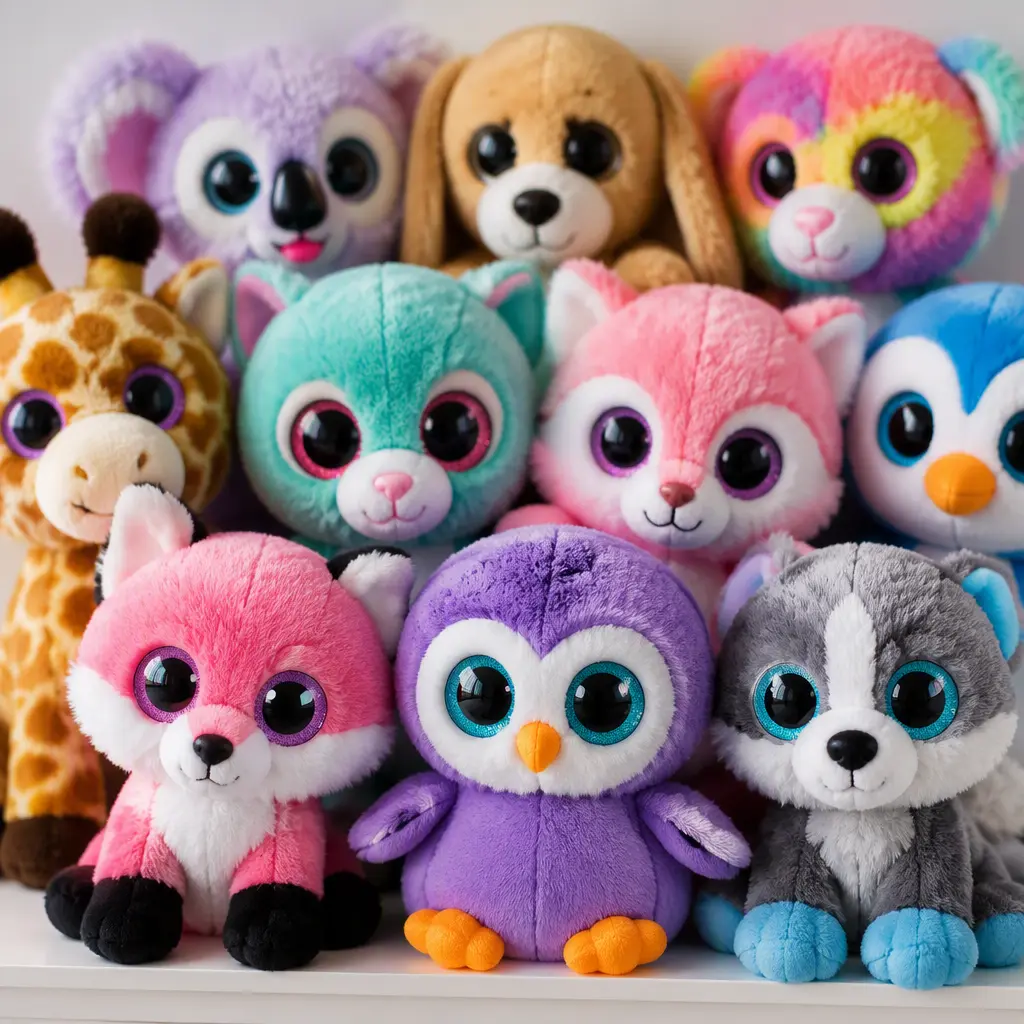
In the 1990s, Beanie Babies turned simple plush animals into a lesson in scarcity, hype, and collecting. This profile looks at where they came from, why they worked, and what remains today.
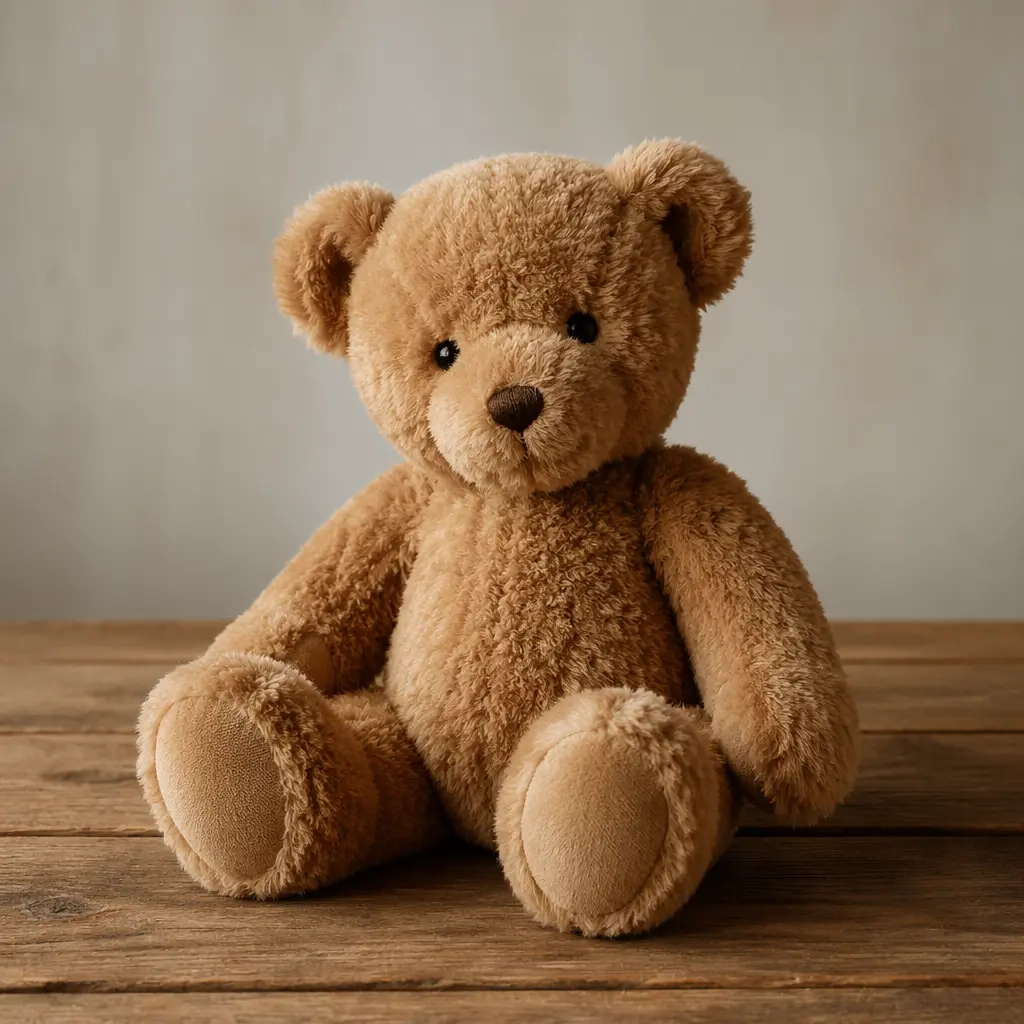
Born from a 1902 political cartoon, the teddy bear grew into the world’s most enduring comfort toy—crossing generations as a symbol of reassurance, play, and emotional attachment.
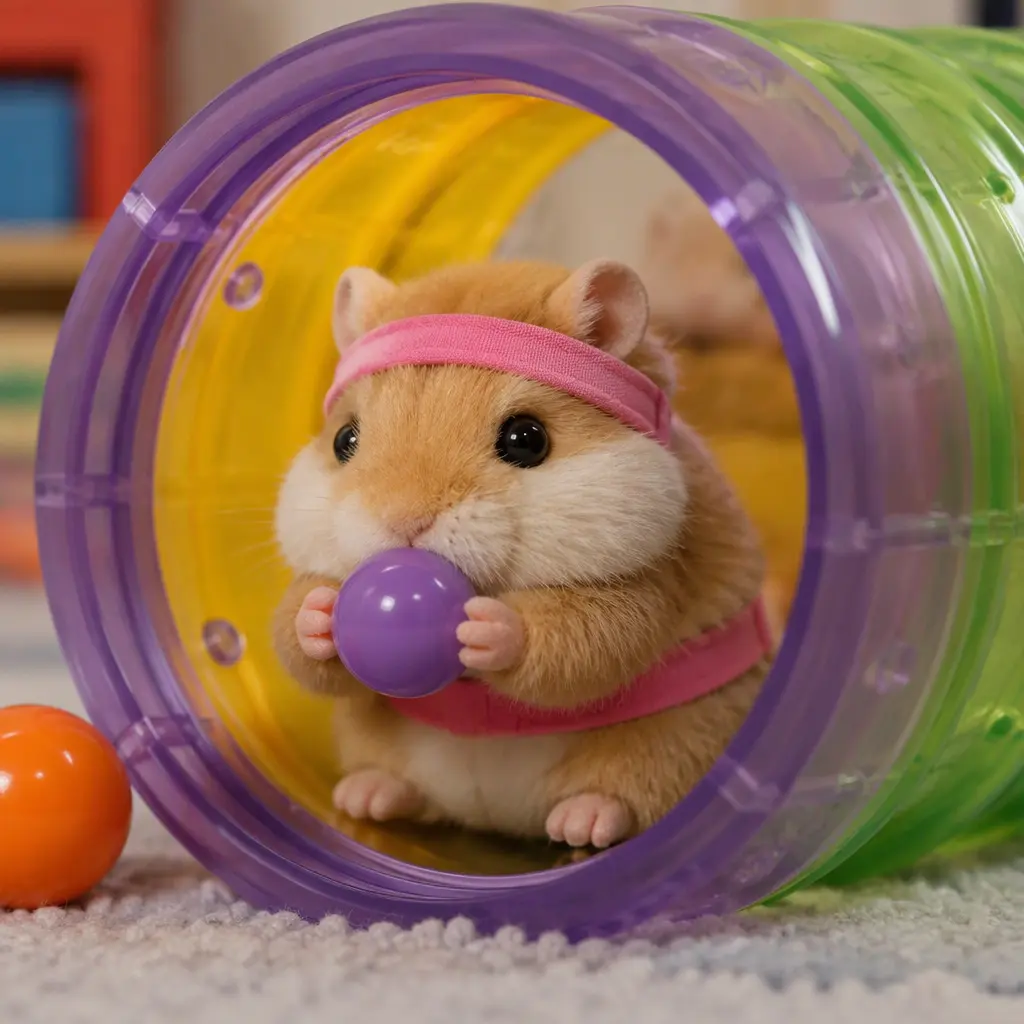
In 2009, a palm-sized robotic hamster sparked empty shelves and playground buzz. ZhuZhu Pets mixed simple mechanics with big imagination, proving you don’t need apps or screens to create a craze.
Launched in 2017, Squishmallows turned simple plush into a cultural phenomenon. This profile looks at where they came from, why the design works, and what to know if you’re shopping today.
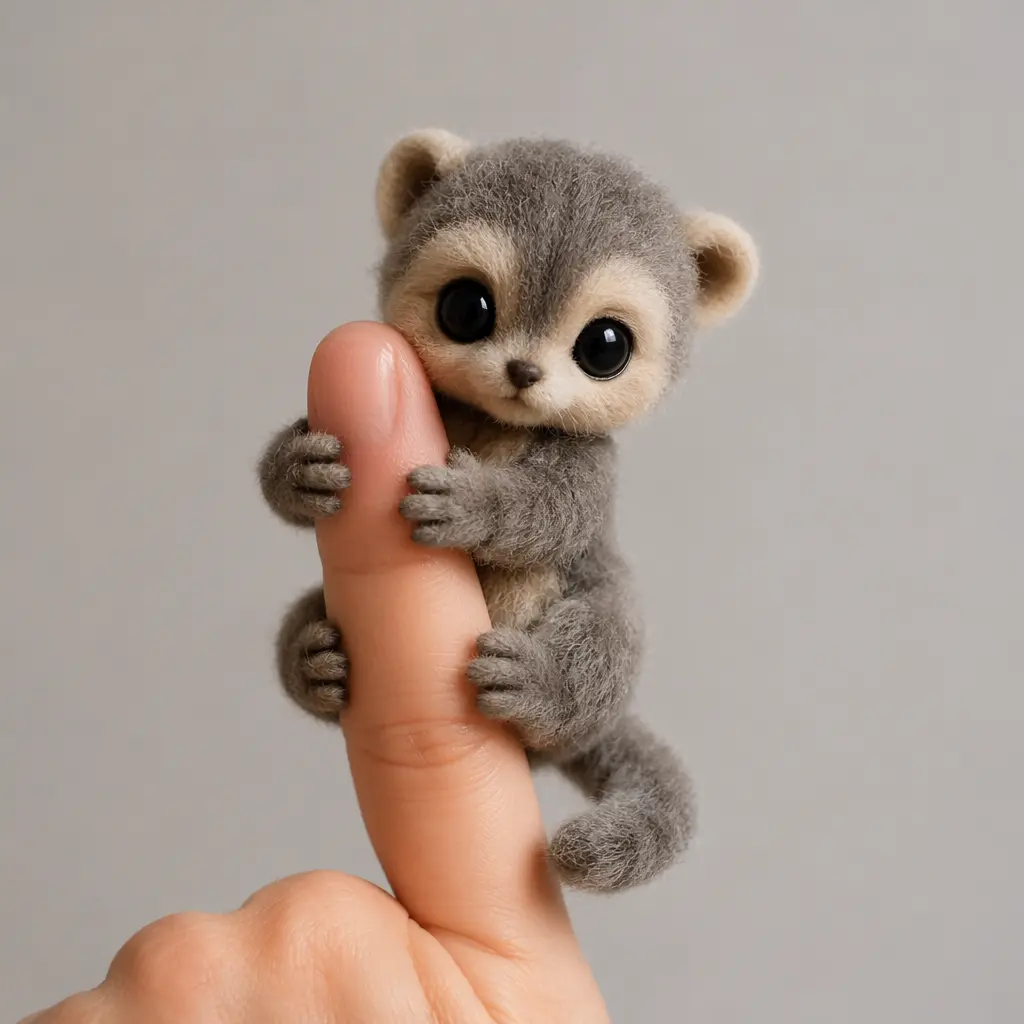
Launched in 2017, Fingerlings became a surprise hit by blending plush, sensors, and simple robotics into a toy that literally clings to you. Here’s how they worked—and why they mattered.
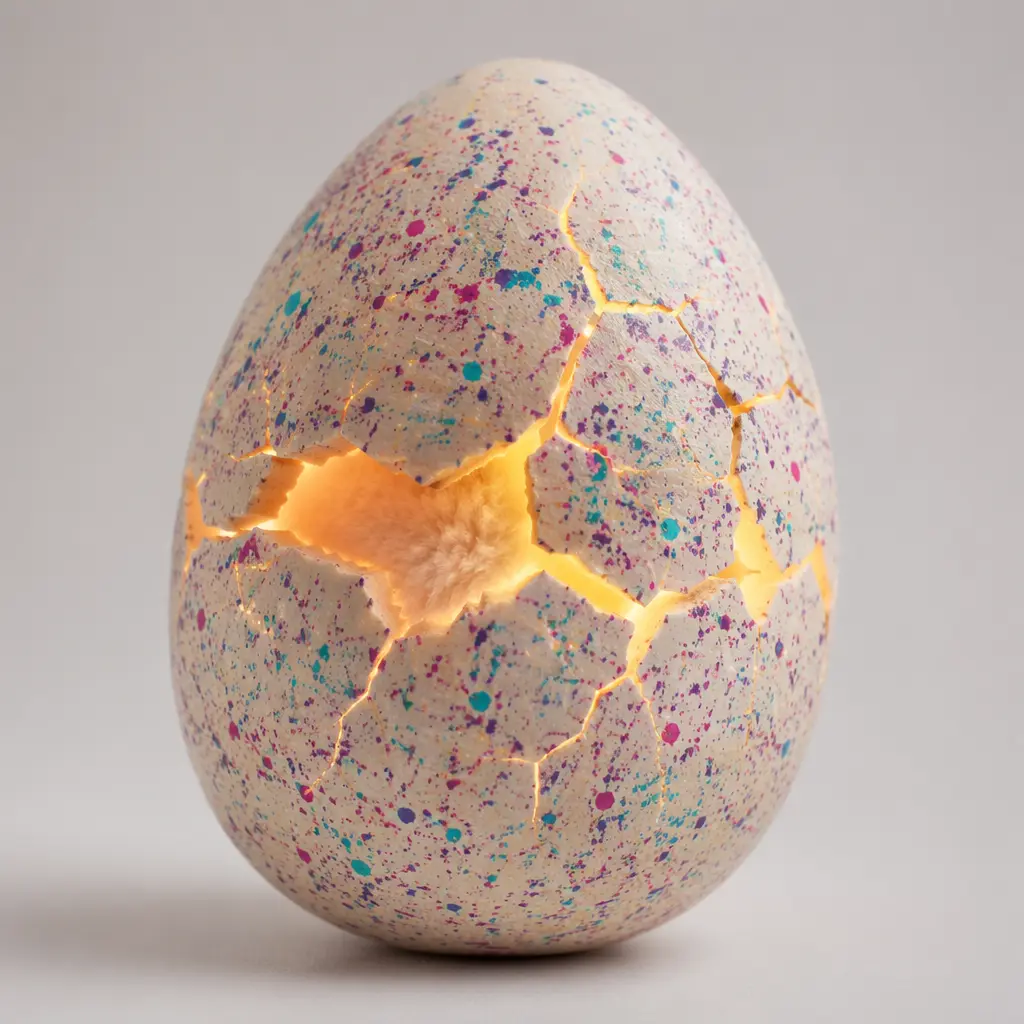
First launched in 2016, Hatchimals made patience part of the fun. This editorial profile looks at how the egg-hatching plush became a modern icon—and what matters when buying one today.
Webkinz blended cuddly plush toys with a child-safe virtual world, turning a soft animal into a digital pet. Launched in 2005, it reshaped how kids played across screens and sofas.
First released in 1998, Furby blended plush comfort with surprising electronics. This profile looks at where it came from, why it captivated kids and parents, and what to know when buying one today.