Fisher-Price Cash Register: The checkout that taught everyday math
A chunky pretend-play classic, the Fisher-Price Cash Register turned make-believe shopping into lessons in counting, turn‑taking, and real‑world math that still resonate today.
First handed out at service stations in 1964, Hess Toy Trucks turned fuel stops into family rituals and grew into one of America’s most enduring collectible toy traditions.
Launched in 2011, Transformers Rescue Bots reimagined a famous action brand for preschoolers, pairing simple transformations with rescue play and a calmer, parent-friendly tone.
Since the mid‑1980s, Transformers have turned clever engineering into endlessly replayable action toys, blending vehicles, robots and storytelling in a way few toy lines have matched.
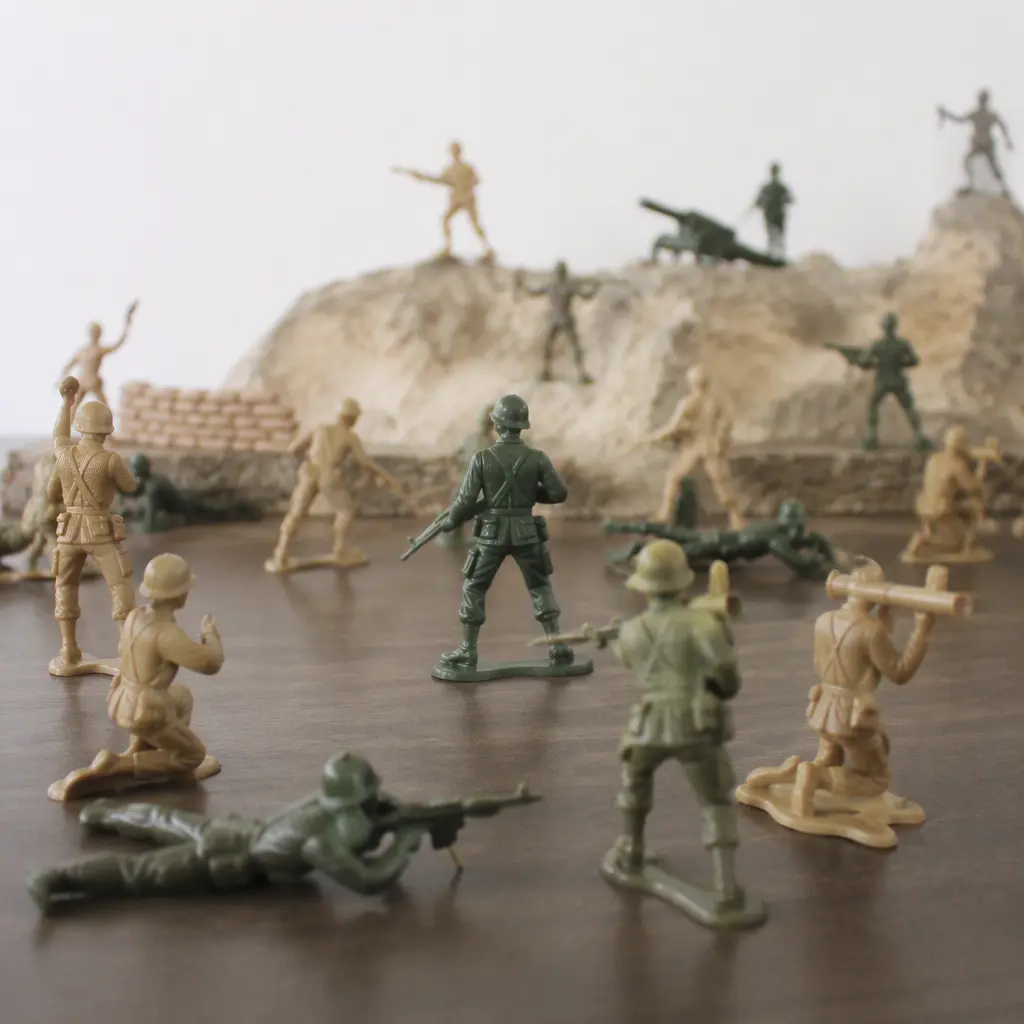
From sandboxes to movie cameos, little green army men turned cheap plastic into endless stories. Their simple poses and open-ended play explain why they’ve endured for generations.
A parent-focused safety guide to electronic building sets for ages 6–8, covering parts size, power levels, supervision needs, and how non-app kits reduce risks while supporting learning.
A parent-first guide to choosing no-battery plush toys that help young kids slow down, self-soothe, and regulate big feelings—without noise, screens, or flashing lights.
A buyer’s guide to active ride-on toys for ages 1–2 that encourage steering, scooting, and movement—plus safety tips, age fit, and categories to help parents choose.
A parent-friendly guide to board and card games with simple rules and fast starts. Learn what to look for, age fit, and popular categories that help families begin playing within minutes.
A parent-focused guide to offline electronic toys for teens that build real-world skills. Learn what to look for, age fit, safety tips, and standout categories—no apps or internet required.
A parent-friendly guide to durable, skill-based outdoor toys for ages 9–12. Learn what to look for, age fit, safety notes, and popular categories that keep tweens active without feeling childish.
Launched in 2016, Moonlite turned a smartphone into a ceiling storybook. Its clever projector revived bedtime reading for modern families—mixing screens, storytelling, and a little magic.
From 1990s playsets to modern blind-bag culture, Littlest Pet Shop showed how tiny figures, expressive faces, and repeatable worlds could turn pretend play into a lasting collecting habit.
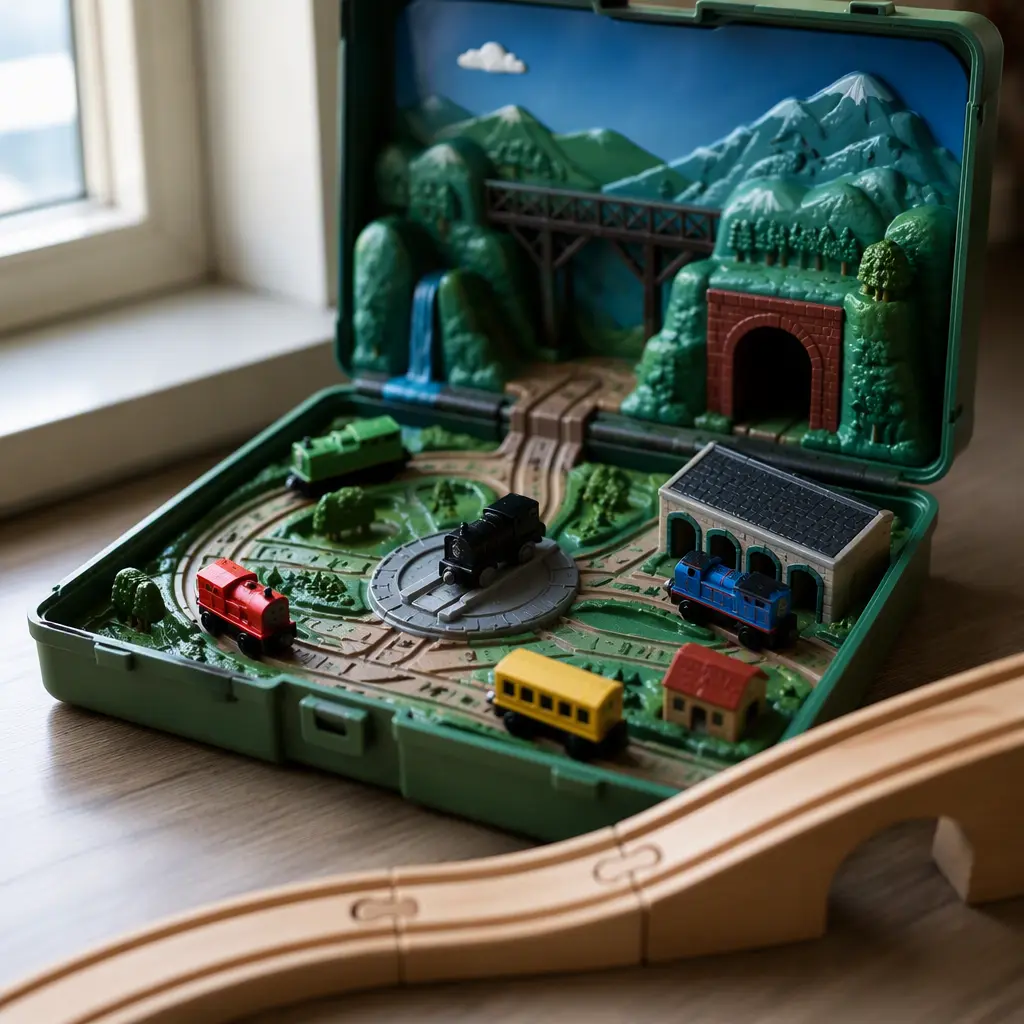
Wooden train sets have anchored open-ended play for generations. Their sturdy tracks, modular design, and calm pace invite creativity, storytelling, and problem-solving that grow with a child.
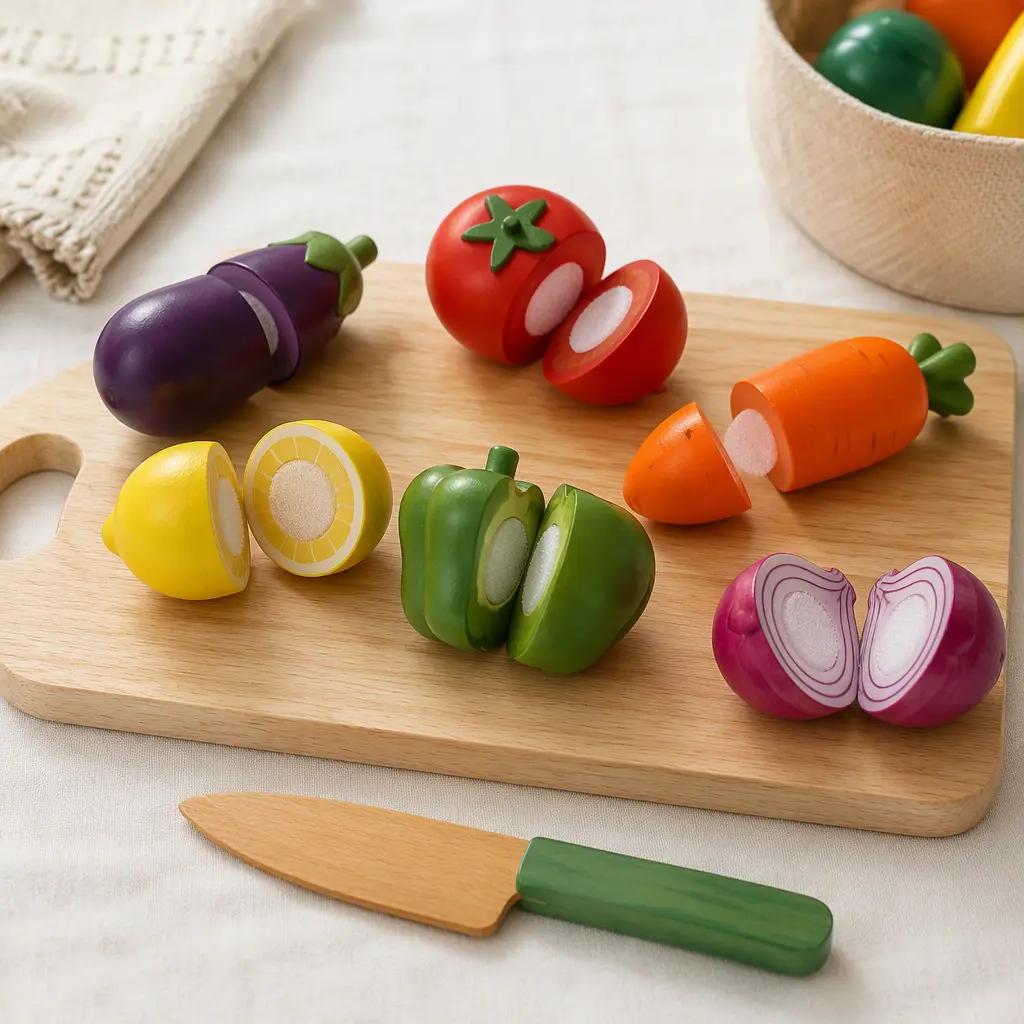
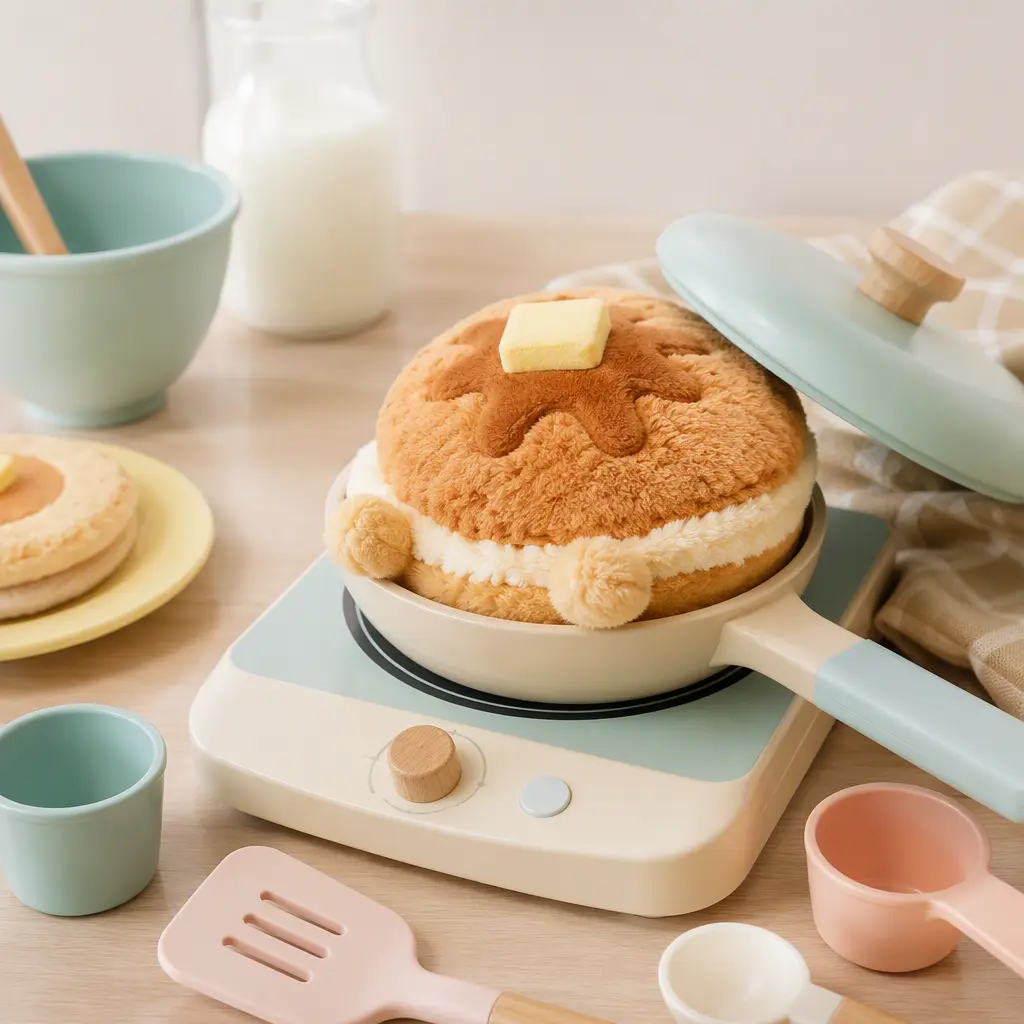
Miniature kitchens have powered pretend play for generations. From make-believe meals to social role-play, their open-ended design keeps kids engaged long after other toys are forgotten.
Part couch, part fort kit, the Nugget Play Couch turned modular foam into the most climbed-on toy in today’s homes—and reshaped how families think about indoor play.
A stick, a horse’s head, and a lot of imagination. The hobby horse is one of childhood’s oldest toys—and it still works because it turns movement into make-believe.
Since 2007, Green Toys has shown parents that pretend play can be tough, simple, and genuinely eco‑minded—without sacrificing fun or safety.
Introduced in the early 1970s, Weebles turned a simple physics trick into comforting play. Their weighted wobble made them hard to knock down—and easy to love.
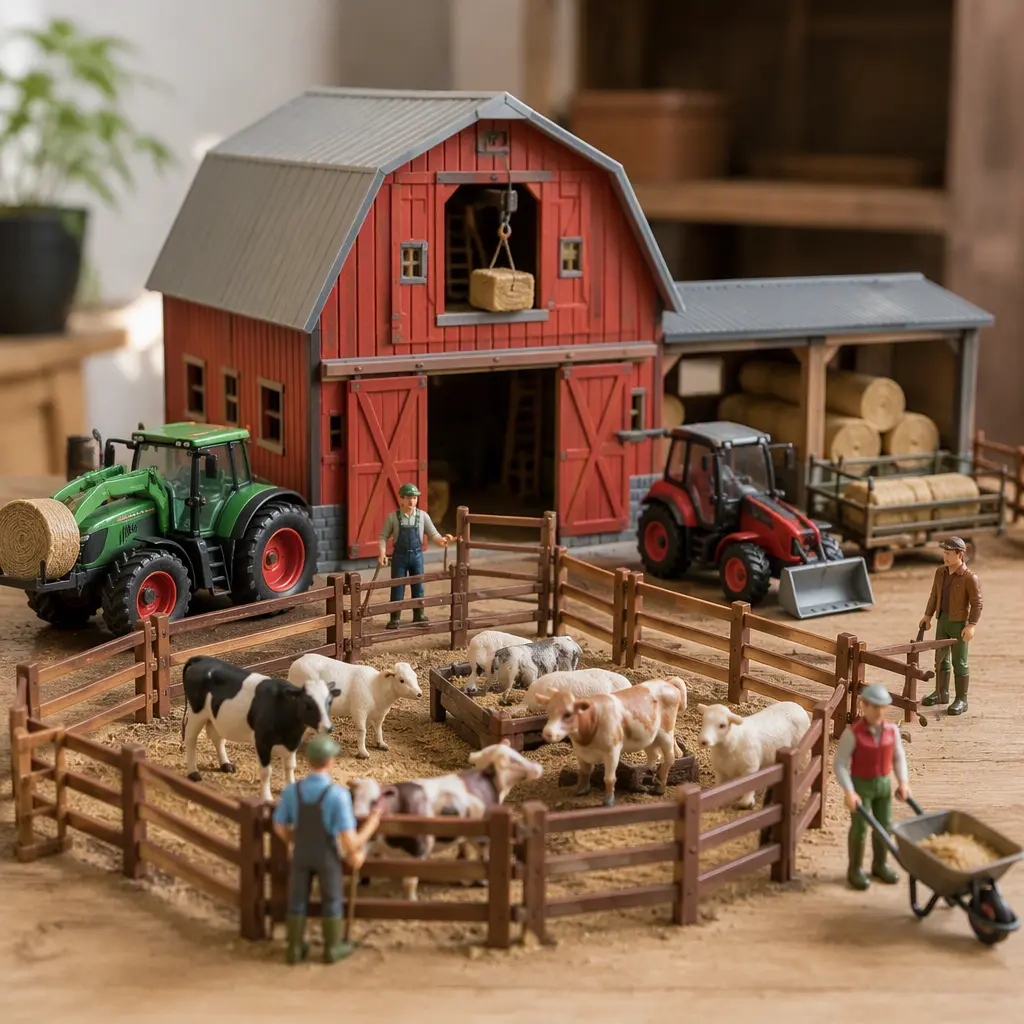
Bruder’s hyper‑real toy trucks turn real construction and farm machines into durable, working playthings that keep kids engaged far longer than most screen-based entertainment.
In the mid-1990s, pull-string flying dolls leapt from hands to ceilings—and into pop culture. Sky Dancers were thrilling, chaotic, and unforgettable, a fad that burned bright and fast.
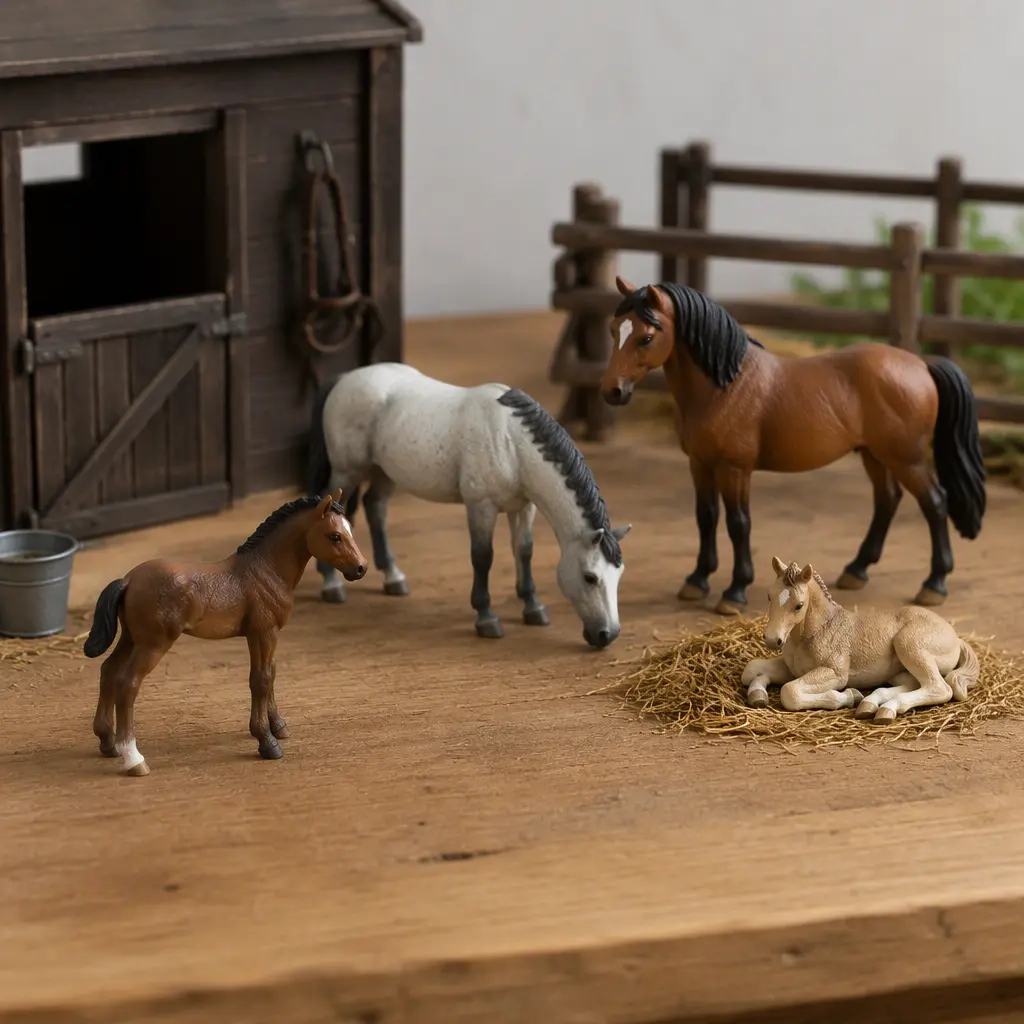
Schleich’s finely detailed animal figures helped turn realistic toys into tools for imagination, blending accuracy with open‑ended storytelling for kids and collectors alike.
Born in the 1980s, Micro Machines turned palm-sized vehicles into sprawling worlds. Their detail, scale, and portability helped them become a defining pretend-play toy of a generation.
Launched in the late 1990s, Tech Deck transformed skate culture into a finger-sized skill toy, letting kids learn real tricks without pavement, pads, or wheels.
First released in 1963, the Easy-Bake Oven blurred the line between pretend play and real cooking, giving generations of kids a safe, hands-on way to bake—and changing how play kitchens were imagined.
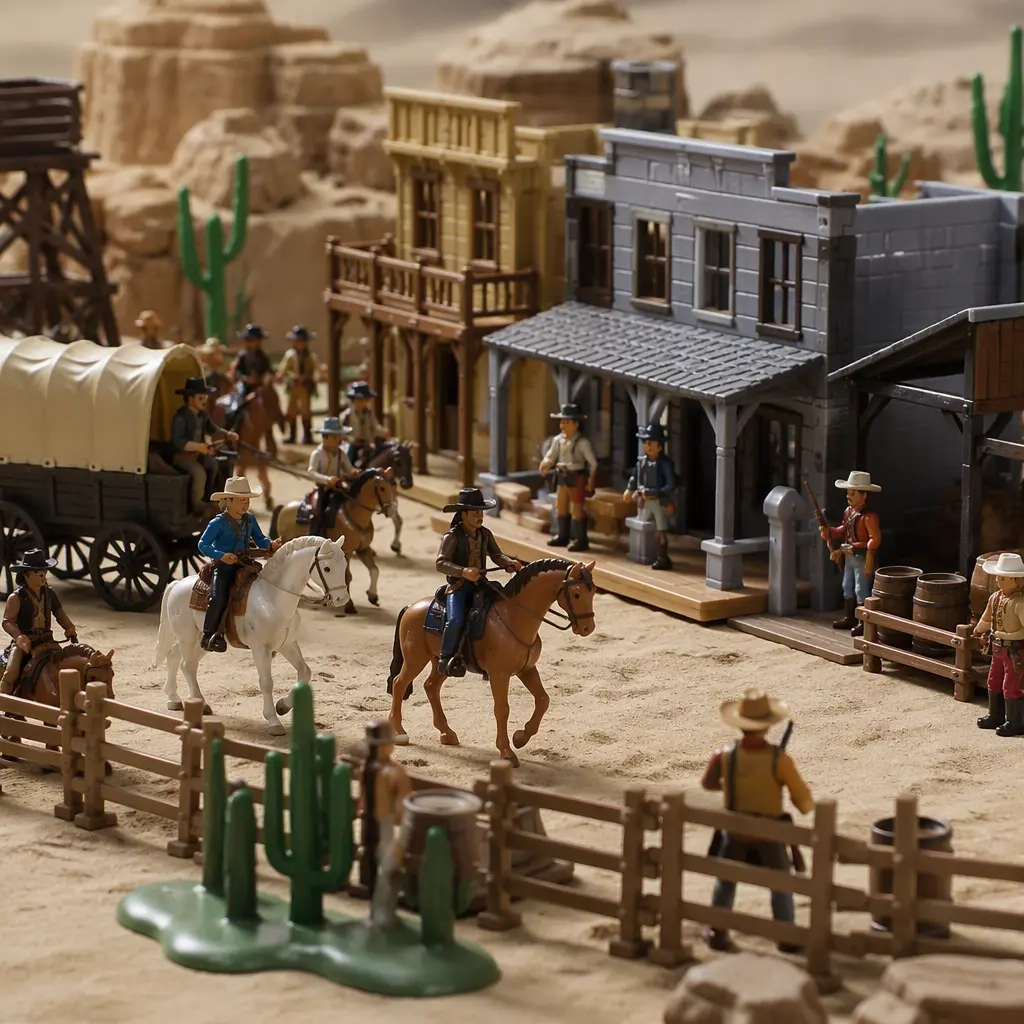
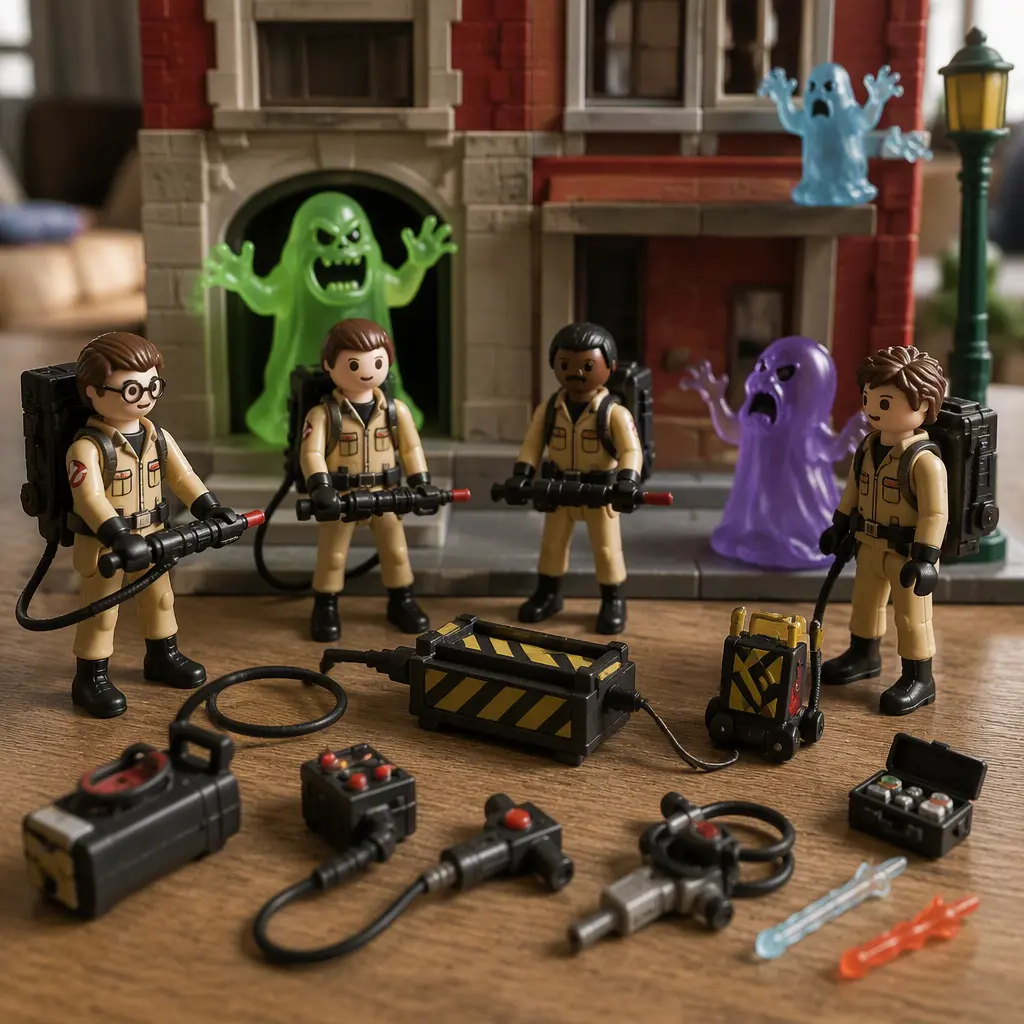
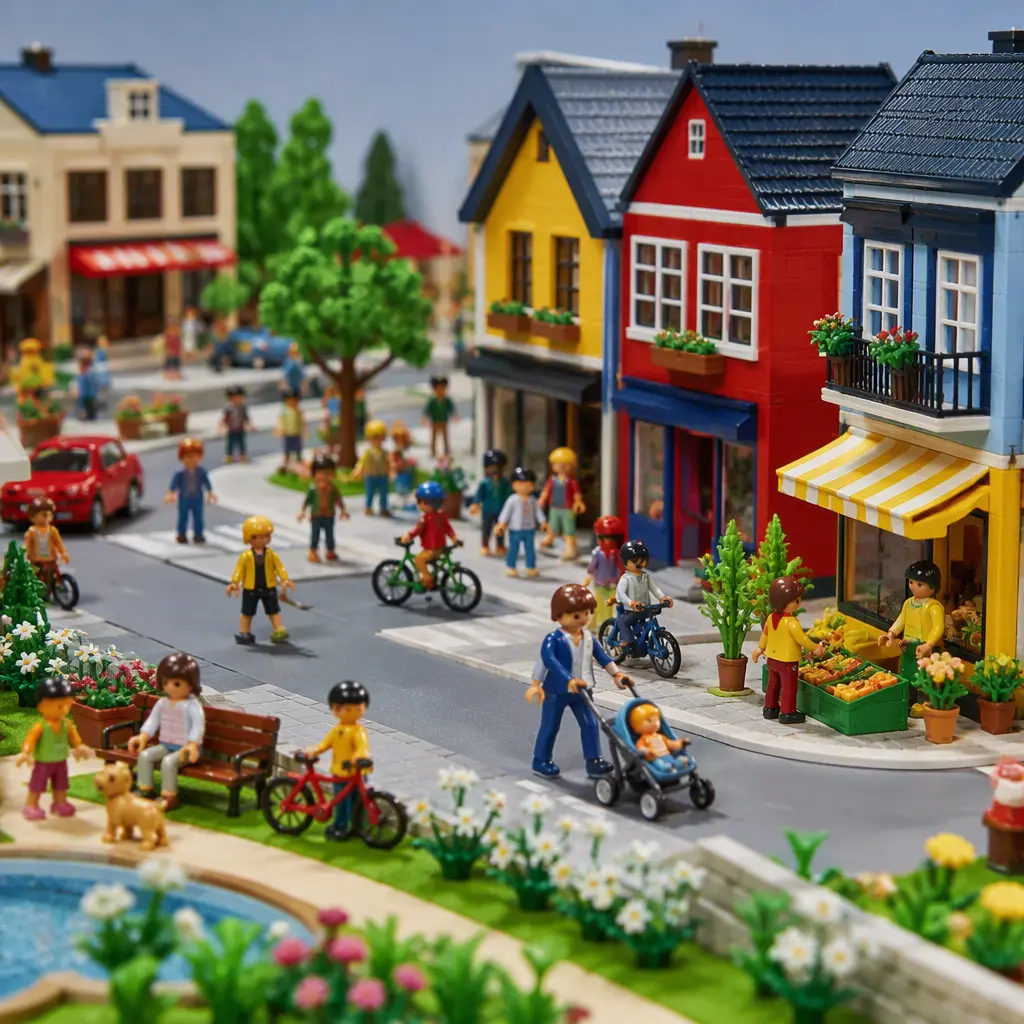
Since the 1970s, Playmobil’s simple smiling figures have powered open-ended play, proving you don’t need screens or instructions to build rich imaginary worlds.
Since 1959, Fisher‑Price Little People have shown how simple, chunky figures can spark safe, open‑ended pretend play for toddlers—shaping early playrooms for generations.
From playground craze to everyday desk toy, the Pop It fidget rose fast in the early 2020s. Its bubble‑popping design taps into sensory play, stress relief, and simple, repeatable fun.
First released in the 1970s, Stretch Armstrong turned strength and durability into play. This profile looks at where it came from, why kids kept testing its limits, and what to know today.
From 1920s Vienna to modern collector shelves, the Pez dispenser turned a simple mint into a playful ritual that still clicks with kids and adults alike.
First sold in 1952, Mr. Potato Head turned everyday bits into a face. This profile looks at its origins, simple design, and why a box of mix‑and‑match pieces still sparks imagination today.
Invented by accident in 1945, the Slinky turned a steel spring into a cultural icon. This profile explores its origins, clever design, lasting appeal, and what to look for when buying one today.
Part toy, part party trick, the Magic 8-Ball has been answering questions since the 1950s. Here’s how a simple floating die became a cultural fixture—and what to know if you buy one today.
First launched in 1939, the View-Master made photography feel three‑dimensional. This editorial profile looks at where it came from, why the simple viewer-and-reel design endured, and what to know today.