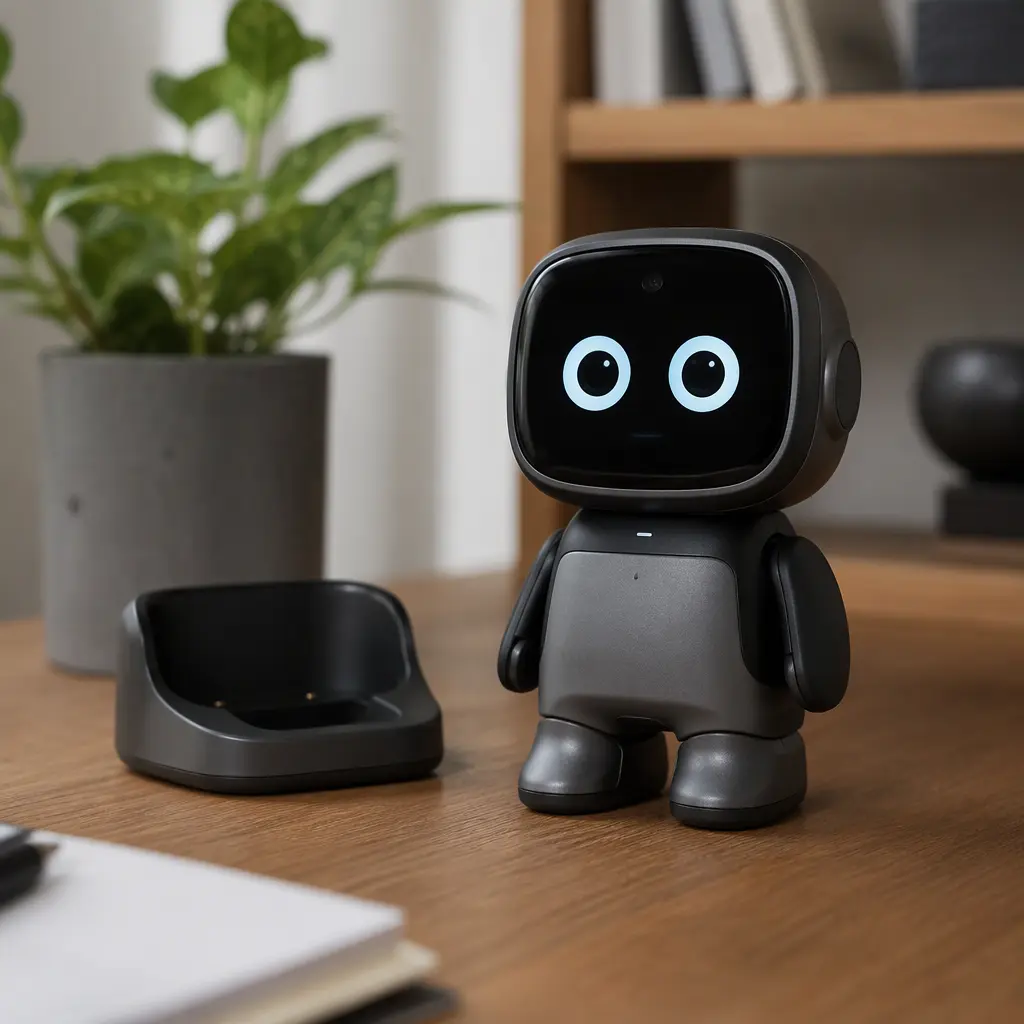
Electronics & R/C · 3–5 years
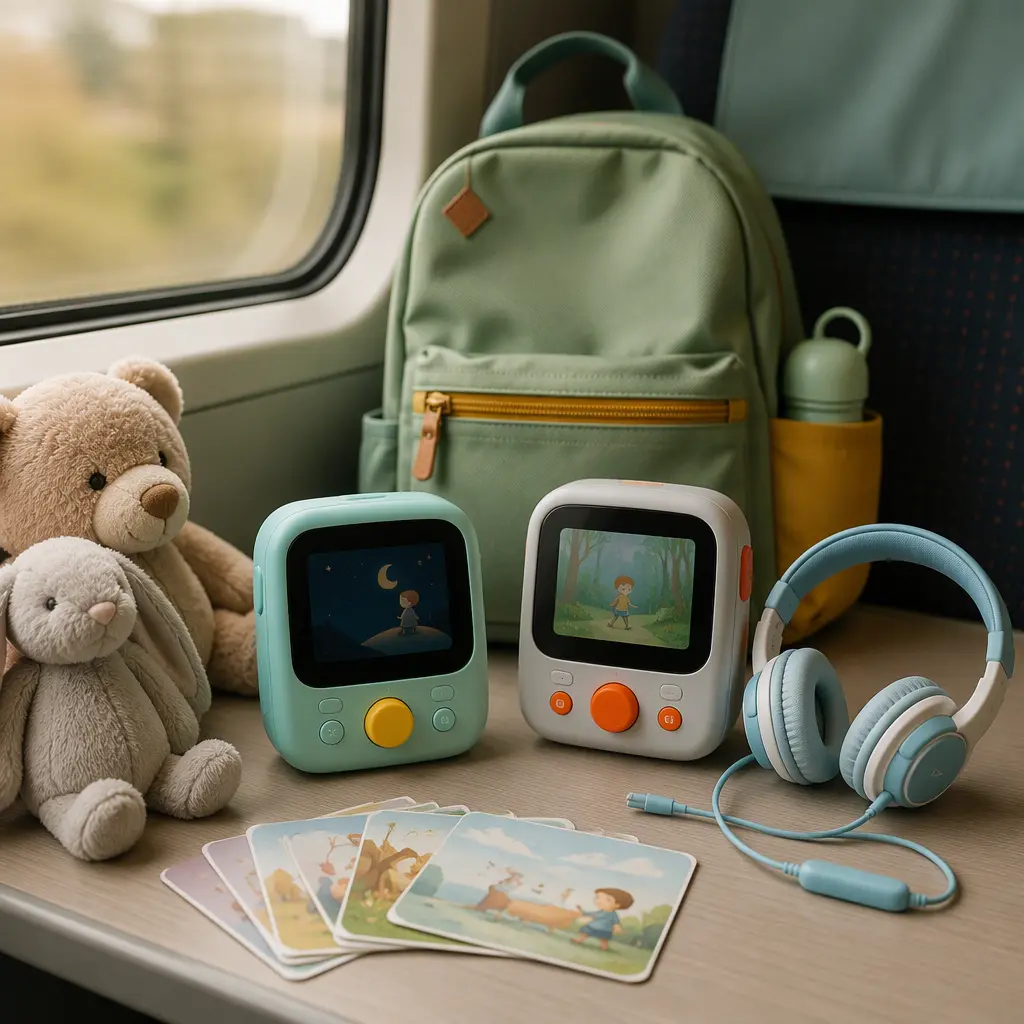
A practical UK travel guide comparing Toniebox Lite and Yoto Mini for ages 3–5, covering offline listening, portability, durability, repairability, card costs and long-trip usability.
Electronics & R/C · 6–8 years
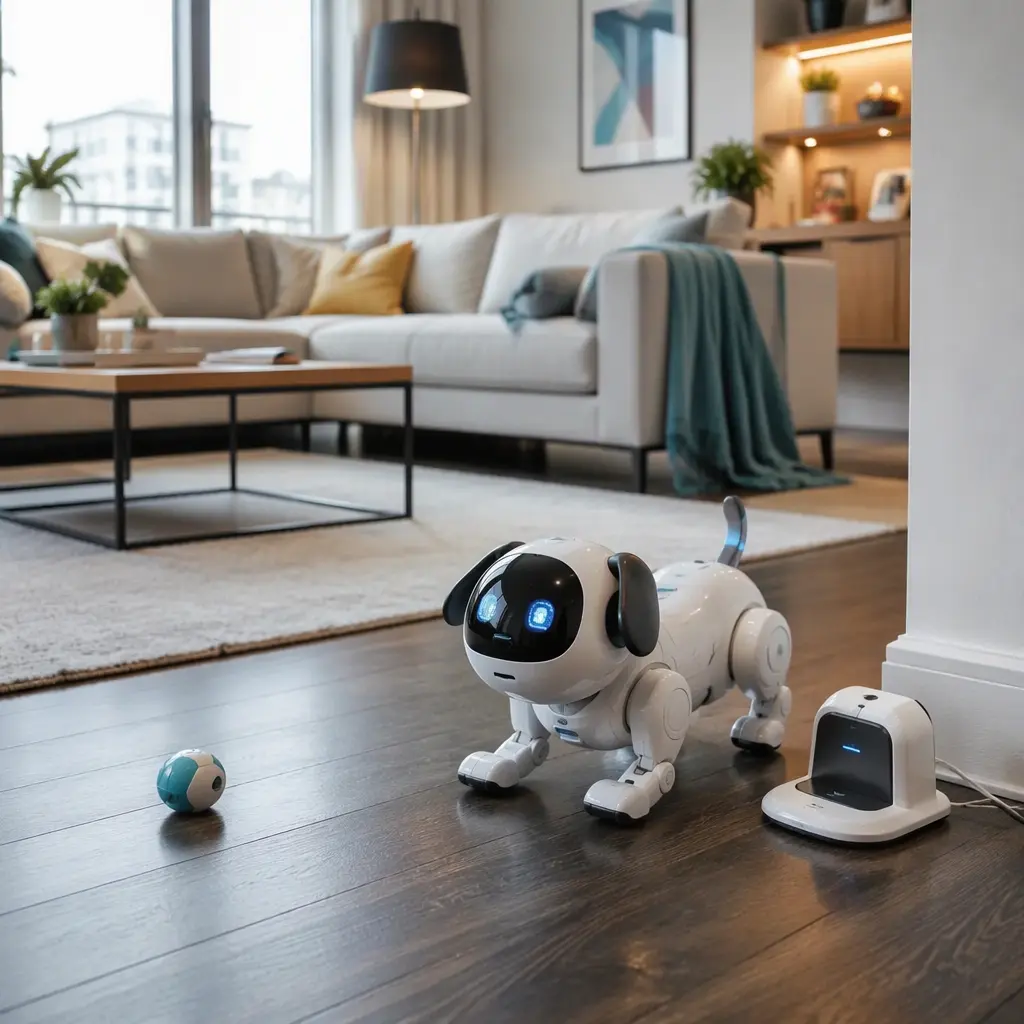
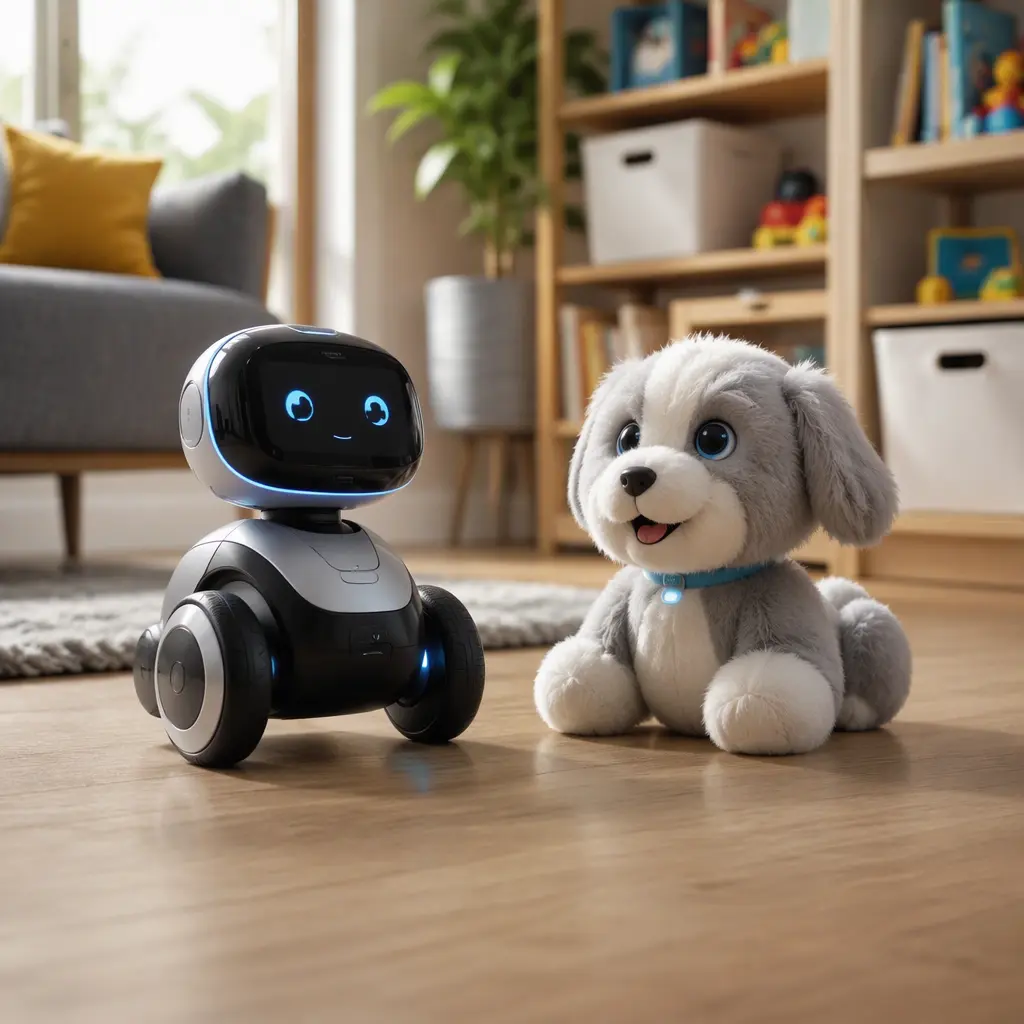
A parent-focused comparison of Loona and Ropet AI pets, covering setup, voice features, privacy controls, offline play, durability and whether the interactive features stay engaging over time.
Electronics & R/C
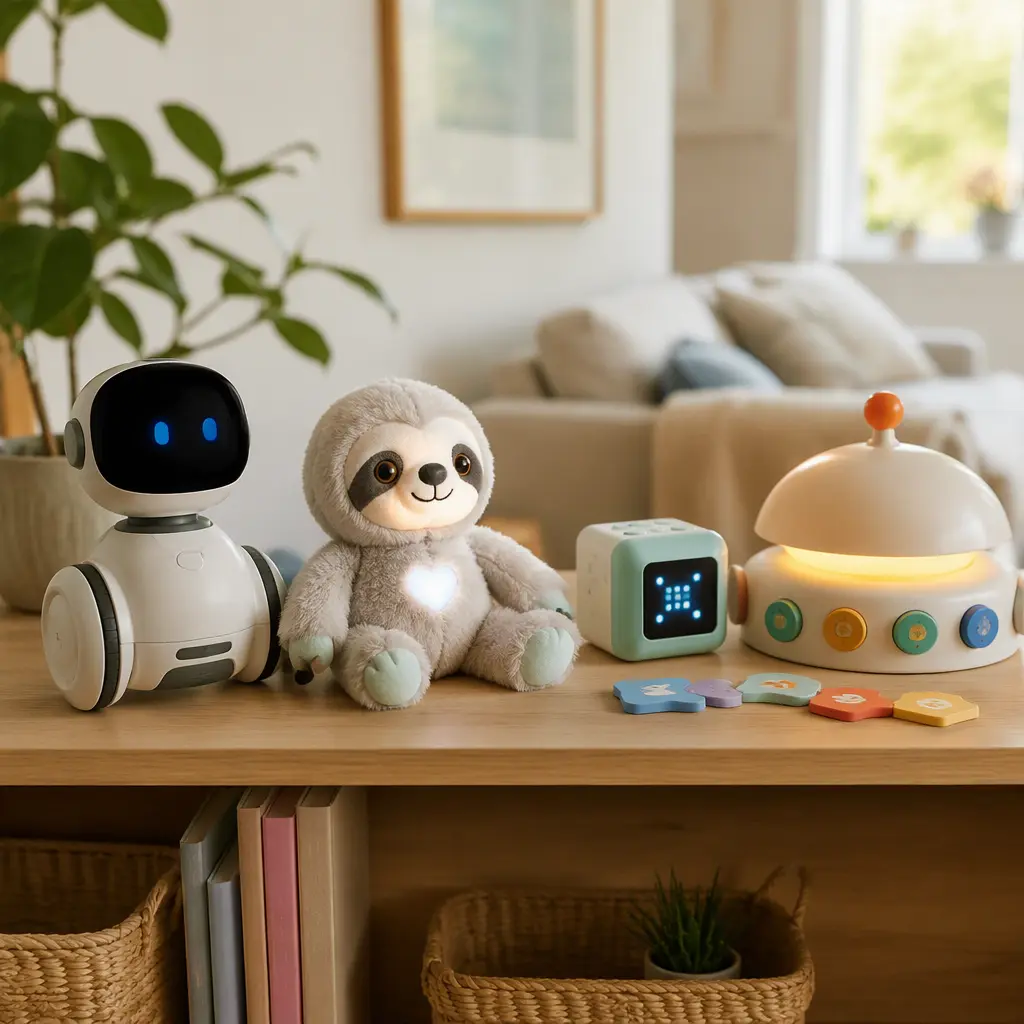
A practical guide to evaluating AI toys for kids, including privacy, offline play, subscriptions, moderation, age fit and long-term support before you buy.

Electronics & R/C · 13+ years
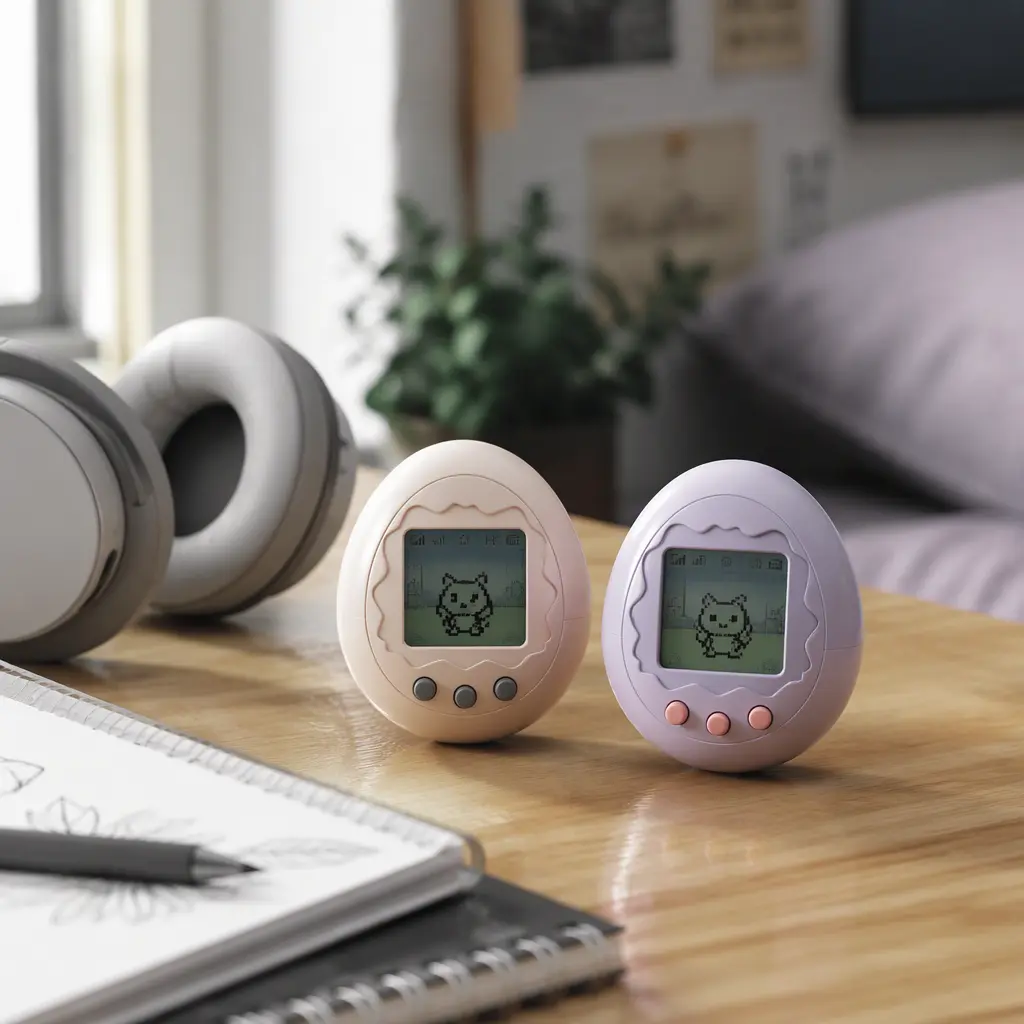
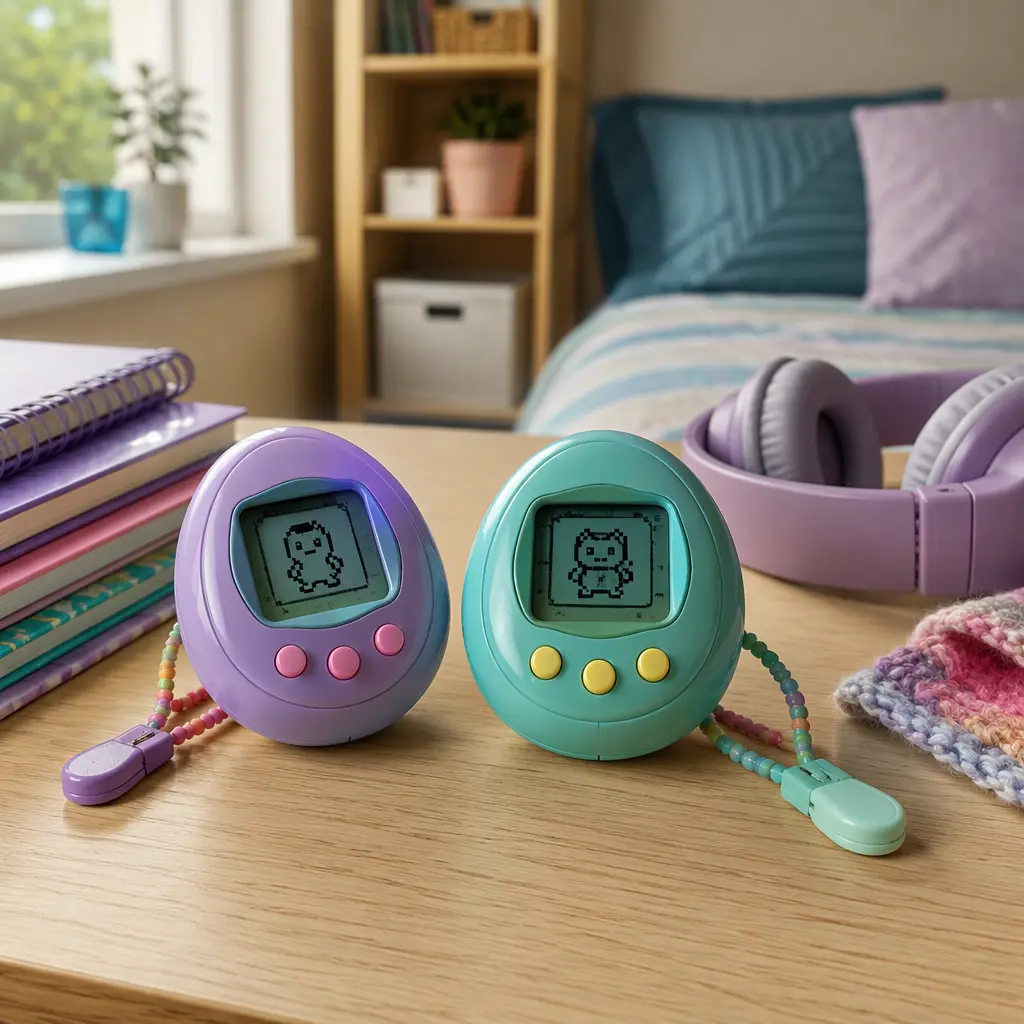
A UK-focused guide to AI companions, interactive robots and retro-tech kits for teens and adults. Compare privacy, setup, subscriptions, noise, display value and long-term usefulness before buying.
Electronics & R/C
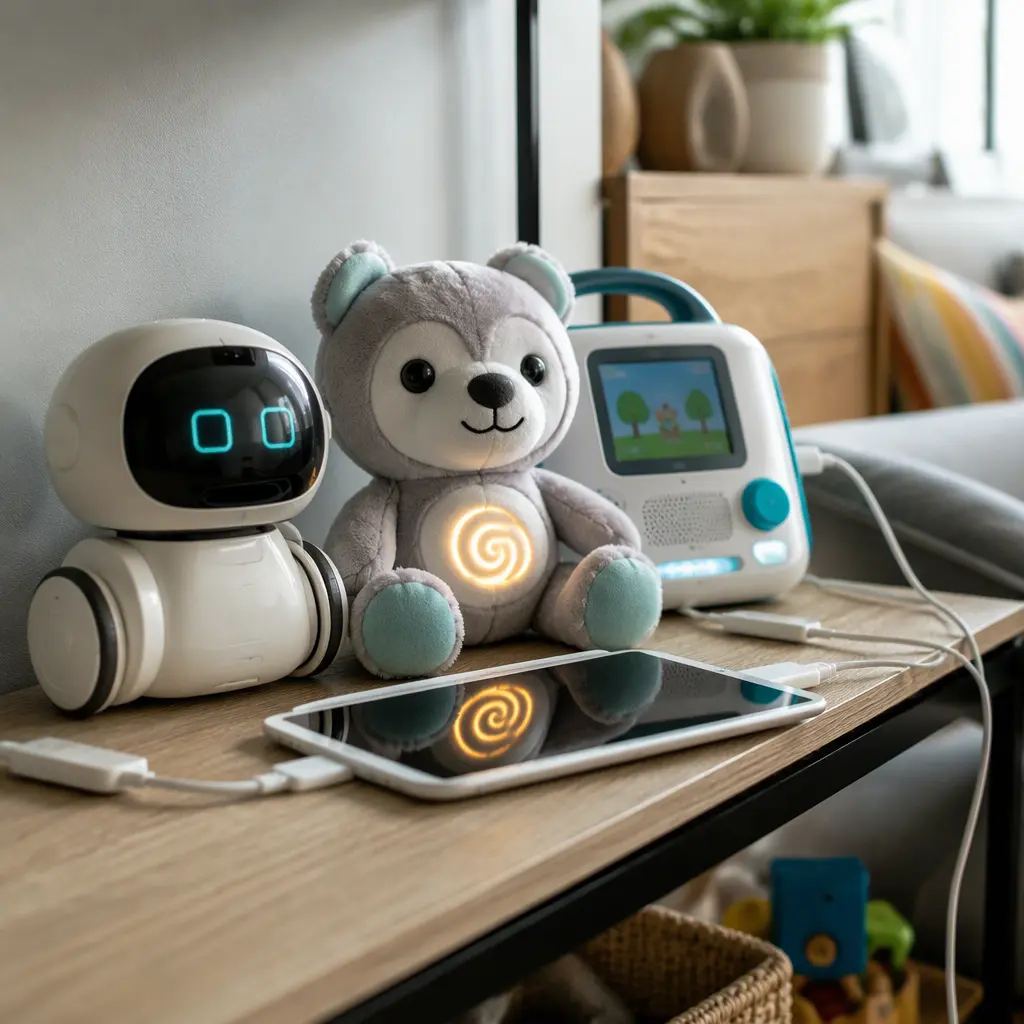
A parent-focused guide to AI and app-connected toys, covering subscriptions, credits, cloud features, device compatibility, and what still works if support ends.
Electronics & R/C
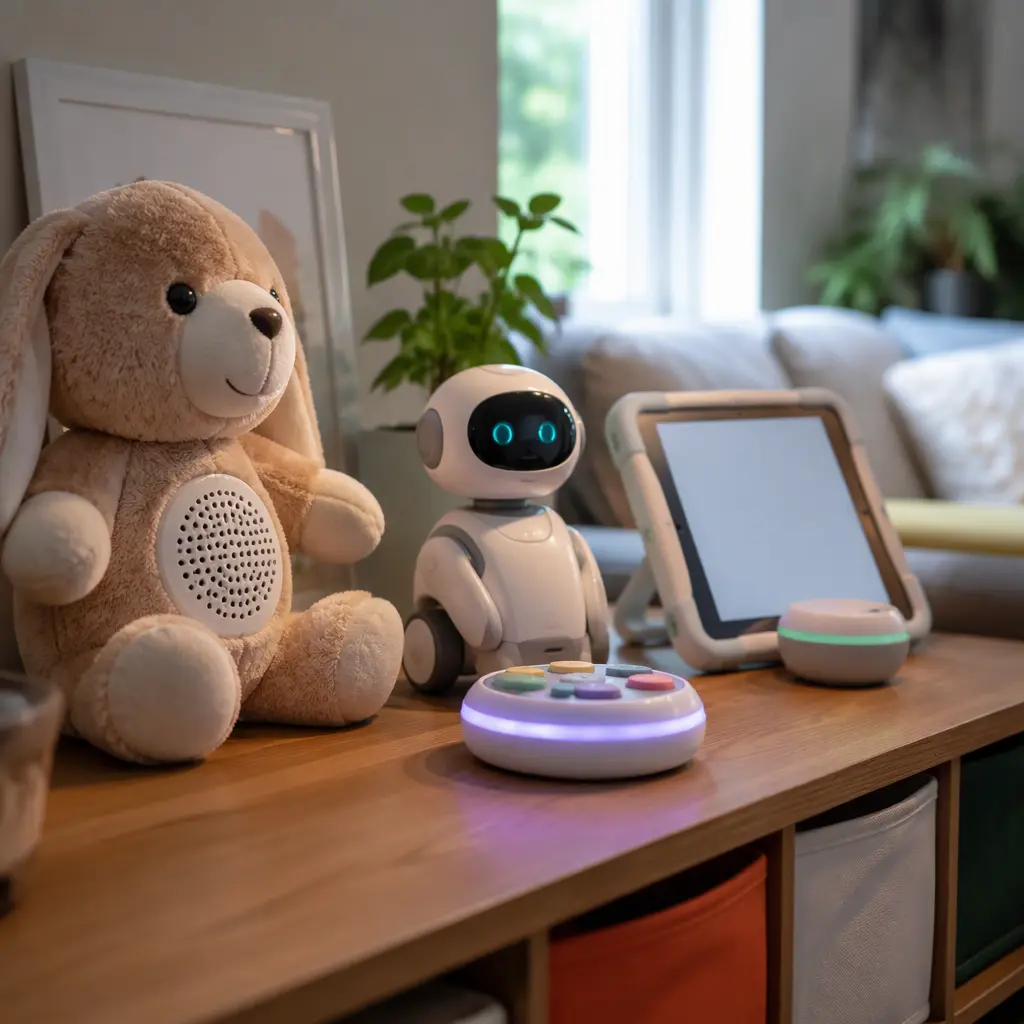
Use this practical checklist before buying a connected toy. Learn what microphones, cameras, apps, accounts and cloud features mean for privacy, supervision and long-term usefulness.

Electronics & R/C · 13+ years
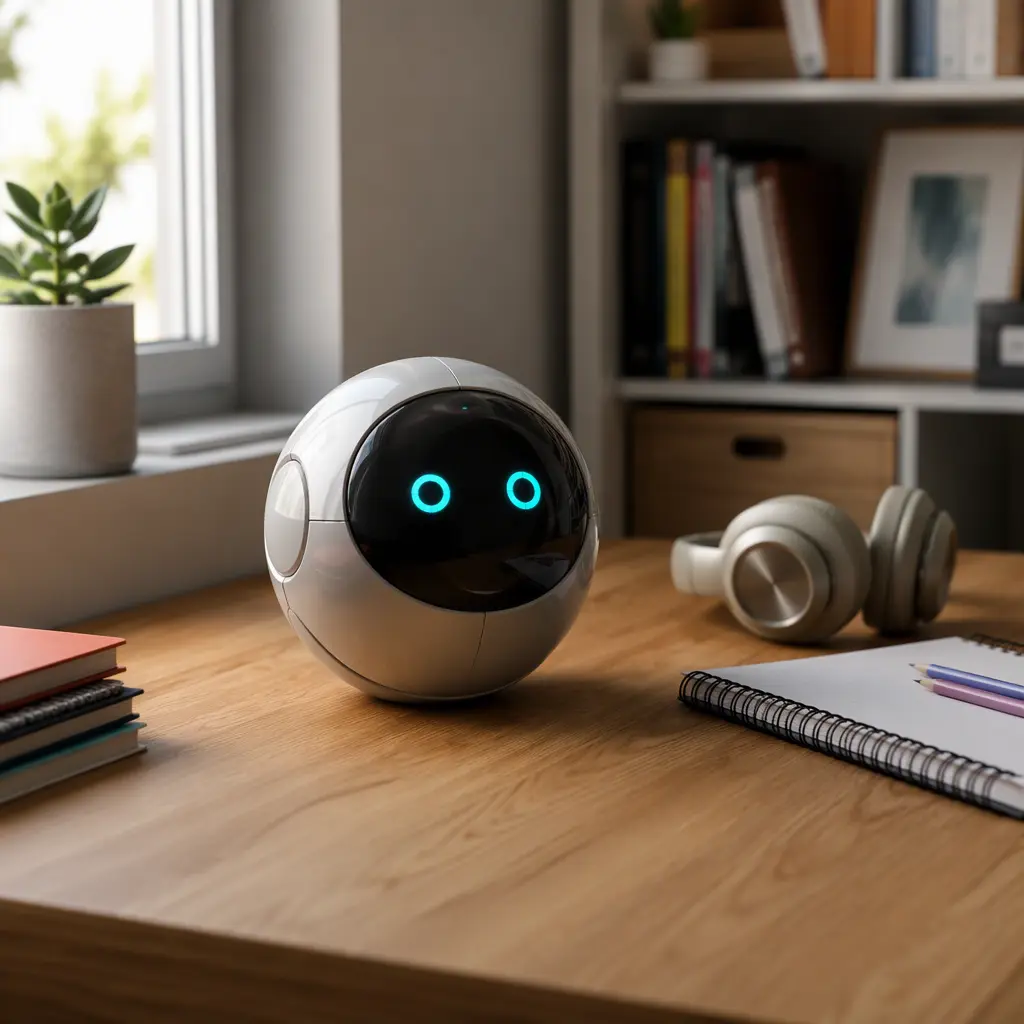
A practical guide to AI companion robots for adults, comparing interaction style, privacy, app dependence, subscriptions, noise, maintenance and UK support before you buy.
Electronics & R/C · 9–12 years
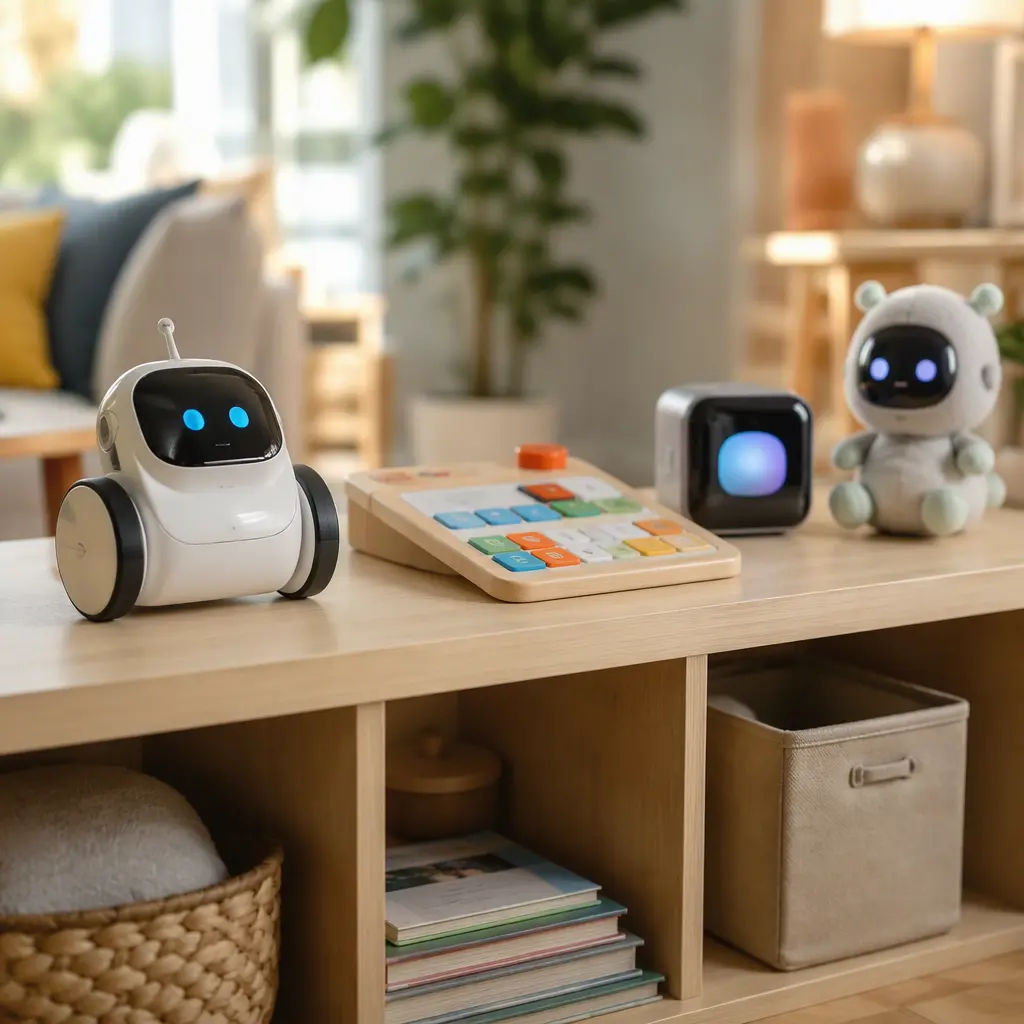
A parent-focused guide to current AI toys for ages 9–12, covering privacy, microphones, subscriptions, offline play, parental controls and practical trade-offs before Christmas 2026.

Electronics & R/C · 6–8 years
A parent-focused guide to offline audio toys for ages 6–8, covering kid-safe controls, headphone use, bedtime practicality, storage, durability and screen-free listening options.
Electronics & R/C · 9–12 years
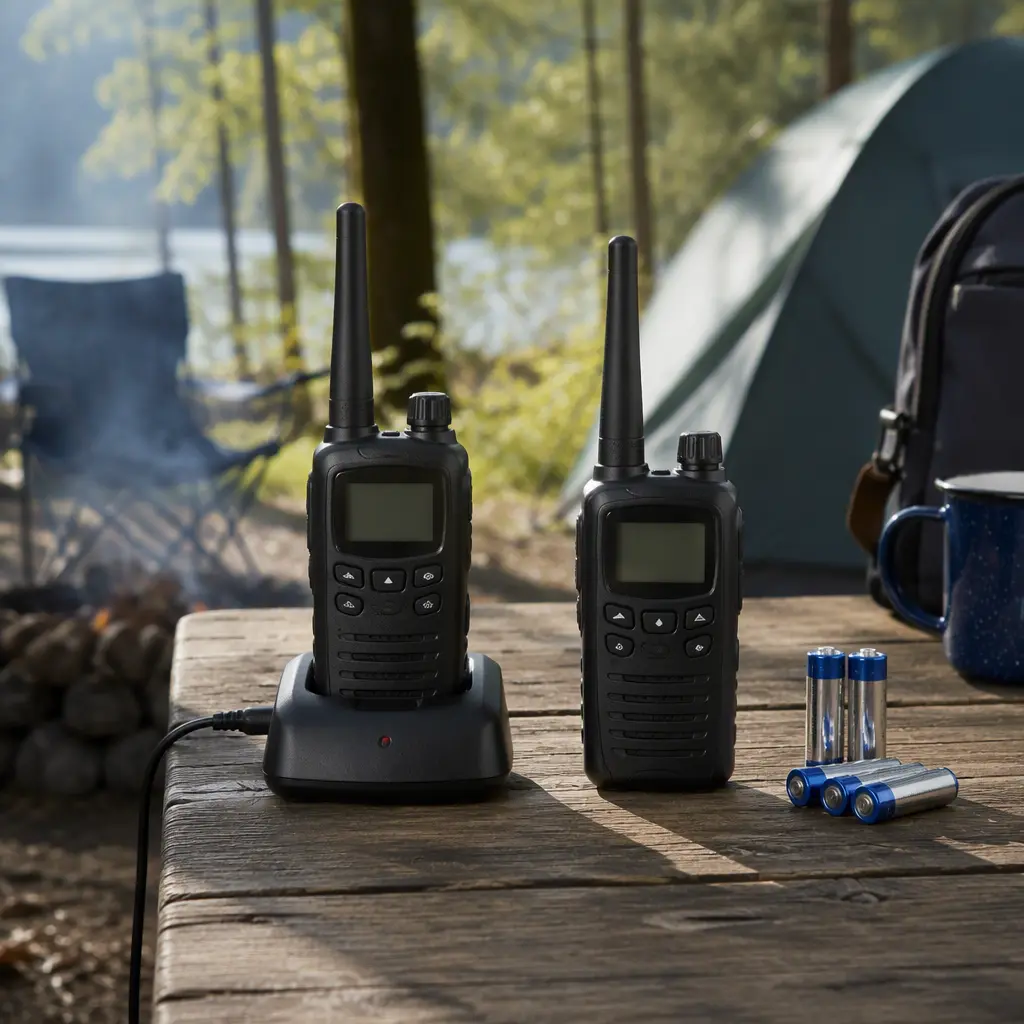
Compare rechargeable and battery-powered walkie talkies for kids’ camps and outdoor trips, including durability, charging, range expectations, weather use and practical parent trade-offs.
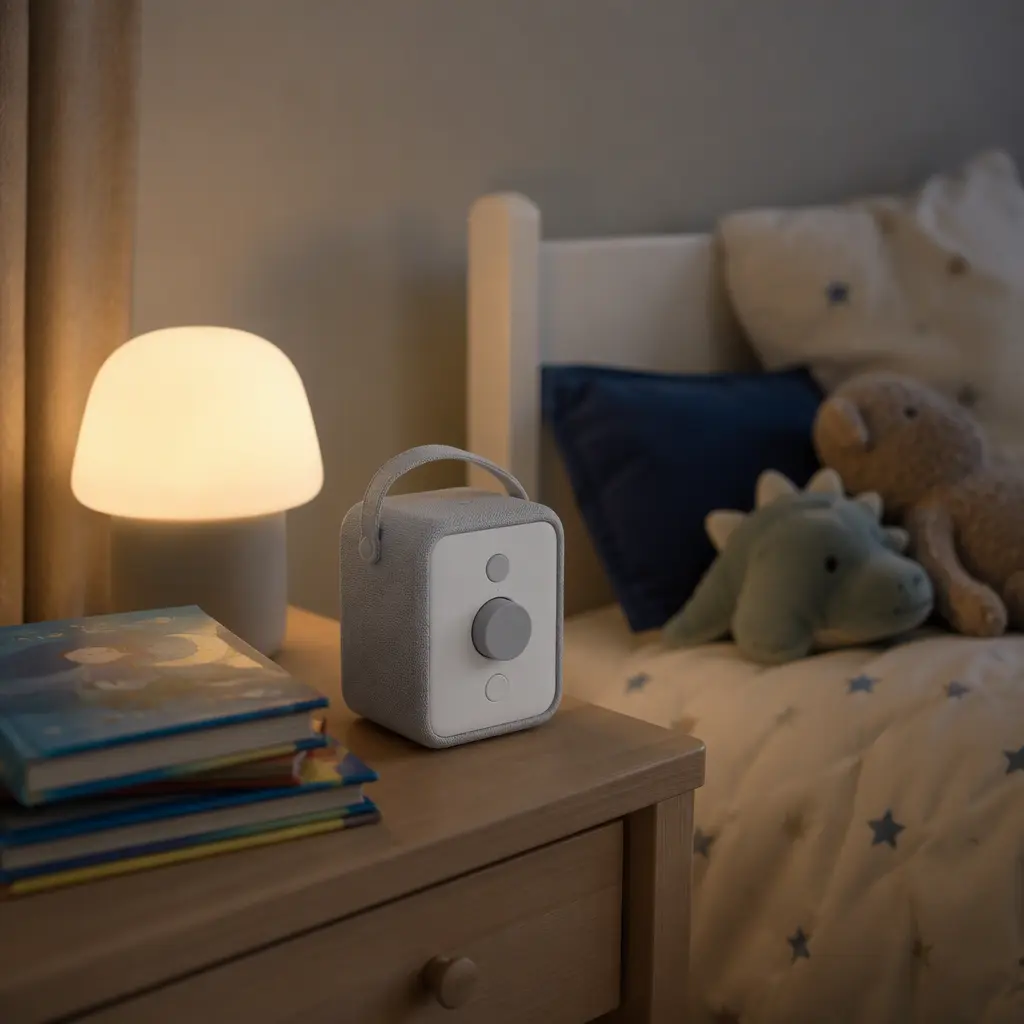
Electronics & R/C · 3–5 years
A parent-focused guide to calm, screen-free audio toys for bedtime. Compare simple story players, music boxes and audio speakers for children ages 3–5, with practical tips on noise, setup and sleep routines.

Electronics & R/C · 3–5 years
Compare offline audio players for preschoolers who love stories and music. Learn which types are easiest to use, most durable, and most likely to reduce screen time at home or on trips.
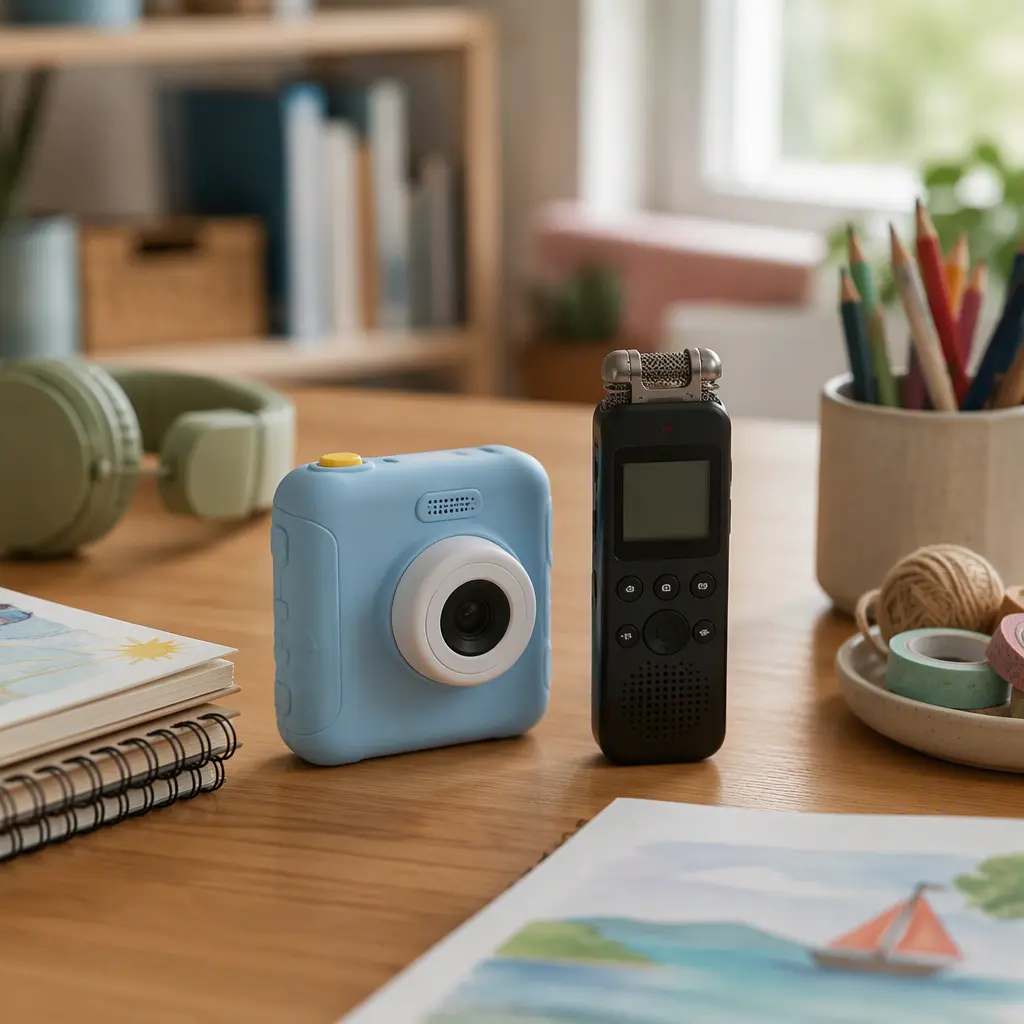
Electronics & R/C · 9–12 years
Comparing toy cameras and audio recorders for ages 9–12, including creative play value, storage, supervision, durability and which option keeps kids engaged longer without apps.
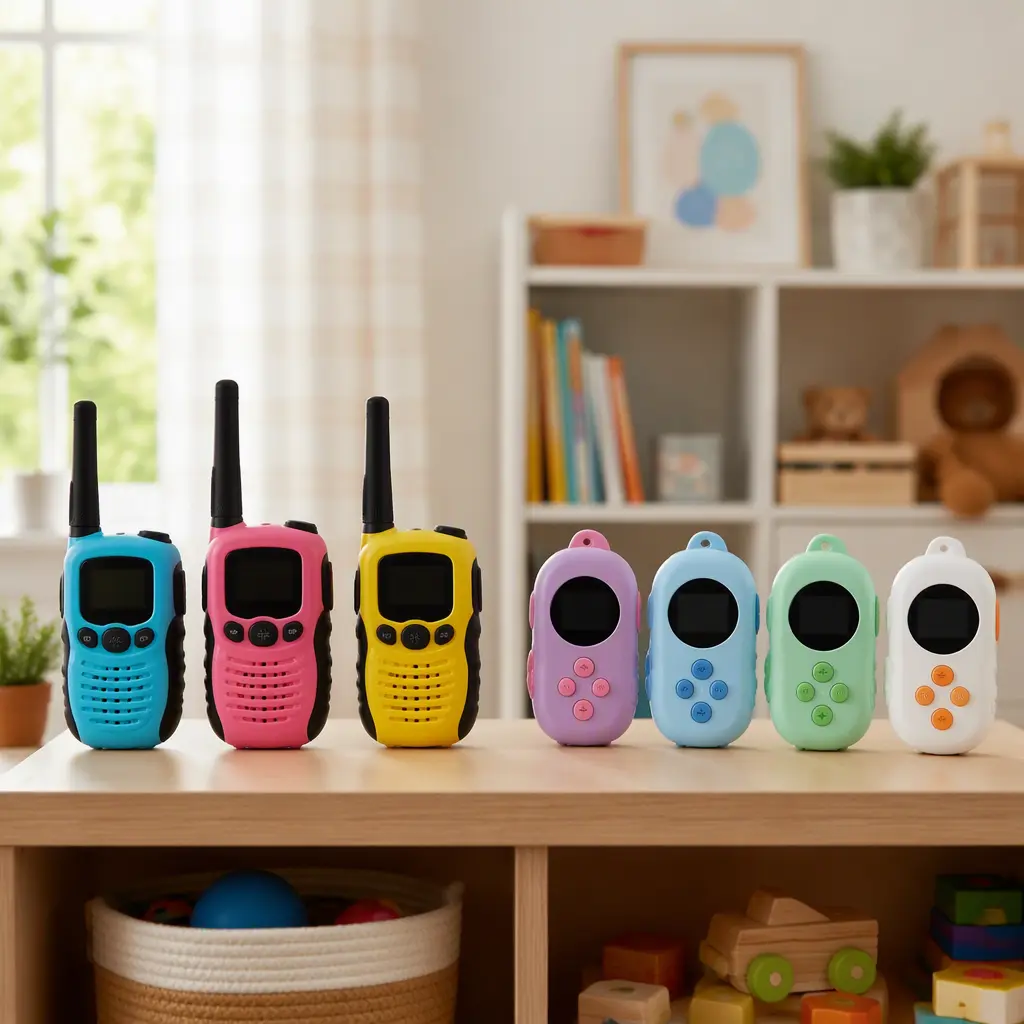
Electronics & R/C · 6–8 years
A parent-focused guide to choosing between offline voice changers and walkie talkies for ages 6–8, with practical advice on noise, outdoor play, durability, storage and sibling-friendly use.
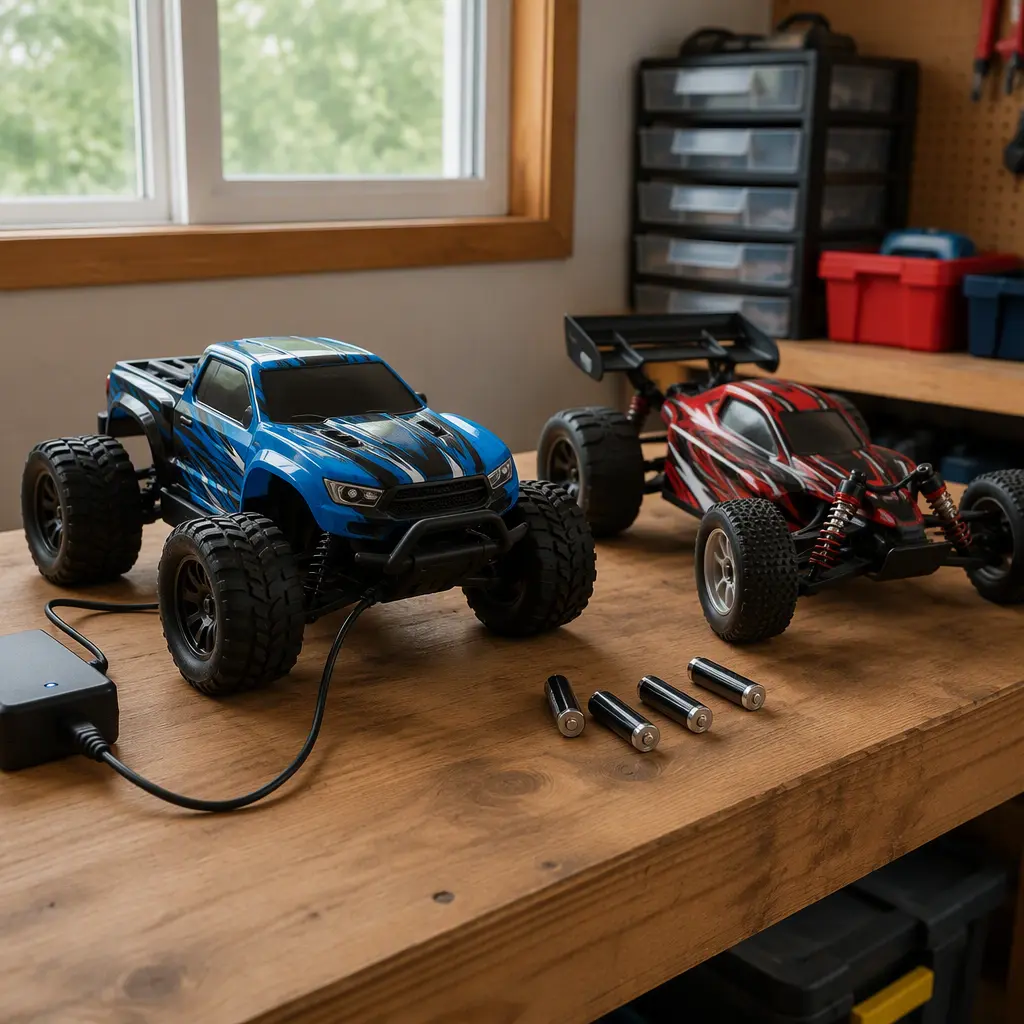
Electronics & R/C · 9–12 years
Compare rechargeable and battery-powered RC cars for ages 9–12, including running time, durability, downtime, storage, and long-term costs for first-time buyers.
Electronics & R/C · 9–12 years
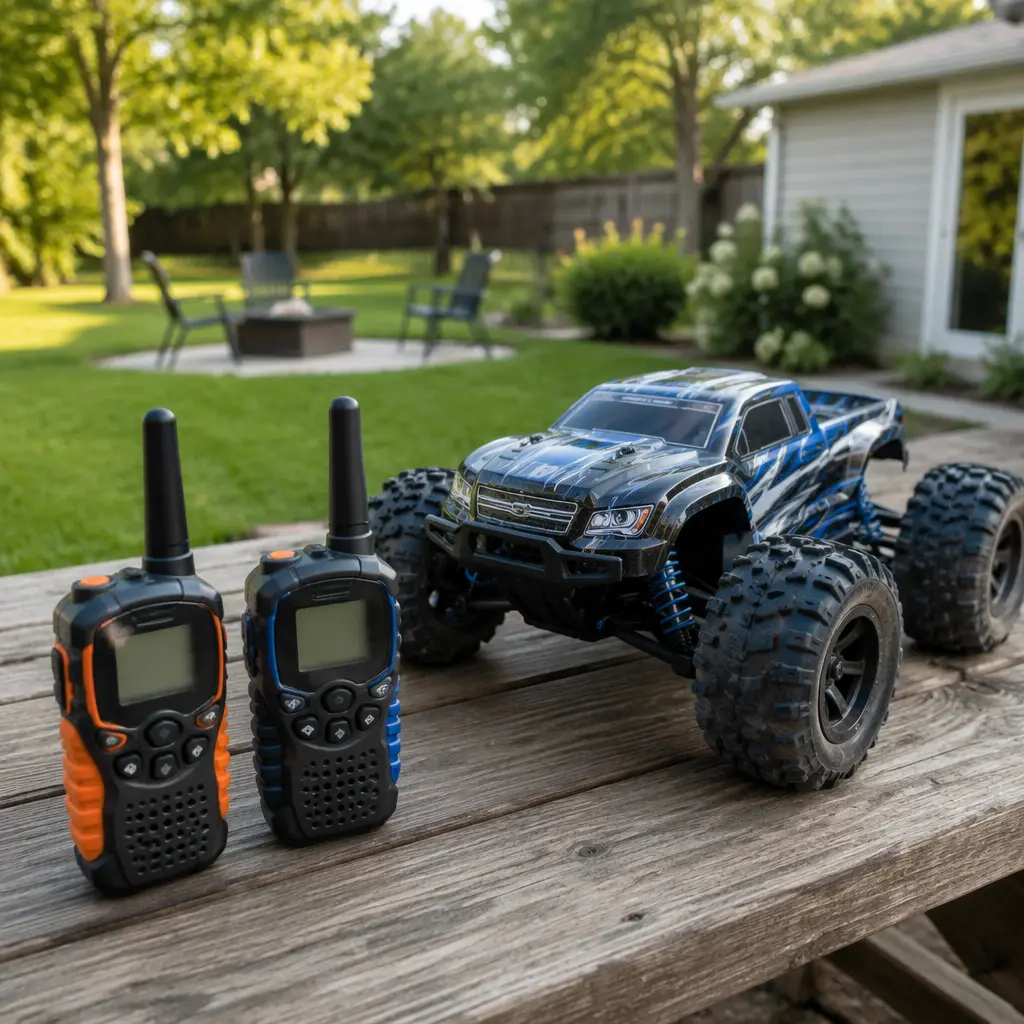
Comparing walkie talkies and RC cars for kids ages 9–12, including durability, repair risk, battery demands, outdoor space needs and which type keeps play going longer.

Electronics & R/C · 3–5 years
Comparing toy drums and keyboards for ages 3–5 in apartments and shared homes, with practical advice on volume control, headphone use, replay value, storage and supervision.
Electronics & R/C · 6–8 years
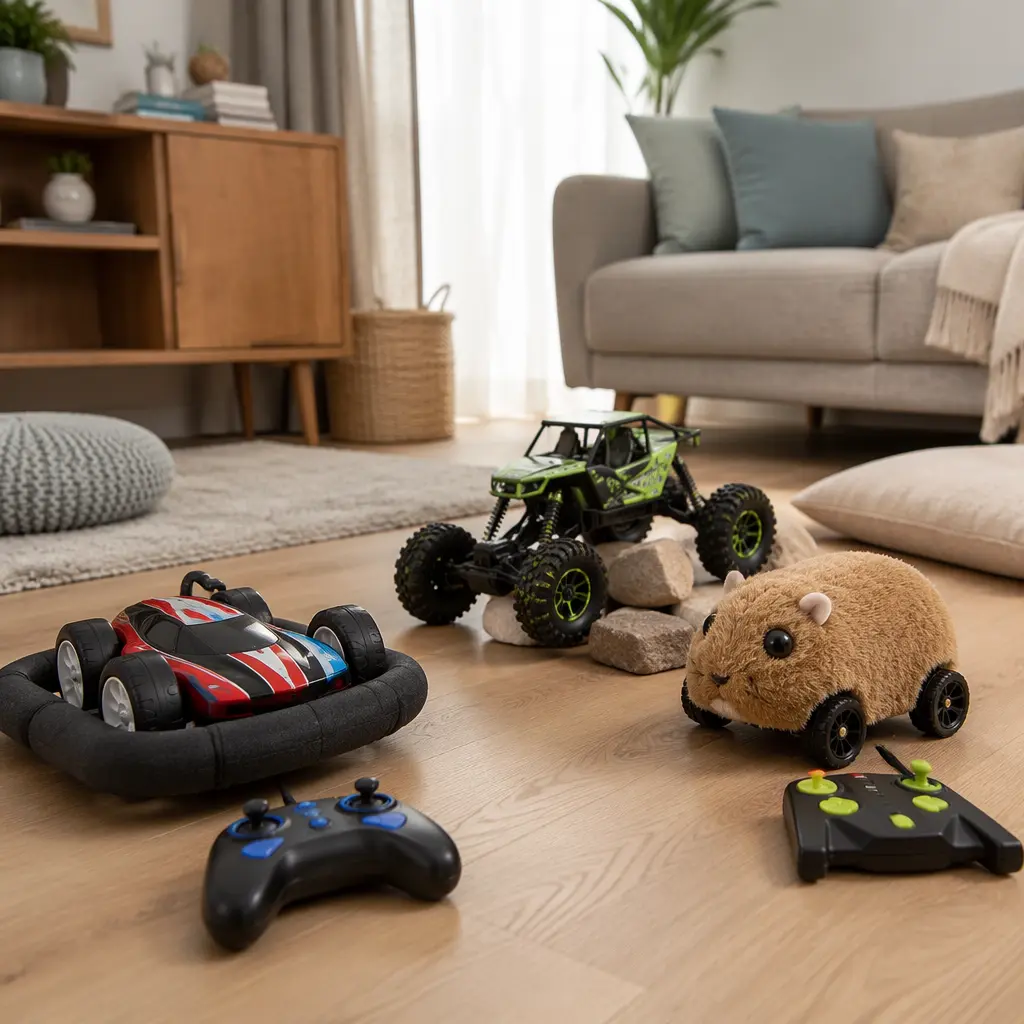
Compare beginner-friendly remote-control toys for ages 6–8 that suit indoor play with lower speeds, softer materials, quieter operation, and less risk of wall damage or frustration.
Electronics & R/C · 9–12 years
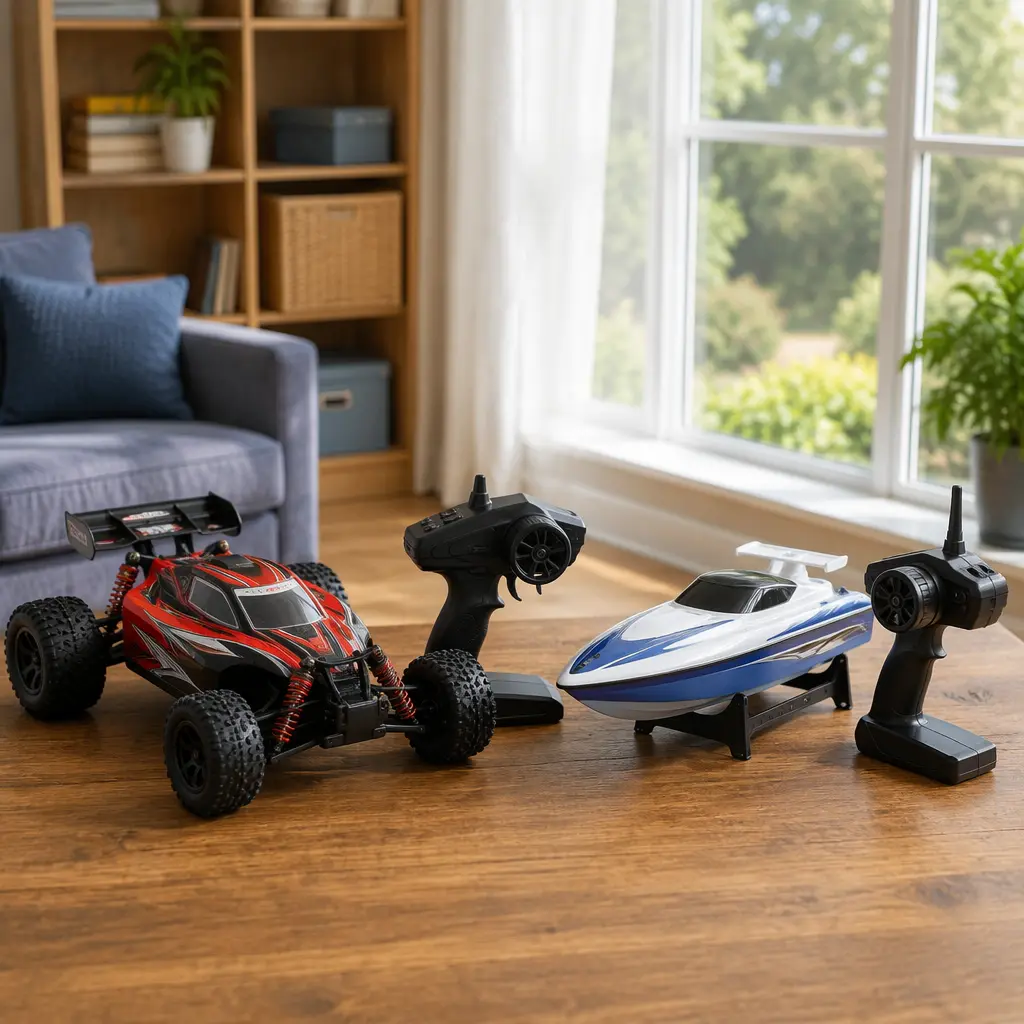
A practical guide to choosing simple RC toys for first-time users ages 9–12, with advice on controls, durability, battery types, indoor noise, outdoor use, and supervision.

Electronics & R/C · 6–8 years
A parent-friendly guide to RC boat safety for younger kids, including water supervision, beginner-friendly features, speed limits, and tips for choosing age-appropriate models.

Electronics & R/C · 13+ years
Explore durable remote-control toys for teens that stay fully offline, with tips on range, battery life, repairability, and age-appropriate features for stress-free play.
Electronics & R/C · 3–5 years
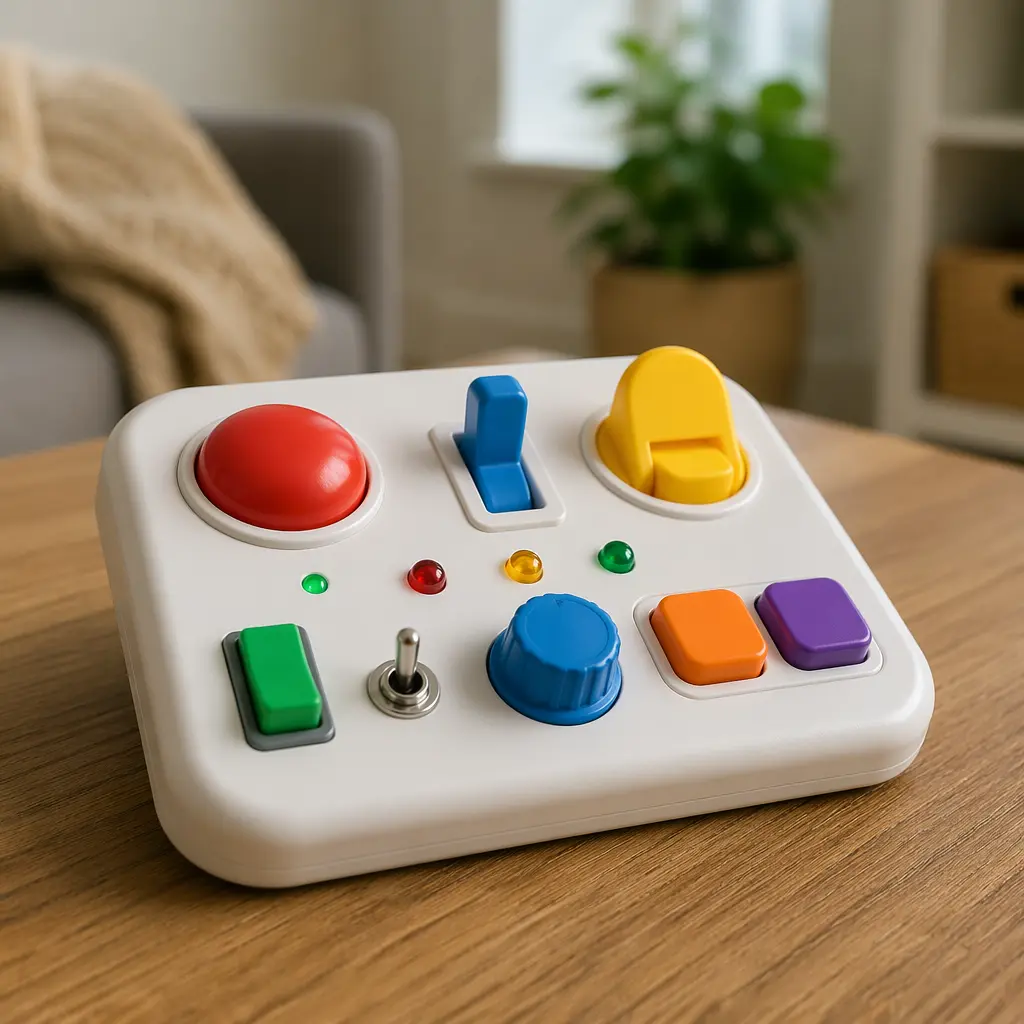
A parent-focused guide to simple electronic toys for ages 3–5 that explain real-world buttons, switches, and dials—what to look for, age fit, safety notes, and common questions.
Electronics & R/C · 9–12 years
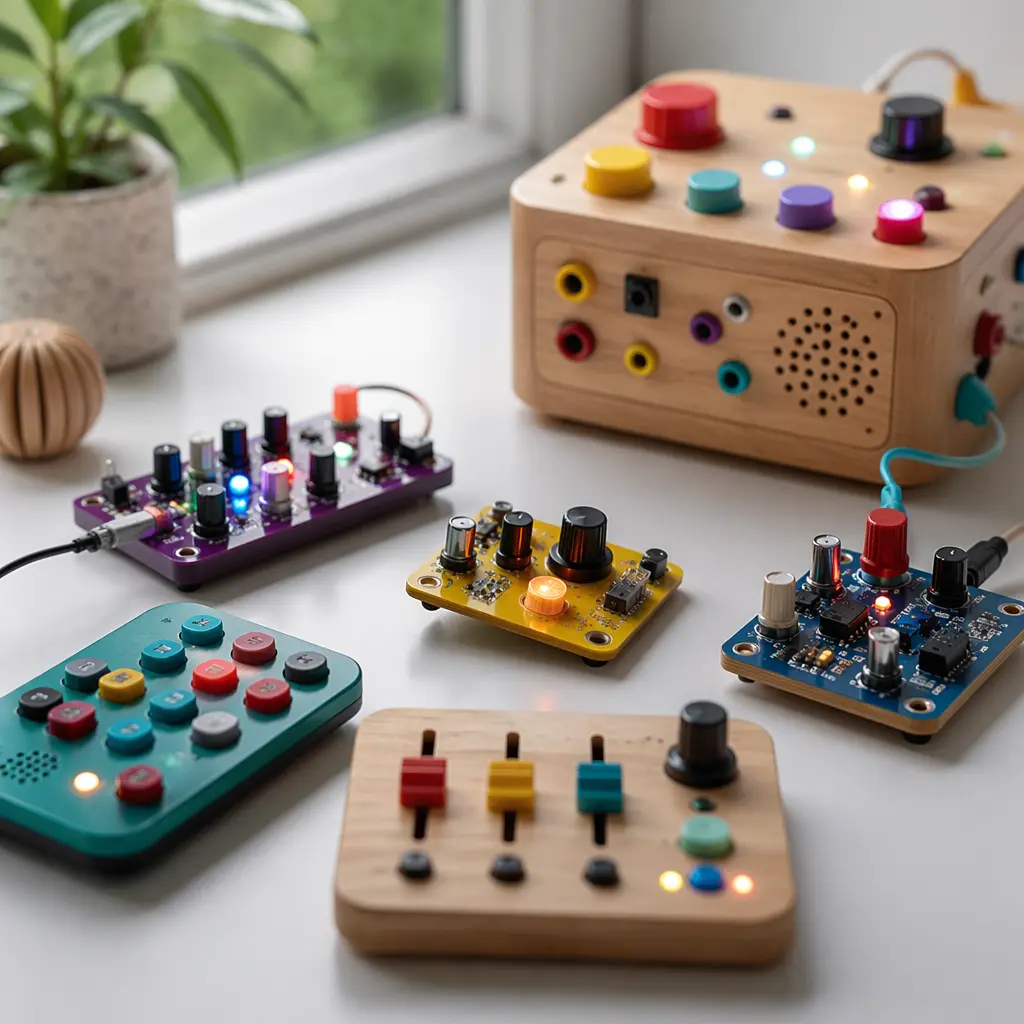
A buyer’s guide to screen-free electronic toys for ages 9–12—hands-on kits that teach circuits, sound, motion, and logic without apps, accounts, or tablets.

Electronics & R/C · 3–5 years
A parent-focused guide to first electronic toys for ages 3–5. Learn what features matter, age fit, safety tips, and common questions—focused on button-based toys with lights and sounds, not apps or screens.