Board Games & Card Games · 6–8 years
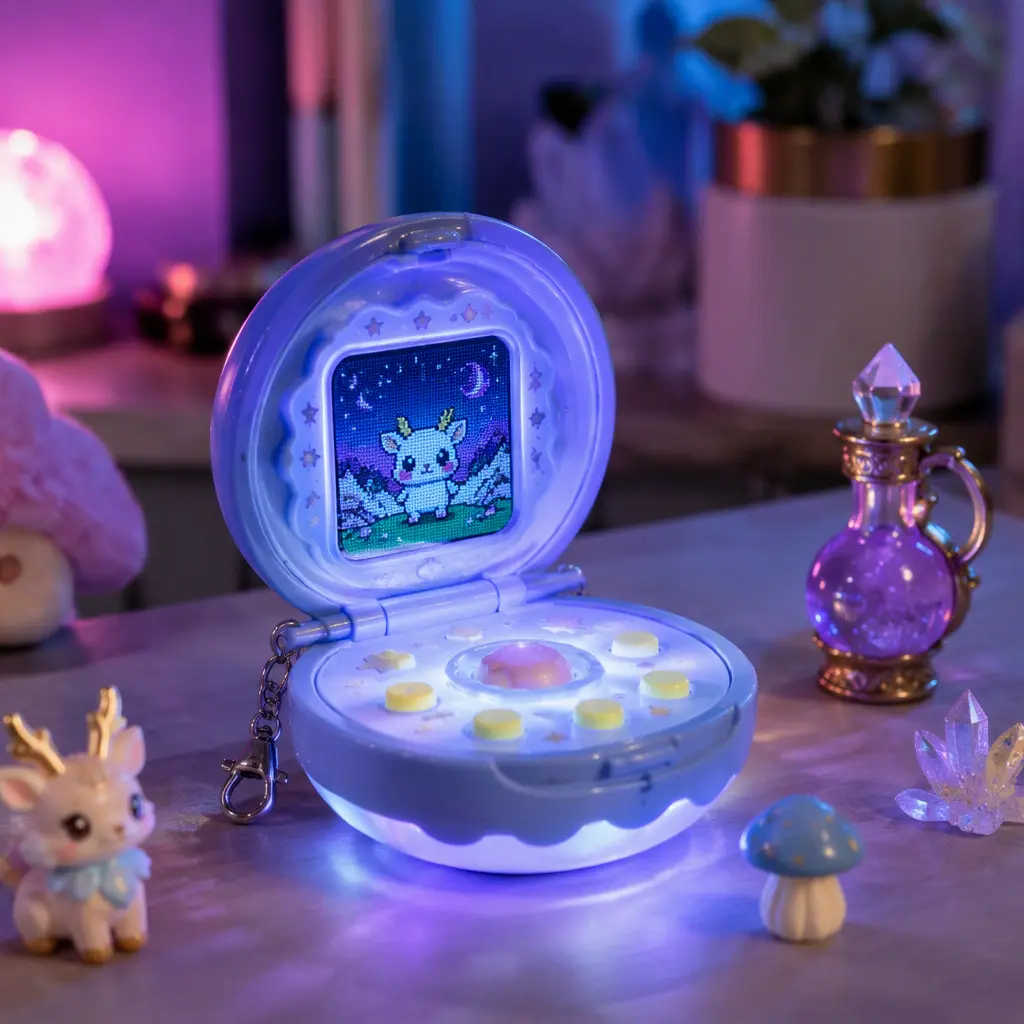
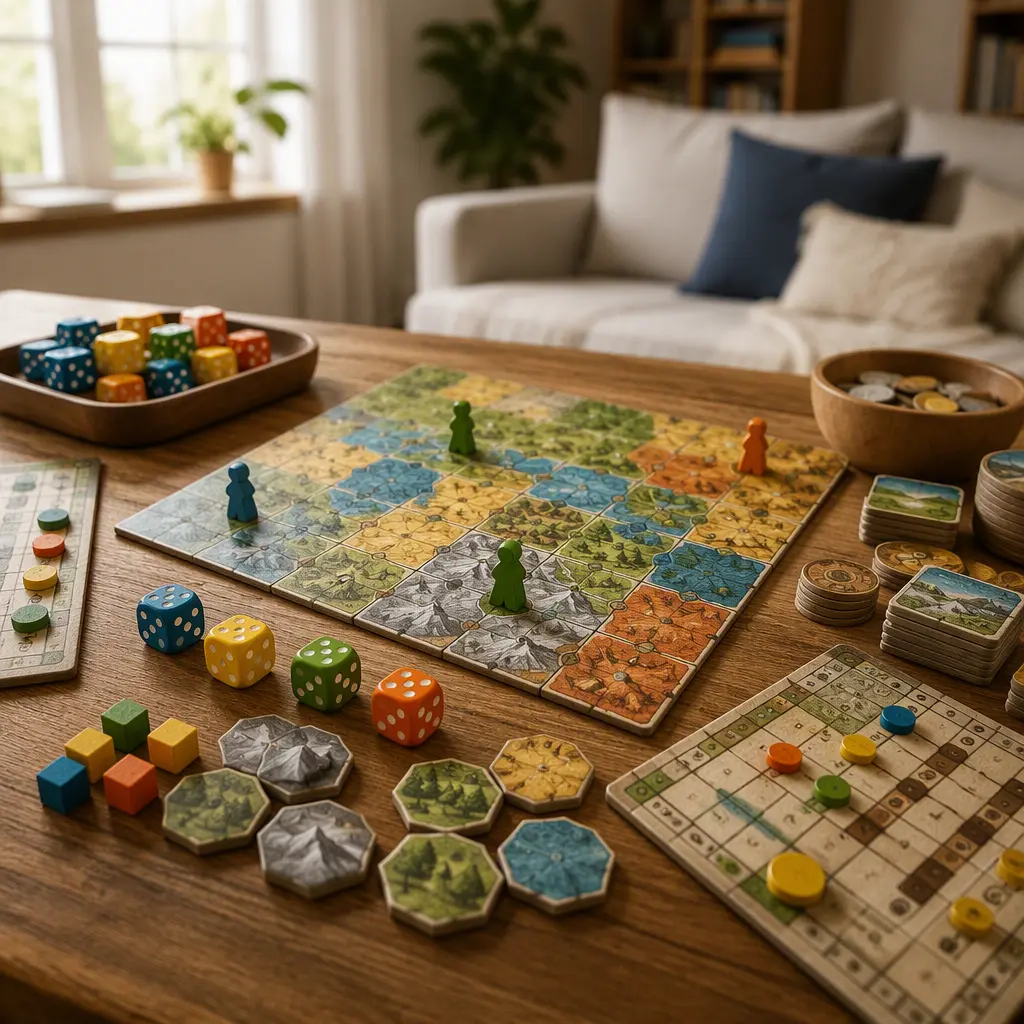
A parent-focused guide to choosing between dice and tile games for children aged 6–8 who struggle with competitive frustration, including pacing, luck balance, noise, and emotional intensity.
Board Games & Card Games · 6–8 years
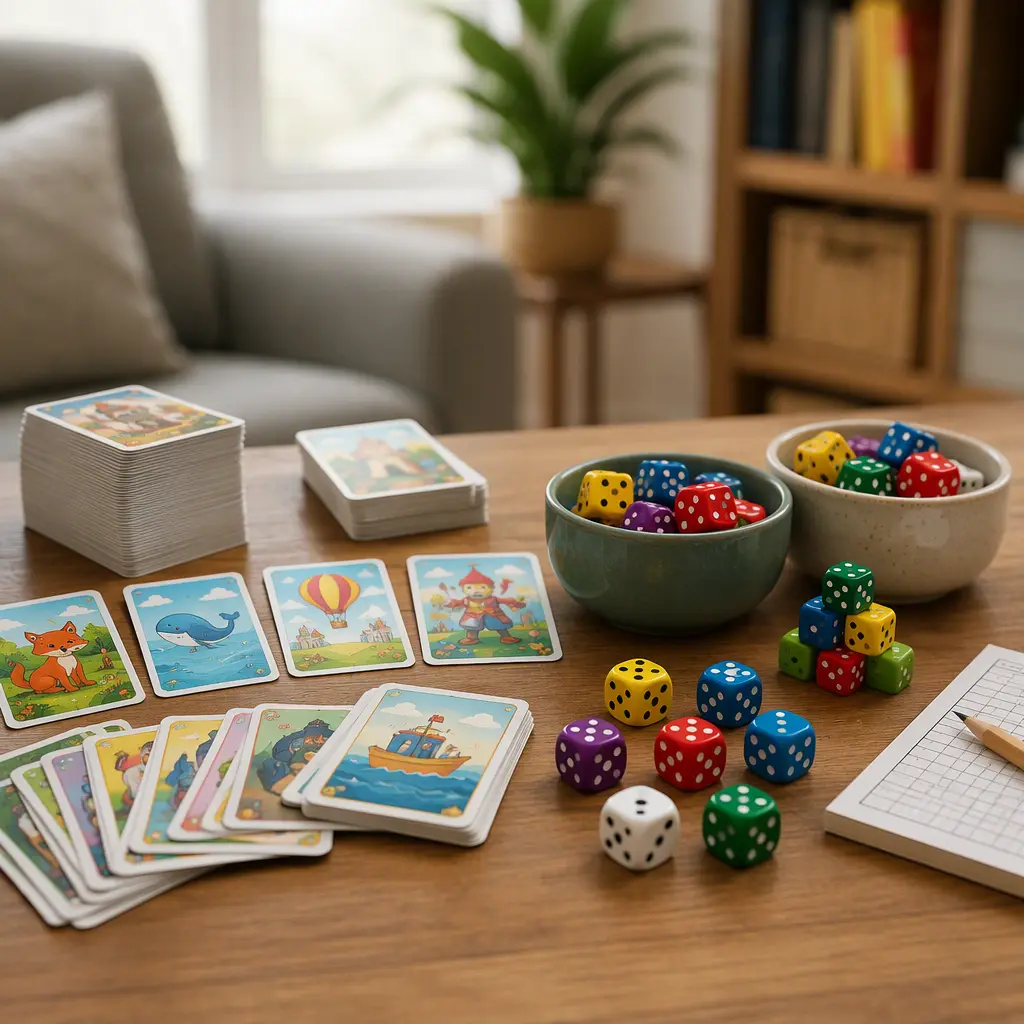
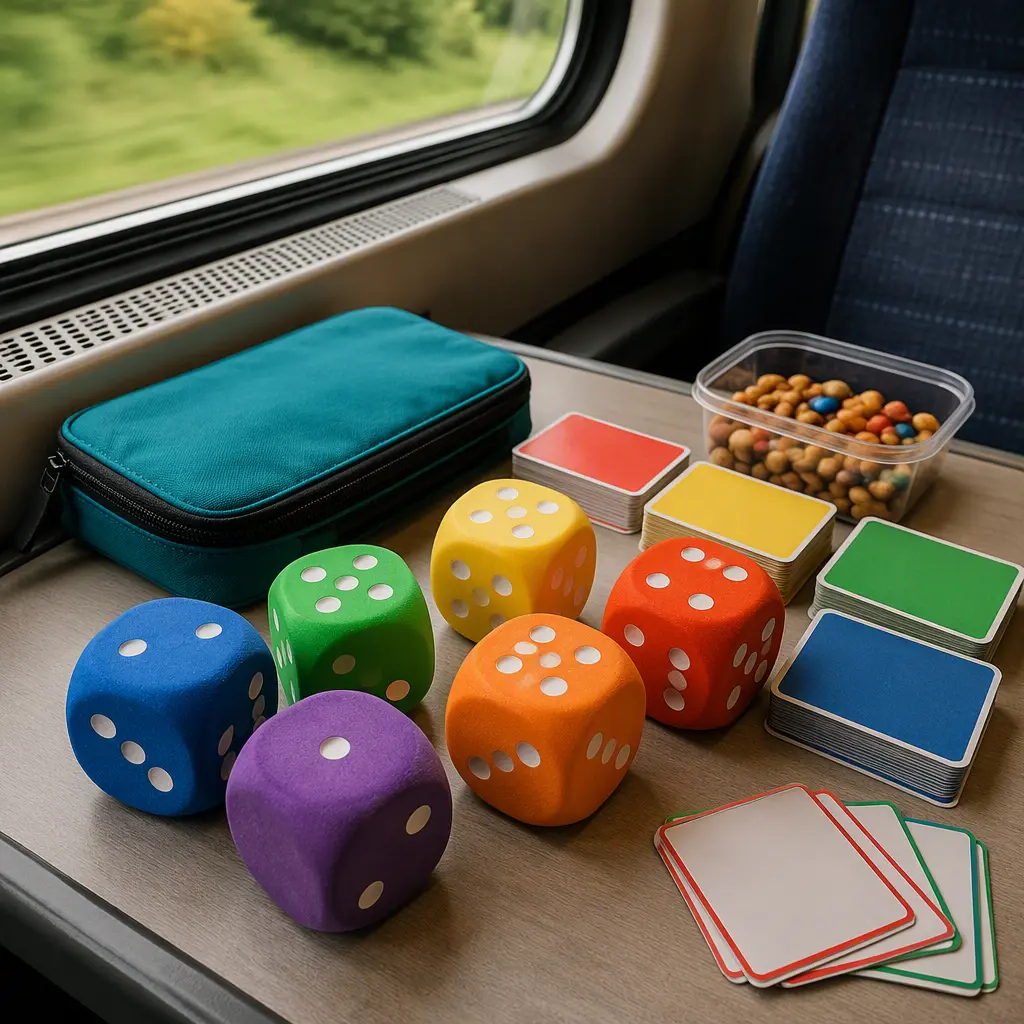
Choosing between foam dice games and card games for family travel depends on space, noise, replay value and mixed ages. This guide compares both for offline trips with children aged 6–8.
Board Games & Card Games · 3–5 years
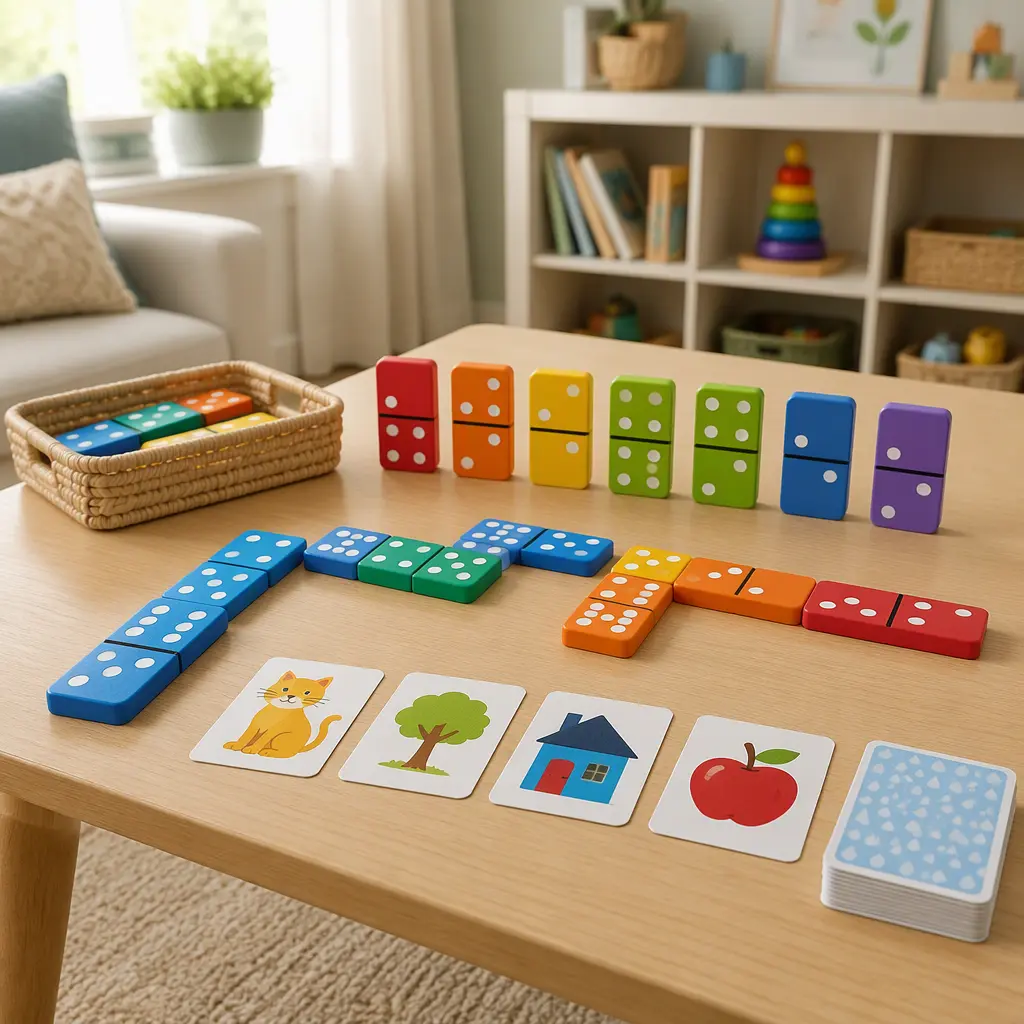
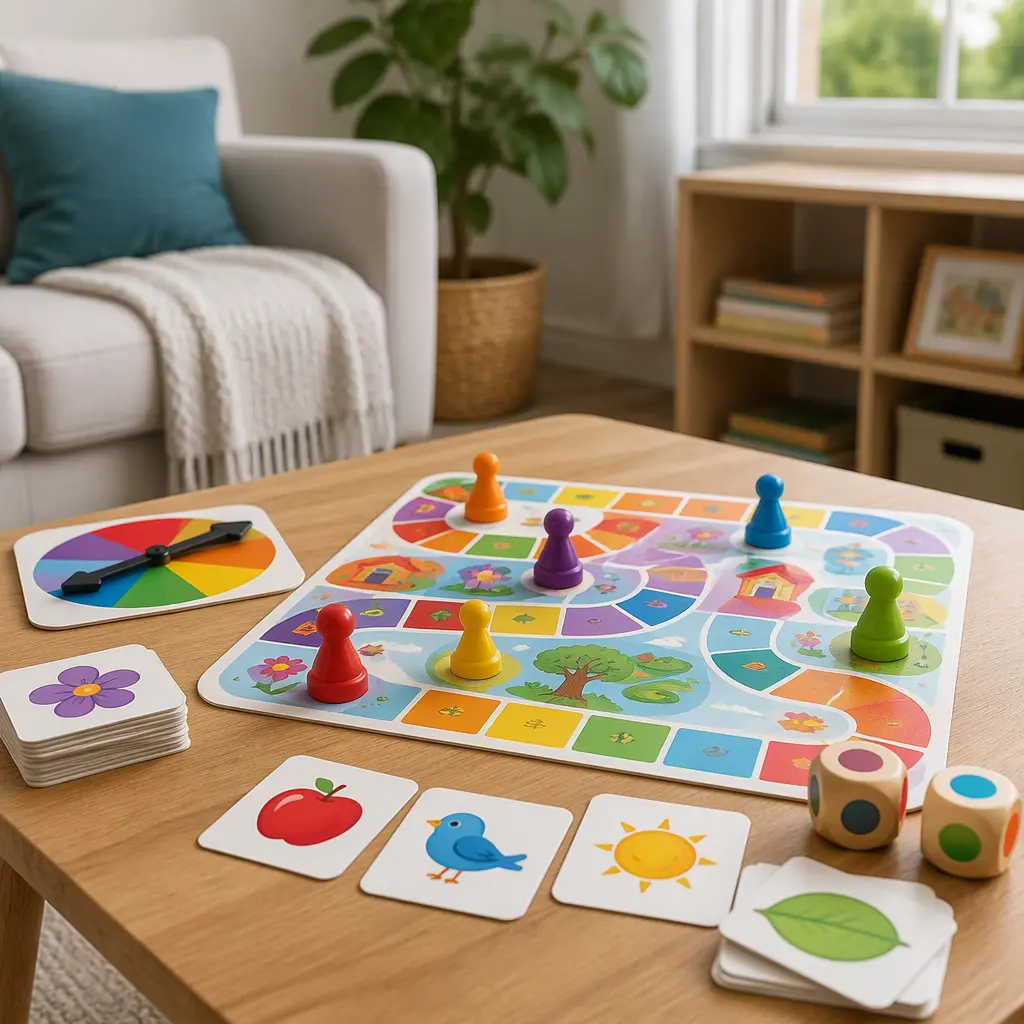
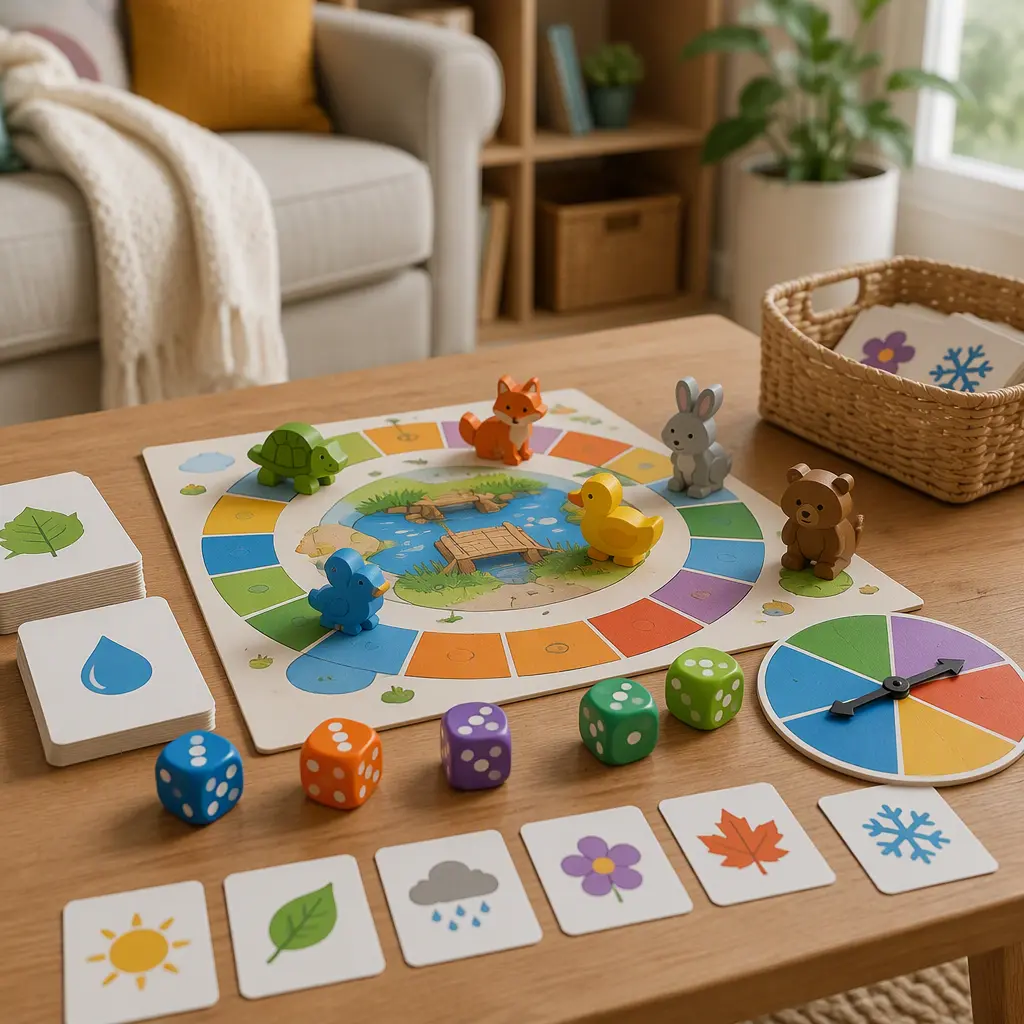
A parent-focused guide to beginner board games for preschoolers who cannot read yet, comparing icon-based play, replay value, attention span, setup, and how much adult help each style needs.
Board Games & Card Games · 6–8 years
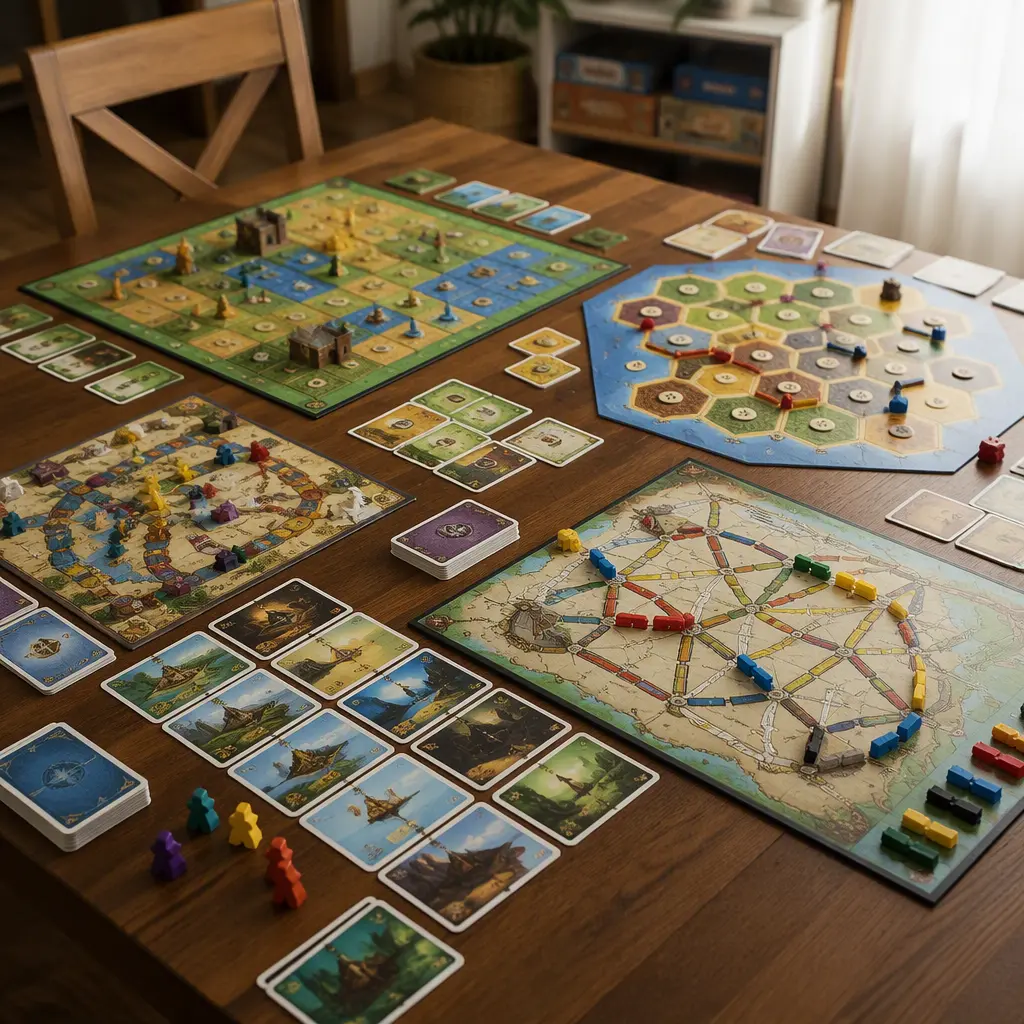
A parent-focused guide to low-frustration strategy games for children aged 6–8, with quick turns, simple rules, comeback chances, and manageable play sessions.
Board Games & Card Games · 6–8 years
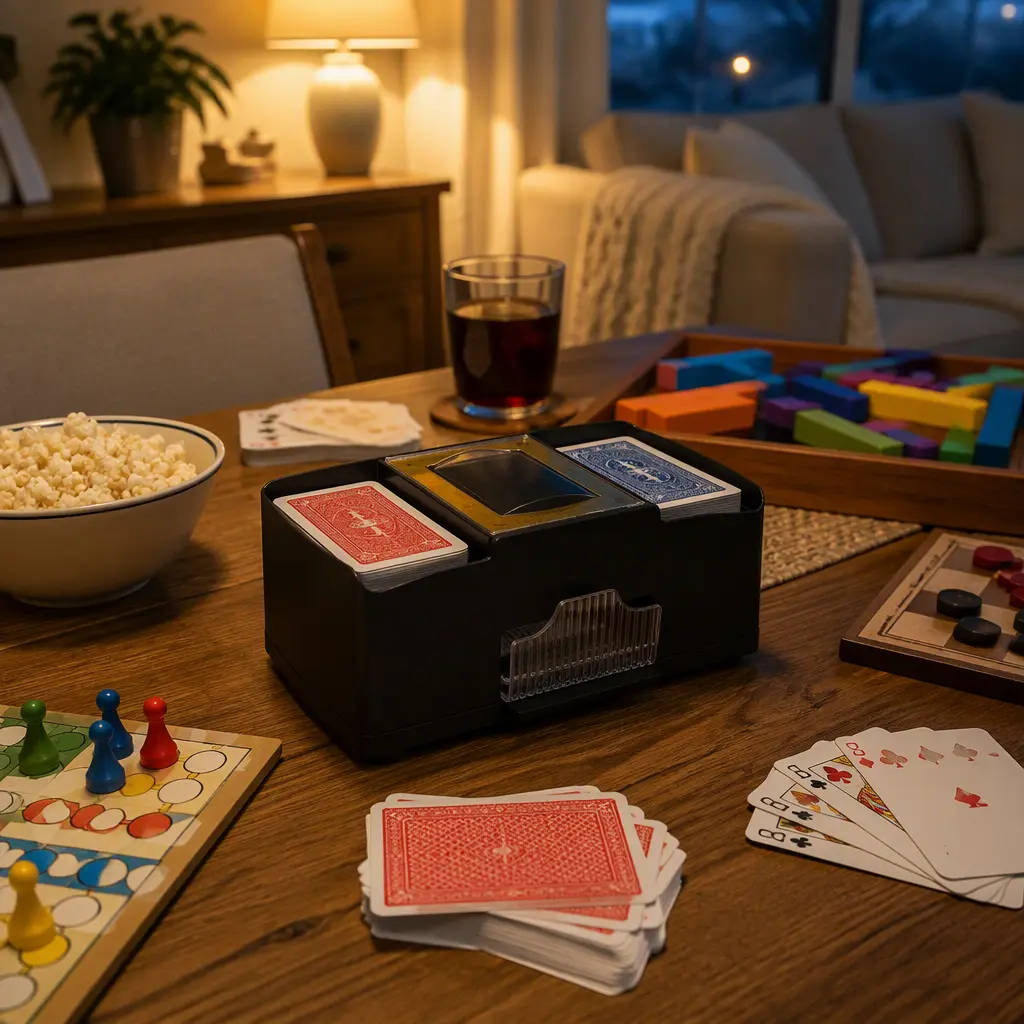
Comparing automatic card shufflers with traditional hand-shuffled card games for families with children aged 6–8, including accessibility, durability, noise and setup trade-offs.
Board Games & Card Games · 6–8 years
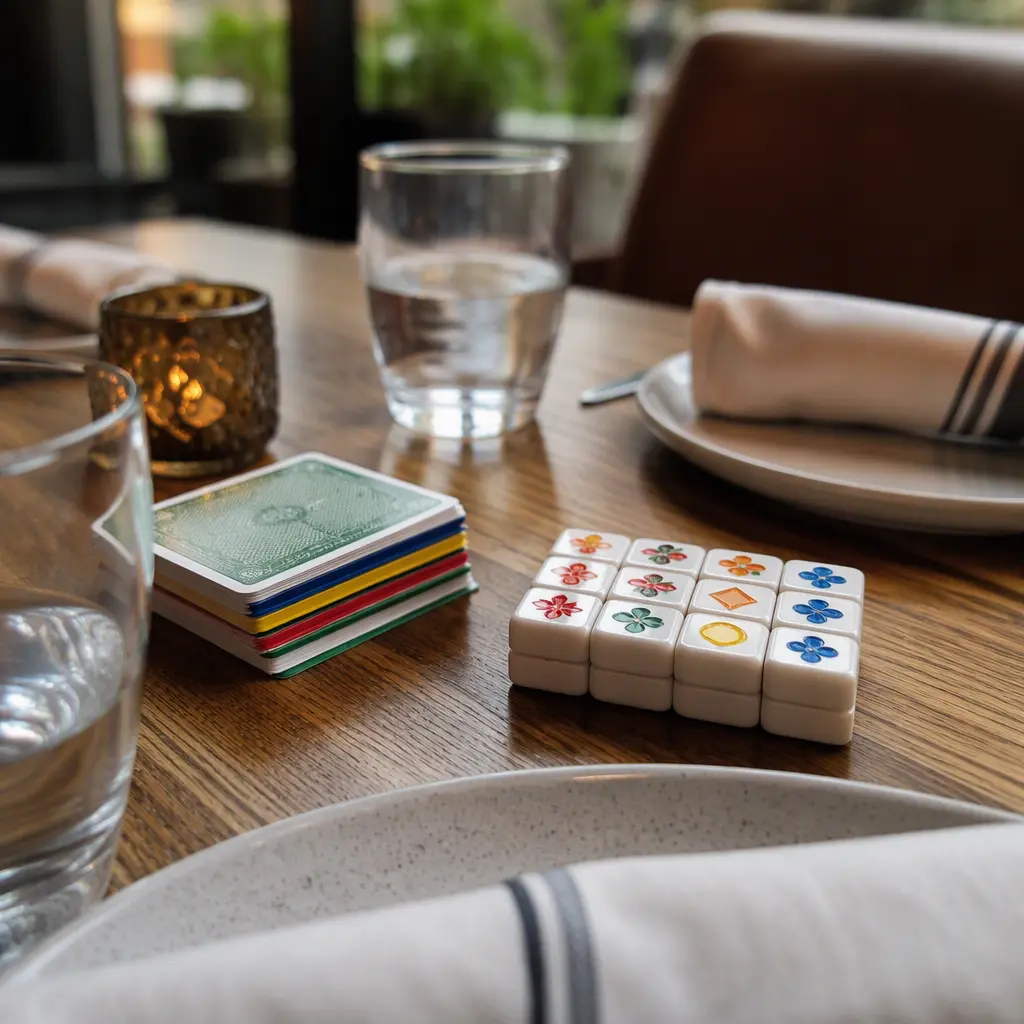
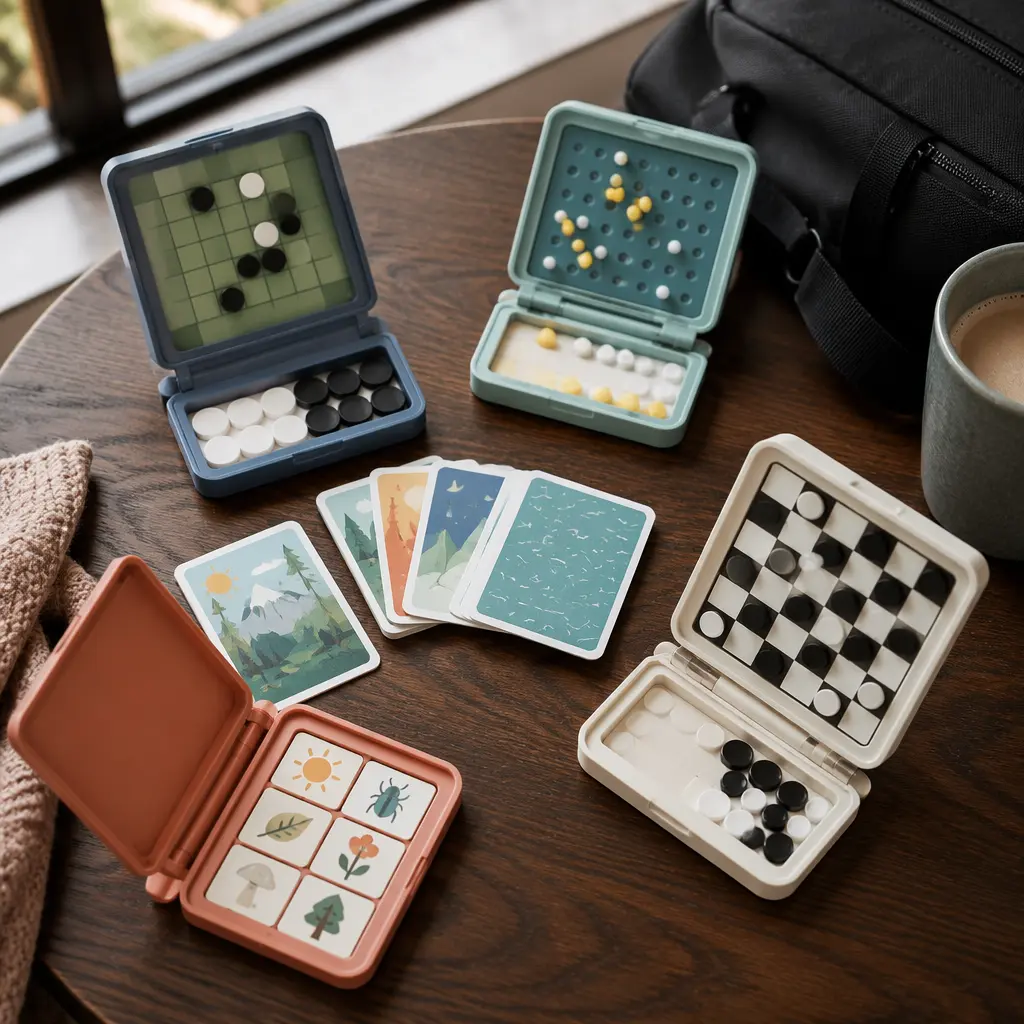
A parent-focused guide to compact board games for ages 6–8 that stay organized during travel, café visits, and repeated packing, with practical advice on durability, noise, and storage.
Board Games & Card Games · 6–8 years
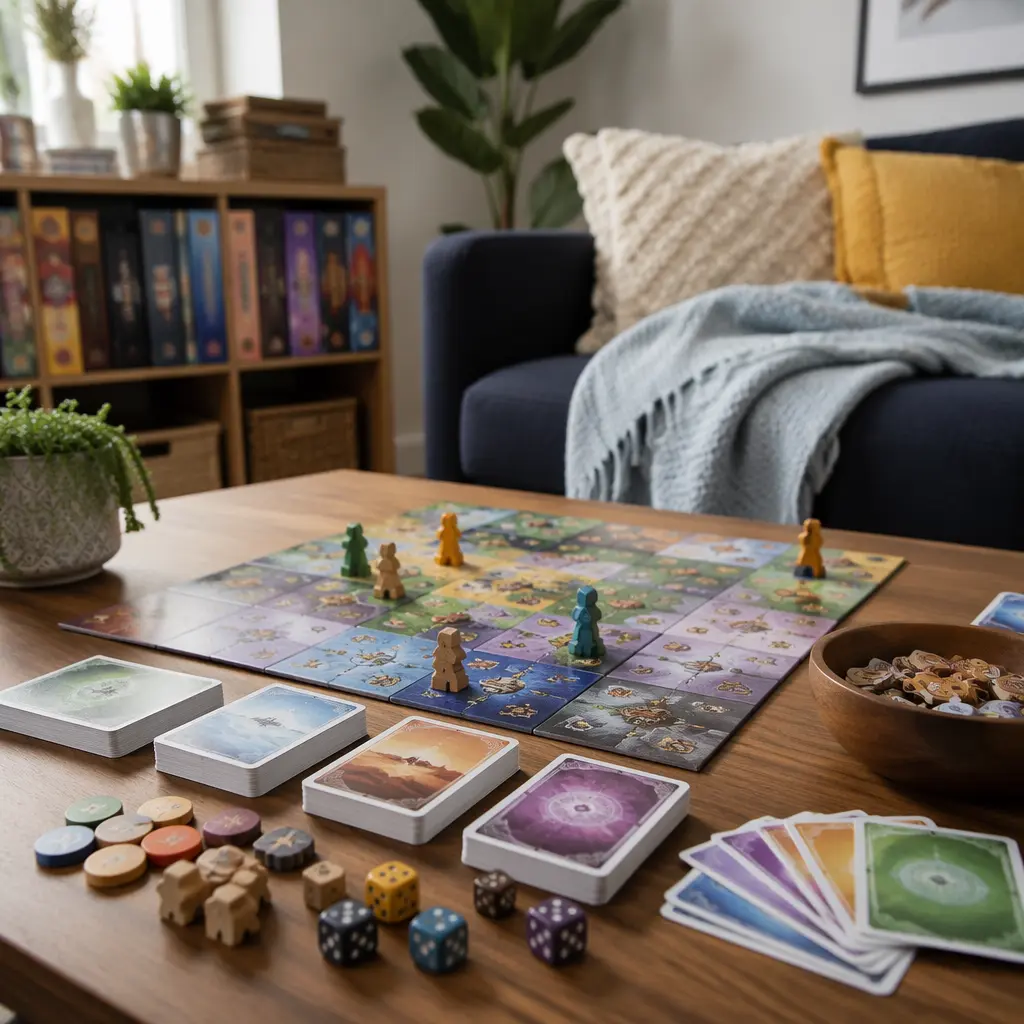
A parent-focused guide to cooperative and low-conflict board games for children aged 6–8 who find losing difficult, with practical tips on challenge level, pacing, noise, and supervision.

Board Games & Card Games · 6–8 years
A parent-focused guide to truly portable board and card games for ages 6–8, with low-mess setup, quick play times and practical tips for travel, restaurants and waiting rooms.
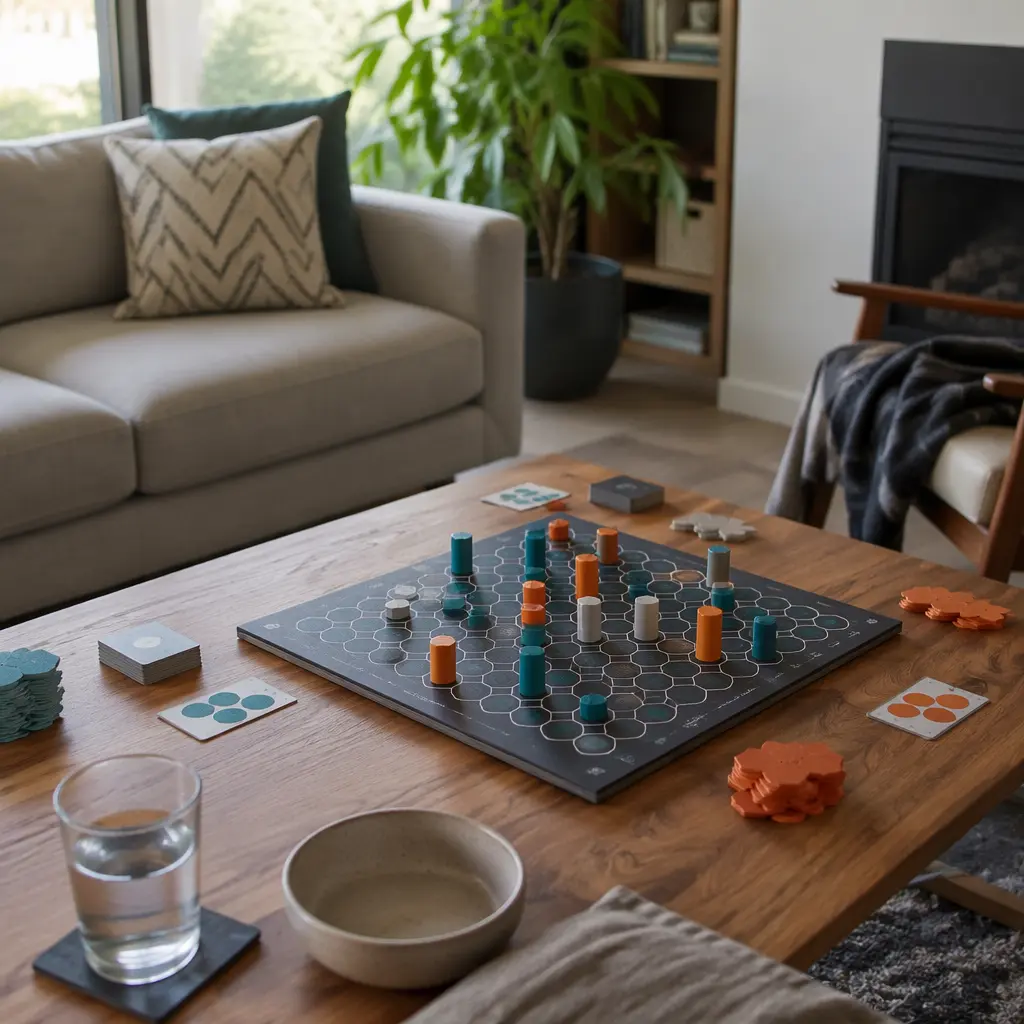
Board Games & Card Games · 9–12 years
A practical guide to two-player strategy board games for ages 9–12, covering quick setup, replay value, learning curve, noise, storage and which game styles suit siblings or parent-child play.
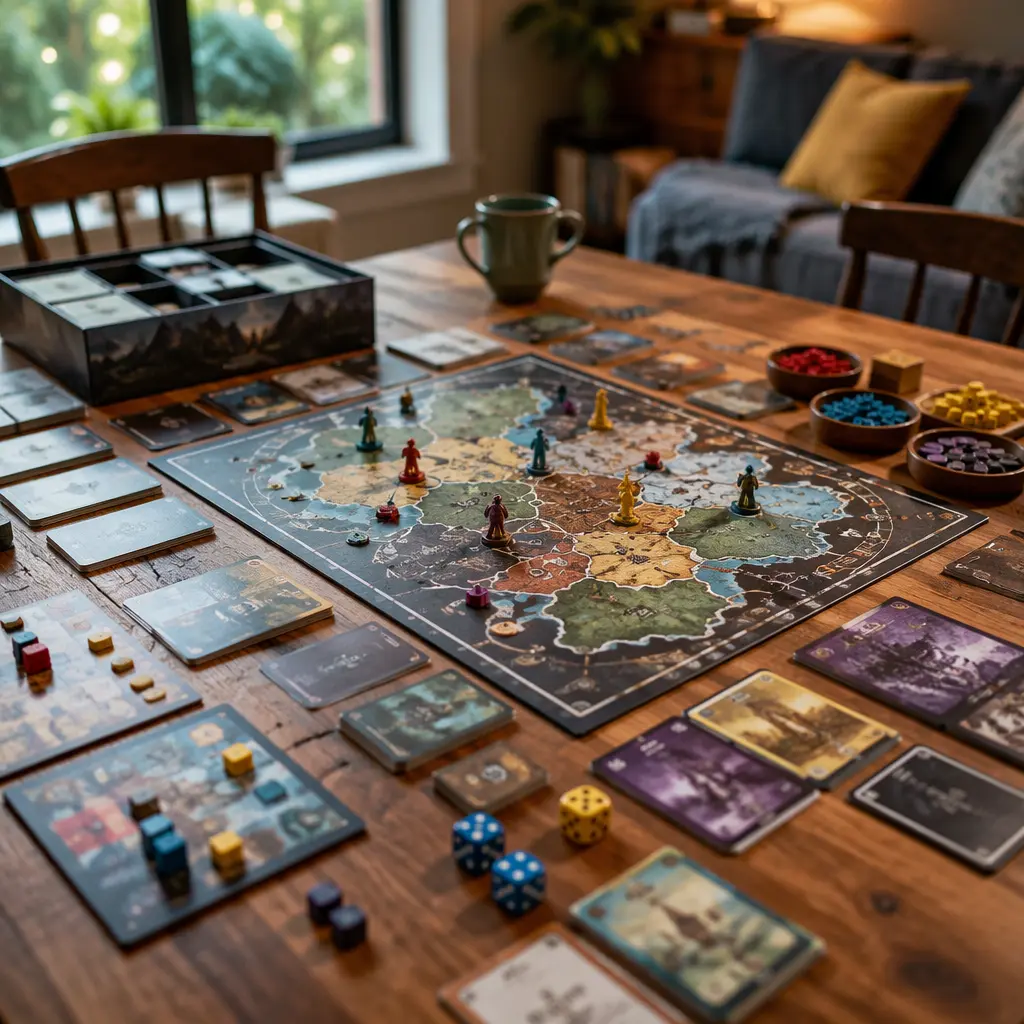
Board Games & Card Games · 13+ years
Explore cooperative board games that keep teens and parents equally engaged with strategy, teamwork, and replay value for family game nights.
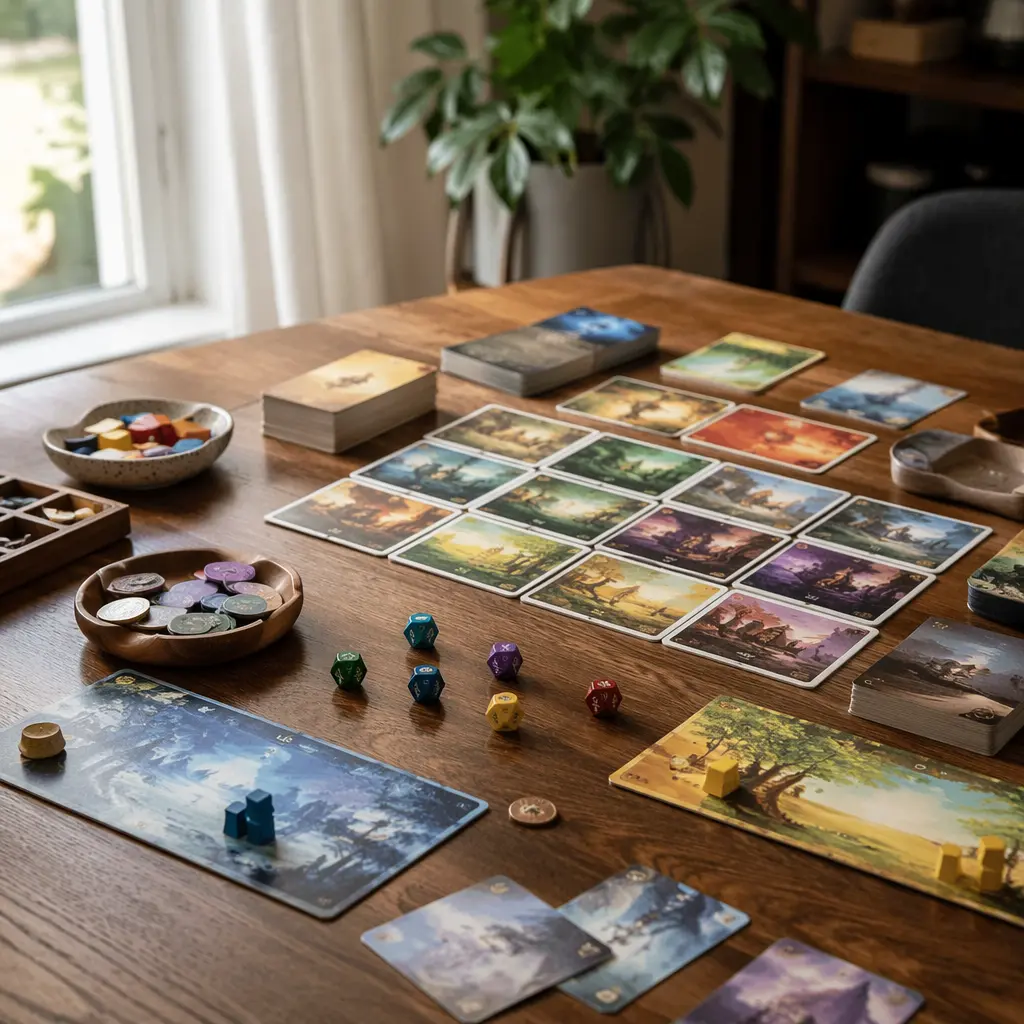
Board Games & Card Games · 9–12 years
A parent-friendly guide to quick-play board and card games for ages 9–12 that set up fast, explain easily, and wrap up before attention fades—no screens required.
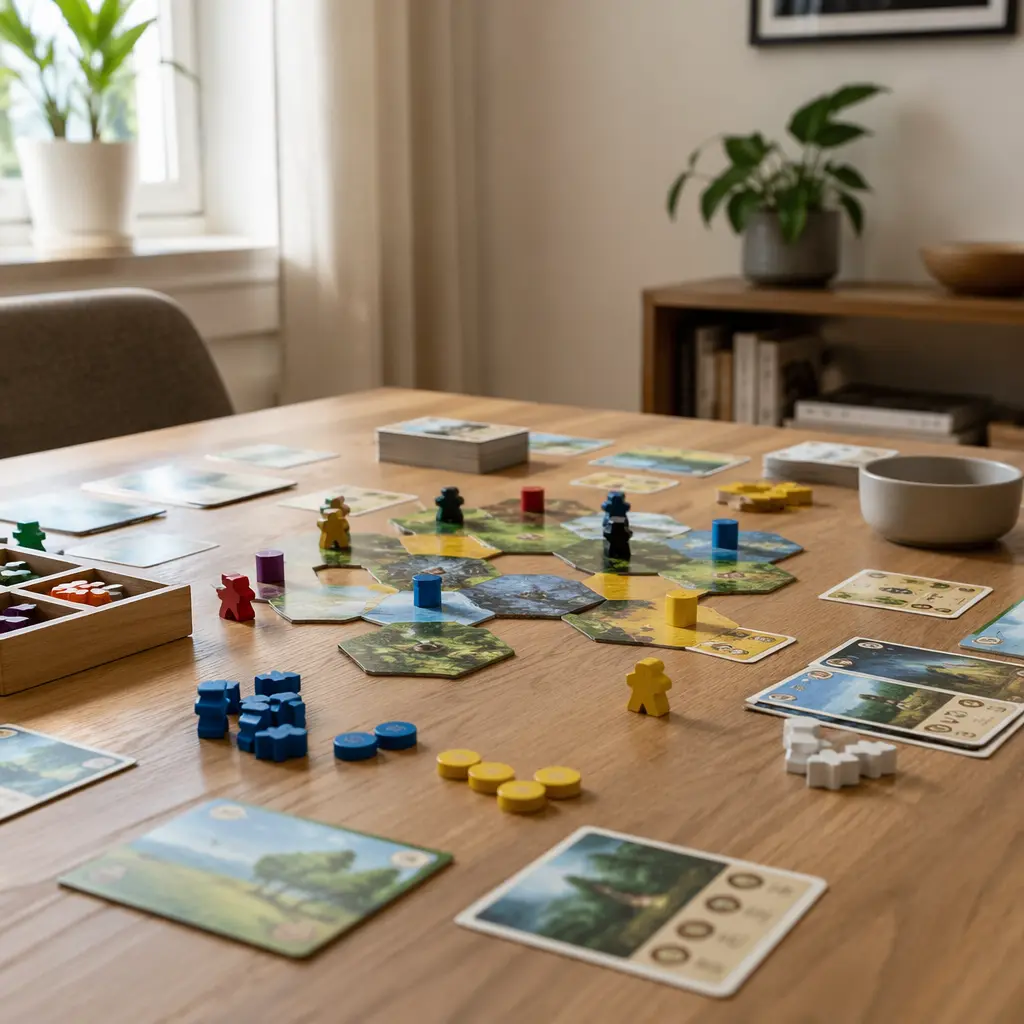
Board Games & Card Games · 9–12 years
A parent-friendly guide to under-30-minute strategy board games for ages 9–12. Learn what to look for, age fit, safety notes, and popular game types that keep kids thinking without screens.
Board Games & Card Games · 3–5 years
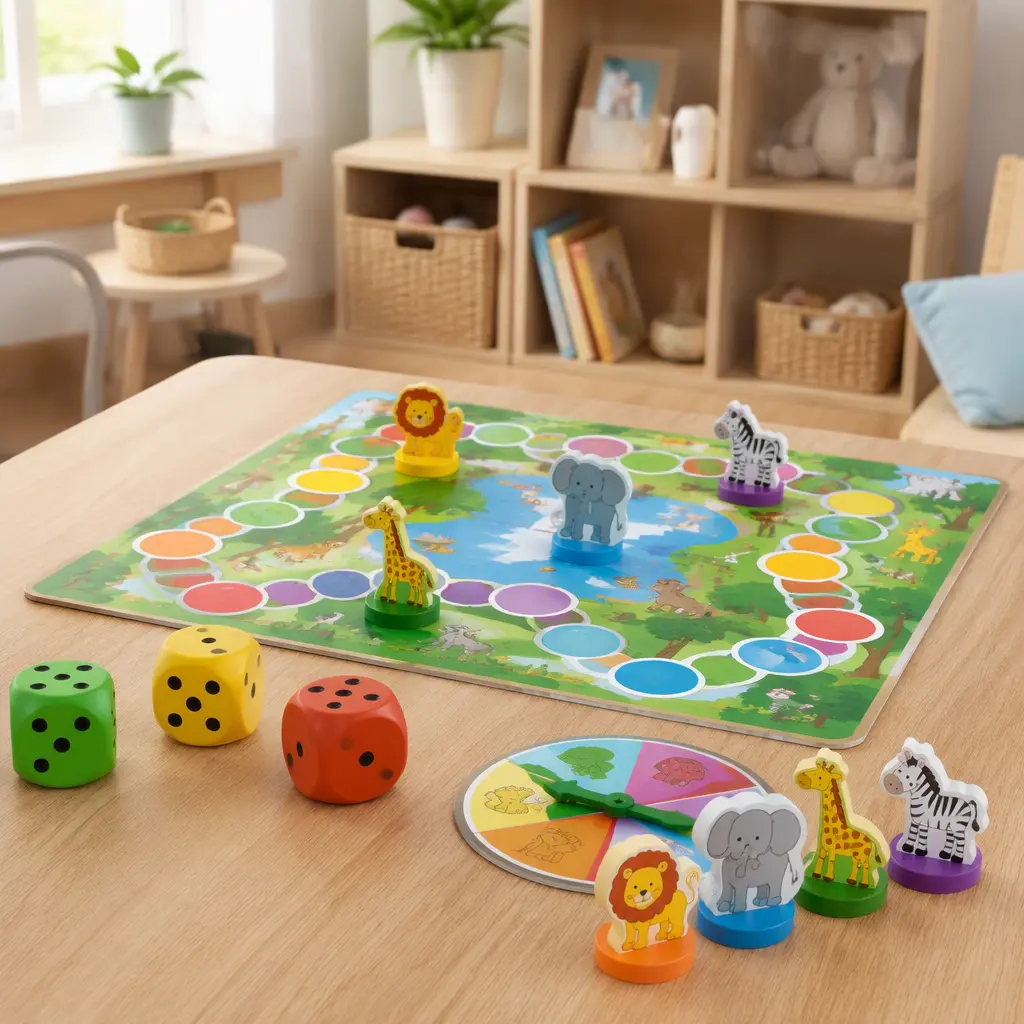
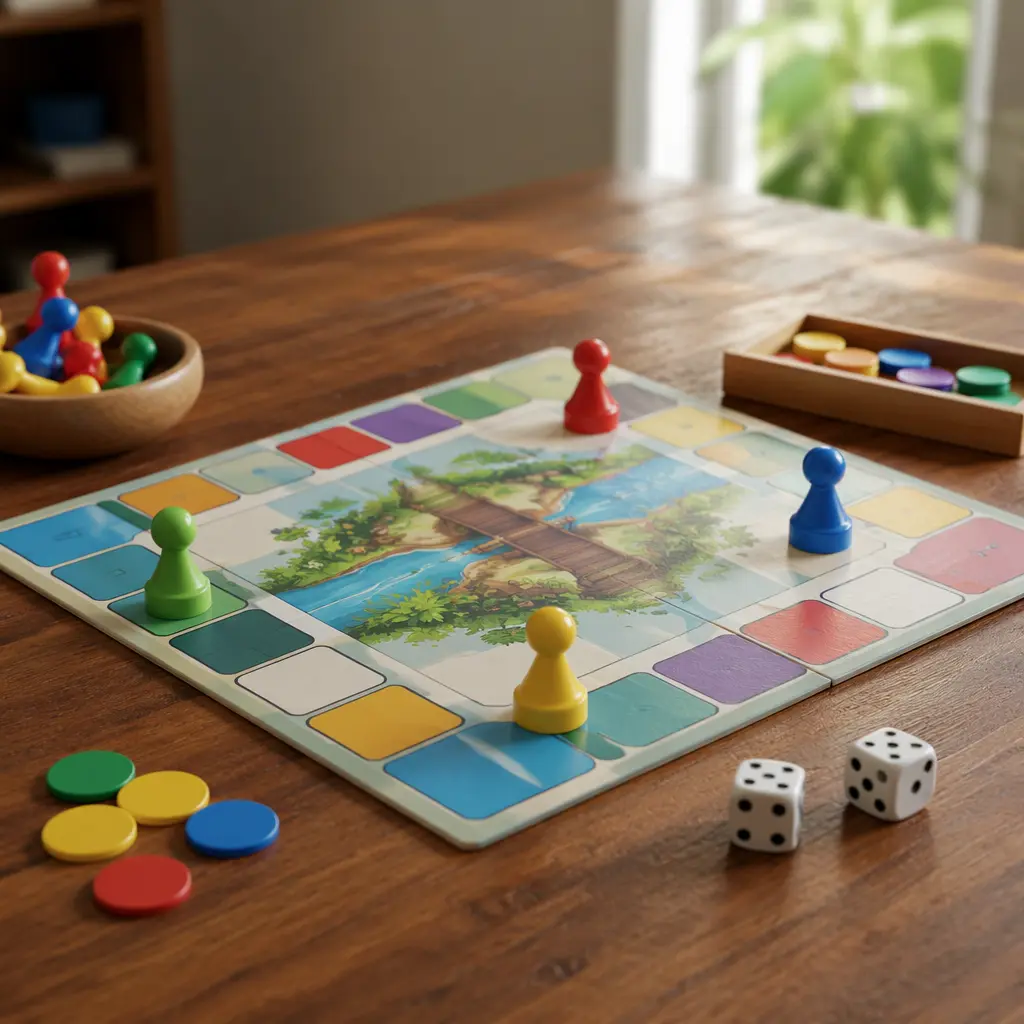
A buyer-focused guide to fast-turn board and card games for ages 3–5. Learn what to look for, age fit, and low-frustration game types that keep young kids engaged.
Board Games & Card Games · 3–5 years
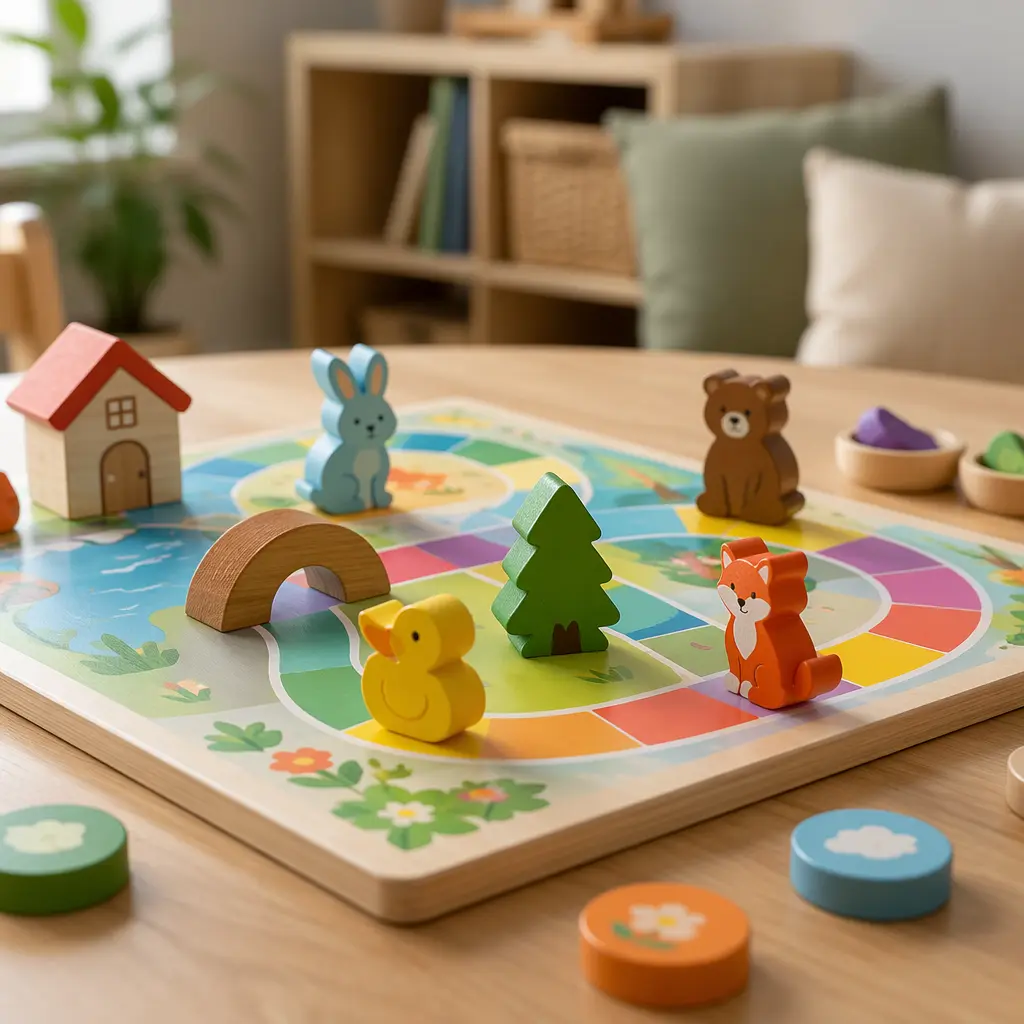
A parent-focused guide to classic board games that work for ages 3–5. Learn what features matter—short turns, movement, and low reading—and how to choose games preschoolers can enjoy without frustration.
Board Games & Card Games
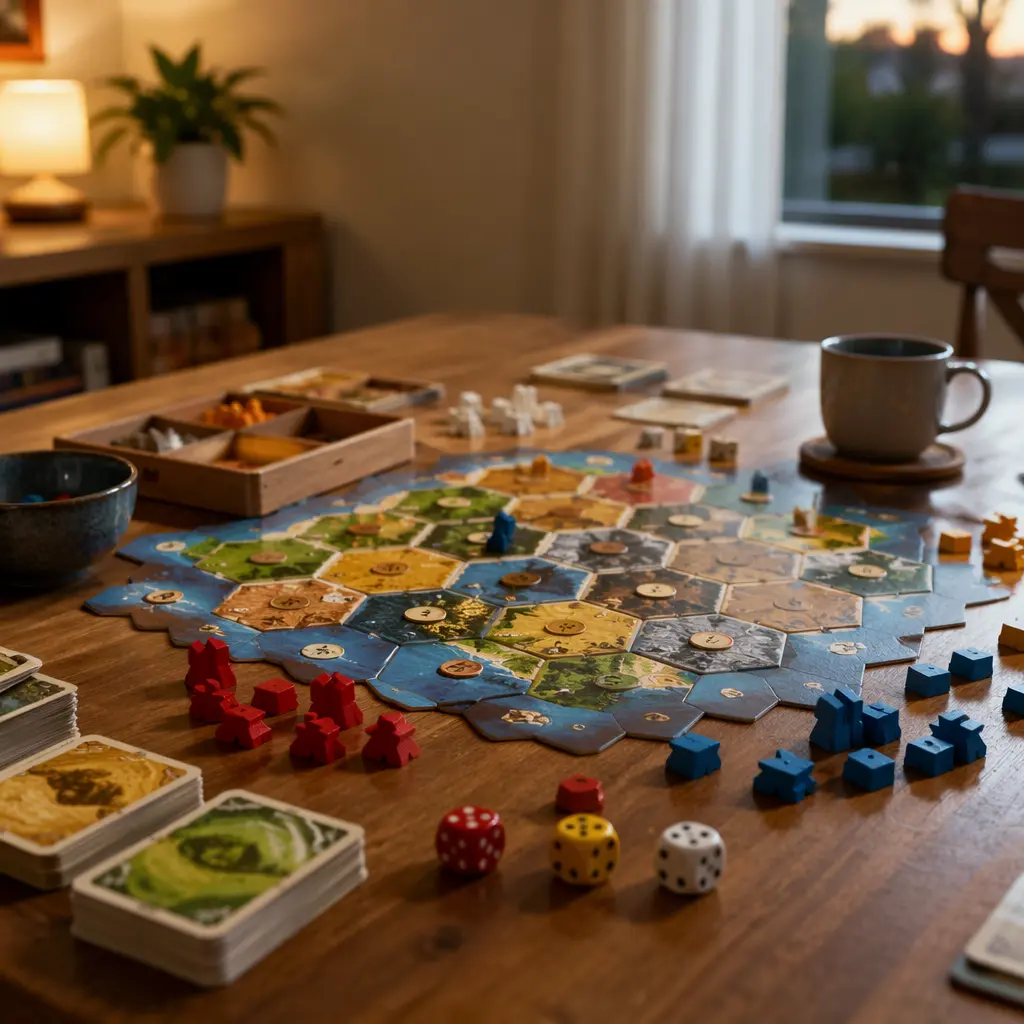
A buyer-friendly guide to short, no-tech board games that fit busy weeknights. Learn what to look for, age fit, and game types that keep mixed ages engaged—without dragging past bedtime.
Board Games & Card Games
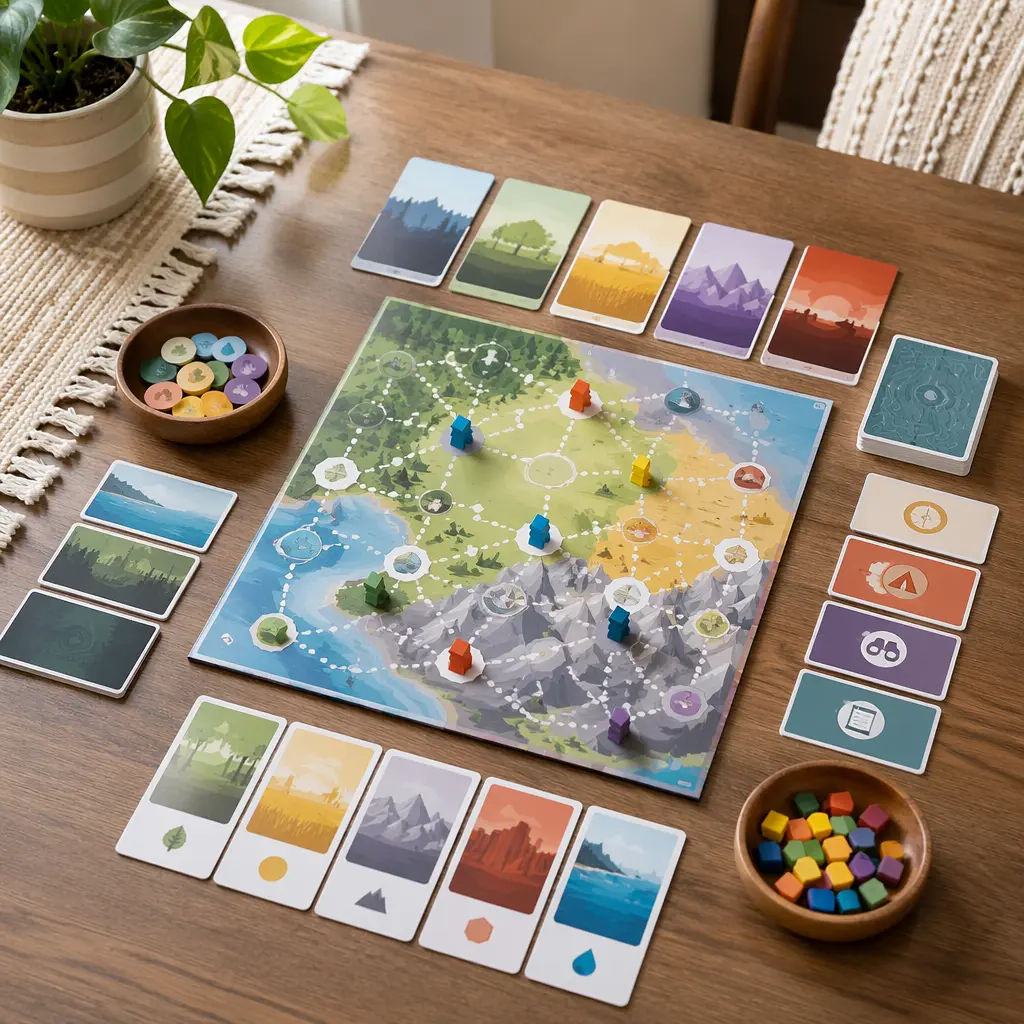
A parent-friendly guide to board and card games with simple rules and fast starts. Learn what to look for, age fit, and popular categories that help families begin playing within minutes.
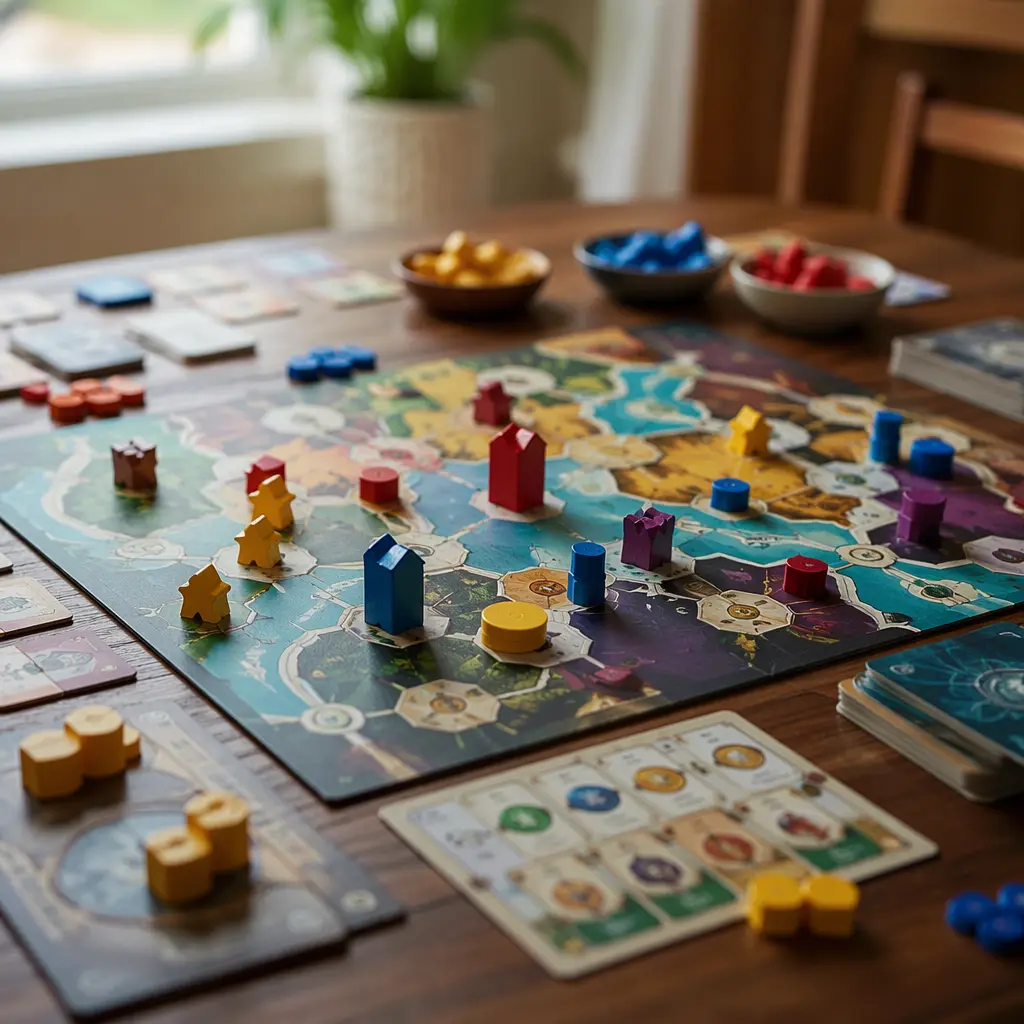
Board Games & Card Games · 6–8 years
A parent-friendly guide to fast, simultaneous-play board games for ages 6–8. Learn what features keep impatient kids engaged, how to judge age fit, and which game styles minimize waiting.
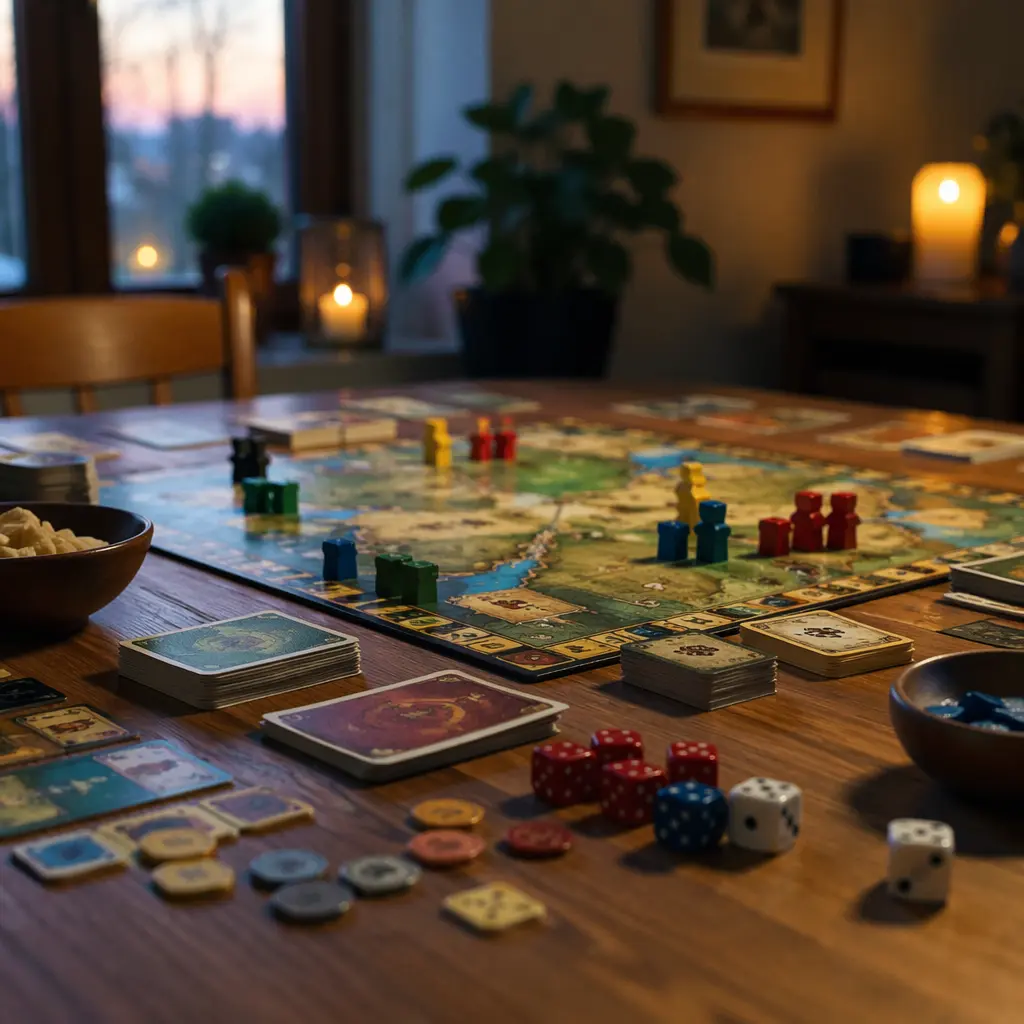
Board Games & Card Games · 6–8 years
A parent-friendly guide to short-play board games for ages 6–8 that deliver a complete, satisfying experience without stretching past bedtime routines.
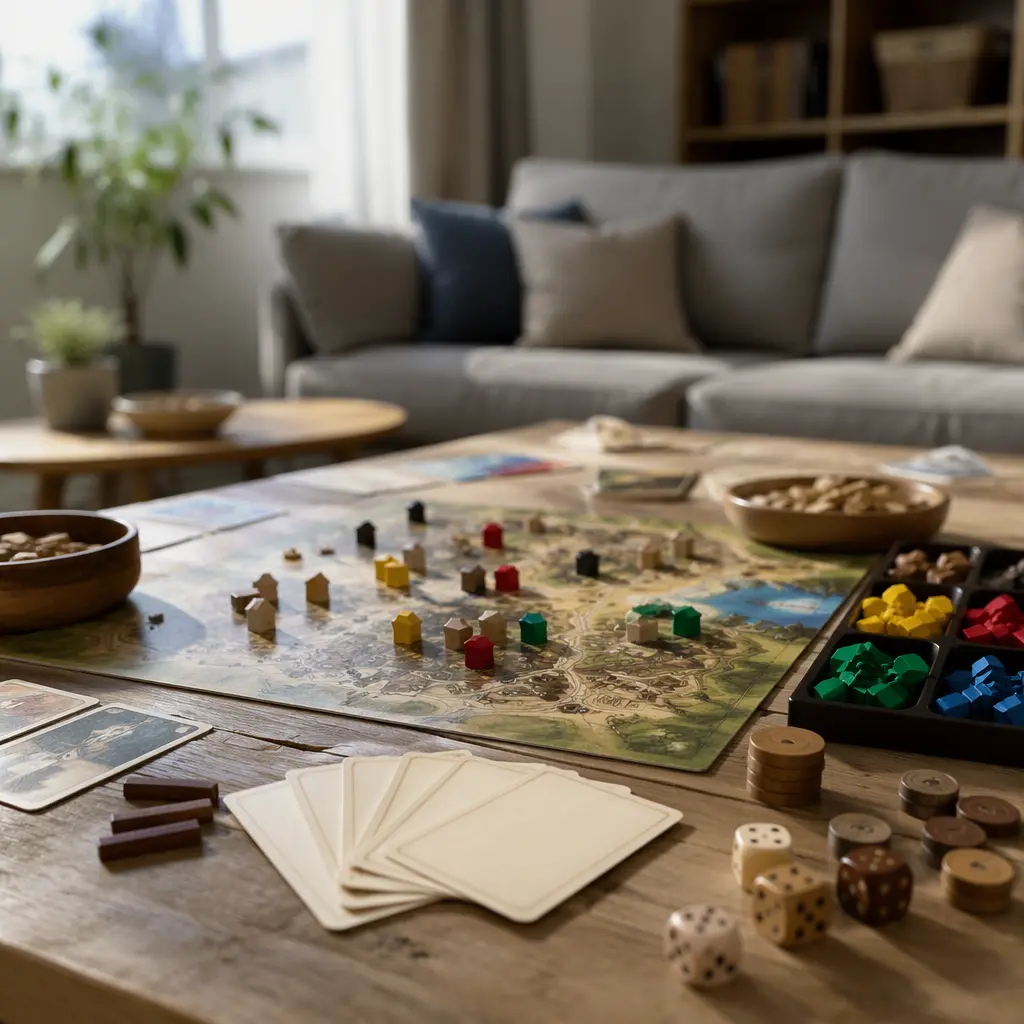
Board Games & Card Games · 13+ years
Why some no-tech board games still hold teens’ attention in a screen-first world. Learn what keeps these classics engaging and how to choose the right fit for ages 13+.
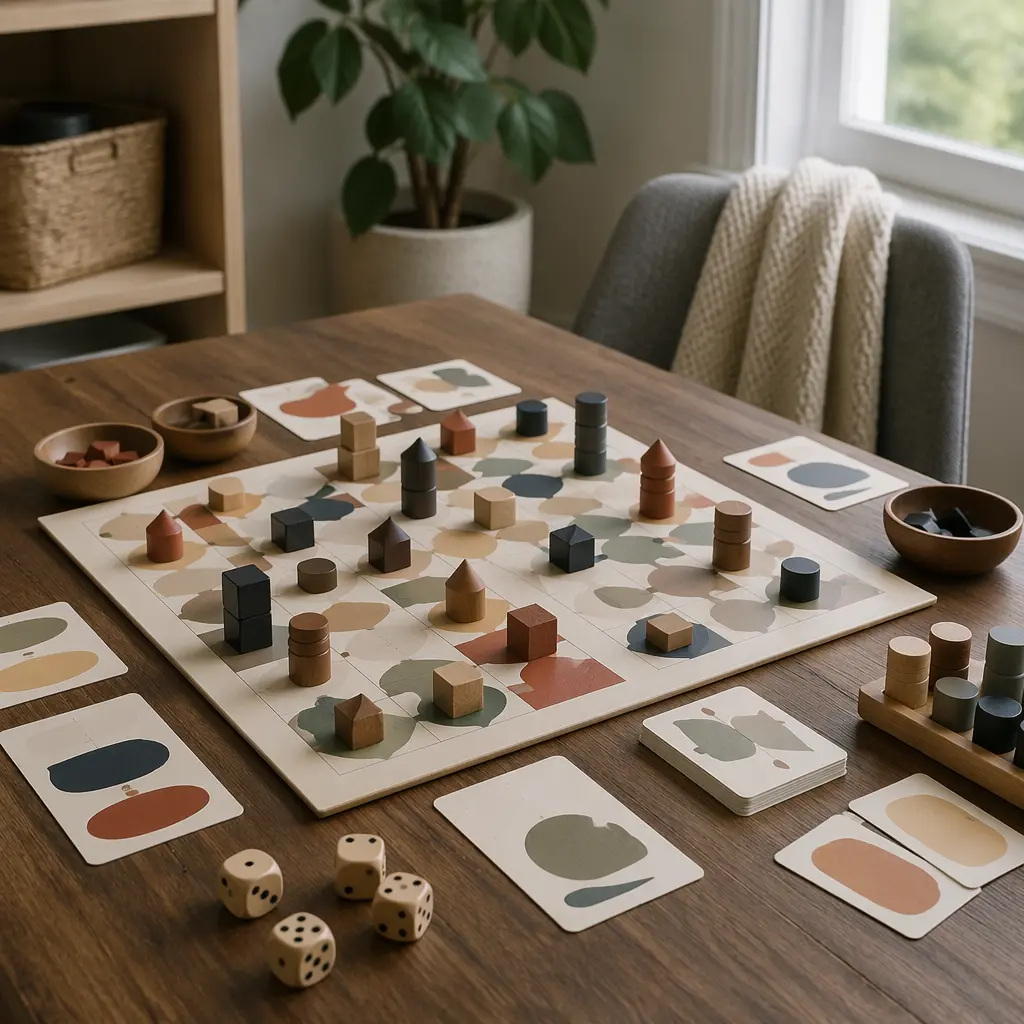
Board Games & Card Games · 13+ years
A parent-focused guide to board games that keep teens engaged without screens. Learn what features matter, age suitability, popular game styles, and answers to common questions.
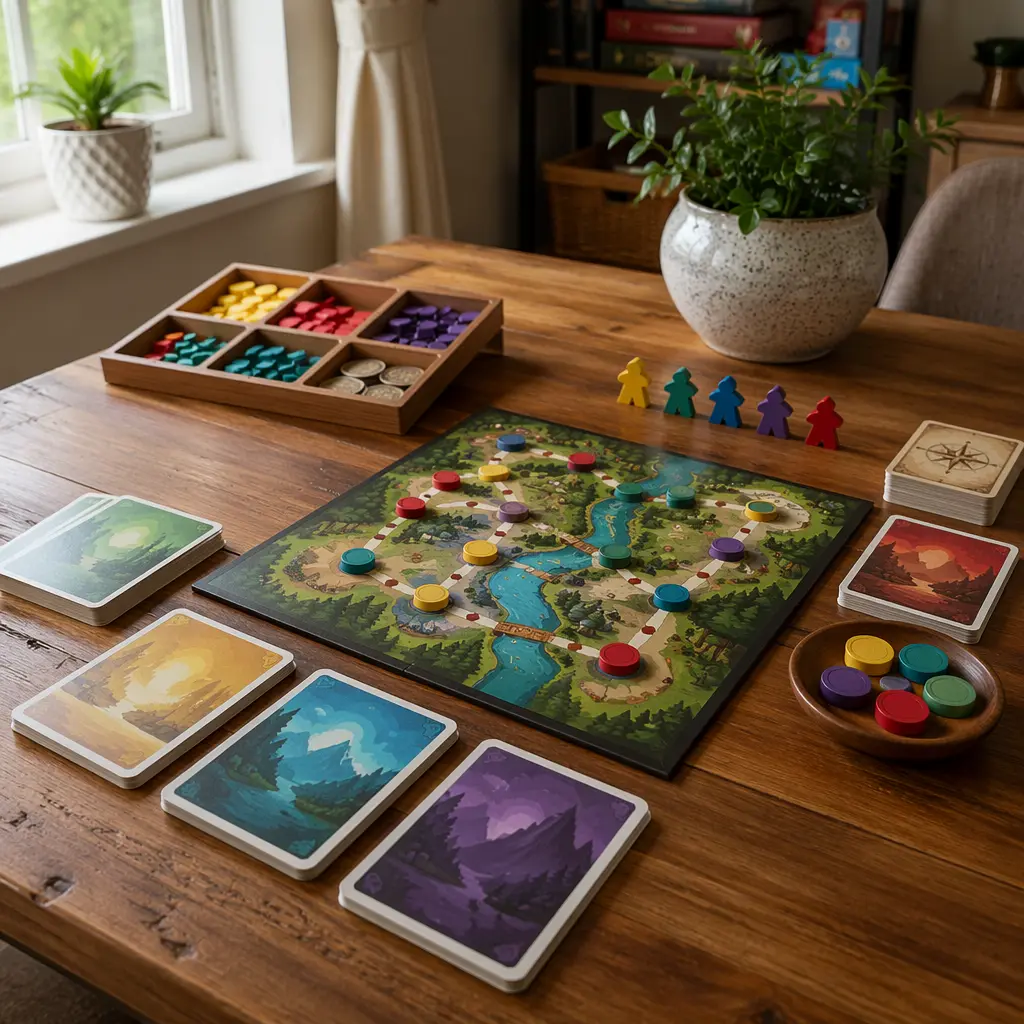
Board Games & Card Games · 9–12 years
A parent-friendly guide to low-friction board and card games for ages 9–12 that teach quickly, play fast, and get everyone involved within minutes.
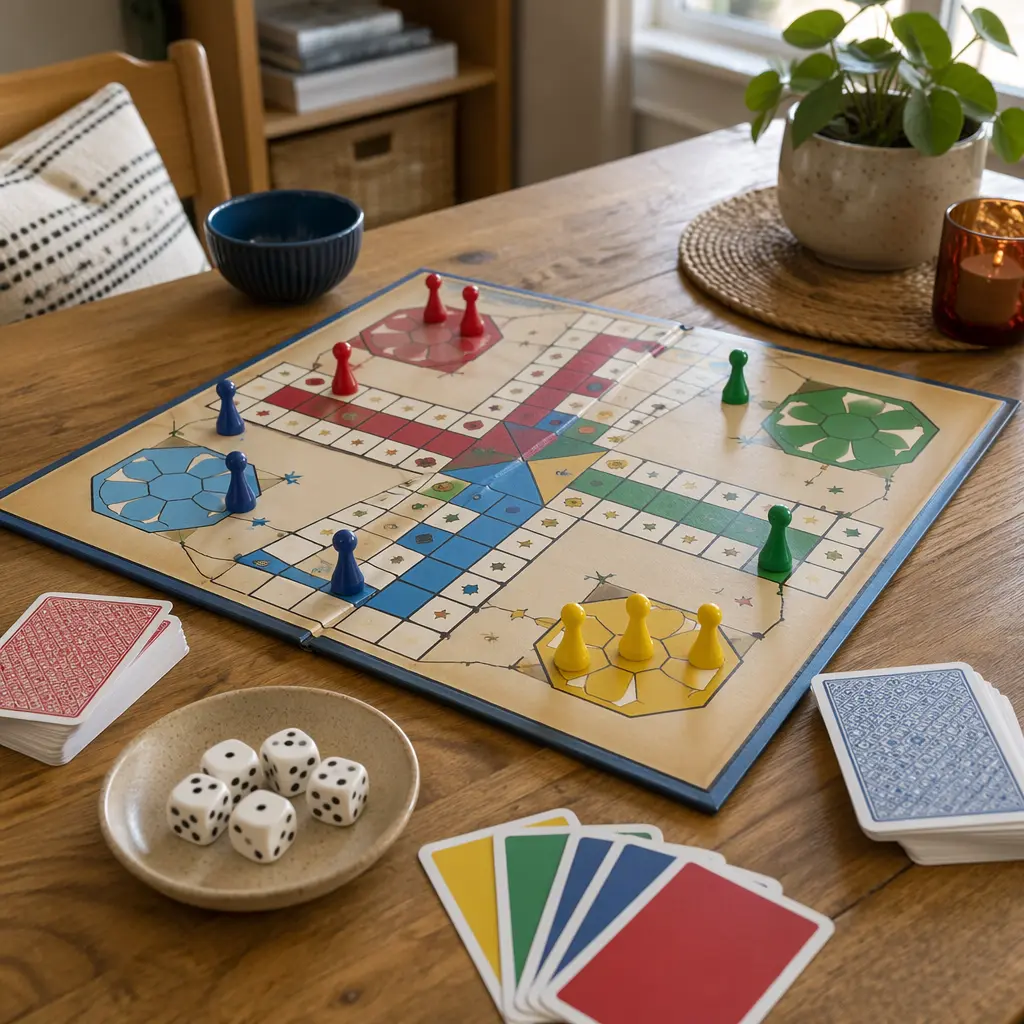
Board Games & Card Games · 6–8 years
A parent-friendly guide to classic-style board games that get kids playing fast. Learn what to look for, age fit for 6–8 years, and which game types are easiest to explain and enjoy.
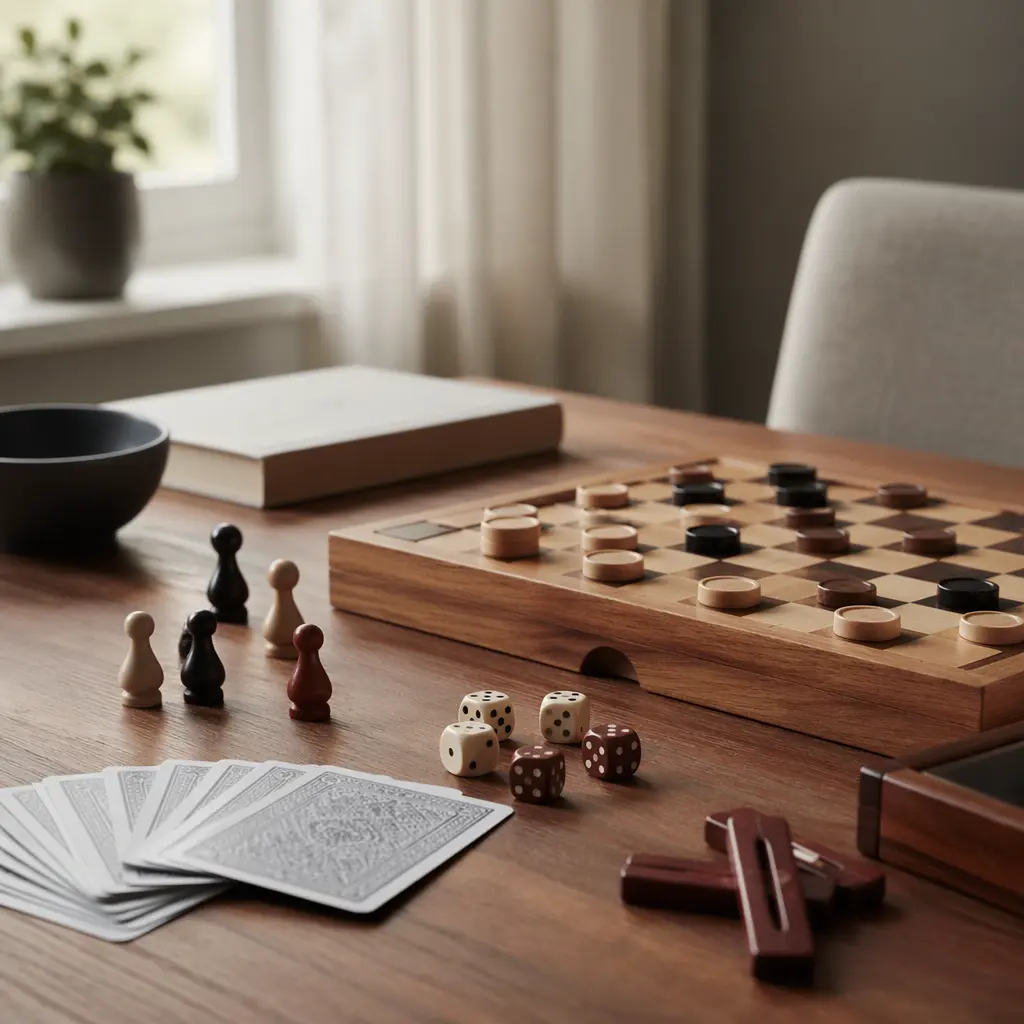
Board Games & Card Games · 13+ years
A parent-focused guide to timeless board game styles that keep teens engaged without screens, with tips on choosing age-appropriate options, safety notes, and common questions answered.
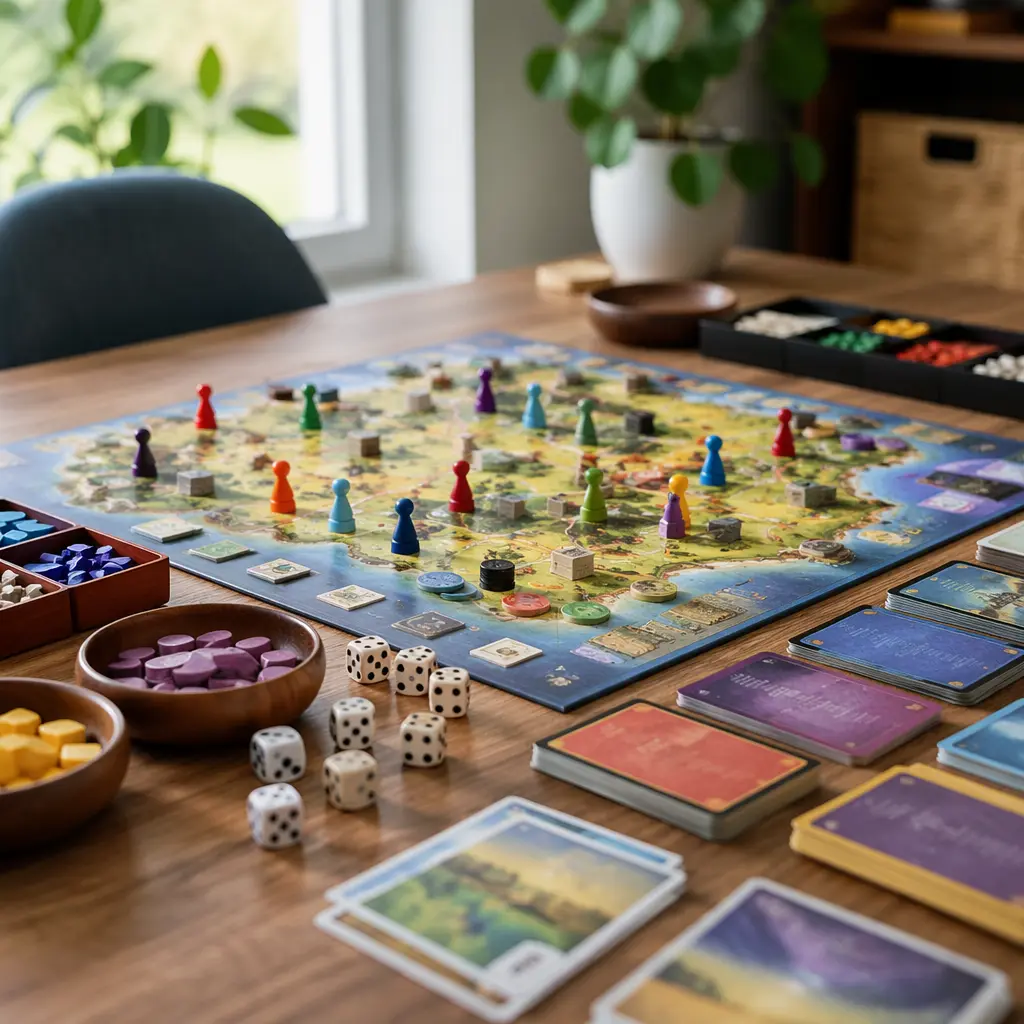
Board Games & Card Games · 6–8 years
A parent-friendly guide to fast-to-learn board and card games under $20 for ages 6–8. Learn what to look for, age fit, safety tips, and replayable game types families enjoy again and again.